Why Yellow Is Not Decoration: What Peetambara Means in Baglamukhi Puja
By SiddhiStar | Narwar Dham Parampara
15 May 2026 • 4 min read
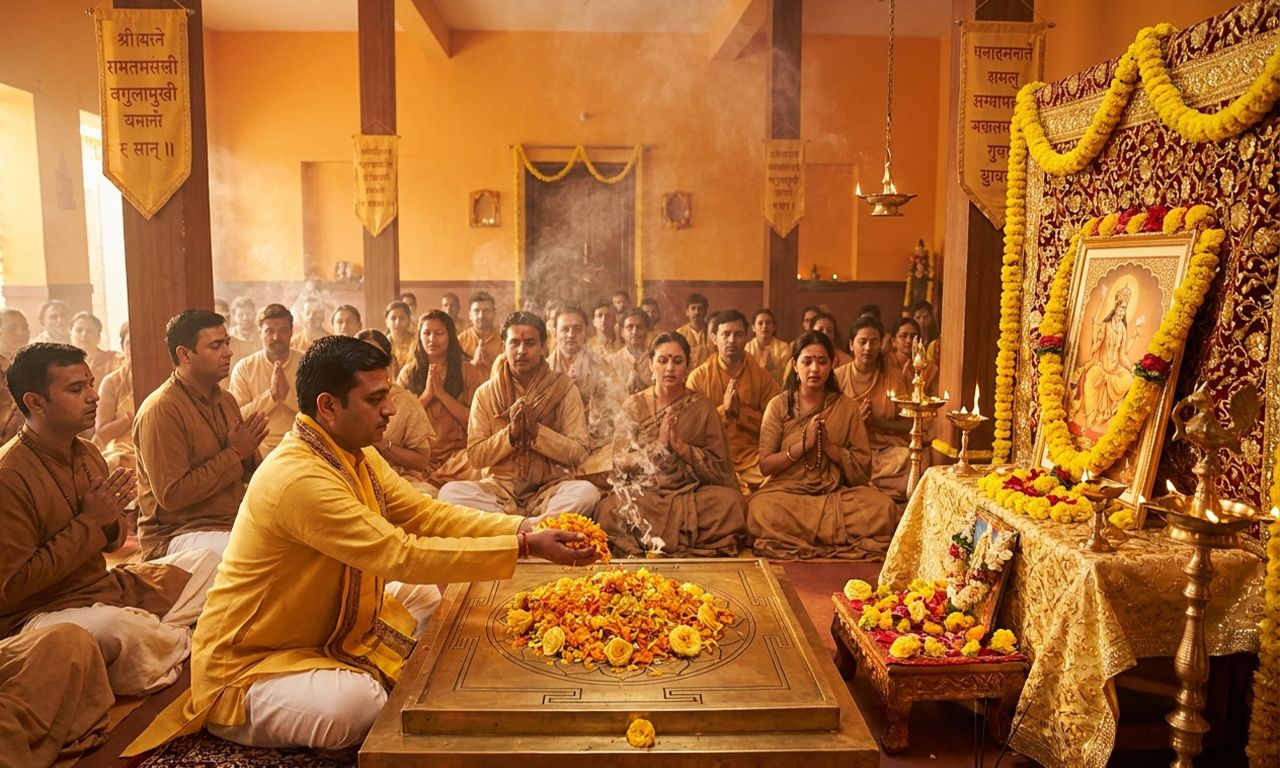
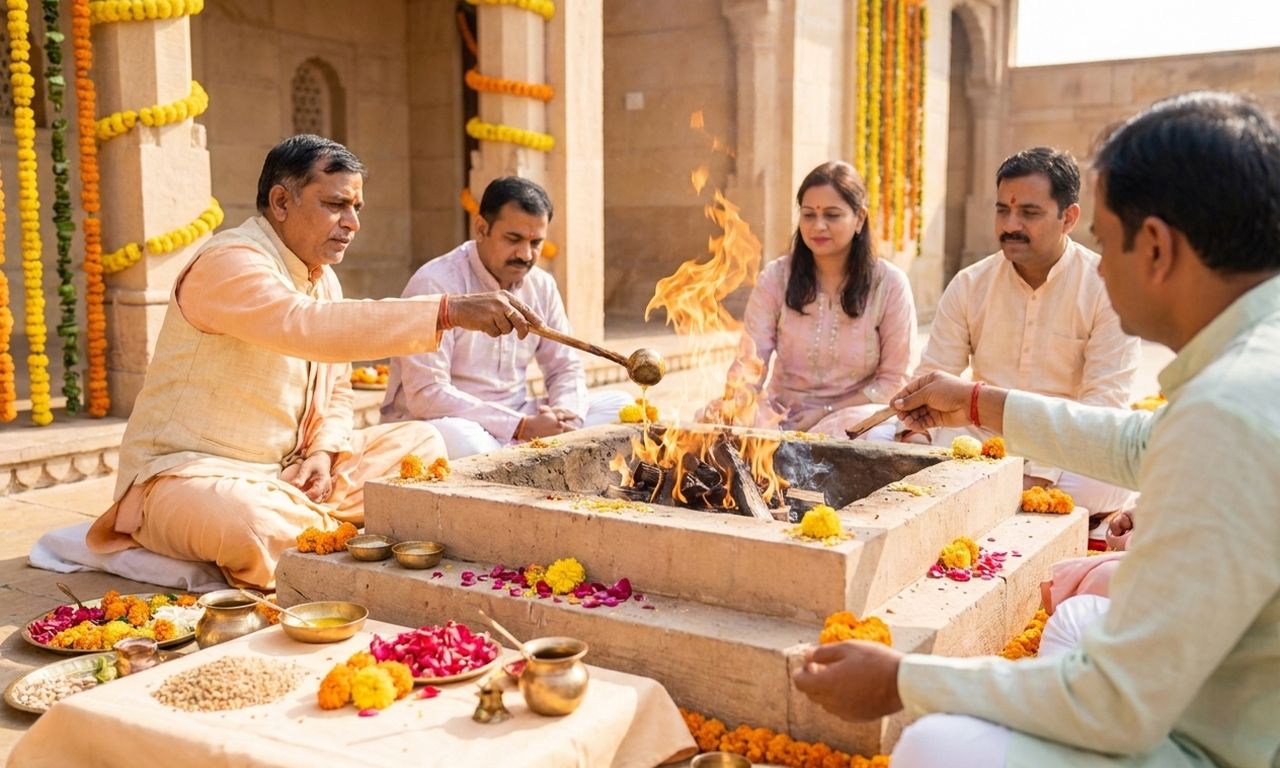
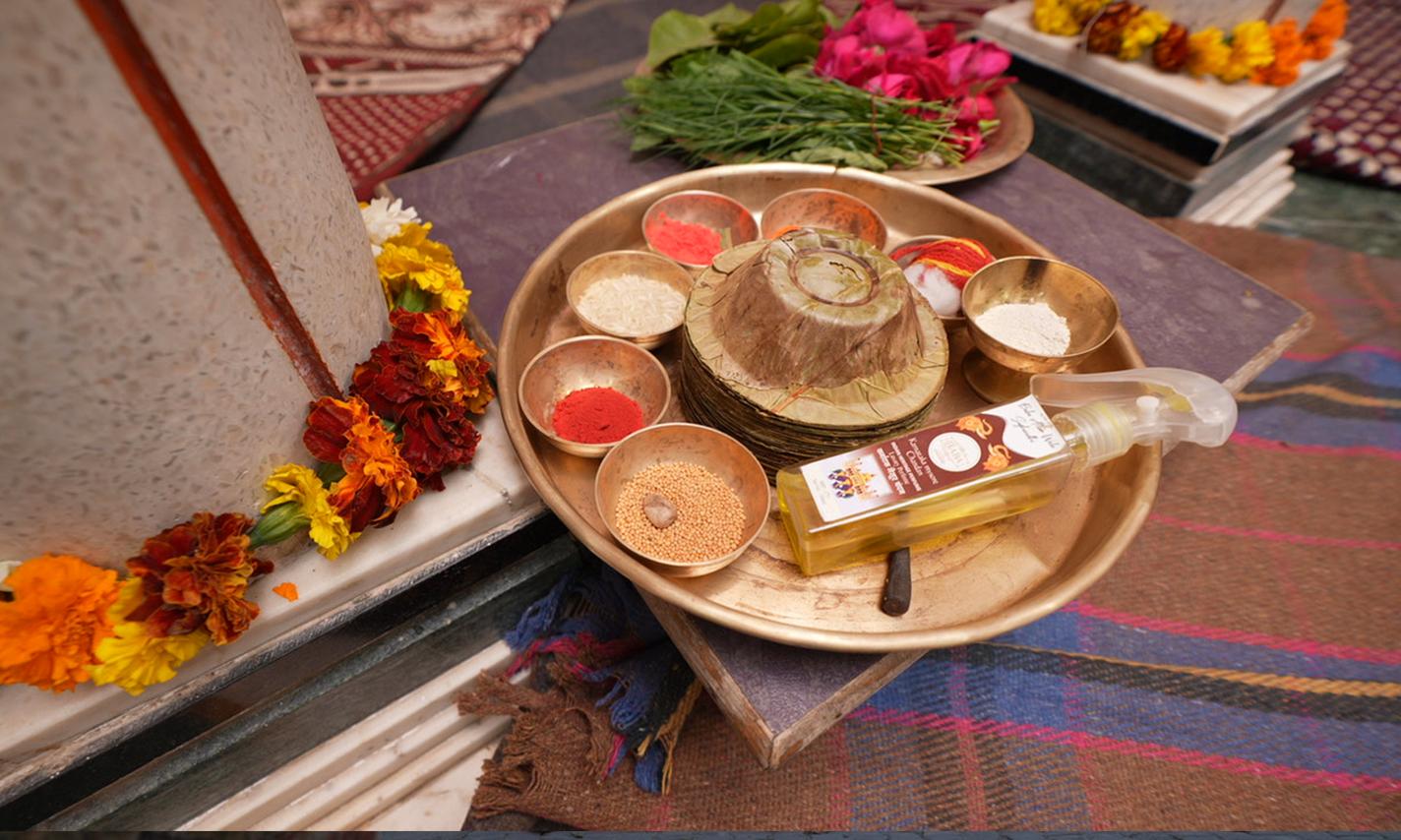
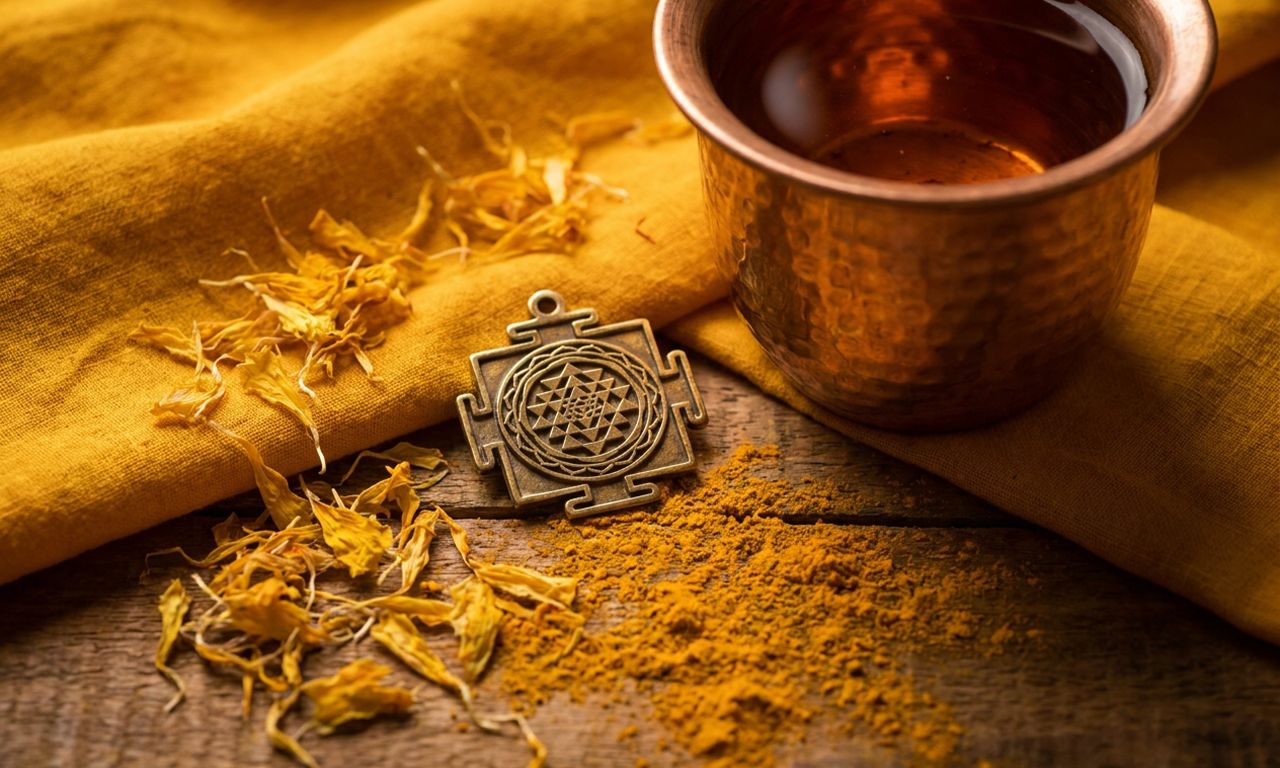
In any baglamukhi puja, the colour yellow is not an aesthetic choice. It is the substance of the ritual itself. Yellow cloth on the seat. Yellow flowers in the offering. Turmeric paste. Yellow Naivedya. Yellow Sankalp dhaaga (thread). Even the yantra is drawn with turmeric ink wherever possible.
This is Peetambara - the goddess clothed in yellow. Pitambara Devi is one of Baglamukhi's most fundamental names, and the colour is not separate from the deity. It is part of how she is recognised.
What Yellow Means in the Vedic Tradition
Yellow is the colour of the third chakra - Manipura, the seat of personal will. The colour of fire's most concentrated form. The colour of turmeric, which is medicinal and protective. The colour that the eye registers as warmth before any other.
In Baglamukhi mata's iconography, every yellow item makes a specific request: protection, the activation of will, the transformation of obstacles into pathways. The yellow is not symbolic of these things. It is the medium through which they happen.
Turmeric in Particular
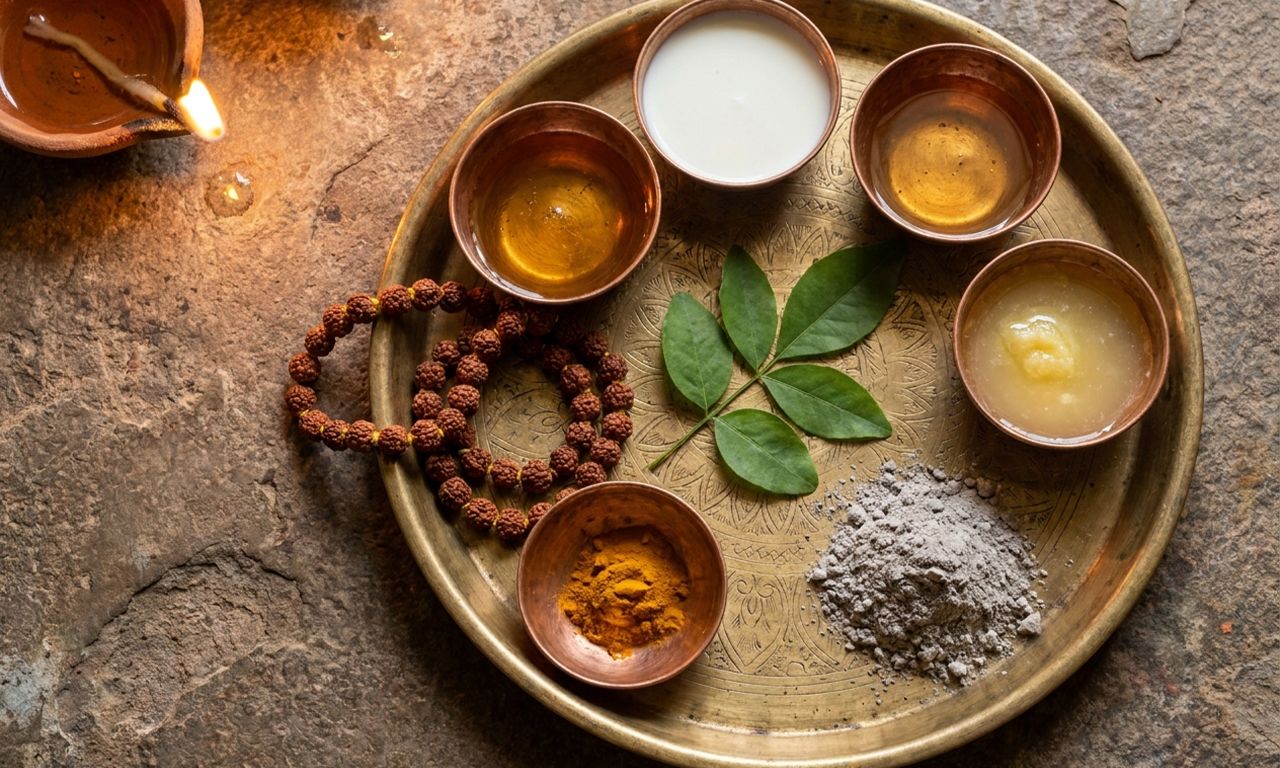
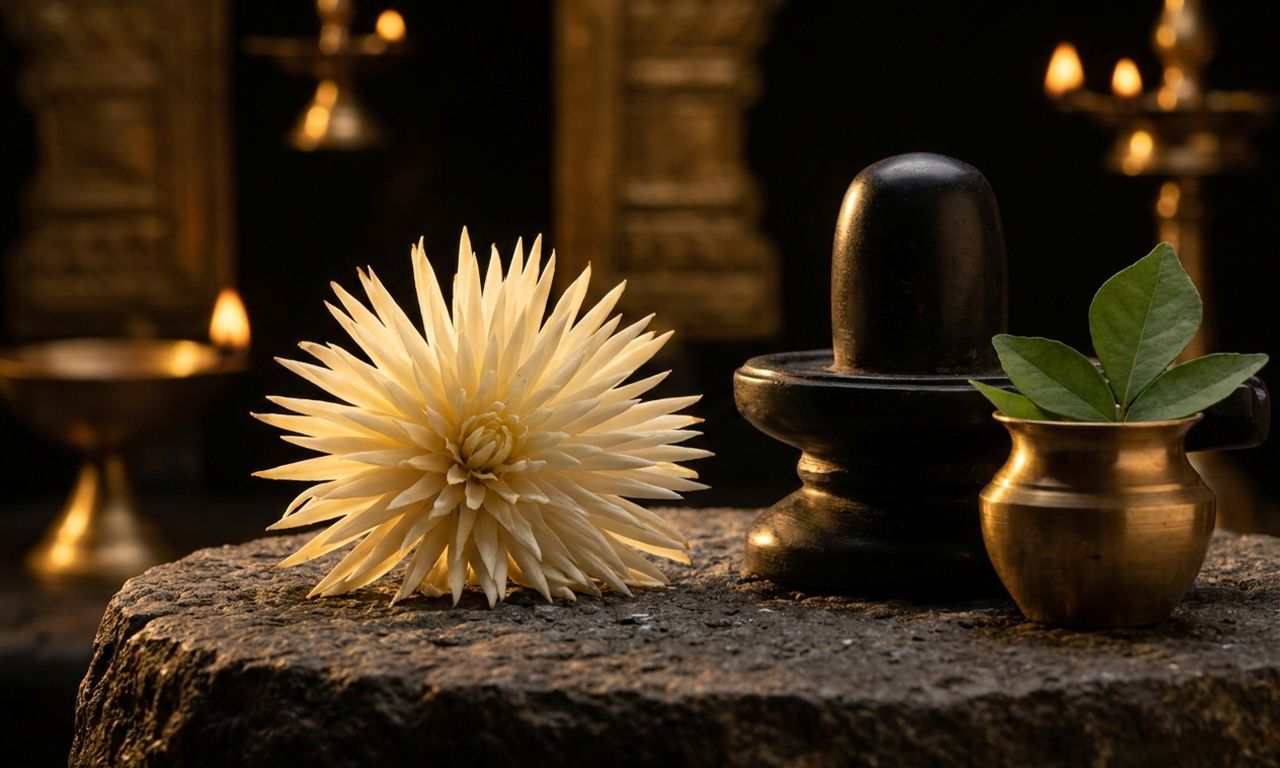
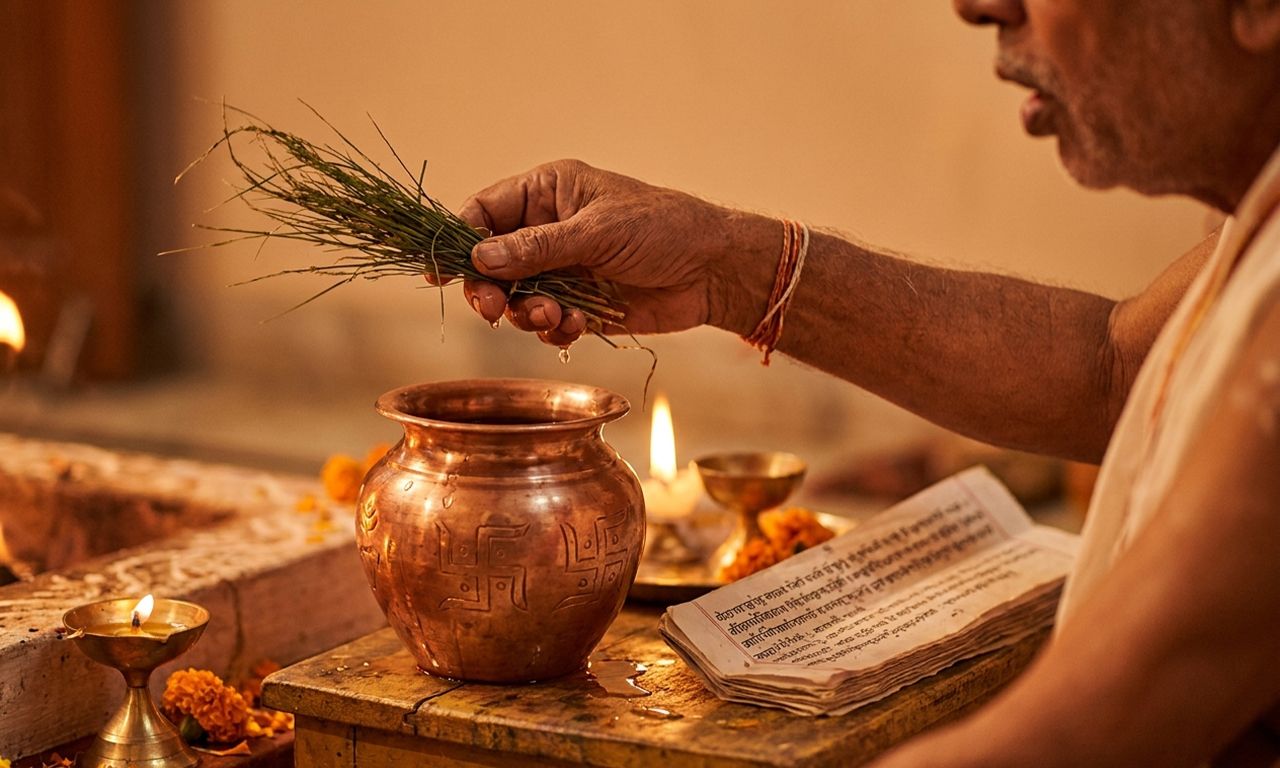
Turmeric in a baglamukhi puja is offered both as paste (on the yantra) and in the food (Naivedya). Turmeric is the goddess's own substance - Haldi-vali Mata is one of her popular names. To offer turmeric is to recognise her in her elemental form.
Why the Colour Cannot Be Substituted
A Baglamukhi puja conducted with red flowers, white cloth, and uncoloured Naivedya is not a Baglamukhi puja. It is the worship of a generic goddess. The Vedic understanding is specific: the deity is reached through the substances she has accepted across millennia of tradition.
This is what Peetambara means as a description. Not "she who happens to wear yellow." Rather, "she for whom yellow is the medium of her presence."
What This Means for Your Pooja
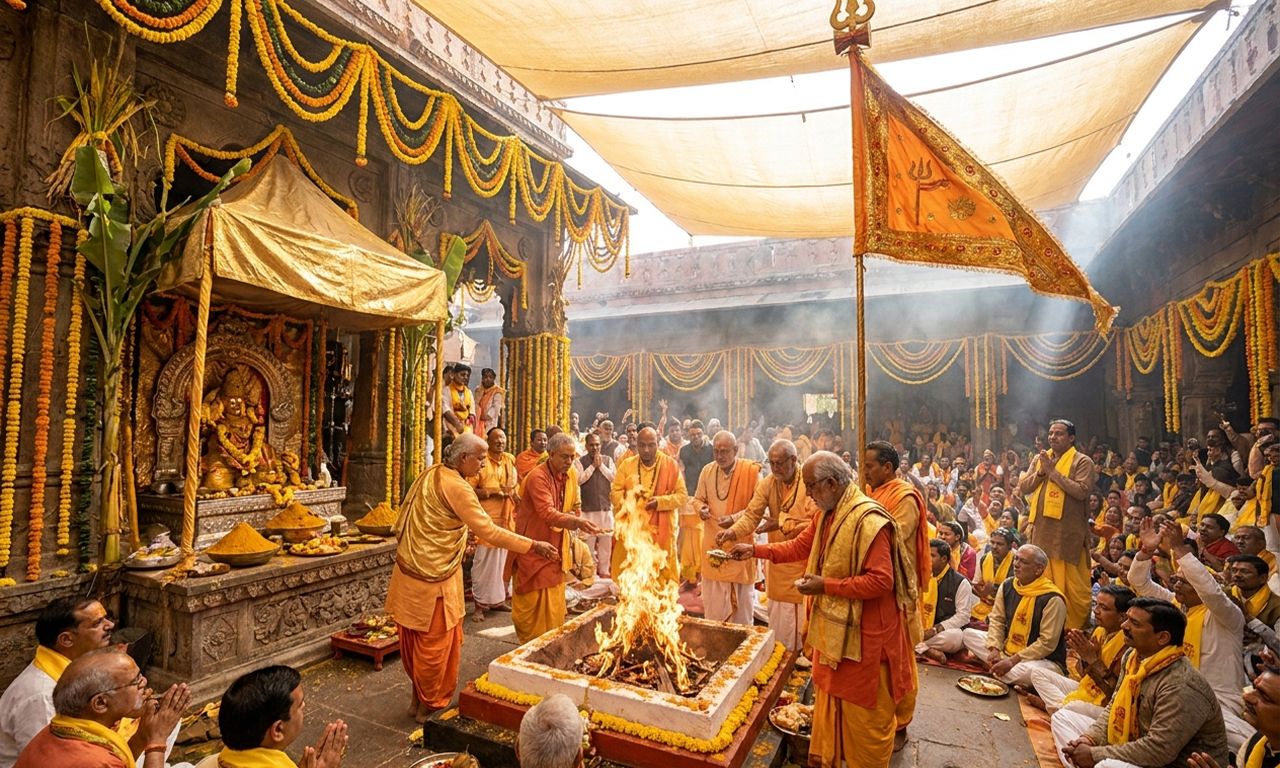
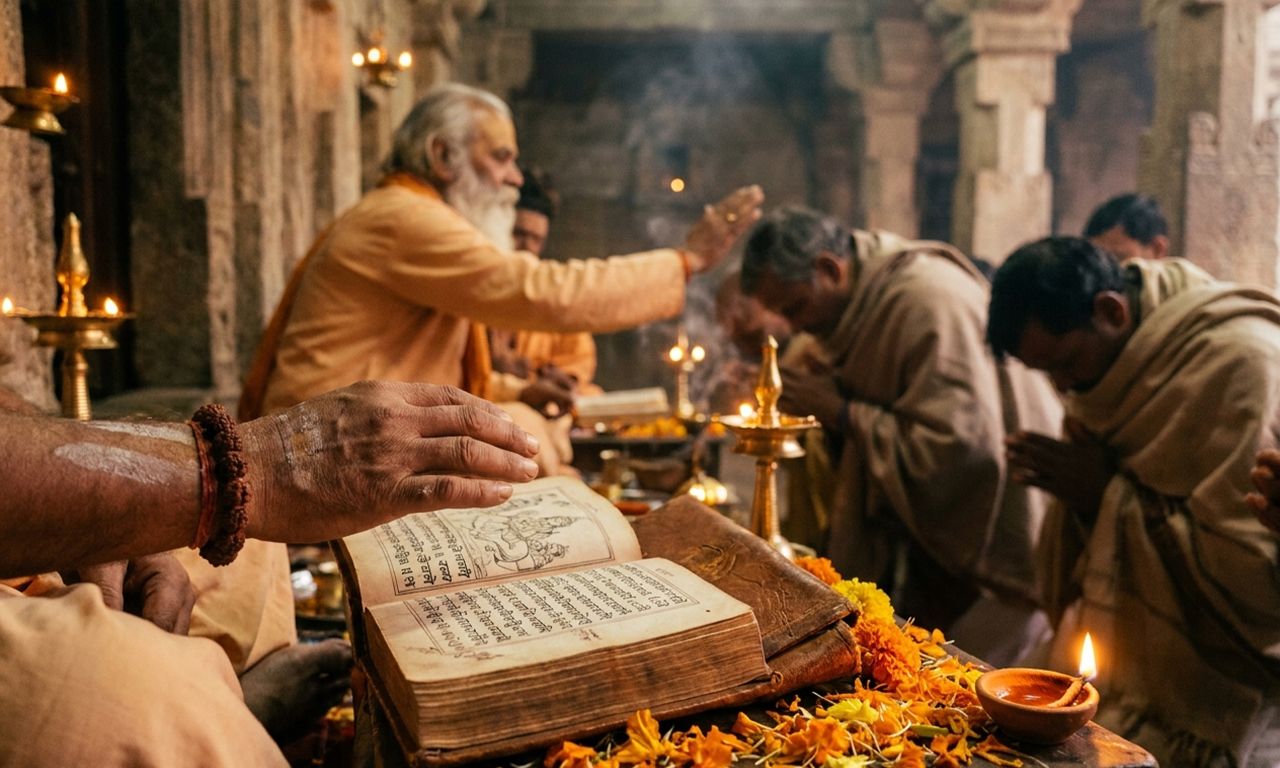
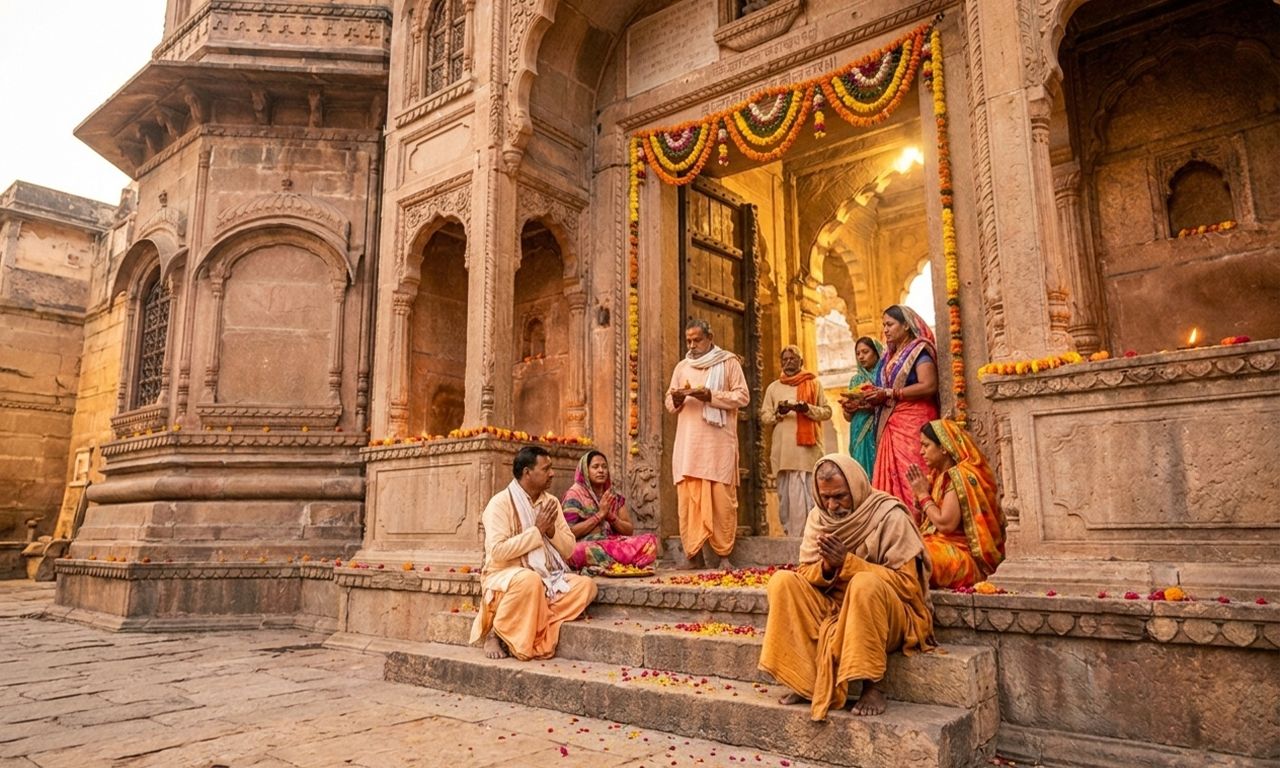
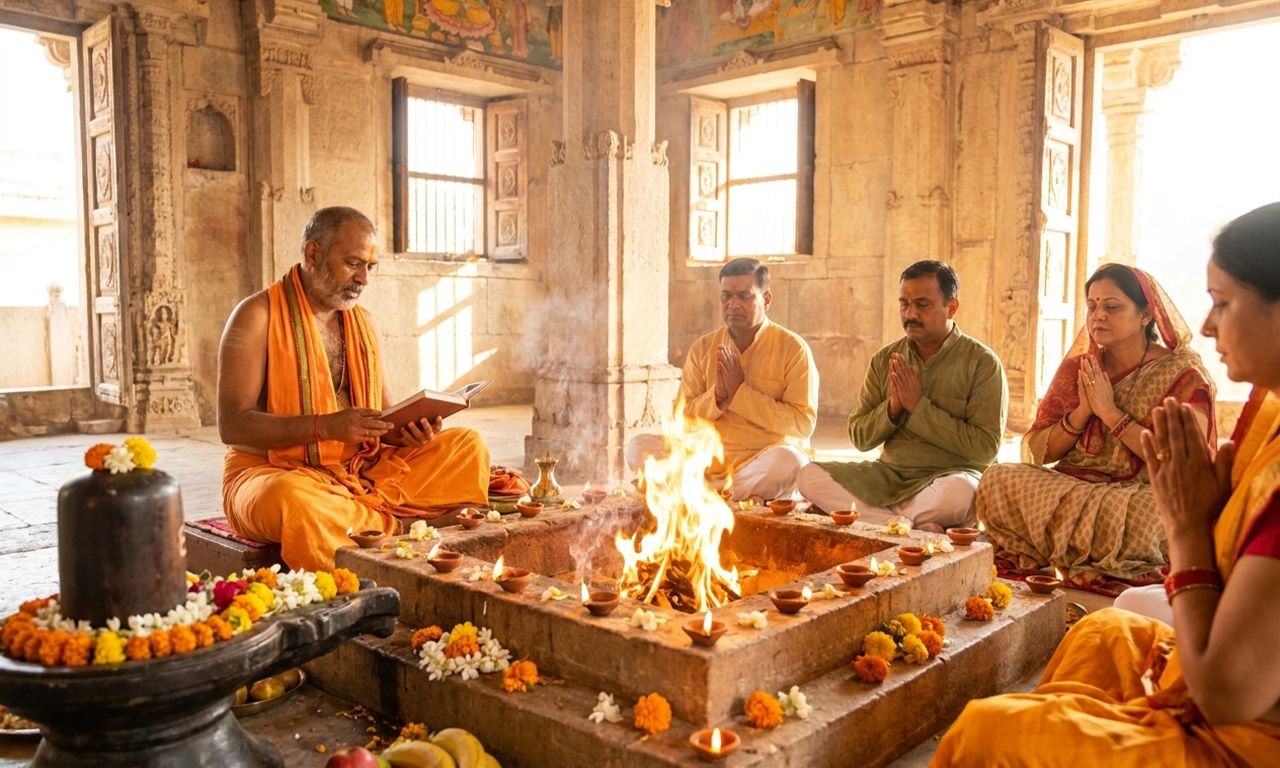
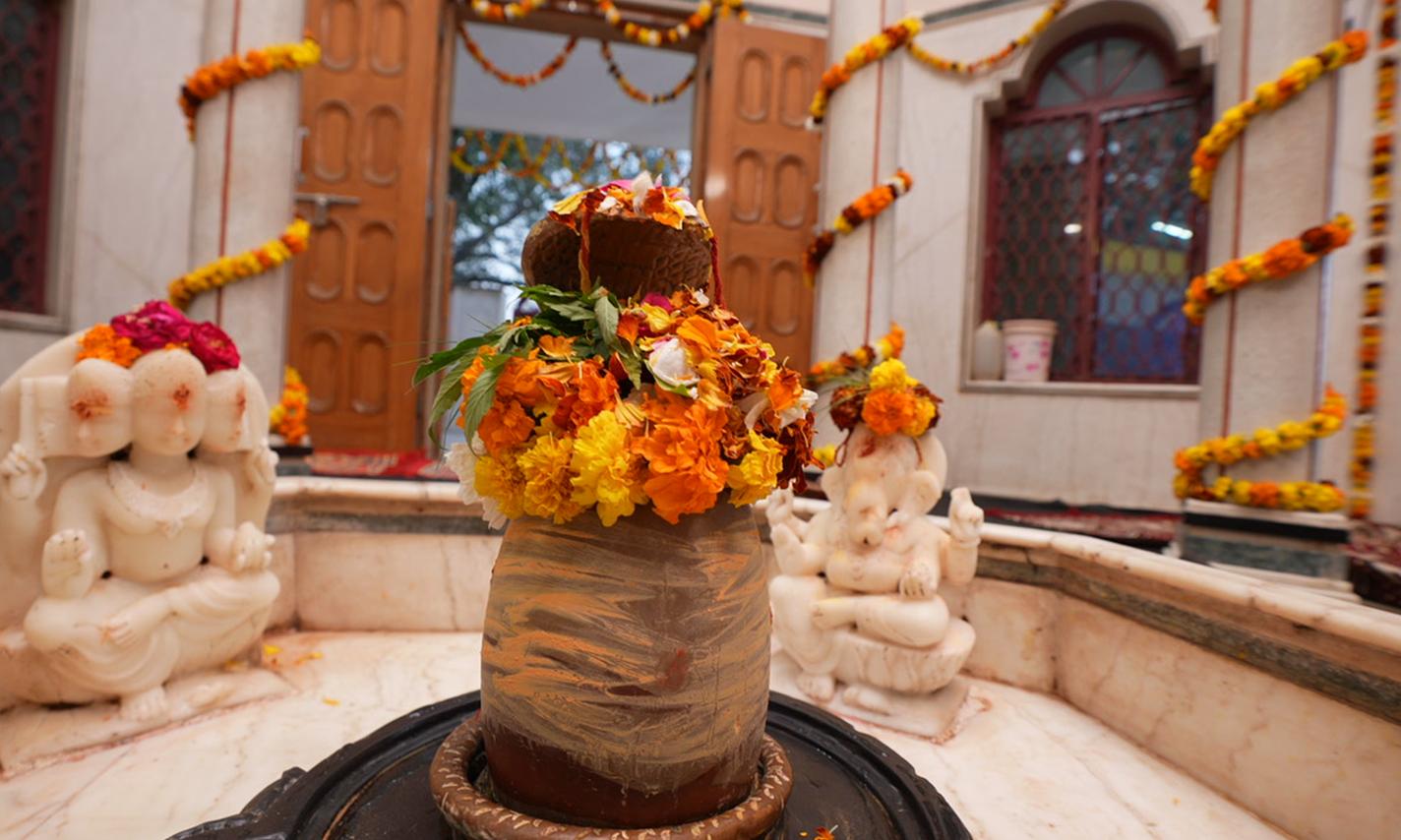
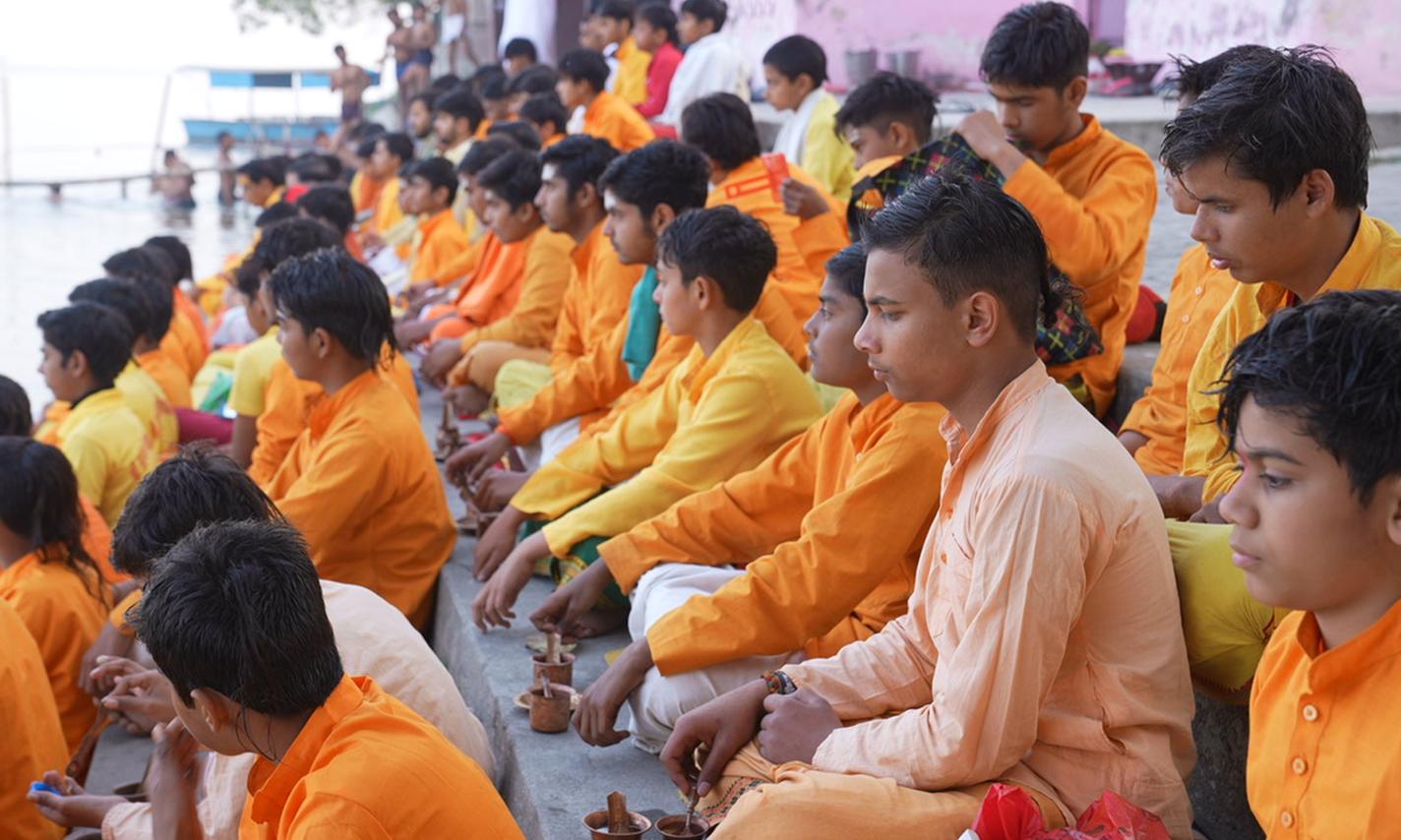
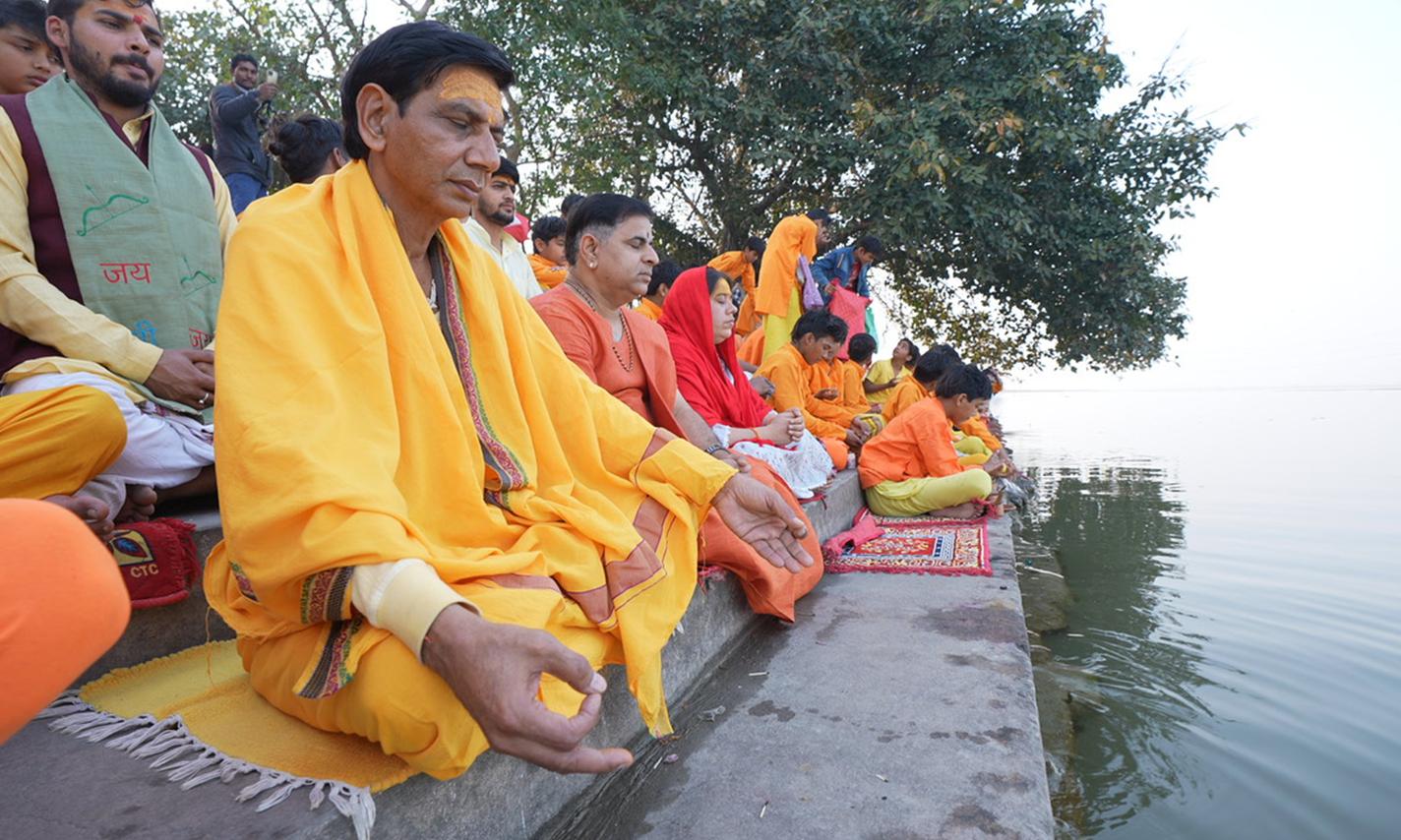
When you book a SiddhiStar baglamukhi puja, every yellow material is procured: yellow cloth, turmeric, yellow flowers, yellow Naivedya. The pandit wears yellow. The devotees who sit for the ceremony are asked to wear yellow if possible. The colour is part of the baglamukhi mantra that the puja itself becomes.
Book a Baglamukhi puja with full Peetambara protocol.