The Abhishek Materials: Rudrabhishek Puja Samagri and What Each One Does
By SiddhiStar | Narwar Dham Parampara
15 May 2026 • 6 min read
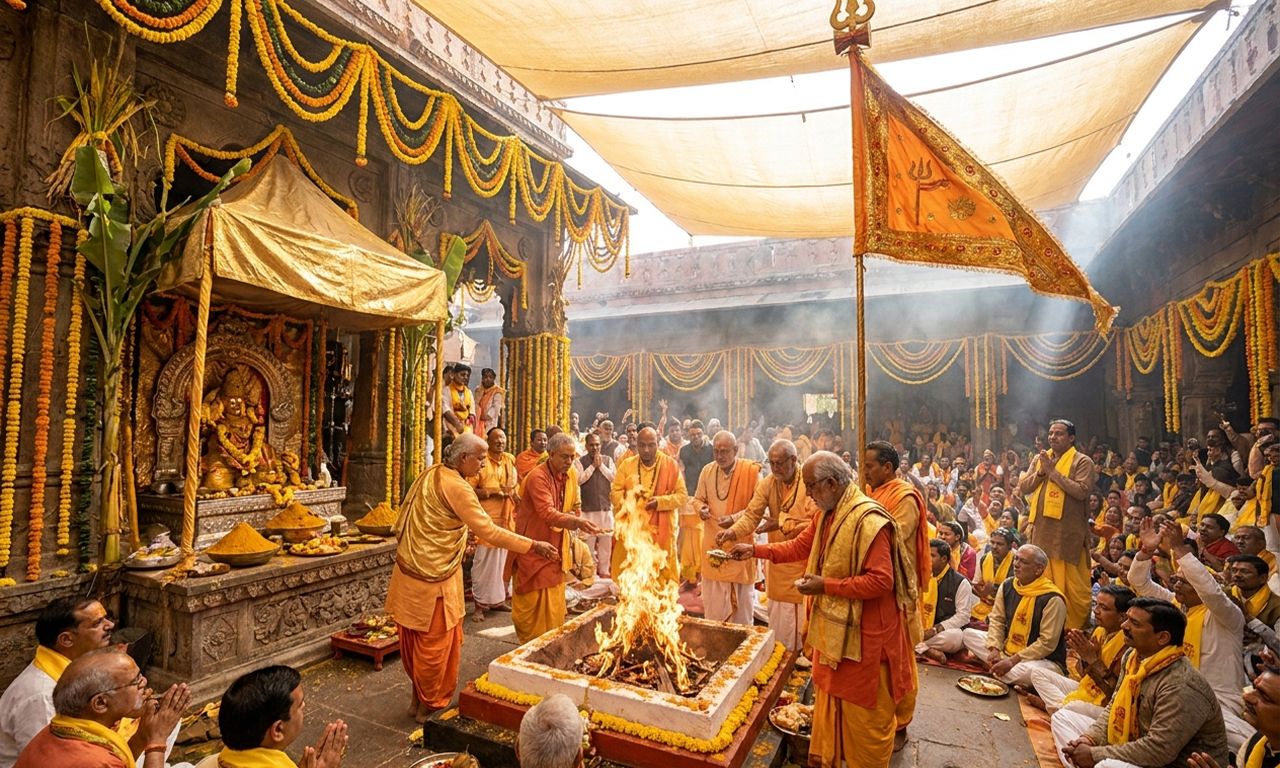
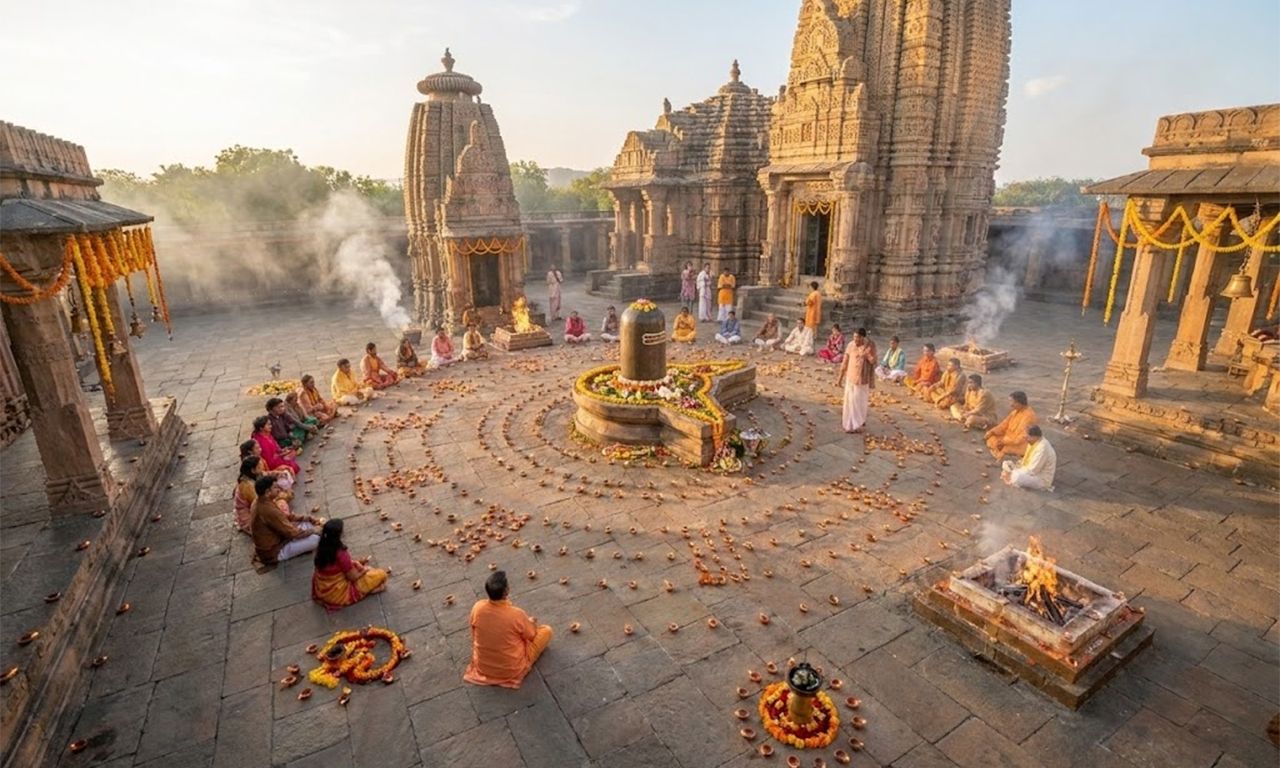
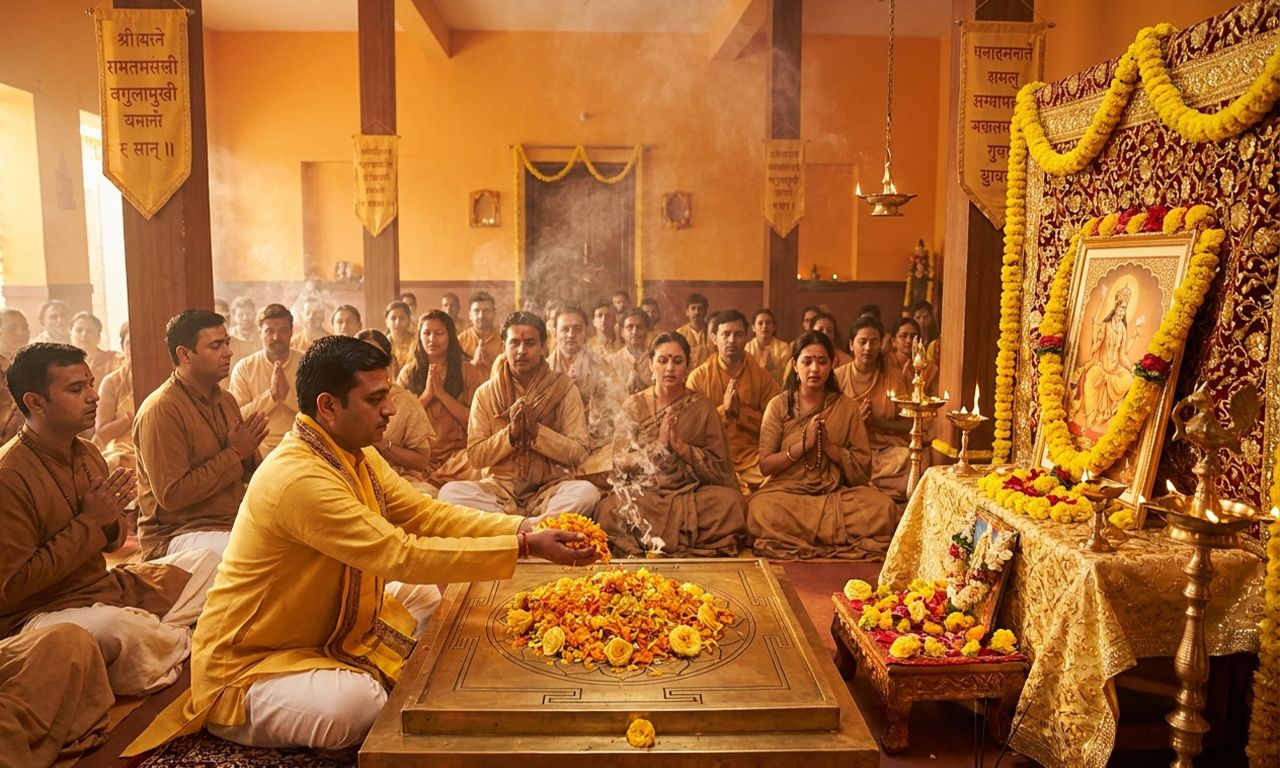
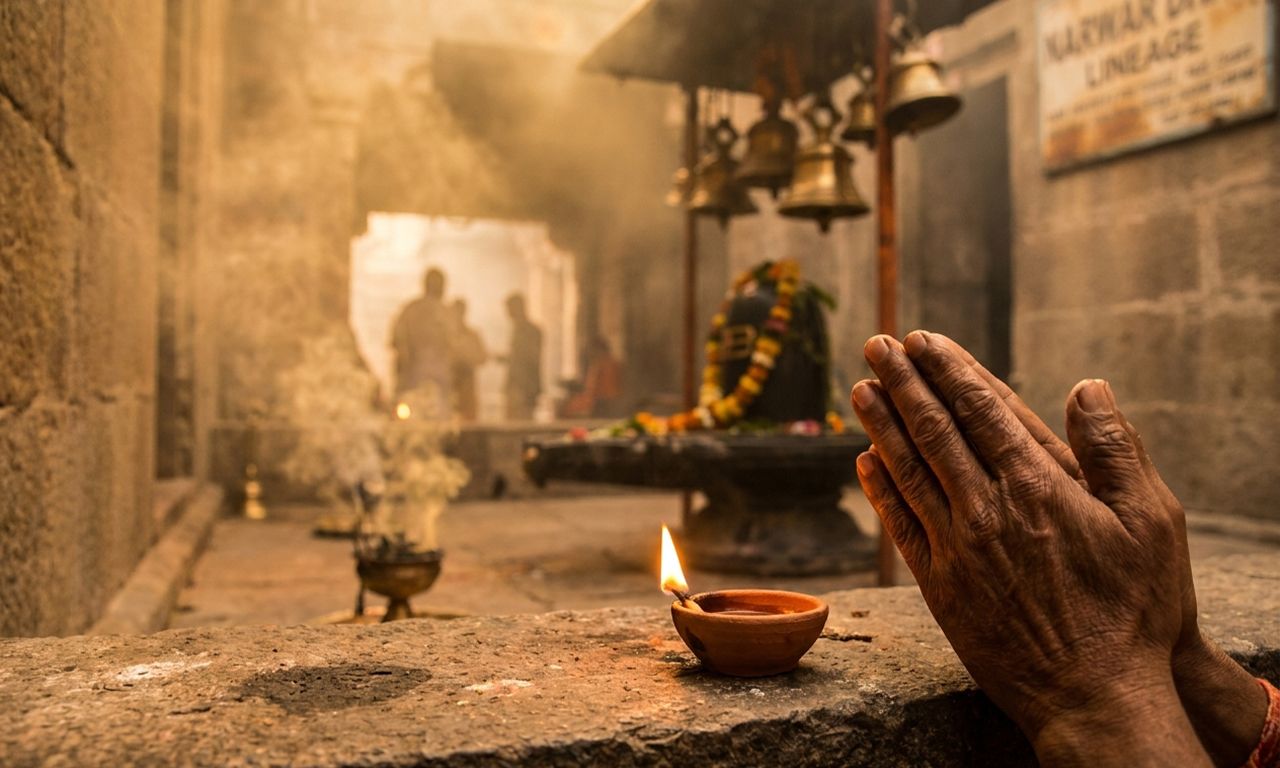
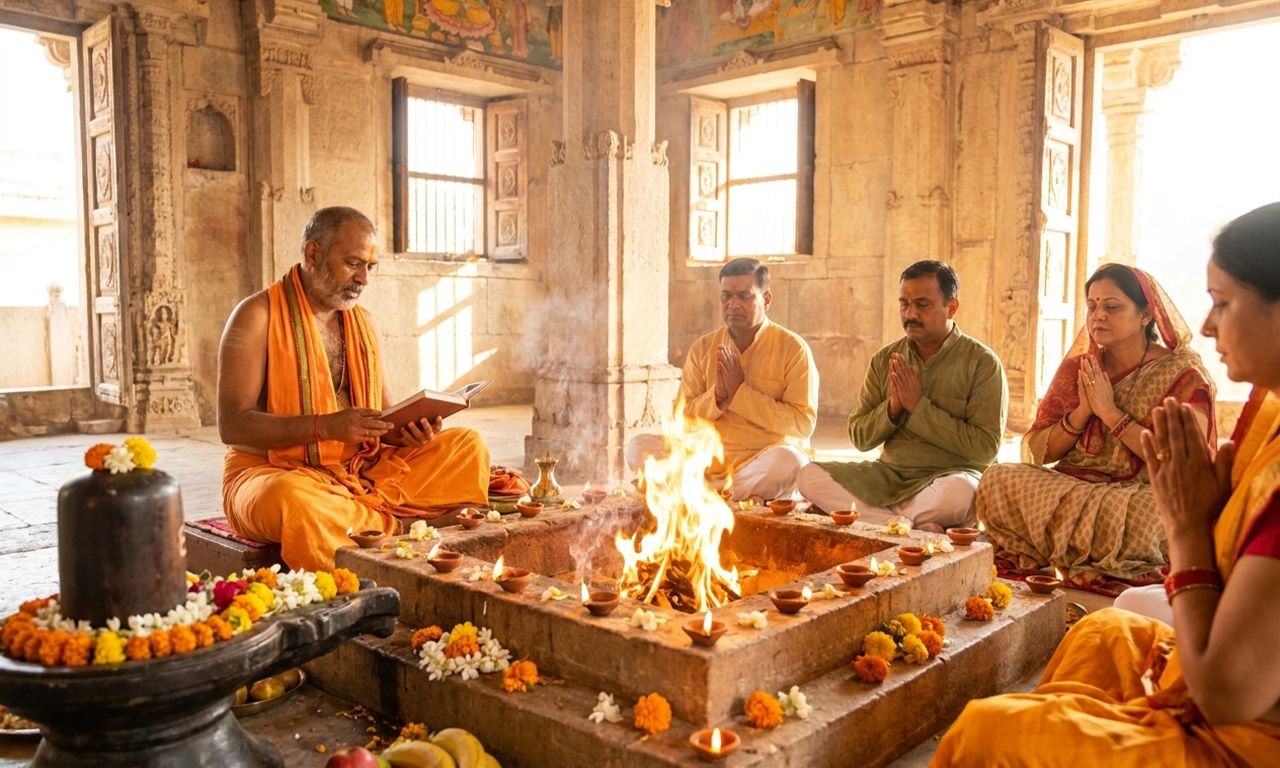
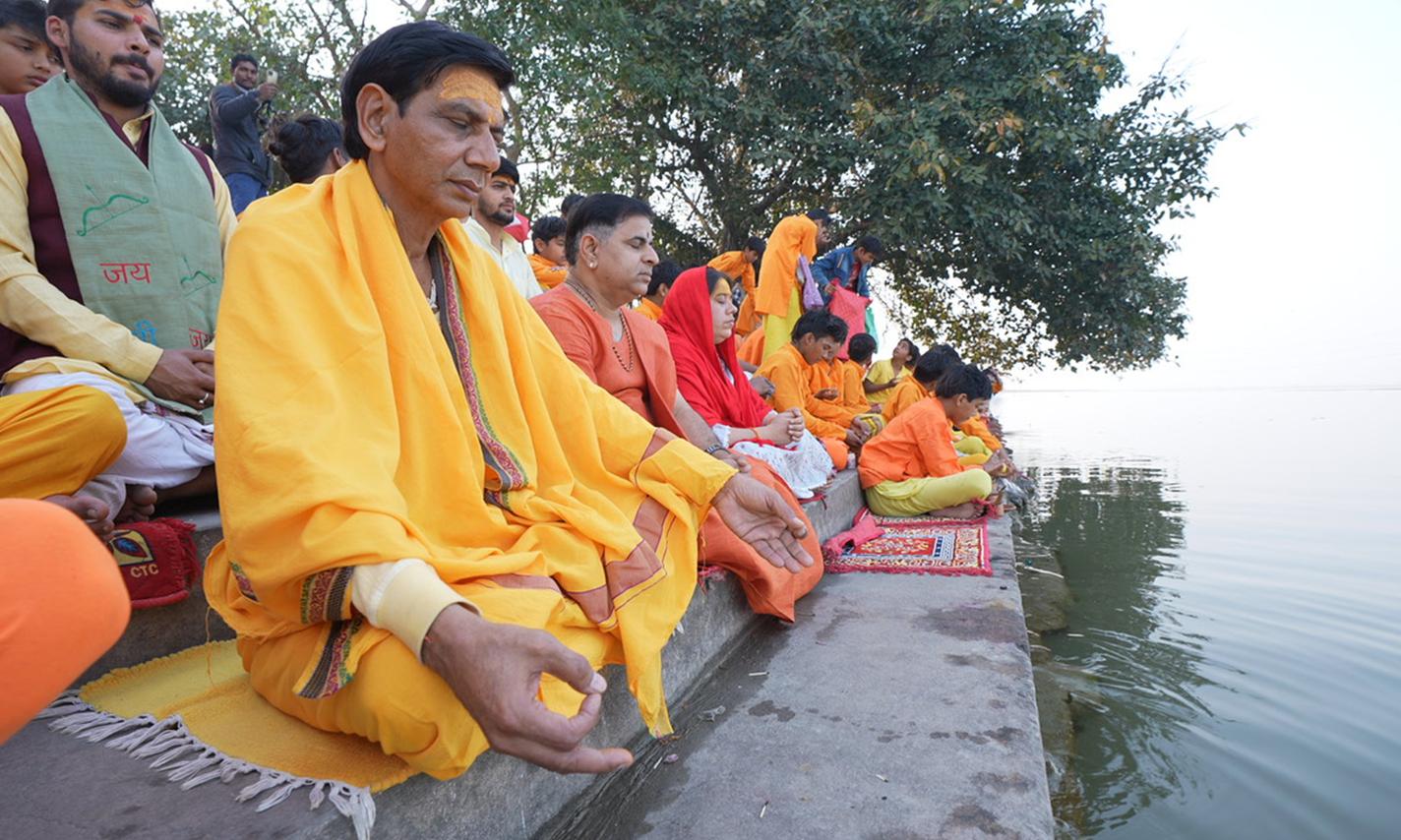
In the middle of the second Prahar of the Mahashivratri Mahapuja at Narwar Dham, a senior pandit paused the ceremony. Not because something had gone wrong. Because something needed to be said.
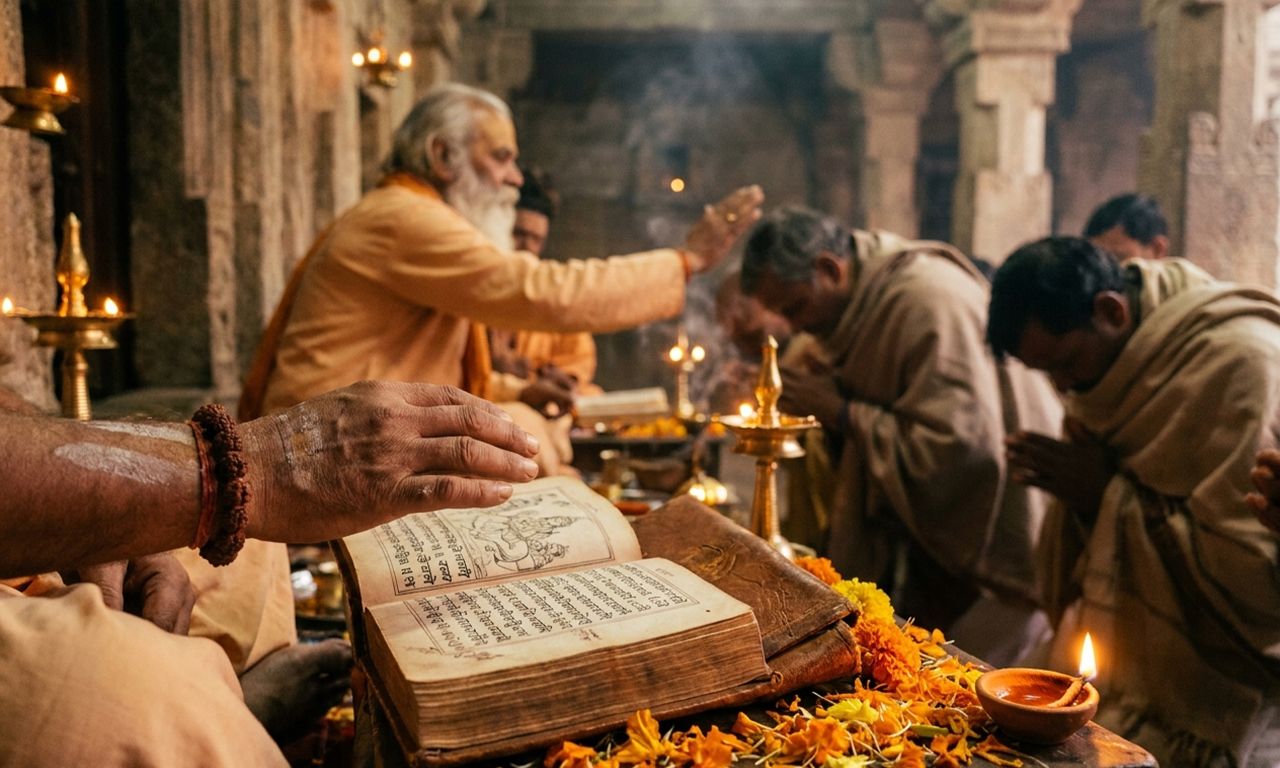
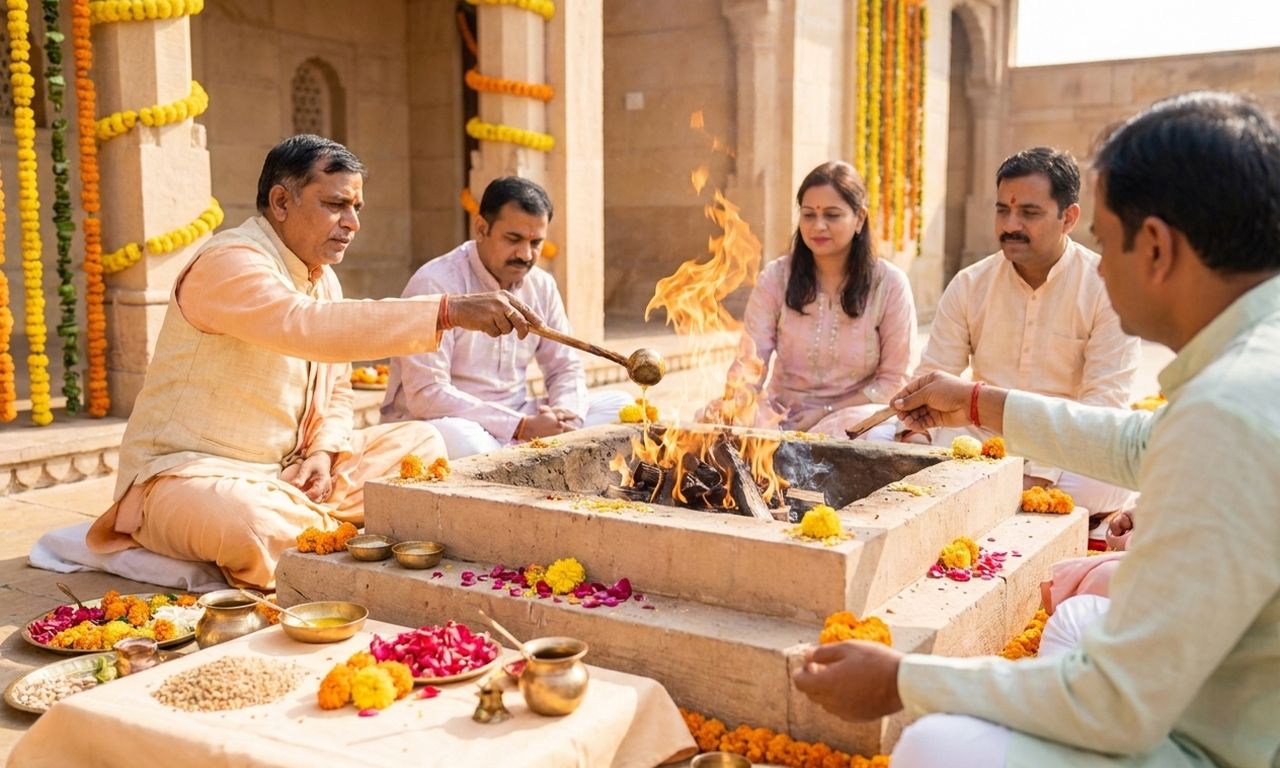
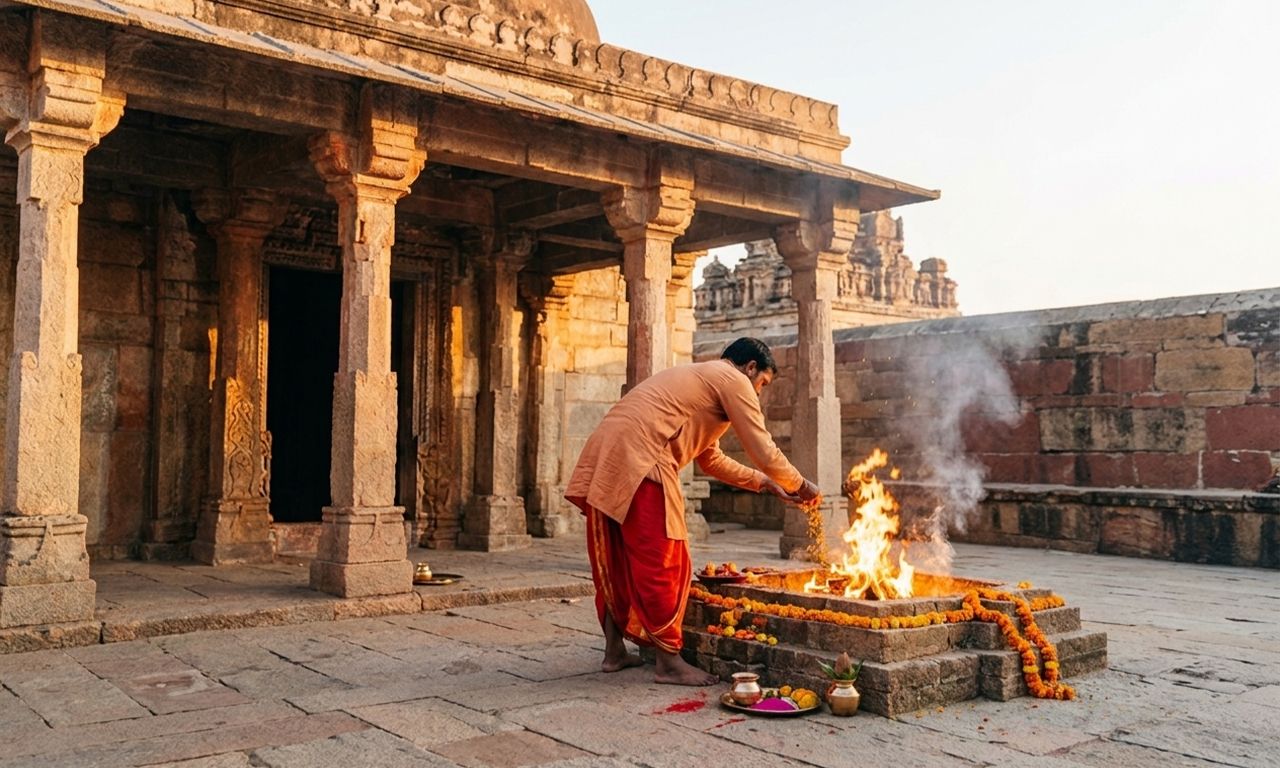
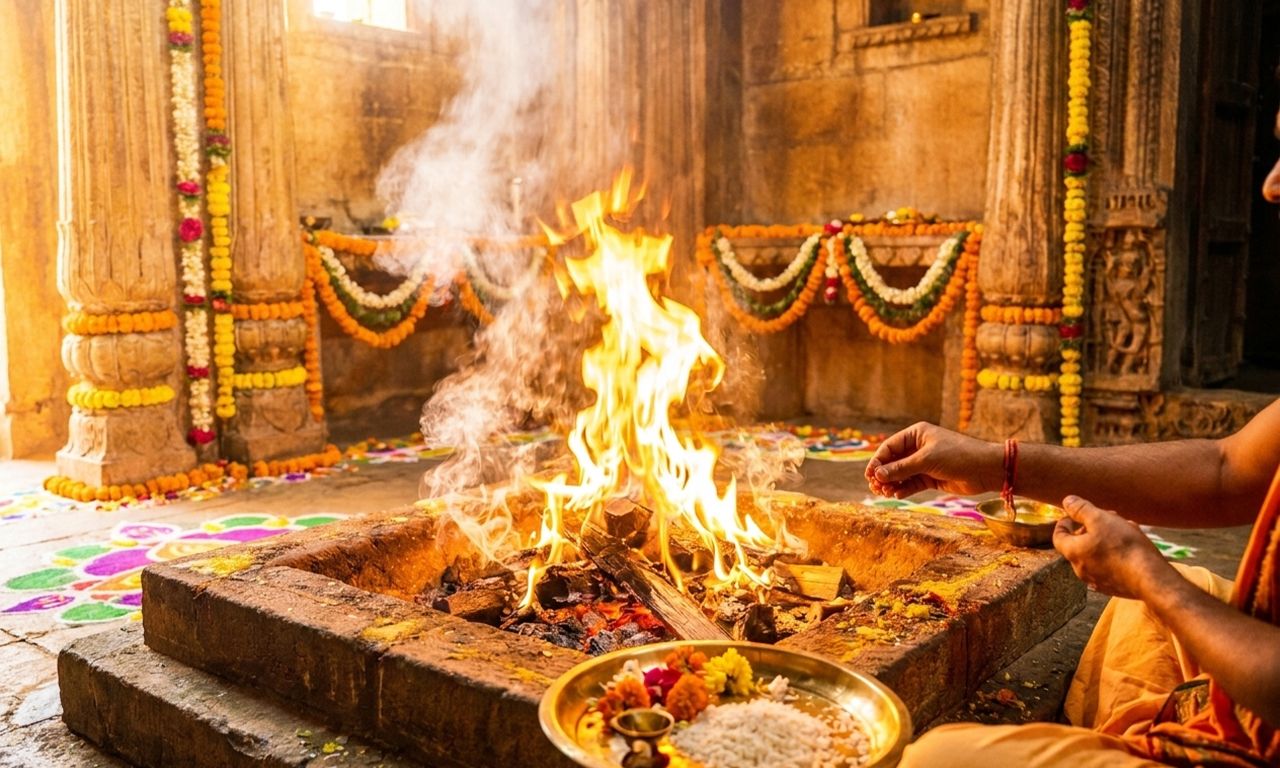
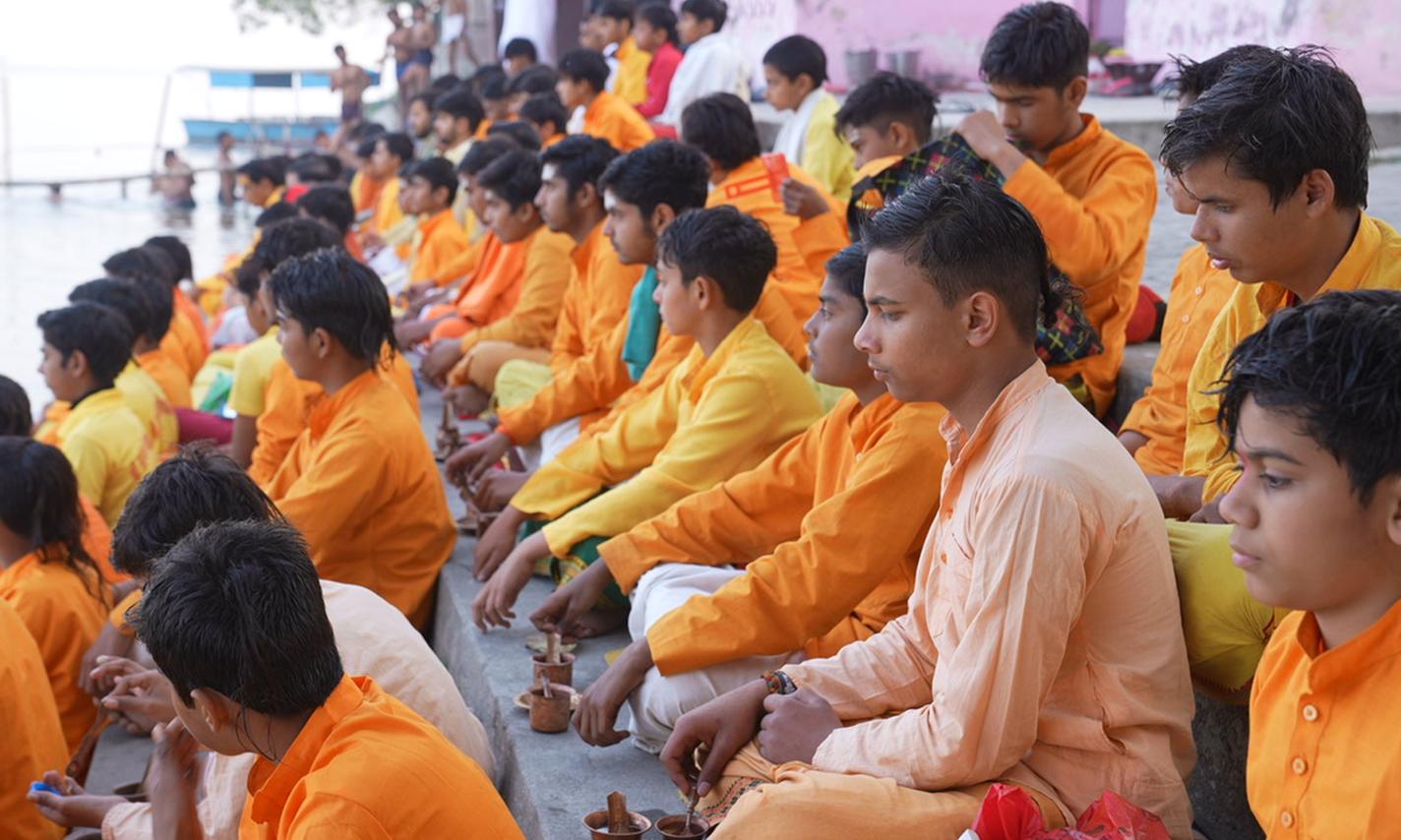
He turned to the assembled devotees - some sitting in the physical space of the Dham, others connected through SiddhiStar from across India and abroad - and explained what they were watching. Not in the language of ritual instruction but in the language of a man who wanted the people present to understand what was being done on their behalf. What follows is that explanation, documented from the transcript of the ceremony itself - a working guide to rudrabhishek puja samagri and the rudrabhishek vidhi that every SiddhiStar pandit carries.
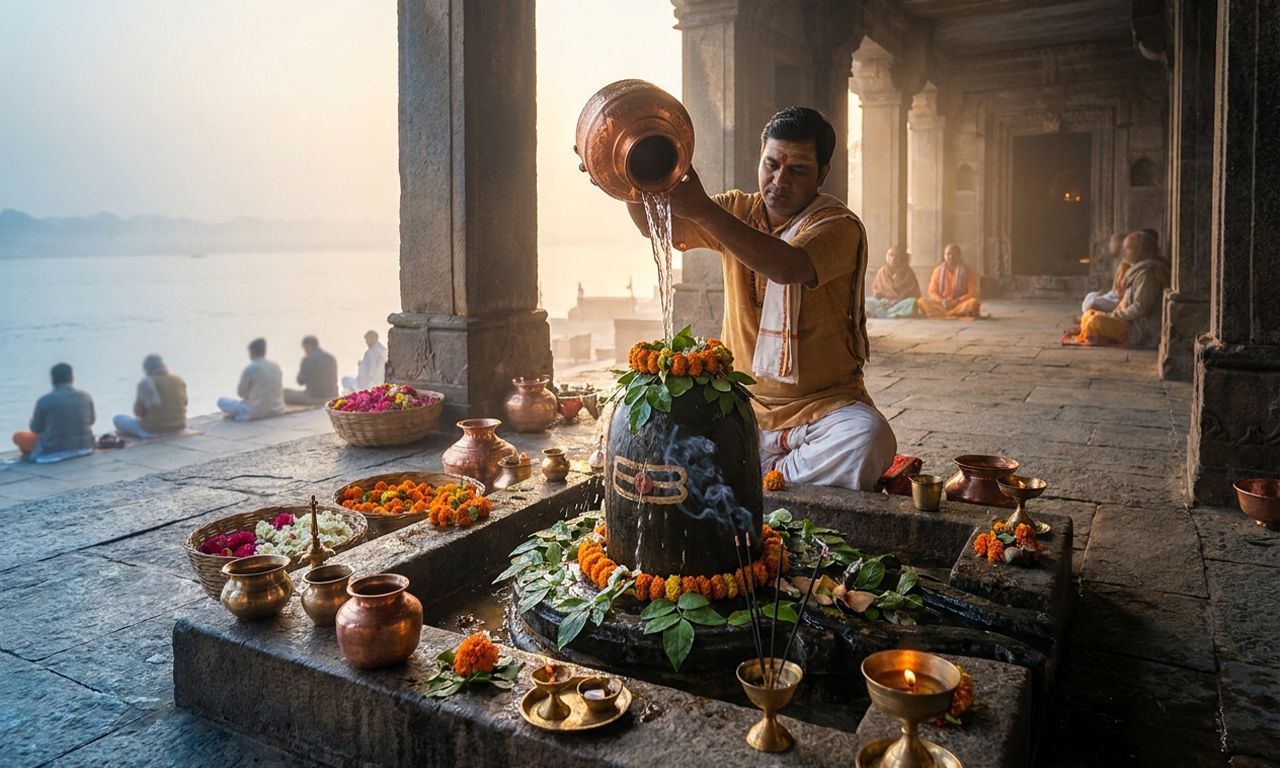
Water - Jal
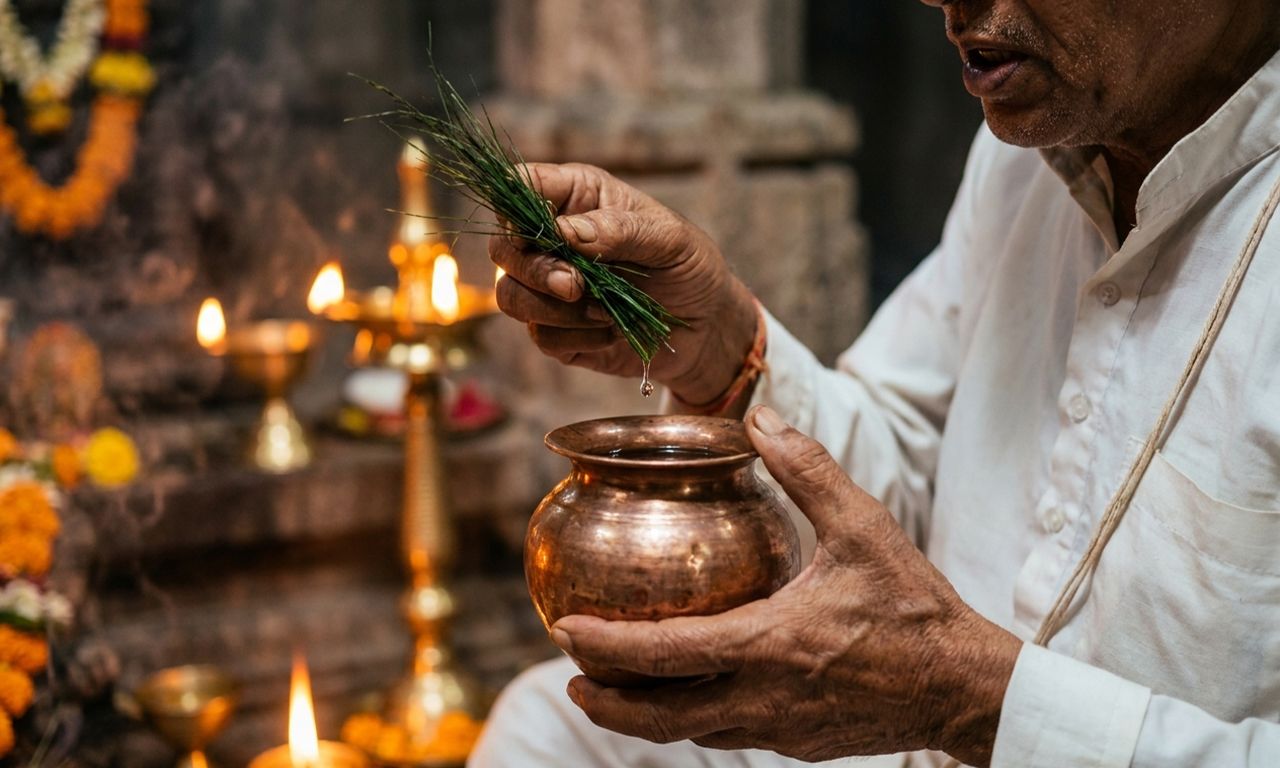
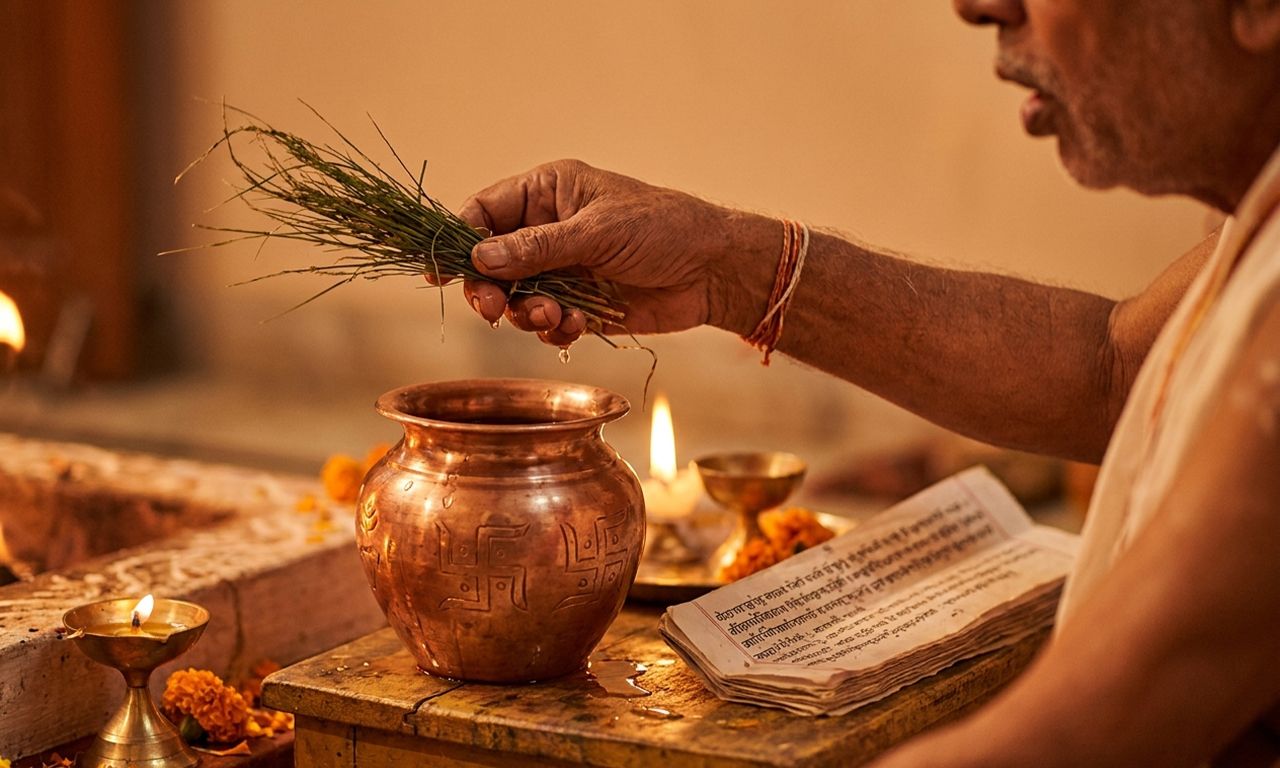
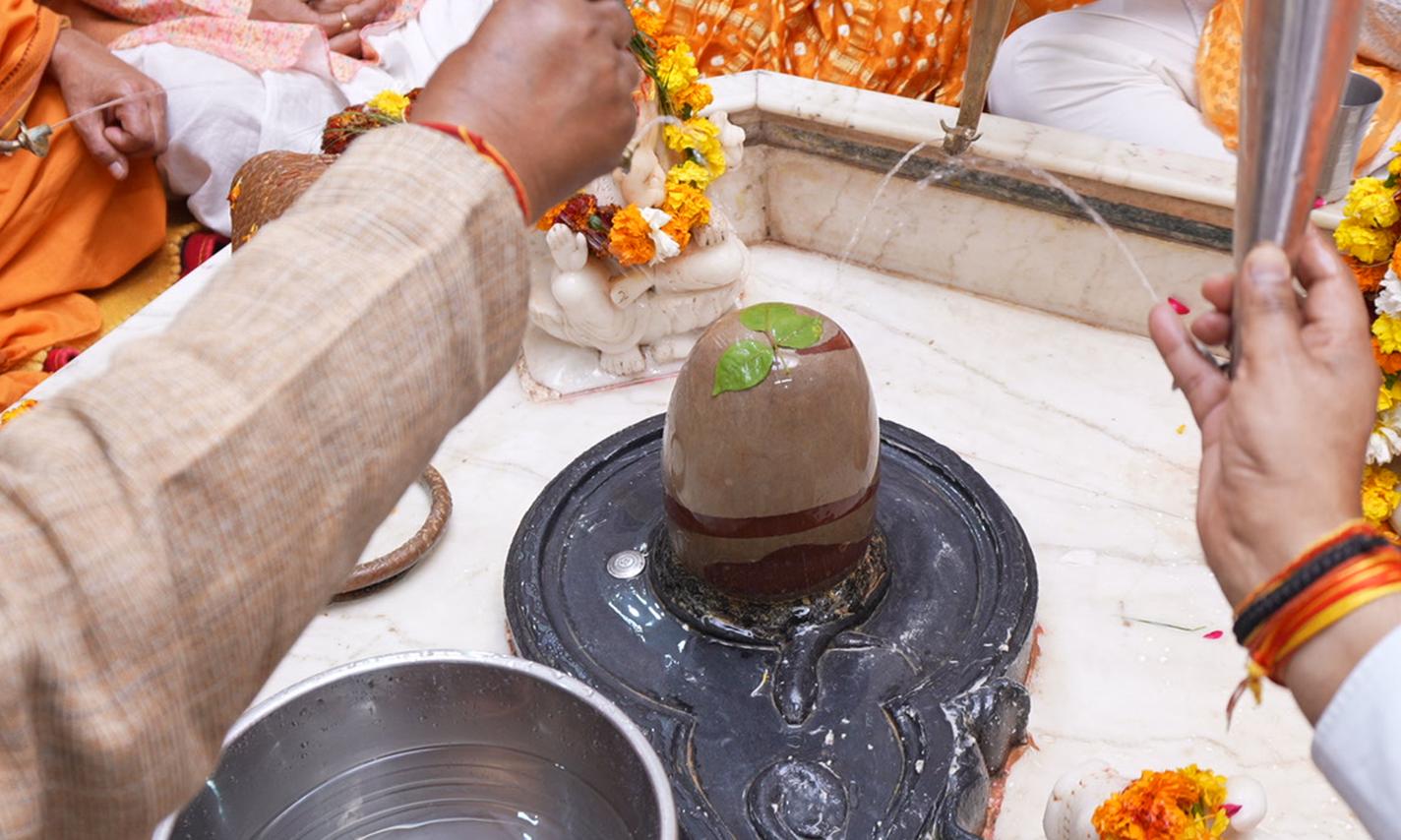
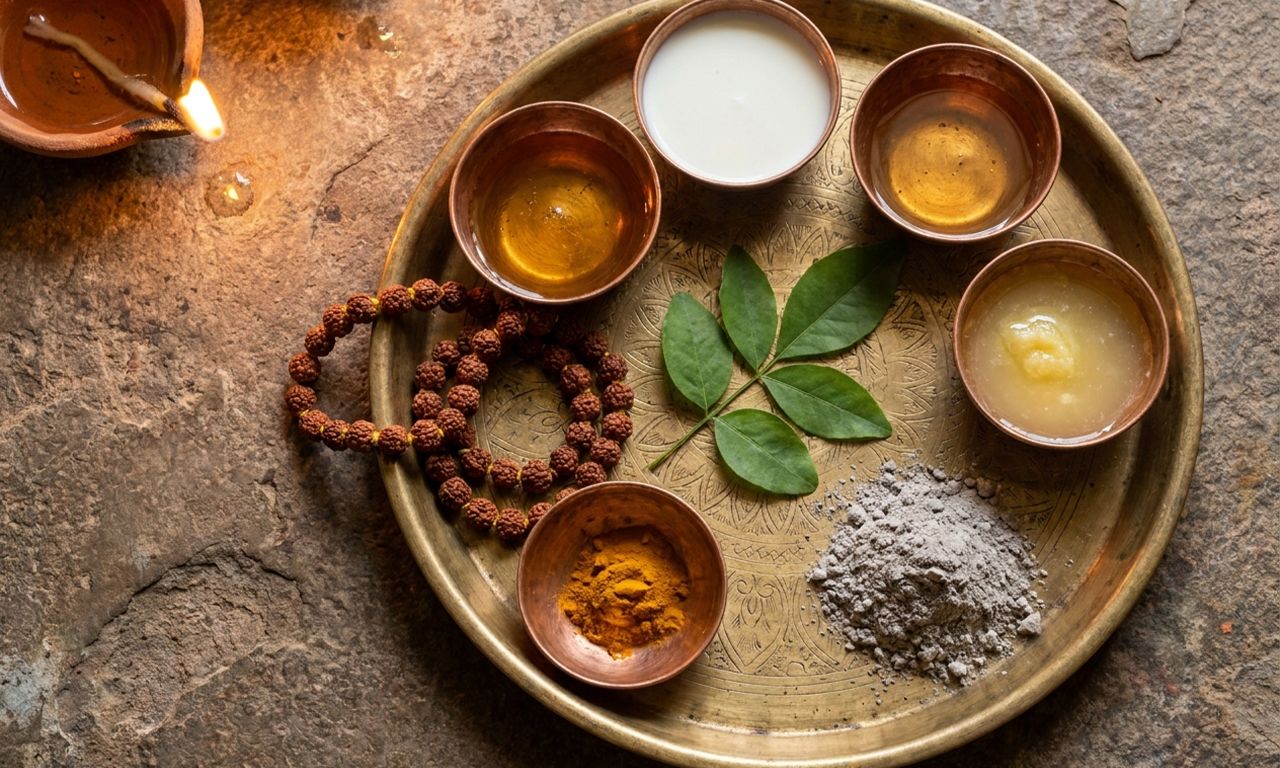
Water is the first and most essential of the rudrabhishek materials. Ideally it comes from a sacred river - the Ganga, the Narmada, or any tirth. At Narwar Dham, the river is present. The water that pours over the Shivalinga carries the quality of what has flowed through consecrated geography for millennia. The request it makes is the most fundamental one: cleanse this space, this body, this intention.
Milk - Dudh
Milk is offered next. It is the substance of nourishment - the first food of every life. To pour milk over the Shivalinga is to offer Shiva the source of one's own sustenance, and to ask, in return, that the household never lack what nourishes it.
Curd - Dahi
Curd is milk transformed. It is offered for the prosperity of the family - for what stays, for what compounds, for what holds its shape through time.
Ghee - Ghrut
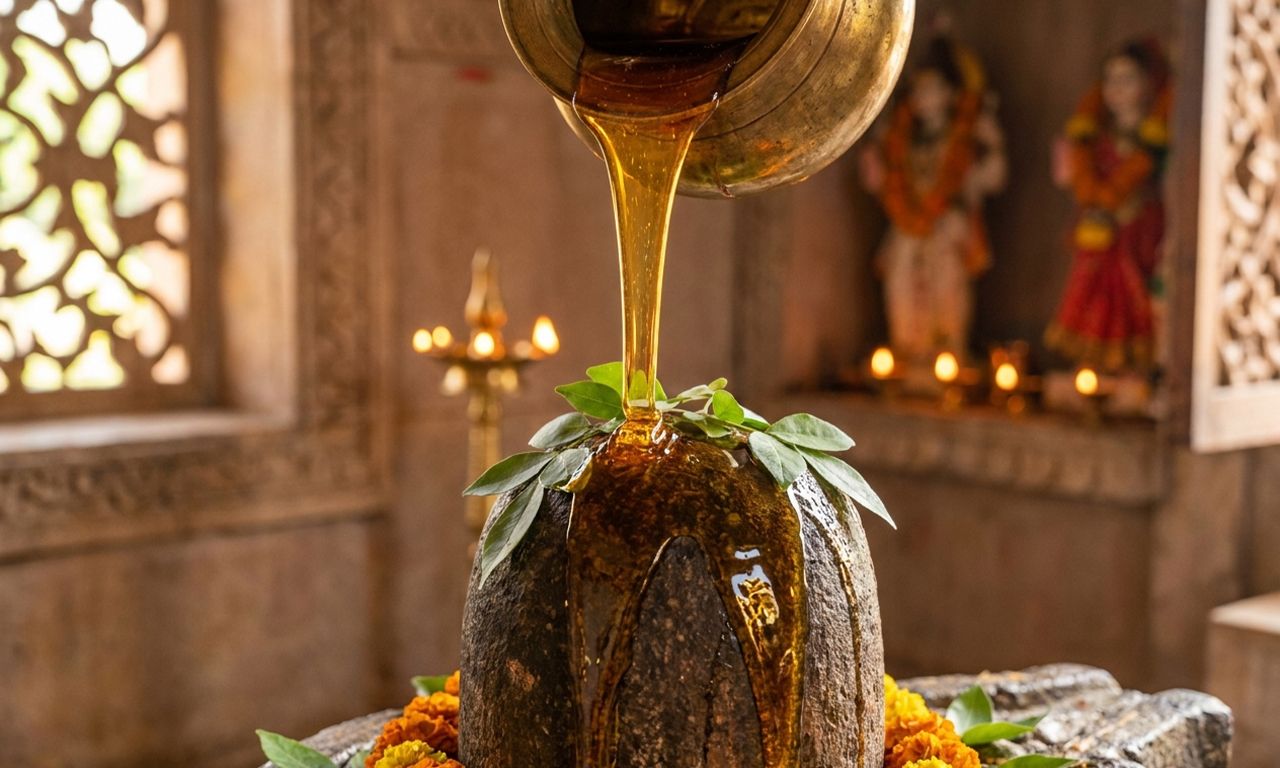
Ghee is the substance of yagna itself. Every fire ritual, every havan, ends in ghee being offered to the flame. To pour ghee on the Shivalinga is to invoke health and the strength of the body - the ghee that keeps the flame of life burning.
Honey - Madhu
Honey is offered for sweetness. For the relationships in the household. For what makes a life worth living beyond mere survival.
Sugarcane Juice - Ikshu Ras
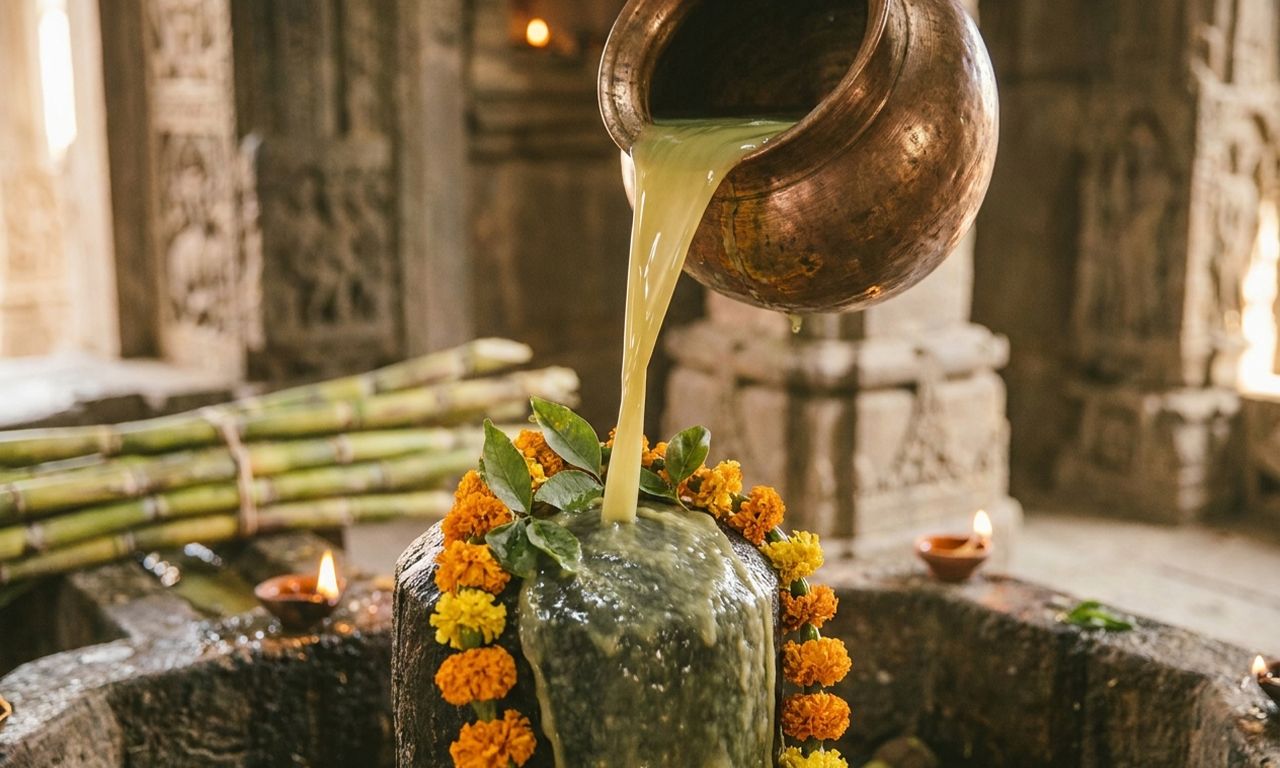
Sugarcane juice is offered for happiness. Not the abstract version. The specific version. The kind that comes from days that go well and from problems that resolve.
Panchamrit - The Five Nectars (and the Most Important Abhishek Material)
Then the Panchamrit - milk, curd, ghee, honey, and sugar - combined and offered as one substance. Panchamrit ingredients vary slightly by region (some traditions use jaggery instead of sugar; some add tulsi water), but the core panchamrut 5 ingredients are universal across Shaiva tradition. Panchamrit is the synthesis. It is the offering that contains all the previous offerings, asking for everything they asked for at once.
For devotees preparing the panchamrita ingredients at home for a small puja: equal parts of milk, curd, ghee, honey, and sugar - mixed gently and offered with the Rudrashtadhyayi mantras.
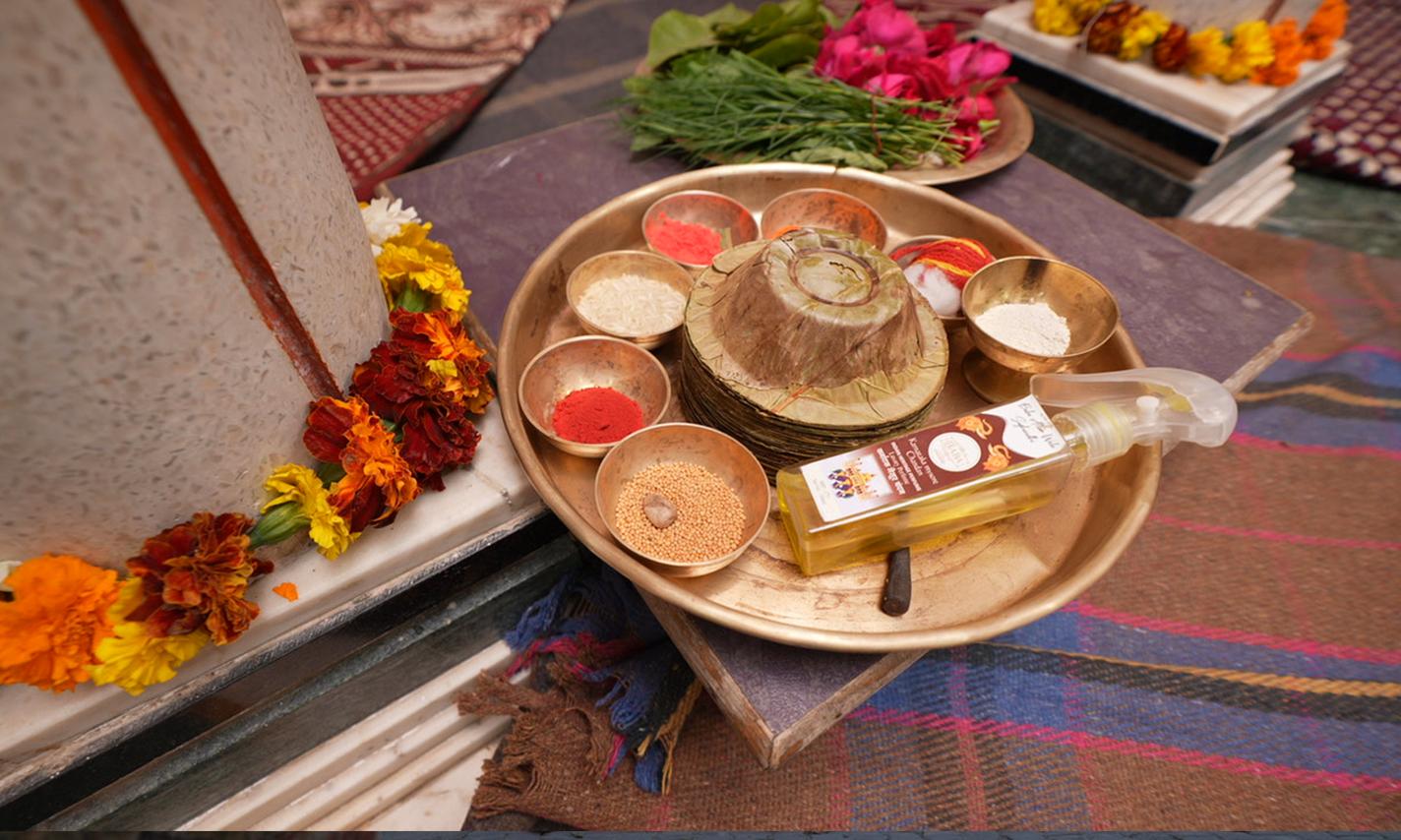
Mustard Oil - Sarson Ka Tel
Mustard oil is offered to remove obstacles - the planetary ones, the inherited ones, the ones whose source is unclear but whose presence is felt.
Sacred Ash - Bhasma
Ash from a consecrated yagna is offered next. Bhasma is what remains after fire has done its work. To offer it to Shiva is to acknowledge that all things end and that the form Shiva wears in his most essential nature is the form of what remains.
Bel Patra - The Leaf That Shiva Loves
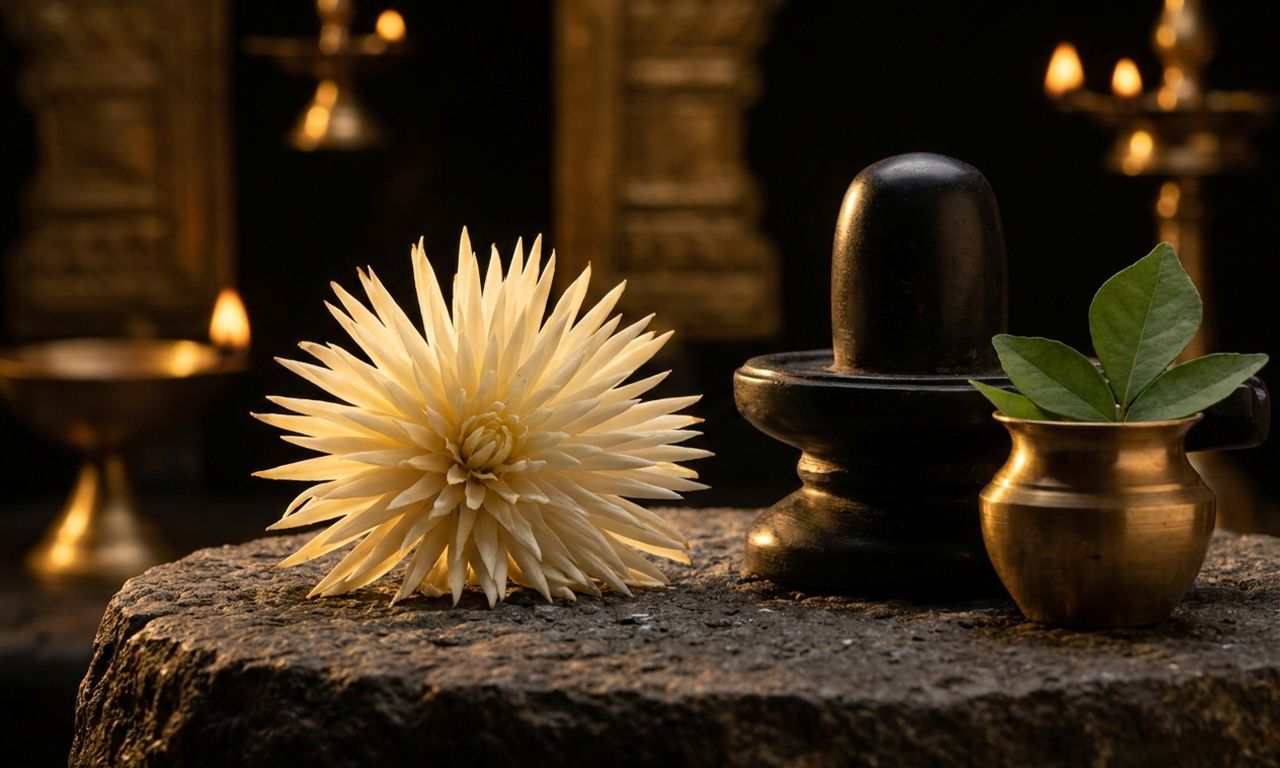
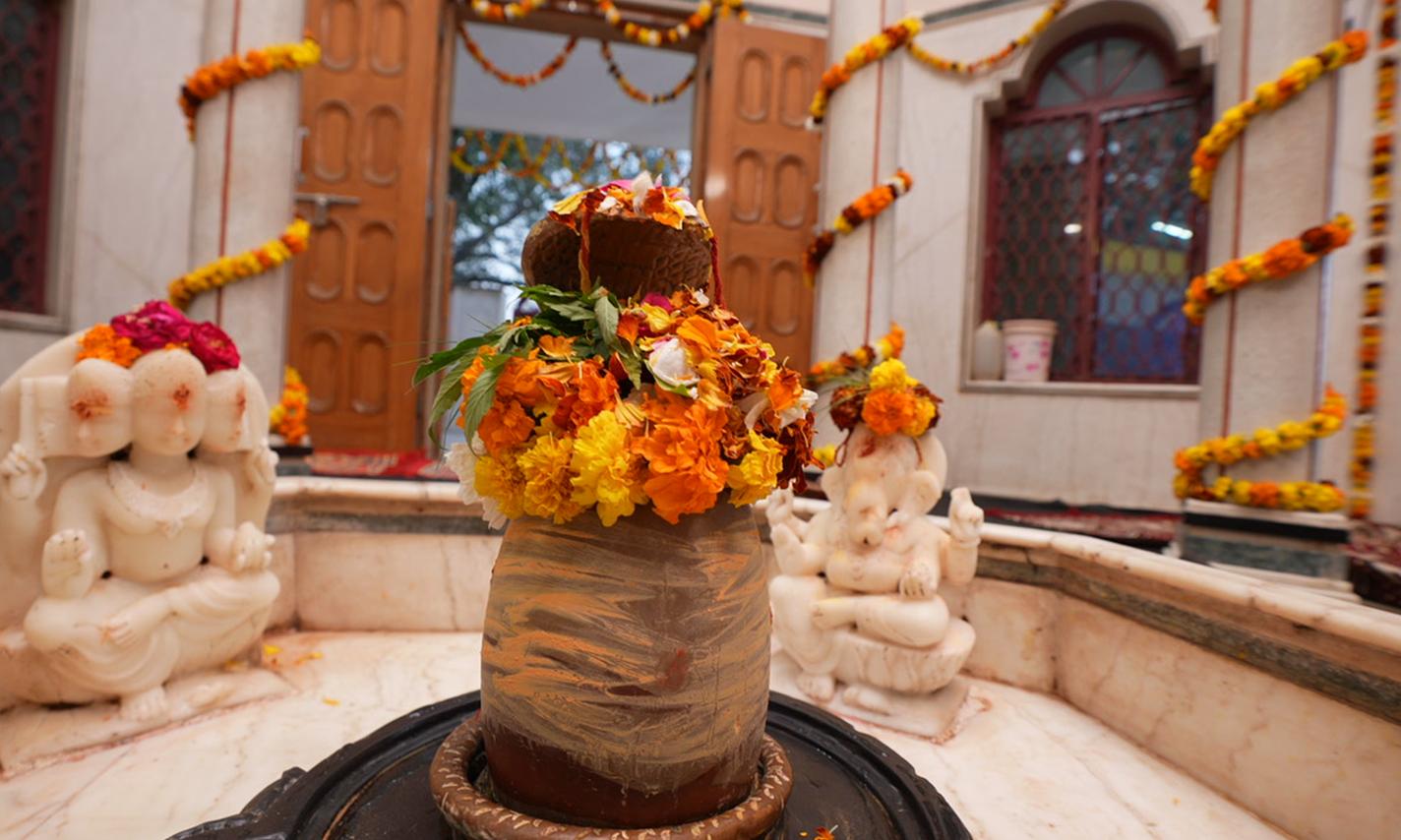
The Bel Patra is the most beloved offering to Shiva. Three leaves on one stalk, representing the three gunas, the three deities, the three states of consciousness. Bel patra puja is performed at every Shiva ceremony - the leaves are placed on the Shivalinga one by one with the specific mantra each placement asks for. The bel tree itself is considered consecrated; many devotees plant a bel patra tree at home so that fresh leaves are available for daily Shiva worship.
Flowers - Pushpa
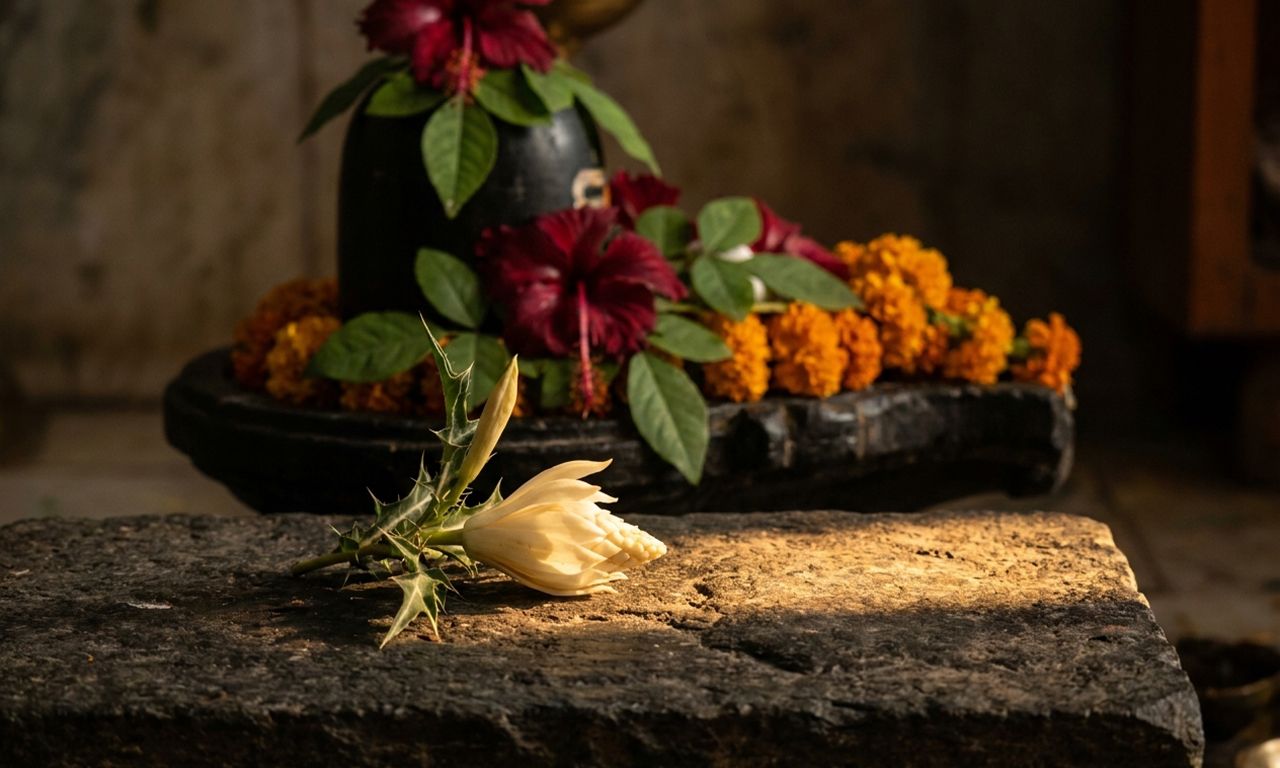
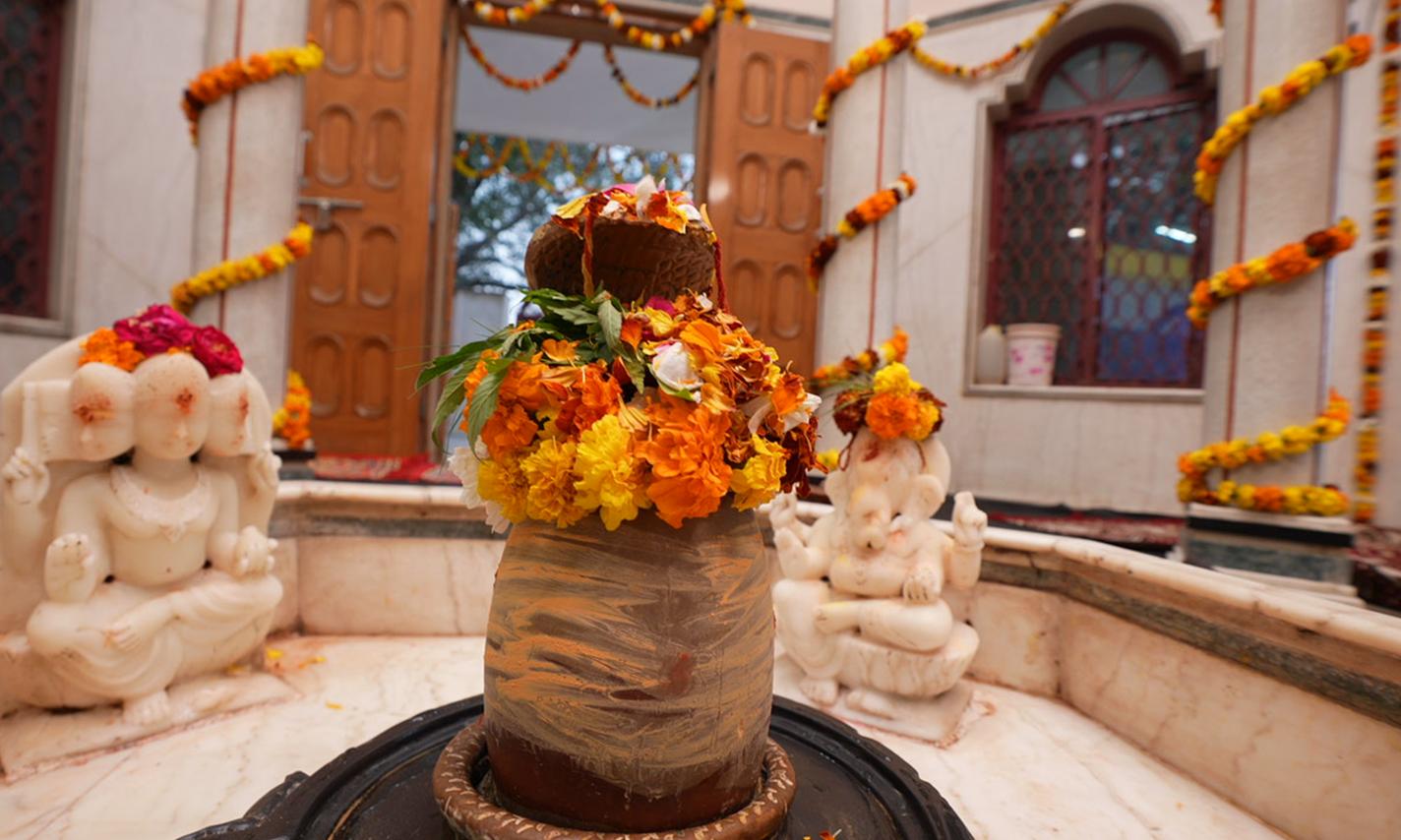
White flowers especially. Datura. Aak. Kaner. Each chosen for what it represents and for what the tradition says Shiva accepts. Ketaki is never offered - its story is told in a separate piece. What to offer in Shiva puja is not arbitrary. Every choice carries the weight of a tradition that has held the knowledge of these substances for millennia.
Why This Knowledge Matters
A pandit who pours water over a Shivalinga without knowing what the water is asking for performs a ritual. A pandit who knows performs a ceremony. The materials are not symbols. They are addresses. Each one speaks to a specific aspect of what the devotee needs and what Shiva is being asked to provide.
When you book a Rudrabhishek with SiddhiStar, the pandit who arrives at your home - or the pandit who conducts the live ceremony from Narwar Dham on your behalf - is carrying this complete understanding. The samagri is not a checklist. It is a vocabulary.
Book a Rudrabhishek with full samagri at your home with our “Ghar Par Puja” service or “Online Puja” service. Every material. Every mantra. Every intention.