Brahma's Punishment - Why the Creator Has Almost No Temples
By SiddhiStar | Narwar Dham Parampara
15 May 2026 • 4 min read
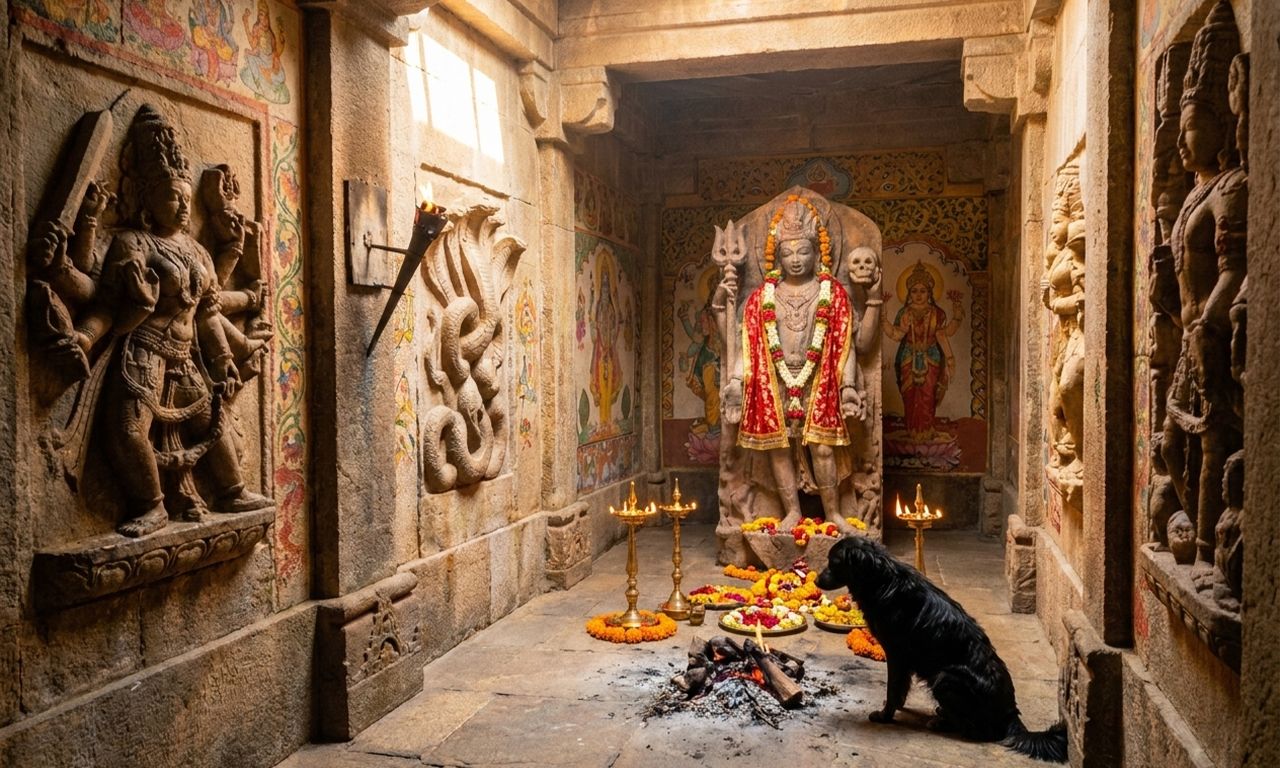
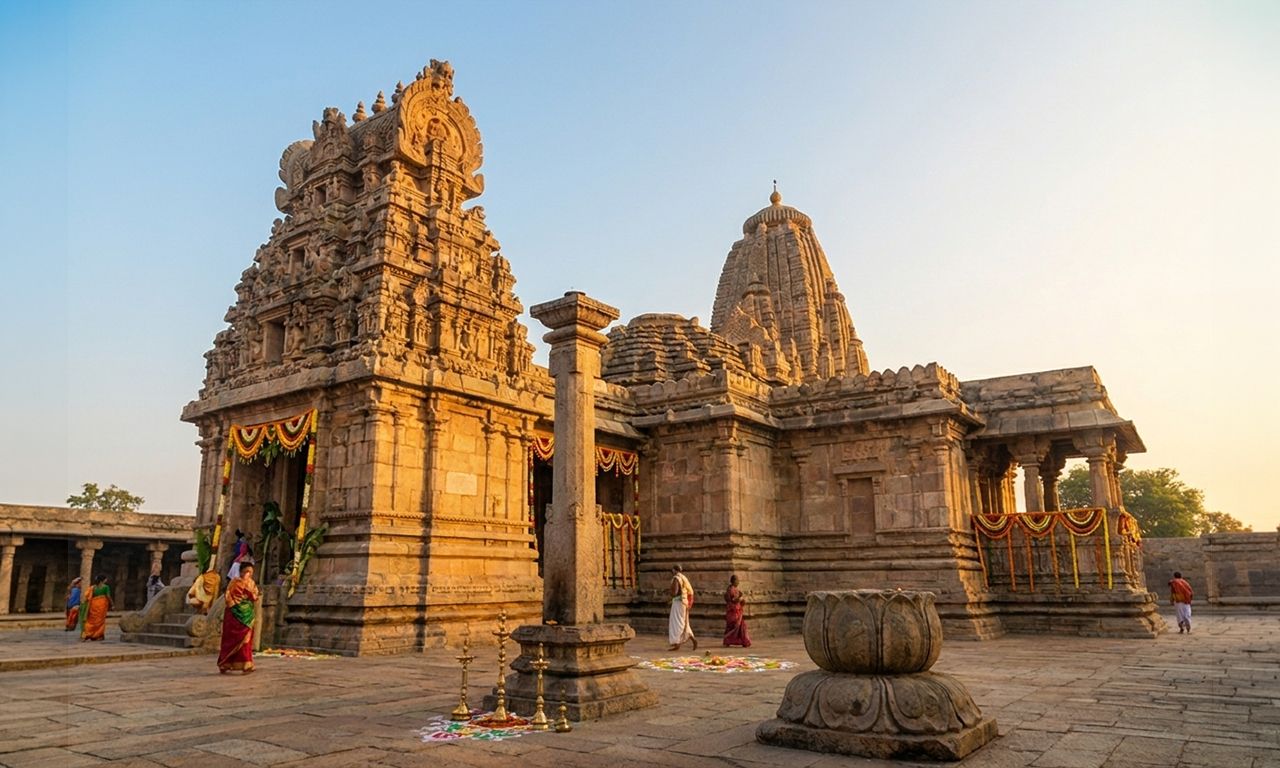
India has temples to Vishnu in their thousands. Temples to Shiva on every corner of every significant town. Temples to Durga, to Hanuman, to Ganesha, to Lakshmi, to Saraswati. But temples to Brahma - the Creator, the first of the Trimurti - are almost non-existent. The most famous is in Pushkar, Rajasthan. Across the rest of the country, his shrines are rare.
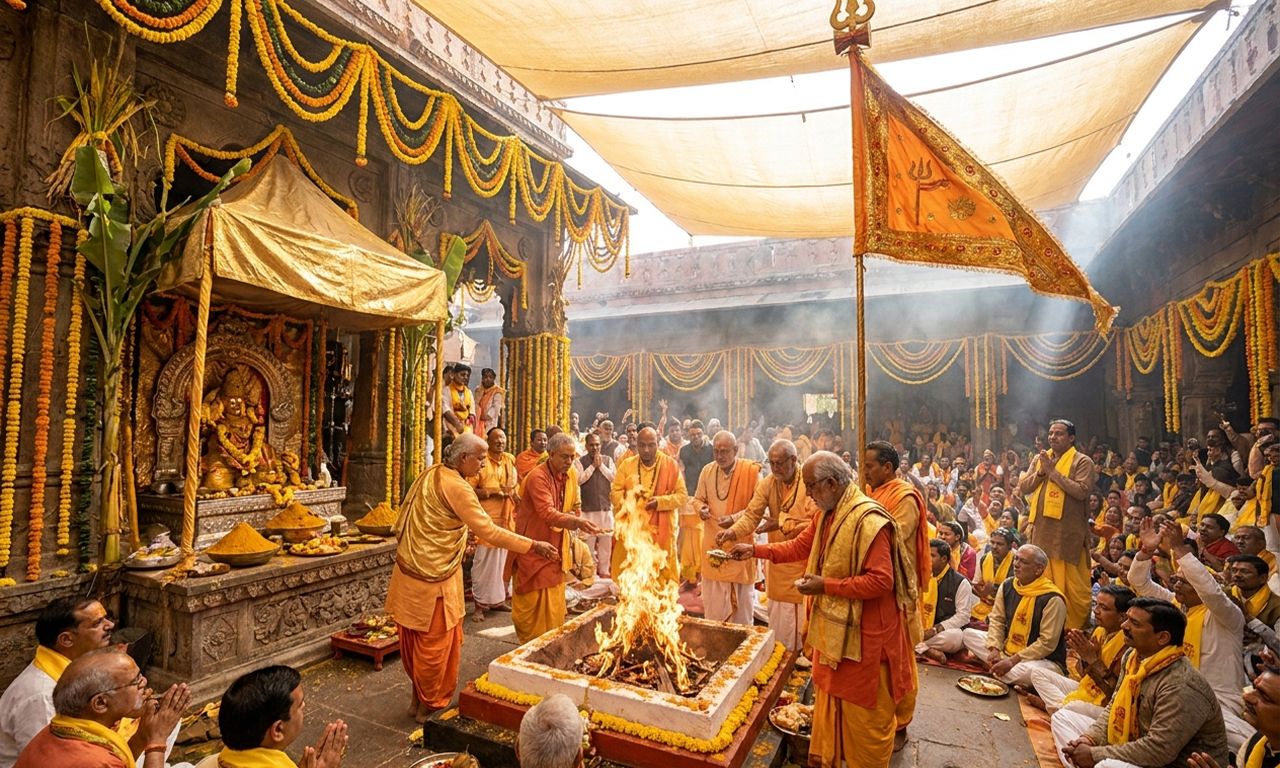
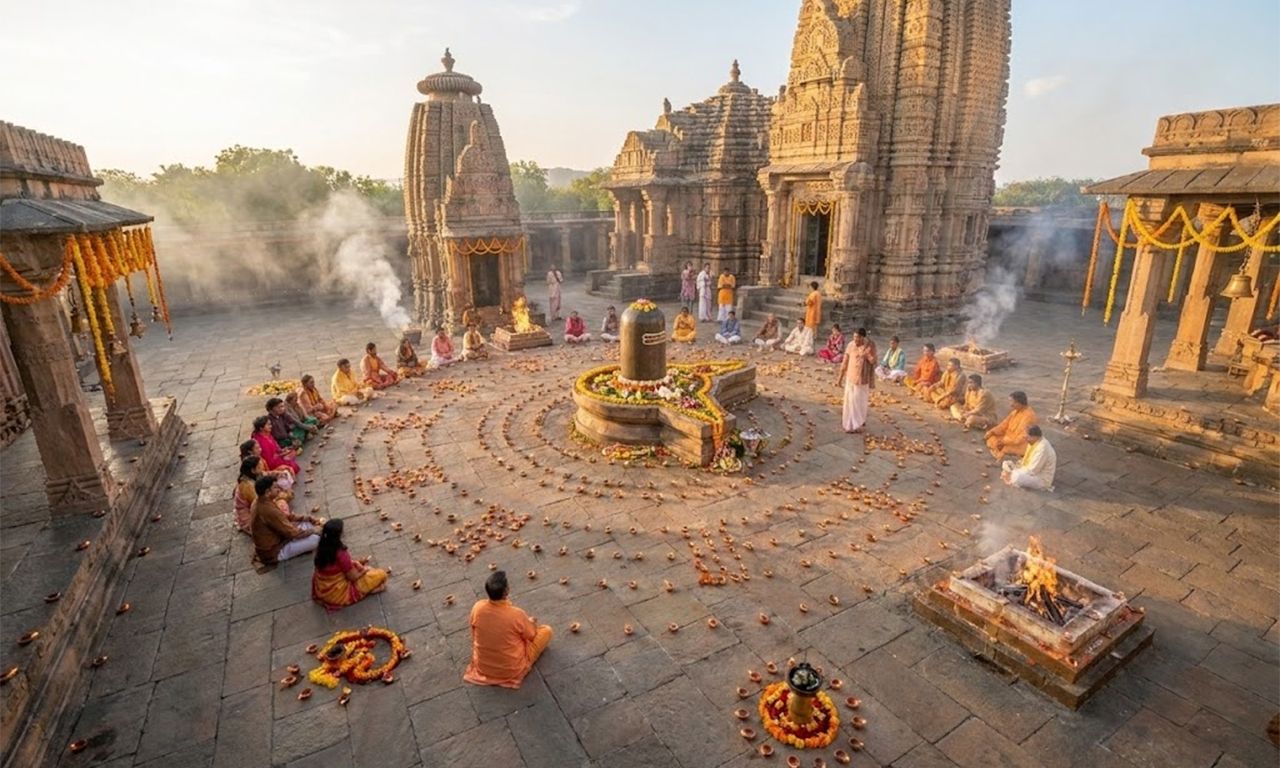
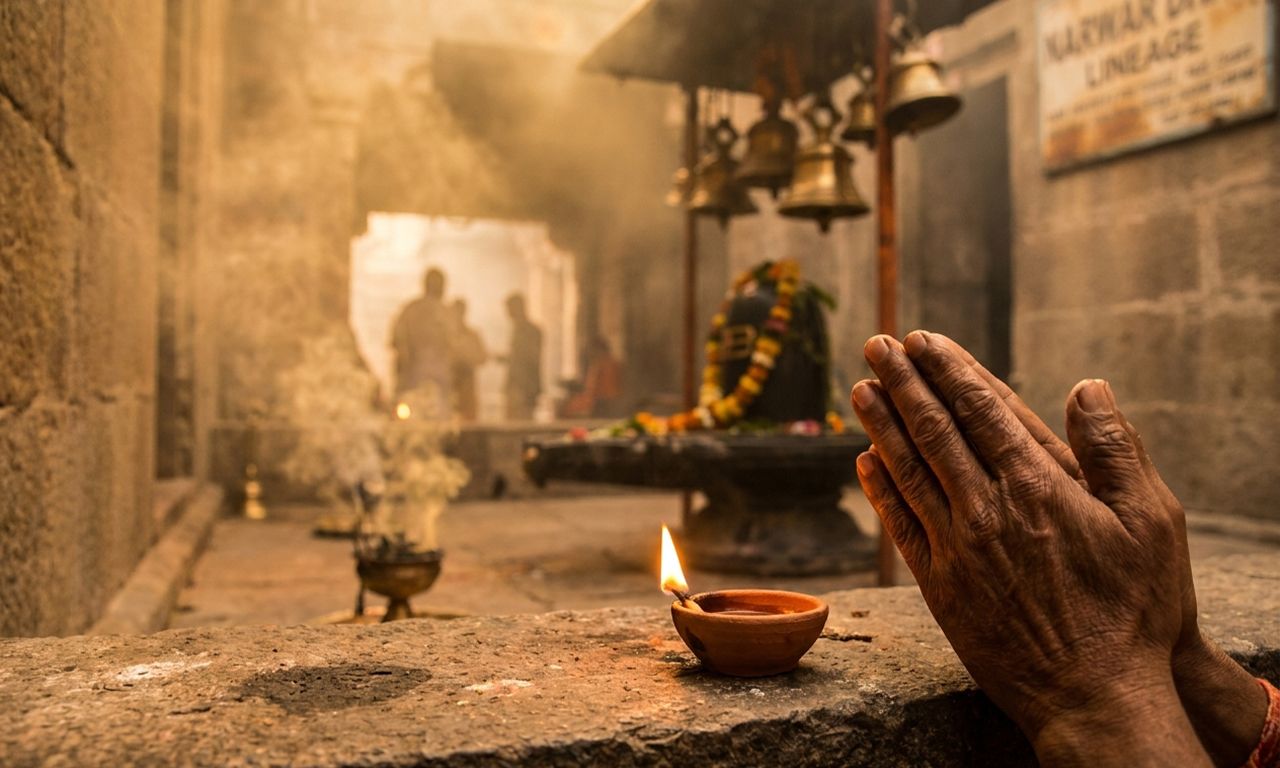
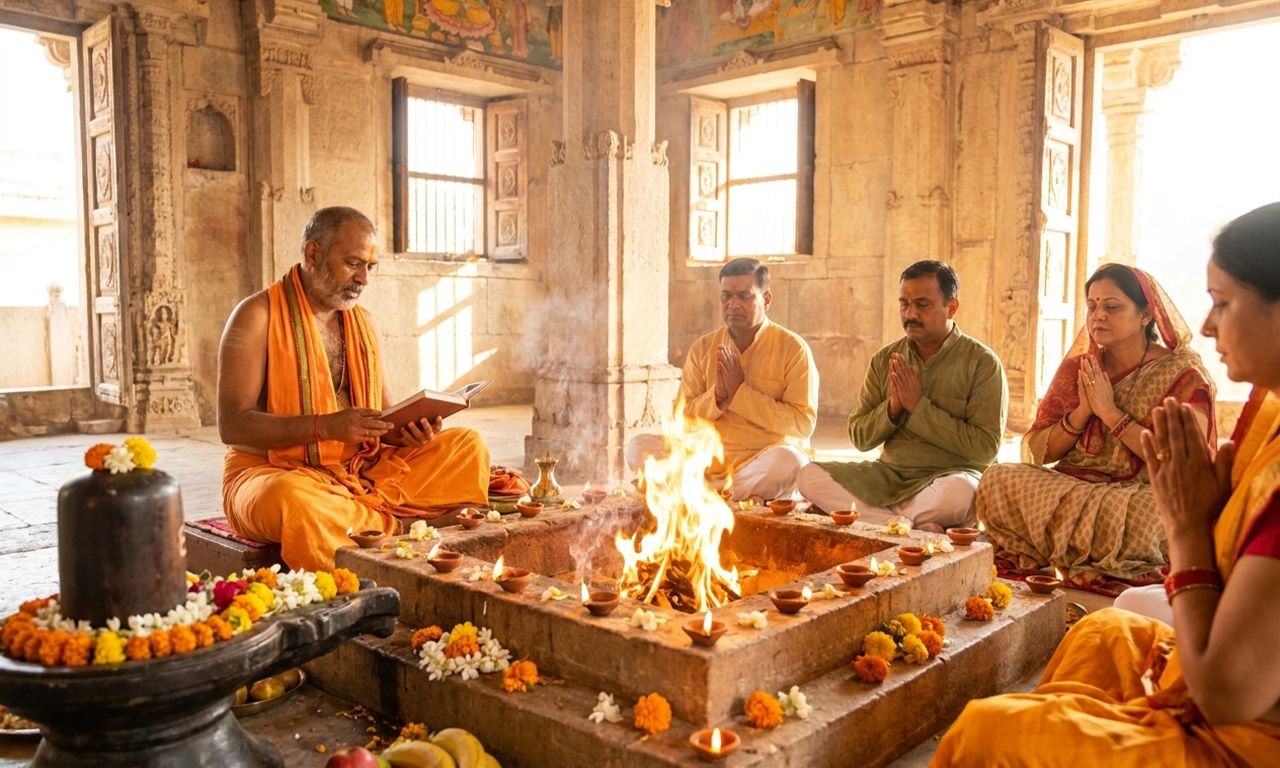
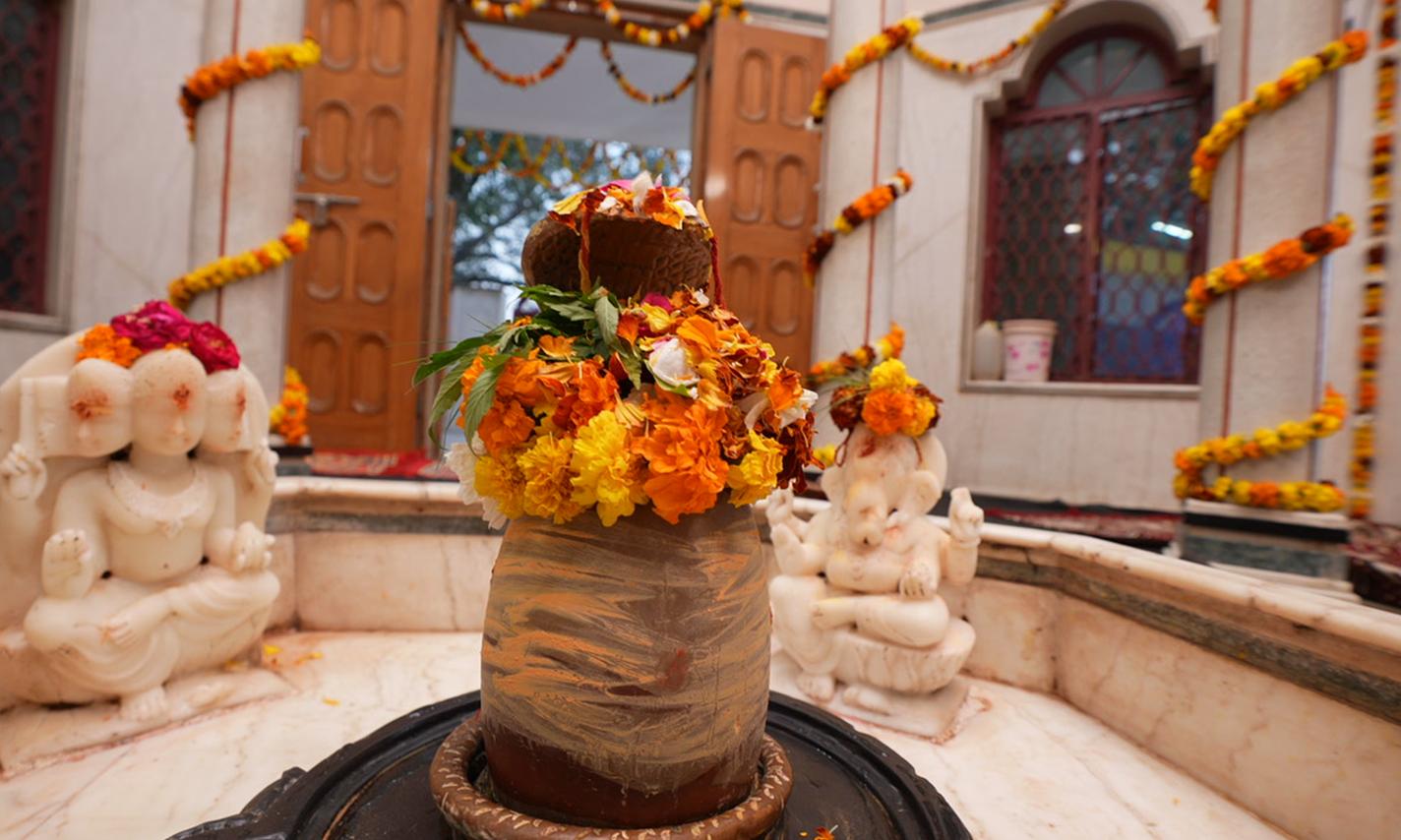
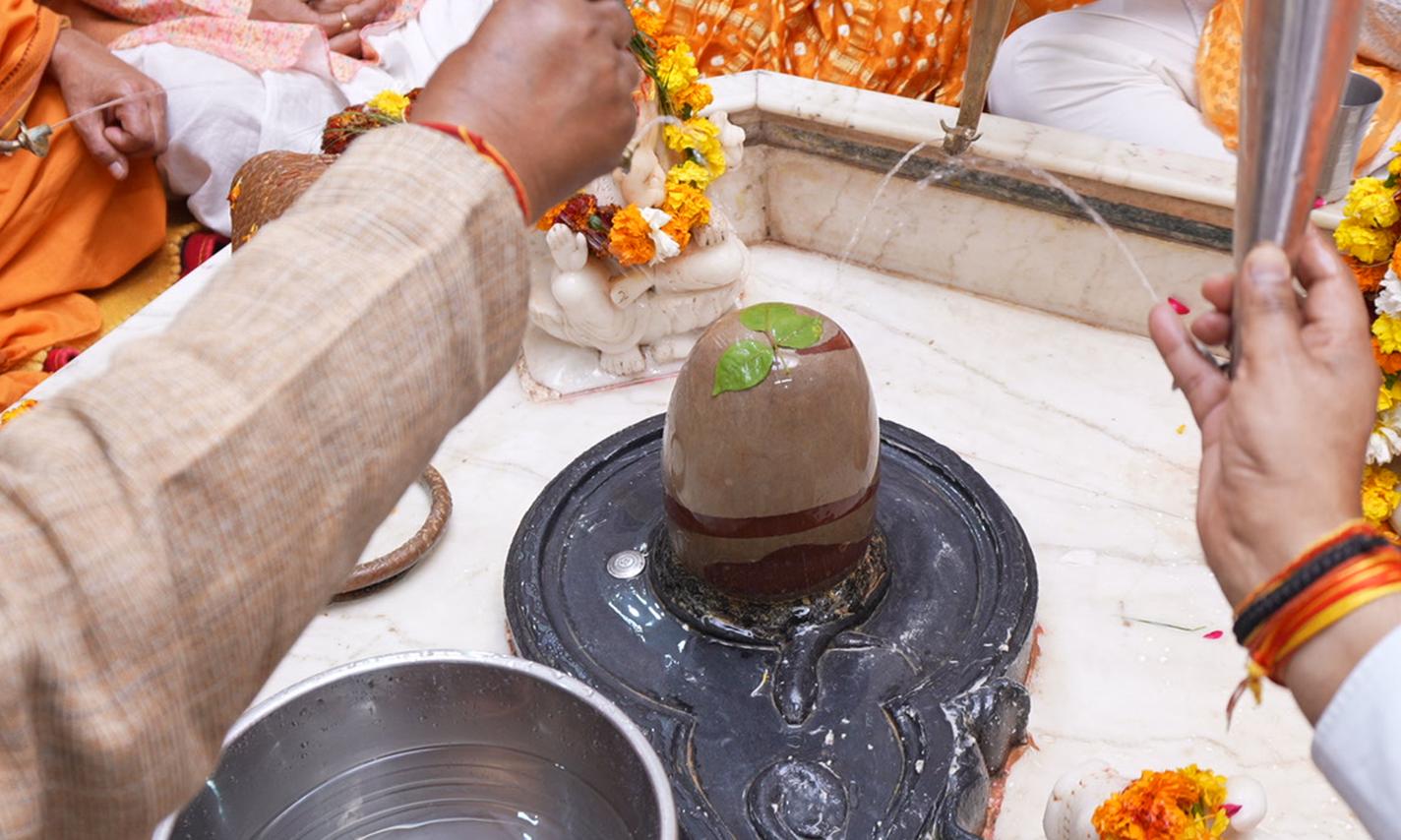
Most people accept this as a given without knowing the reason. The reason was told during the Mahashivratri Mahapuja at Narwar Dham.
What Brahma Did
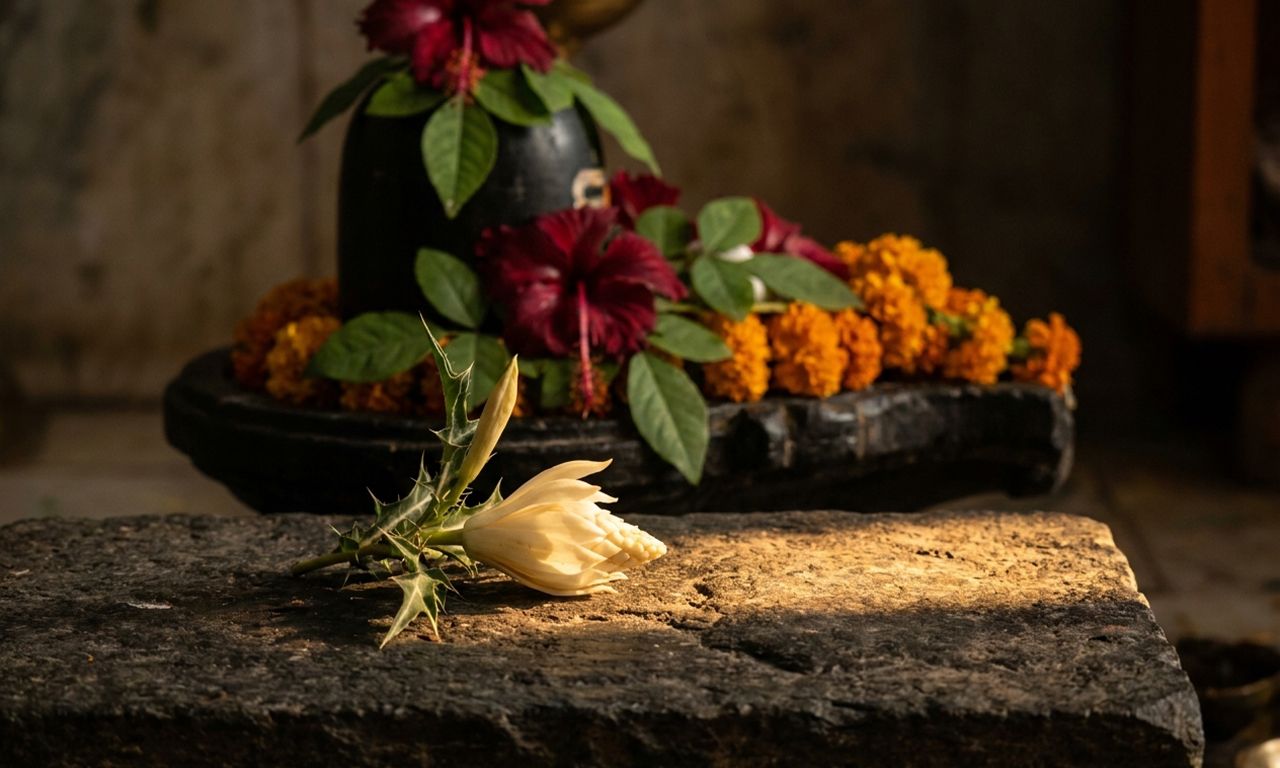
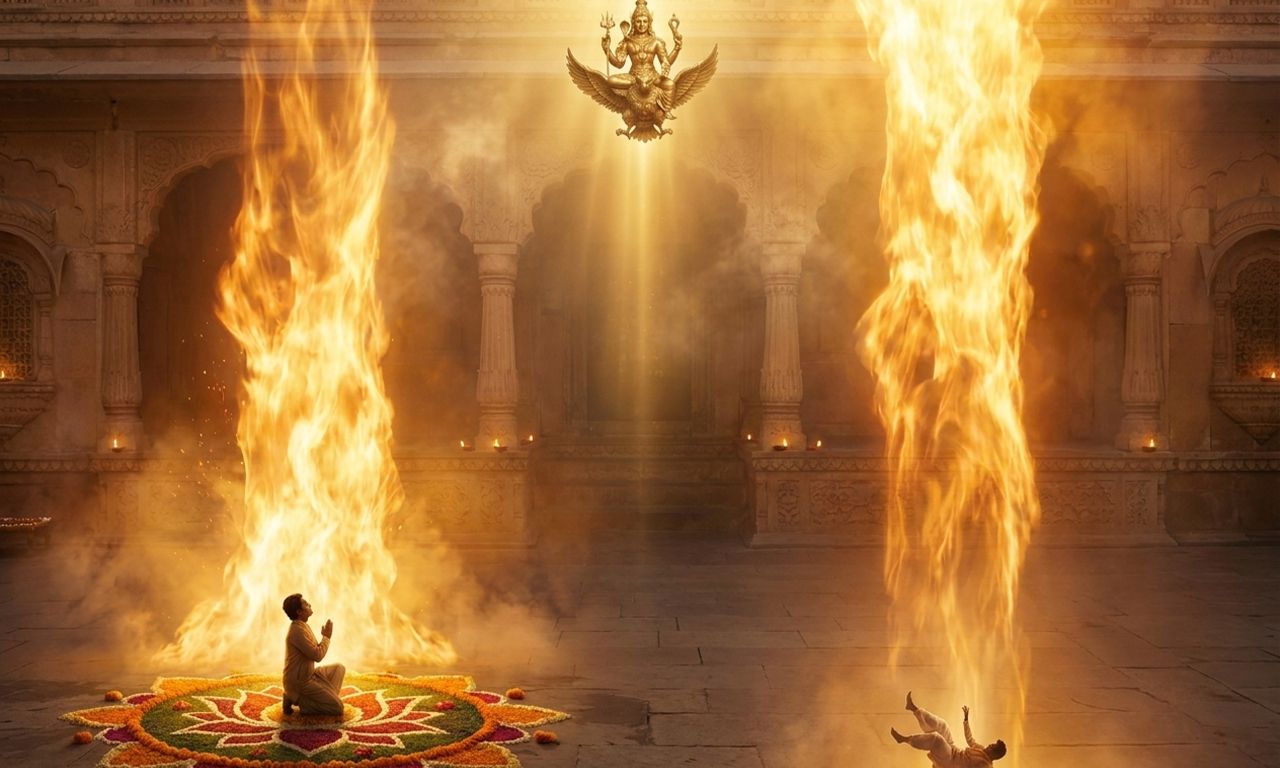
In the story of the Agni Stambha, Brahma could not find the top of the column of fire. He asked a Ketaki flower to bear false witness on his behalf. When he stood before Vishnu and claimed to have found what could not be found, he was speaking an untruth to Satyanarayan himself - the lord whose very name means the truth that sustains the universe.
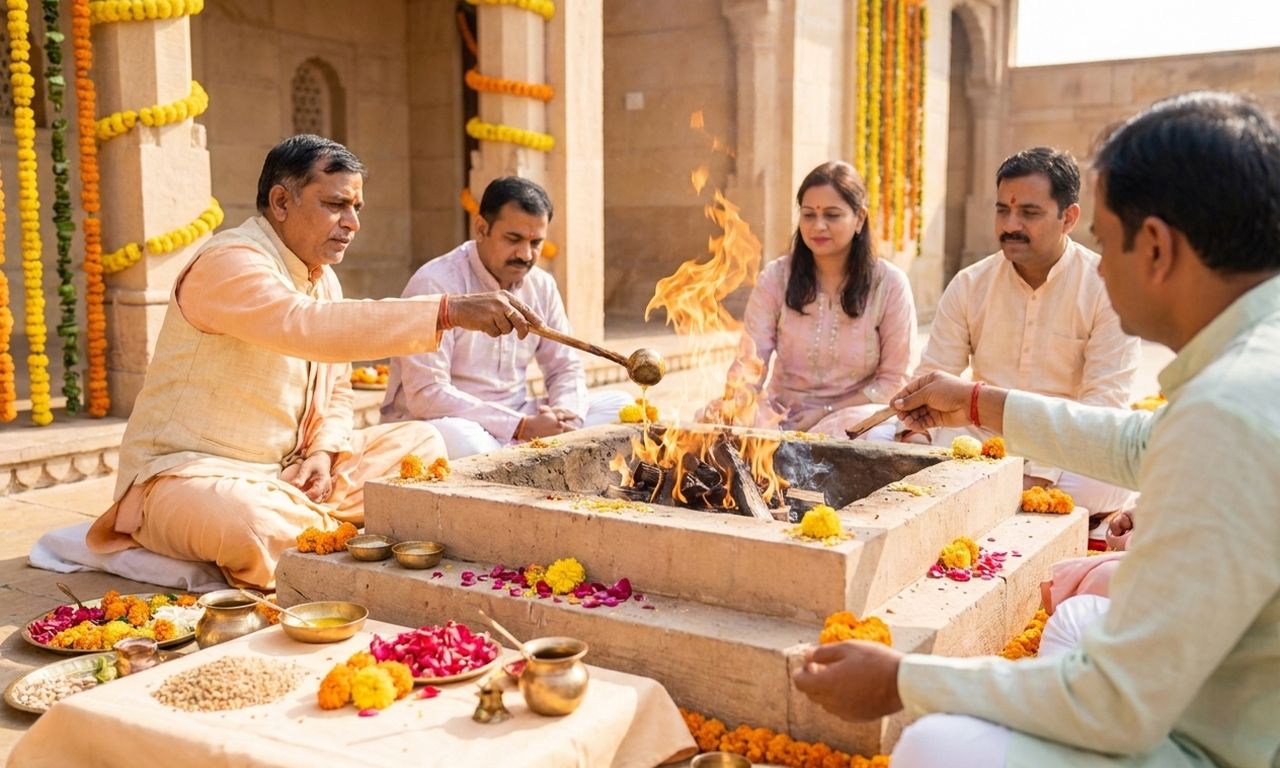
When Shiva appeared and the lie was revealed, the consequence was immediate. Brahma would have no temples. His presence and his function - he is essential to every yagna, he holds the seat of Brahma in every ritual - would continue. But he would not be worshipped directly. The mouth that spoke falsely would not receive the kind of reverence that truth earns.
The Nuance That the Story Contains
Brahma's punishment is not total destruction. He is still present. Still necessary. Still honoured in the structure of the ceremony. But there is a difference between being necessary and being worshipped. Between being acknowledged and being approached as a refuge.
Shiva's response to Brahma's lie is not rage - it is proportion. What was taken away from Brahma corresponds exactly to what Brahma had tried to gain through the lie: primacy, the status of being the greatest, the one whose temples would be built and to whom devotees would come. That specific thing was removed. Nothing else.
What This Story Is Doing in a Mahashivratri Ceremony
The story was not told as a rebuke to Brahma, who is not present to be rebuked. It was told to establish something about the nature of Shiva's justice. It is precise. It is proportionate. It addresses the specific act, not the person who committed it. And it is permanent - not in anger, but as a natural consequence of what happened.
A devotee who understands this approaches Shiva differently. Not as a deity to be appeased or bargained with. As one whose clarity about truth runs all the way to the root of things. That understanding changes how a puja is entered and how a Sankalp is spoken.
Understand more about the tradition behind every SiddhiStar ceremony. Book a Rudrabhishek at home or live from Narwar Dham. beta.siddhistar.com/pooja/shiva-puja