Why Ketaki Pushp Is Banned from Shiva Puja - and What It Teaches About Truth
By SiddhiStar | Narwar Dham Parampara
15 May 2026 • 5 min read
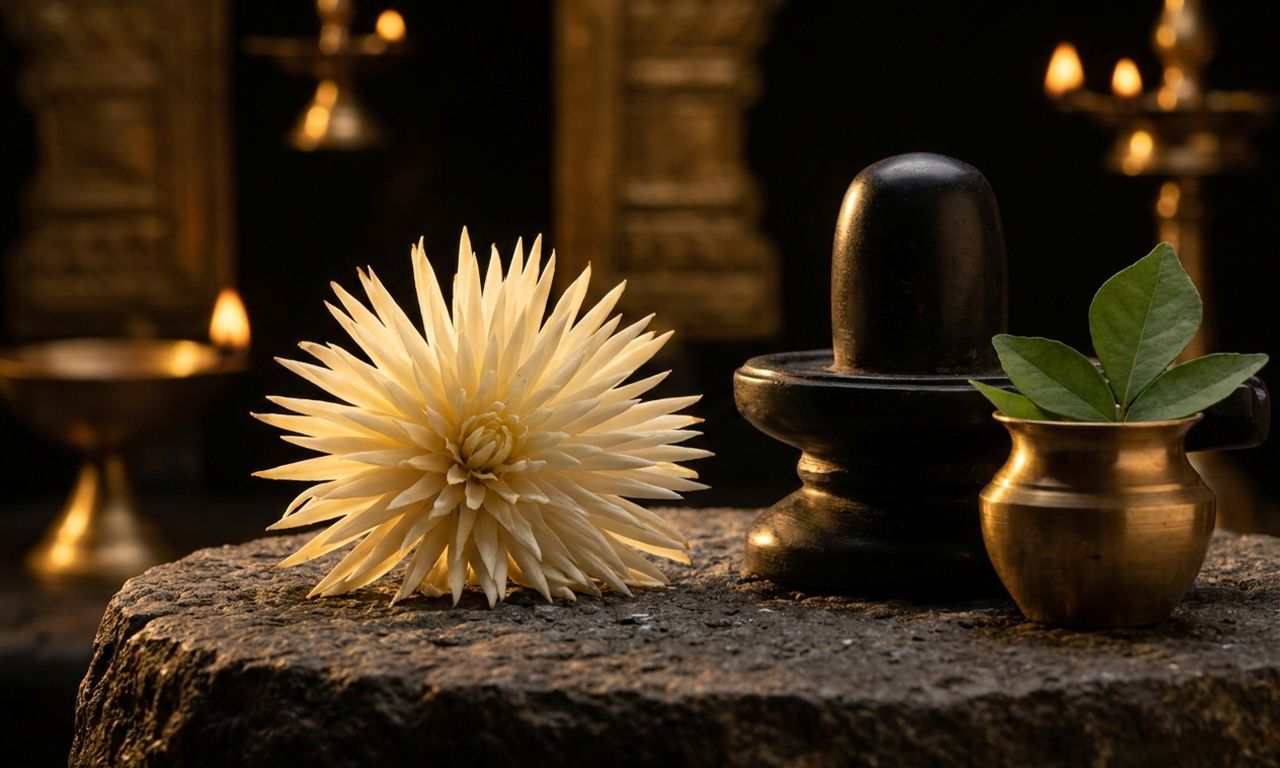
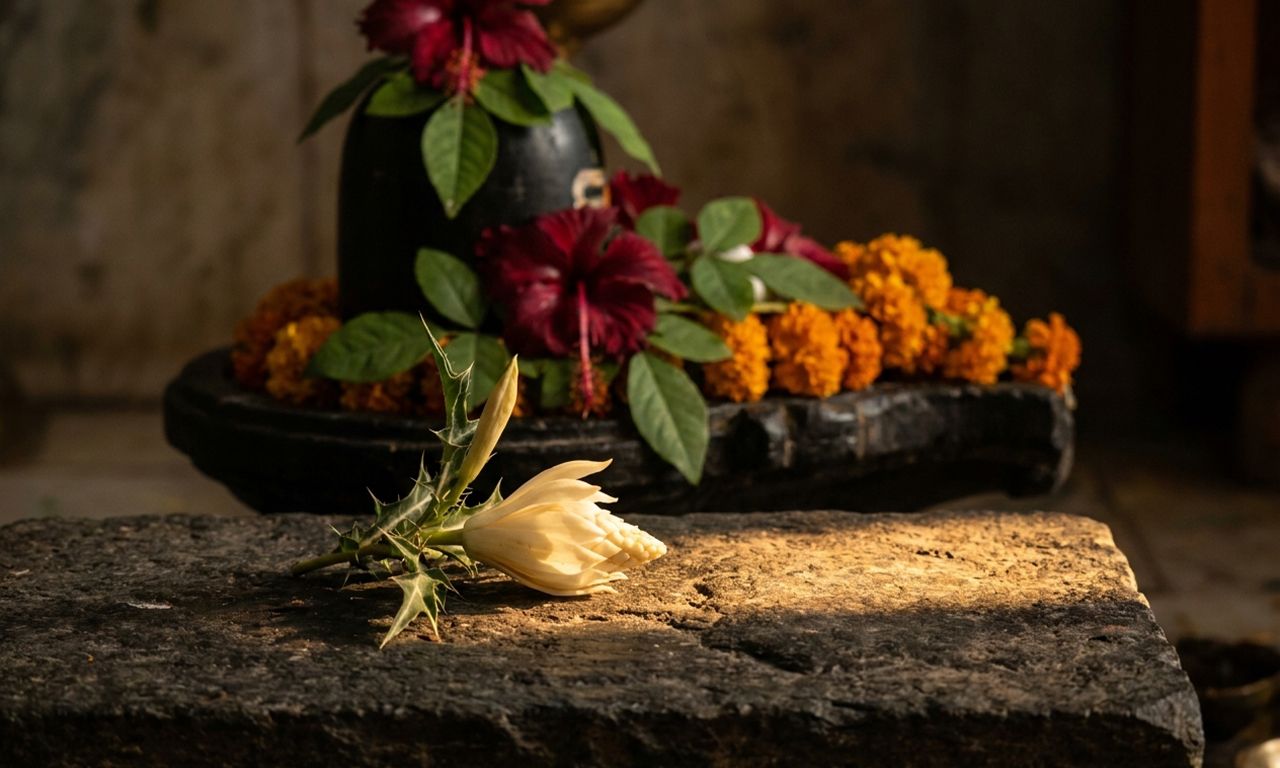
The ketaki flower is one of the most beautifully fragrant flowers in India. It is offered in worship of many deities. It is forbidden in the worship of Shiva. The shiv puran records why - and the story is one of the most-told in any mahashivratri puja.
This article is a companion to the original Mahashivratri Article 8 (which tells the story in full from a different angle). Where the original focuses on what the story means for the flower, this one focuses on what it teaches about truth as the ground of any ritual.
The Story in Brief
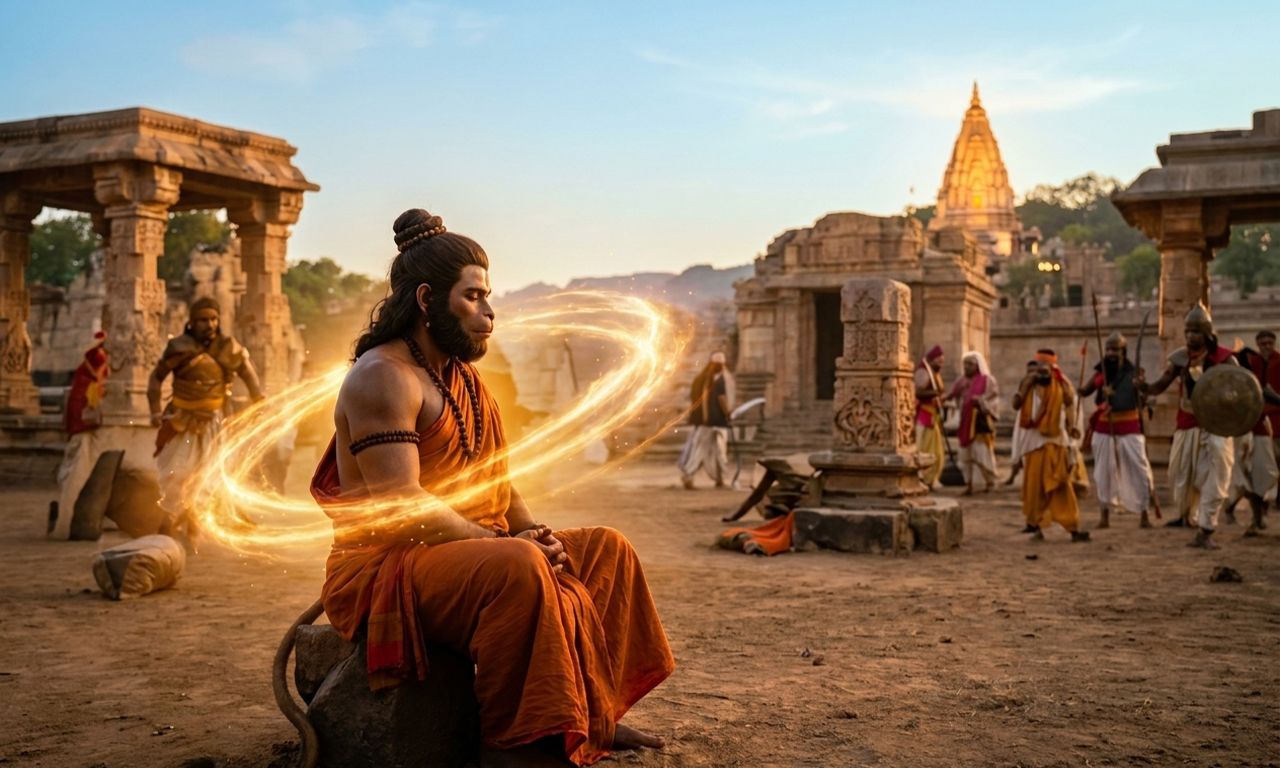
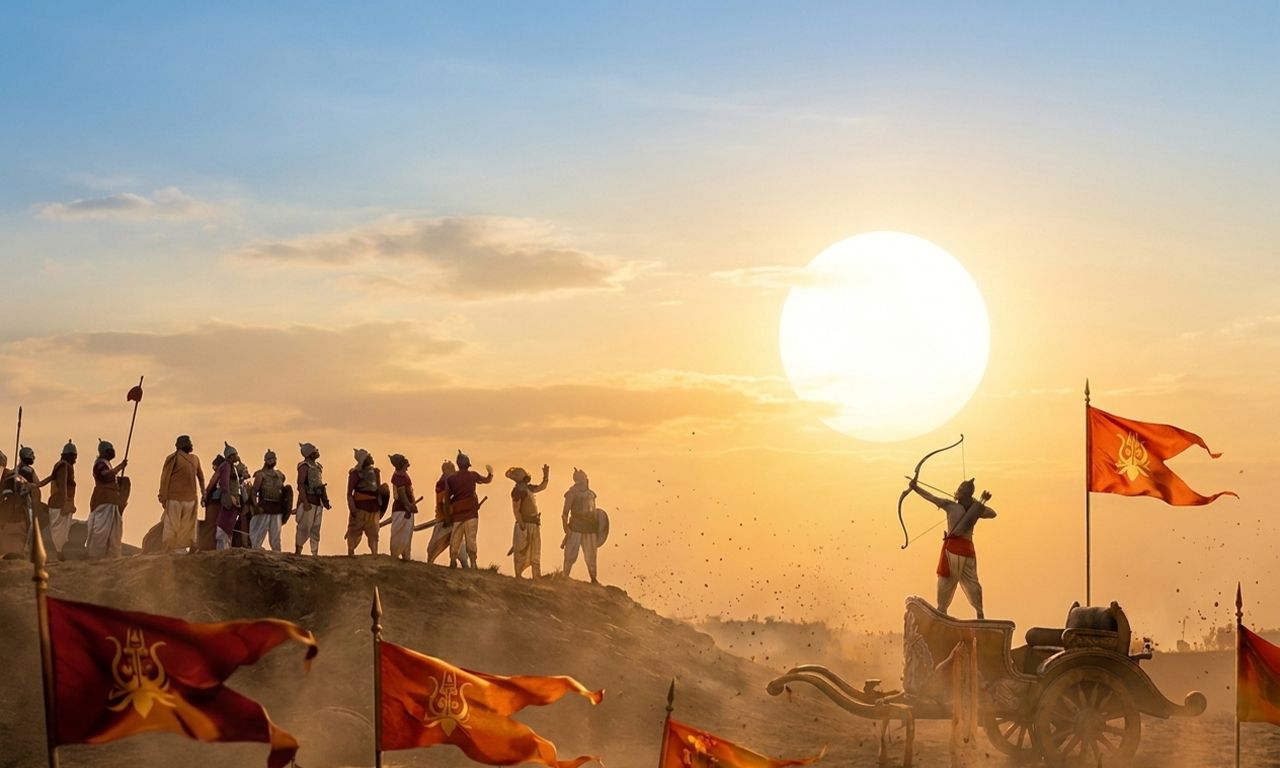
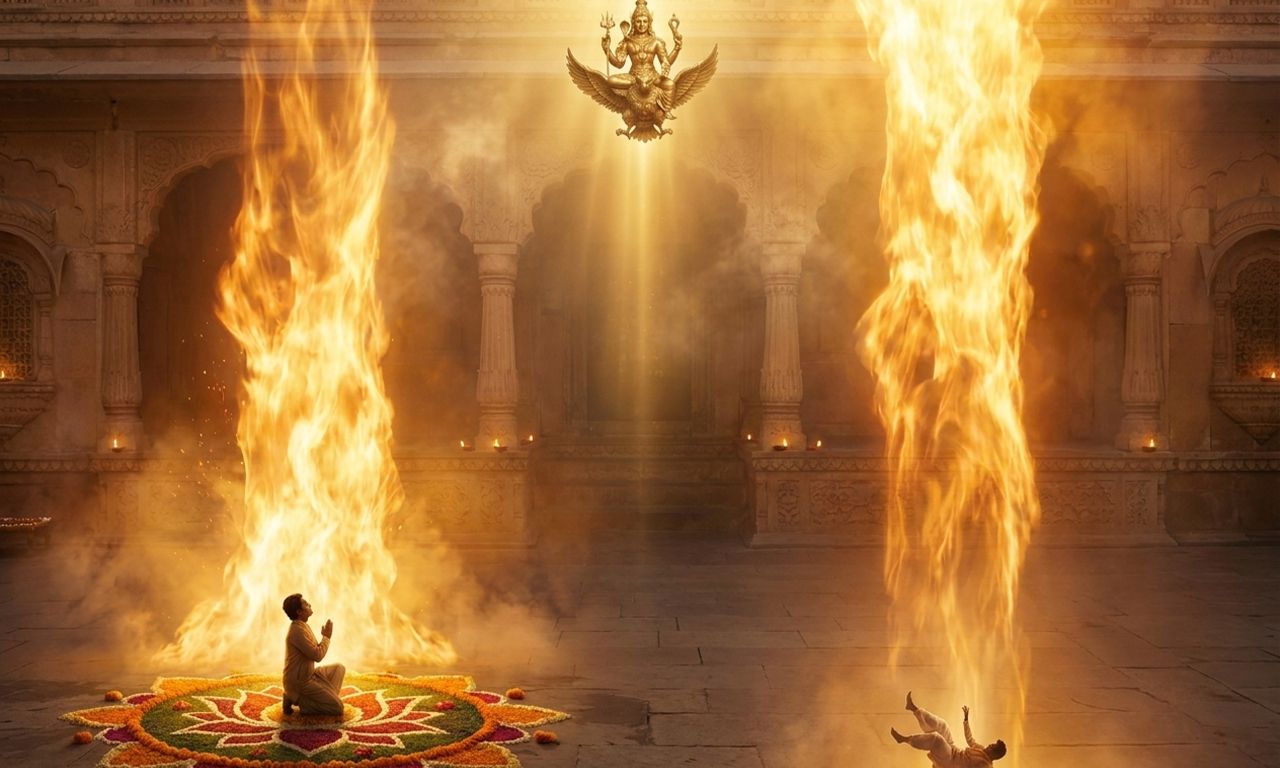
Brahma was searching for the top of the Agni Stambha (column of fire) that had appeared between him and Vishnu. A Ketaki flower was falling from above. Brahma asked it to lie - to tell Vishnu that Brahma had found the top. The flower agreed.
When the lie was revealed, Brahma was punished (no temples, see Mahashivratri Article 9 for the Brahma side of the story). The Ketaki flower was punished too: never to be offered to Shiva again. (See the original Mahashivratri Article 8 for the flower-side framing.)
What This Story Specifically Teaches About Ritual
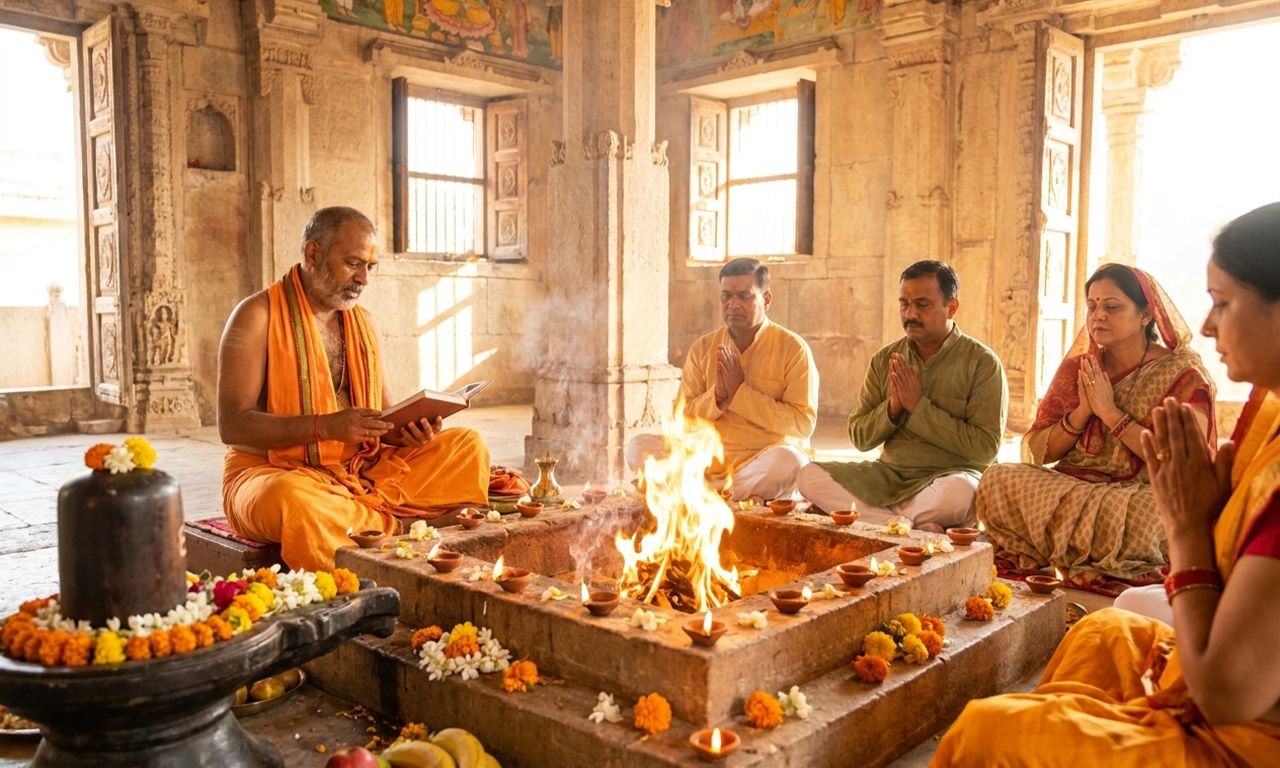
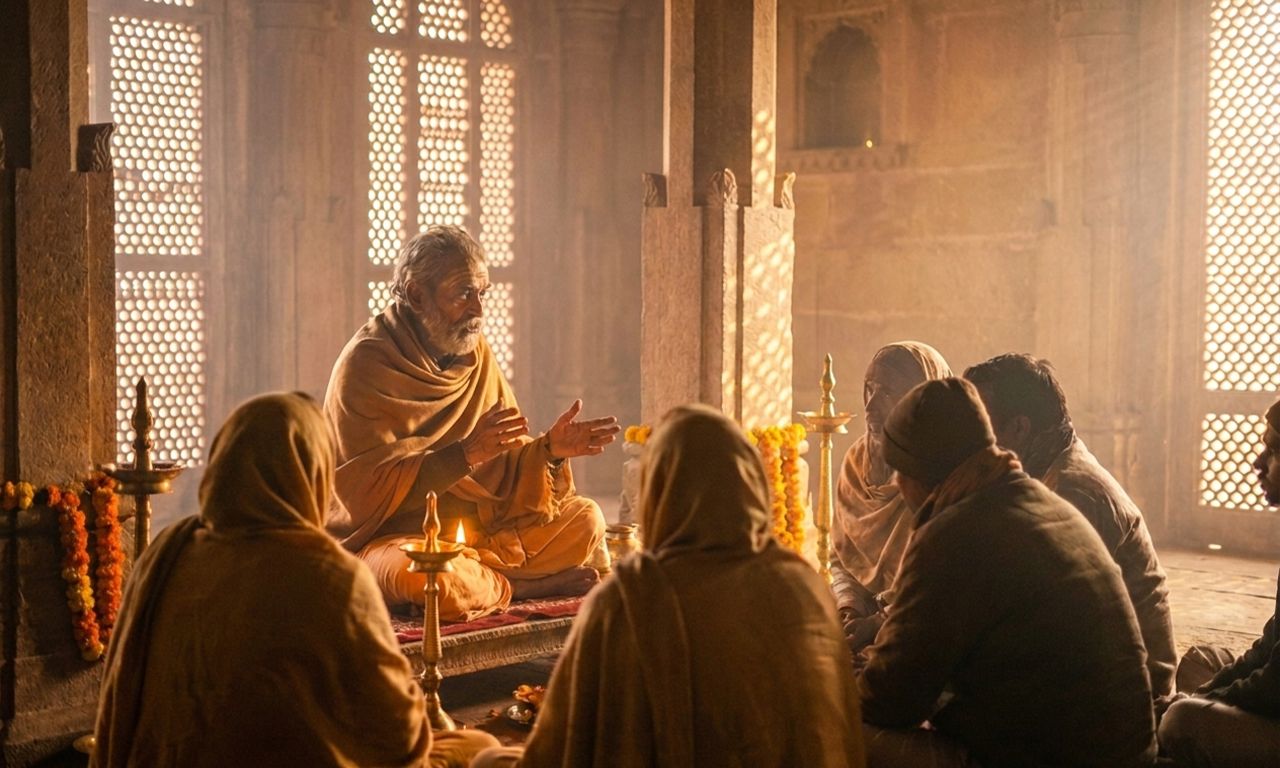
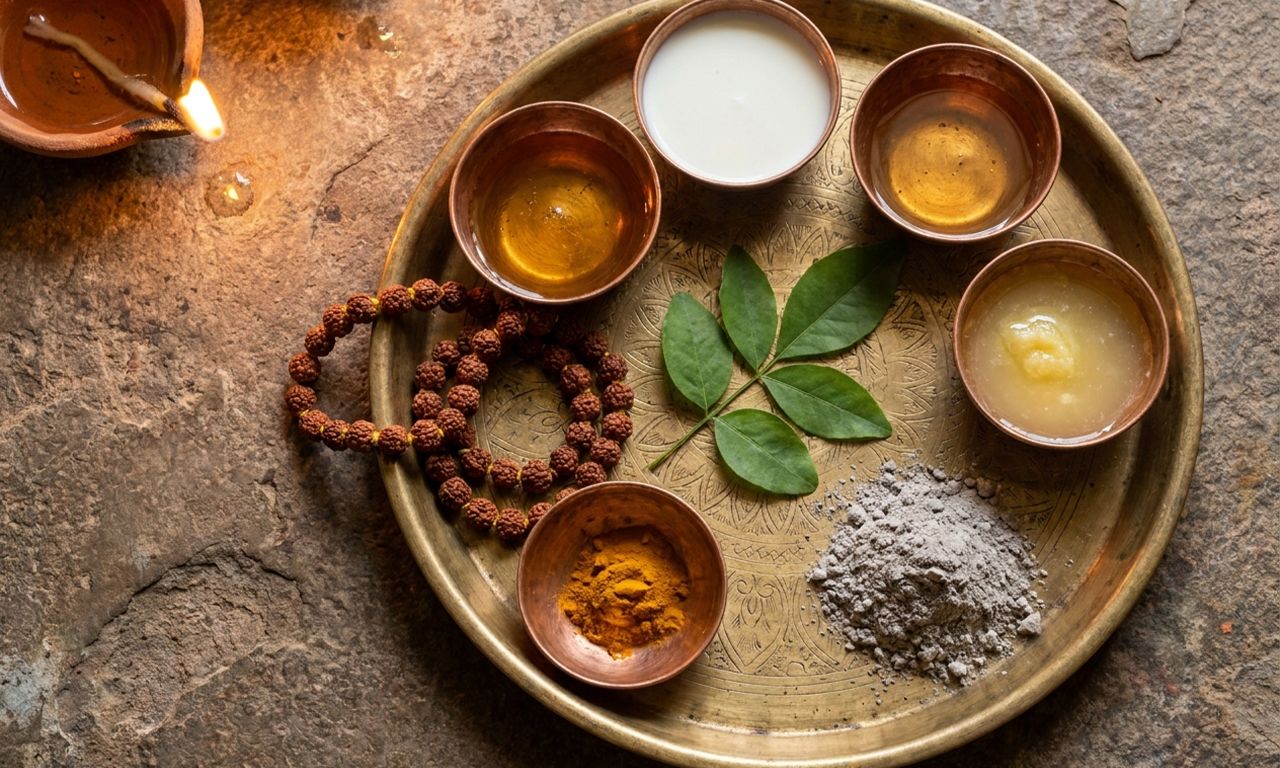
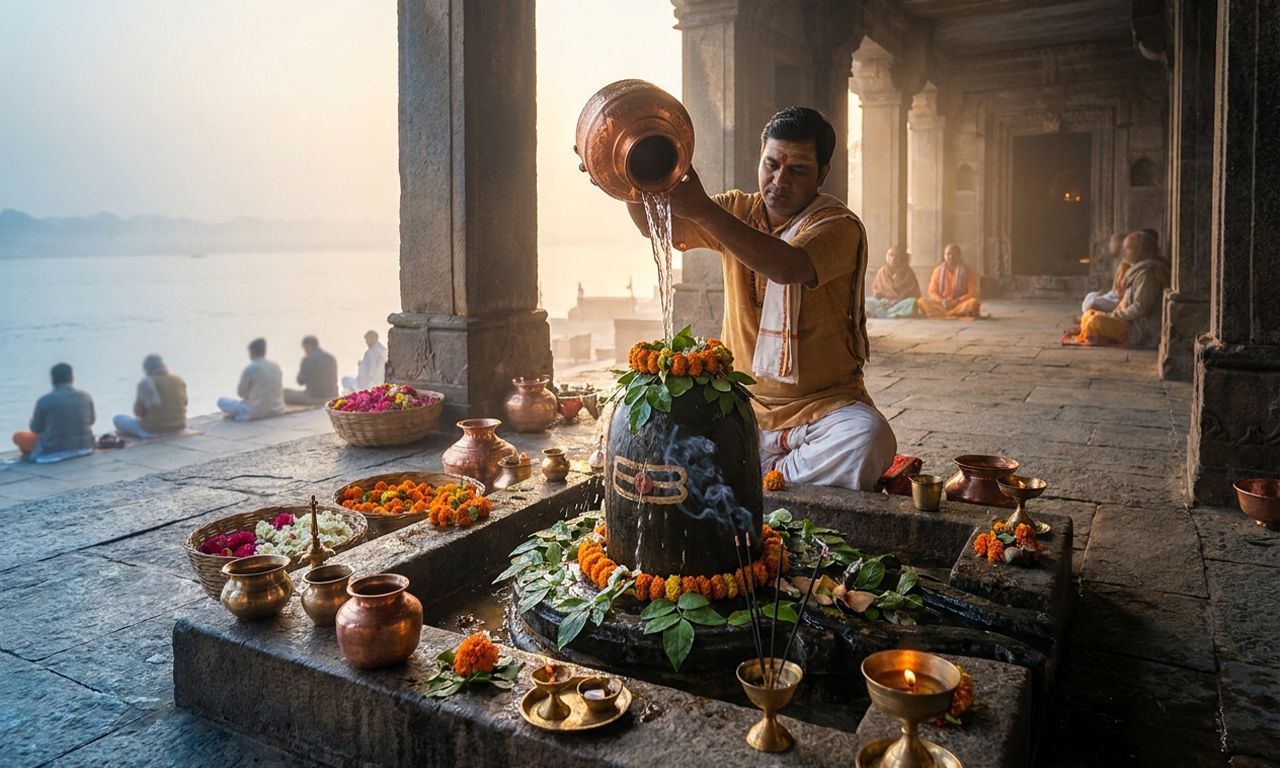
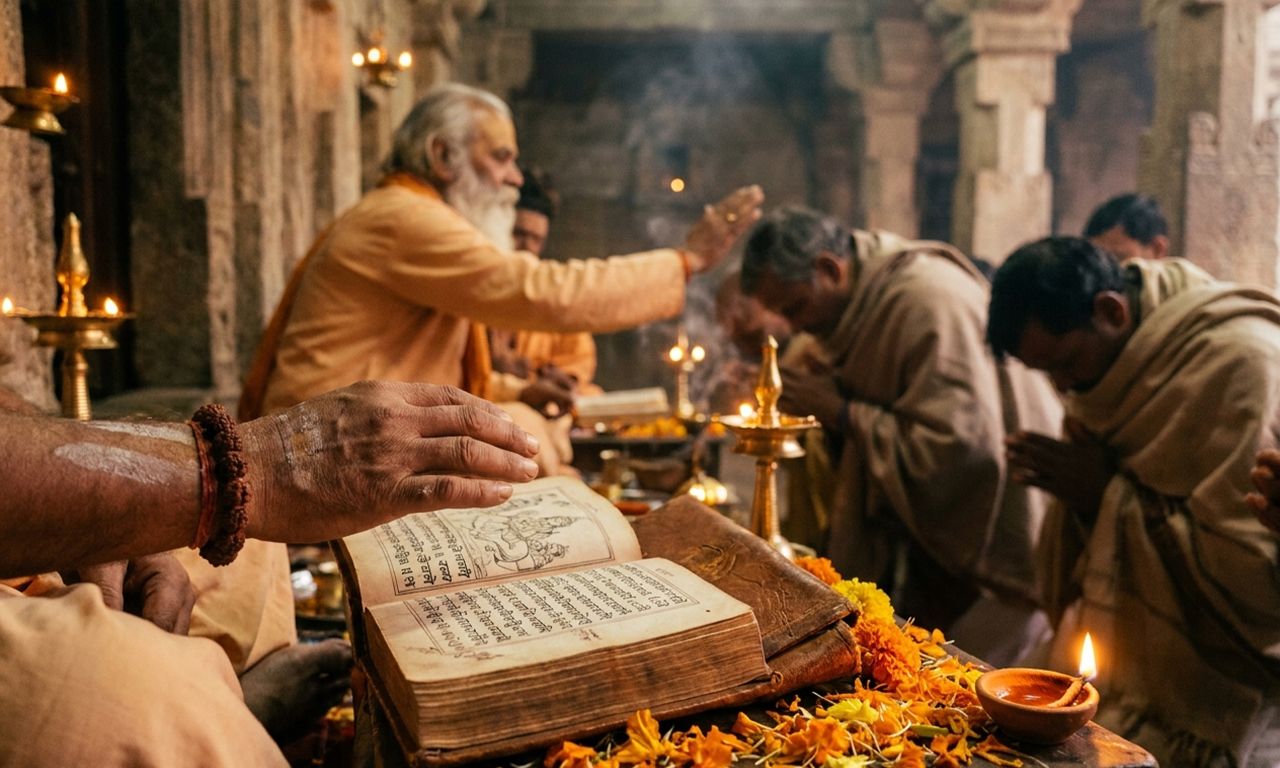
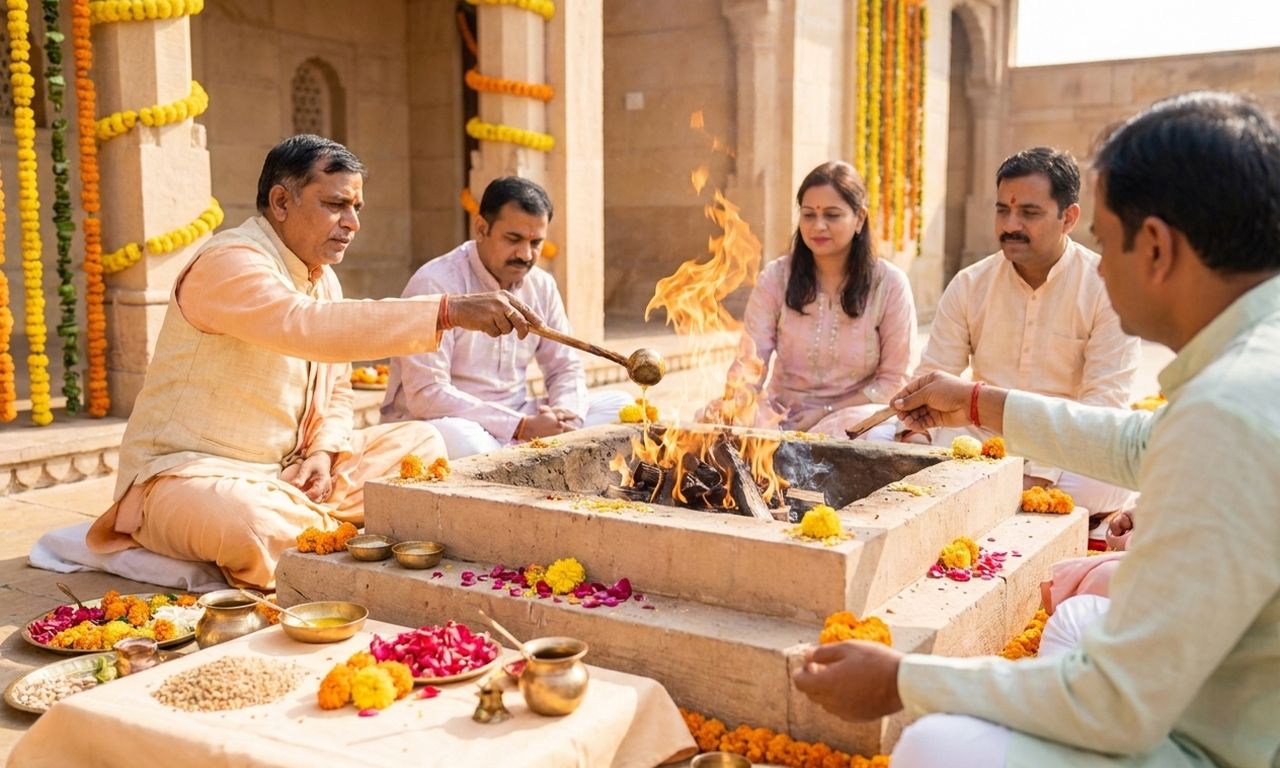
A rudra abhishek puja is built on truth. The Sankalp is meant to be honest. The kamna is meant to be the actual prayer, not a formality. The pandit's recitation is meant to be precise, not approximate. The materials are meant to be what the tradition specifies, not substitutes that look the same.
The Ketaki flower is excluded not because it is intrinsically bad. The flower is exquisite. The exclusion is because, in this one case, the flower agreed to dishonest testimony. That single act of compromise, in the context of a puja, is enough to remove the flower from the ritual permanently.
This is what the shiv puran is establishing: ritual is not theatrical. It cannot accommodate falsehood at any point in its construction. Even the materials must be truthful.
What This Means When You Approach a Puja
When you write your Sankalpa Vakya (see Article 43), be honest. When you state your gotra (Article 41), state the actual one or use Kashyap as the acknowledged default - do not invent. When you state your kamna, state what you actually want, not what sounds spiritually appropriate.
The Ketaki flower's example is the example for every devotee: any single moment of dishonesty inside a ritual undermines the ritual itself. Conversely, complete honesty inside a ritual - even when what is being honestly stated is messy or imperfect - is what allows the ritual to do its full work.
This is also why bel patra is the most beloved offering. The bel tree, in the tradition's framing, has never compromised. Its leaves have always given themselves cleanly to Shiva worship.
Book a Rudrabhishek with full honest Sankalp.