Why Mahashivratri Is Not About Shiva's Wedding - The Real Mahashivratri Story from the Shiv Puran
By SiddhiStar | Narwar Dham Parampara
15 May 2026 • 7 min read
Every year, in thousands of homes across India, the origin of Mahashivratri gets retold the same way. Mahashivratri, people say, is the night Shiva married Parvati. Pandals are decorated. The wedding songs of Shiva are sung. The story feels complete, familiar, and true. The problem is that it is not what the Shiv Puran actually says.
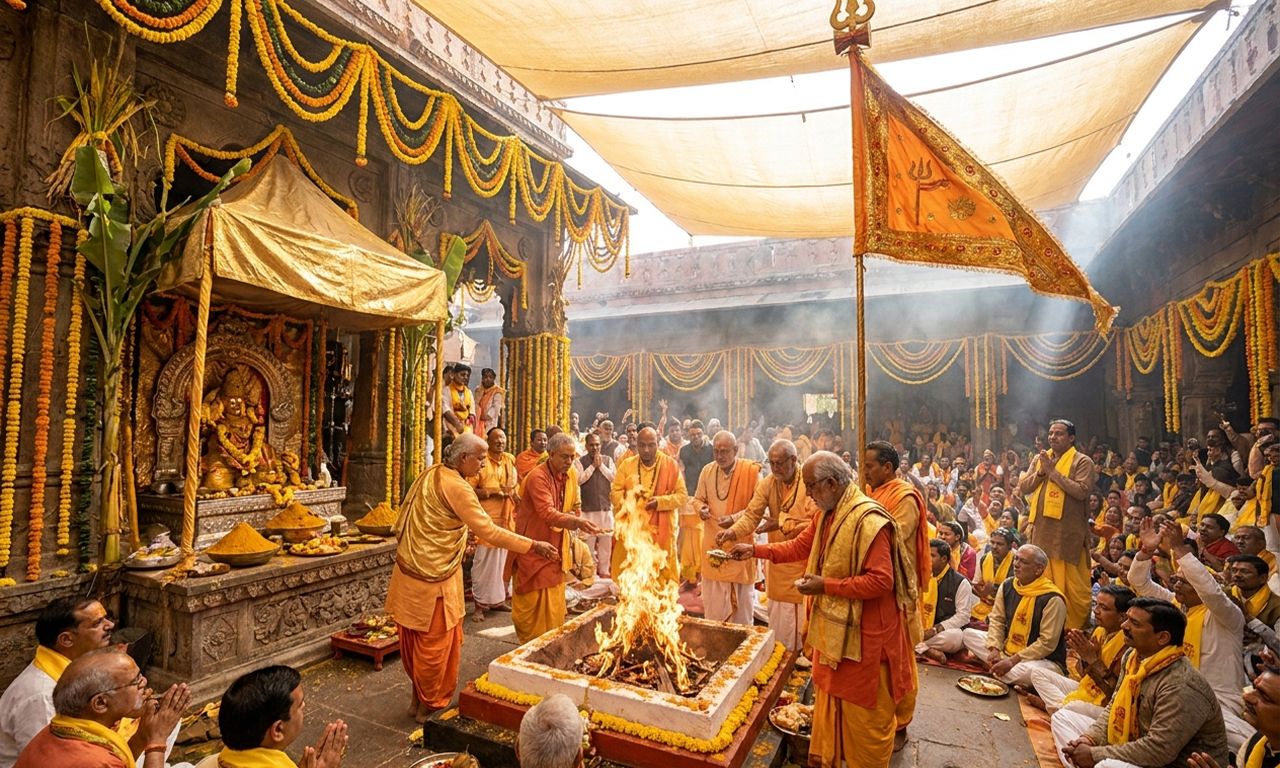
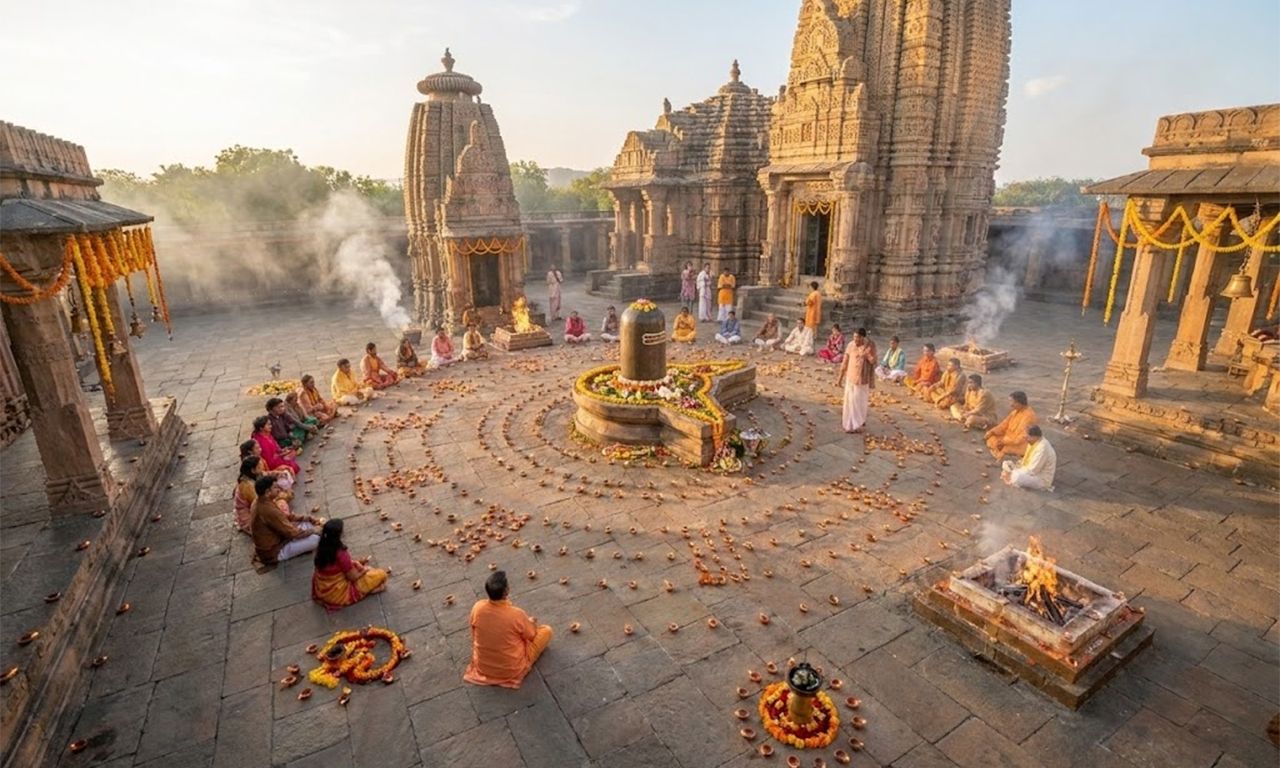
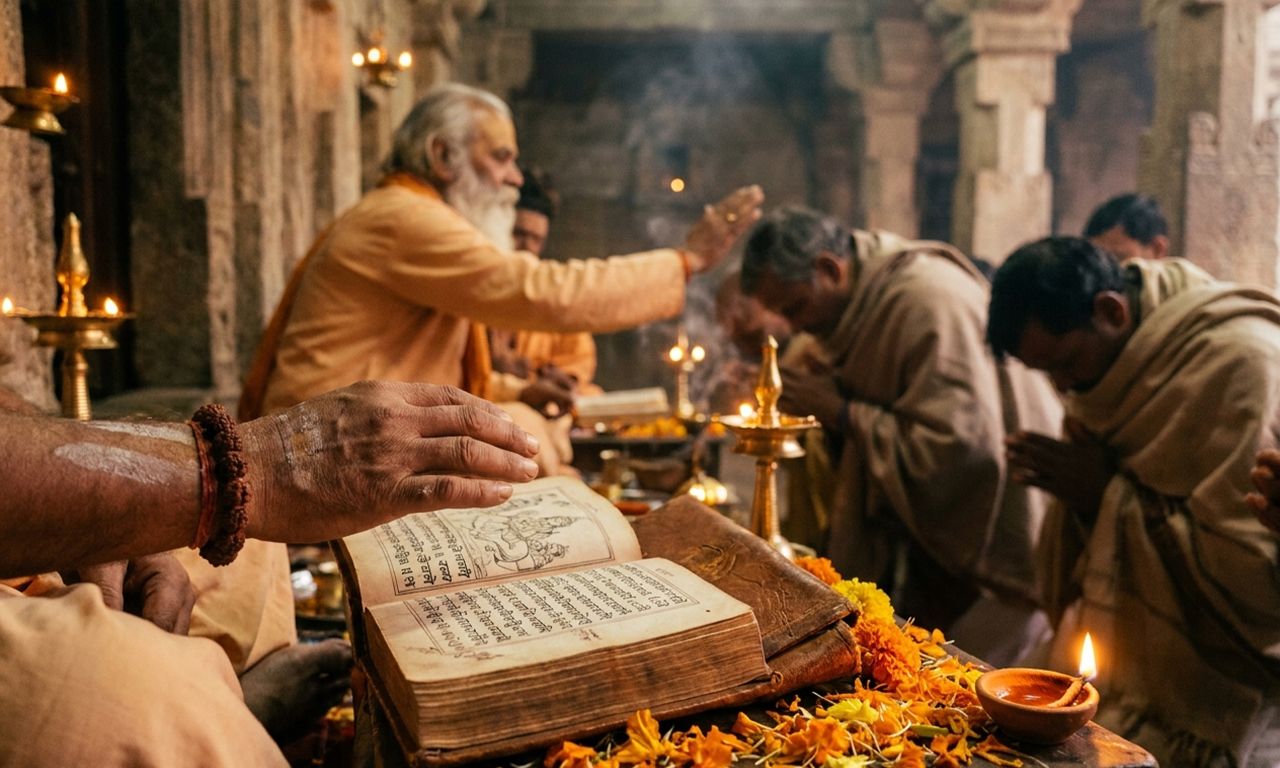
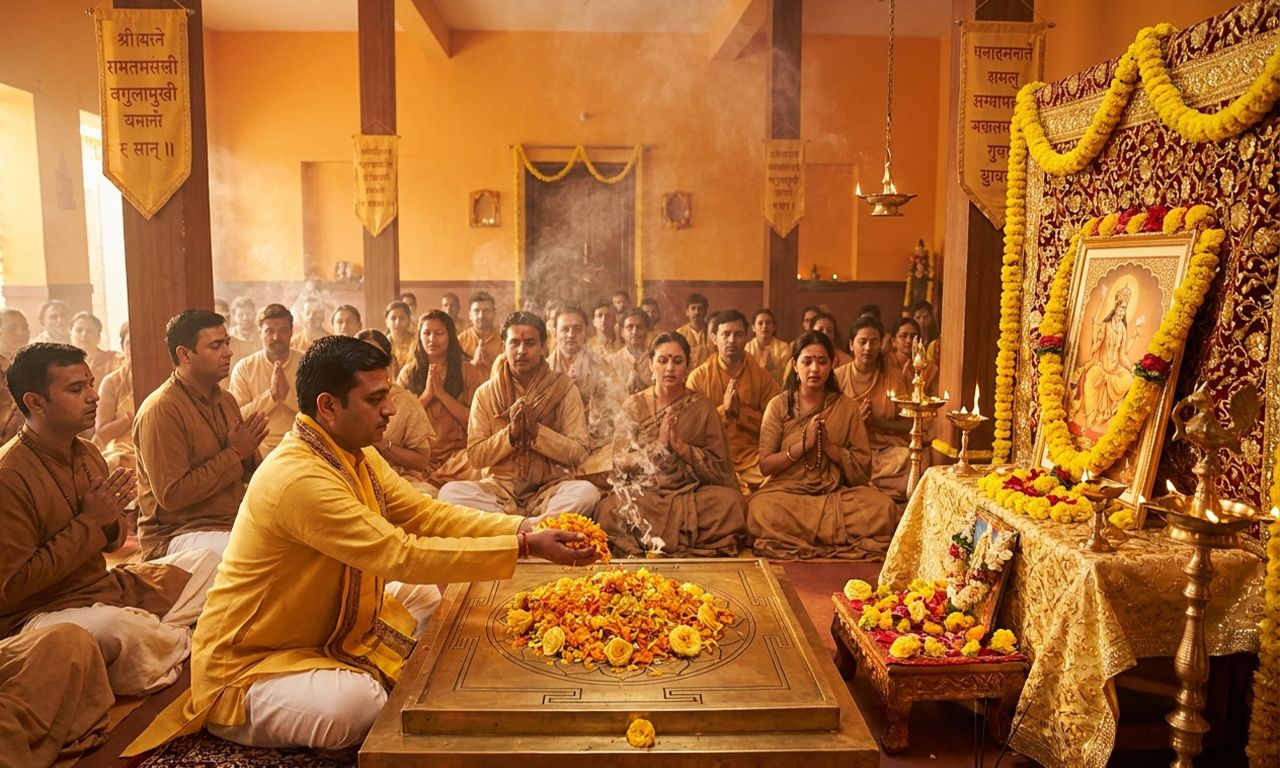
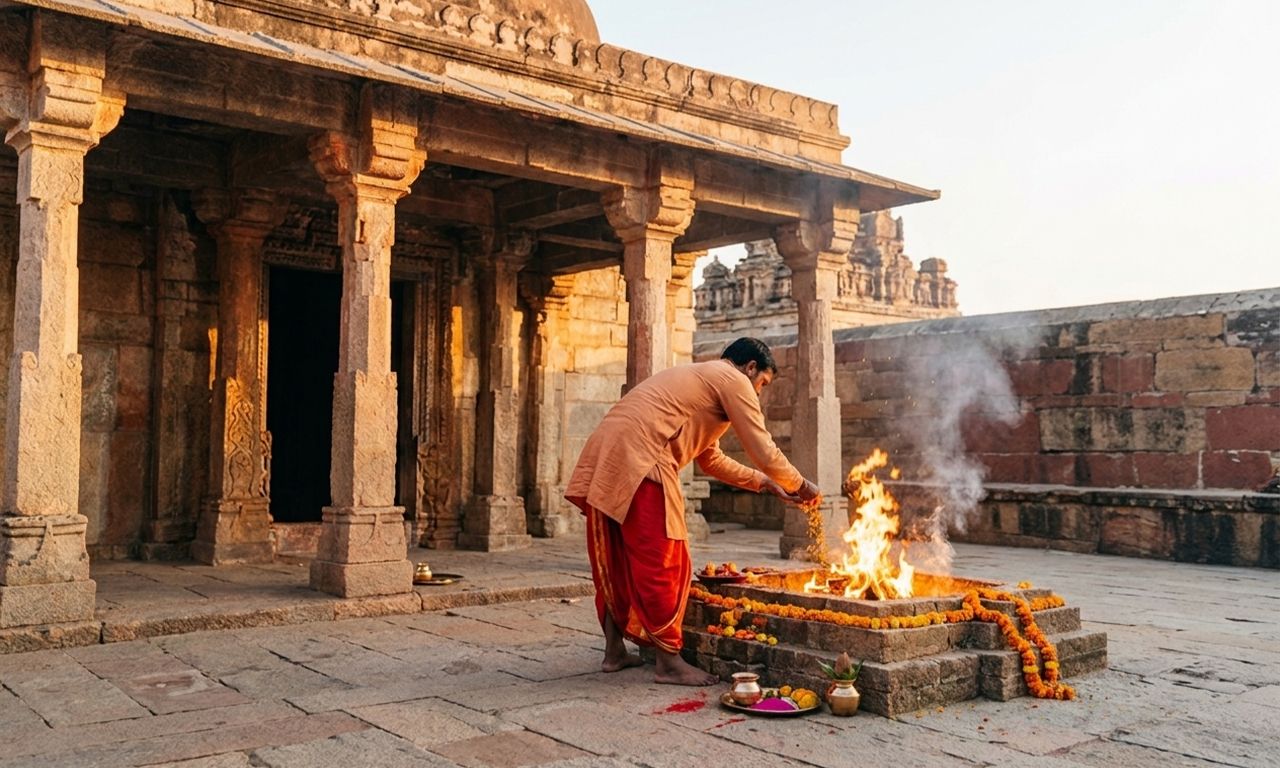
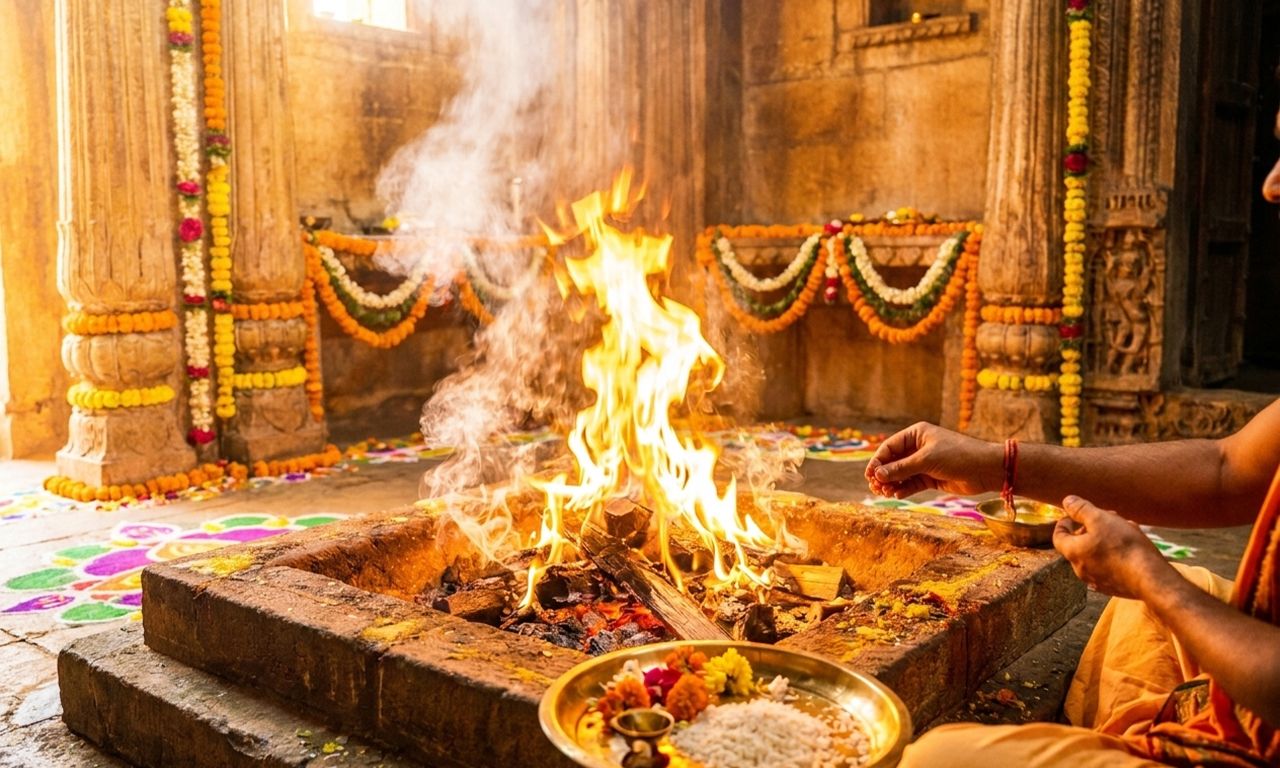
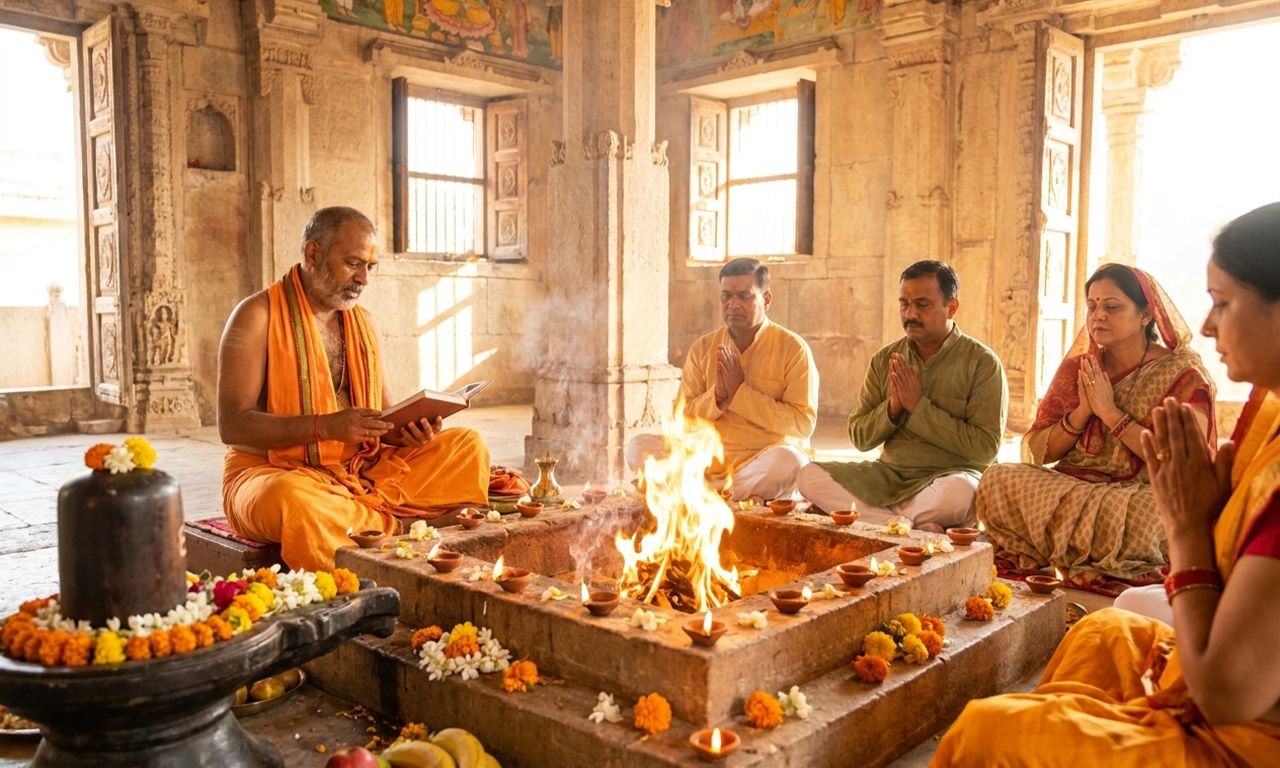
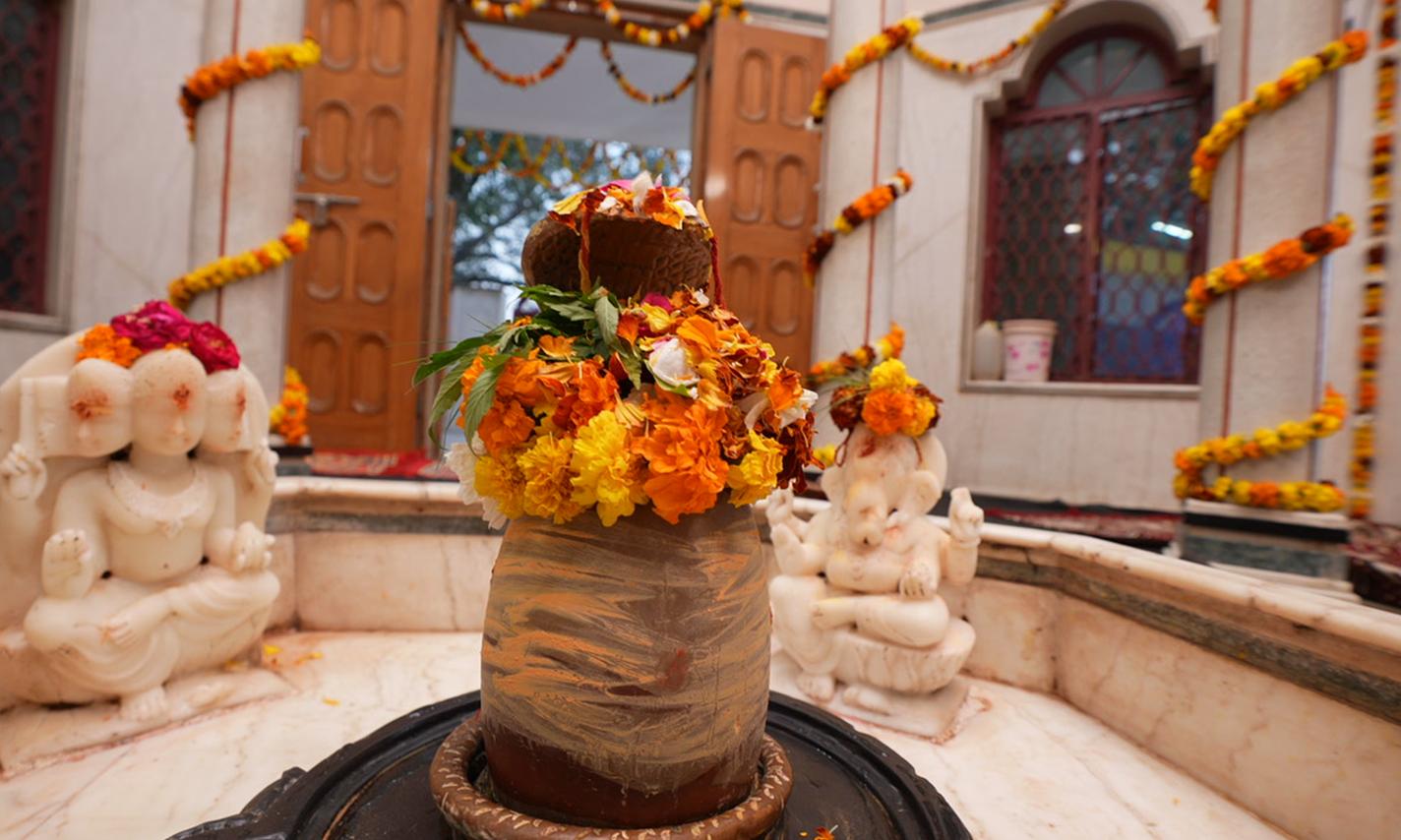
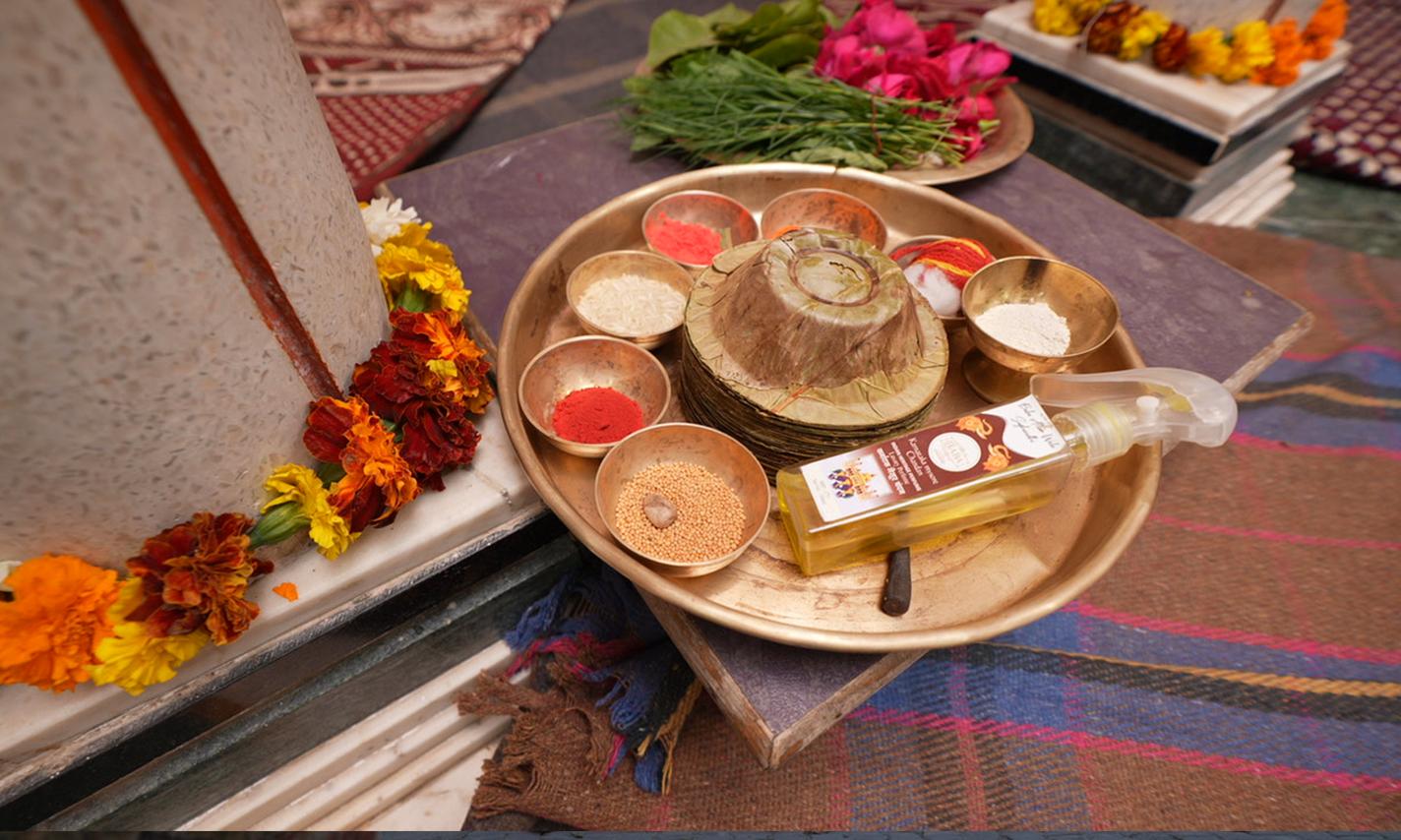
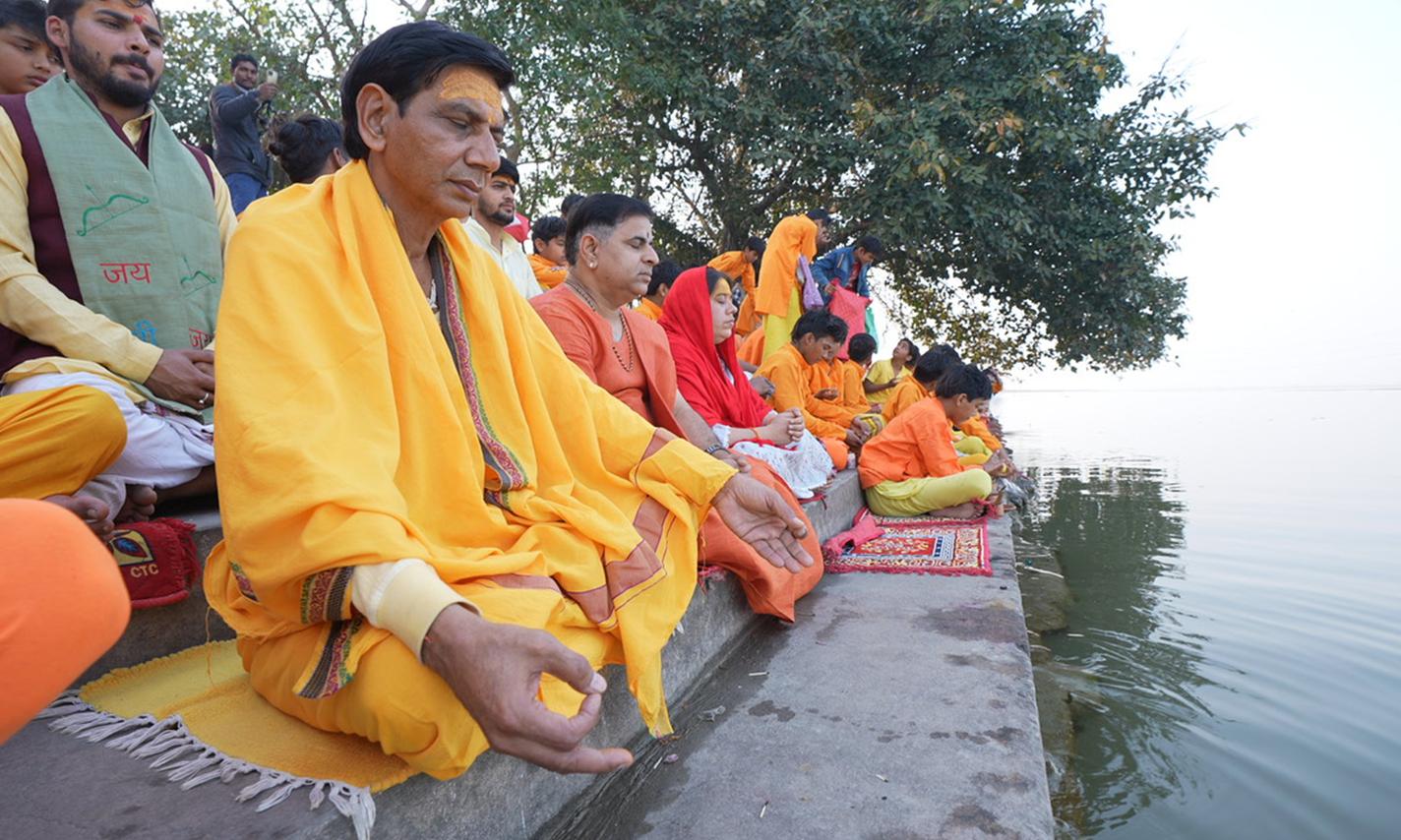
SiddhiStar's pandits know this because they have read the Shiv Mahapuran. At the Mahashivratri Mahapuja conducted at Narwar Dham, a scholar from Vrindavan - Acharya Rajan Dixit ji - sat before the assembled devotees and told the actual Shiv Puran Mahashivratri story. What follows is that story, as it was told that night, inside a ceremony that had been running for hours.
Before Creation Had a Name - The Brahma Vishnu Shiva Story Begins
There was a moment in the Vedic cosmological understanding before the universe had settled into its current form. Brahma, the Creator, and Vishnu, the Preserver, were both present. Both were immense. Both were, in their own understanding, primary.
Brahma arrived at a place where Vishnu lay resting. He called out - rise, greet me, I am here. Vishnu looked up. He knew that Brahma had emerged from the lotus that grew from his own navel. He said - you are my son. You call me to rise?
The argument that followed was not petty. It was cosmic in the way that only arguments between the forces of creation and preservation can be. One held a chakra. The other prepared the Brahmastra. The other devas watched and felt the ground beneath all existence begin to tremble.
The Agni Stambha - The Jyotirstambha That Changed Everything
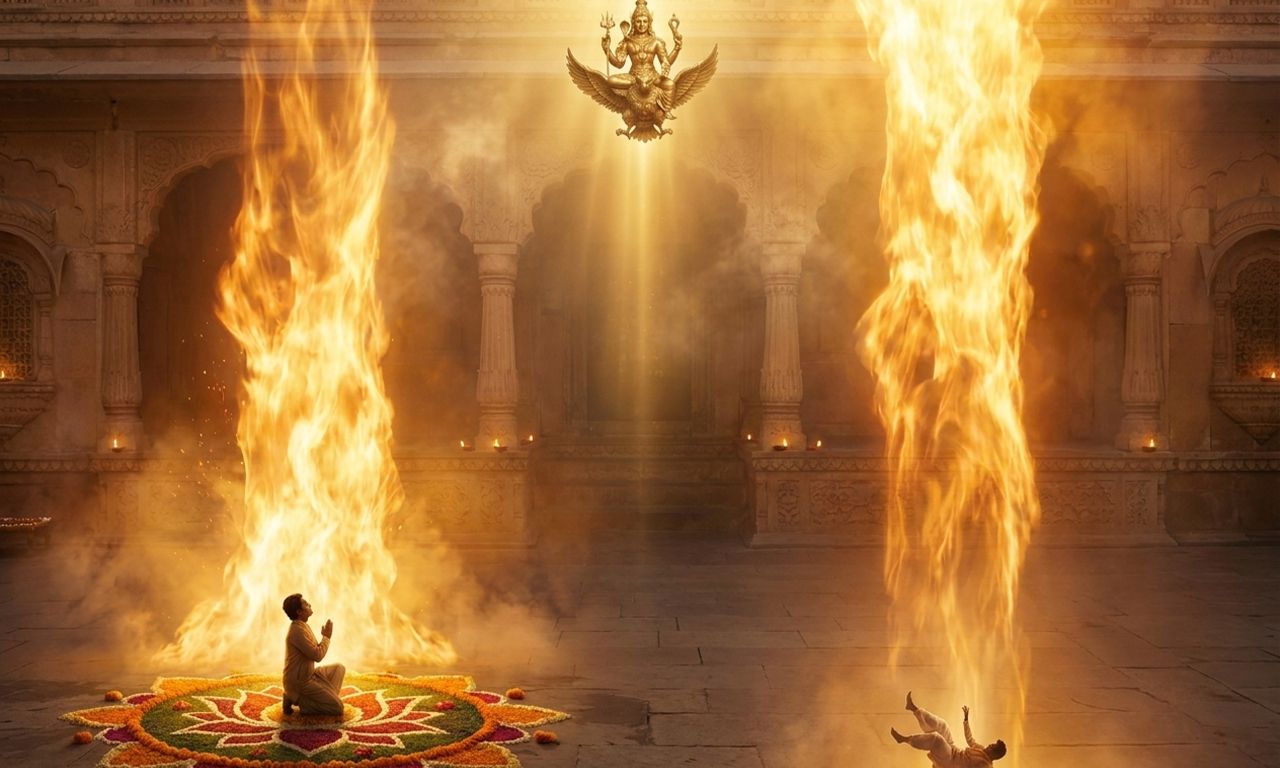
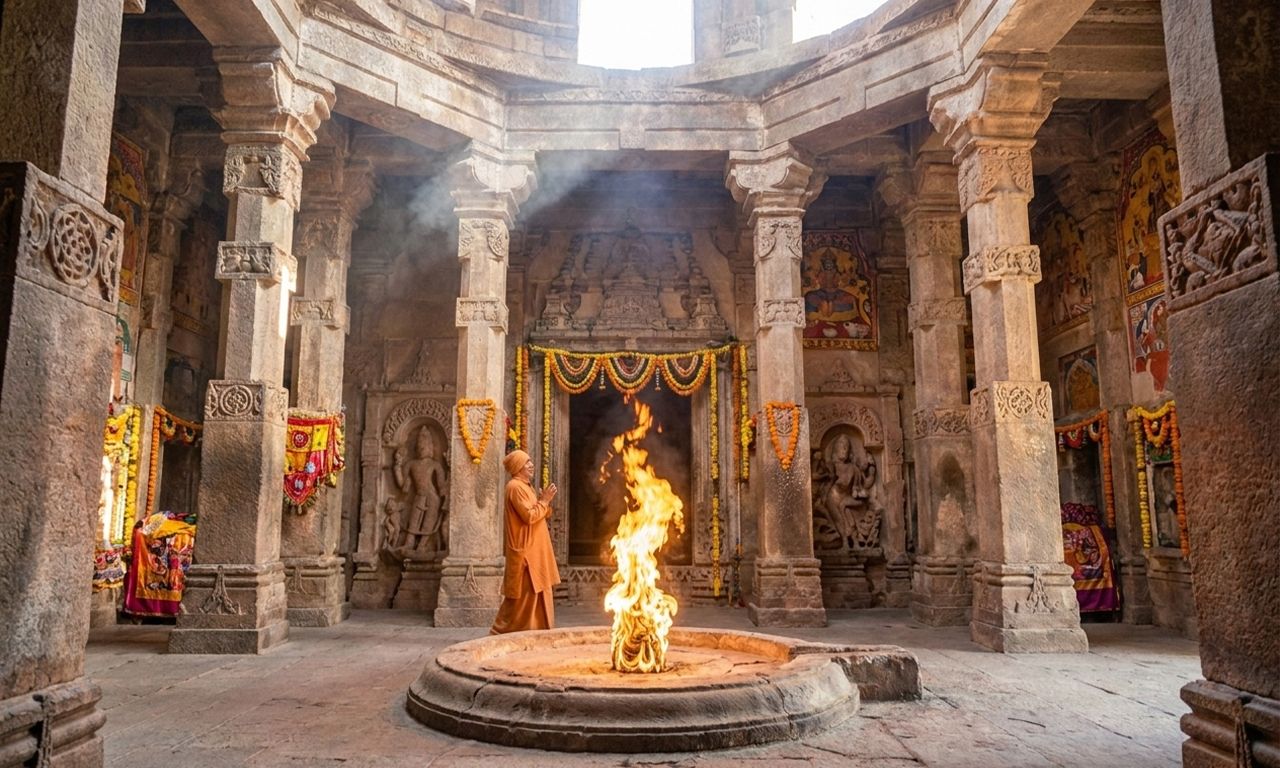
Between them, as the weapons were raised, something appeared. Not a figure. Not a form. A column of fire - the Agni Stambha, also called the Jyotirstambha. It rose from the earth. It disappeared into the sky. It had no beginning that could be seen and no end that could be reached. It simply was, and its being made everything else stop.
Both weapons were lowered. Both gods stared. The argument that had seemed so urgent a moment before now seemed very small.
Brahma became a swan and flew upward. He would find the top of this column and establish his primacy. Vishnu became a Varaha - the divine boar - and dug downward. He would find the root.
Time passed. In the Vedic sense of time passing, which has no relation to the hours on any clock. Vishnu returned. He had found nothing. No root. No beginning. He came back and said so, honestly.
Brahma had also found nothing. But on his journey upward, a single Ketaki flower had been falling downward from an unknowable height. Brahma stopped it and said - tell Vishnu you were witness to me finding the top. The flower, after some persuasion, agreed.
Between them a column of fire appeared. It rose from the earth into the sky with no beginning that could be seen and no end that could be reached. Everything stopped.
The Lie and Its Consequence
Vishnu heard the flower's testimony. He was Satyanarayan - the lord of truth. He accepted what was said because it was said.
And then Shiva appeared from within the column of fire.
He looked at Vishnu with recognition and warmth. Then he turned to Brahma. The lie was visible to him the way all things are visible to the one who contains all things. He did not express disappointment. He expressed something closer to grief that such a thing had been necessary.
From the space between his eyebrows, Bhairava manifested. The instruction was given. Brahma's fifth head - the one that had spoken the lie - was removed.
Vishnu fell at Shiva's feet immediately, asking for forgiveness on Brahma's behalf. Shiva, who is always described as Bholenath - the simple one, the one who melts quickly - forgave. But certain things followed from what had happened that could not be undone.
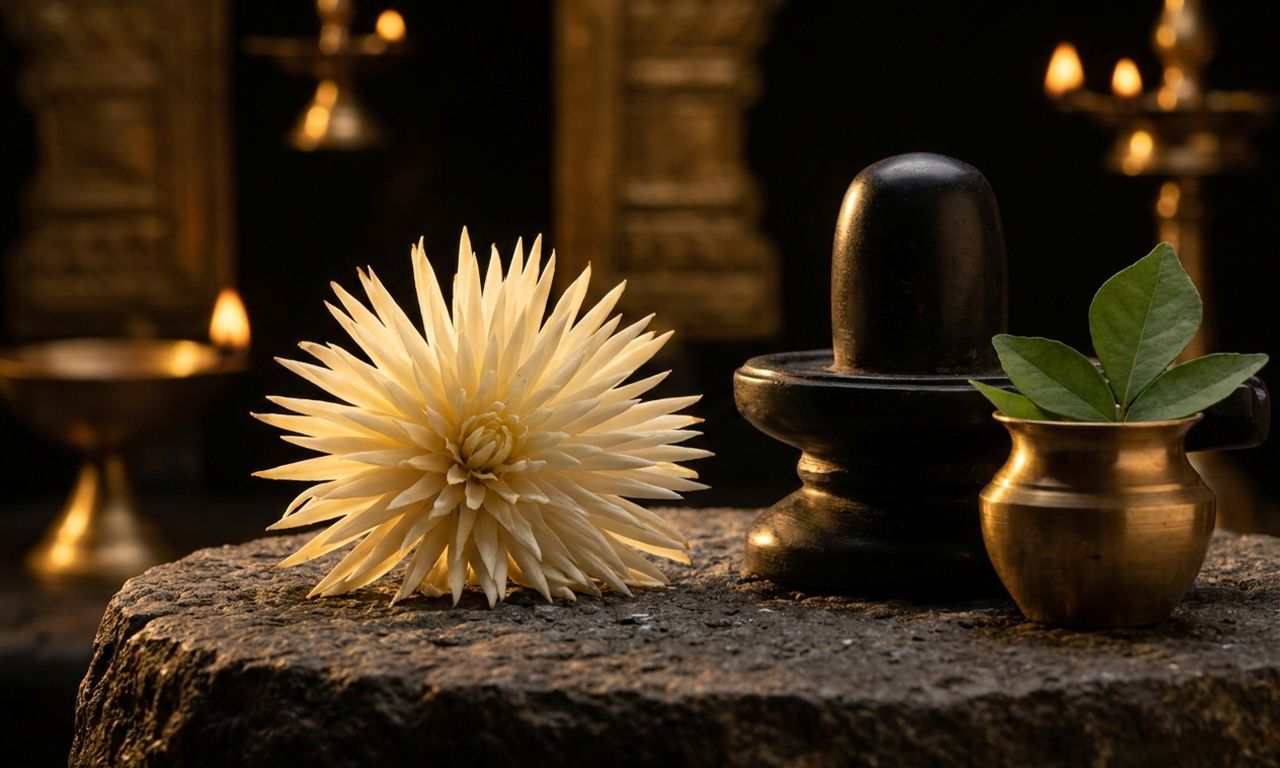
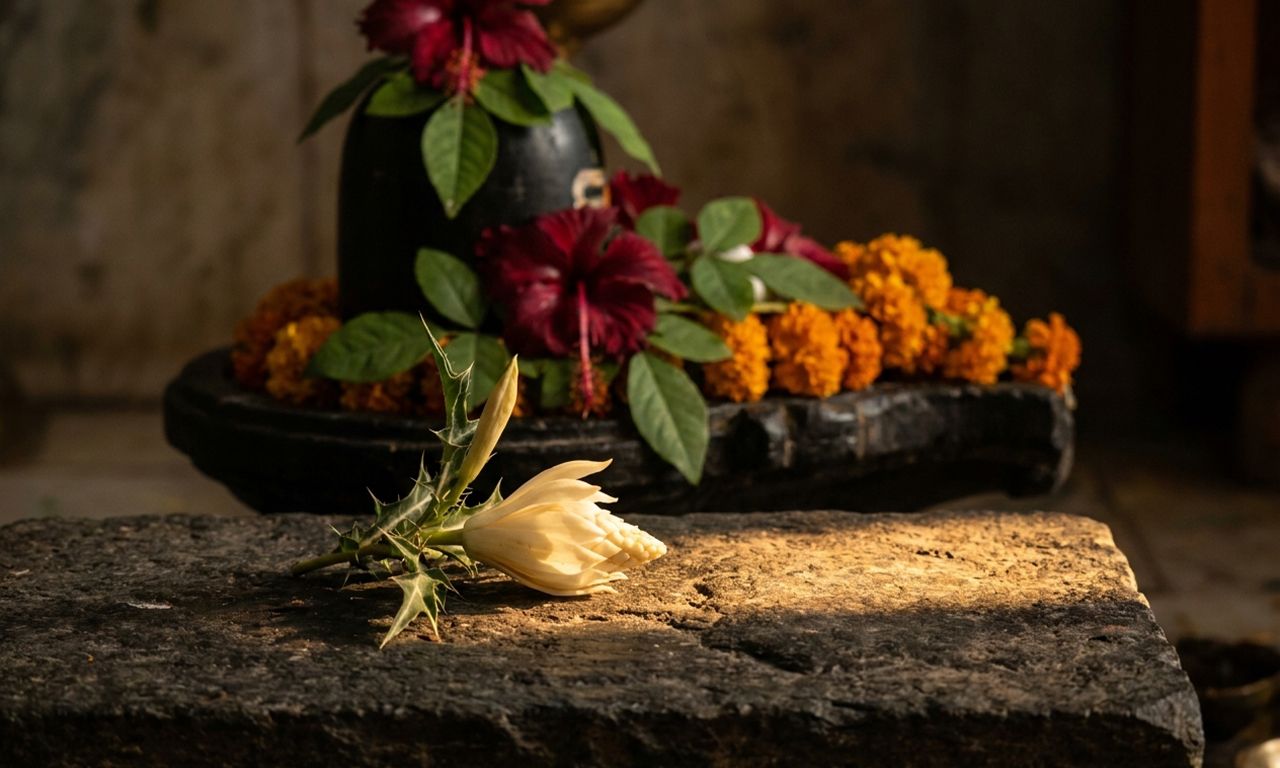
Brahma would have no temples of his own. He was present and necessary in every yagna - but worshipped nowhere directly. Ketaki pushp would never be offered in Shiva's puja. Not because Shiva was angry, but because the flower had chosen falsehood and the tradition holds that record permanently.
And Vishnu received a gift. From that day, at every sacred occasion, Vishnu would be worshipped first.
Why This Day Is Called Mahashivratri - The Agni Stambha as the First Jyotirlinga
The column of fire that appeared between Brahma and Vishnu - the Agni Stambha, the Jyotirstambha - this is what Mahashivratri commemorates. The night when Shiva manifested in his most elemental form. Not as a husband. Not as a deity with attributes and weapons and a vehicle. As fire that has no beginning and no end.
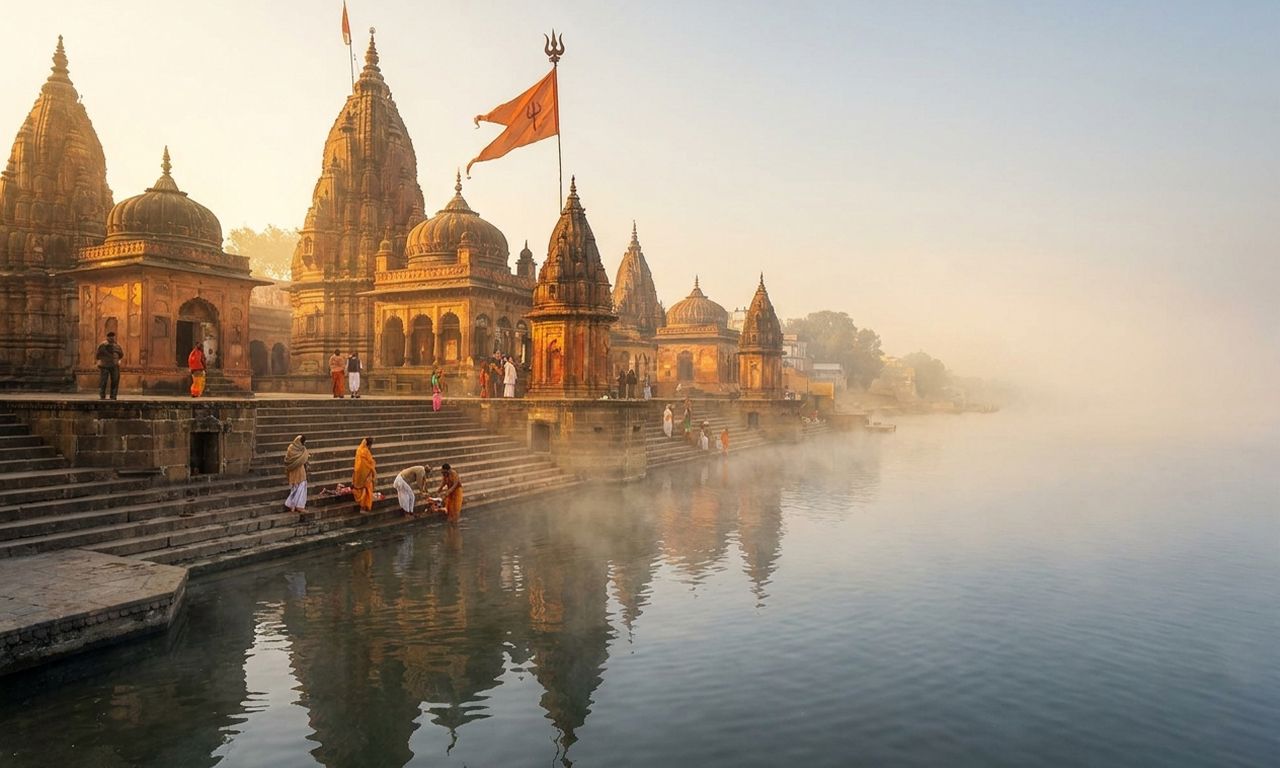
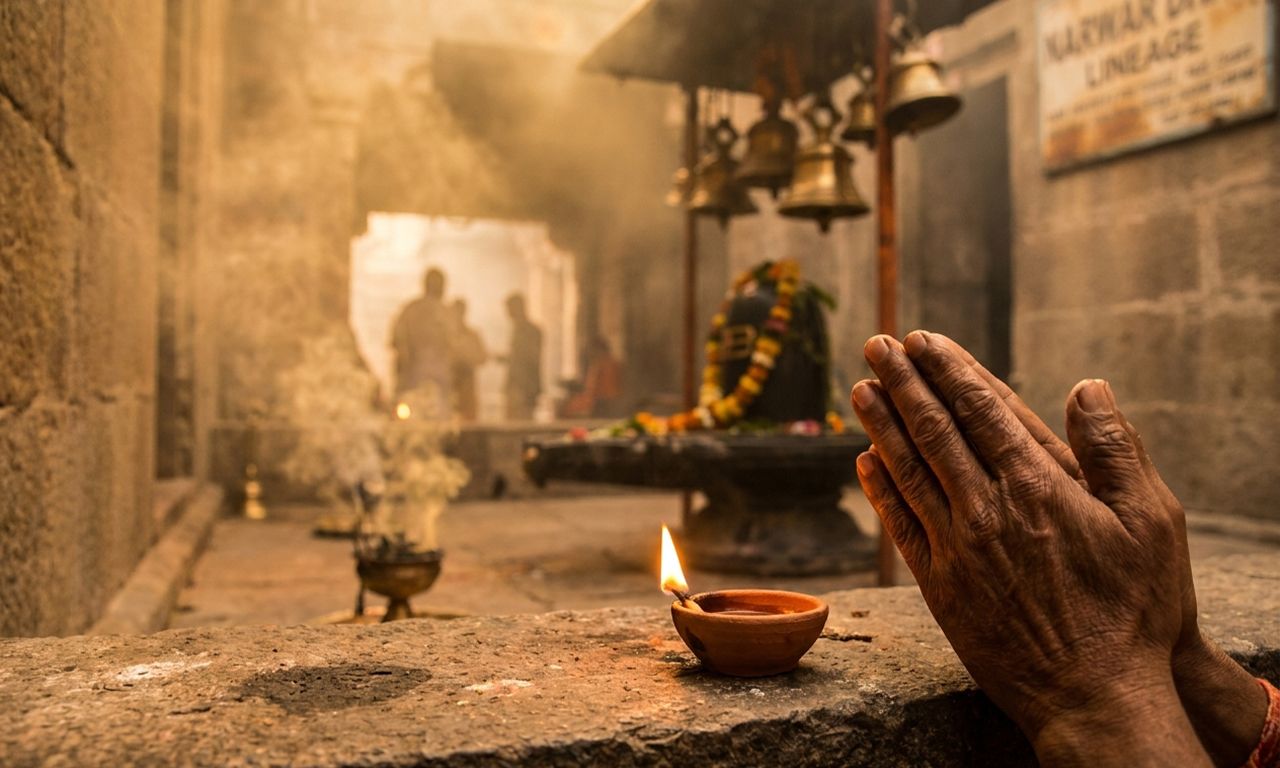
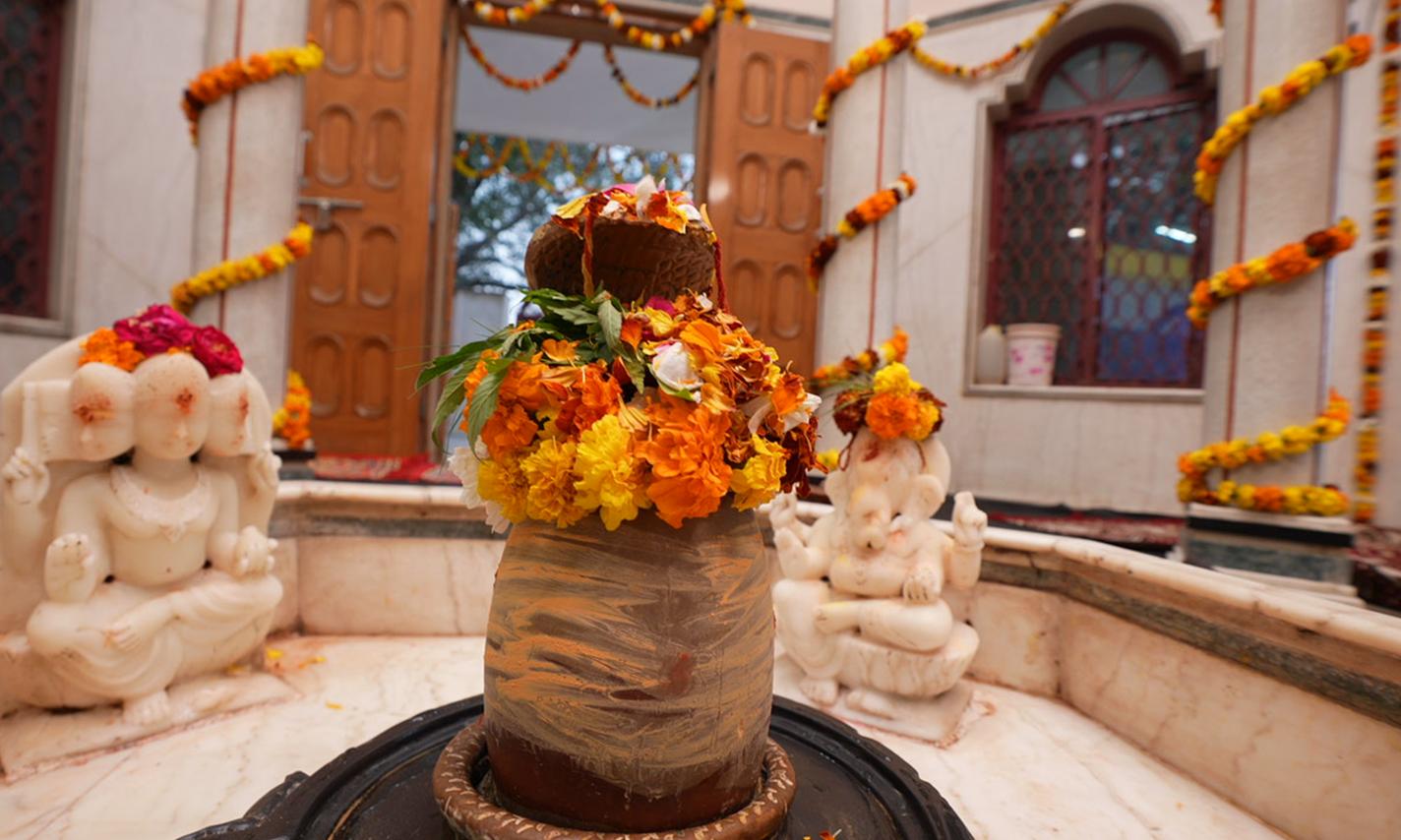
That column later came to rest at Arunachala in what is now Tamil Nadu. The Shivalinga at Tiruvannamalai is its earthly mark - the first Jyotirlinga. The festival of Mahashivratri puja is its annual remembrance.
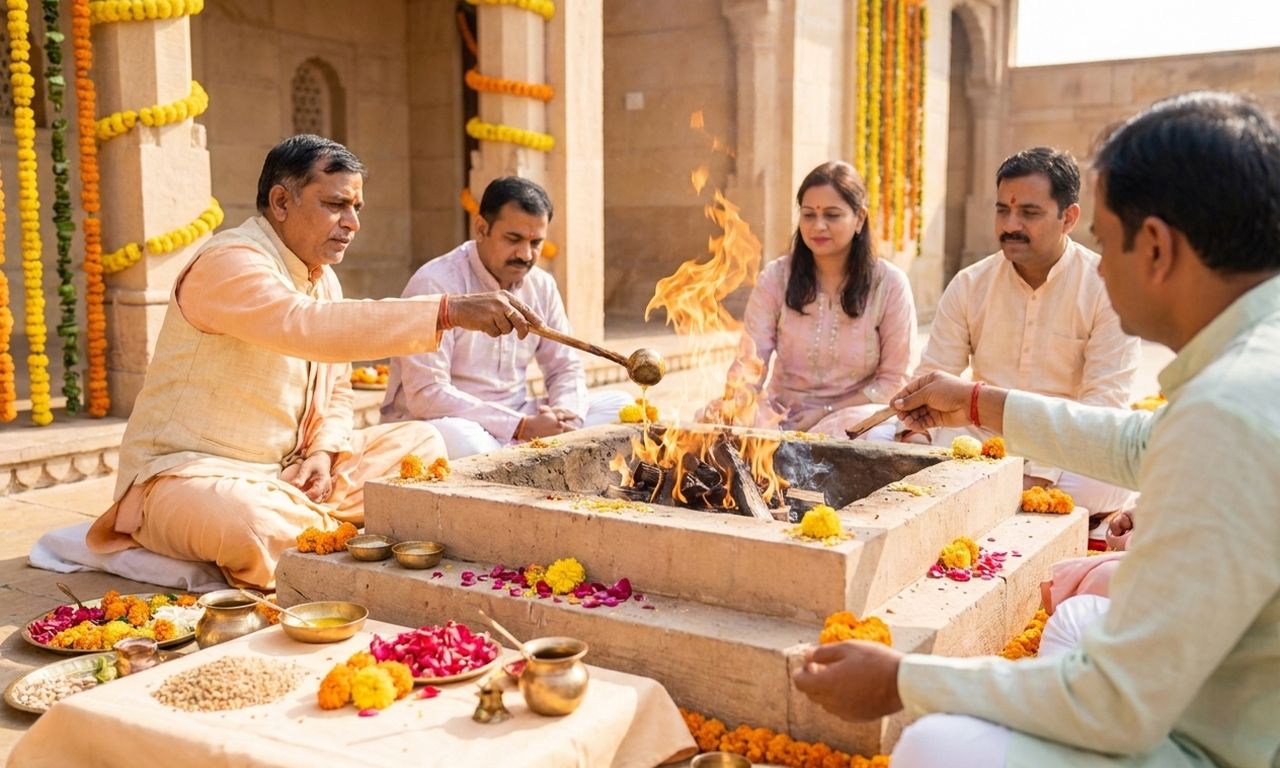
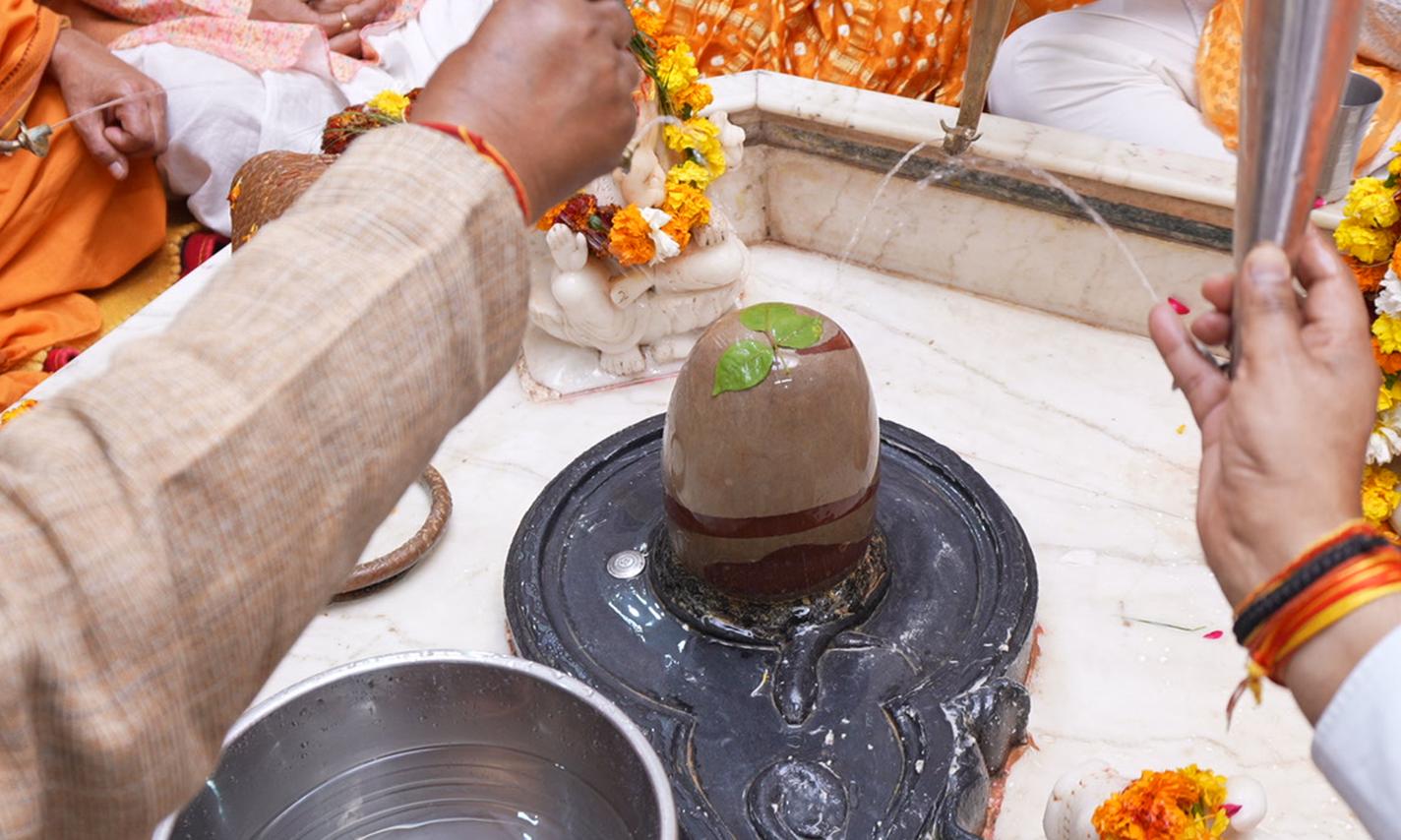
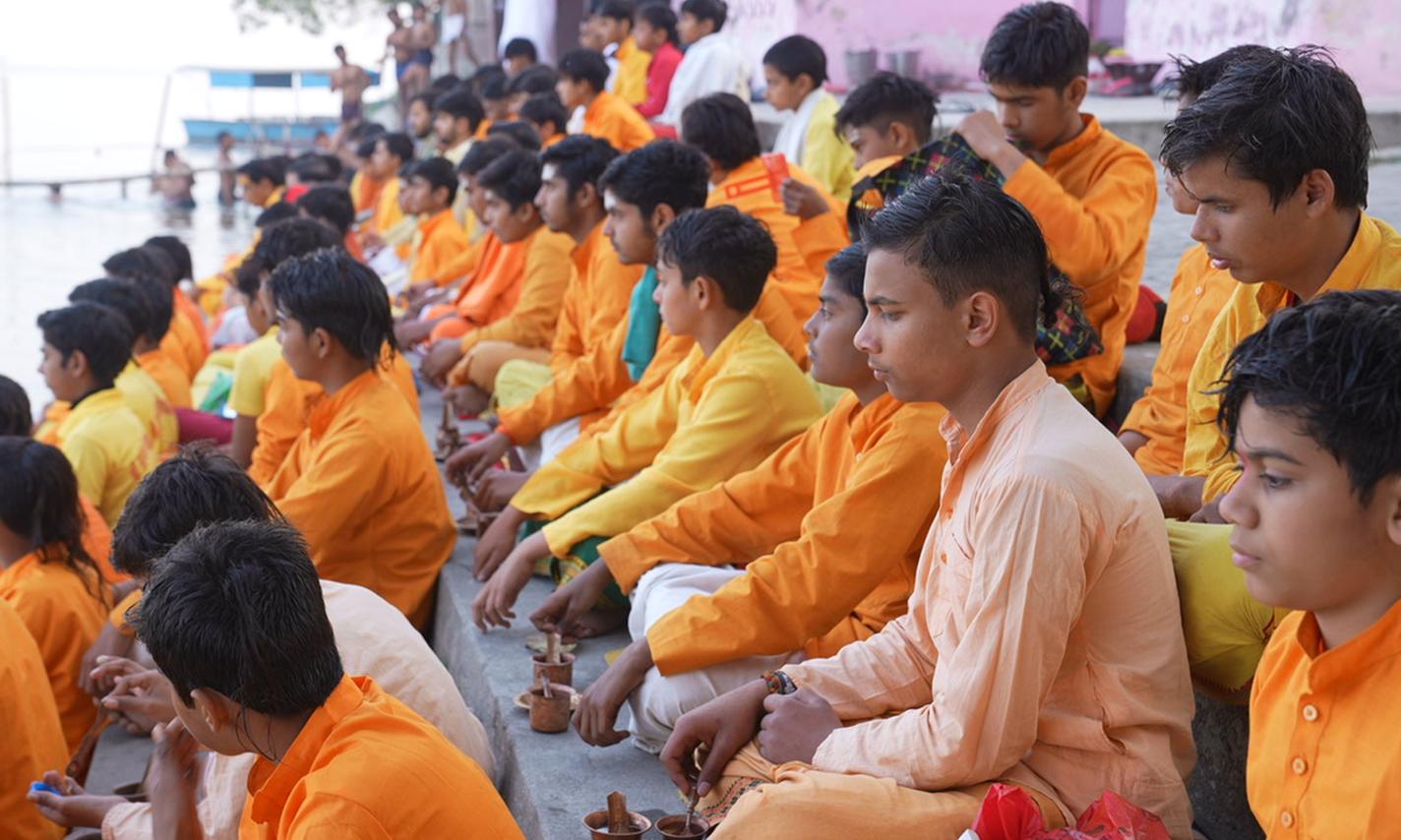
This is what SiddhiStar's pandits were conducting when they performed the four Prahar Mahapuja through the night. Not a wedding ritual. A commemoration of the moment creation itself paused and bowed.
Why This Matters for Every Pooja You Book with SiddhiStar
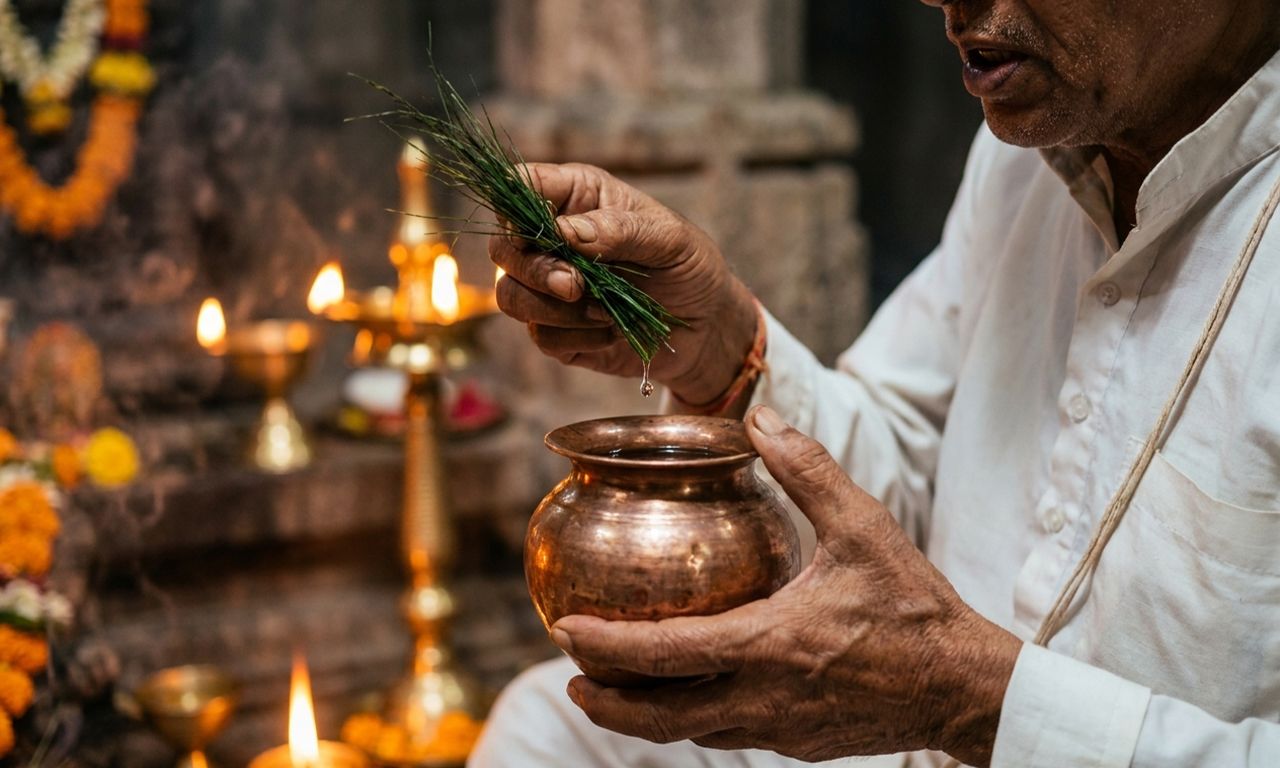
A SiddhiStar pandit who performs your Rudrabhishek knows what the Rudrabhishek is remembering. He knows which form of Shiva the Namakam is addressing. He knows why Bhairava appears in the sequence before the main ritual. He knows why the Ashta Murti are worshipped and what each one represents. He knows the full Shiv Puran Mahashivratri story - not as a summary, but as a living tradition.
This is not incidental knowledge. It is the difference between a pandit who recites and a pandit who conducts. Between a ritual that fulfills a form and one that fulfills an intention.
Every SiddhiStar booking carries this standard. The same training. The same depth. The same Narwar Dham parampara that stood in that ceremony through the night.
Book a Rudrabhishek at your home with our “Ghar Par Puja” service or “Online Puja” service. Every SiddhiStar pandit carries the knowledge of what they are conducting.