Why Ketaki Pushp Is Never Used in Shiva Puja - and What It Teaches About Truth
By SiddhiStar | Narwar Dham Parampara
15 May 2026 • 4 min read
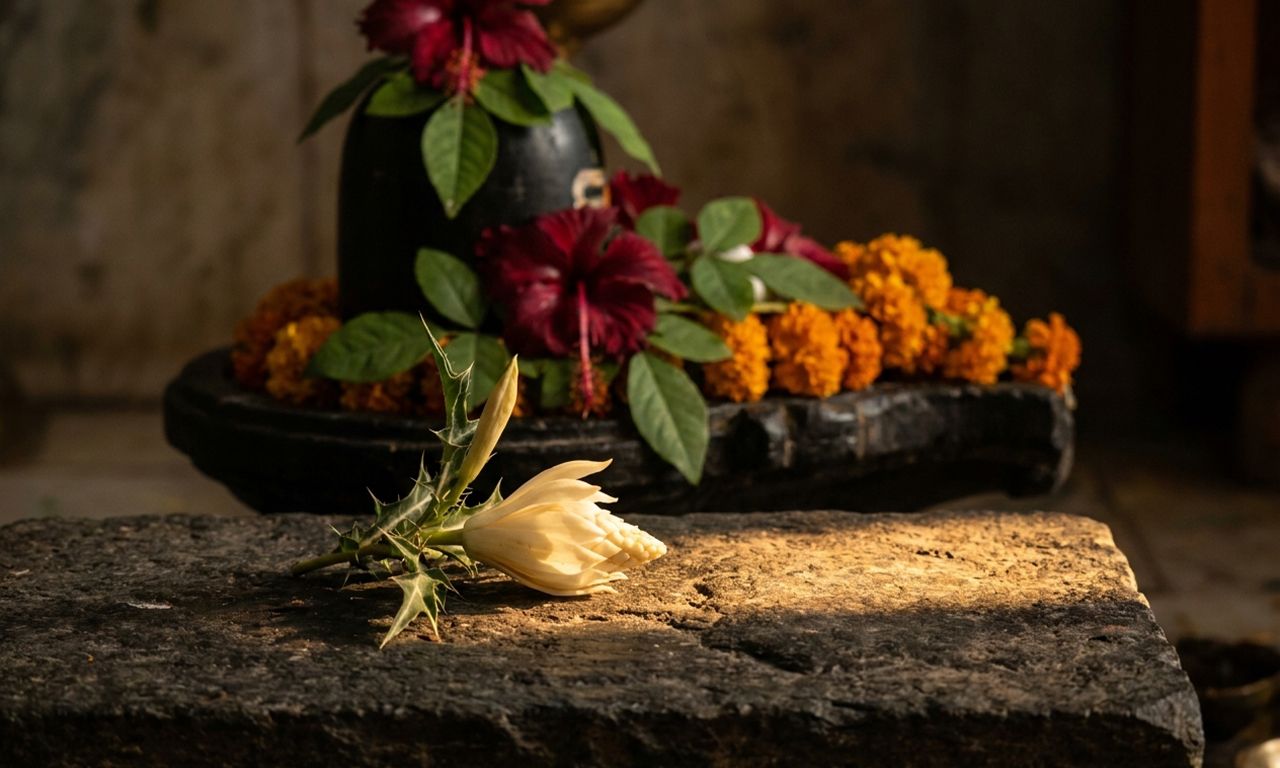
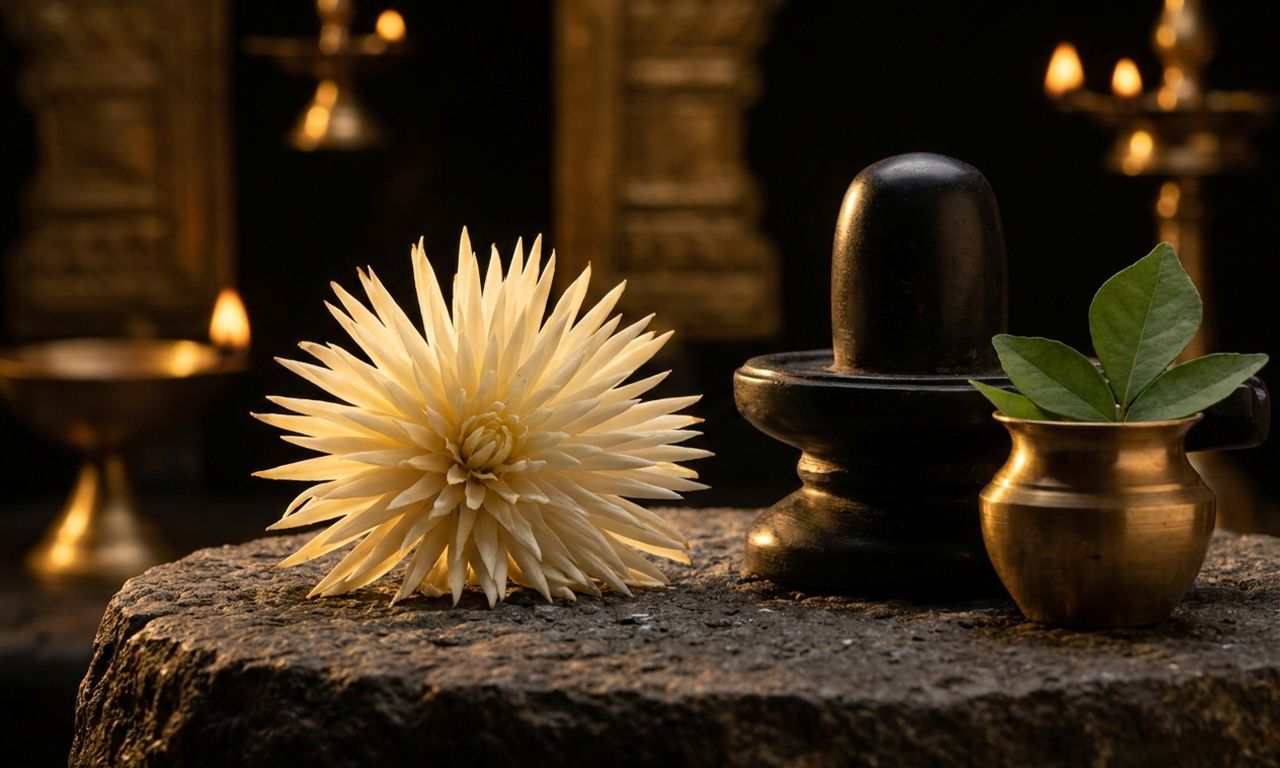
There is a flower that blooms in India with a fragrance so powerful it carries across a garden before you see the plant. The Ketaki - sometimes called Kewra - is considered one of the most beautiful-smelling flowers in the subcontinent. It is used in perfumes, in garlands, in offerings to many deities. It is never used in the puja of Shiva.
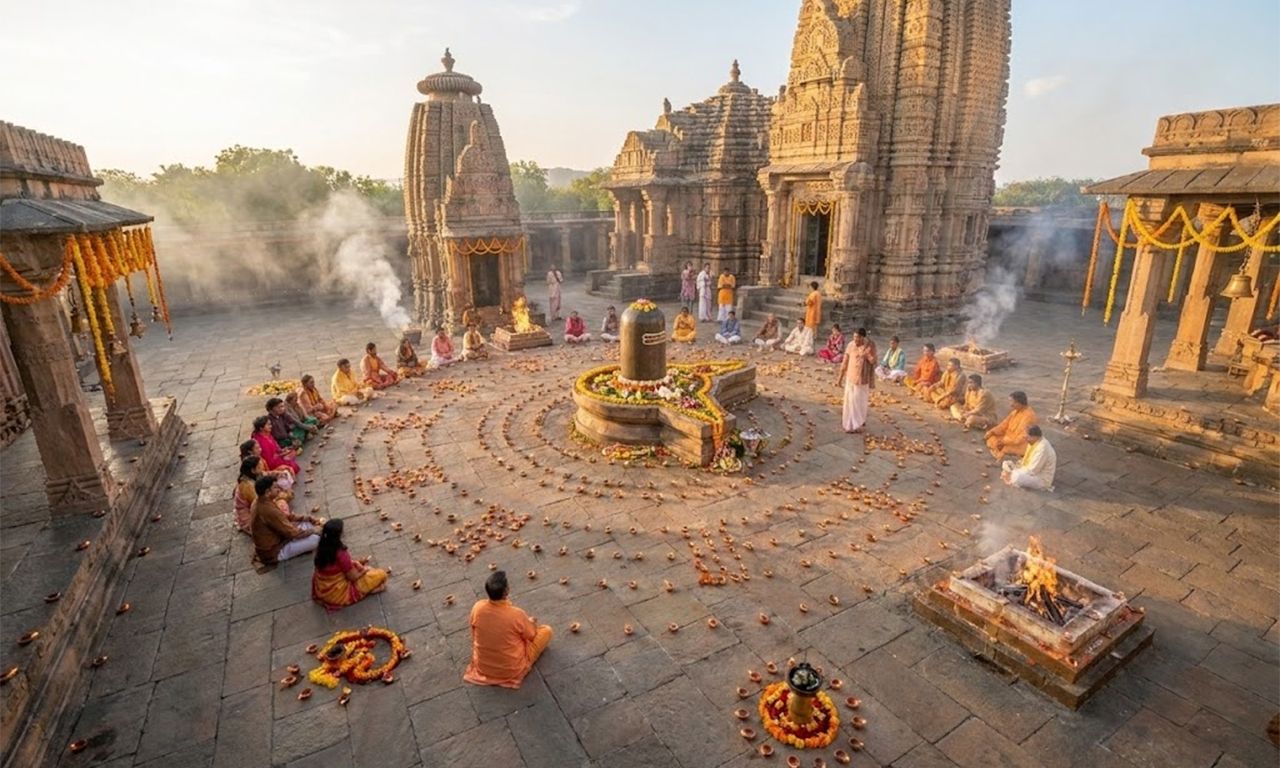
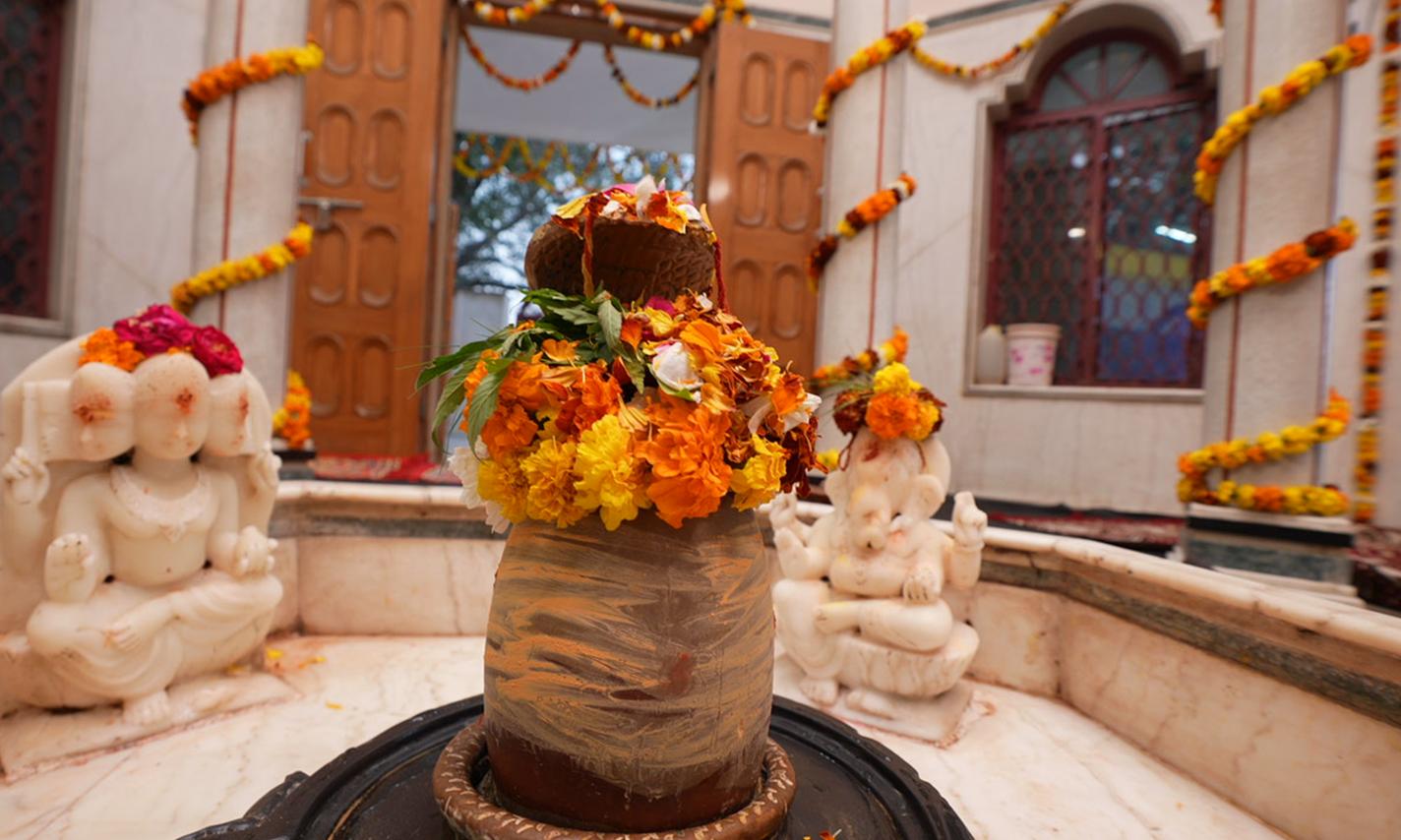
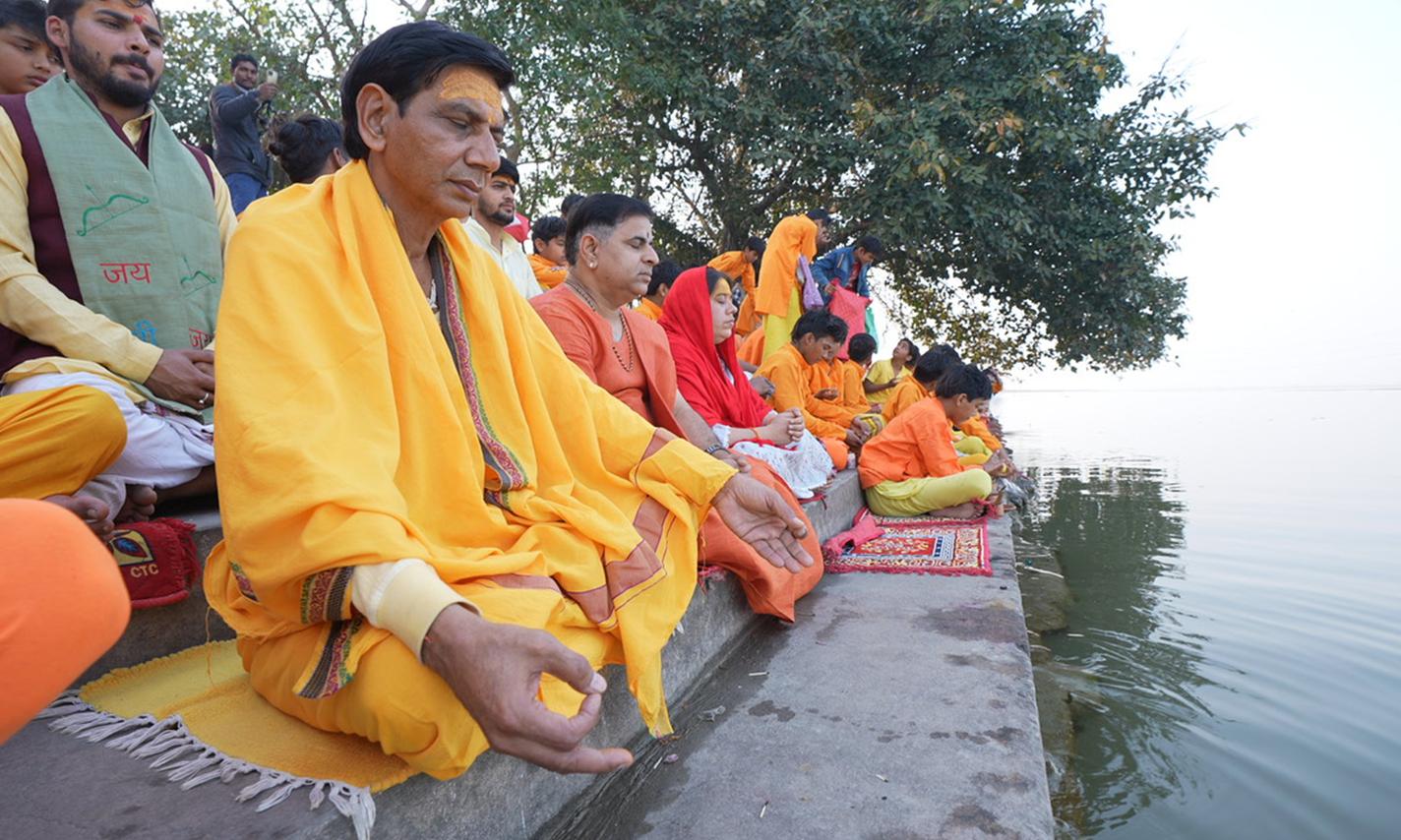
A SiddhiStar pandit trained in the Narwar tradition knows this. He knows not just the prohibition but the reason behind it - a reason that was told live during the Mahashivratri Mahapuja at Narwar Dham.
The Flower That Chose Falsehood
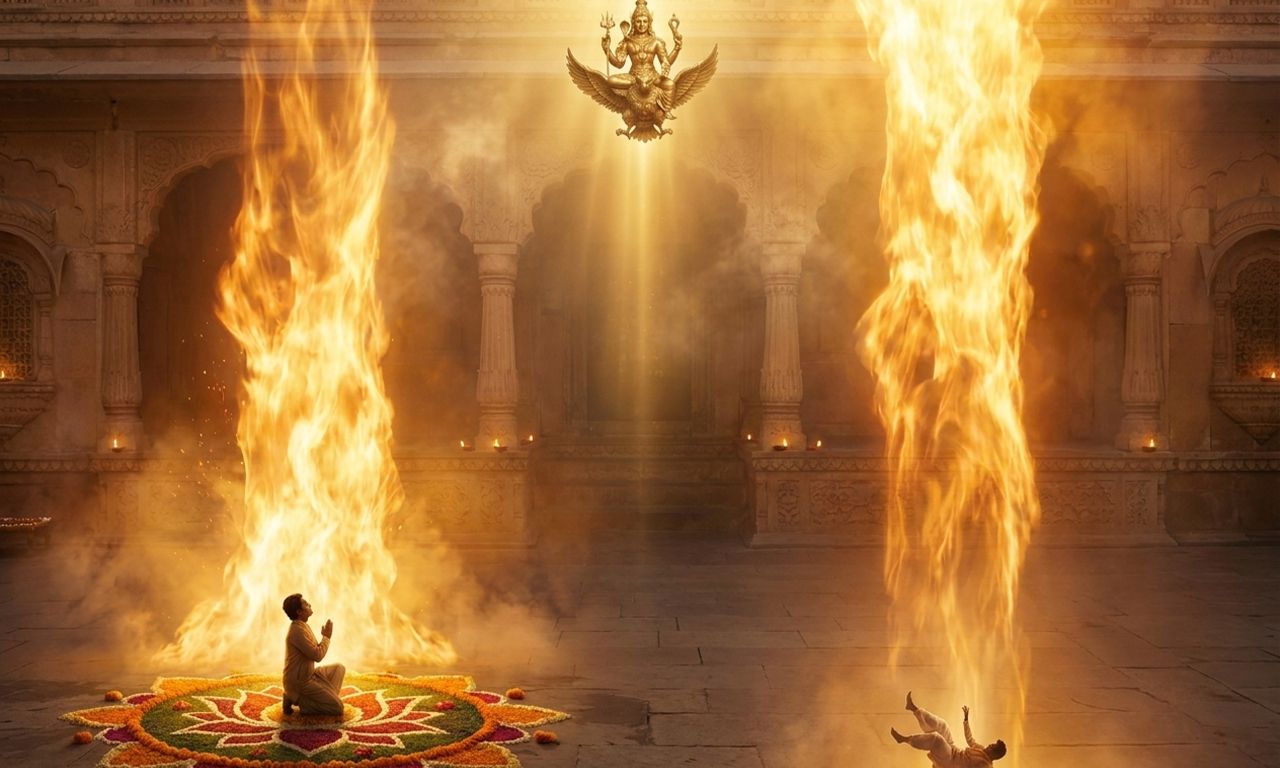
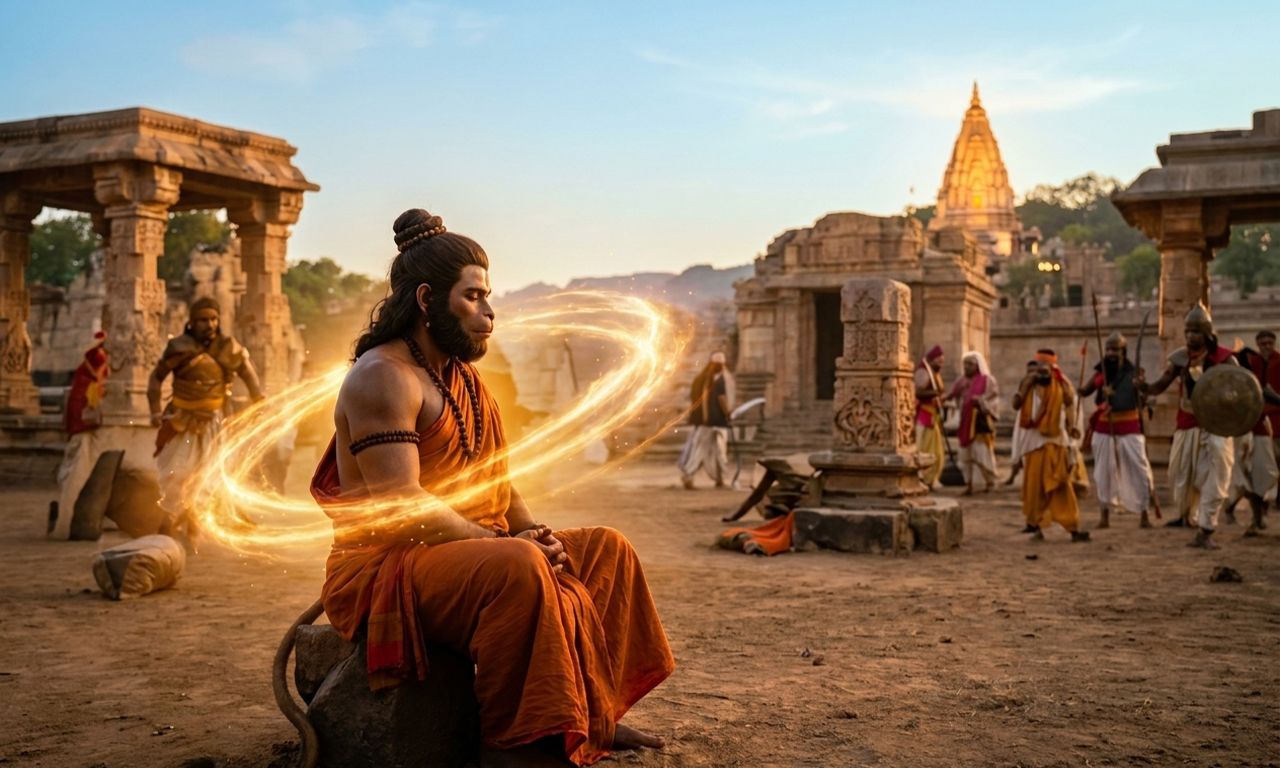
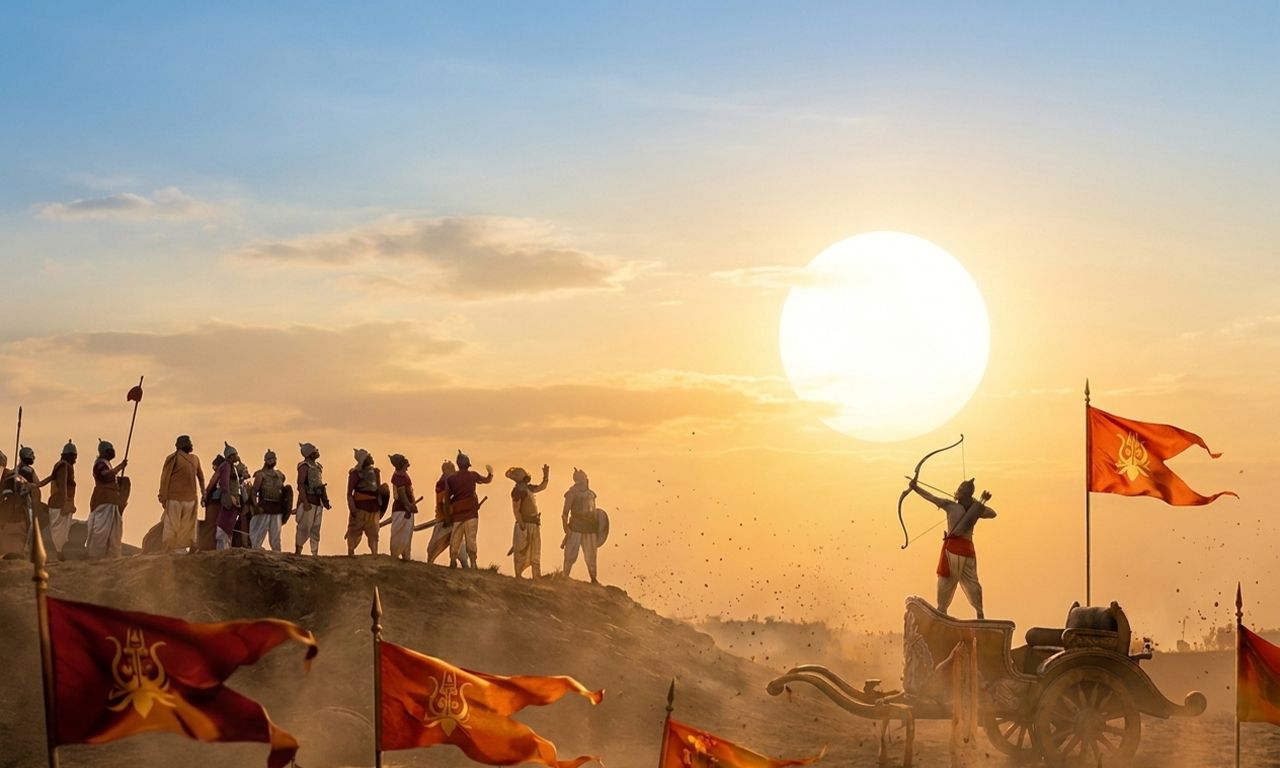
When Brahma was flying upward in the form of a swan, searching for the top of the Agni Stambha - the column of fire in which Shiva had manifested - a Ketaki flower was falling from above. It had been falling for so long that it did not know where it had begun its descent. It could not say where the top of the column was because it had never seen it.
Brahma asked it to be a false witness. To tell Vishnu, when they met below, that Brahma had found the top. The flower agreed. Why it agreed - whether from flattery, from pressure, from a moment of weakness - the story does not say. What matters is that it agreed.
When Shiva appeared and the lie was discovered, the Ketaki flower received its consequence alongside Brahma. You chose falsehood, Shiva said. In my puja - the puja of the one who is truth itself - you will never be offered again.
What a Flower's Story Teaches
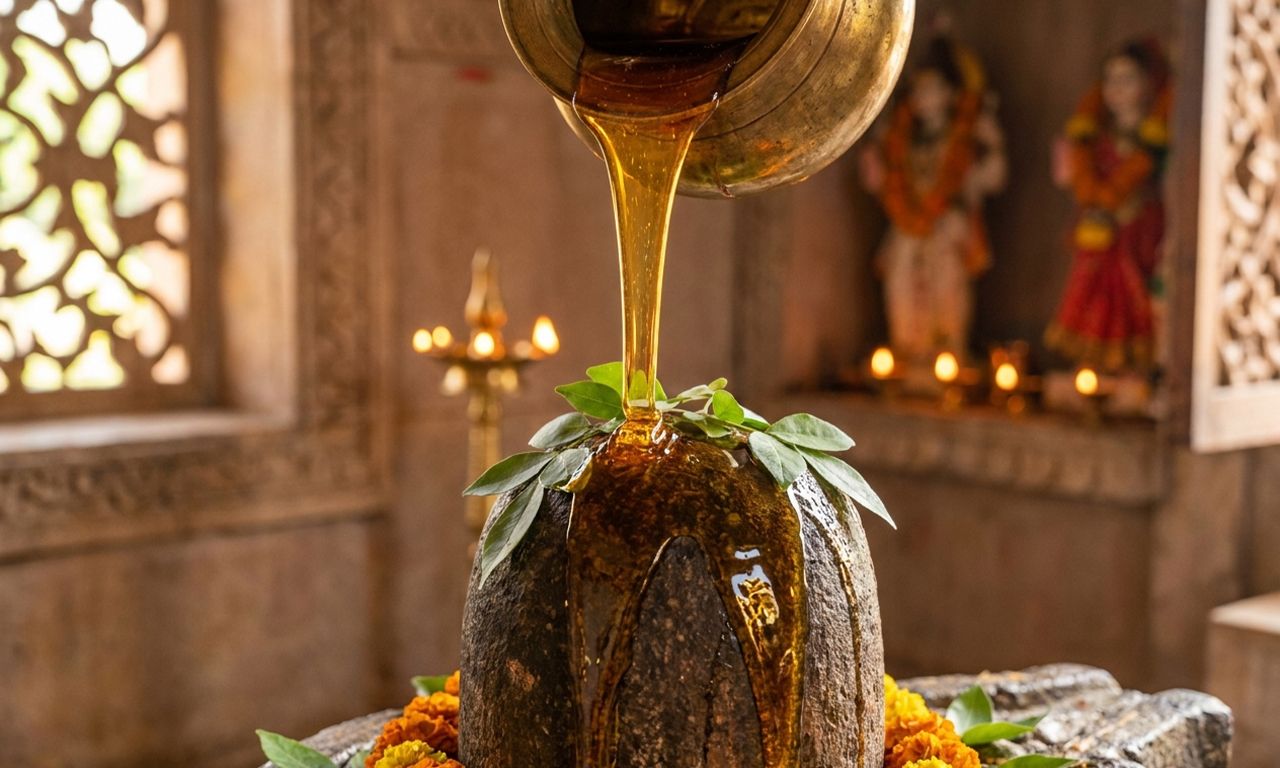
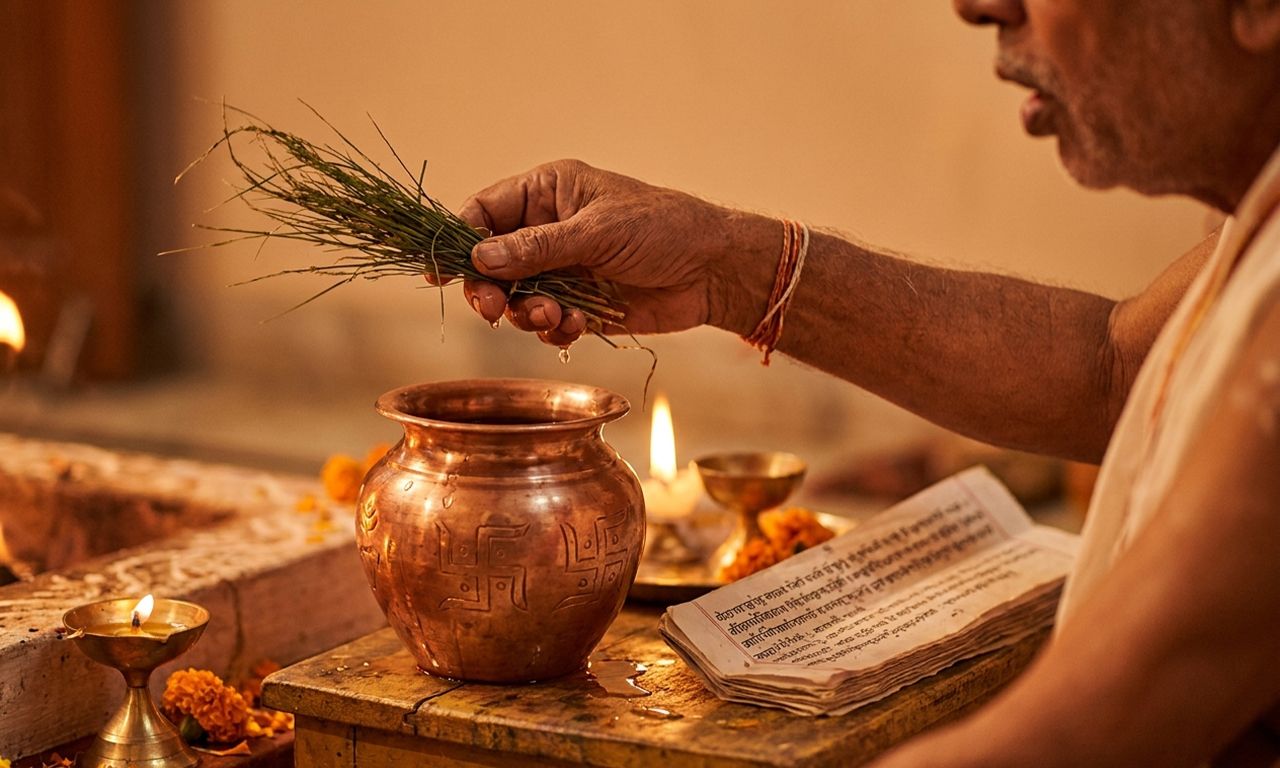
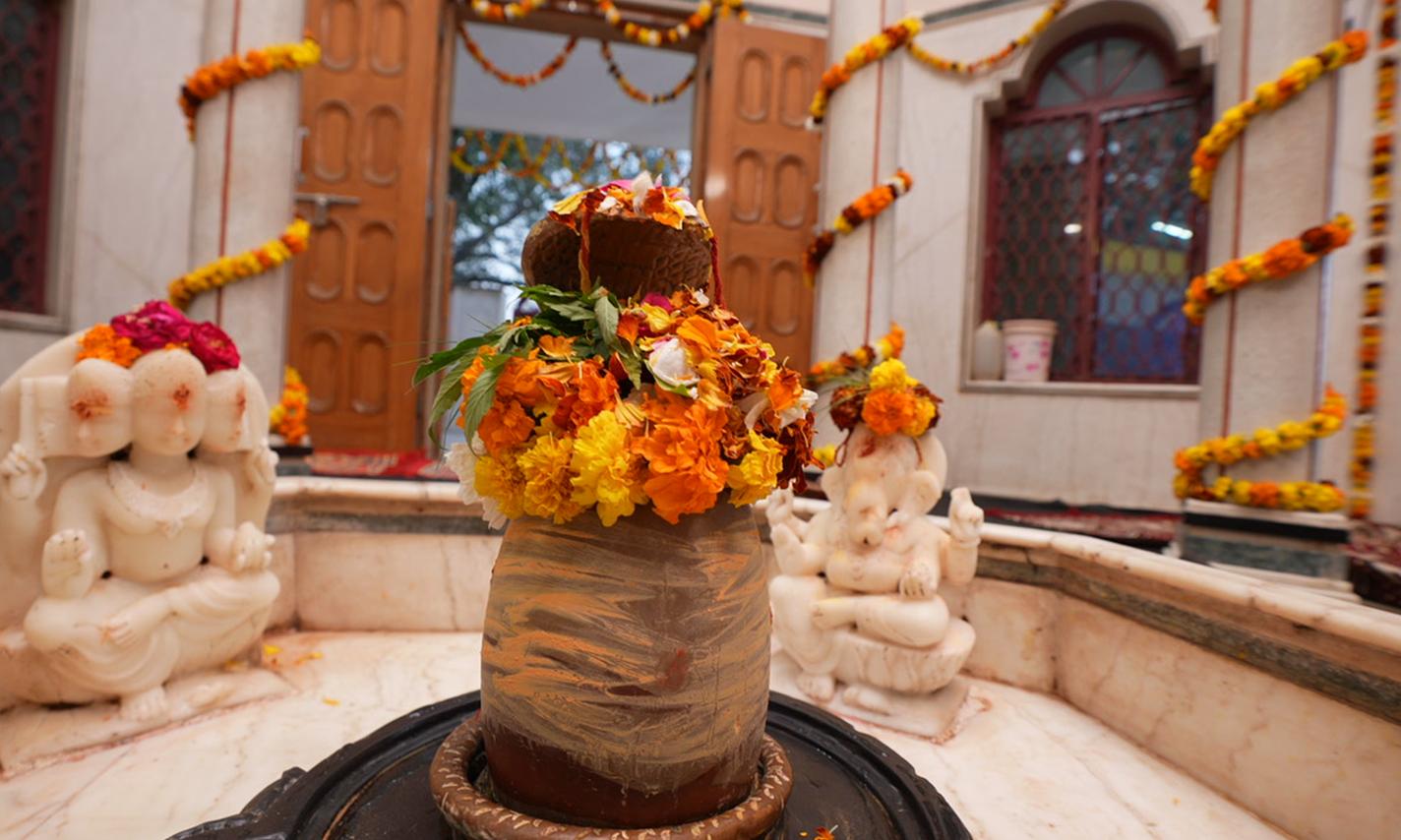
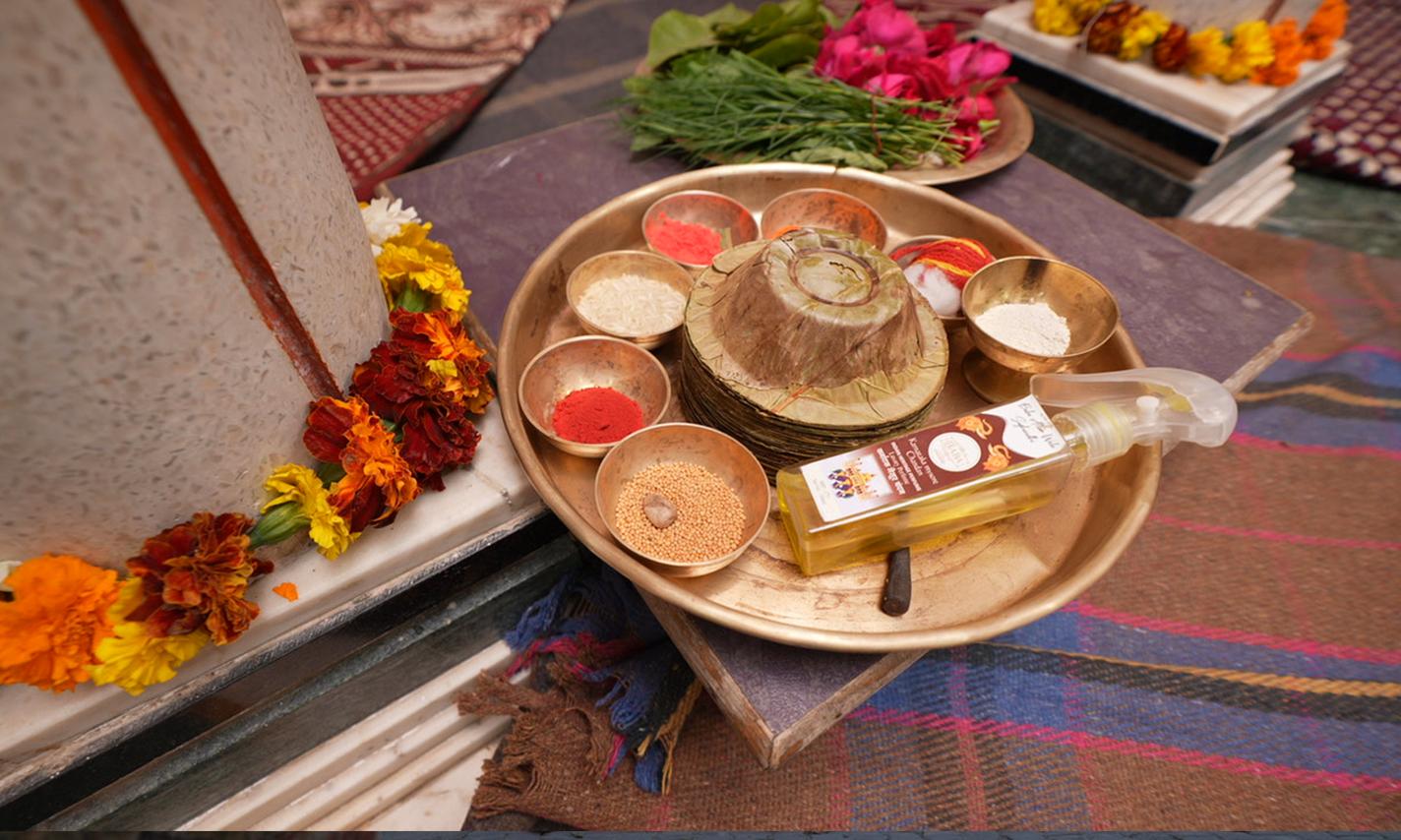
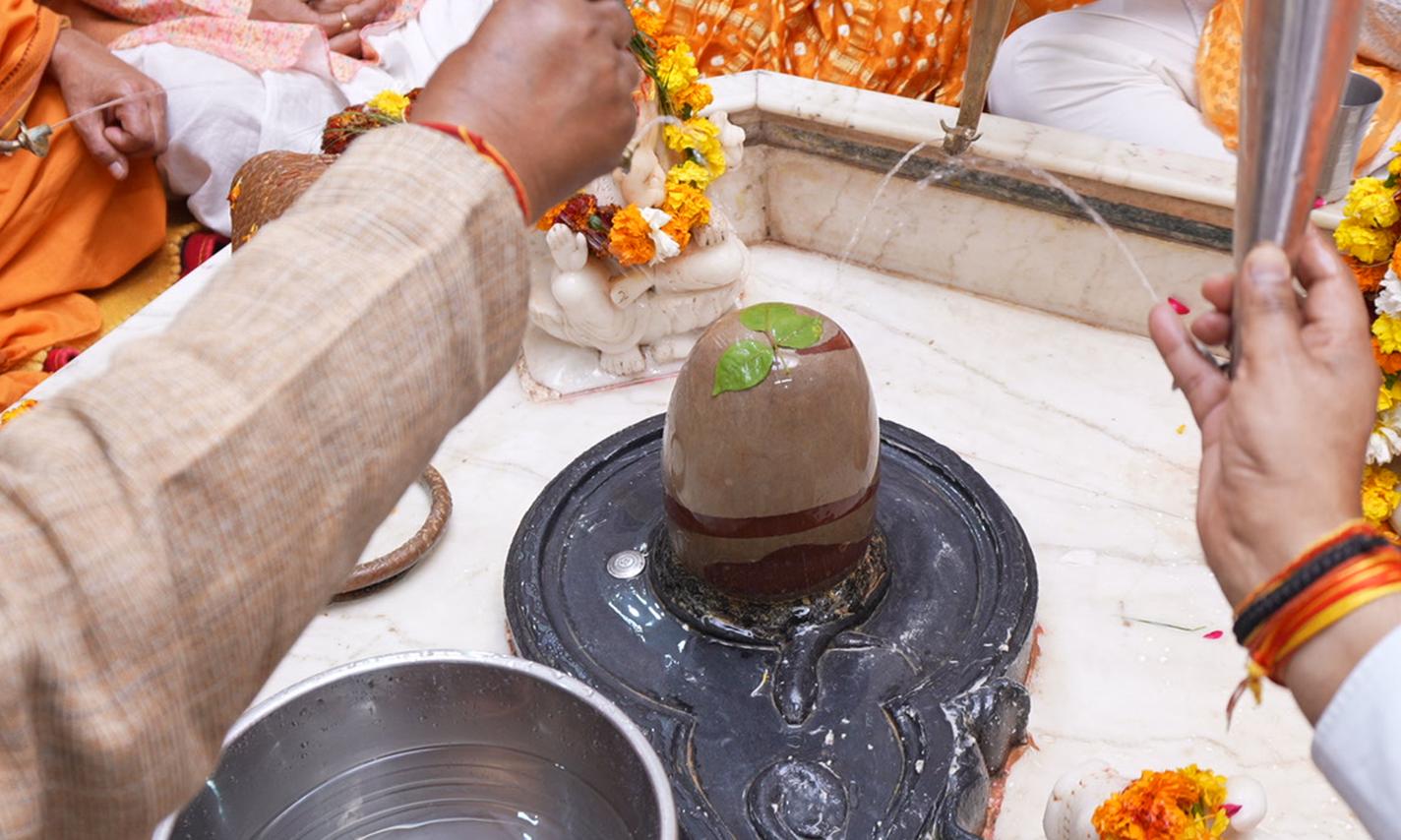
The Ketaki's prohibition is remembered every time a SiddhiStar pandit arranges the puja materials. Every flower chosen, every bel patra laid on the Shivalinga, every offering made - carries the knowledge of what is appropriate and what is not. That knowledge is not arbitrary. It is the accumulated consequence of stories that the tradition has held for thousands of years.
There is also something in this story about the cost of a single compromise. The Ketaki was not inherently dishonest. It was, by all accounts, a beautiful flower. But one moment of choosing convenience over truth, one moment of letting someone else's need override its own integrity, was enough to remove it from the most sacred context forever.
Why SiddhiStar Pandits Learn These Stories
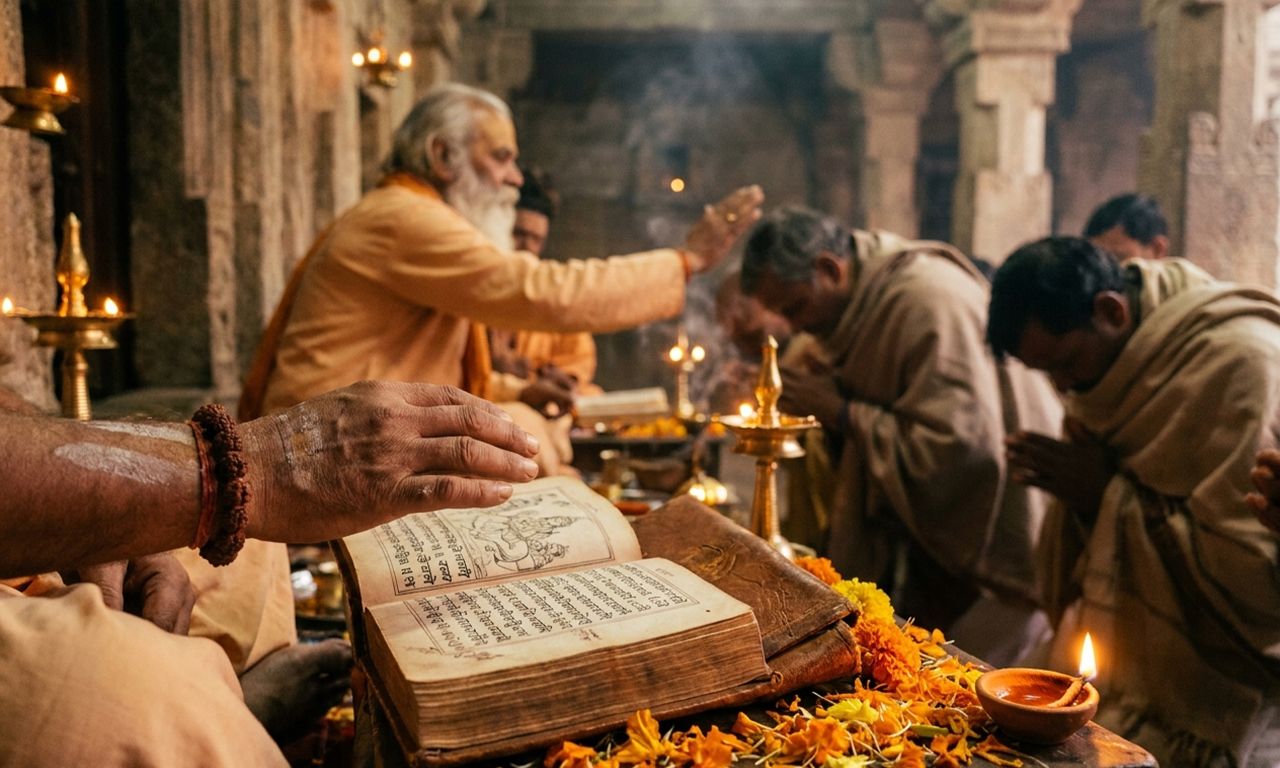
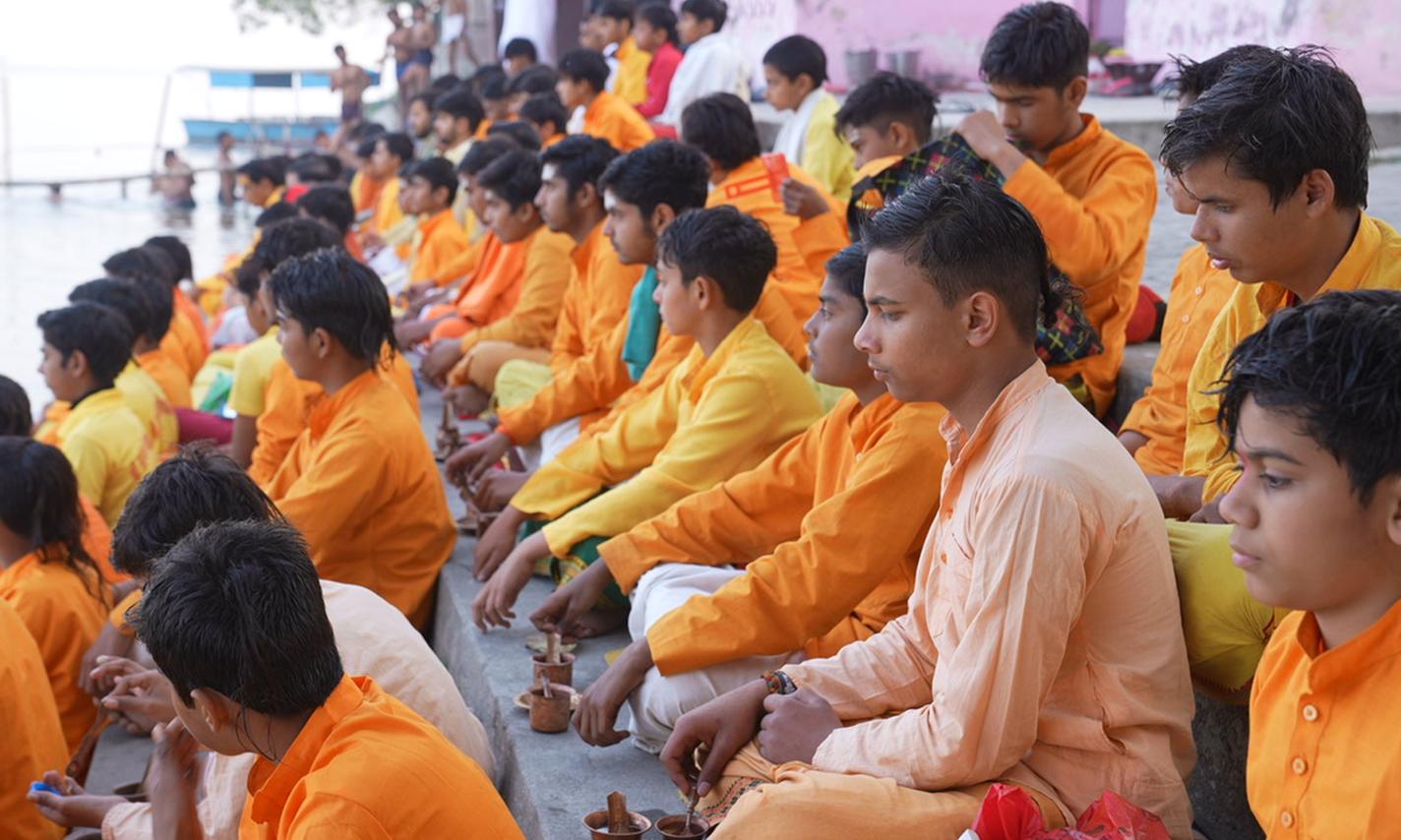
A pandit who knows only the mantra and not the story behind the mantra performs a ritual. A pandit who knows both performs a ceremony. The difference is not in the syllables - it is in the understanding that the syllables carry when they are spoken by someone who knows why they exist.
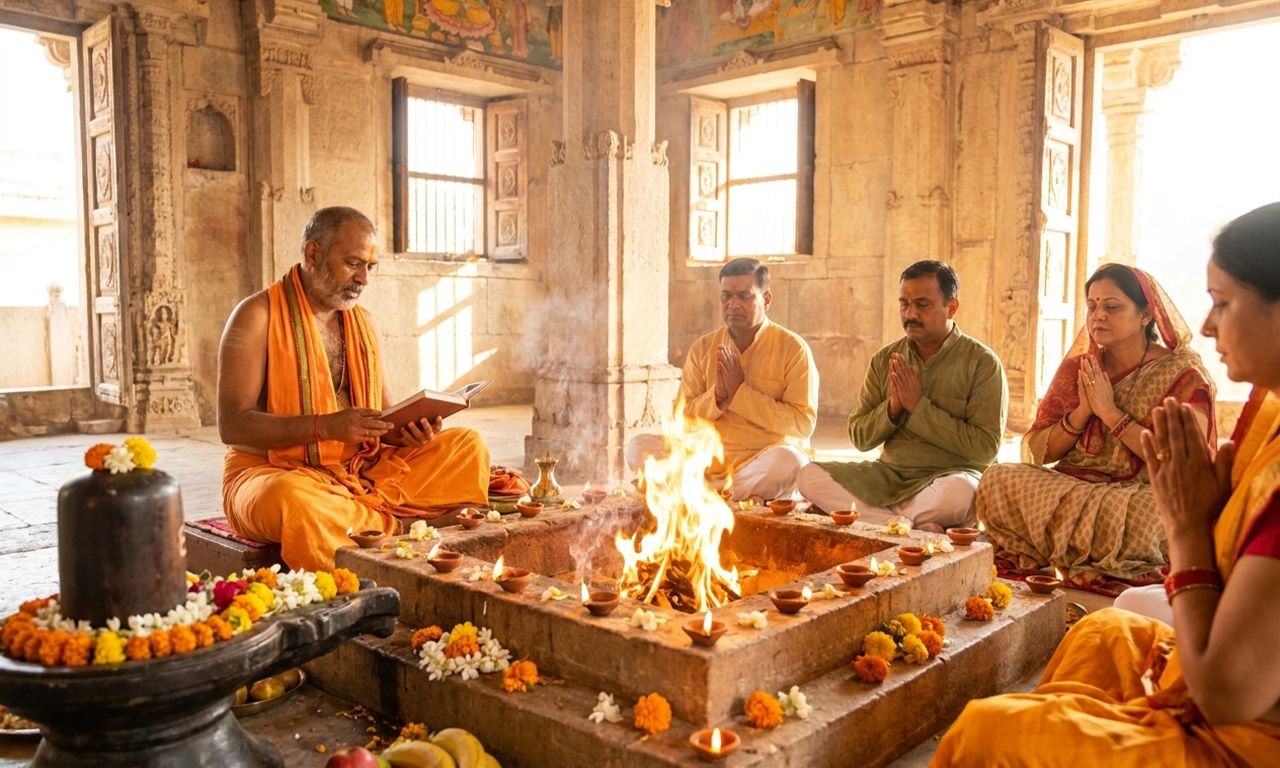
Narwar Dham training includes both. The texts and the traditions that explain the texts. This is what you bring into your home when a SiddhiStar pandit crosses your threshold.
Book a Satyanarayan Puja and bring this depth into your home. Narwar Dham parampara. Your space. Your Sankalp. beta.siddhistar.com/pooja/satyanarayan-puja