Why Is Nandi Always Facing Lord Shiva? The Spiritual Meaning of Shiva's Greatest Devotee
By SiddhiStar | Narwar Dham Parampara
21 July 2026 • 6 min read
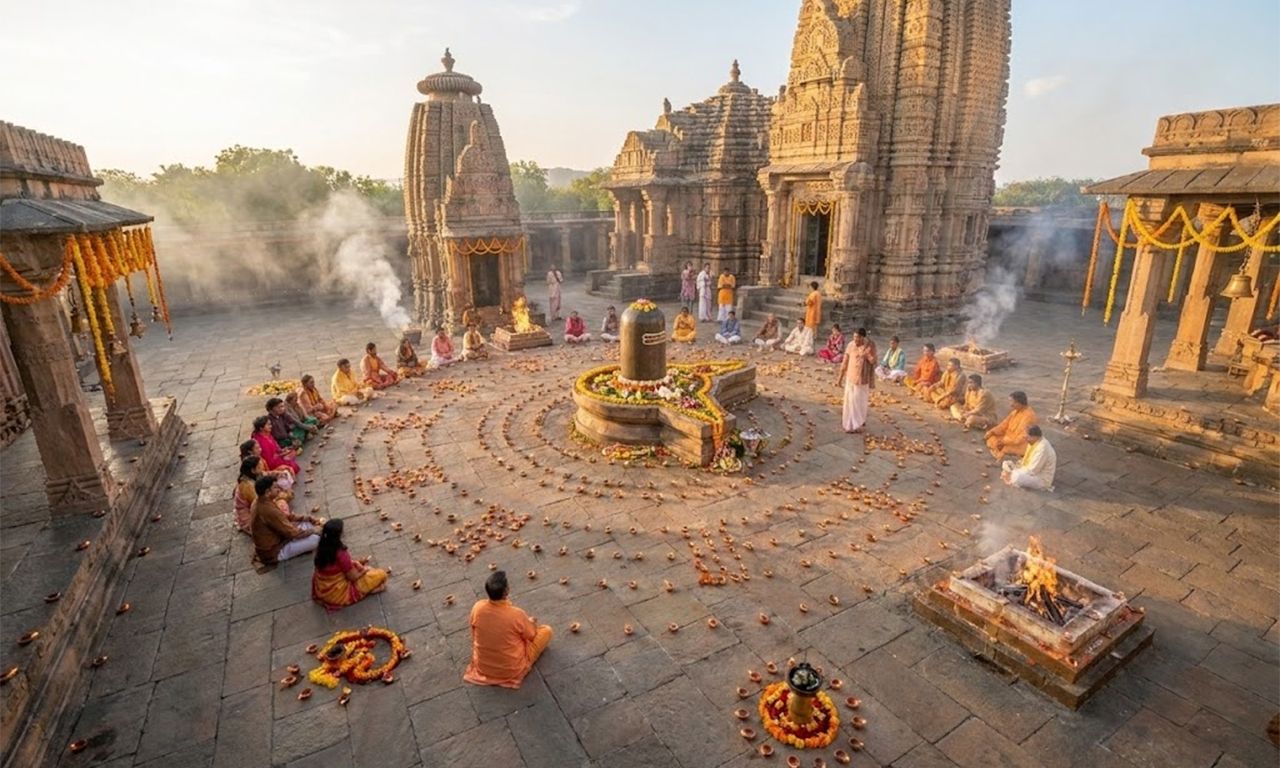
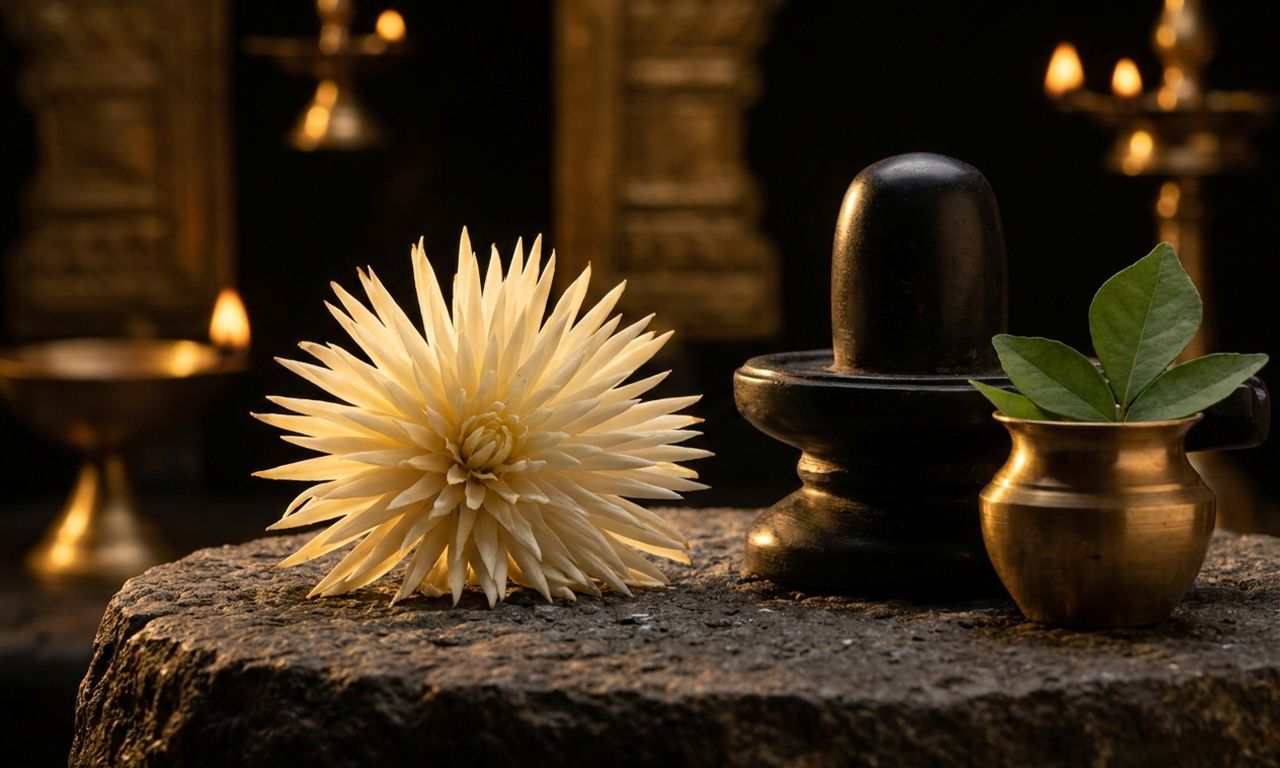
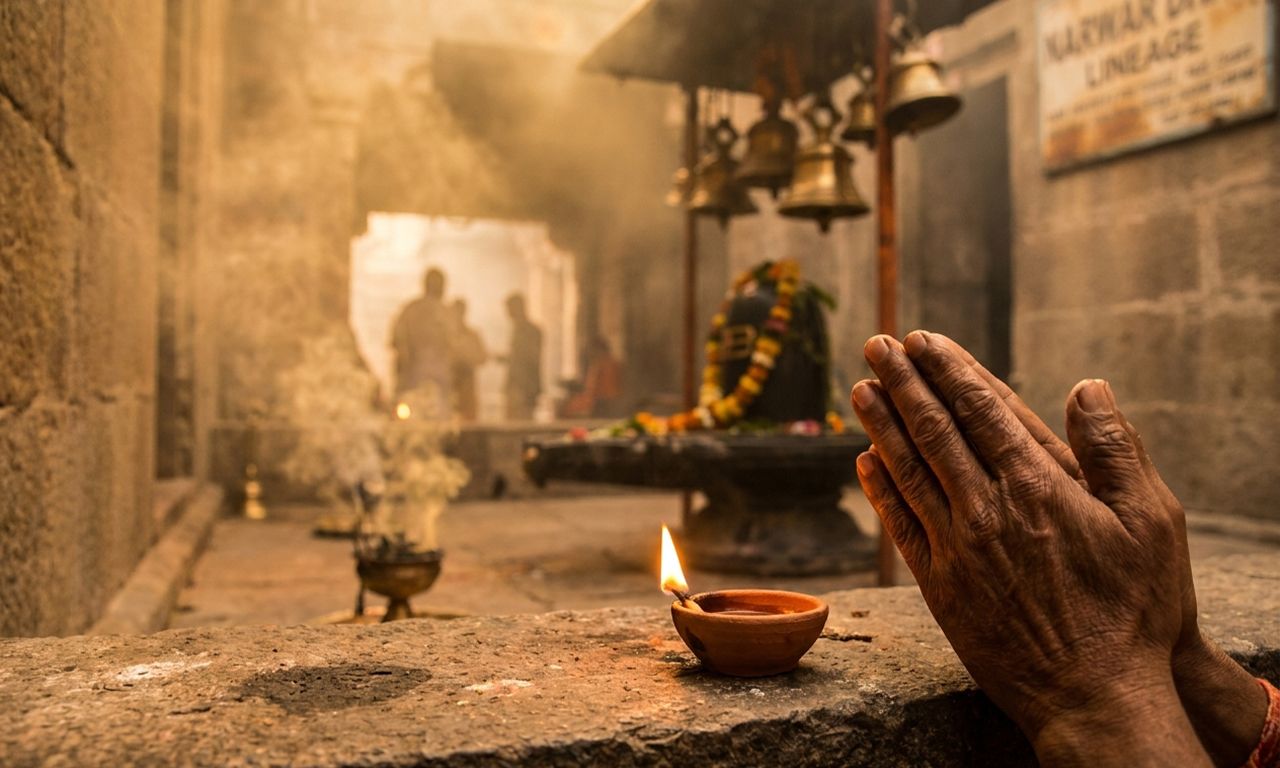
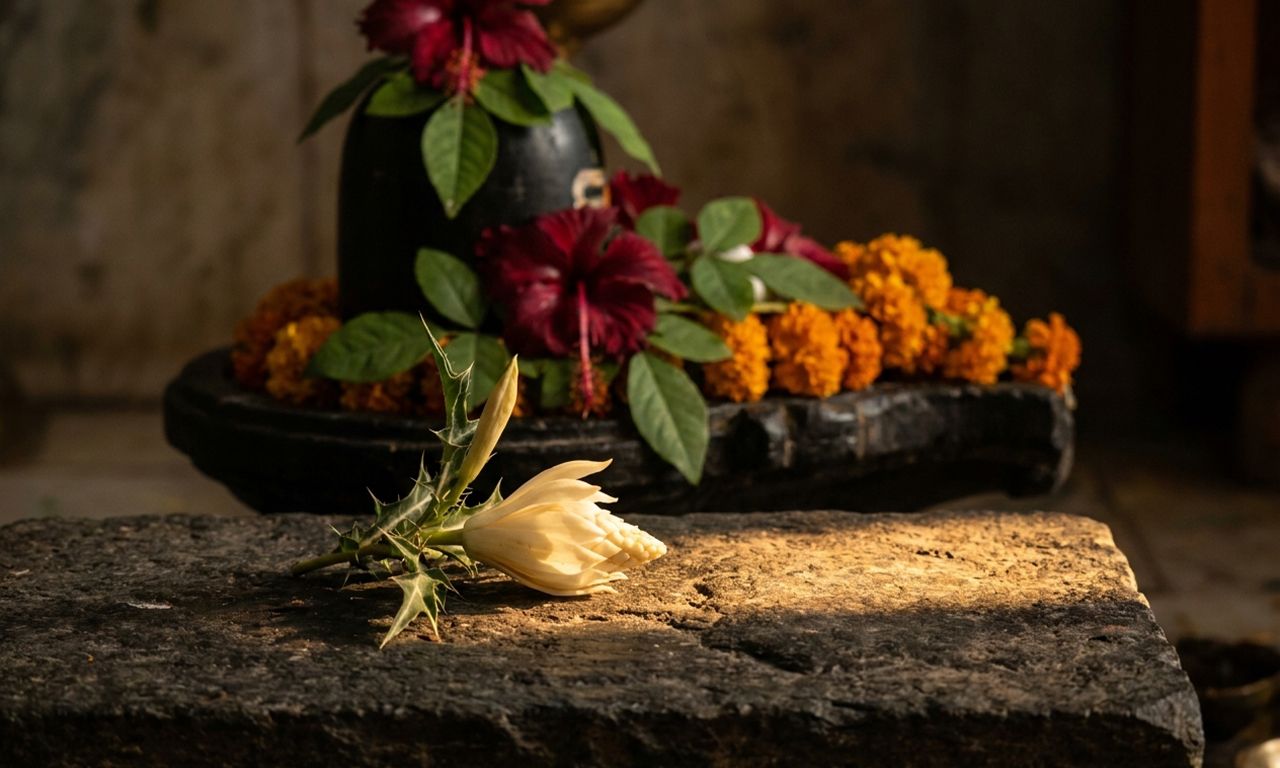
Every Shiva temple presents a familiar and deeply symbolic sight. Before reaching the Shivling, devotees first encounter Nandi, the sacred bull seated peacefully, his eyes fixed unwaveringly upon Lord Shiva. Many devotees instinctively bow before Nandi before proceeding for Darshan. Some even whisper their prayers into Nandi's ear.
But have you ever wondered: Why is Nandi always seated facing Lord Shiva? Why was Nandi chosen as Mahadev's vehicle? Why is he present in almost every Shiva temple? And what does Nandi teach every devotee who enters the temple?
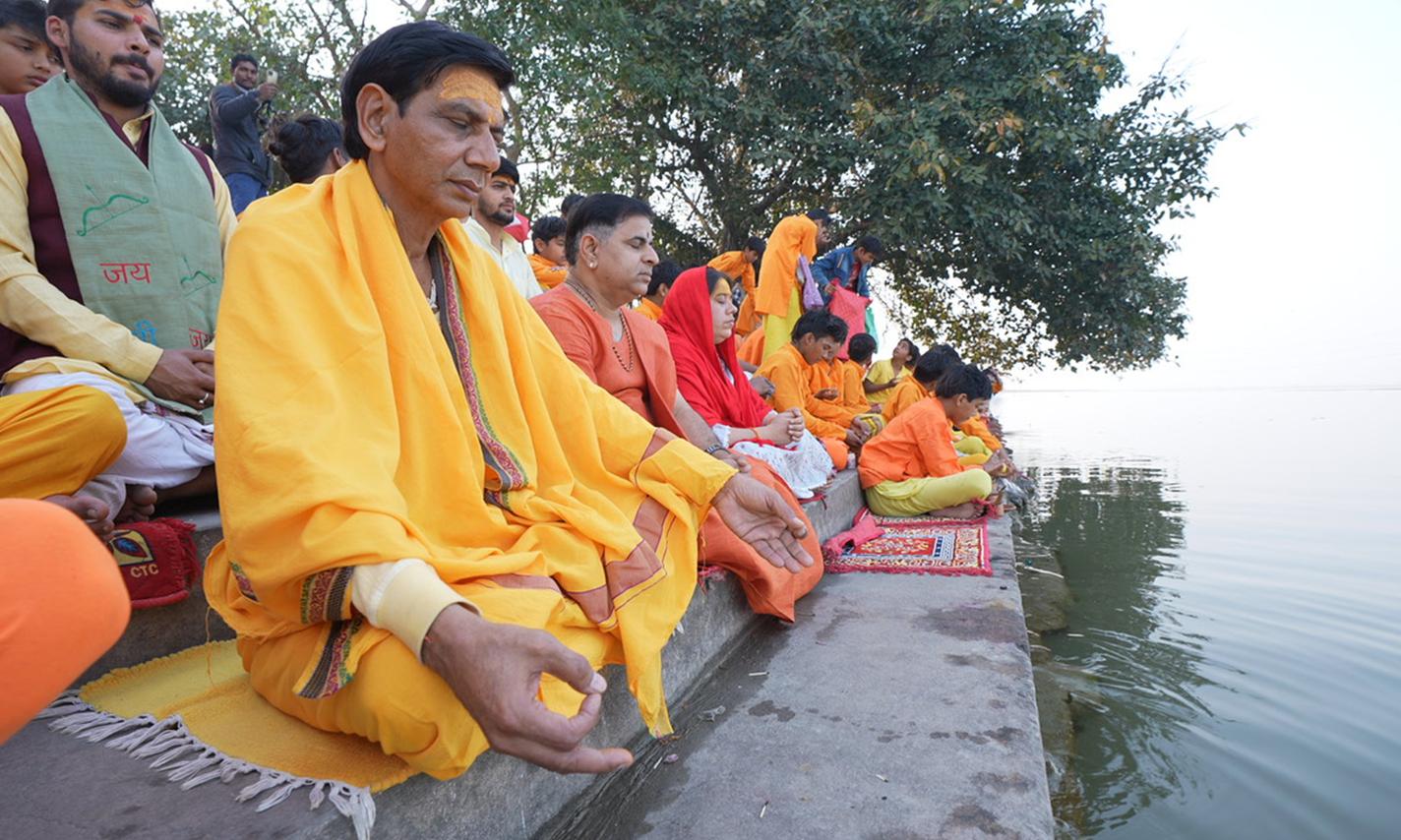
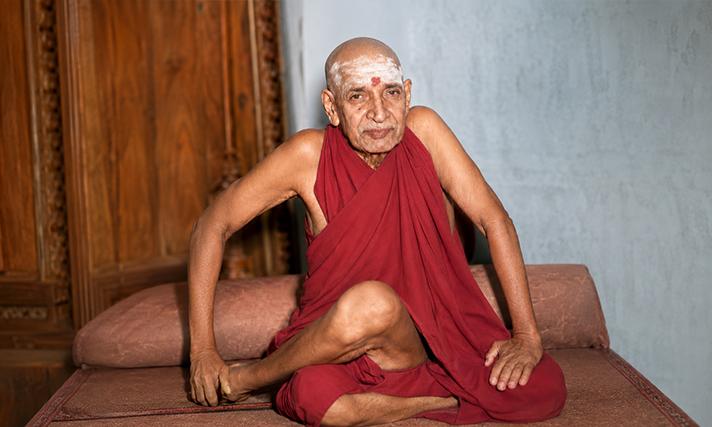
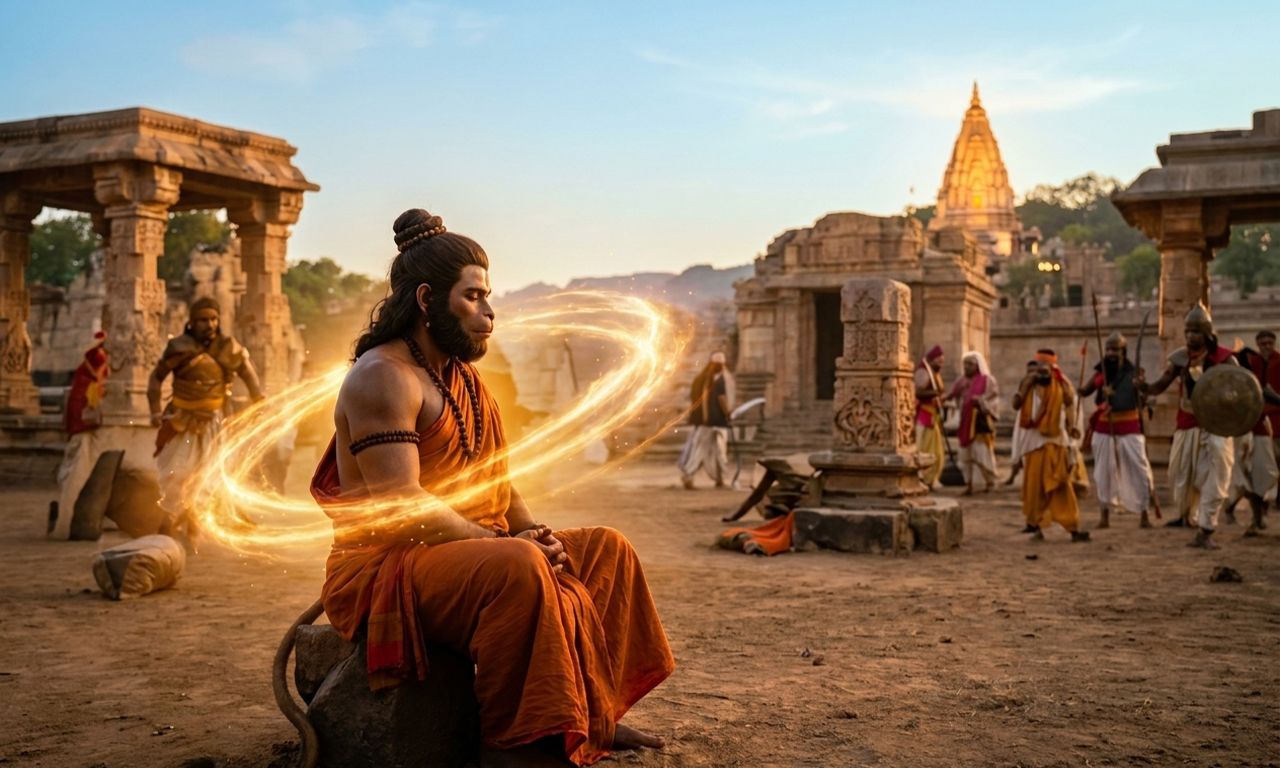
Param Pujya Mahesh Prakash Sharma Ji teaches that Nandi is far more than a divine vehicle. He is the ideal disciple. The ideal devotee. The ideal seeker. His silent posture before Mahadev contains one of the greatest lessons in spiritual life. True devotion is not restless. It is steady. Focused. Patient. Completely surrendered.
Guruji explains that the human mind constantly moves from one distraction to another. Today it runs towards success. Tomorrow towards fear. Then towards desire. Then towards comparison. Nandi teaches the opposite. Choose one highest goal. Remain focused upon it. For a devotee, that highest goal is Mahadev.
Who Is Nandi?
Nandi occupies a unique place in the Shaiva tradition. He is revered as the devoted companion and vehicle (Vahana) of Lord Shiva. However, Guruji explains that Nandi's importance does not come from carrying Mahadev. It comes from his unwavering devotion. His identity is not based on power. It is based on surrender. For this reason, generations of devotees have regarded Nandi as the perfect example of Bhakti.
Why Is Nandi Always Facing the Shivling?
This is perhaps the most profound symbol in every Shiva temple. Guruji teaches that Nandi never turns his attention away from Mahadev. His eyes remain fixed upon Lord Shiva. His body remains steady. His mind remains undistracted.
This posture teaches devotees one simple truth. Where your attention remains, your life gradually moves. If the mind constantly faces worldly distractions, life becomes restless. If the mind continually returns to Mahadev, peace gradually arises.
What Does Nandi Teach About Devotion?
Guruji explains that devotion is not measured by emotion alone. It is measured by consistency. Nandi does not appear excited one day and distracted the next. His devotion never fluctuates.
Similarly, a devotee should not remember Mahadev only during difficult times. True Bhakti continues during success. During hardship. During celebration. During uncertainty. Steady remembrance is the hallmark of genuine devotion.
Why Do Devotees Whisper Their Prayers Into Nandi's Ear?
Many temples preserve the beautiful tradition of devotees softly sharing their prayers with Nandi before offering worship to Lord Shiva. Guruji explains that the deeper value of this tradition lies not in the whisper itself. It reminds devotees to approach Mahadev with humility and sincerity.
The important thing is not whether our words reach Nandi. The important thing is whether our prayer comes from the heart. Lord Shiva already knows every thought. The whisper helps the devotee express surrender.
Nandi Represents Patience
Modern life encourages constant movement. People seek immediate results. Immediate success. Immediate answers.
Guruji reminds devotees that Nandi teaches patience. He waits peacefully before Mahadev. Without complaint. Without impatience. Without losing faith. The spiritual journey also requires this quiet patience. Every sincere prayer bears fruit in its own time.
Strength Guided by Humility
The bull naturally symbolises strength. Yet Nandi never displays aggression. His strength remains completely under discipline.
Guruji teaches that true spiritual maturity is not becoming weak. It is learning to use strength with humility. Knowledge without humility creates arrogance. Power without humility creates fear. Success without humility creates ego. Nandi teaches that strength should always remain surrendered to Dharma.
What Can We Learn From Nandi in Daily Life?
Guruji encourages devotees to reflect upon Nandi's qualities every day. Remain focused on your highest purpose. Perform your responsibilities patiently. Do not become distracted by comparison. Remain loyal to truth. Keep your faith steady during both happiness and difficulty. When these qualities become part of daily life, Nandi's teaching comes alive.
Nandi and Shiv Puja
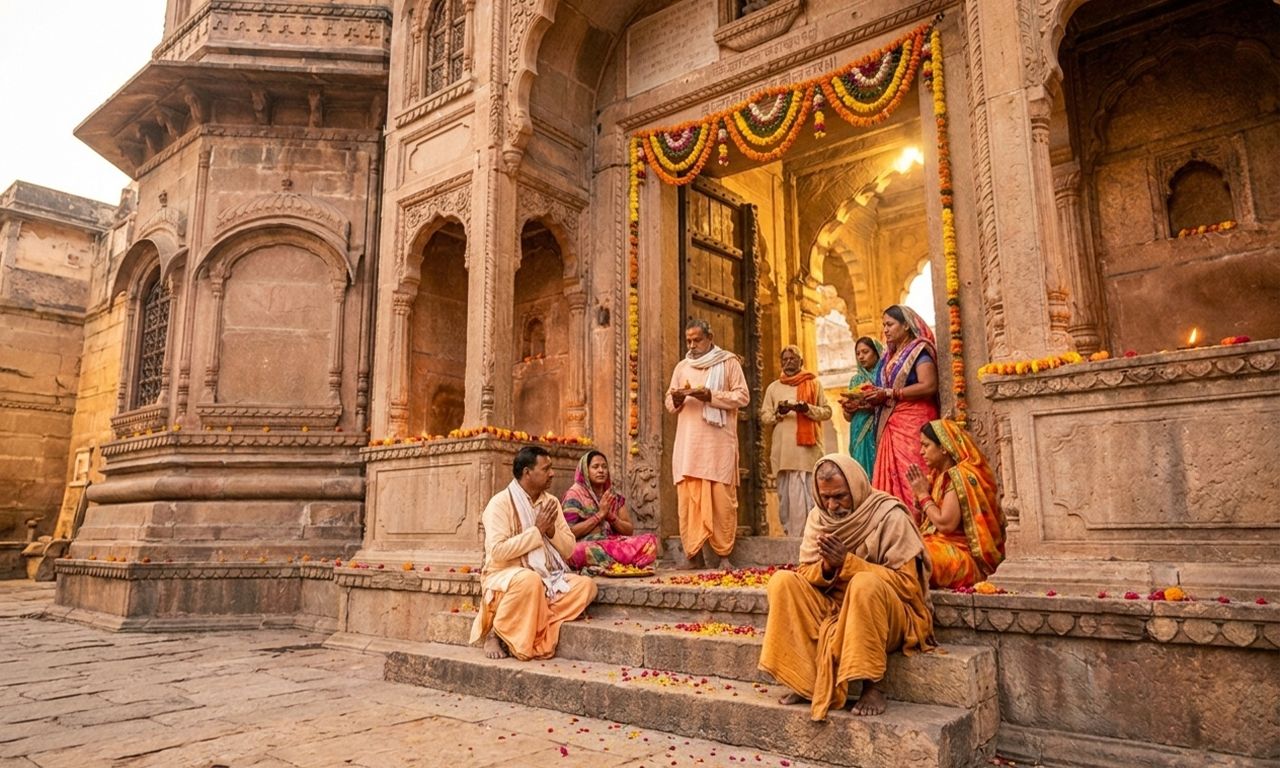
Before offering worship to Lord Shiva, many devotees first bow before Nandi. Guruji explains that this reminds us to prepare our own minds before approaching Mahadev. A restless mind cannot fully experience devotion. Just as Nandi sits peacefully before Lord Shiva, the devotee should first cultivate silence, humility and concentration before beginning Shiv Puja.
Becoming Like Nandi
Guruji beautifully teaches that every devotee should ask one question. Not merely: "How can I receive Lord Shiva's blessings?" But: "How can I become a devotee like Nandi?"
The answer lies in daily remembrance. Simple worship. Truthful living. Patient effort. And unwavering faith in Mahadev.
The Narwar Dham Tradition
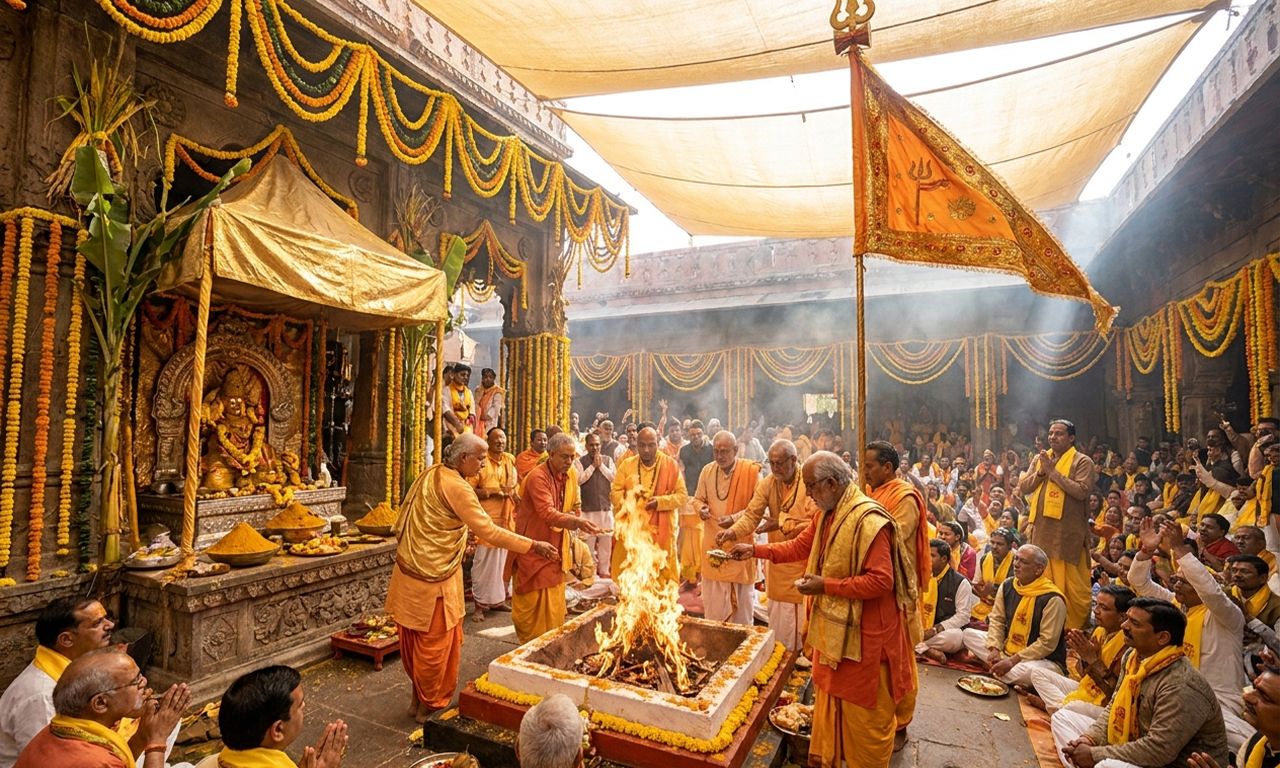
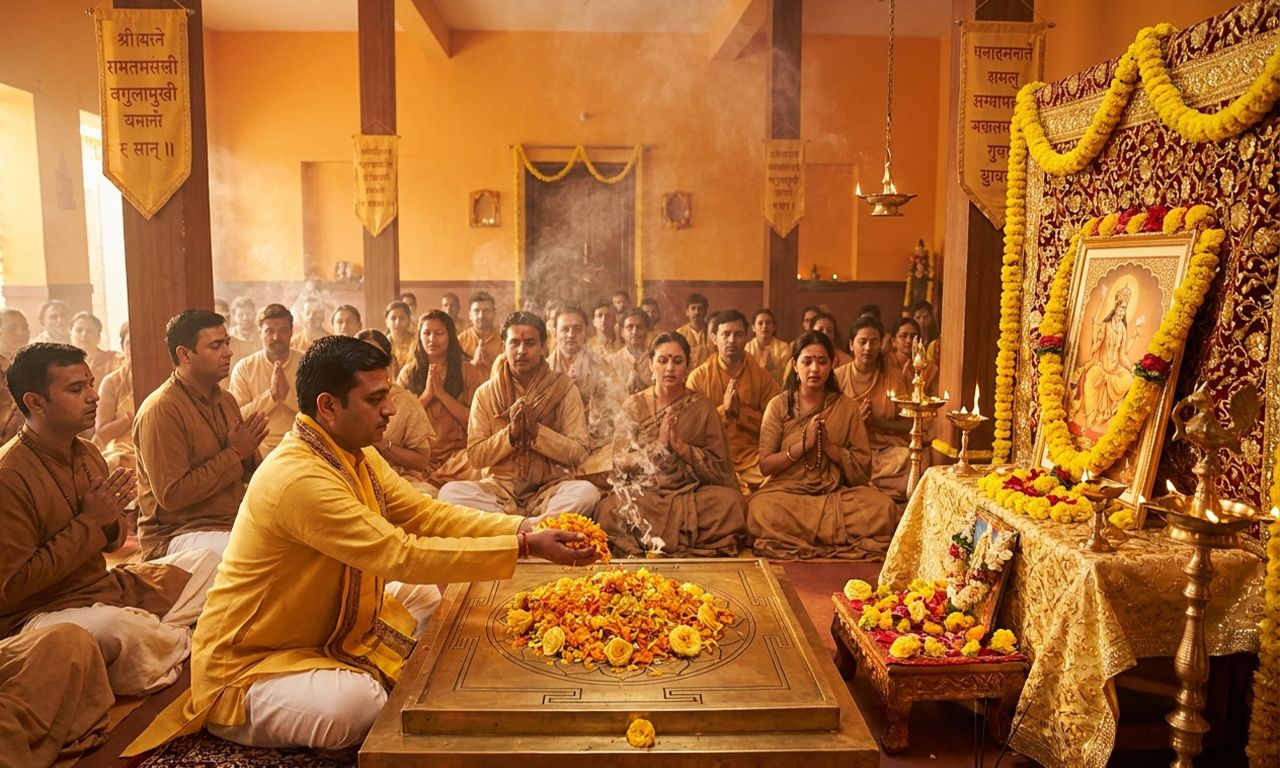
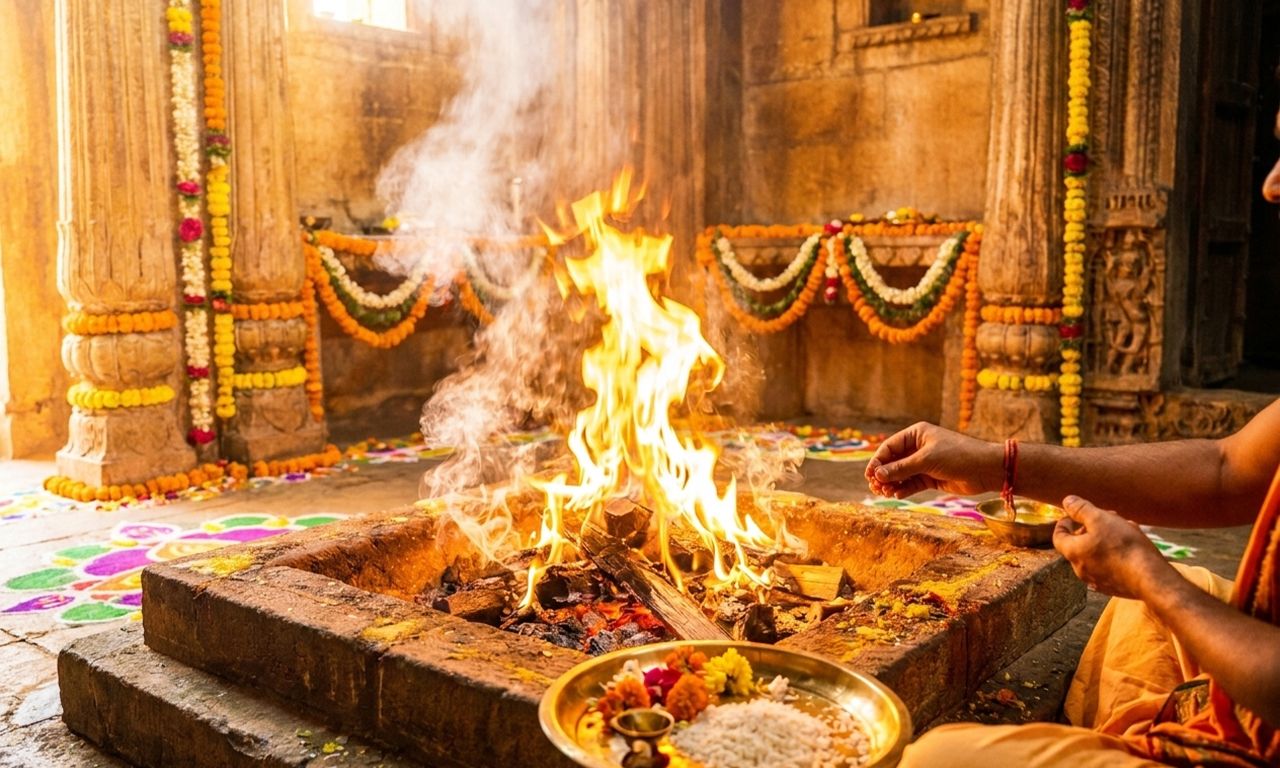
For more than 120 years, the Narwar Dham Guru Parampara has taught that the highest form of devotion is not occasional emotion but lifelong discipline. Through Rudrabhishek, Shiv Chintan, mantra chanting and authentic Vedic worship, devotees learn to cultivate the same steadiness, humility and surrender symbolised by Nandi. Every Sankalp offered before Lord Shiva is also a prayer to become a better devotee.
Frequently Asked Questions
Why is Nandi always facing Lord Shiva?
Nandi's posture symbolises unwavering devotion and complete focus upon Mahadev. Guruji teaches that it reminds devotees to keep their minds steadily fixed on the Divine.
Why is Nandi important in Shiva temples?
Nandi is revered as the ideal devotee and the sacred vehicle of Lord Shiva. His presence teaches patience, humility and steadfast Bhakti.
Why do devotees whisper prayers into Nandi's ear?
This traditional practice symbolises offering one's heartfelt prayers with humility before approaching Lord Shiva. The emphasis is on sincere devotion rather than ritual alone.
What does Nandi represent spiritually?
Nandi represents unwavering faith, disciplined strength, patience, surrender and constant remembrance of Lord Shiva.
What is the greatest lesson we can learn from Nandi?
Guruji teaches that Nandi reminds us to remain focused on Mahadev through every stage of life, serving with humility while never allowing the mind to drift away from the Divine.
From Faith to Sadhana
Nandi teaches us that the highest devotion is not found in words alone, but in constant remembrance and complete surrender to Lord Shiva.
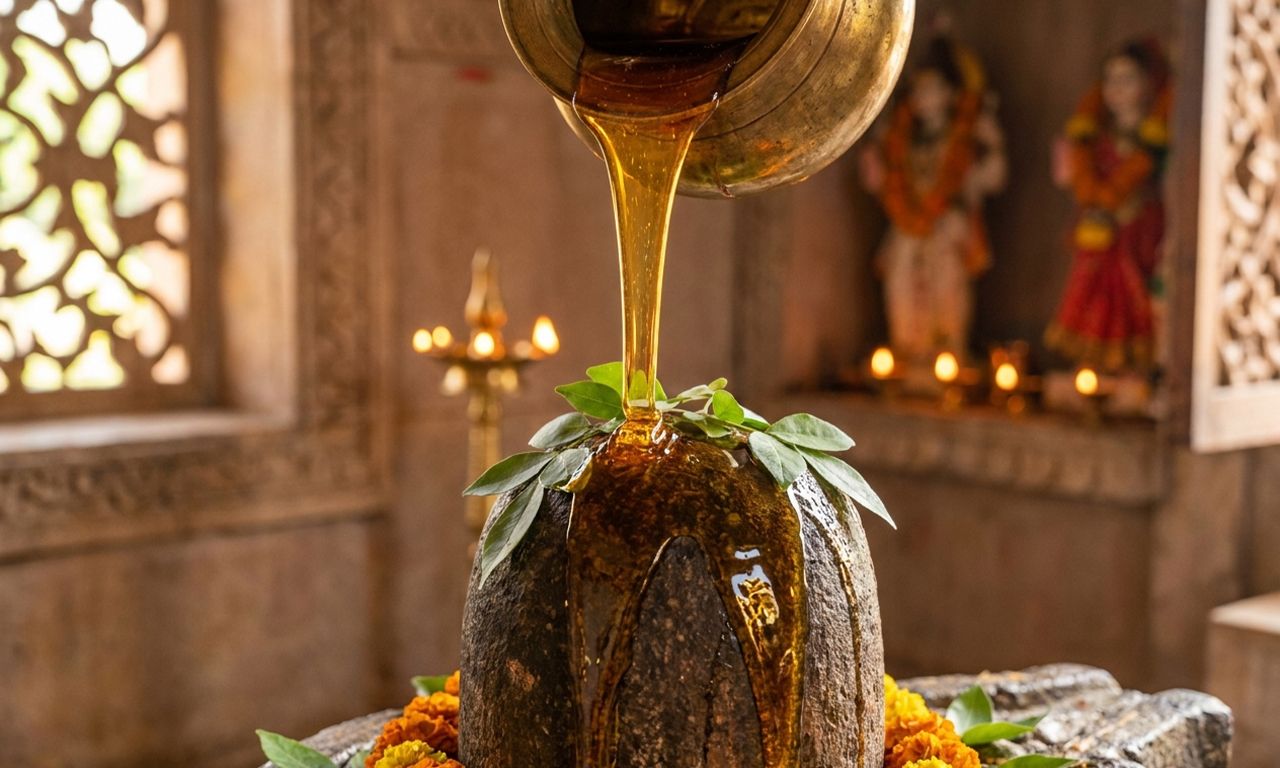
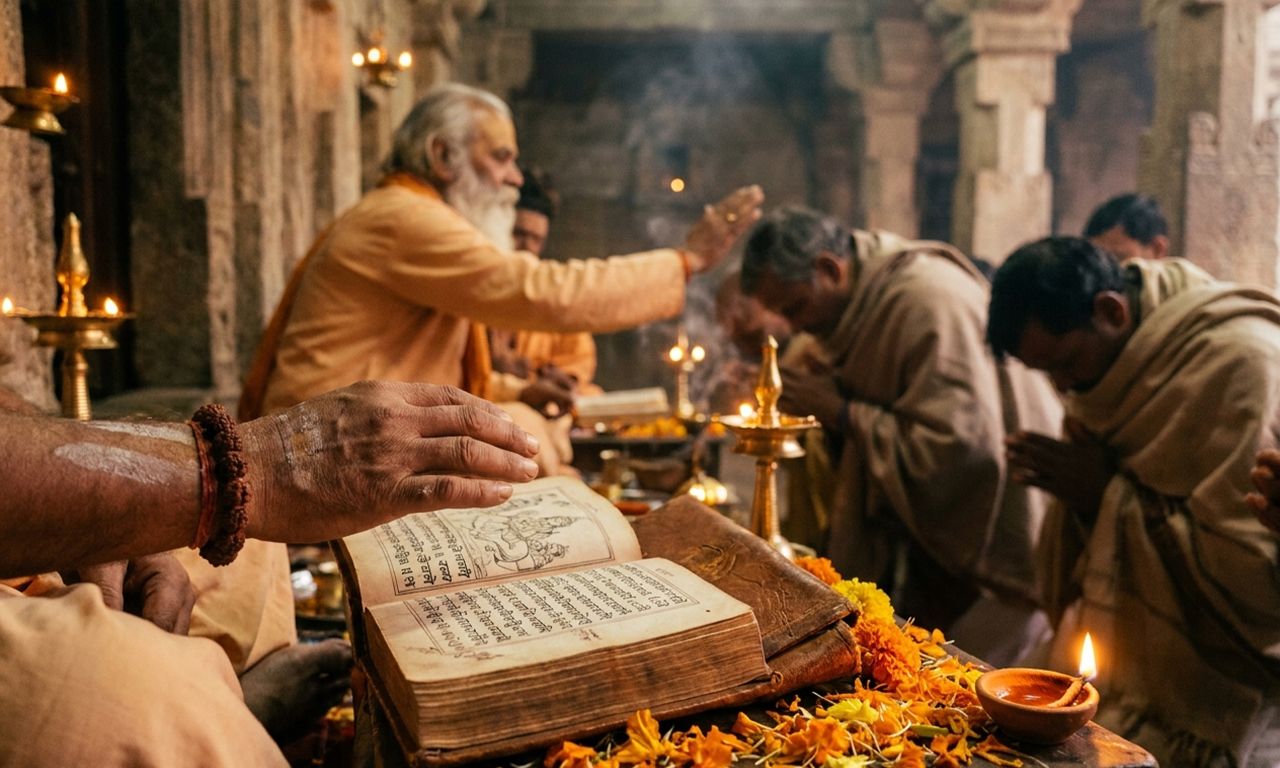
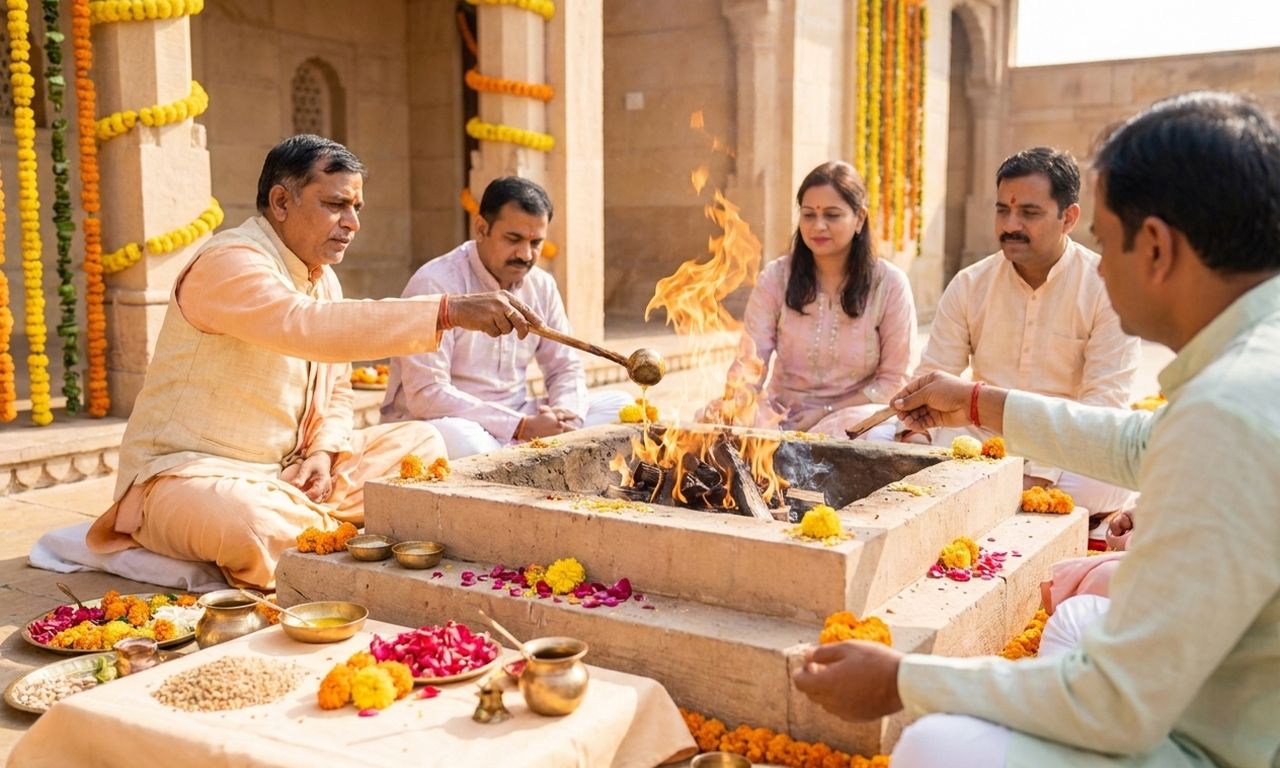
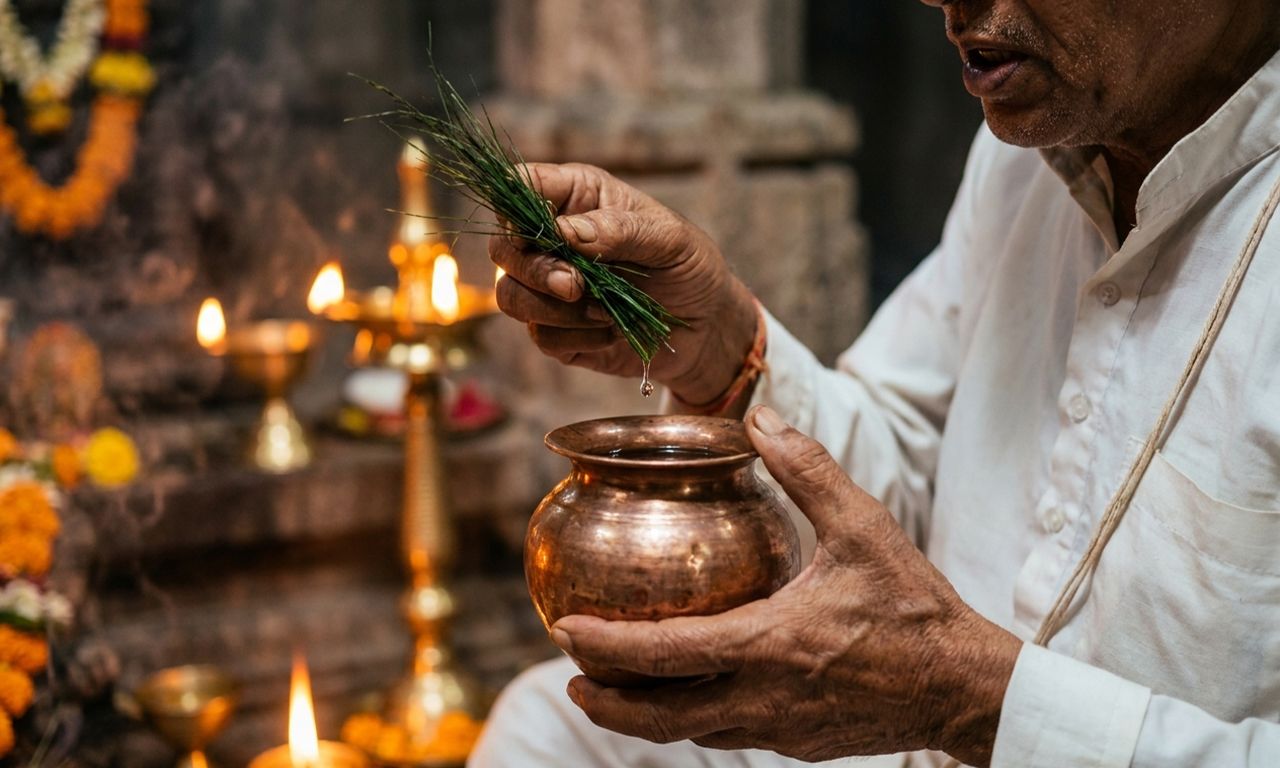
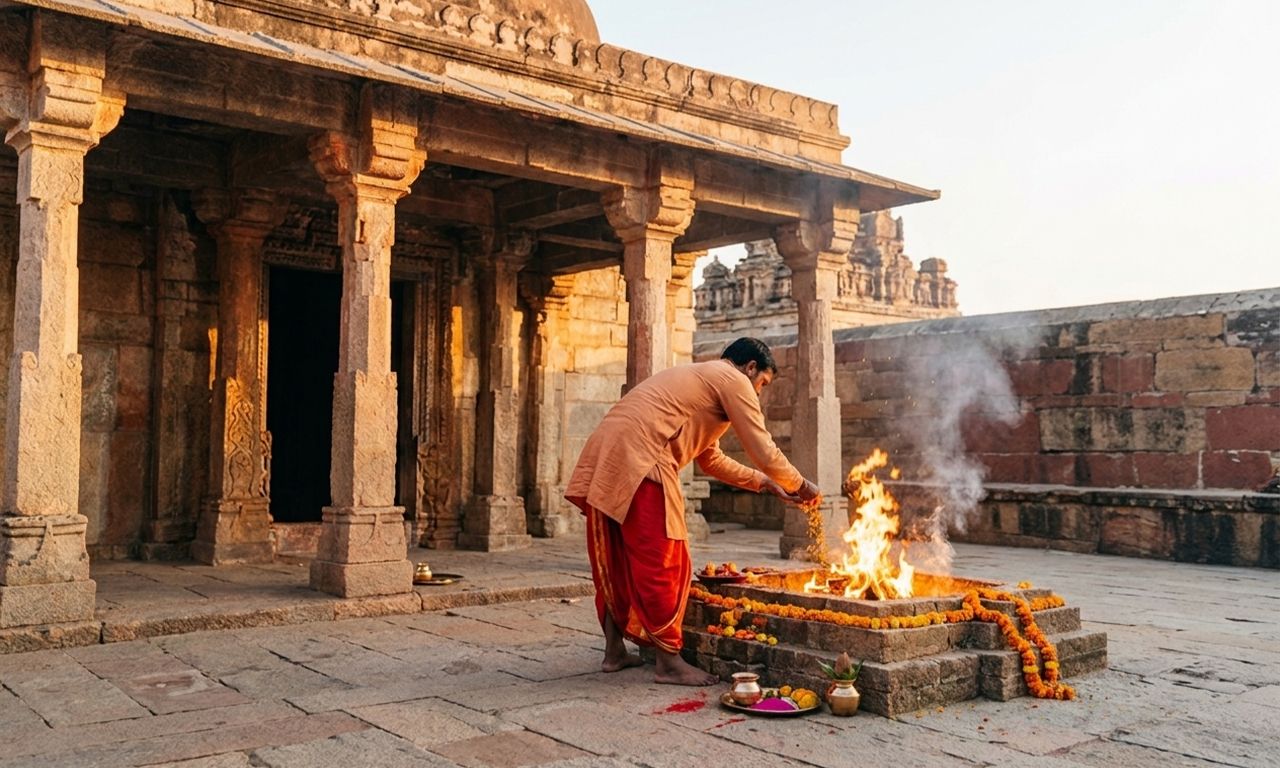
This is the spirit behind every authentic Rudrabhishek performed at Narwar Dham. Learned Acharyas of the 120-year-old Guru Parampara perform the complete Vedic ritual with your name and gotra included in the sacred Sankalp, offering your prayers before Mahadev with devotion and scriptural authenticity.
Offer your Sankalp today through SiddhiStar and become part of an authentic Rudrabhishek, where your prayers are offered before Lord Shiva through an unbroken Guru Parampara that has preserved this sacred tradition for over a century.