Why Is Monday Dedicated to Lord Shiva? The Spiritual Significance of Somvar
By SiddhiStar | Narwar Dham Parampara
21 July 2026 • 8 min read
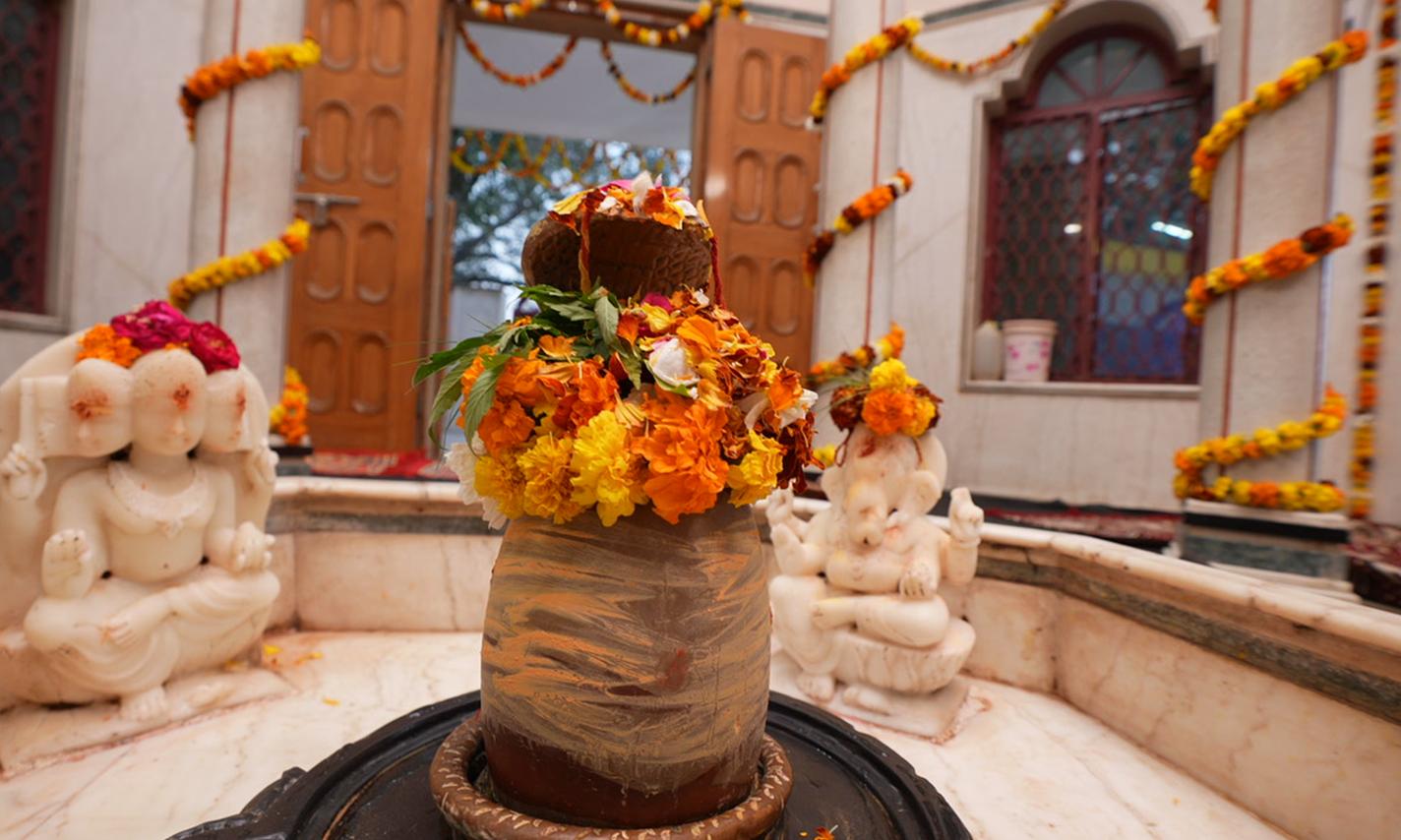
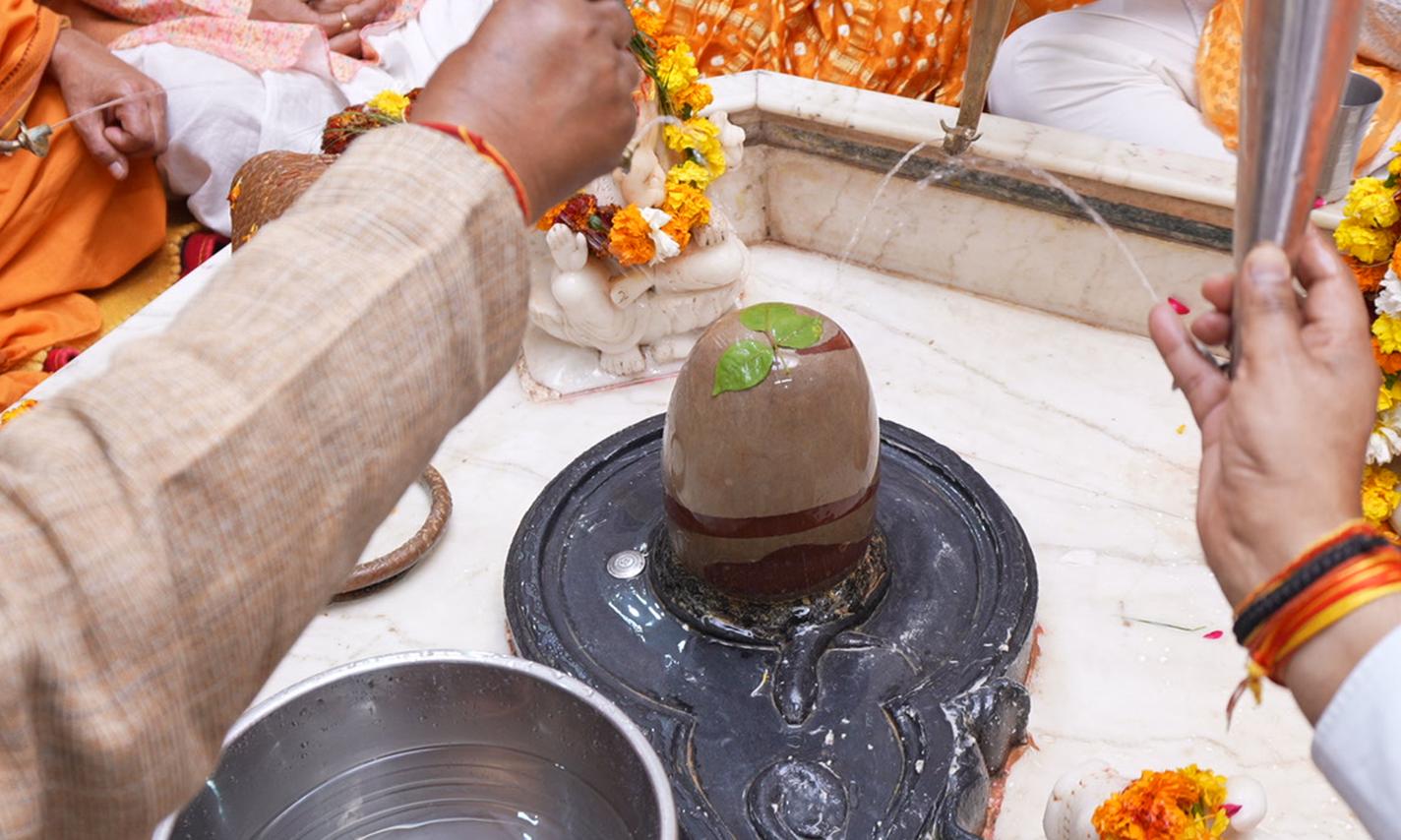
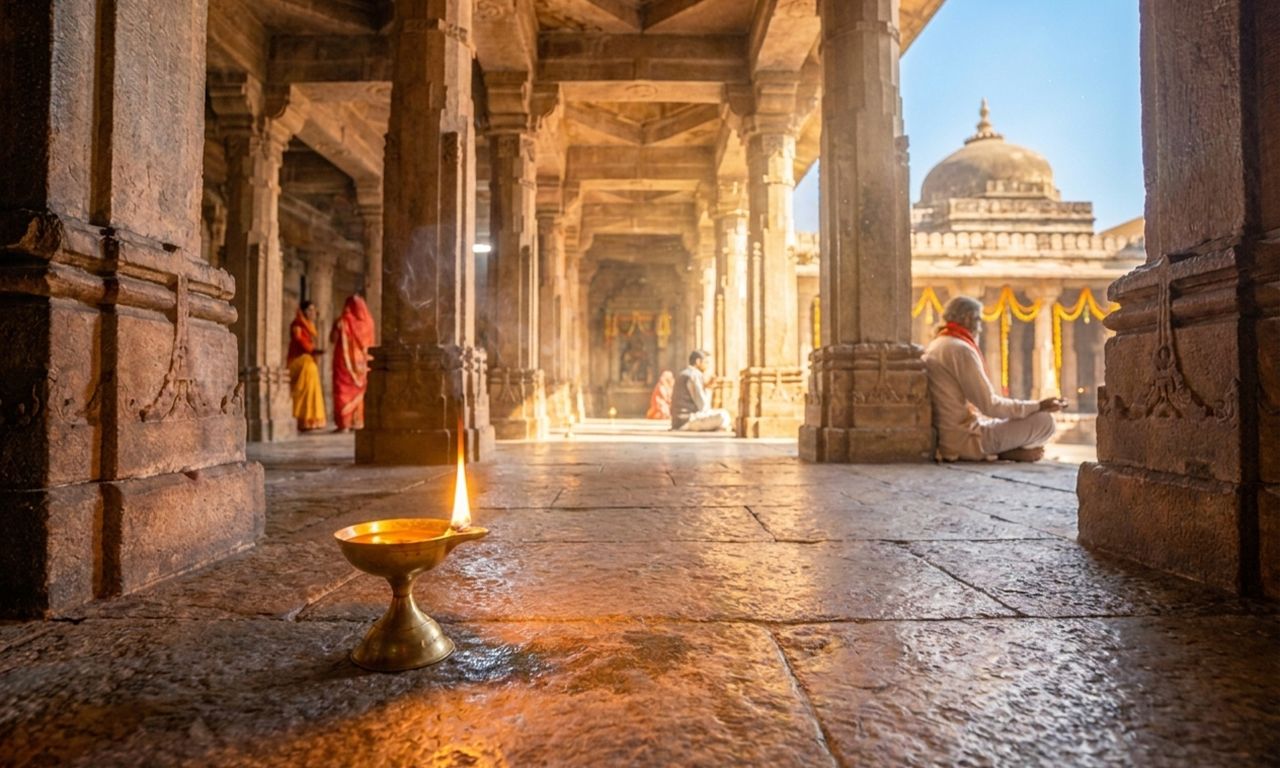
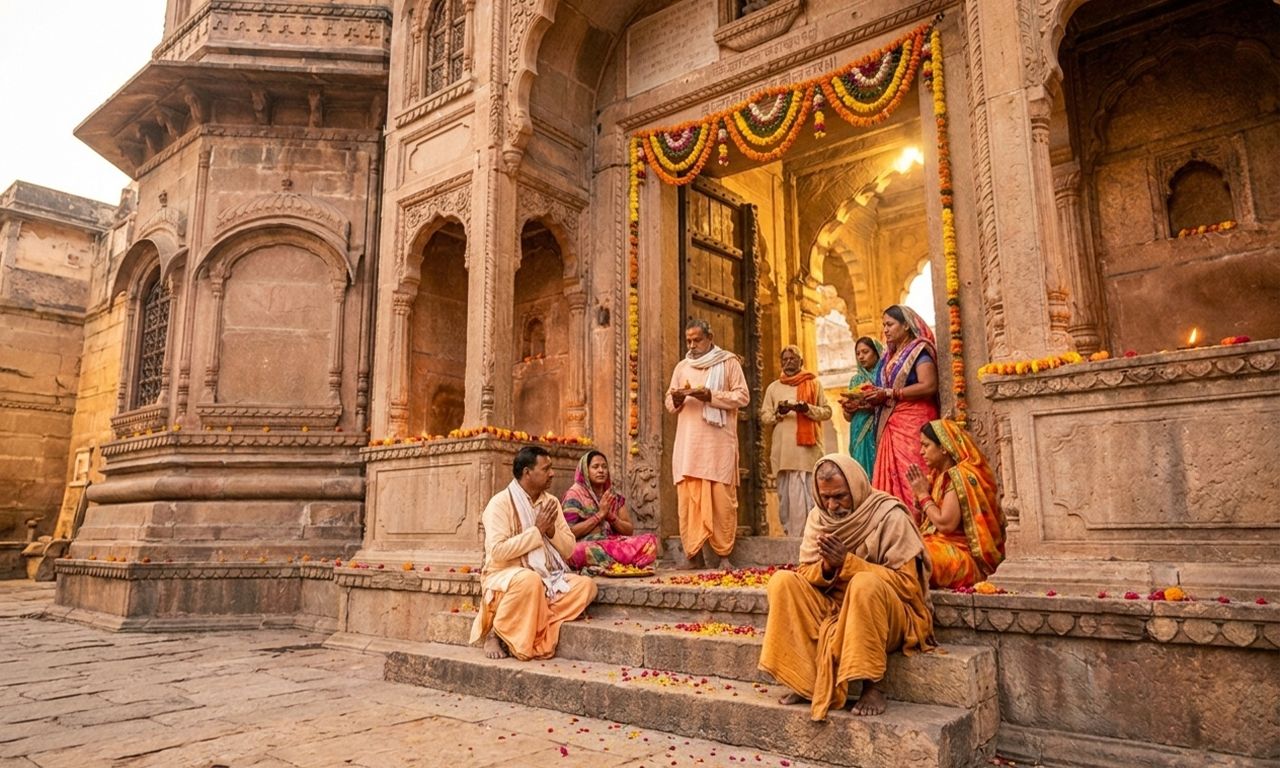
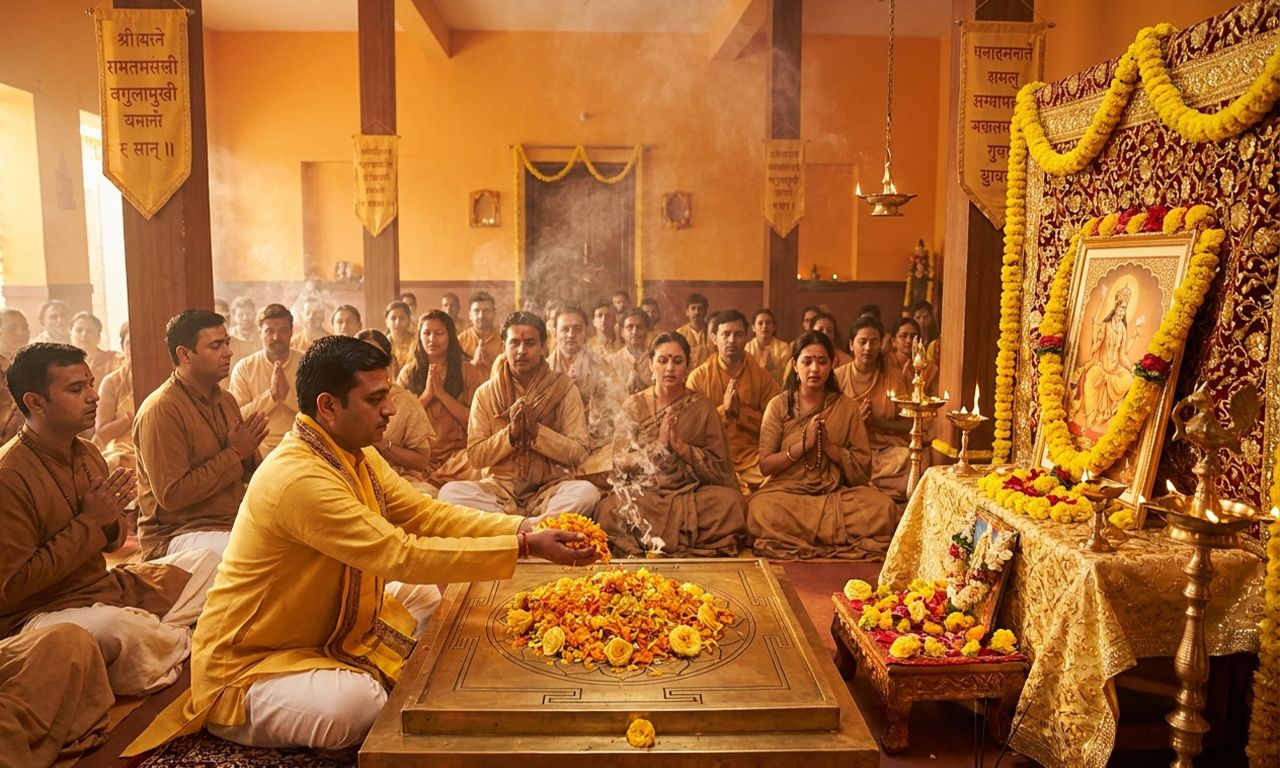
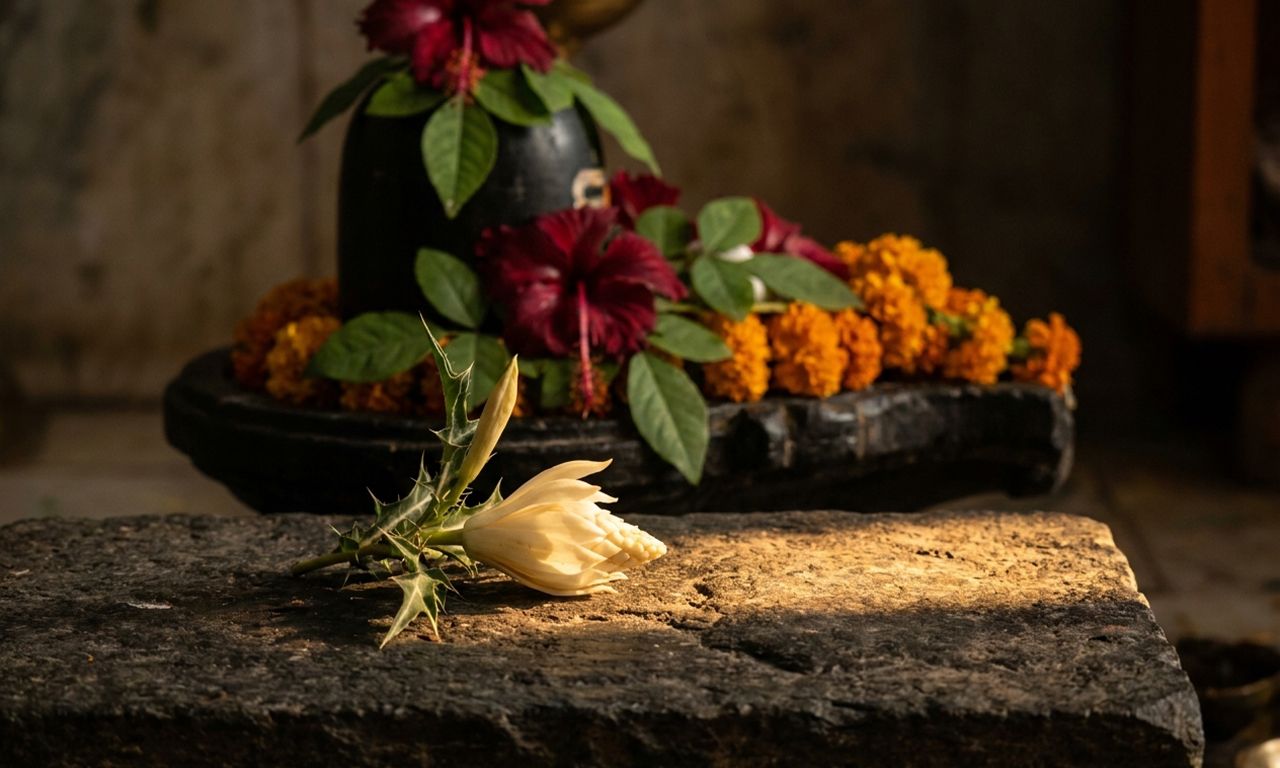
Every week, millions of devotees across India begin Monday by remembering Lord Shiva. Temples witness long queues before sunrise, Shivlings are bathed with sacred water, Bilva Patra is offered with devotion, and the sound of "Om Namah Shivaya" fills the air.
For many, Monday is incomplete without offering prayers to Mahadev. Some observe the Somvar Vrat throughout the year. Others worship Lord Shiva every Monday during the sacred month of Sawan.
But have you ever paused to ask: Why is Monday dedicated to Lord Shiva? Is it simply a tradition passed down through generations? Is there a deeper spiritual reason behind it? Does worship on Monday hold greater significance than worship on other days?
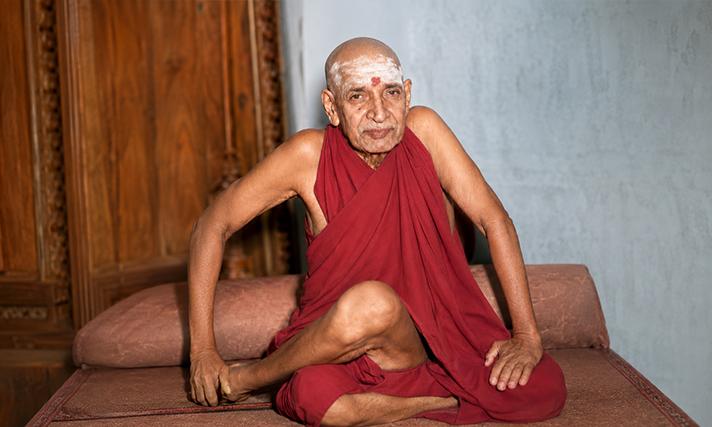
Param Pujya Mahesh Prakash Sharma Ji teaches that every sacred observance in Sanatan Dharma exists to cultivate discipline, devotion and inner transformation. Monday is not considered holy because Lord Shiva accepts prayers only on this day. Mahadev is equally compassionate every day of the week.
The significance of Somvar lies in what it does to the devotee. It creates a rhythm of remembrance. It invites us to begin every week by surrendering our ego, worries and ambitions at the feet of Lord Shiva. When Monday begins with Mahadev, the entire week begins with peace.
Guruji explains that spiritual life grows through consistency rather than occasional enthusiasm. One prayer every Monday. One act of surrender every week. One moment of silence before Mahadev. These simple disciplines slowly shape the character of a devotee.
Monday is not merely another day on the calendar. It is an opportunity to pause before the rush of life begins and remember what truly matters.
Why Is Monday Called Somvar?
The Sanskrit word Som refers to the Moon. Monday is therefore known as Somvar, the day associated with the Moon. Lord Shiva is lovingly worshipped as Chandrasekhar, the One who adorns the crescent moon upon His matted locks.
This beautiful imagery carries profound meaning. The Moon constantly changes its phases. Sometimes it appears full. Sometimes it becomes almost invisible. Similarly, the human mind constantly changes. It experiences joy and sorrow. Hope and fear. Peace and restlessness.
Guruji explains that the Moon resting upon Lord Shiva reminds every devotee that the restless mind finds stability only when it rests at the feet of Mahadev.
The Spiritual Meaning of the Crescent Moon
Many devotees see the crescent moon in Lord Shiva's iconography without reflecting upon its message. Guruji teaches that the Moon represents the human mind. Just as the Moon waxes and wanes, our thoughts and emotions also continue to change.
When the mind is controlled by worldly desires, it remains unstable. When the mind is surrendered to Lord Shiva, it gradually becomes peaceful. This is why Monday is an invitation to consciously calm the mind before beginning another week of worldly responsibilities.
Does Lord Shiva Listen Only on Mondays?
One of the most common misunderstandings is that Lord Shiva grants blessings only on Monday. Guruji firmly rejects this idea. Mahadev is beyond the limitations of time. His compassion does not increase or decrease according to the day of the week.
A devotee who remembers Lord Shiva with sincerity on Tuesday, Thursday or Sunday receives the same divine grace. Monday is sacred because it encourages regular devotion. Not because Mahadev is available only on that day.
Why Do Devotees Observe Somvar Vrat?
Many devotees observe the Somvar Vrat as an expression of faith. Some pray for family harmony. Some seek strength during difficult phases of life. Some pray for good health. Some unmarried devotees observe the Vrat while praying for a suitable life partner.
Guruji teaches that bringing our heartfelt prayers before Mahadev is natural. However, the Vrat should never become a transaction. The highest purpose of Somvar Vrat is not merely the fulfilment of desires. Its highest purpose is the purification of the devotee.
Every fast should reduce selfishness. Every prayer should deepen surrender. Every Monday should strengthen our relationship with Lord Shiva.
How Should Monday Worship Be Performed?
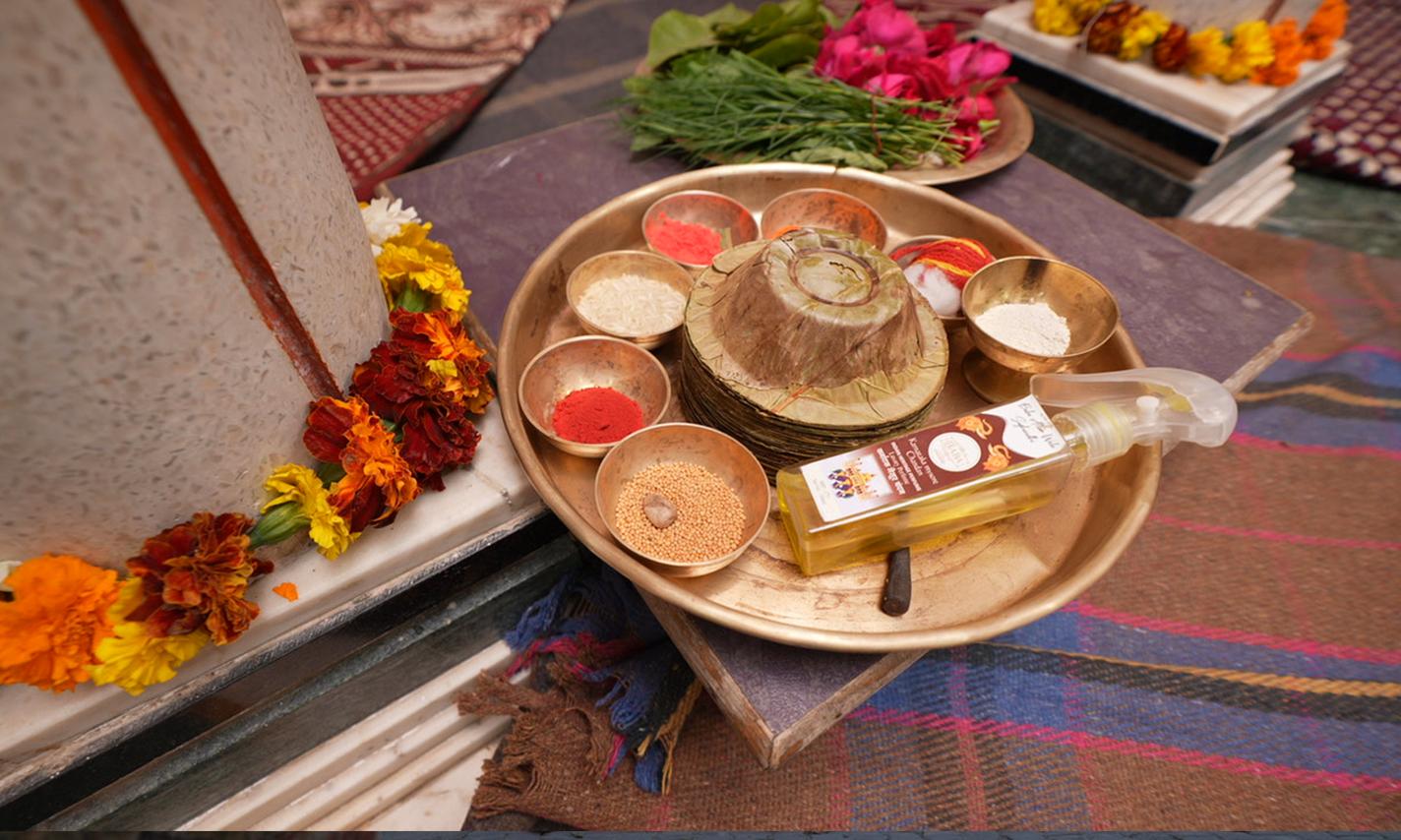
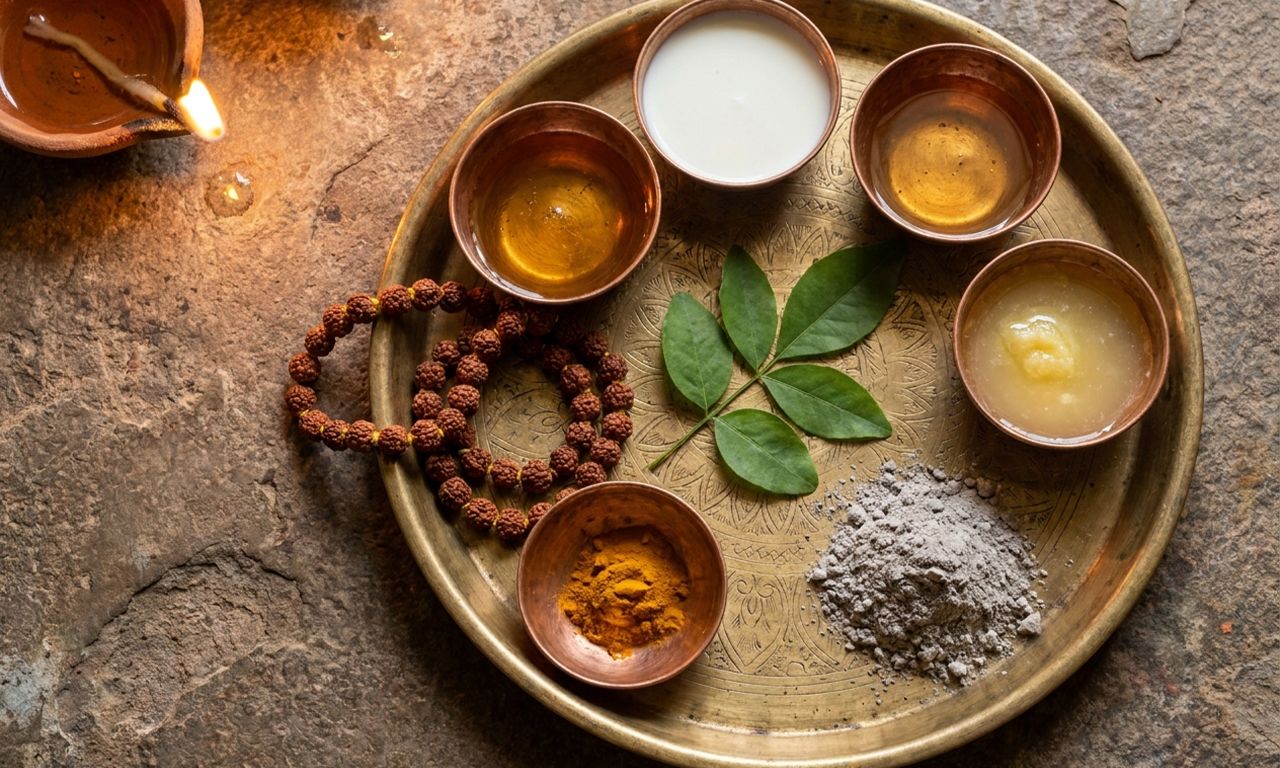
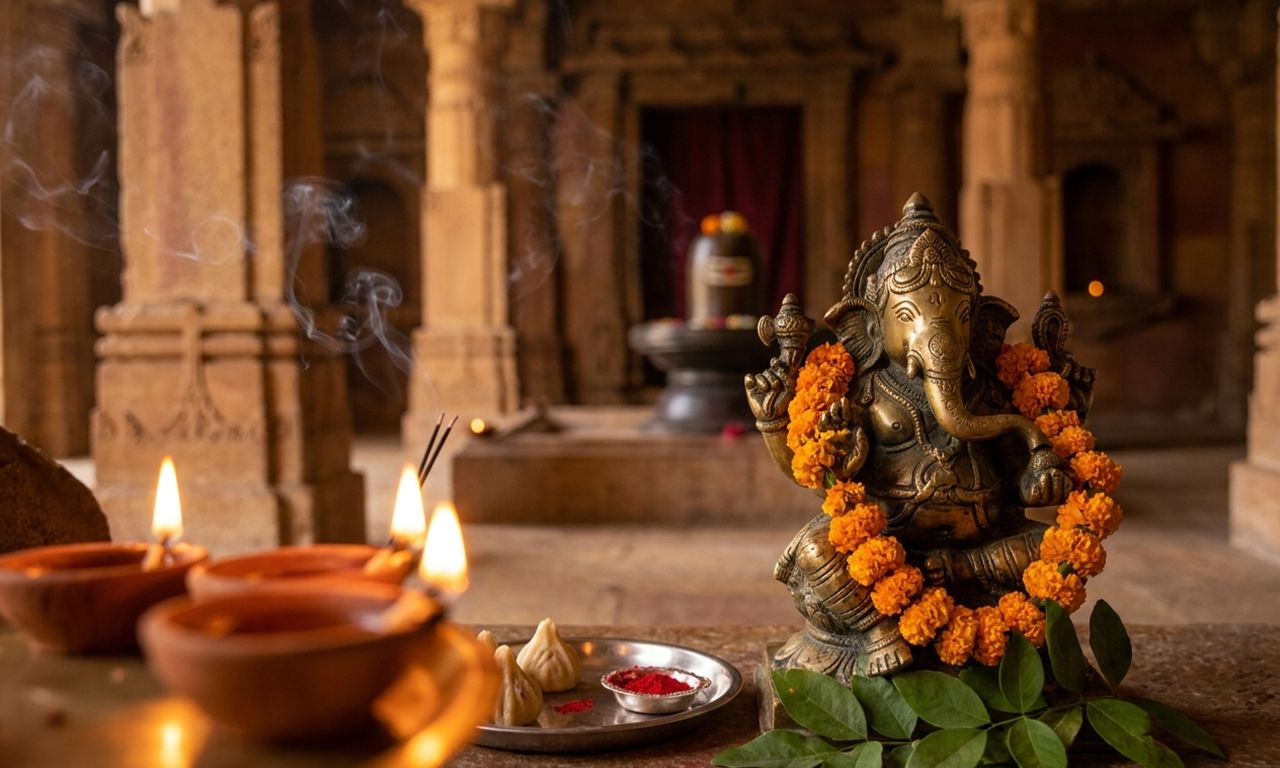
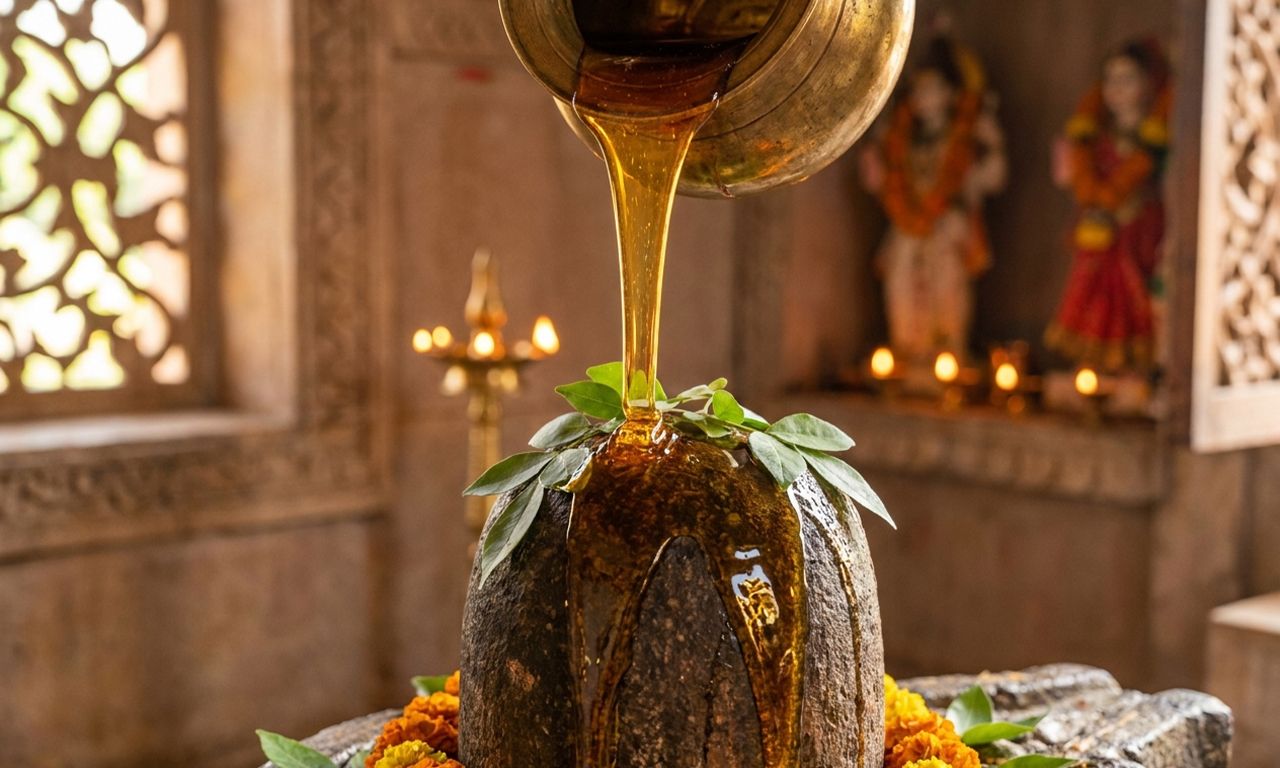
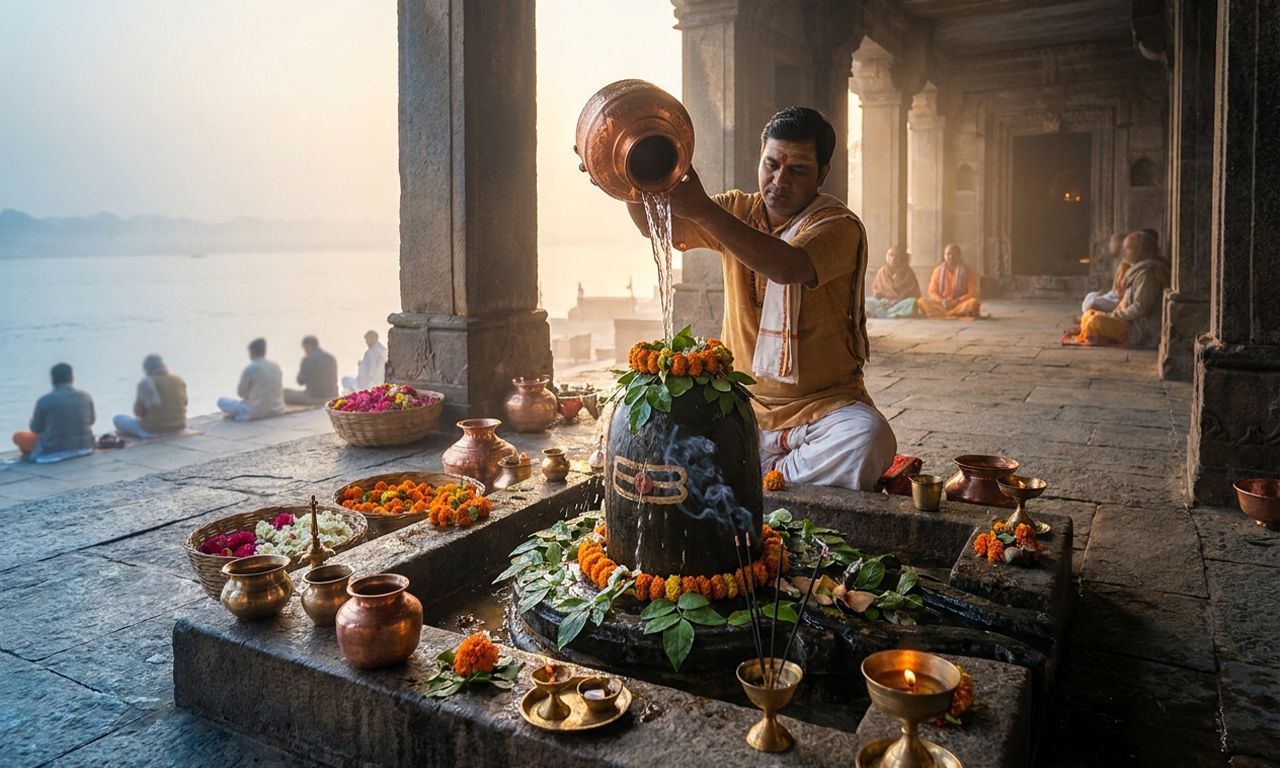
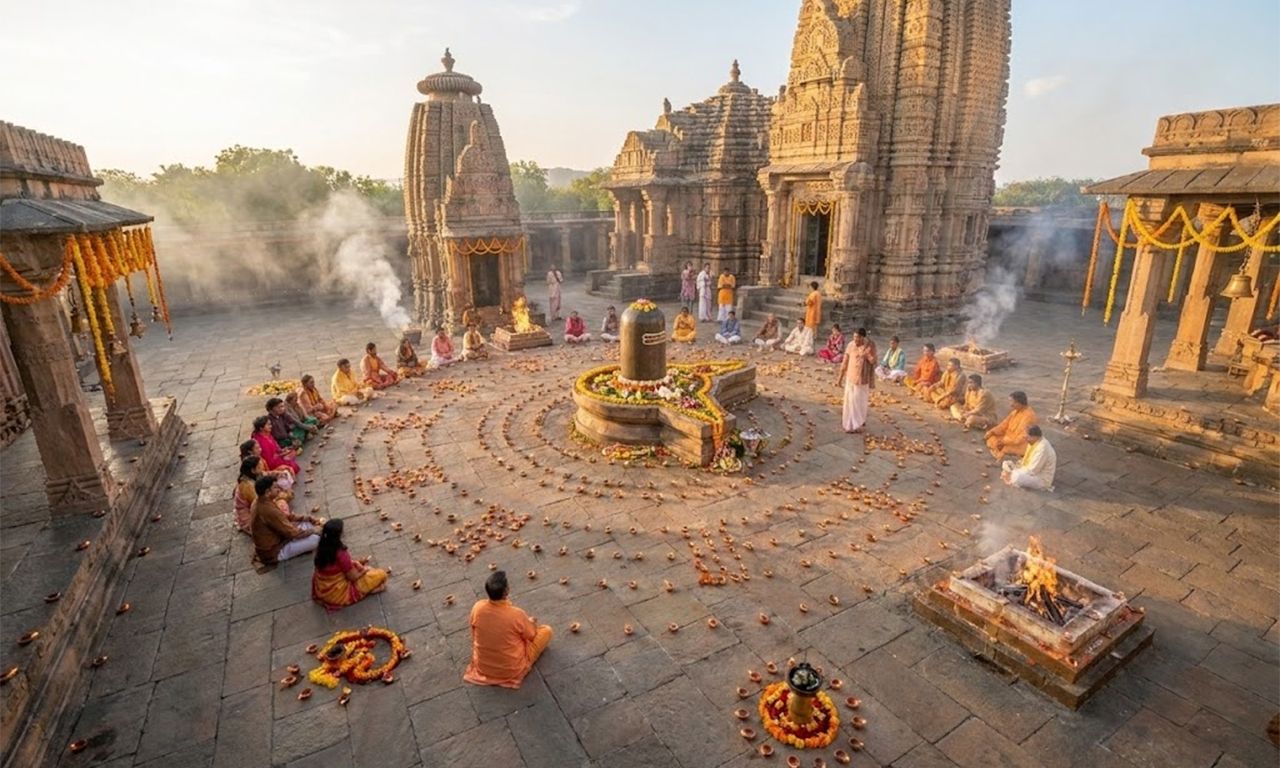
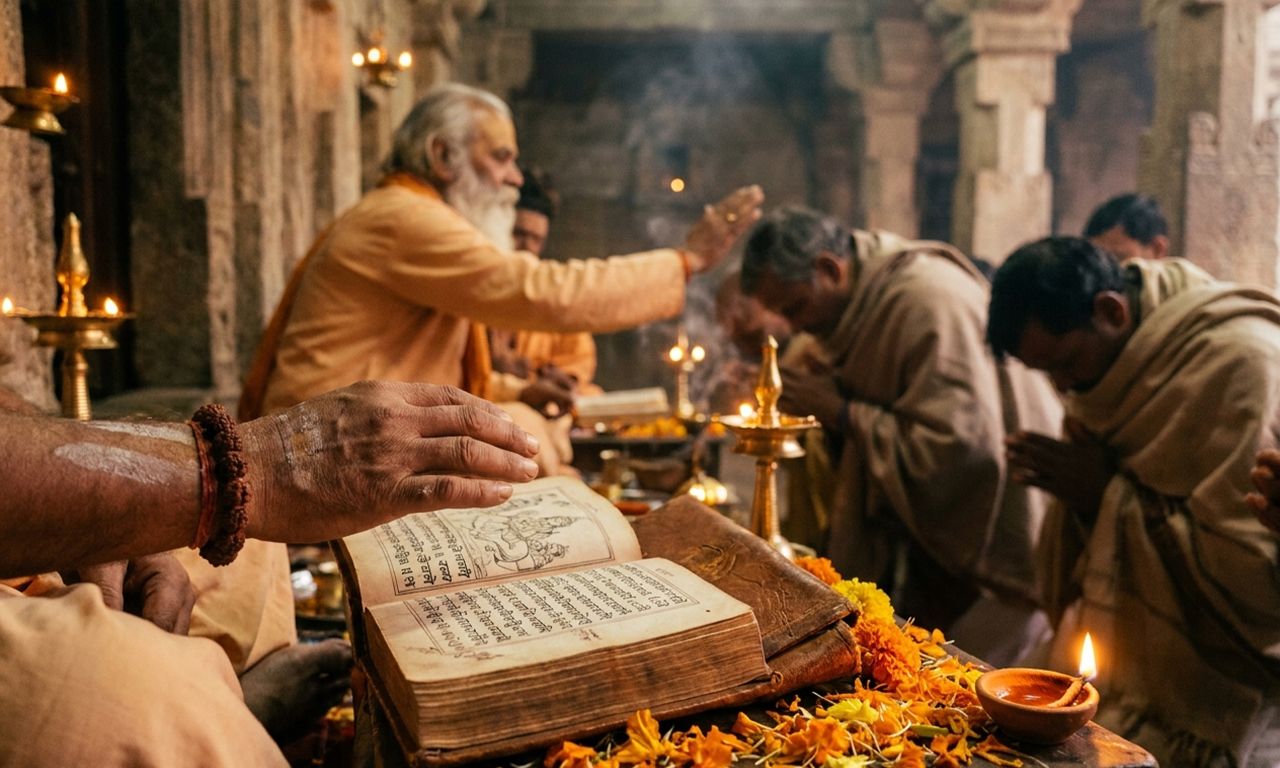
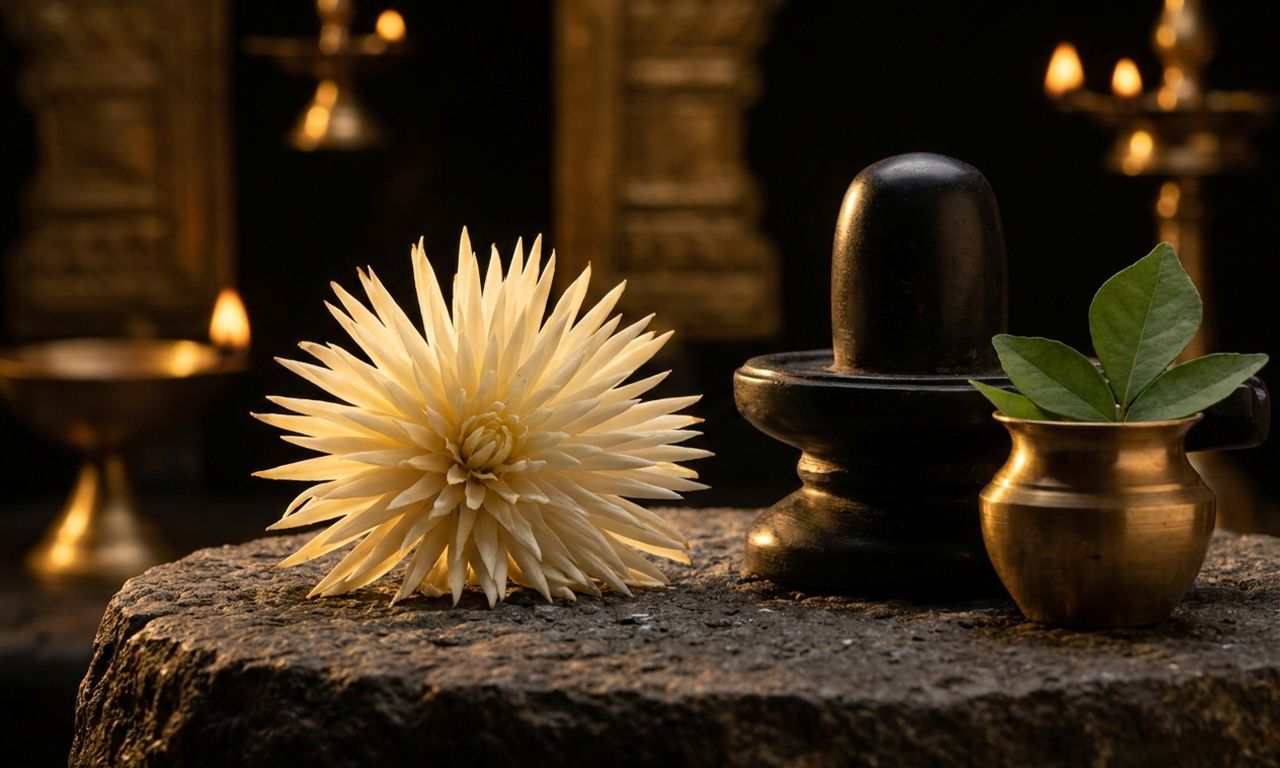
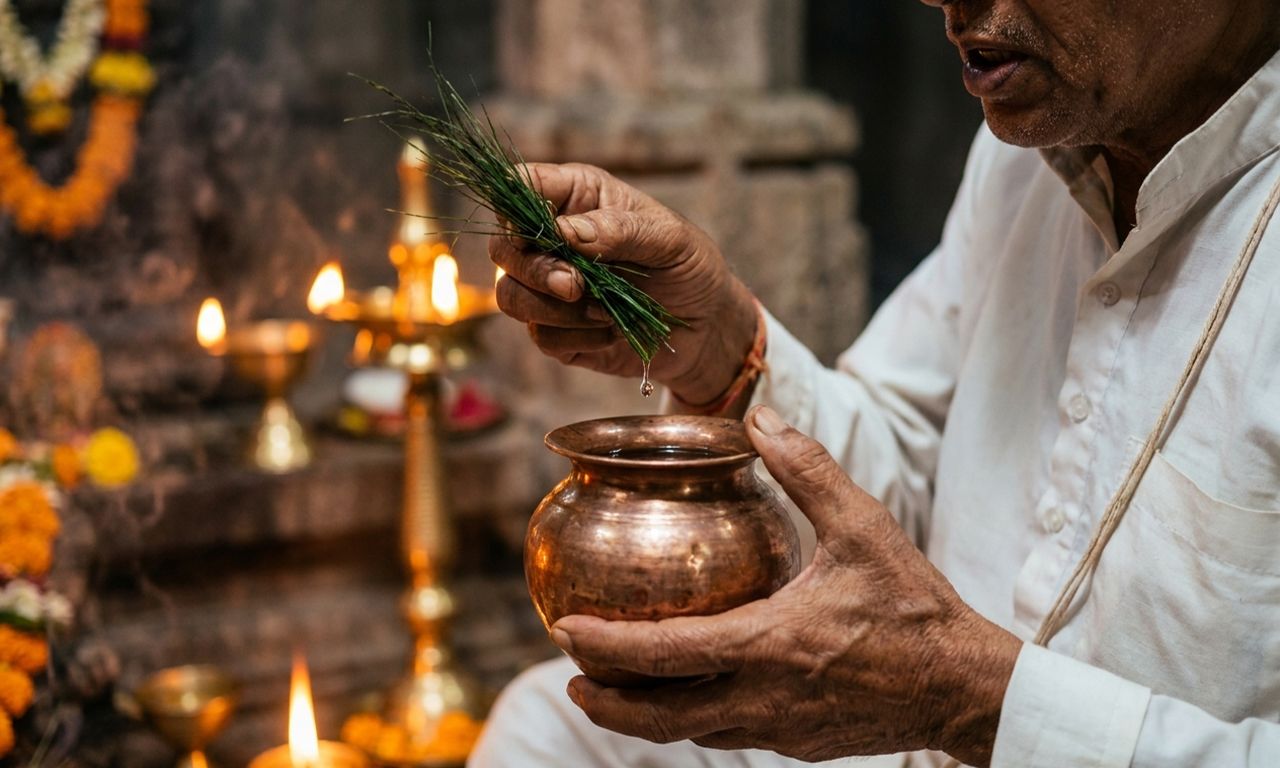
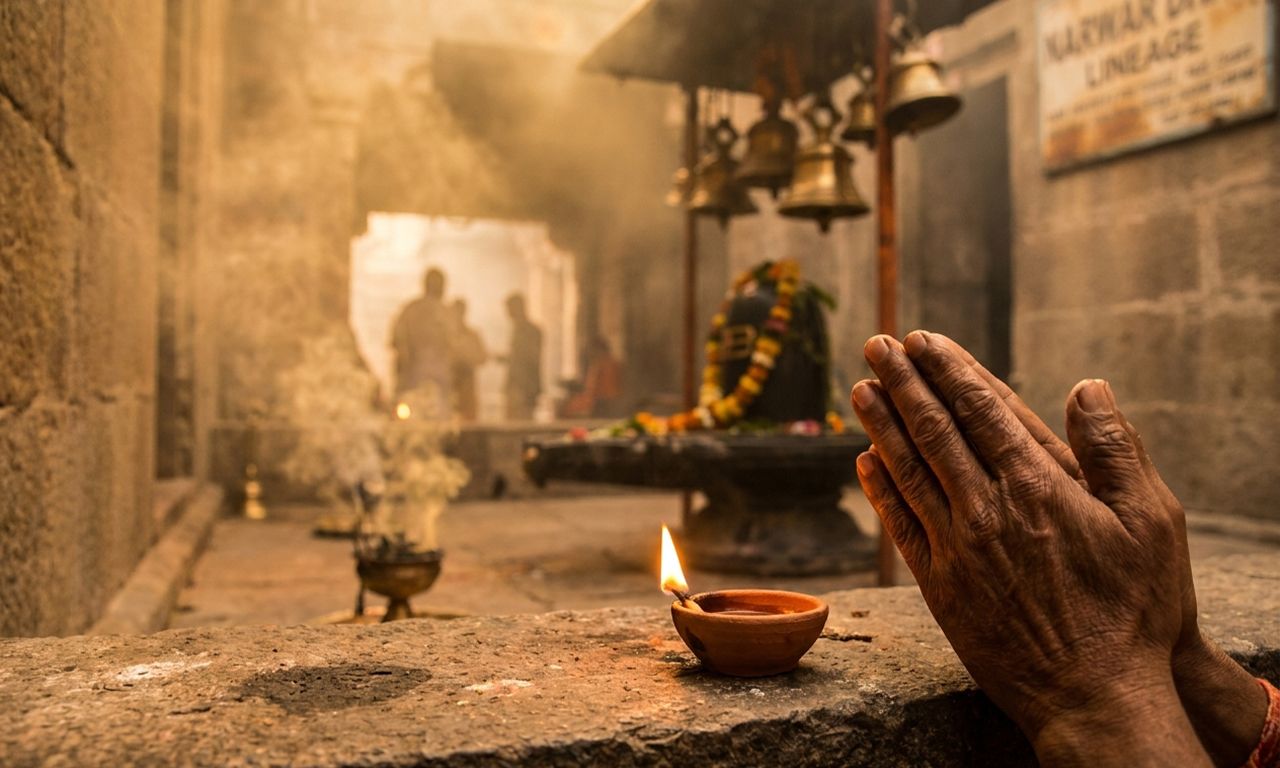
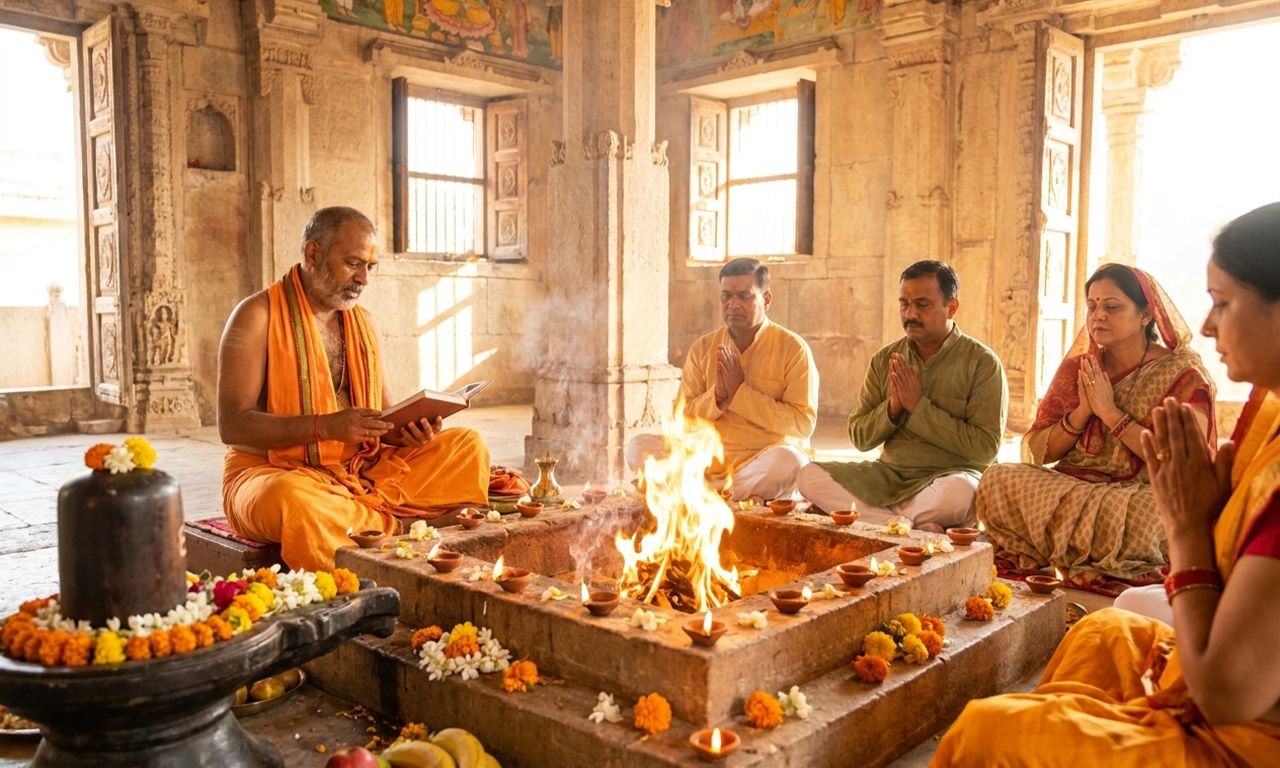
Guruji encourages devotees to keep Monday worship simple and sincere. Wake up early whenever possible. Take a bath and wear clean clothes. Light a Diya before Lord Shiva. Offer clean water to the Shivling. Offer Bilva Patra if available. Chant Om Namah Shivaya or the Mahamrityunjaya Mantra. Spend a few moments in silent Shiv Chintan. Pray not only for success but also for wisdom, patience and humility.
The goal is not to complete a ritual. The goal is to begin the week with devotion.
Monday During the Month of Sawan
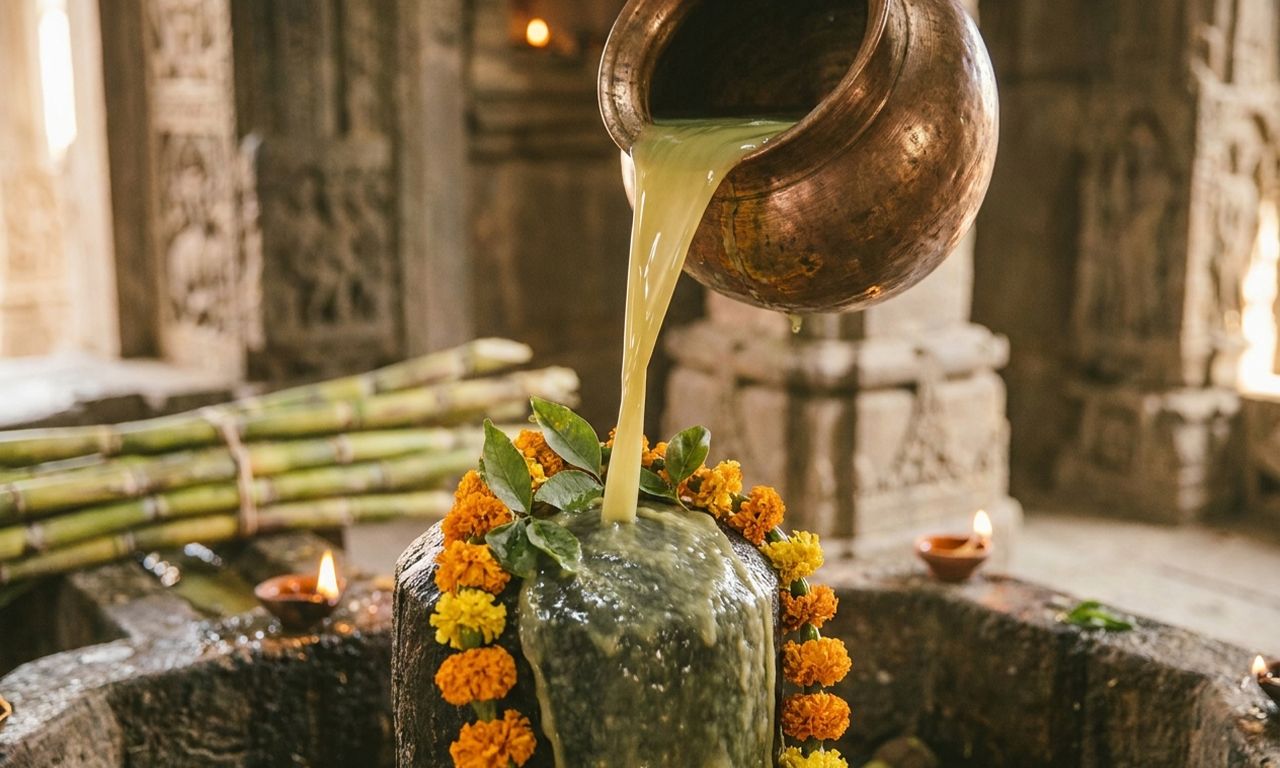
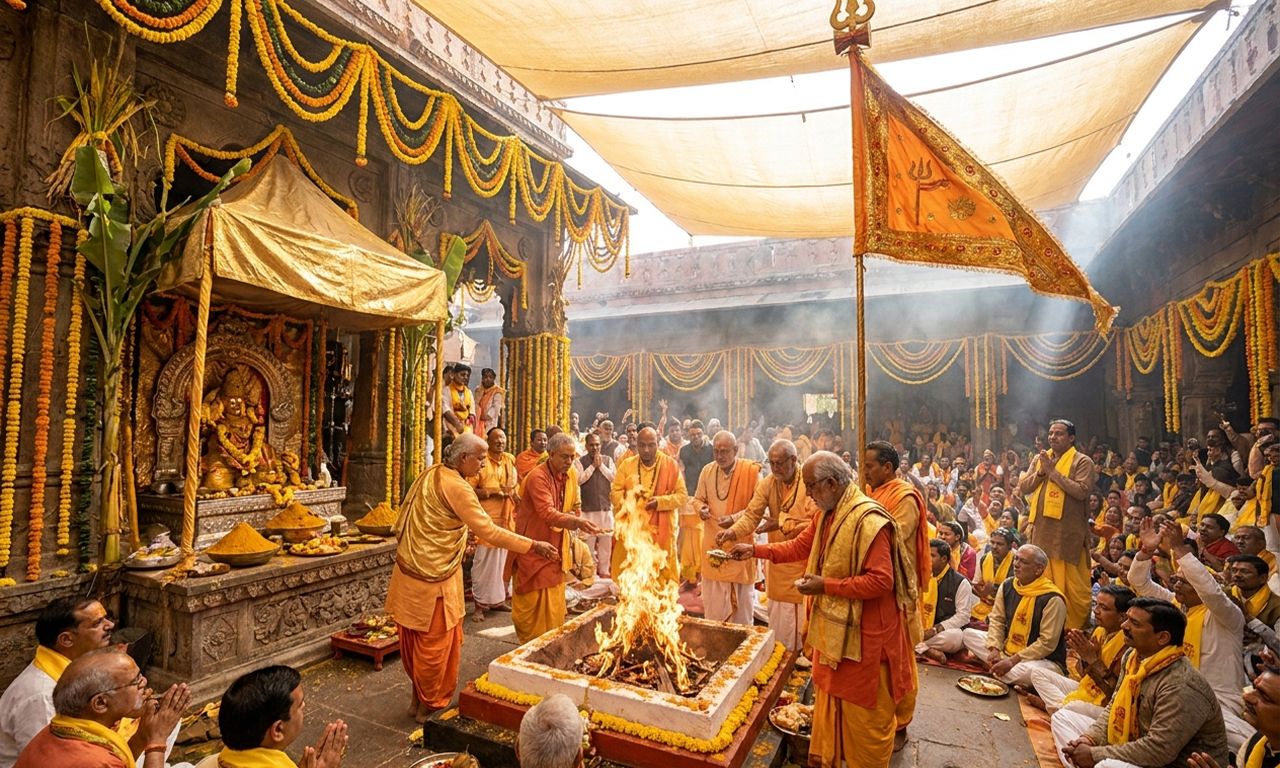
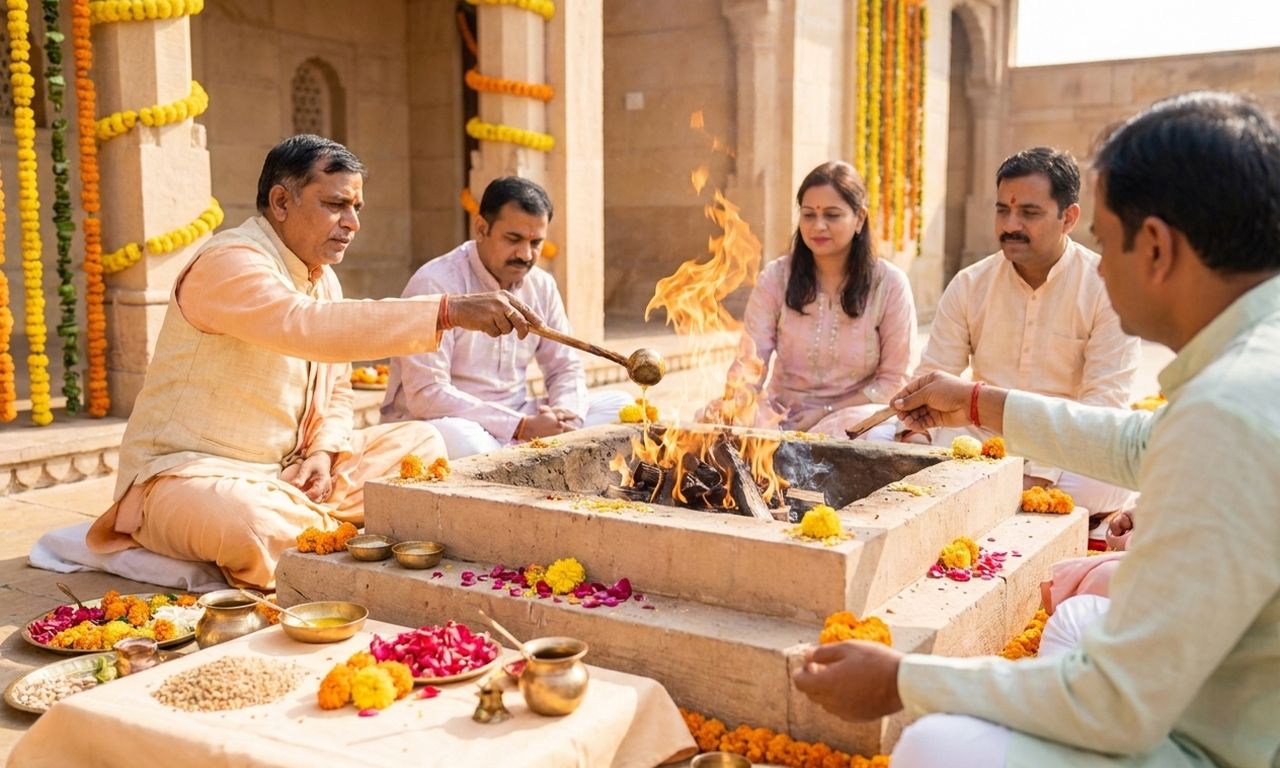
The significance of Monday becomes even greater during the sacred month of Sawan. Temples witness extraordinary devotion. Devotees perform Jal Abhishek and Rudrabhishek. Many observe all the Mondays of the month as a special spiritual discipline.
Guruji explains that Sawan should not be viewed as a period for seeking only worldly blessings. It is a month to renew one's commitment to spiritual practice. The devotion cultivated during Sawan should continue long after the month ends.
Can Working Professionals Observe Monday Worship?
Yes. Guruji reminds devotees that Mahadev understands every genuine circumstance. If your schedule is demanding, do not abandon worship because you cannot perform elaborate rituals.
Light a Diya before leaving for work. Offer water to the Shivling. Chant "Om Namah Shivaya" with full attention. Remember Mahadev while beginning your responsibilities. Consistency is more valuable than complexity.
The Real Offering on Monday
Guruji teaches that flowers, Bilva Patra and water are sacred offerings. Yet there is one offering that Lord Shiva values above all. A transformed heart.
If Monday worship helps us become: More patient. More truthful. More compassionate. More forgiving. More humble. Then the purpose of Somvar has been fulfilled. Without this inner transformation, rituals remain incomplete.
Common Mistakes During Somvar Worship
Guruji advises devotees to avoid several common misunderstandings. Do not worship out of fear. Do not fast only because others are doing so. Do not compare your devotion with anyone else. Do not expect immediate material rewards. Do not become discouraged if circumstances prevent elaborate rituals.
Instead, remember that Mahadev looks first at the heart of the devotee. Everything else comes afterwards.
Living Every Day Like a Somvar
One of Guruji's most beautiful teachings is that Monday should not remain confined to one day. The discipline learned on Monday should gradually shape the entire week.
If patience exists only on Monday, the lesson has not yet been learned. If humility disappears on Tuesday, worship has not yet entered the heart. The purpose of Somvar is to inspire a life in which every day begins with gratitude, every action reflects Dharma and every challenge strengthens faith in Mahadev.
The Narwar Dham Tradition
For more than 120 years, the Narwar Dham Guru Parampara has encouraged devotees to observe Somvar with both external worship and inner discipline. Alongside Jal Abhishek, Rudrabhishek and mantra chanting, Guruji emphasises cultivating humility, truthful living and constant remembrance of Lord Shiva.
Within this living tradition, Monday is not viewed as a day of ritual alone. It is a weekly opportunity to renew one's spiritual journey.
Frequently Asked Questions
Why is Monday dedicated to Lord Shiva?
Monday, or Somvar, is associated with the Moon, and Lord Shiva is worshipped as Chandrasekhar, the One who bears the crescent moon. The day encourages devotees to cultivate peace, discipline and regular remembrance of Mahadev.
Does Lord Shiva bless devotees only on Monday?
No. Guruji teaches that Lord Shiva accepts sincere devotion every day. Monday is considered especially sacred because it helps establish a regular spiritual practice.
What should I do on Monday for Lord Shiva?
Devotees may offer water to the Shivling, place Bilva Patra, chant "Om Namah Shivaya" or the Mahamrityunjaya Mantra, observe Somvar Vrat if appropriate, and spend time in Shiv Chintan.
Is fasting compulsory on Monday?
No. Fasting is a personal spiritual discipline, not a compulsory requirement. Devotion, humility and sincere remembrance of Lord Shiva are always more important than physical austerity alone.
Why are Sawan Mondays considered especially important?
The month of Sawan inspires deeper devotion towards Lord Shiva. Mondays during Sawan become an opportunity to strengthen prayer, worship and spiritual discipline while participating in traditions such as Jal Abhishek and Rudrabhishek.
From Faith to Sadhana
Every Monday offers a fresh opportunity to strengthen your relationship with Mahadev. While daily worship at home nurtures devotion, participating in an authentic Rudrabhishek performed according to the Vedic tradition allows your Sankalp to become part of a sacred lineage.
Through SiddhiStar, you can offer your name and gotra for a Rudrabhishek conducted by learned Acharyas of the 120-year-old Narwar Dham Guru Parampara, where every mantra and every offering is performed with devotion, discipline and scriptural authenticity.
Begin your week with Mahadev, and deepen that devotion through the timeless traditions of Narwar Dham.