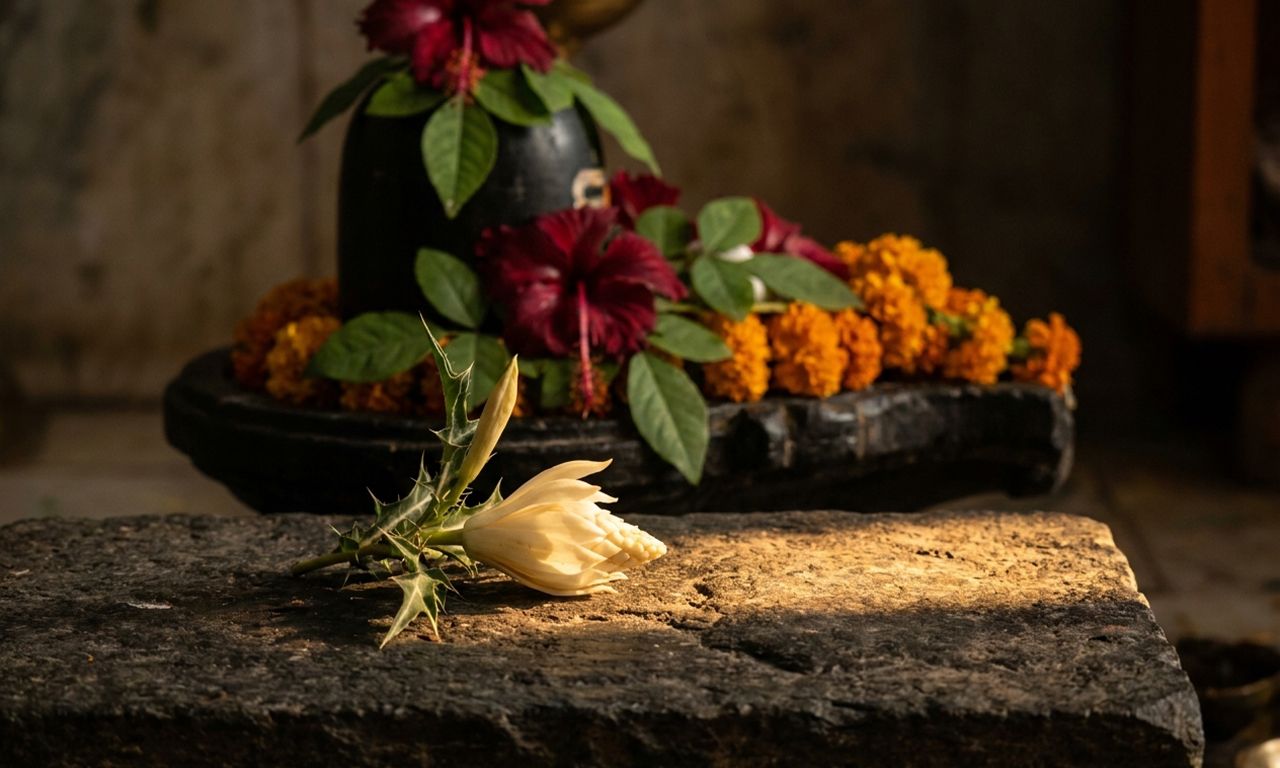
Why Does Lord Shiva Drink Poison? The Story and Spiritual Meaning of Neelkanth
By SiddhiStar | Narwar Dham Parampara
21 July 2026 • 6 min read
Among the countless stories associated with Lord Shiva, one of the most powerful is His becoming Neelkanth, the One with the blue throat. During the great Samudra Manthan, when a deadly poison emerged that threatened to destroy all creation, it was Lord Shiva who stepped forward to protect the universe.
Every devotee has heard this story. But an important question remains. Why did Lord Shiva drink poison? Was it merely an act of divine power? Or does this incident hold a timeless lesson for every human being?
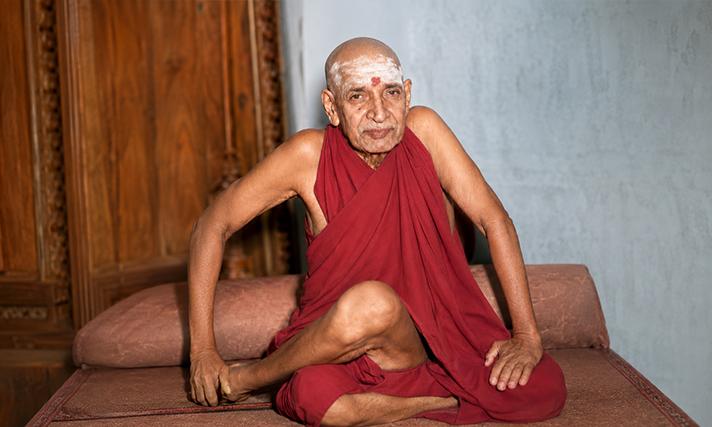
Param Pujya Mahesh Prakash Sharma Ji teaches that every Leela of Mahadev carries profound spiritual guidance. The story of Neelkanth is not simply about poison. It is about responsibility. Compassion. Sacrifice. And the extraordinary ability to protect others while remaining firmly established in Dharma. Lord Shiva teaches us that true greatness is measured not by what we receive, but by what we are willing to endure for the welfare of others.
Guruji explains that every person possesses some form of strength. Knowledge. Influence. Wealth. Authority. Physical ability. The real purpose of these gifts is not personal pride. They are meant to serve society. Mahadev demonstrates this truth by accepting suffering Himself so that the world may remain safe.
What Happened During Samudra Manthan?
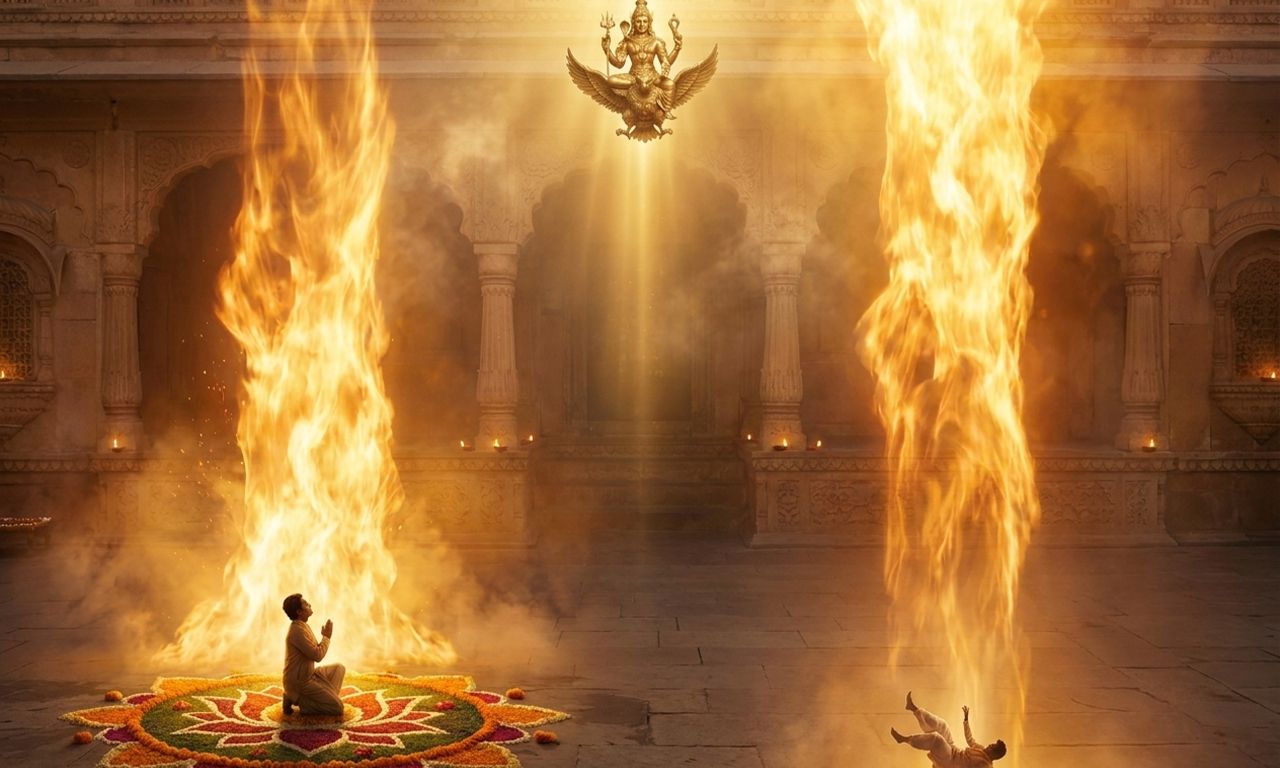
According to the sacred tradition, the Devas and Asuras together undertook the Samudra Manthan, the churning of the cosmic ocean. Many divine treasures emerged during this great event. However, before the precious gifts appeared, an extremely dangerous poison known as Halahala arose. Its destructive power threatened all creation. Neither the Devas nor the Asuras could contain it. The entire universe stood in danger. At that moment, Lord Shiva stepped forward.
Why Did Lord Shiva Drink the Poison?
Guruji teaches that Mahadev did not act to display His power. He acted out of compassion. When the welfare of creation was at stake, He accepted the burden that no one else could bear.
This is the nature of true leadership. True leadership does not seek comfort while others suffer. It accepts responsibility. It protects. It serves. Lord Shiva became Neelkanth because He chose the welfare of the universe above His own comfort.
Why Did the Poison Remain in His Throat?
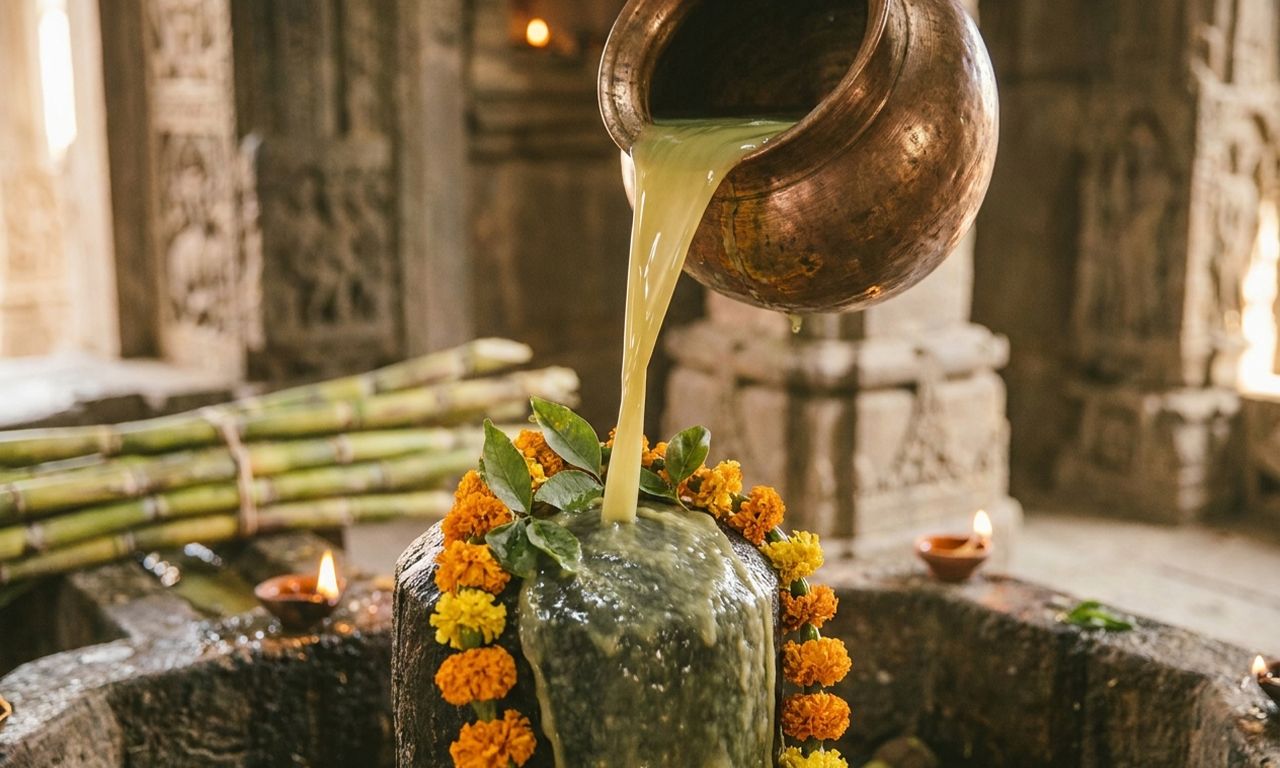
One of the most beautiful aspects of this Leela is that Lord Shiva neither swallowed the poison nor spat it out. The poison remained in His throat, turning it blue.
Guruji explains that this too carries a profound lesson. Negativity should neither be allowed to enter the heart nor be spread into the world. Instead, it must be transformed through wisdom, patience and self-control. Every devotee encounters anger. Insults. Failures. Disappointments. Mahadev teaches us not to let these poisons rule our lives.
The Spiritual Meaning of Neelkanth
Guruji explains that every human being faces different forms of poison. Harsh words. Jealousy. Hatred. Pride. Fear. Greed. These may not be physical poisons, but they are equally destructive to inner peace.
The story of Neelkanth reminds devotees that spiritual strength lies in learning how to face negativity without becoming negative ourselves.
Compassion Above Self
Lord Shiva could have chosen His own safety. Instead, He chose the protection of all beings. Guruji teaches that compassion is one of the highest expressions of devotion.
Helping others. Forgiving mistakes. Supporting those in difficulty. Speaking kindly. Standing beside someone during hardship. These are modern expressions of the same compassion demonstrated by Mahadev.
The Poison We Must Remove From Our Lives
Guruji encourages devotees to reflect upon the poisons that quietly enter everyday life. Anger that refuses to leave. Ego that seeks constant recognition. Jealousy of another person's success. Attachment to temporary pleasures. Harsh speech that hurts others.
These poisons disturb the mind far more than we realise. Real Shiva worship means identifying them and gradually removing them through prayer, self-discipline and remembrance of Mahadev.
Why This Story Matters Today
The story of Neelkanth is as relevant today as it was thousands of years ago. Modern life often creates stress, conflict and emotional pressure. Guruji reminds us that spiritual maturity does not mean escaping difficulties. It means responding to them with patience, wisdom and compassion. Just as Mahadev protected the world, every devotee should strive to protect peace within the family, the workplace and society.
Becoming a True Devotee of Neelkanth
Guruji teaches that the greatest tribute to Lord Shiva is not merely remembering this story. It is living its message.
Control anger before it harms relationships. Replace criticism with kindness. Choose service over selfishness. Stand for truth without hatred. Carry responsibility without complaint. When these qualities become part of daily life, the devotee truly walks in the footsteps of Neelkanth.
The Narwar Dham Tradition
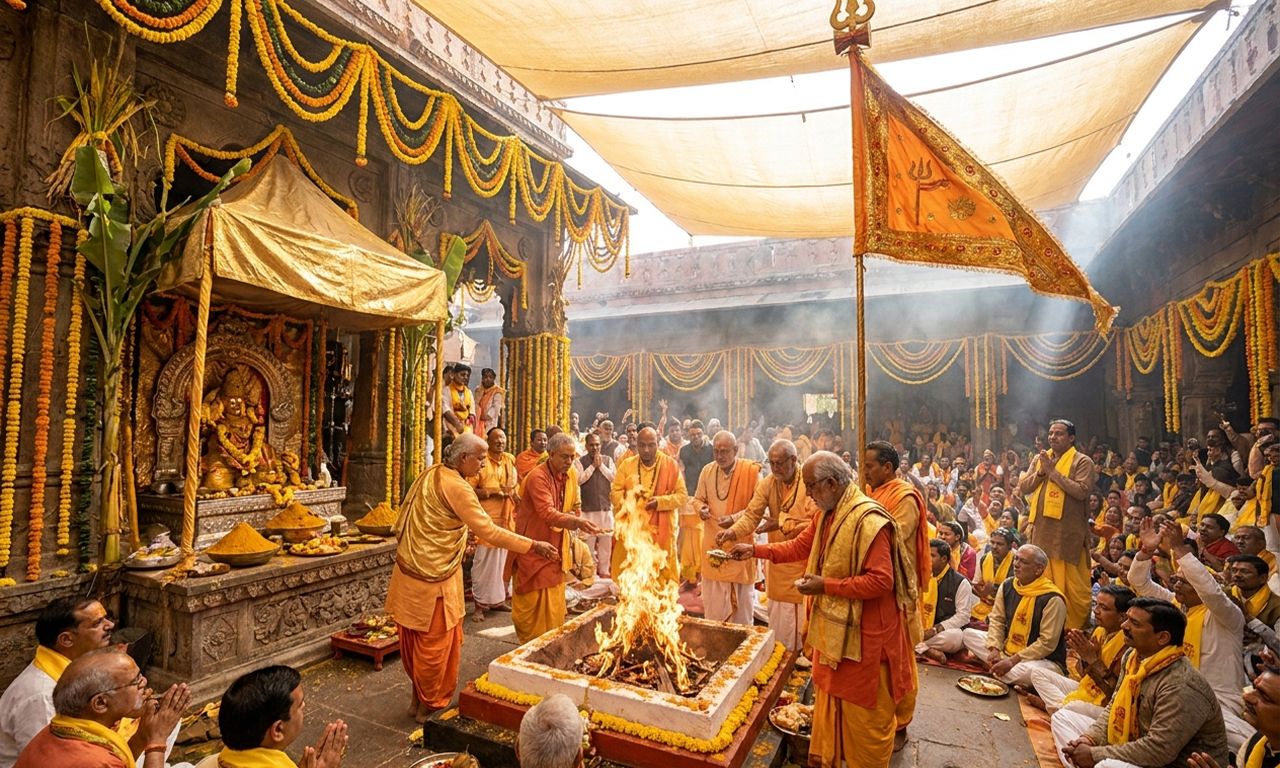
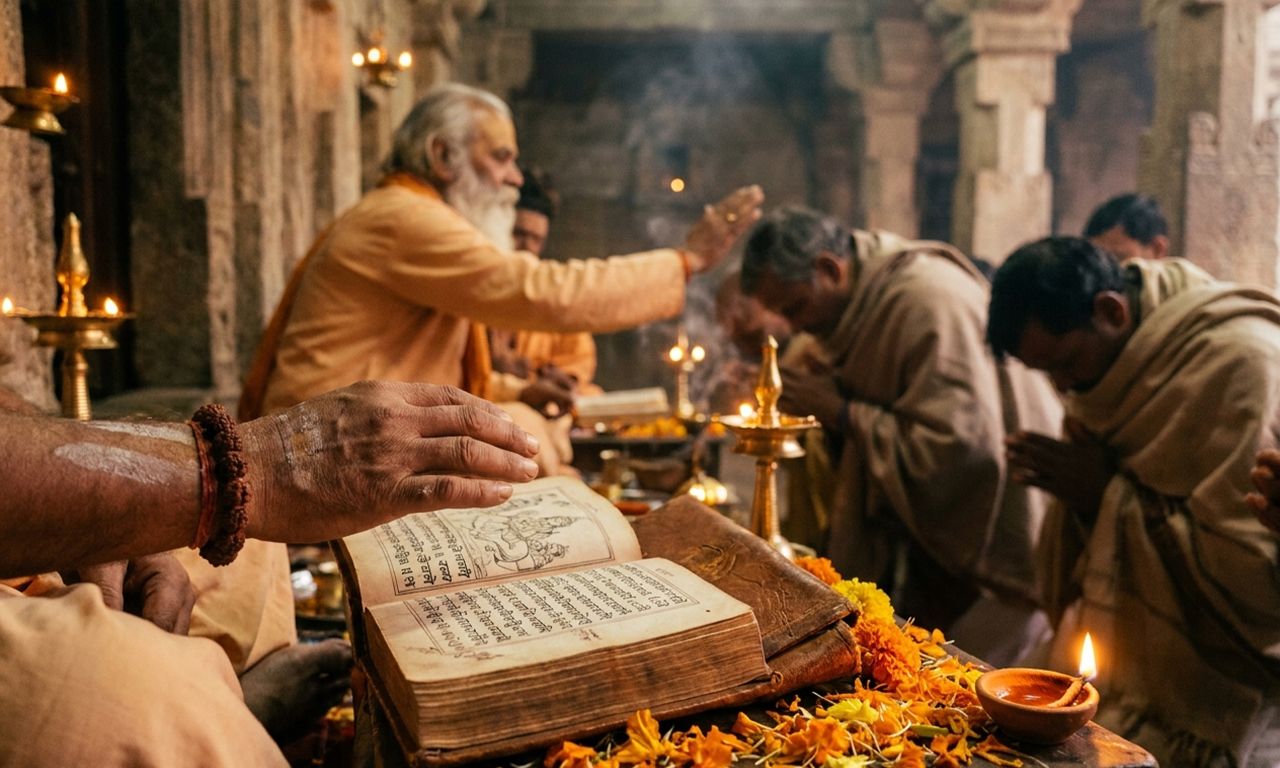
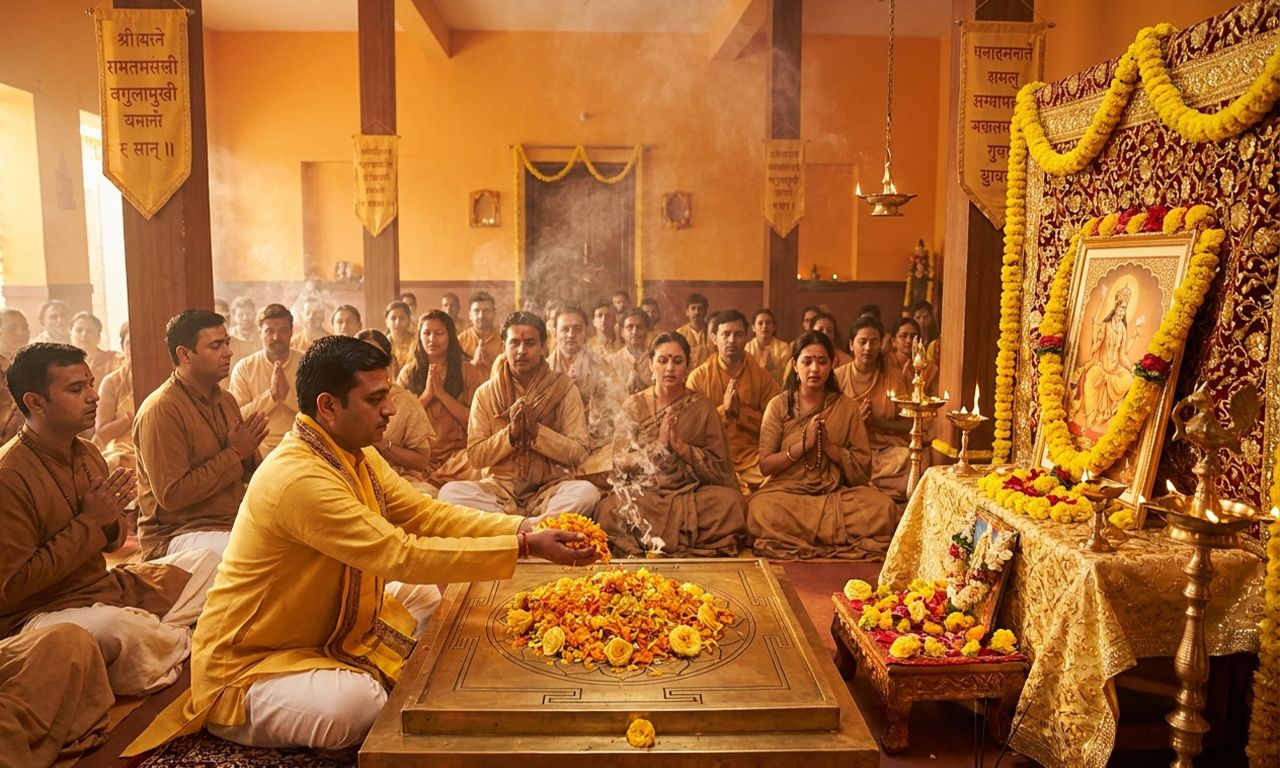
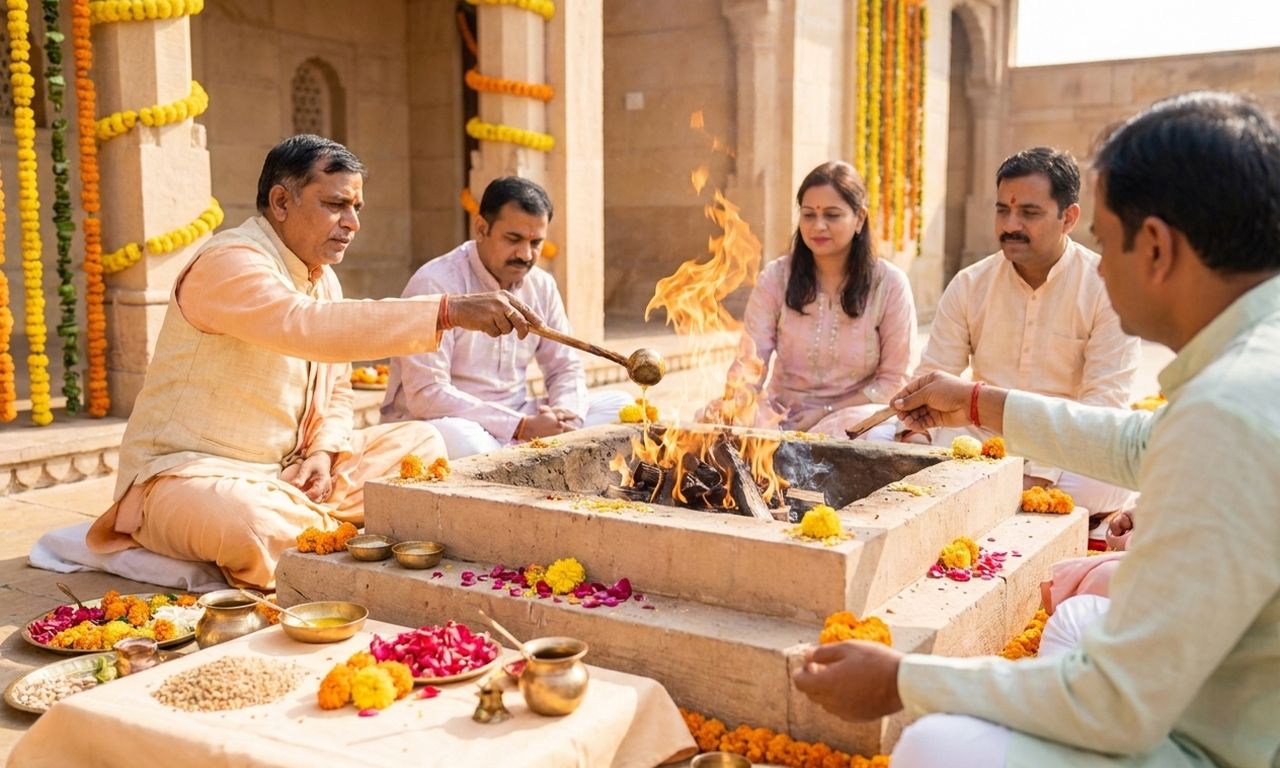
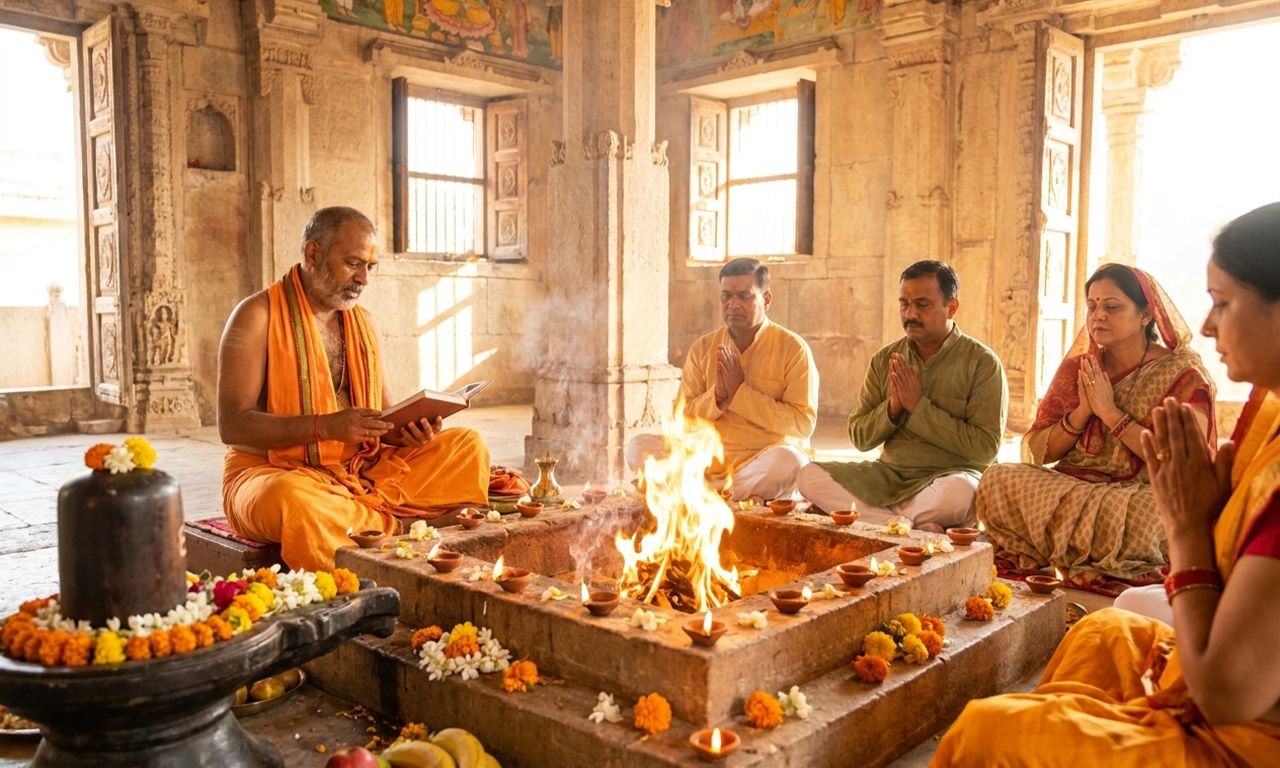
For more than 120 years, the Narwar Dham Guru Parampara has taught that every Leela of Lord Shiva is meant to transform the devotee's life. Through Rudrabhishek, Shiv Chintan, mantra chanting and authentic Vedic worship, devotees are encouraged not only to remember Mahadev's actions but also to cultivate His qualities of compassion, courage and selfless service. Every Sankalp offered before Lord Shiva becomes a prayer to grow spiritually and live according to Dharma.
Frequently Asked Questions
Why did Lord Shiva drink poison?
According to the sacred tradition, Lord Shiva drank the deadly Halahala poison during the Samudra Manthan to protect the entire universe from destruction.
Why is Lord Shiva called Neelkanth?
He is called Neelkanth because the poison remained in His throat, turning it blue without harming the rest of His body.
What is the spiritual meaning of Neelkanth?
Guruji teaches that Neelkanth symbolises compassion, responsibility, self-control and the ability to transform negativity instead of spreading it.
What does the poison represent in our lives?
Spiritually, the poison represents anger, ego, jealousy, greed, fear and other negative tendencies that disturb inner peace.
How can devotees follow the teachings of Neelkanth?
By cultivating patience, compassion, humility, self-control and a sincere commitment to serving others while remembering Lord Shiva in daily life.
From Faith to Sadhana
The story of Neelkanth reminds us that true devotion is expressed through compassion, responsibility and surrender to Mahadev. One of the most meaningful ways to offer that surrender is through an authentic Rudrabhishek performed in your name.
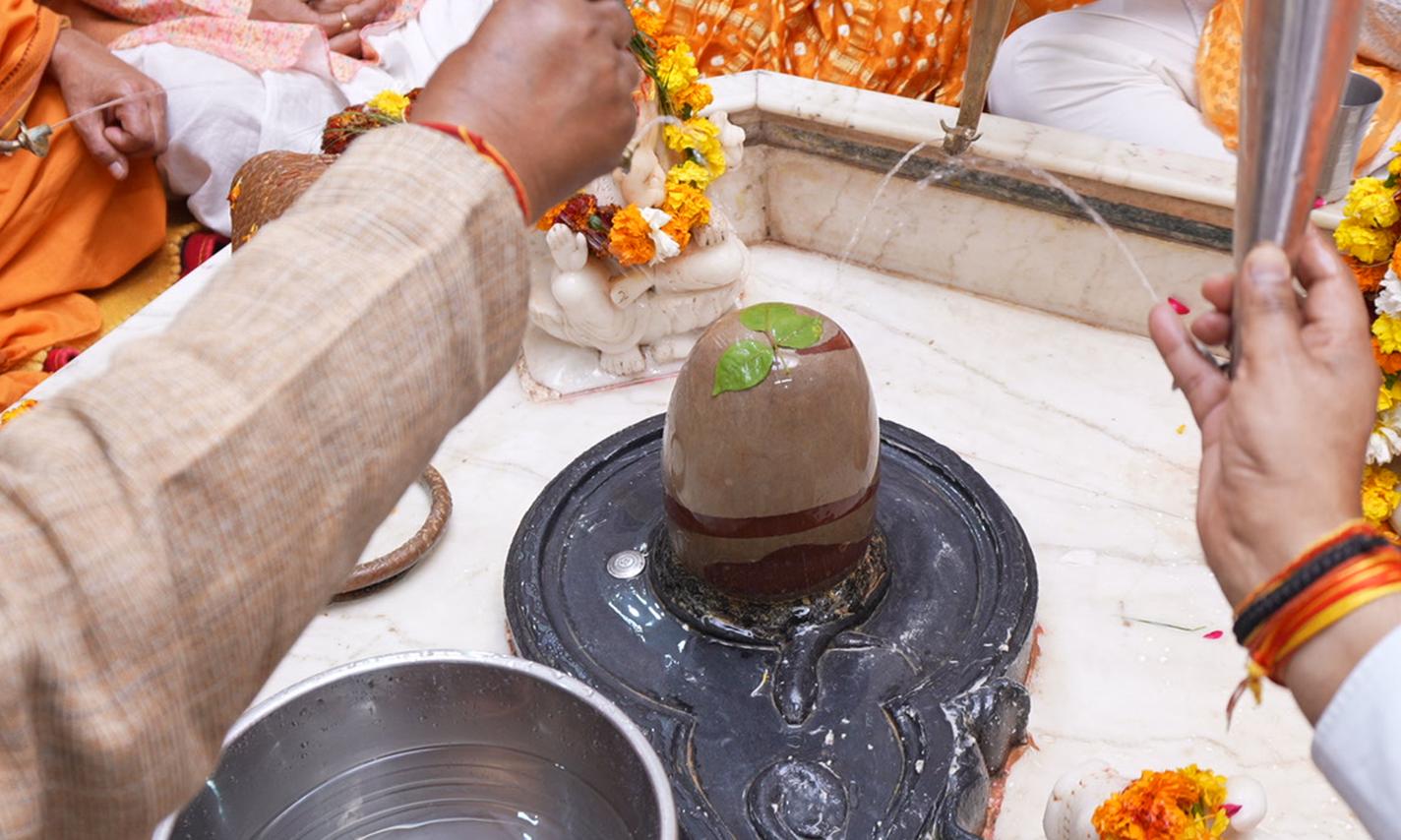
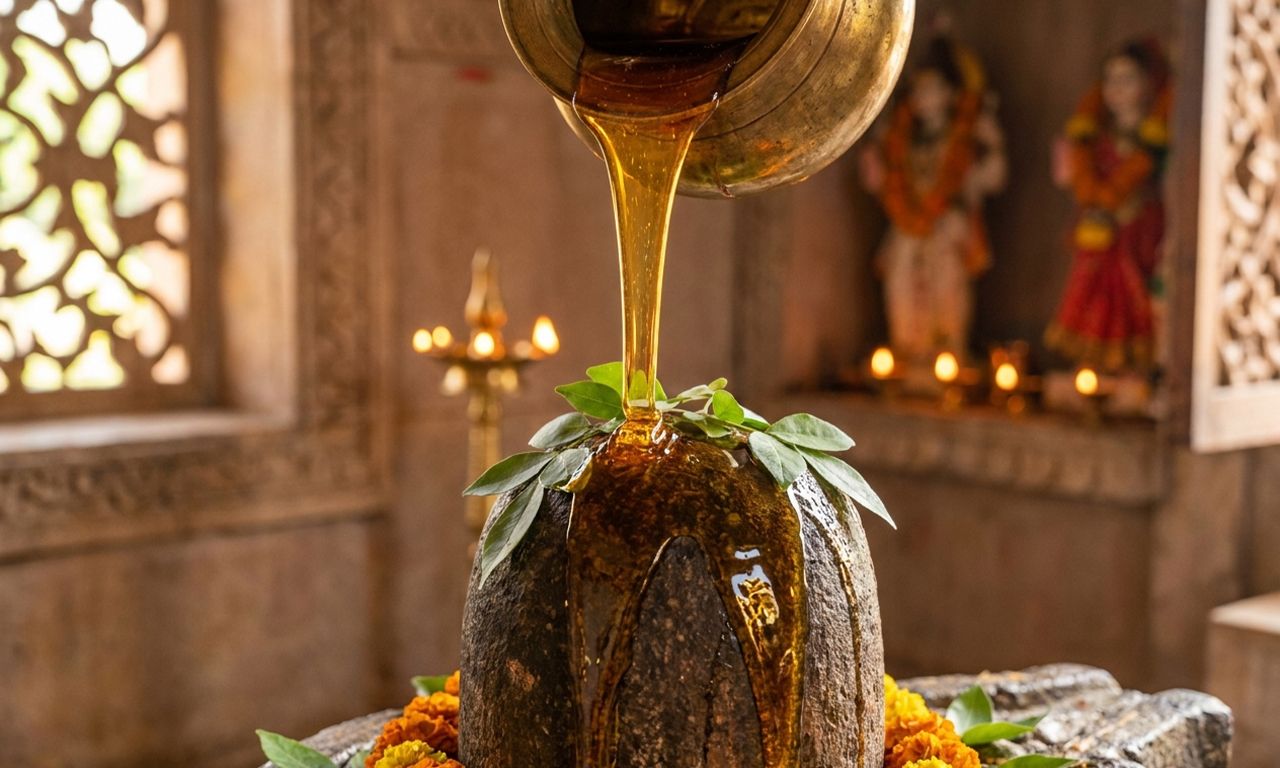
At Narwar Dham, learned Acharyas of the 120-year-old Guru Parampara perform Vedic Rudrabhishek with your name and gotra included in the sacred Sankalp. Every mantra, every offering and every prayer is dedicated to Lord Shiva according to time-honoured tradition.
Offer your Sankalp today through SiddhiStar and let your prayers become part of an authentic Rudrabhishek, seeking Mahadev's blessings for peace, strength and spiritual growth.