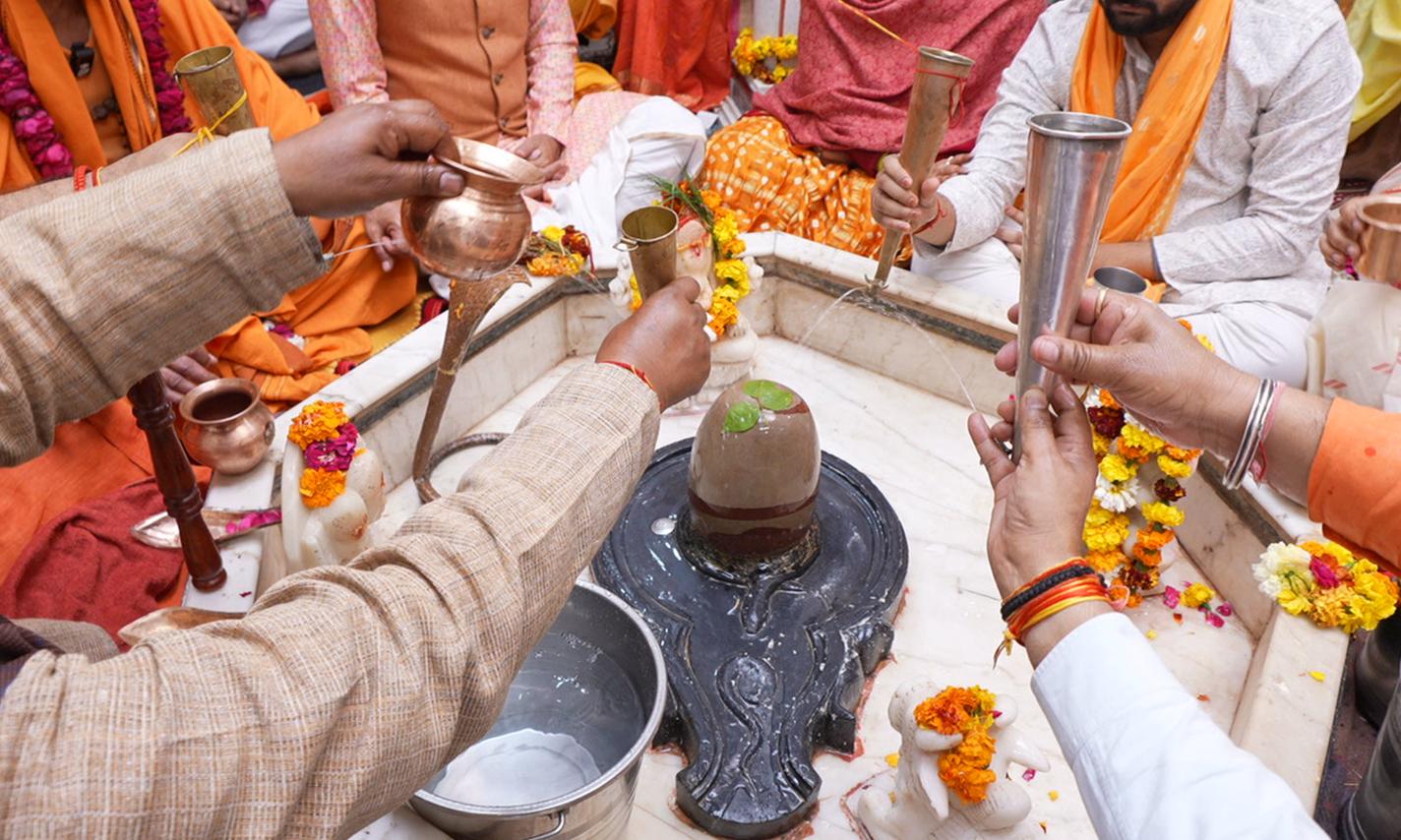
Why Do We Offer Water to the Shivling? The Spiritual Significance of Jal Abhishek
By SiddhiStar | Narwar Dham Parampara
21 July 2026 • 6 min read
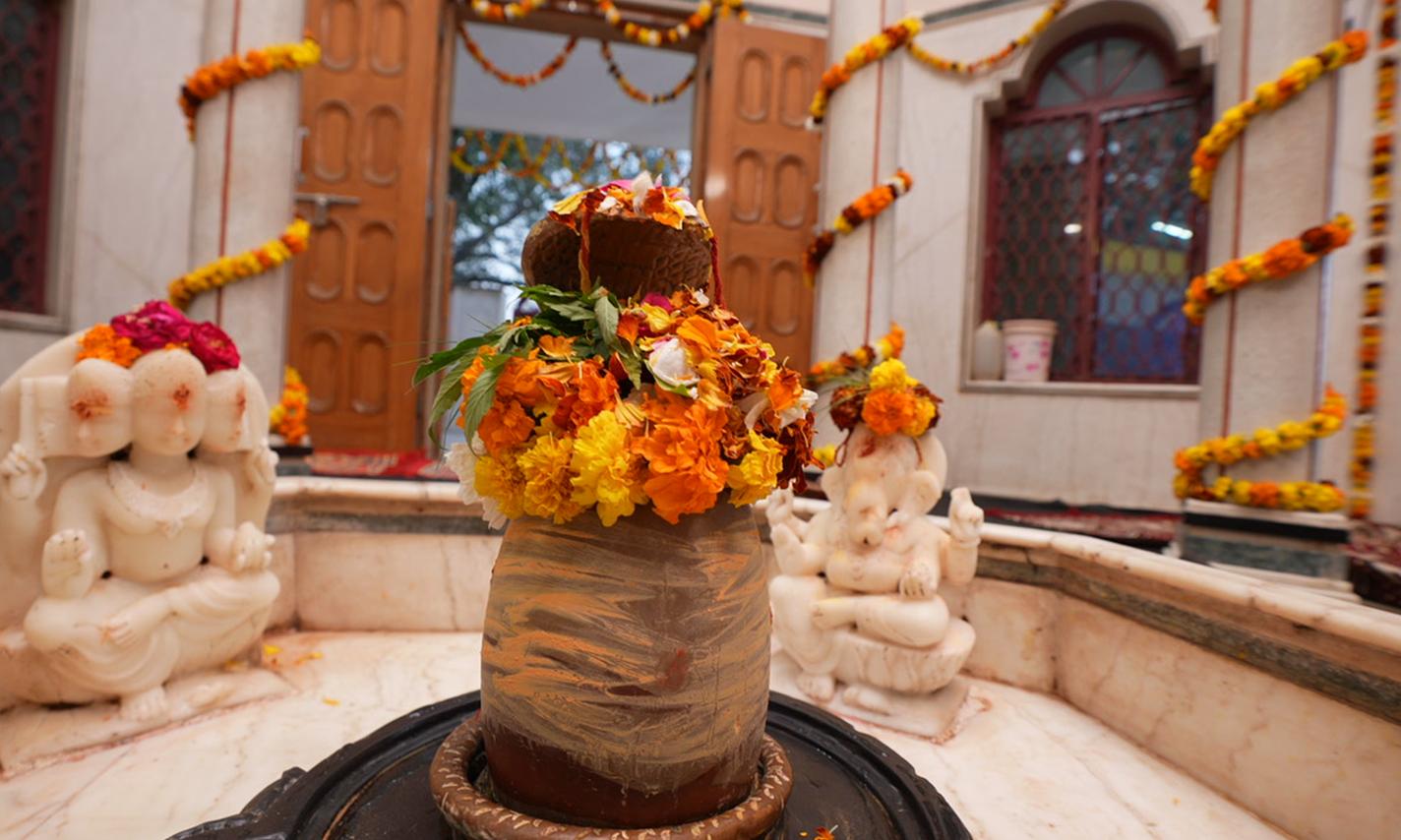
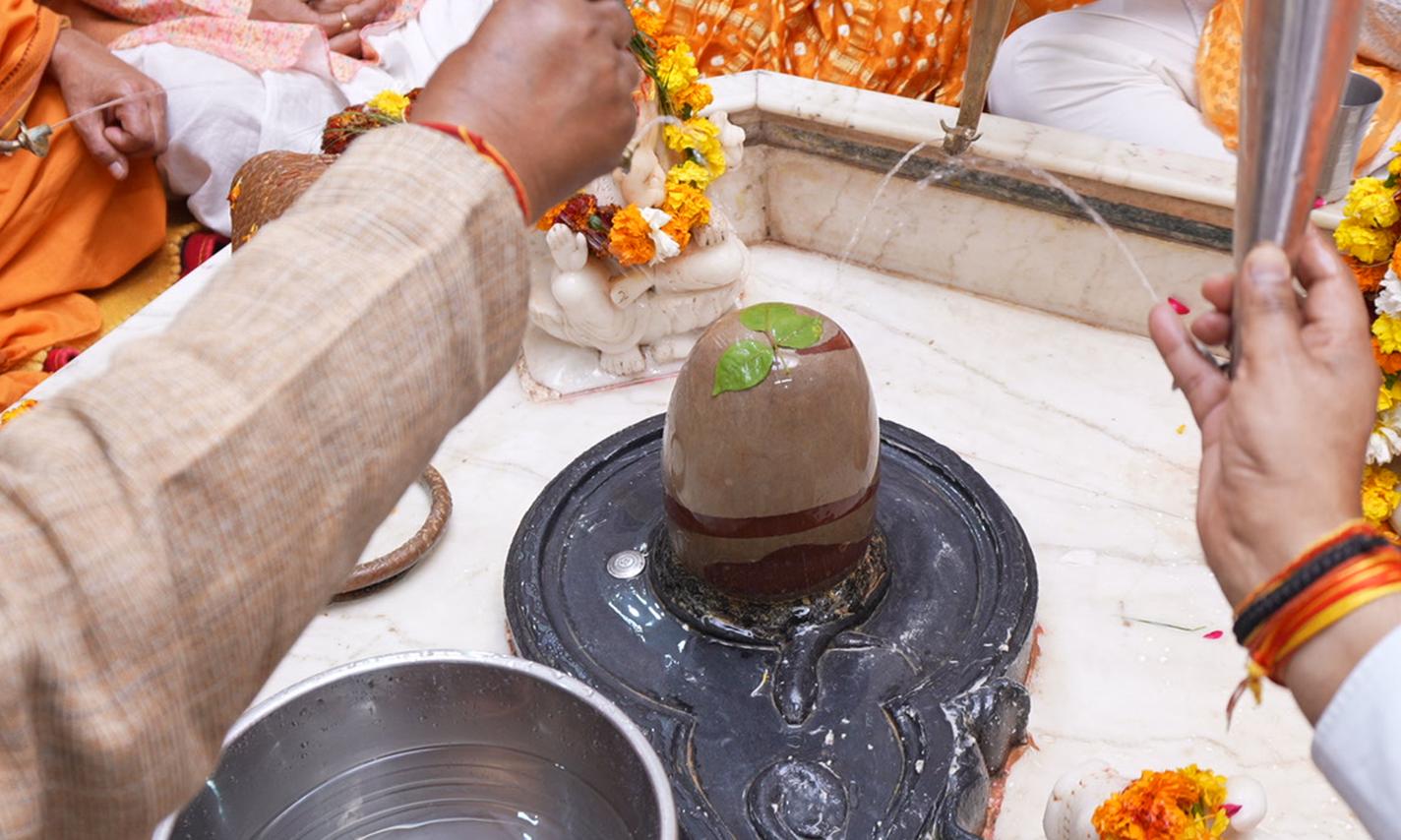
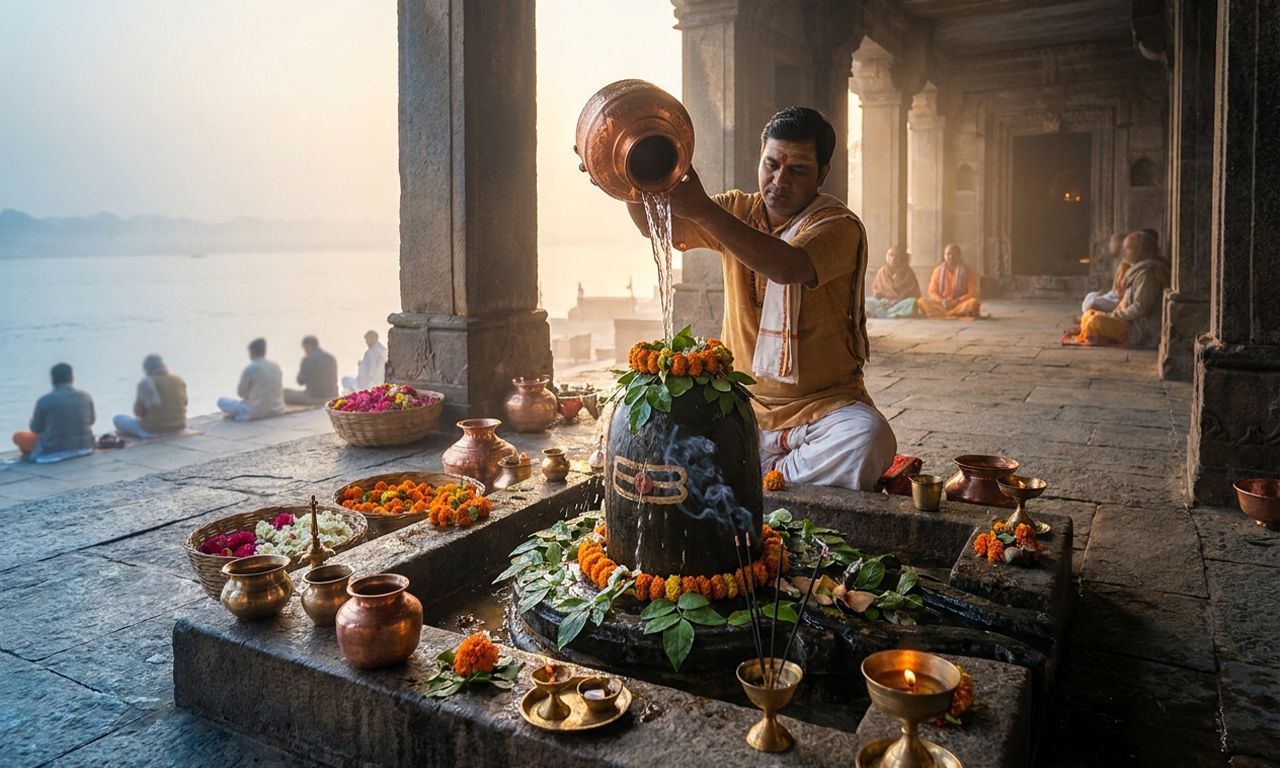
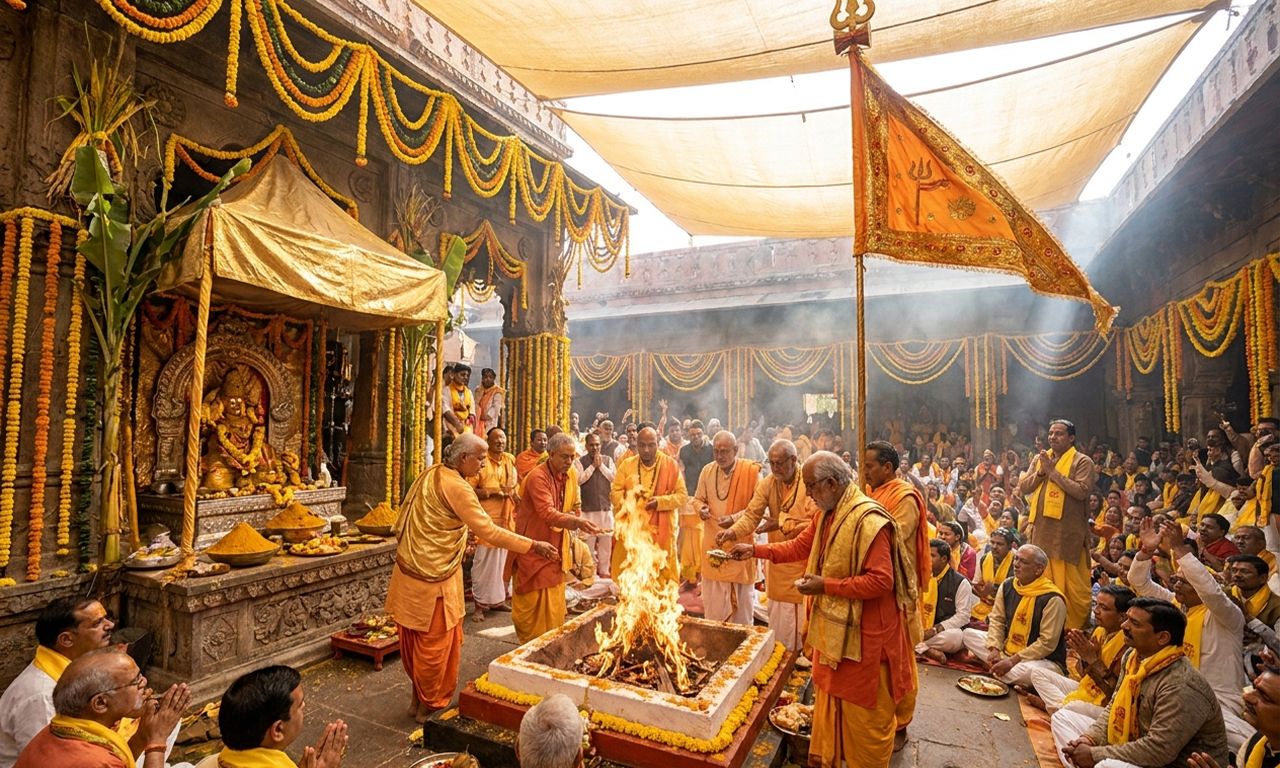
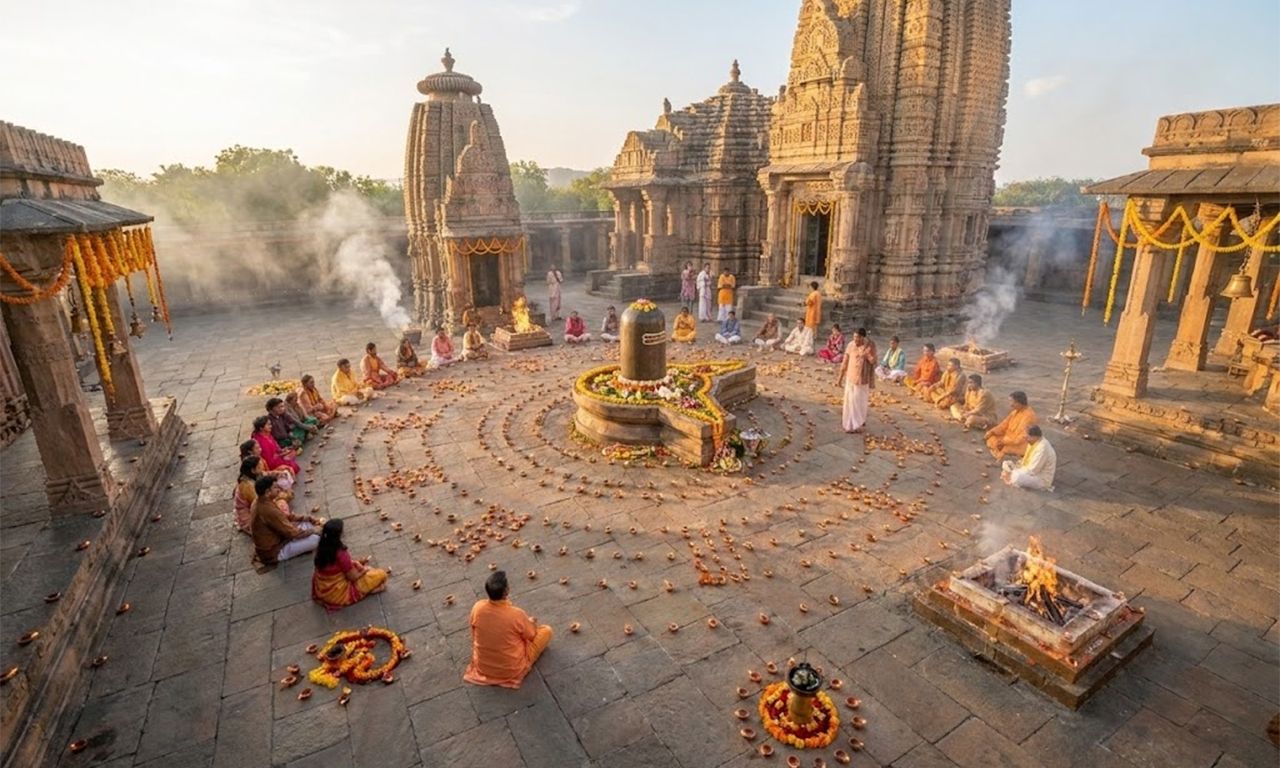
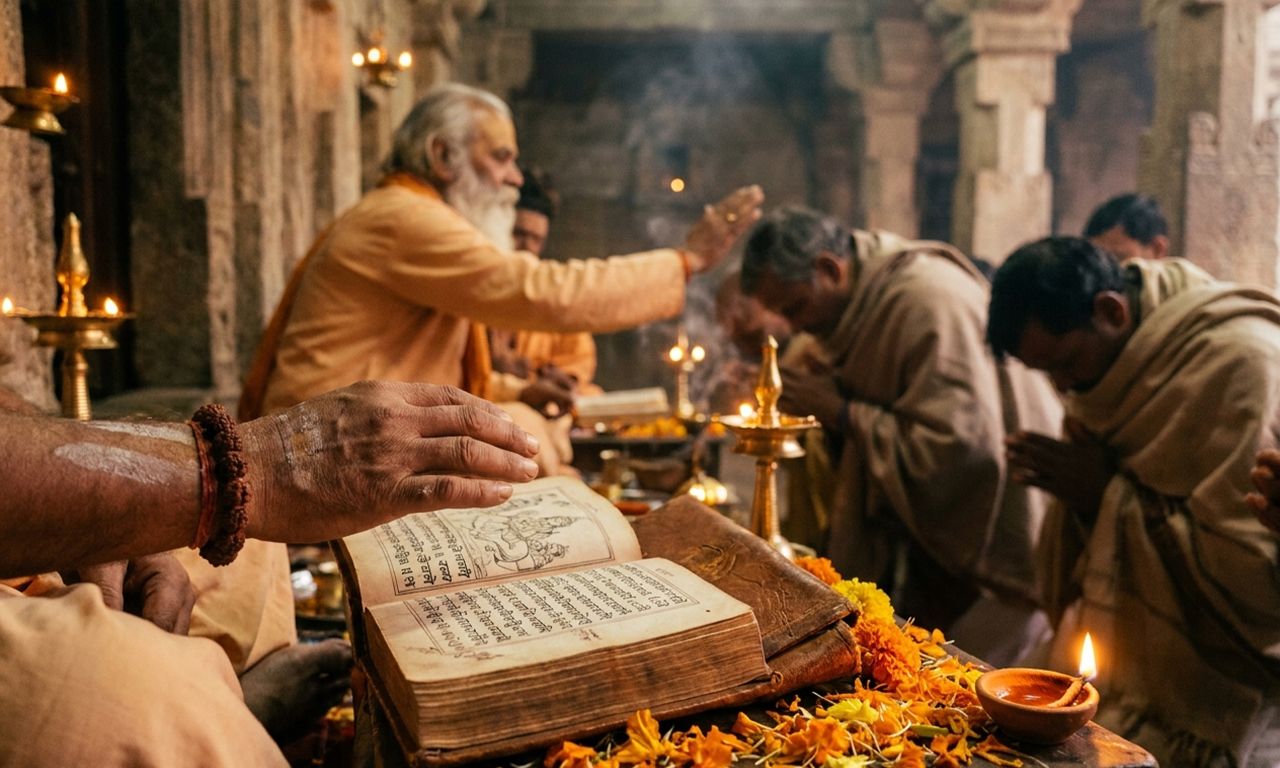
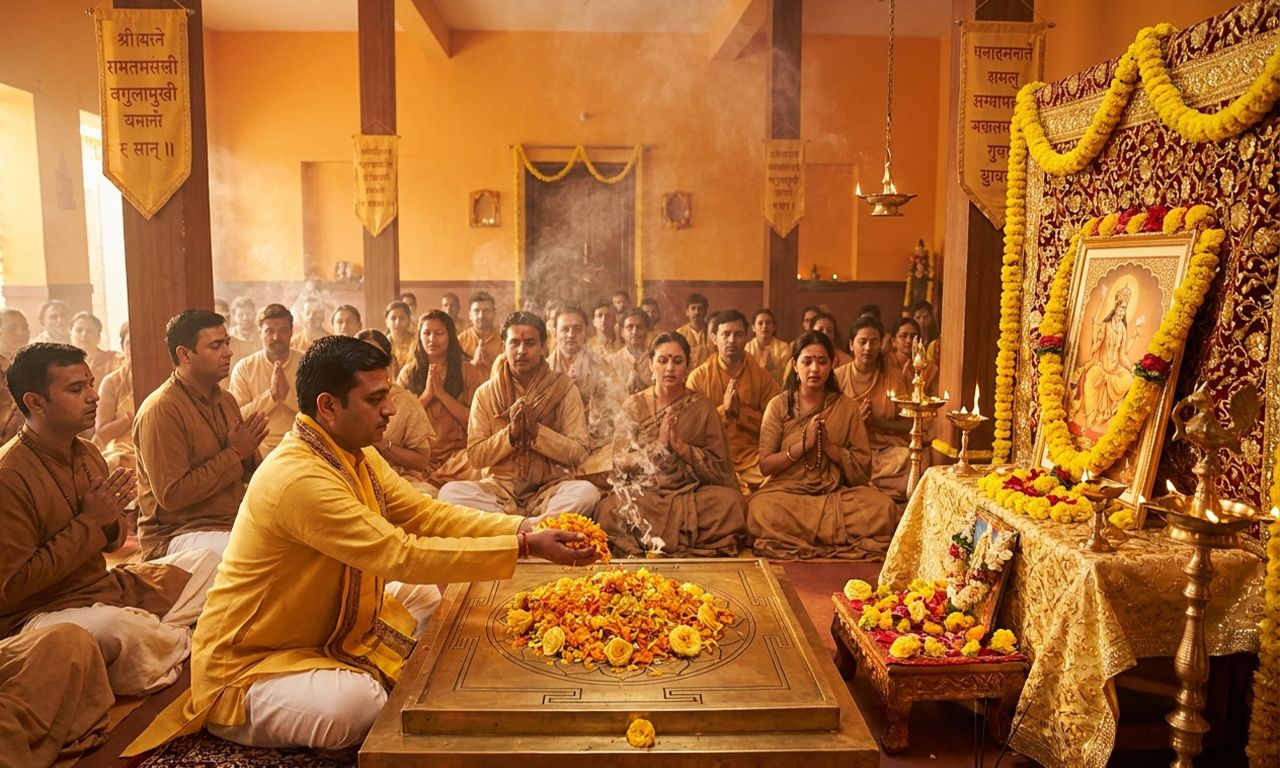
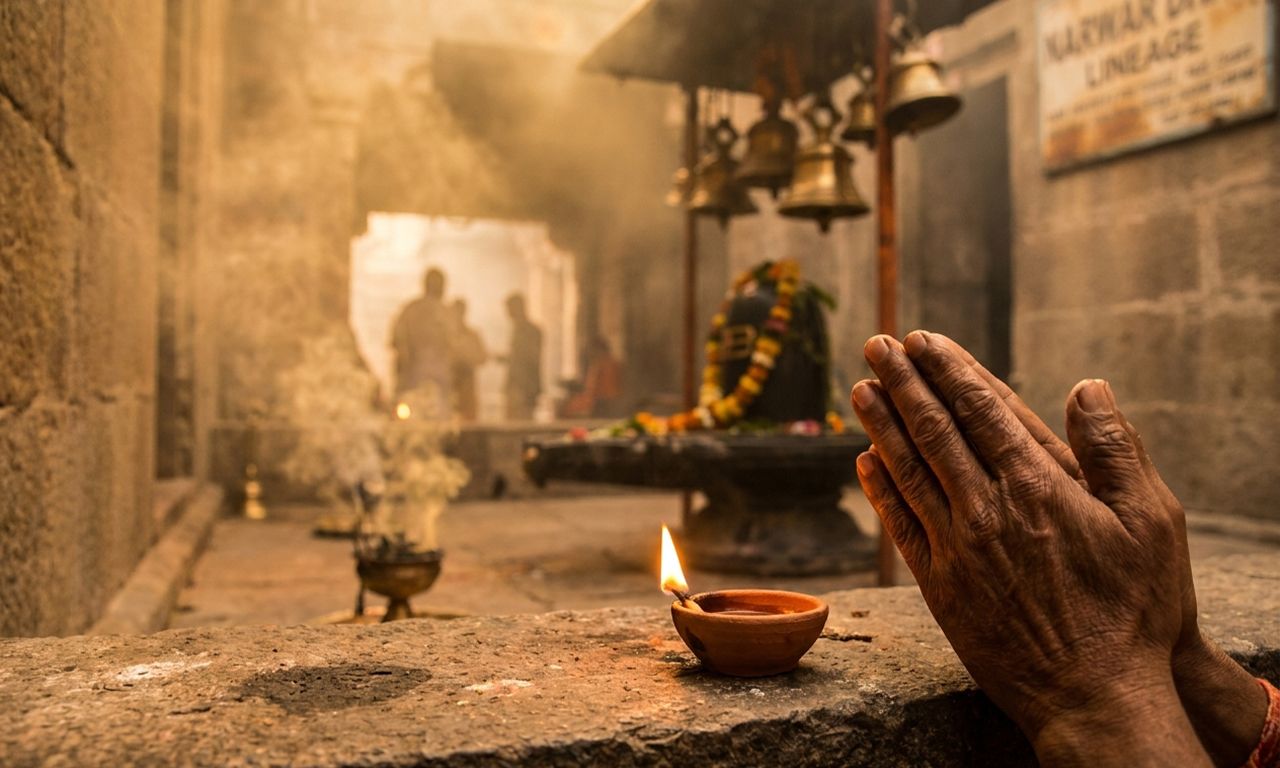
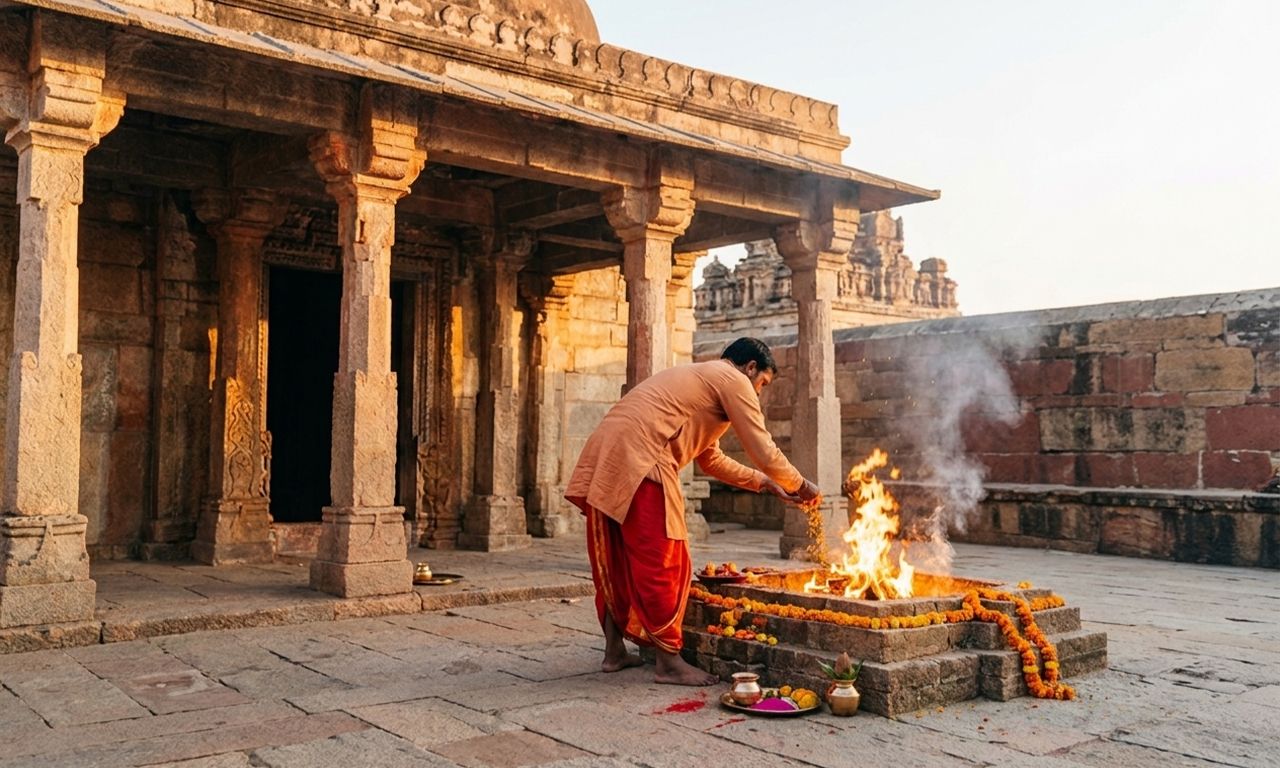
Every morning, across countless homes and temples, devotees pour water over the Shivling with folded hands and chant Om Namah Shivaya. During Sawan, this simple act becomes one of the most visible expressions of Shiva Bhakti, with millions of devotees carrying sacred water from holy rivers to offer to Lord Shiva.
To an observer, it may appear to be a simple ritual. But have you ever wondered why water is offered to the Shivling? Does Lord Shiva need this offering? Or is Jal Abhishek meant to transform the devotee rather than the deity?
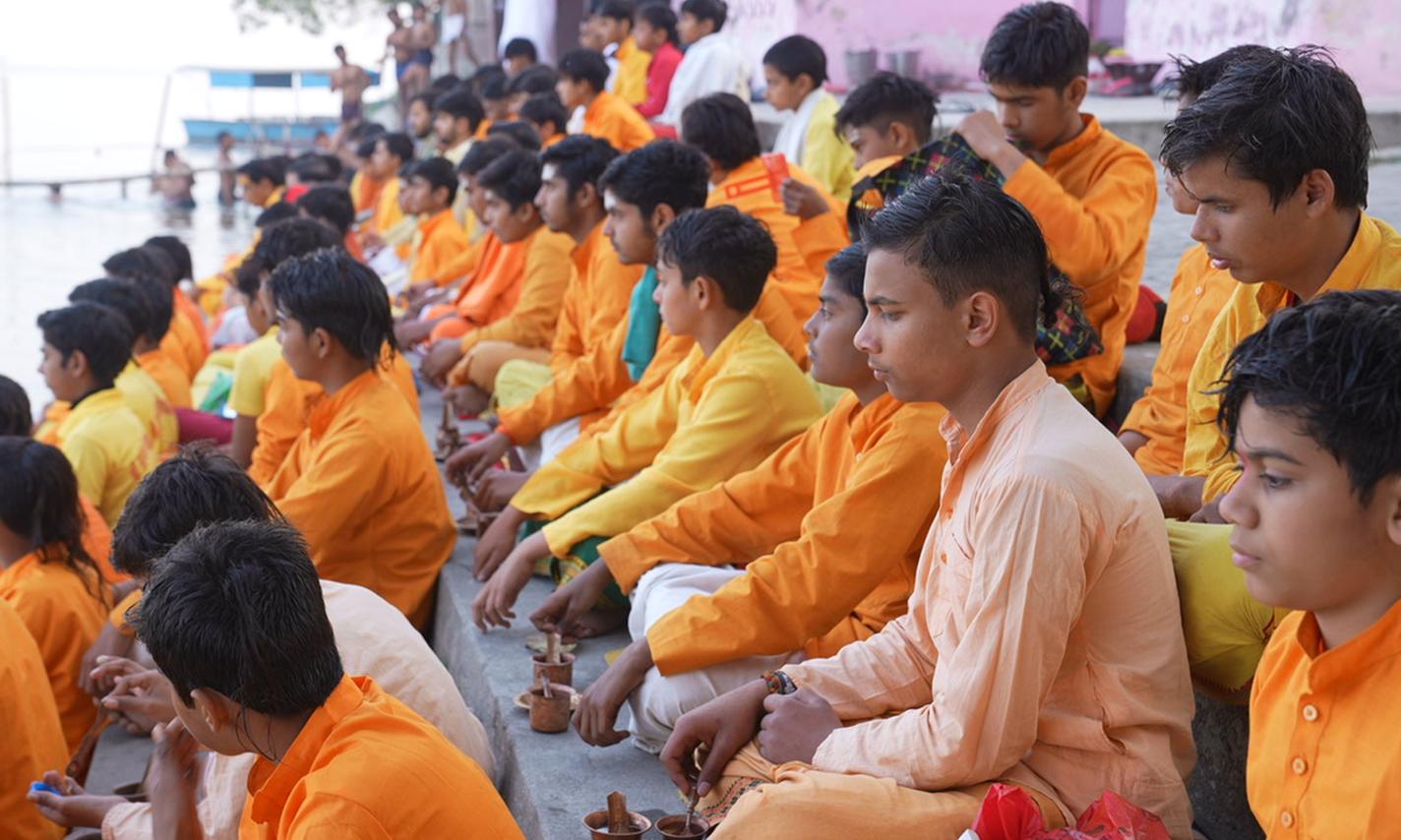
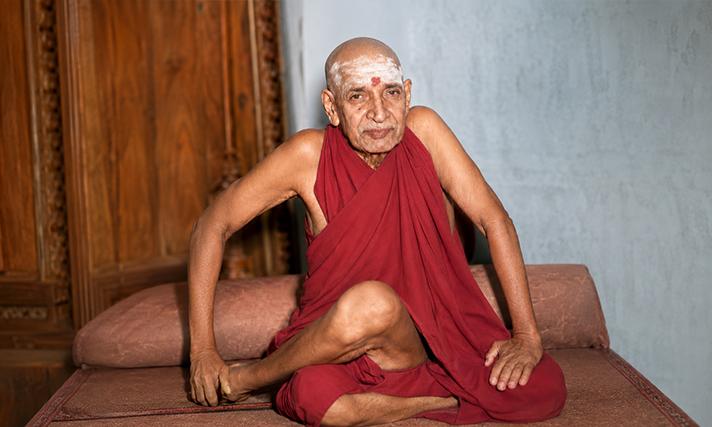
Param Pujya Mahesh Prakash Sharma Ji teaches that every ritual in Sanatan Dharma has both an outer action and an inner meaning. Pouring water upon the Shivling is not merely a traditional practice. It is a symbolic act of surrender, purification and remembrance. When performed with understanding and devotion, even a single offering of water becomes a profound spiritual practice.
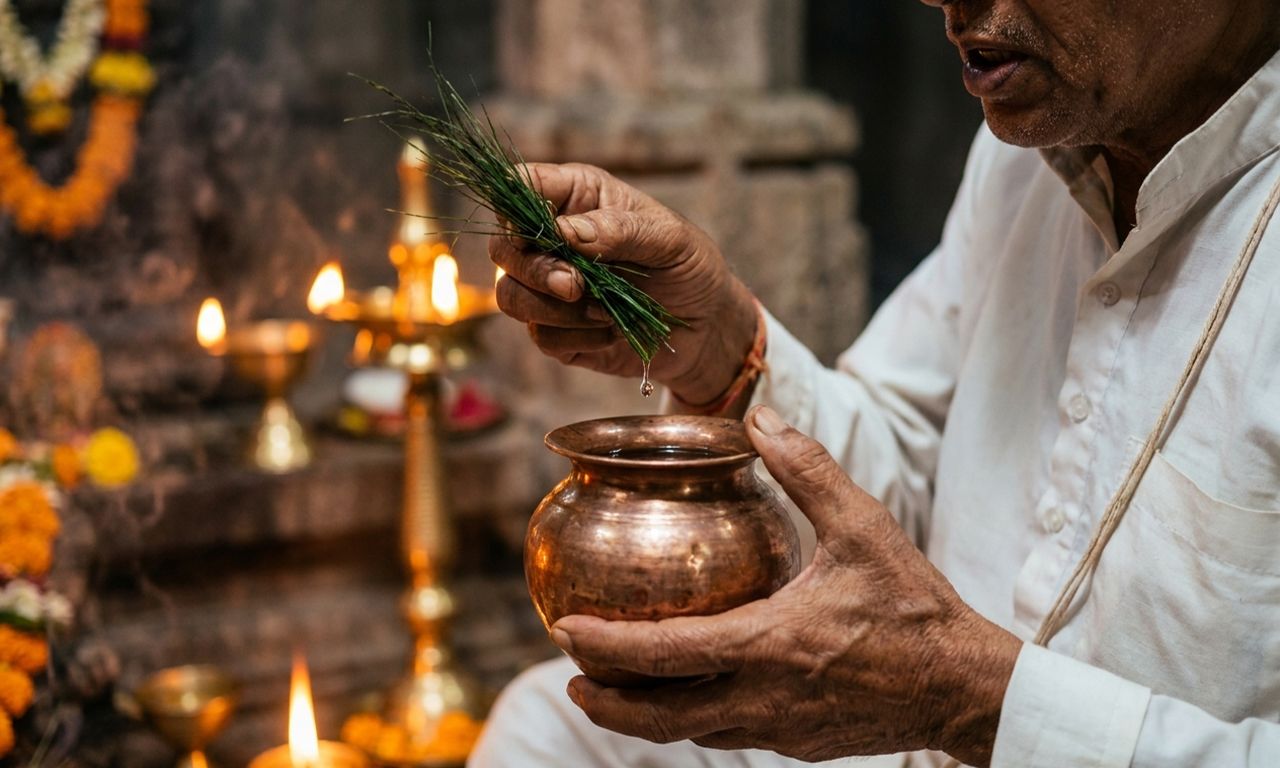
Guruji explains that the hands become sacred when they perform worship with devotion and awareness. Offering water to the Shivling may appear simple, yet it teaches one of the deepest principles of Shiva Bhakti. As water flows continuously over the Shivling, the devotee silently prays that pride, anger, fear, attachment and restlessness may also dissolve. The offering is not meant to cool Lord Shiva. It is meant to cool the devotee's own mind.
Why Is Water Offered to the Shivling?
Water is one of the purest and most essential elements of life. It nourishes every living being without discrimination. It adapts to every vessel without losing its nature. It cleanses without asking for recognition.
Guruji teaches that these are also qualities every devotee should cultivate. When we offer water to Lord Shiva, we pray for purity in our thoughts, humility in our conduct and steadiness in our faith. The act becomes a reminder that devotion should flow continuously, just as water flows effortlessly.
Does Lord Shiva Need Our Offerings?
This is a question many devotees ask. If Lord Shiva is the Supreme Being, why would He require water, milk or flowers? Guruji beautifully explains that Lord Shiva needs nothing from us. The offerings are meant for our own spiritual growth.
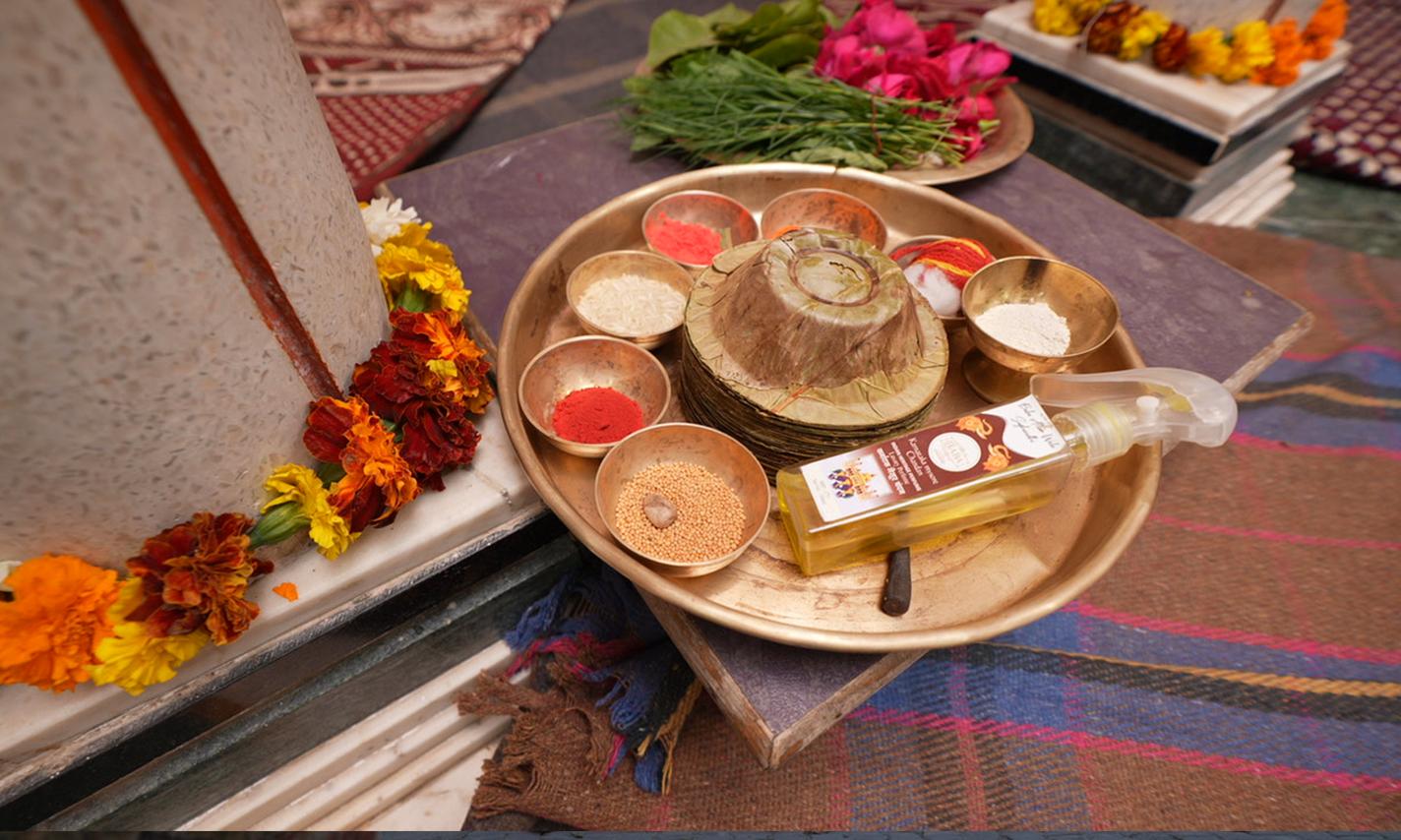
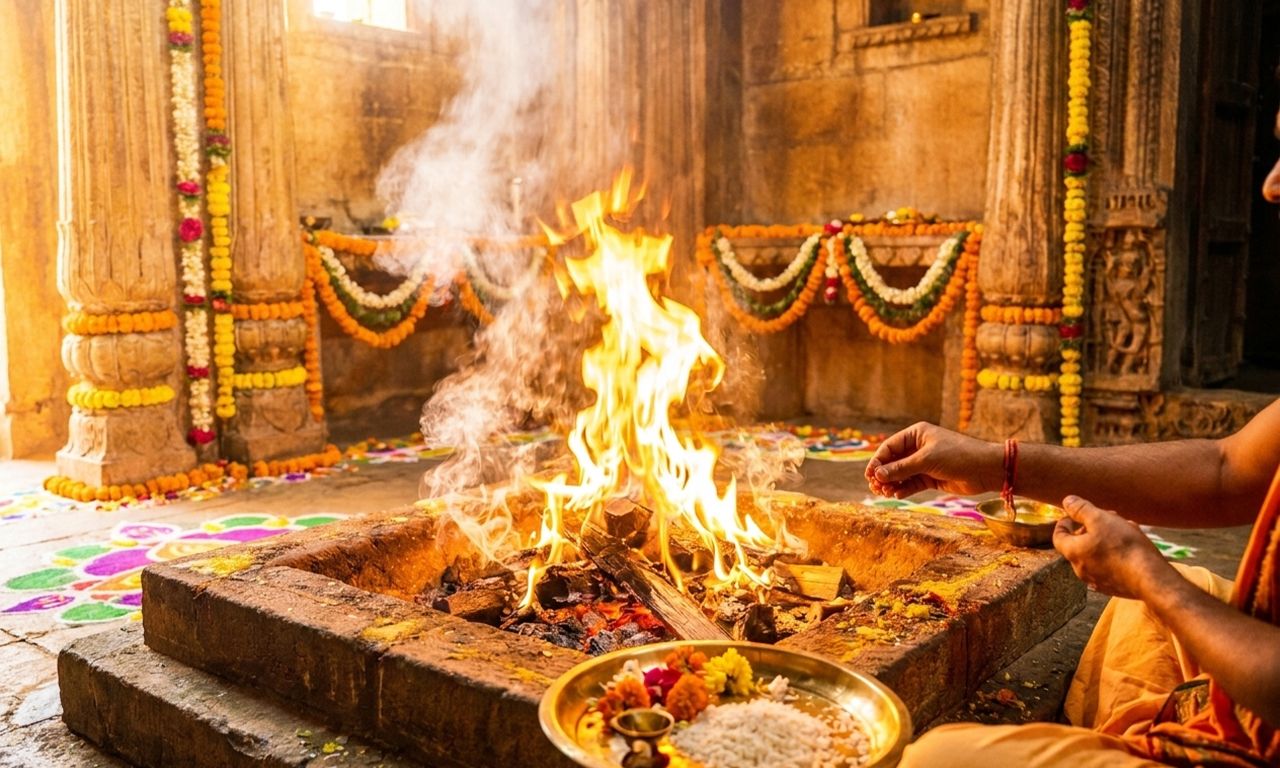
When we consciously wake up early, prepare the Puja, fill the Kalash, approach the Shivling with reverence and offer water while chanting Om Namah Shivaya, we cultivate discipline, gratitude and humility. The ritual changes the devotee long before it changes anything else. That is why every offering carries value.
The Inner Meaning of Jal Abhishek
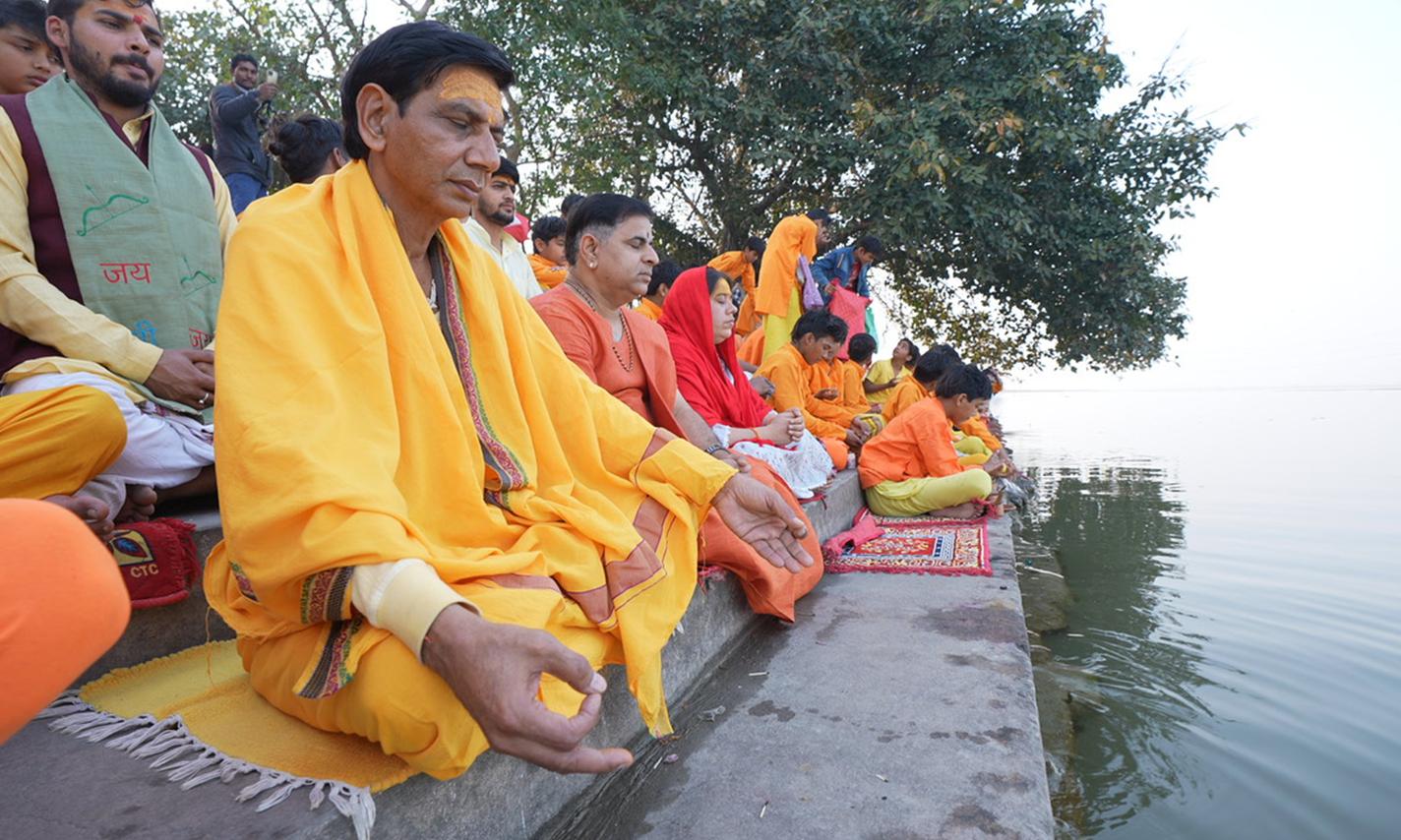
Guruji encourages devotees not to perform Jal Abhishek mechanically. As the water flows over the Shivling, silently offer your inner burdens as well. Offer your anger. Offer your anxiety. Offer your ego. Offer your fears. Offer your attachments.
Allow every stream of water to remind you that these too can be surrendered at the feet of Mahadev. When worship is performed with this awareness, Jal Abhishek becomes meditation in action.
Why Is Jal Abhishek Especially Important During Sawan?
The month of Sawan has long been regarded as one of the most sacred periods for the worship of Lord Shiva. Across India, devotees undertake Kanwar Yatras, collect holy water and offer it upon the Shivling with immense devotion.
Guruji explains that while Sawan is indeed highly auspicious, Lord Shiva accepts sincere worship throughout the year. The greater importance of Sawan lies in the atmosphere of collective devotion it creates. When millions of devotees remember Mahadev together, every act of worship becomes even more inspiring. Offering water during Sawan therefore becomes an opportunity to participate in this timeless tradition while deepening one's personal relationship with Lord Shiva.
How Should Jal Abhishek Be Performed?
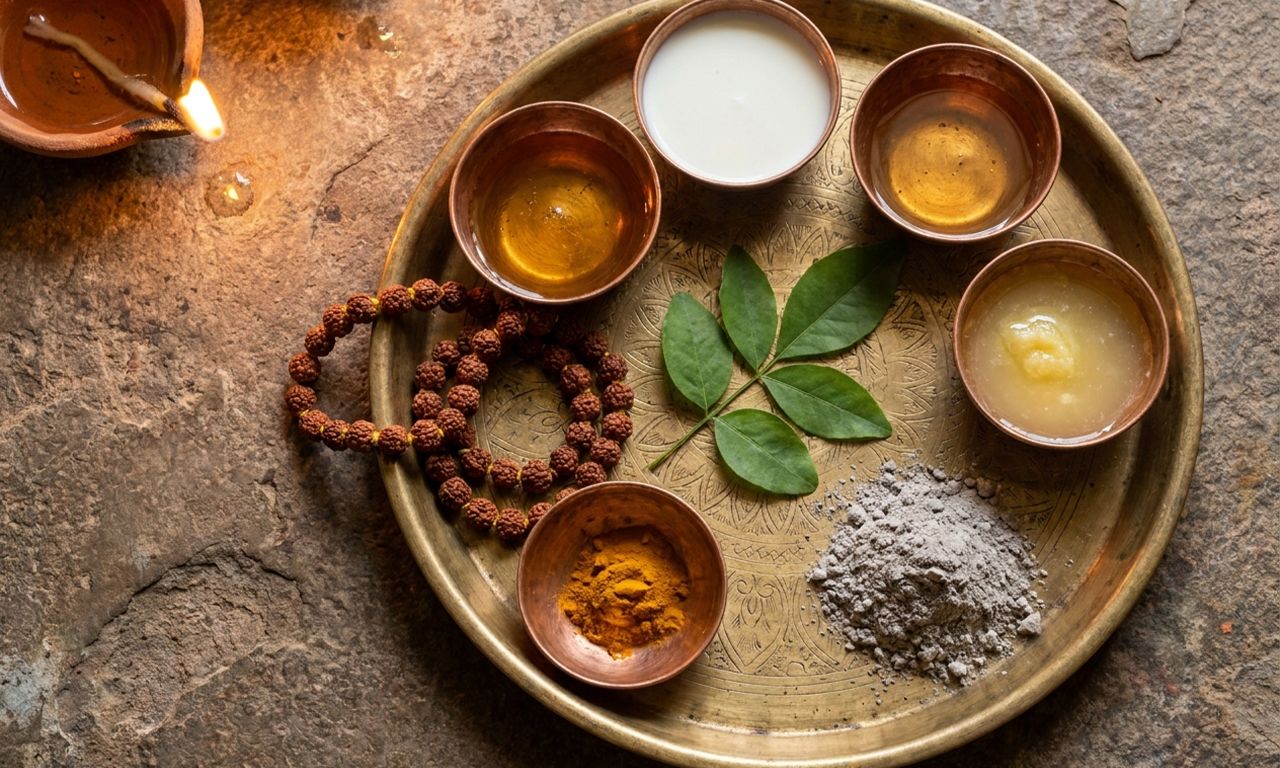
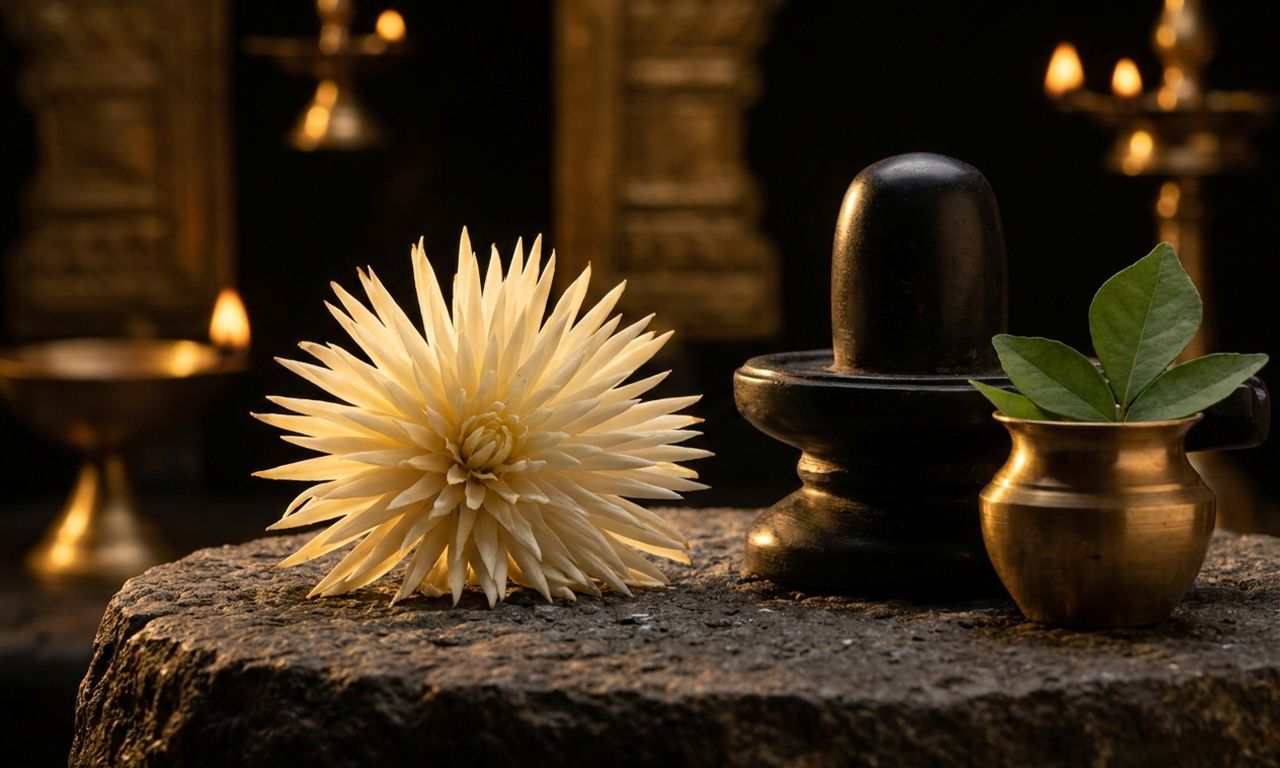
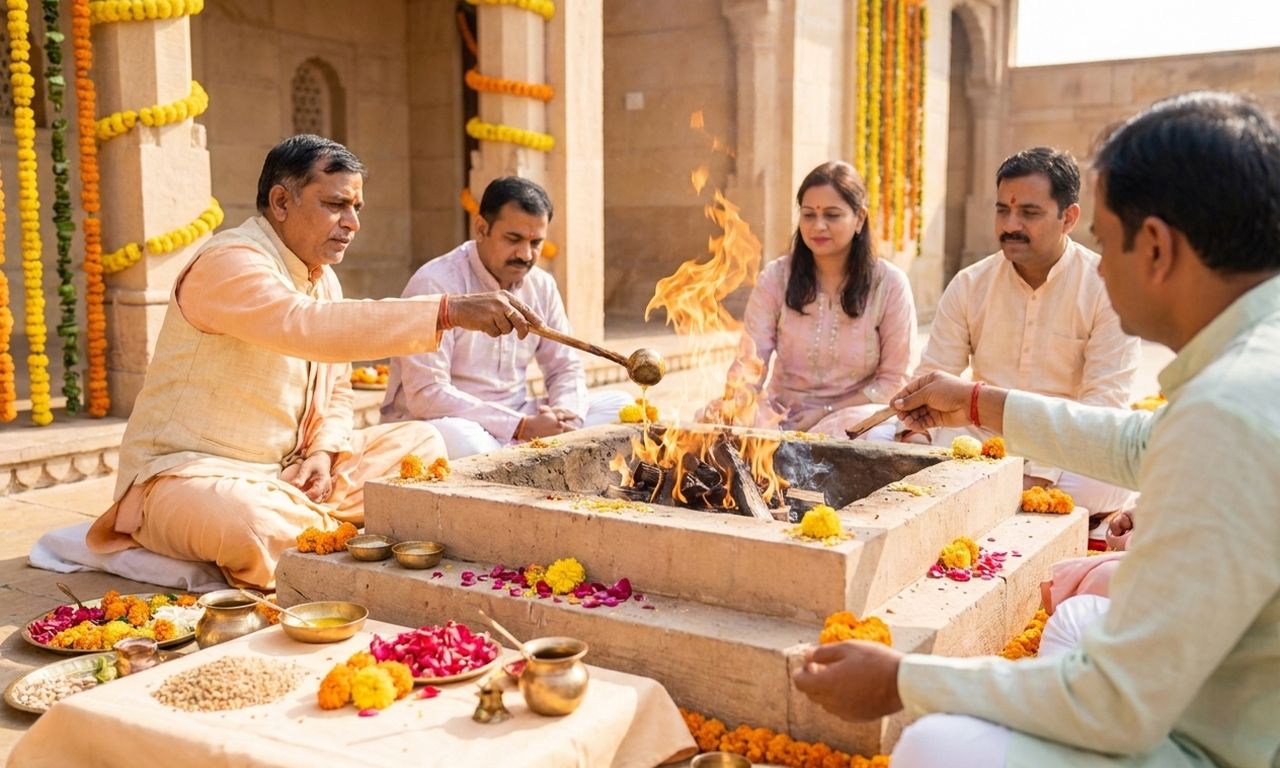
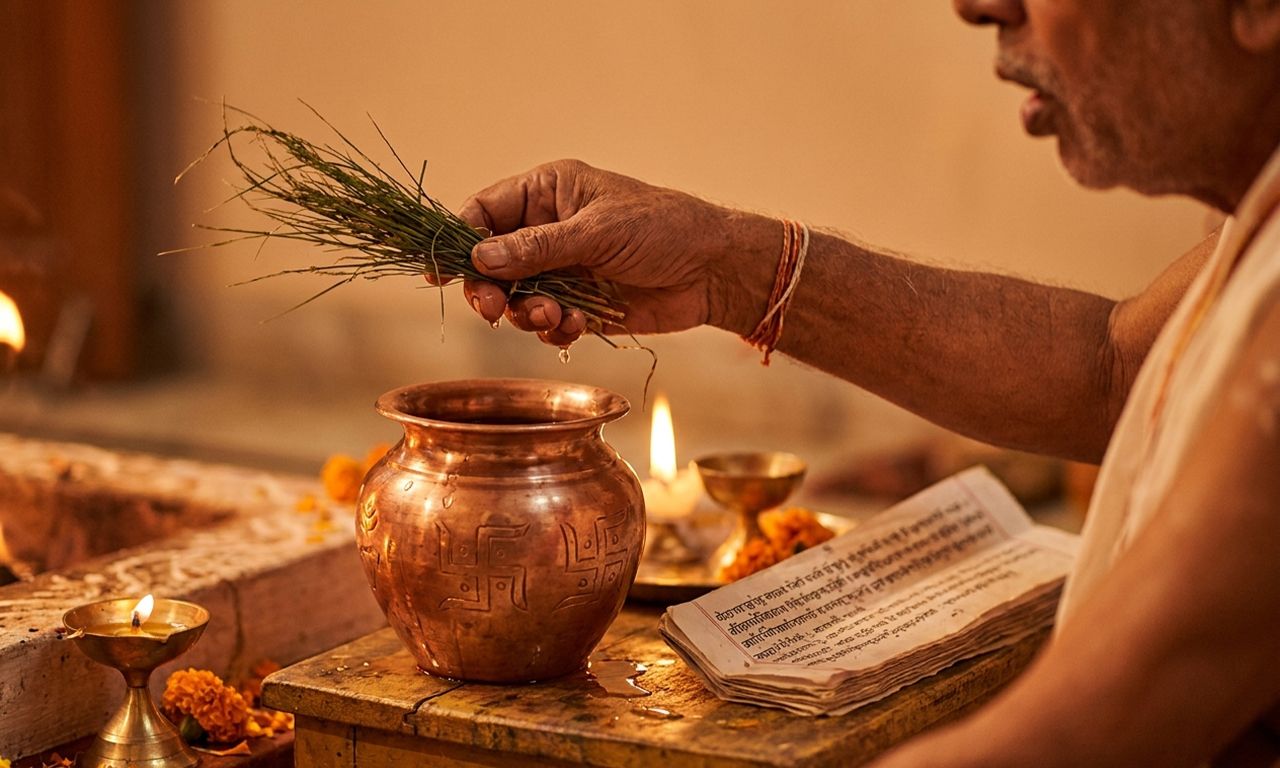
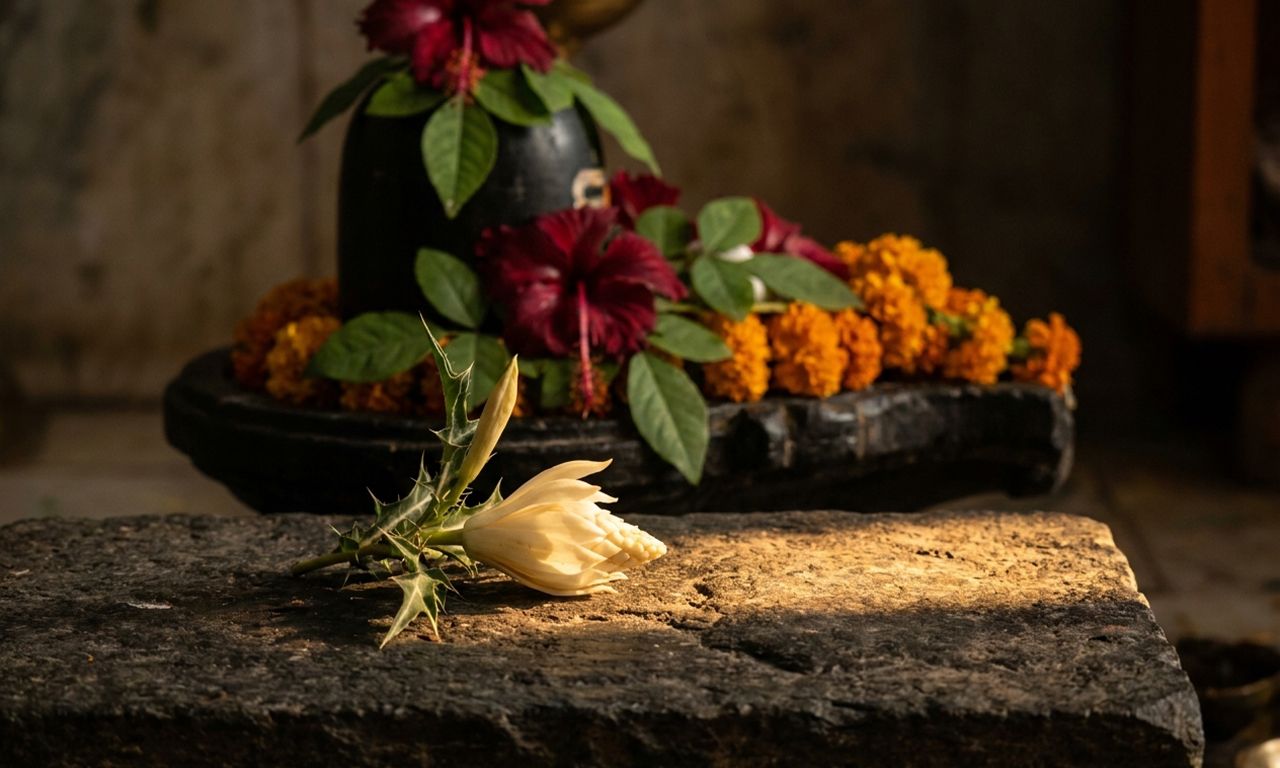
Guruji advises devotees to keep the ritual simple and mindful. Begin by cleaning the place of worship. Offer clean water with both hands and a calm mind. Chant Om Namah Shivaya slowly rather than hurriedly. If available, offer Bilva Patra, flowers and a Diya. Spend a few moments afterwards in silent Shiv Chintan.
The ritual need not be elaborate. Its power lies in sincerity. A few mindful minutes every morning are far more valuable than a rushed ceremony performed without attention.
Common Mistakes During Shiva Worship
Guruji gently points out a few mistakes that devotees should avoid. Do not treat worship as a daily obligation to be completed quickly. Do not focus only on asking for material blessings. Do not compare your worship with that of others. Do not allow rituals to become mechanical habits.
Instead, approach every Jal Abhishek with gratitude, humility and awareness. Even a simple offering made with devotion reaches Lord Shiva.
The Narwar Dham Tradition
For over 120 years, the Narwar Dham Guru Parampara has preserved the authentic Vedic methods of Shiva worship, where every ritual is performed with understanding rather than mere repetition.
Guruji teaches that Jal Abhishek is never viewed as an isolated act. It forms part of a larger spiritual journey that includes Shiv Chintan, Shiv Stuti, Shiv Katha, daily worship and Rudrabhishek. Together, these practices gradually transform devotion into a way of life.
Frequently Asked Questions
Why do we offer water to the Shivling?
Offering water symbolises purity, surrender and devotion. It reminds devotees to let go of negativity while seeking Lord Shiva's blessings.
Can I perform Jal Abhishek every day?
Yes. Daily Jal Abhishek is one of the simplest and most meaningful forms of Lord Shiva worship.
Is plain water enough?
Yes. Lord Shiva values sincere devotion far more than elaborate offerings. Clean water offered with faith is itself a sacred offering.
Why is Jal Abhishek important during Sawan?
Because Sawan is traditionally regarded as one of the most auspicious months for Lord Shiva's worship, inspiring millions of devotees to deepen their spiritual practice.
Should I chant a mantra while offering water?
Yes. Chanting Om Namah Shivaya or the Mahamrityunjaya Mantra while offering water helps the mind remain focused on Lord Shiva.
From Faith to Sadhana
Every drop of water offered to Lord Shiva is an expression of love, surrender and remembrance. When combined with authentic Vedic worship, that devotion becomes even more meaningful.
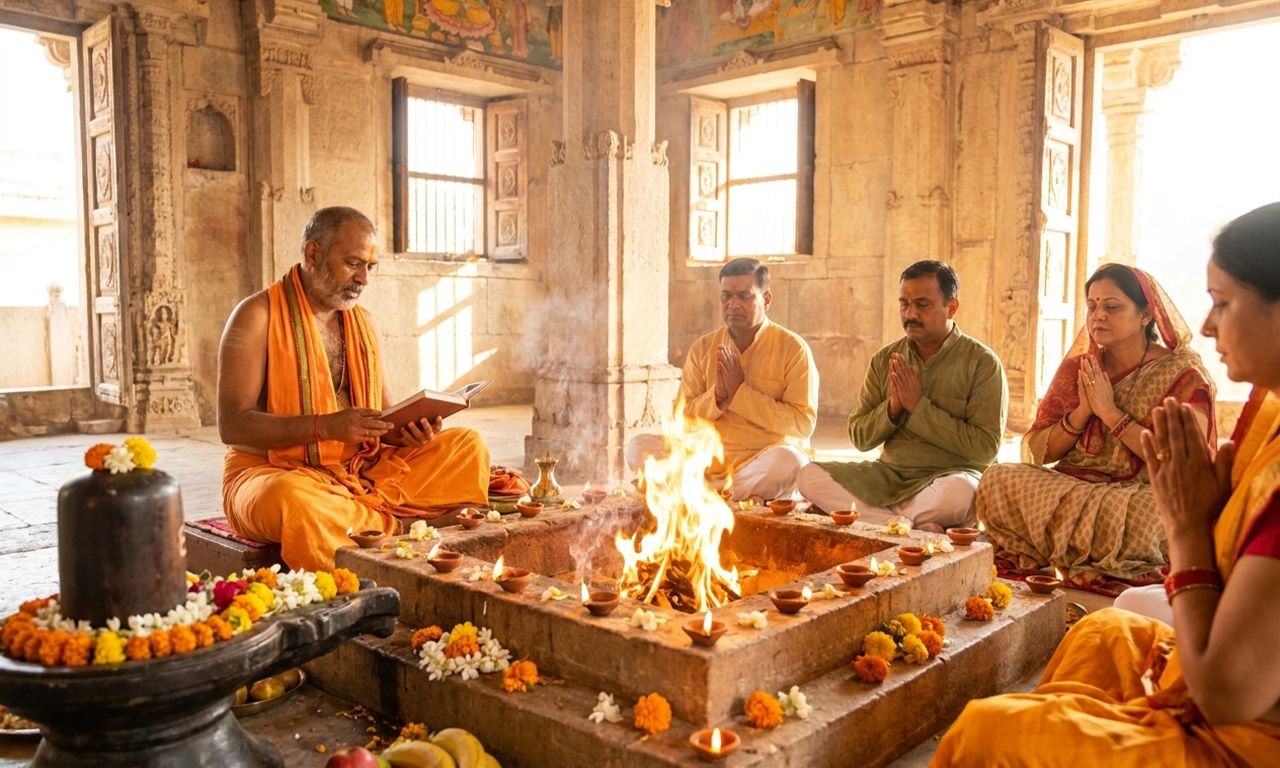
This Sawan, become a part of the Sawan Maha Rudrabhishek performed in the 120-year-old Narwar Dham Guru Parampara. Our learned Acharyas will perform the complete Vedic ritual in your name and gotra, praying for your peace, health, prosperity and spiritual growth.
Offer your Sankalp today and let every offering become a step closer to Mahadev.