Why Baglamukhi Havan Is the Peak of the Ceremony: Three Fires, Three Purposes
By SiddhiStar | Narwar Dham Parampara
15 May 2026 • 5 min read
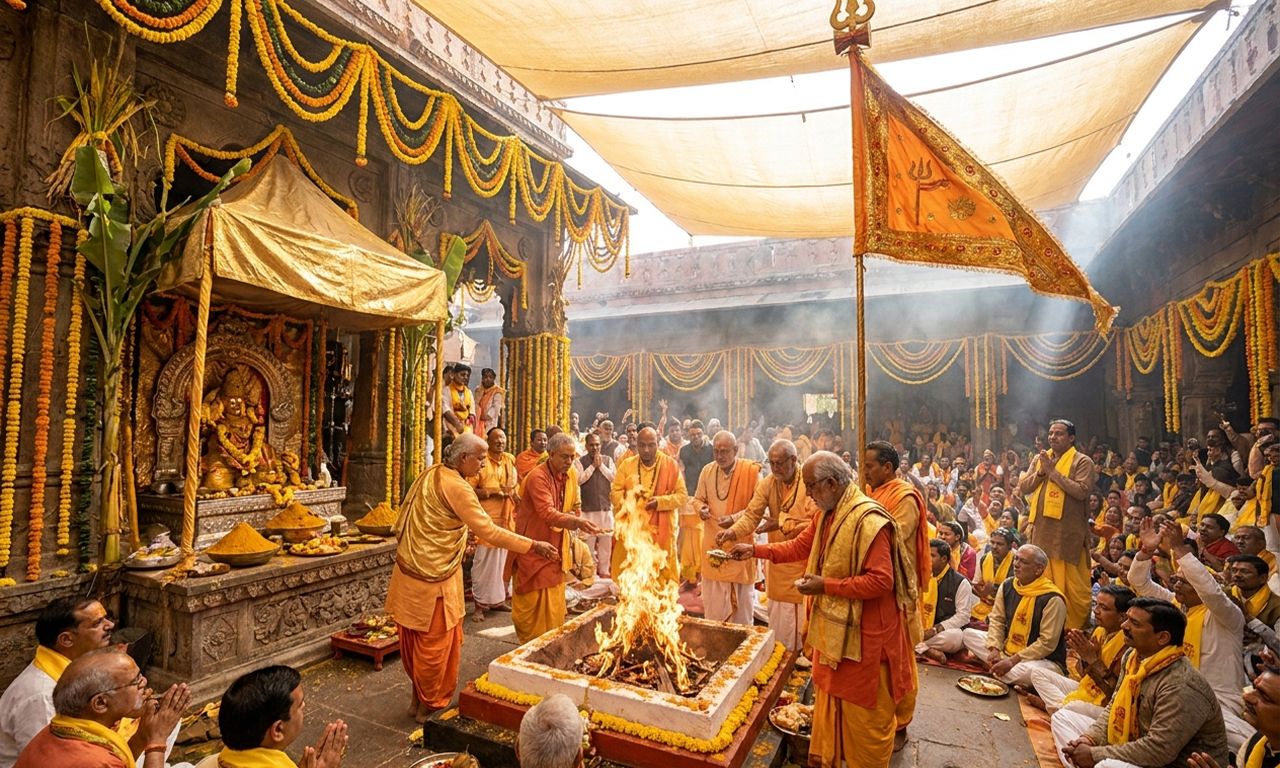
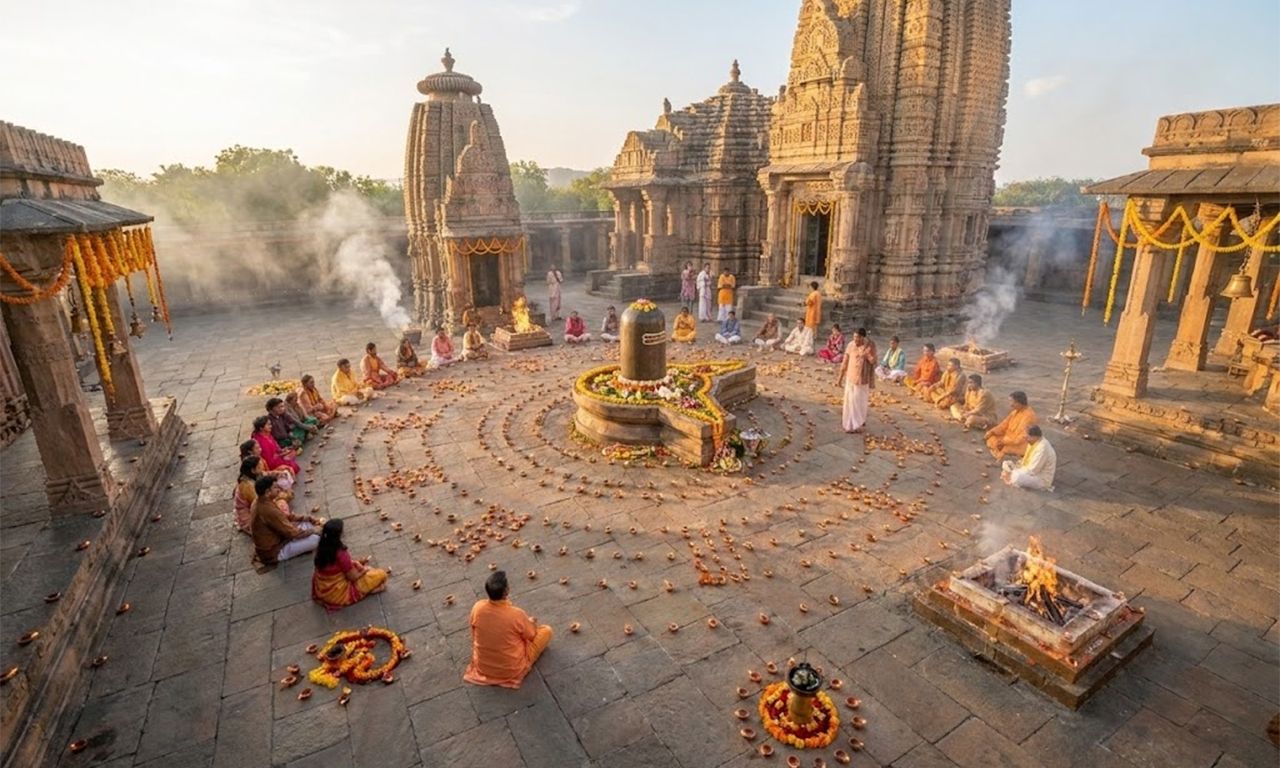
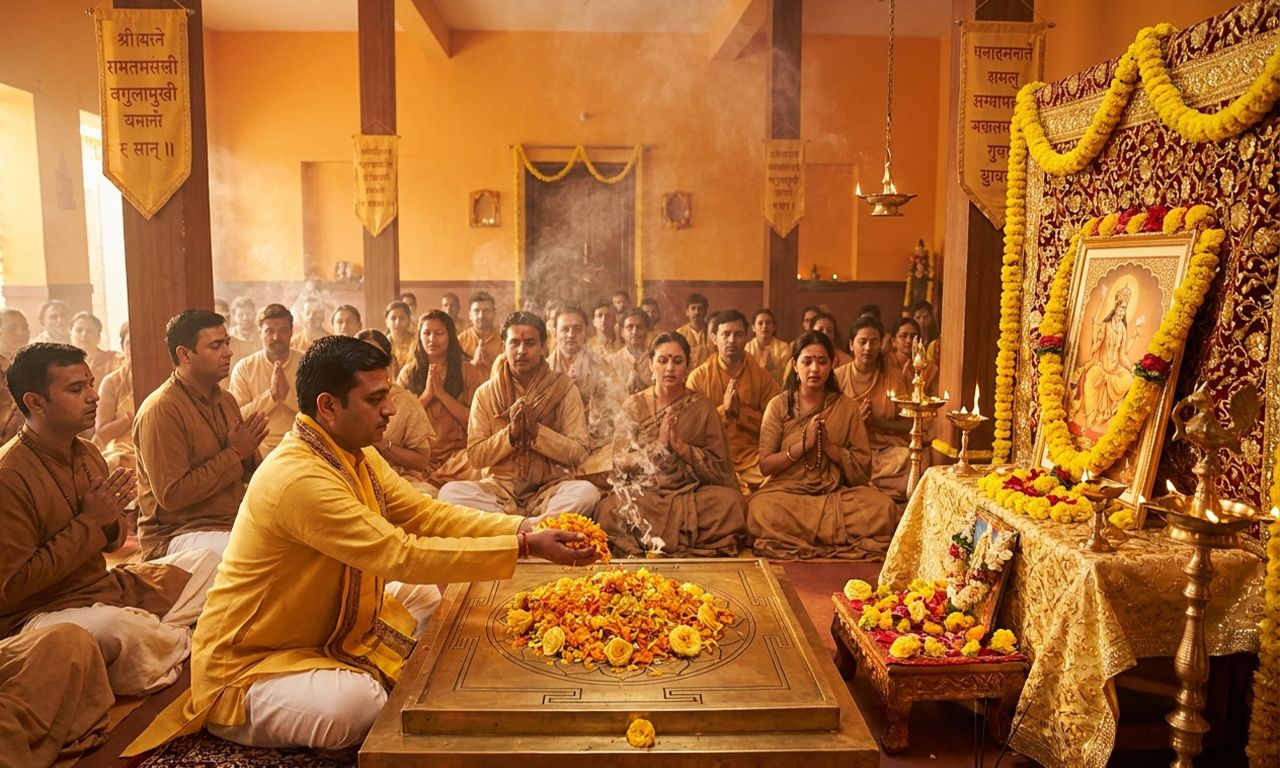
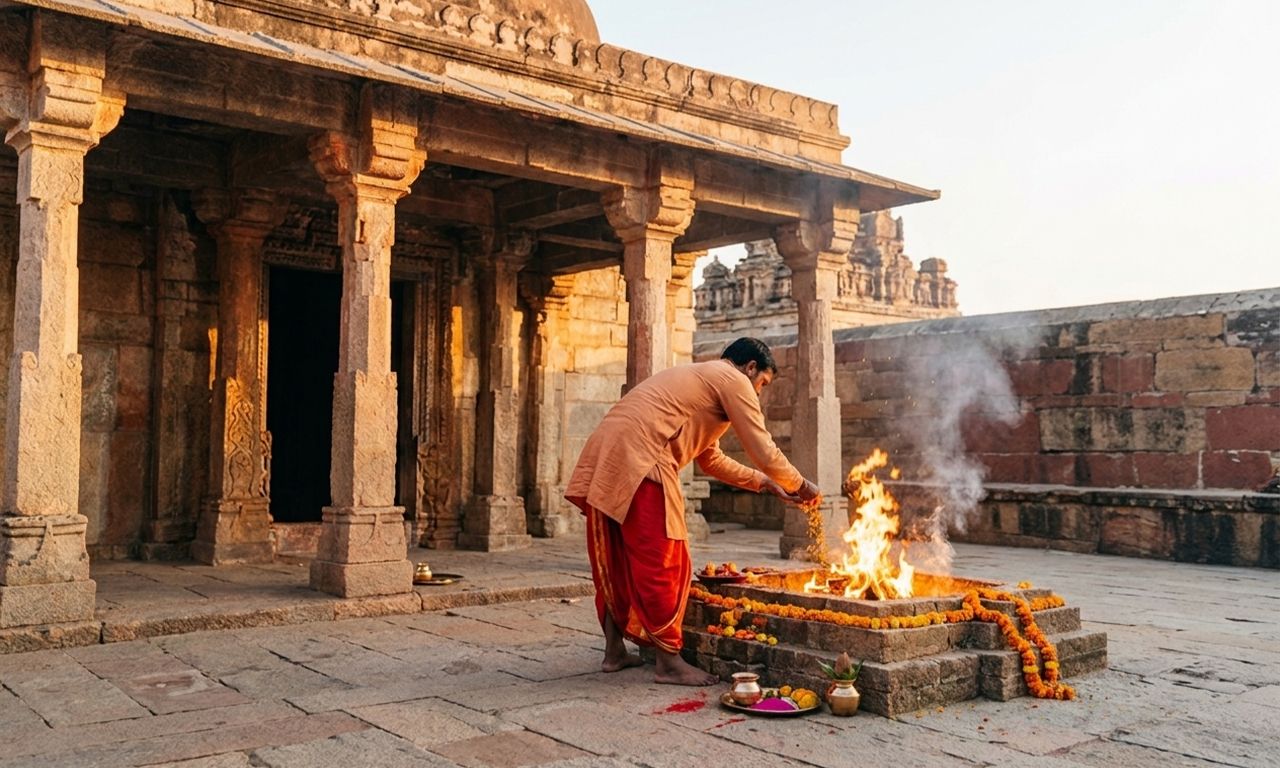
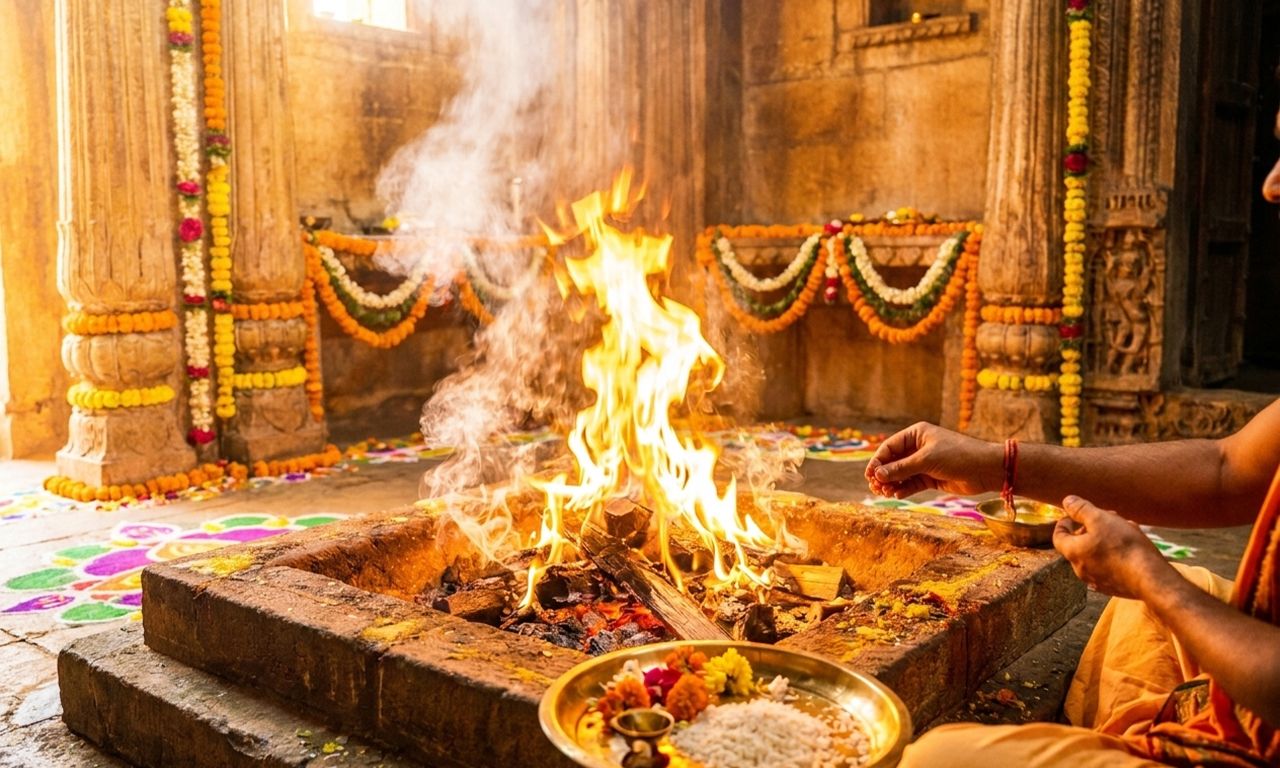
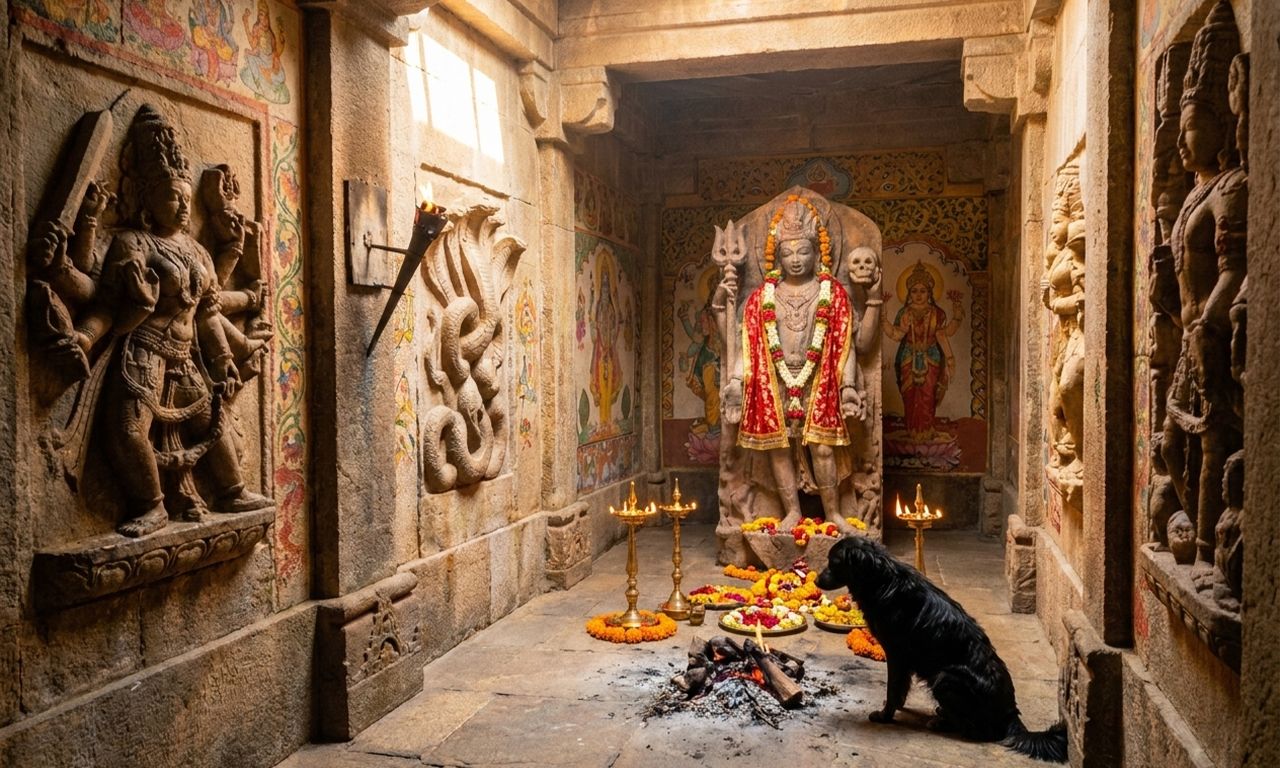
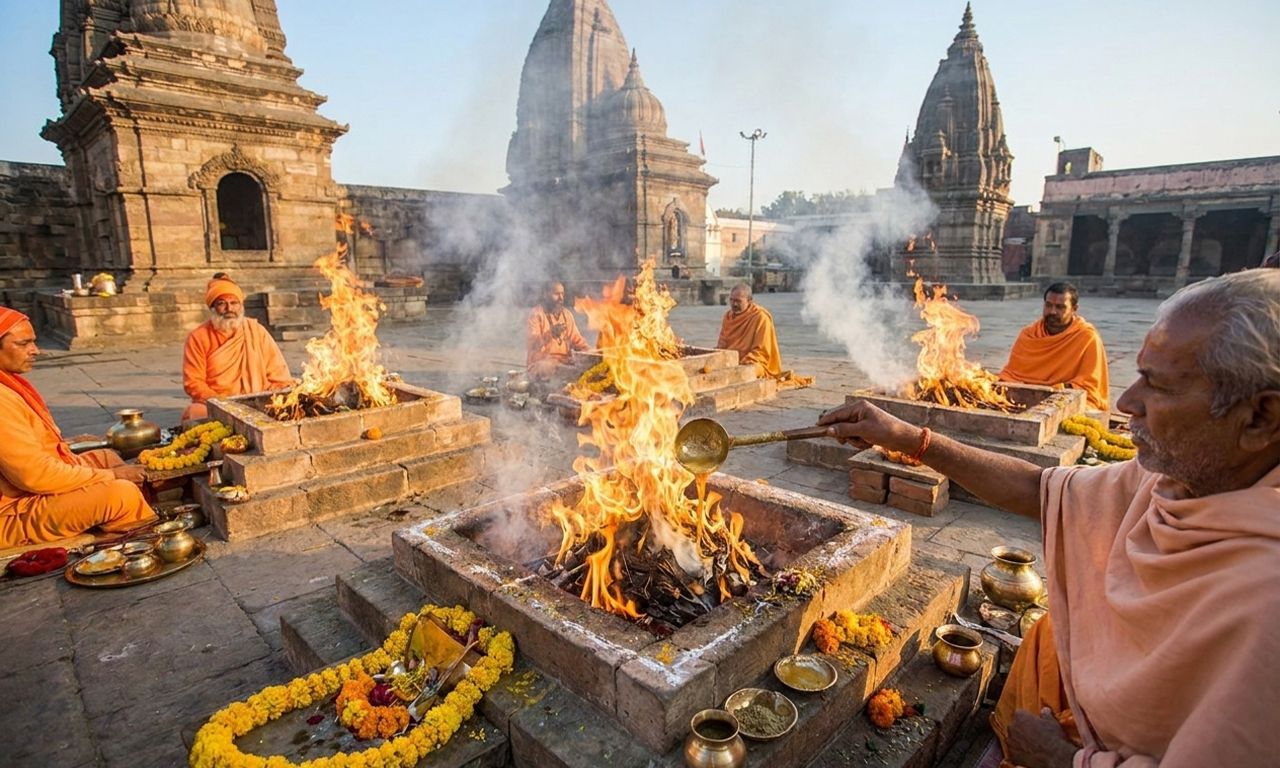
In every Baglamukhi puja, there is a moment when the ceremony shifts. The mantras have been chanted. The Upchar have been offered. The Kalash has been established. And then the fire is lit. From that moment onward, until the Purnahuti, the baglamukhi havan is what the ceremony is.
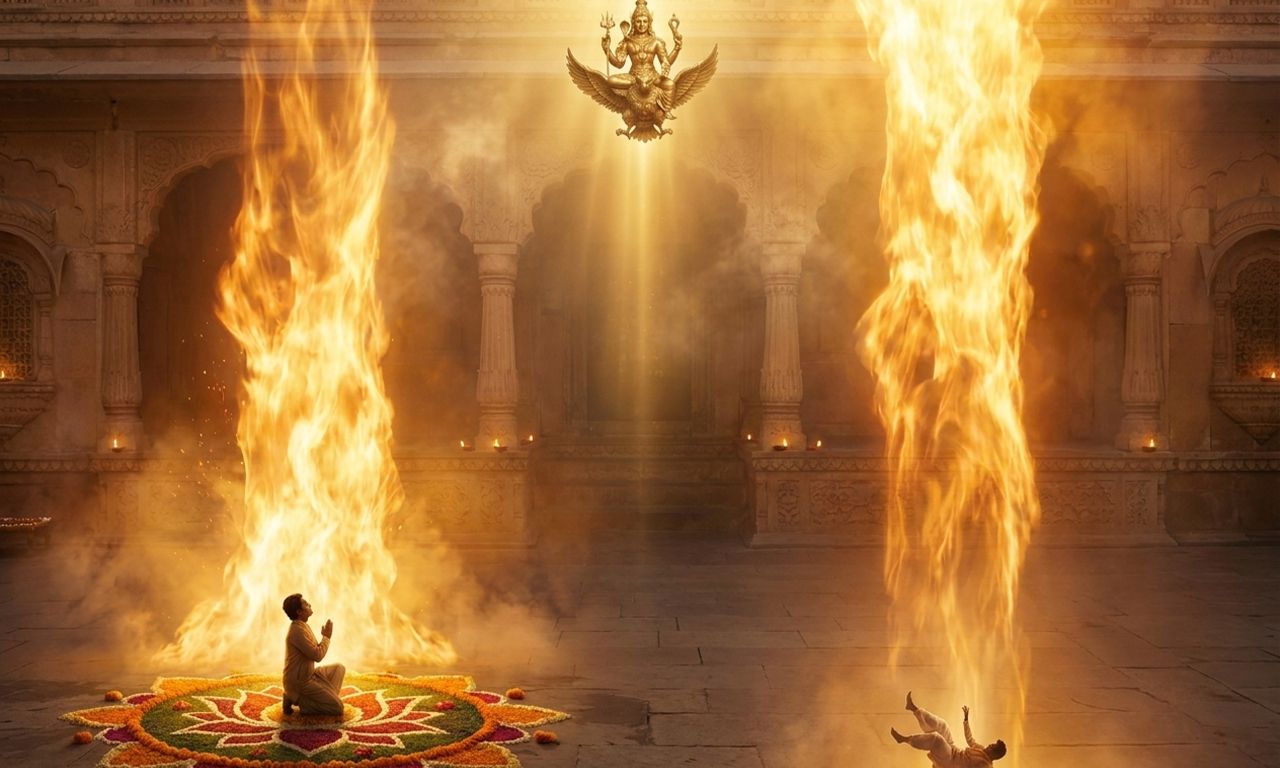
The Vedic tradition holds three fires - Garhapatya, Dakshinagni, Ahavaniya - and each one carries a specific purpose. Understanding what they do changes how the ceremony is experienced.
Garhapatya - The Household Fire
This is the fire of family and continuity. When the baglamukhi havan is lit, the first havan vidhi action is to invoke this fire. The household gains the protection of Baglamukhi. The lineage is held in her gaze.
Dakshinagni - The Southern Fire
The fire that addresses the ancestral line. Pitru tarpan can happen here. The baglamukhi havan benefits include the resolution of inherited karmic patterns - the kind that no individual practice can address but that fire can transform.
Ahavaniya - The Sacrificial Fire
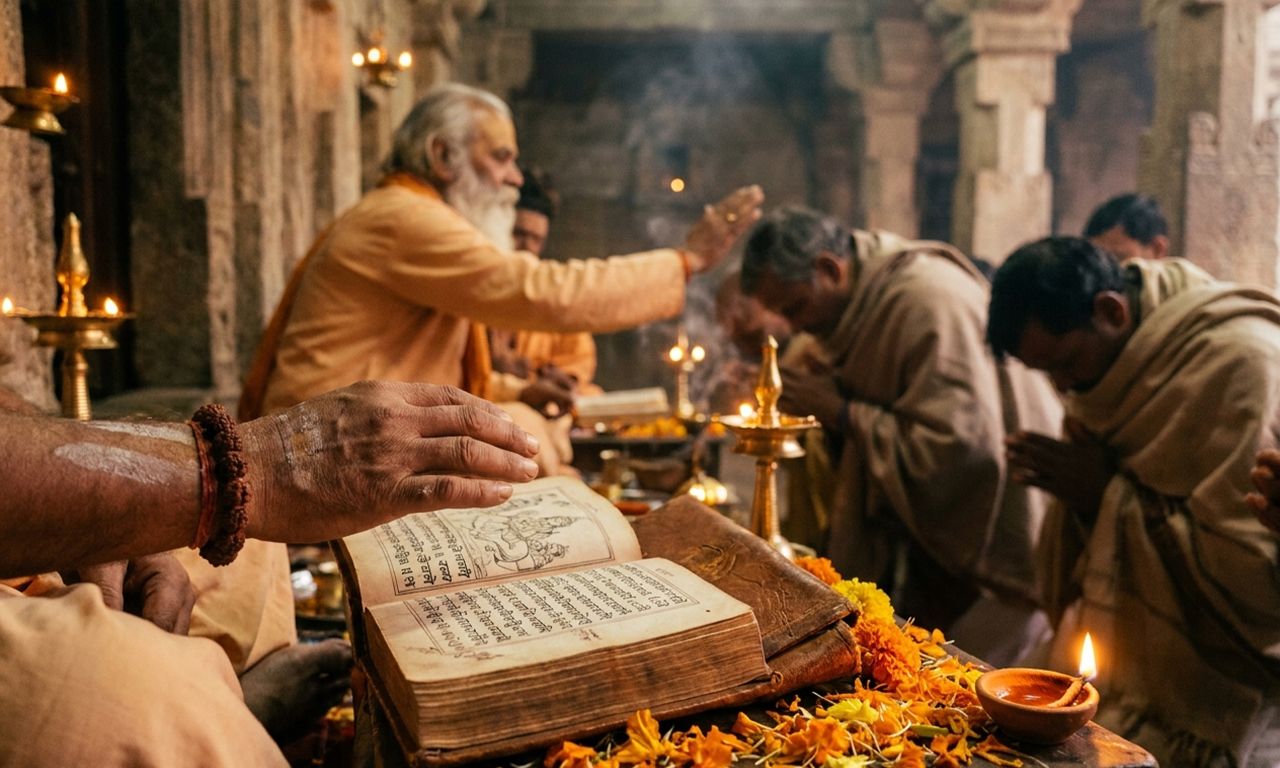
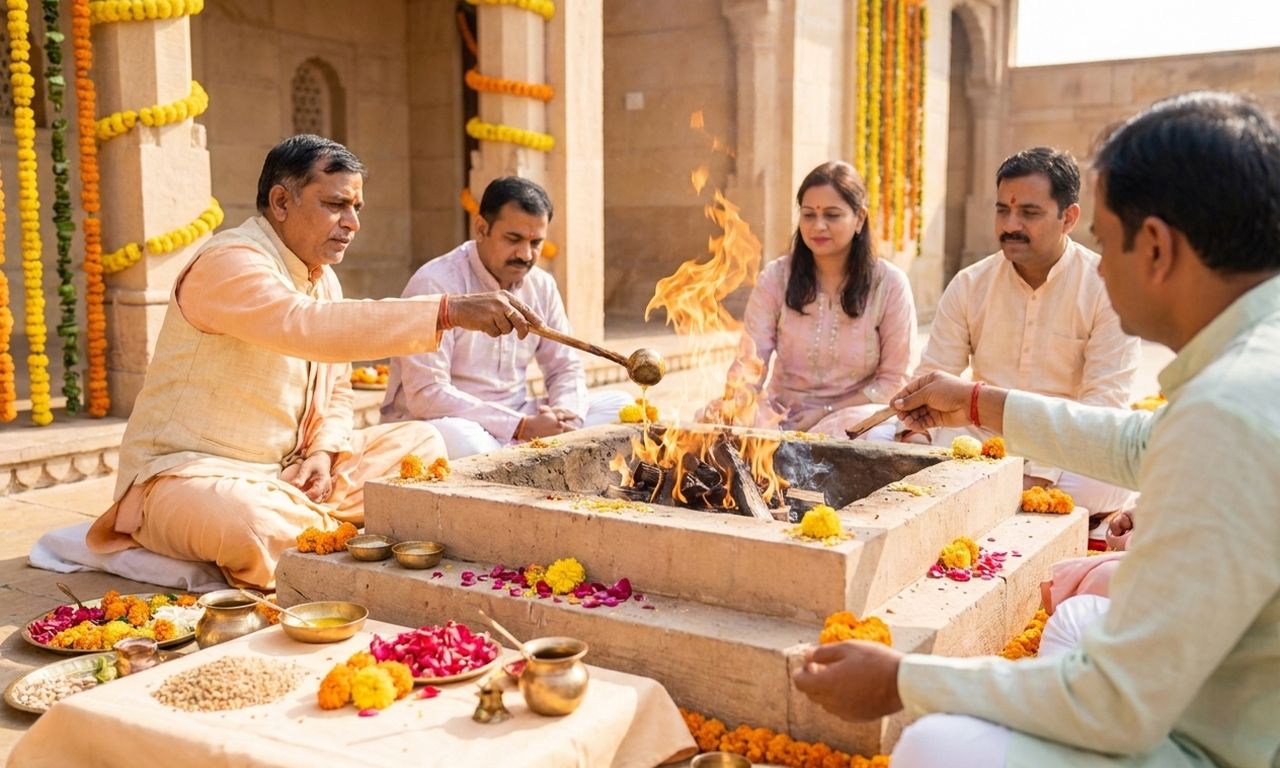
The fire of offering itself. This is where the main Ahuti are made. Baglamukhi mantra is chanted with each offering. The yellow mustard seeds, til, ghee, the herbs specific to her - all enter the fire here.
What Goes Into the Fire (Hawan Samagri for Baglamukhi)
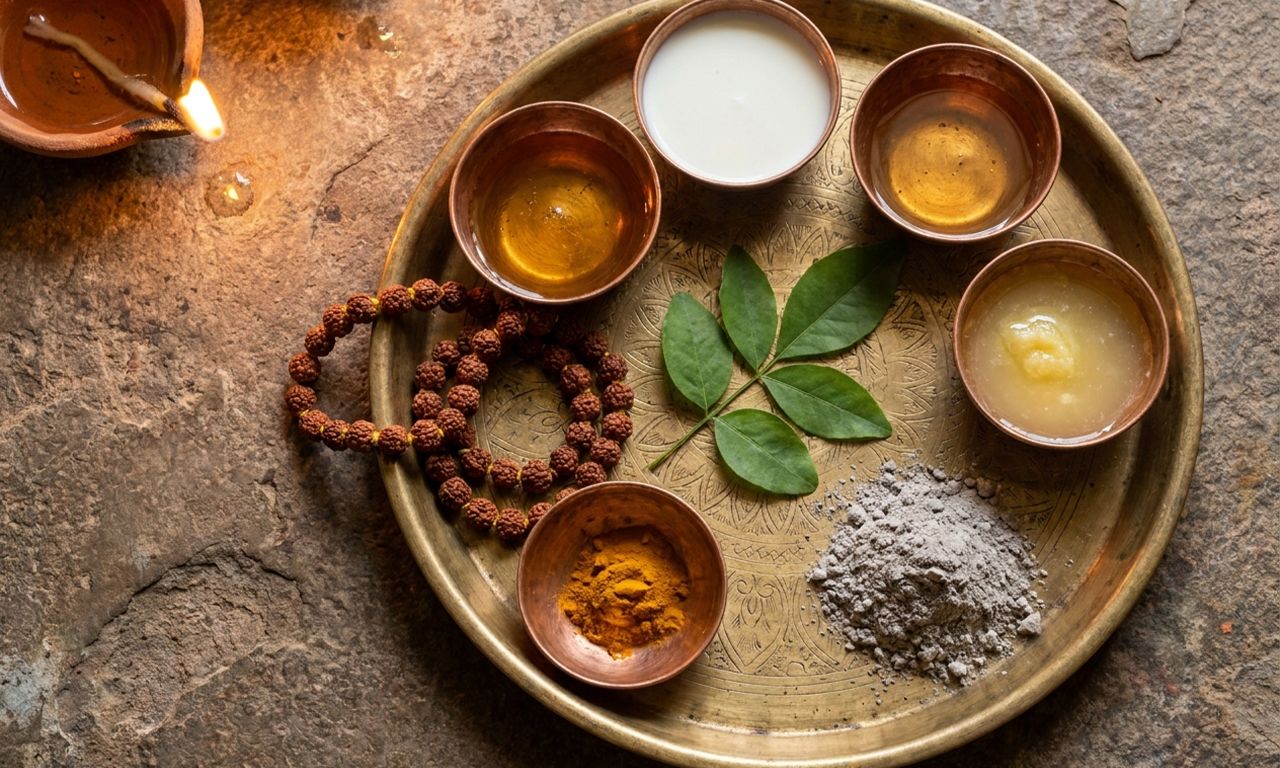
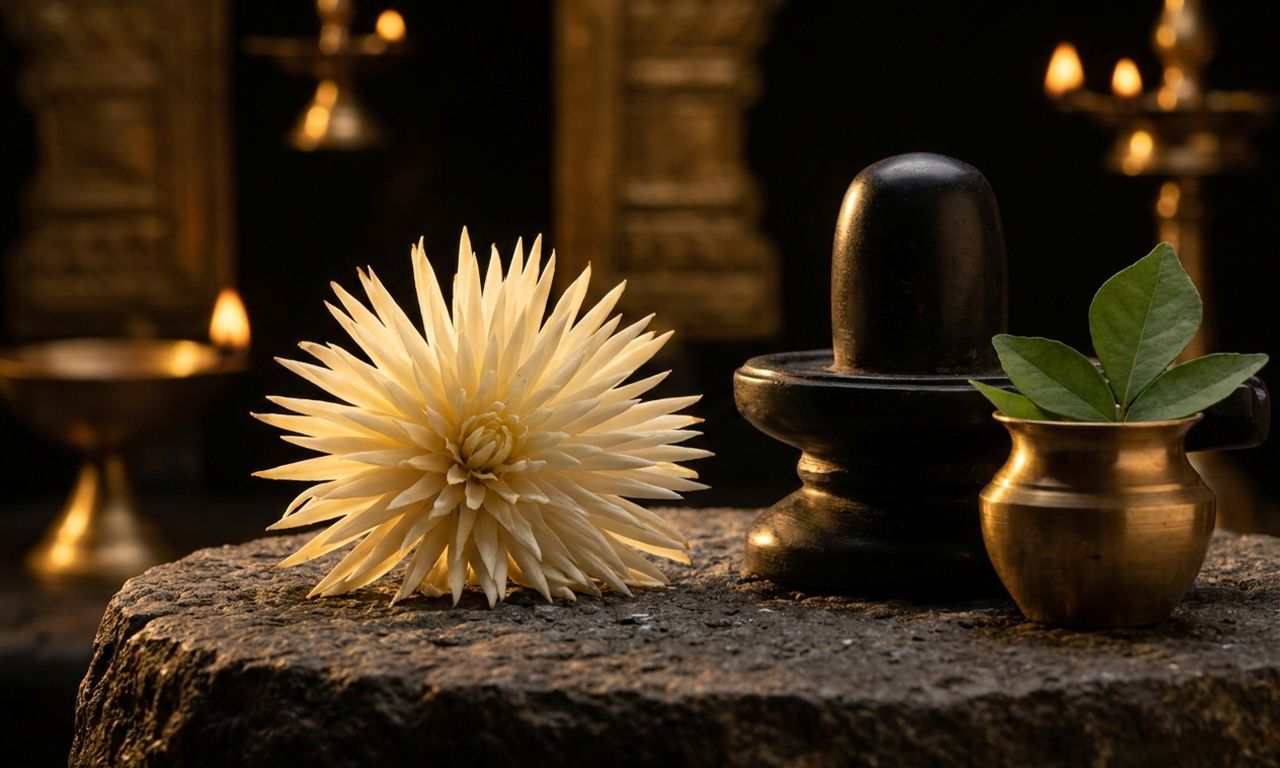
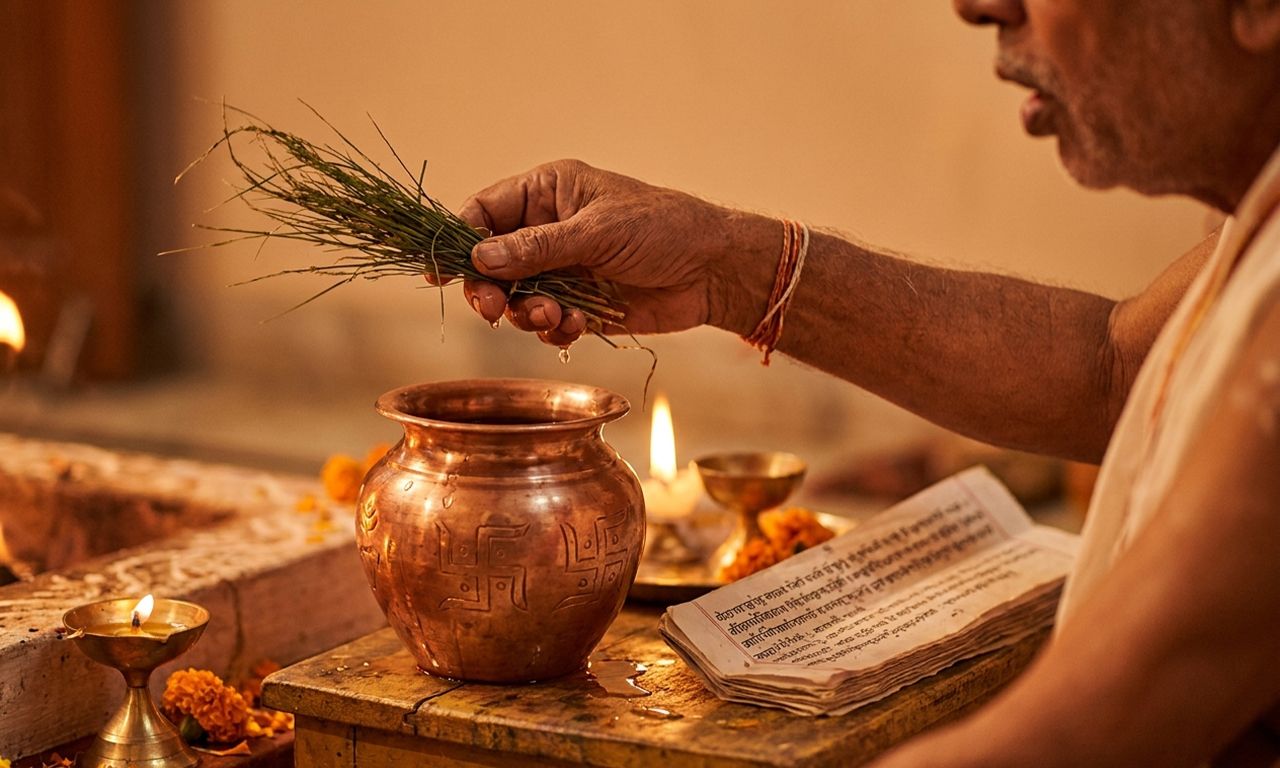
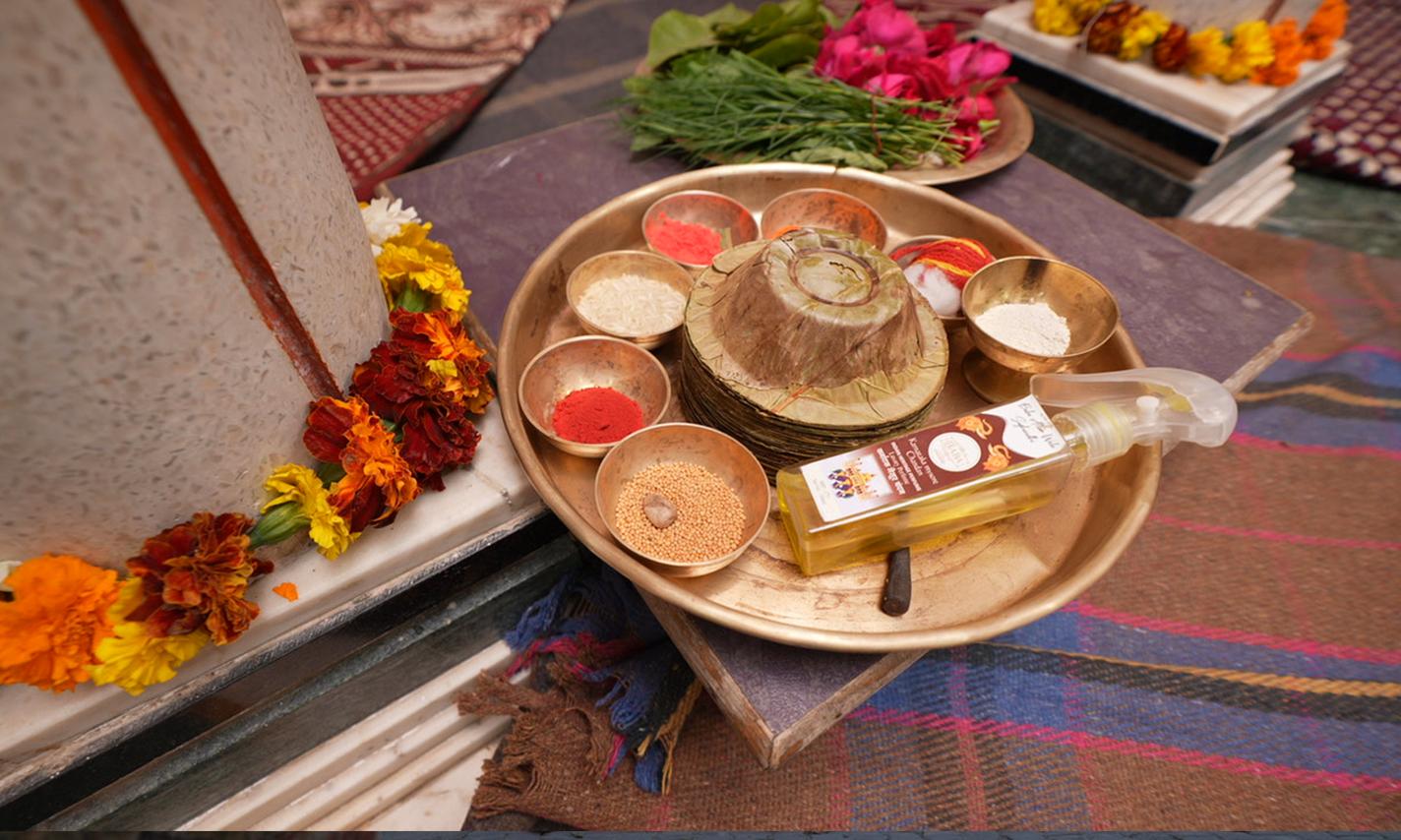
The hawan samagri for Baglamukhi is specific. Yellow mustard seeds (sarson) - for Stambhan of obstacles. Sesame (til) - for the resolution of past karma. Pure cow's ghee - the substance that fire transforms most completely. Dry fruits - for prosperity. The herbs of the Tantra - guggul, jatamansi, specific items the tradition has held.
Why Fire Matters in Baglamukhi Puja
Other forms of worship offer materials directly to the deity. The fire ritual offers them through the medium of fire - and fire transforms. The same offering, when given through fire, reaches the goddess in a different form. This is the baglamukhi havan benefits that no other form of puja can replicate.
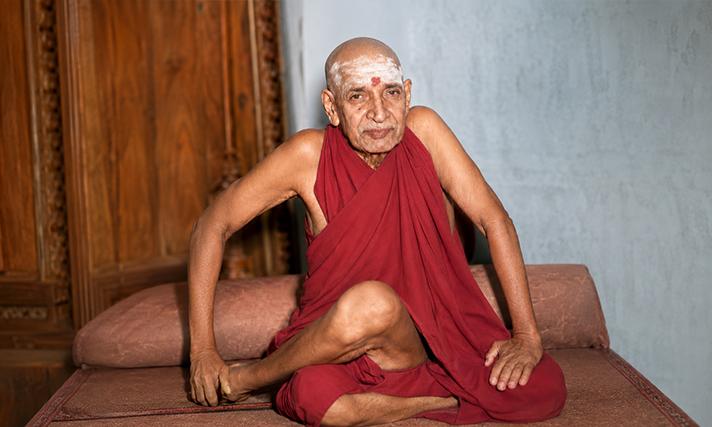
The pandit at Narwar Dham said it directly: the puja before the havan is preparation. The havan is the puja. The puja after the havan is closing.
What This Means for Your Pooja
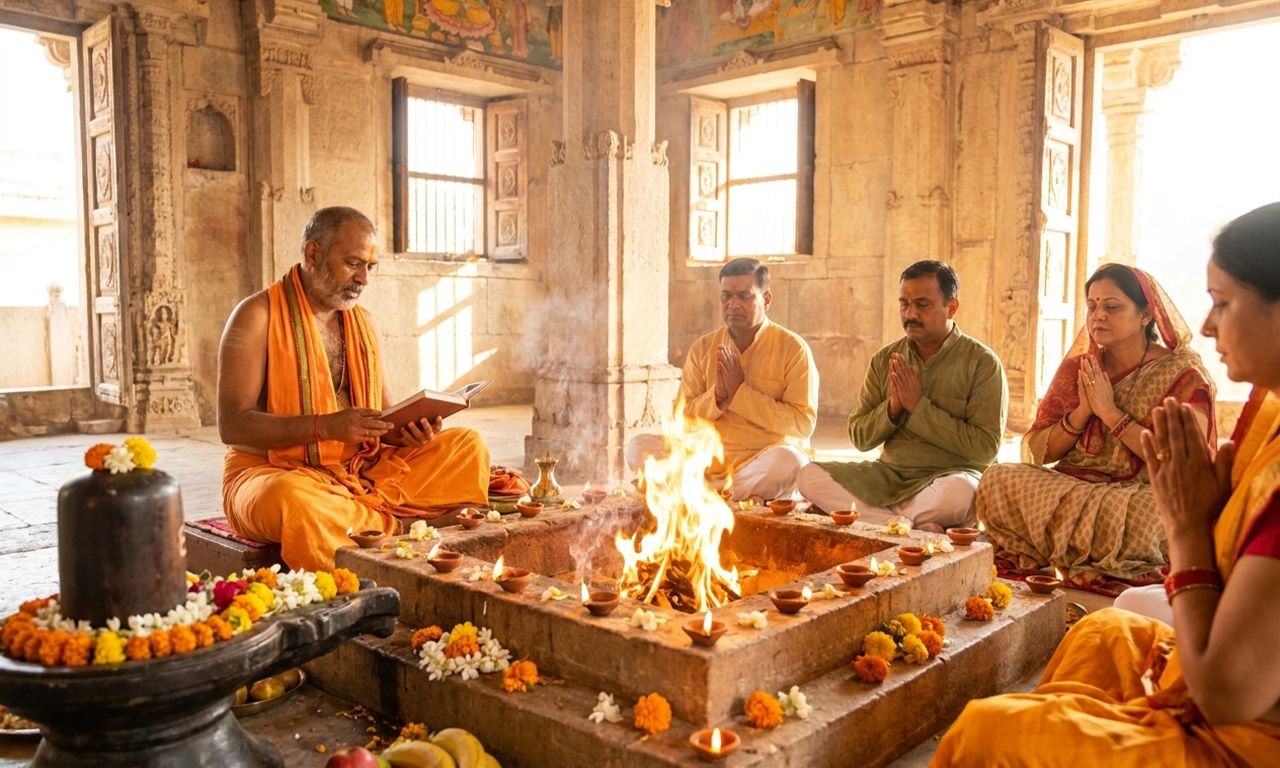
When you book a SiddhiStar Baglamukhi puja, the baglamukhi havan is conducted in full - three fires, full ahuti, complete havan vidhi. Not symbolically. Functionally. The samagri is purchased and prepared on your behalf. The fire is lit on your behalf. The Ahuti are offered with your name spoken in the Sankalp.
Book a Baglamukhi puja with full Havan with SiddhiStar Online Puja service from Narwar Dham. Three fires. Full ahuti.