What the Upchar Offerings Do in a Baglamukhi Puja: Each Material and Its Purpose
By SiddhiStar | Narwar Dham Parampara
15 May 2026 • 6 min read
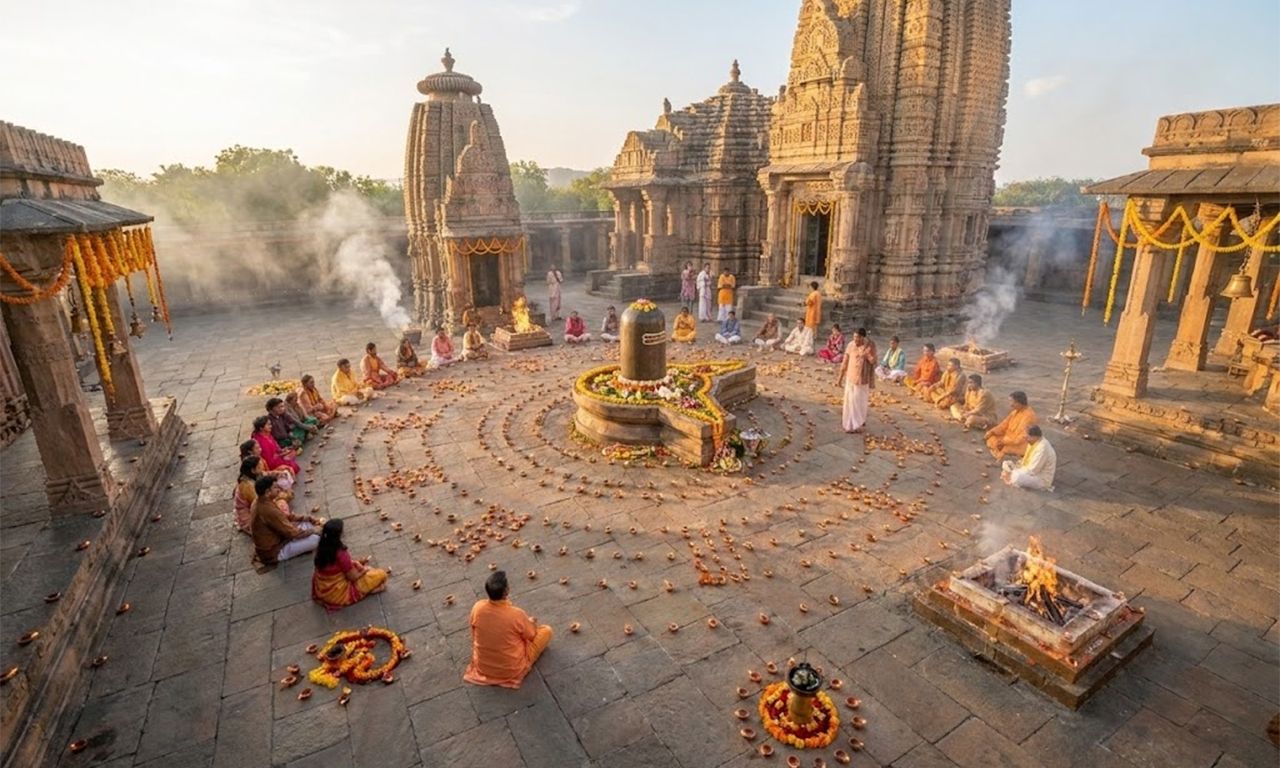
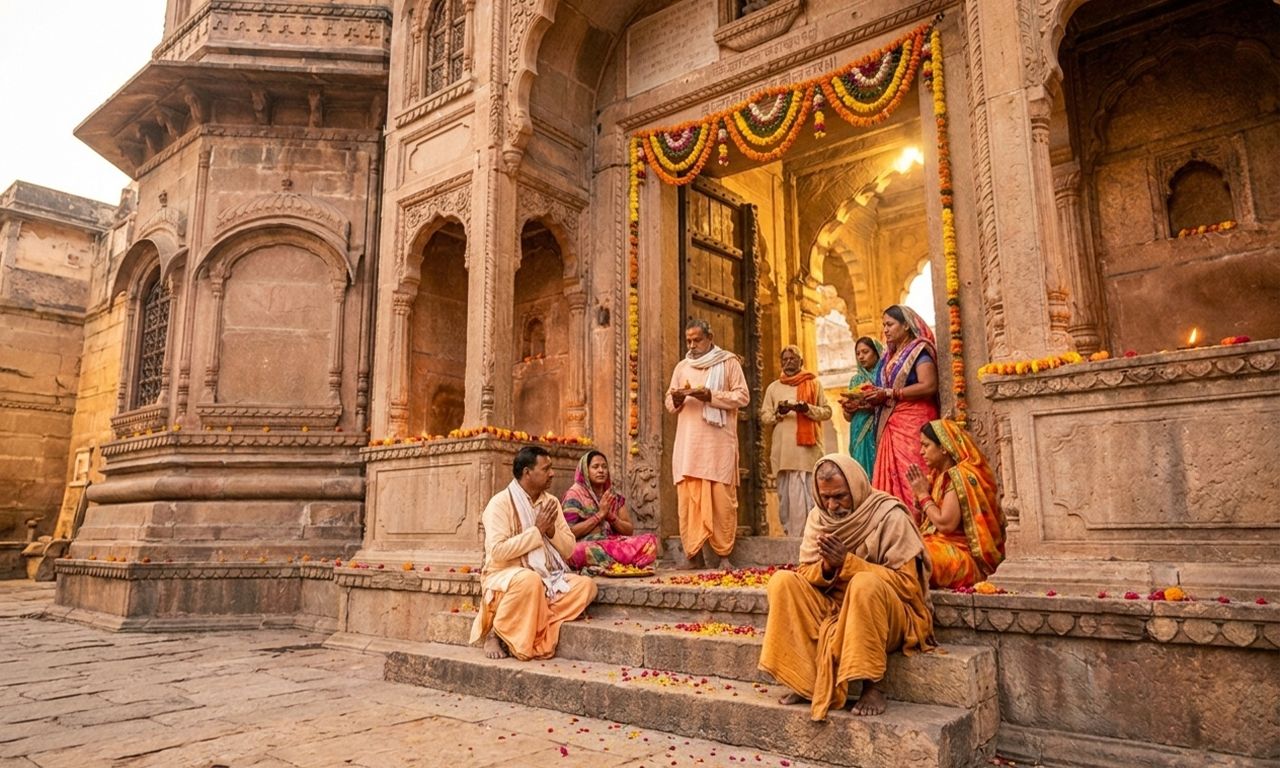
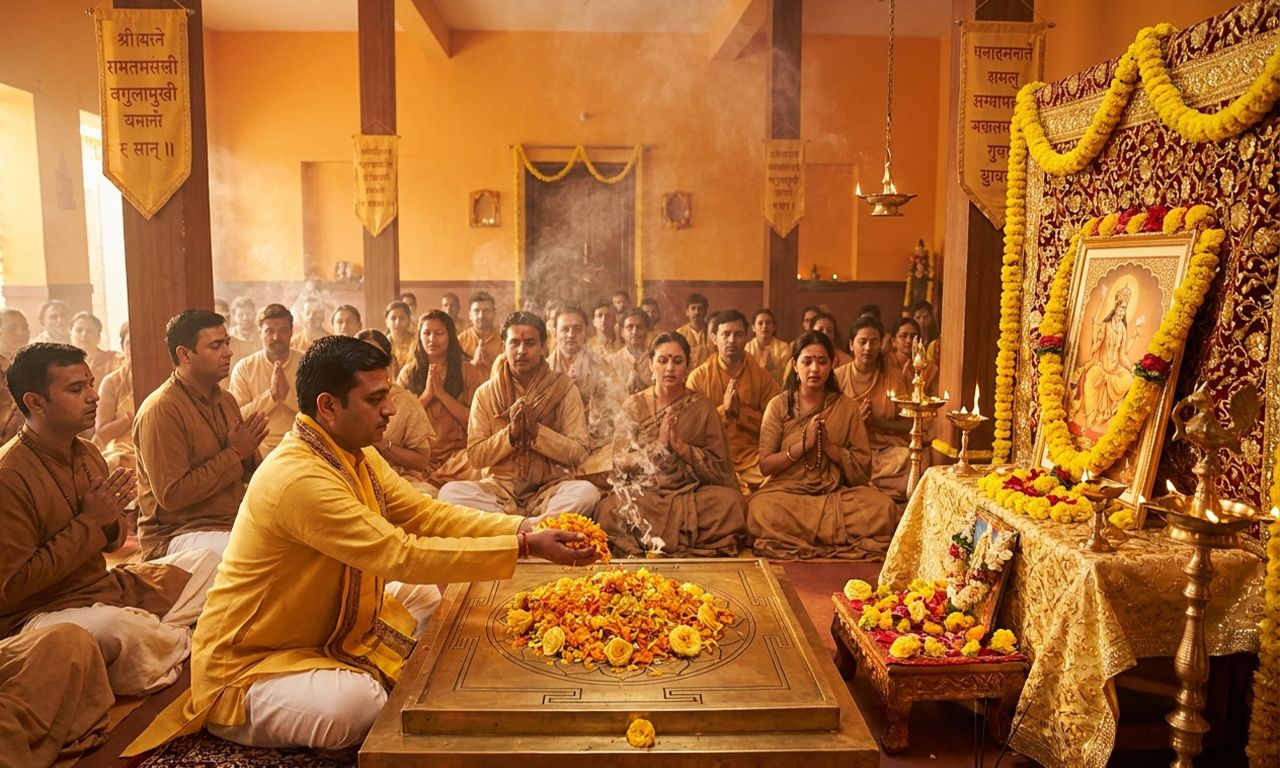
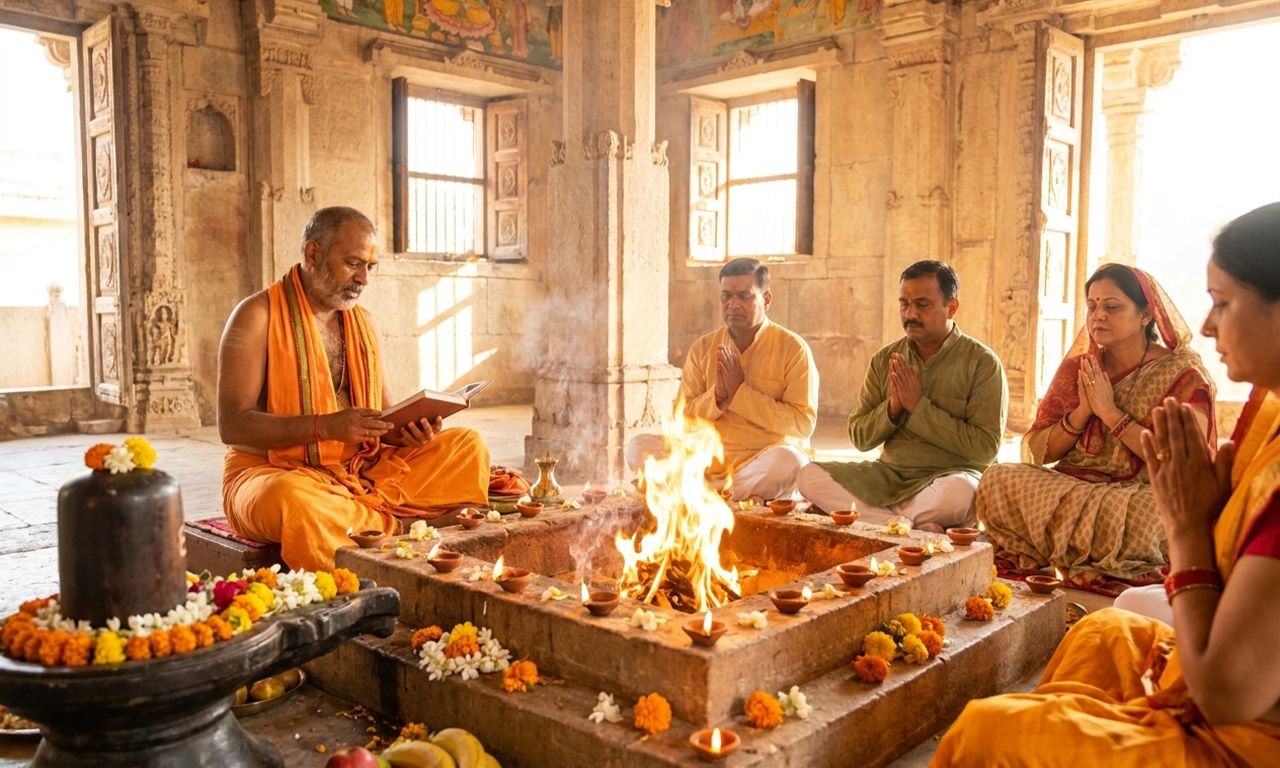
In any Baglamukhi puja, the materials offered are not arbitrary. Each one is an address - a specific request directed to a specific aspect of the goddess. Sixteen Upchar offerings are made in the standard sequence, and the pandit at Narwar Dham explained what each one is doing during the Baglamukhi Jayanti ceremony.
What follows is that explanation, drawn directly from the transcript of the puja.
Asana - The Seat
The first offering is the asana - a seat for the goddess to settle into the puja. Not symbolic. The goddess is being invited to be present, and she requires a place that has been prepared for her arrival.
Padya, Arghya, Aachaman - The Welcome
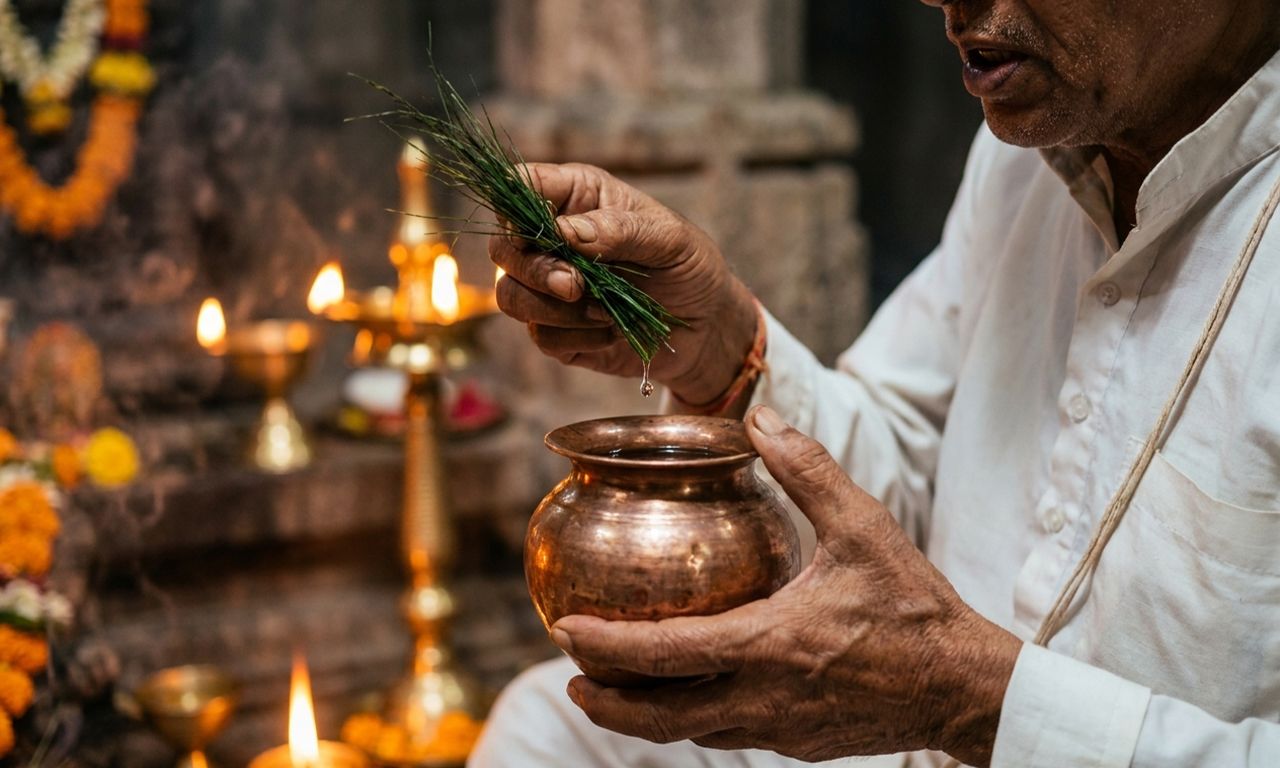
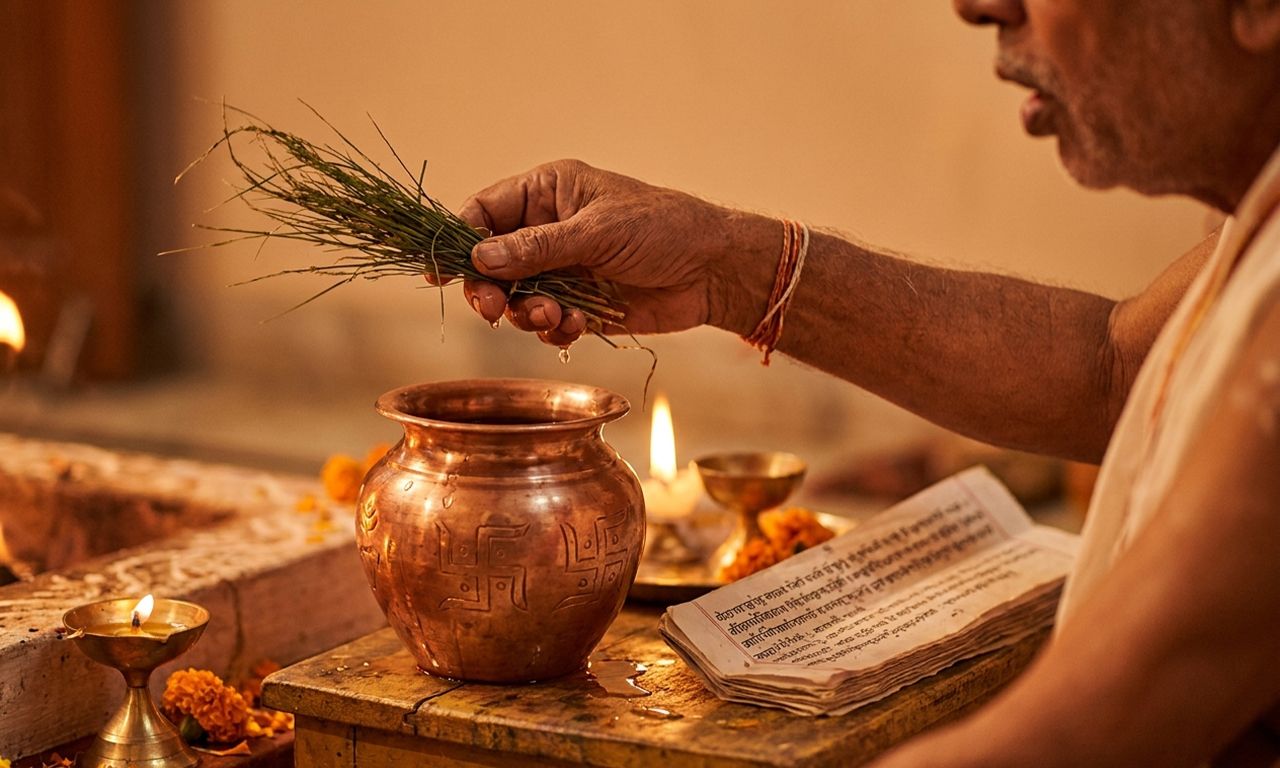
Water for washing the feet, water for the hands, water for sipping. The same hospitality offered to any honoured guest. The baglamukhi mantra that accompanies these offerings invokes her presence in the specific bodily form the tradition holds.
Snan - The Bath
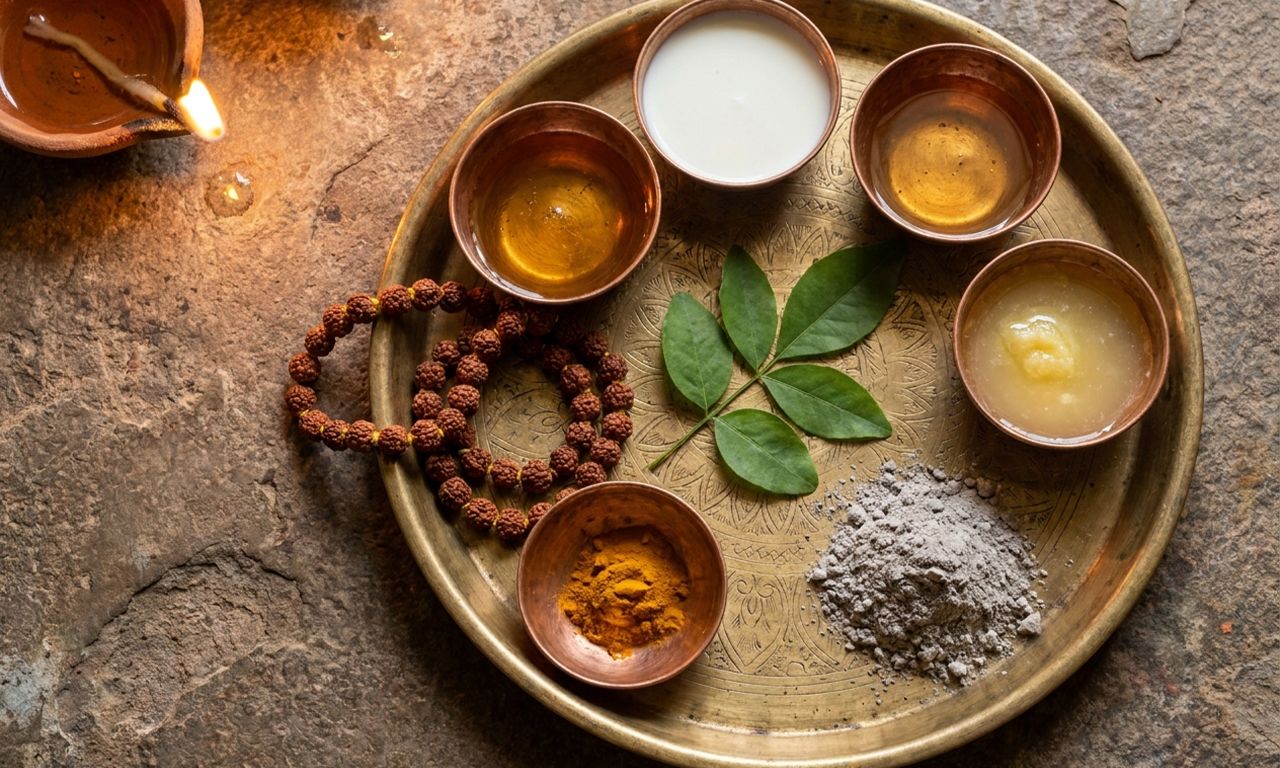
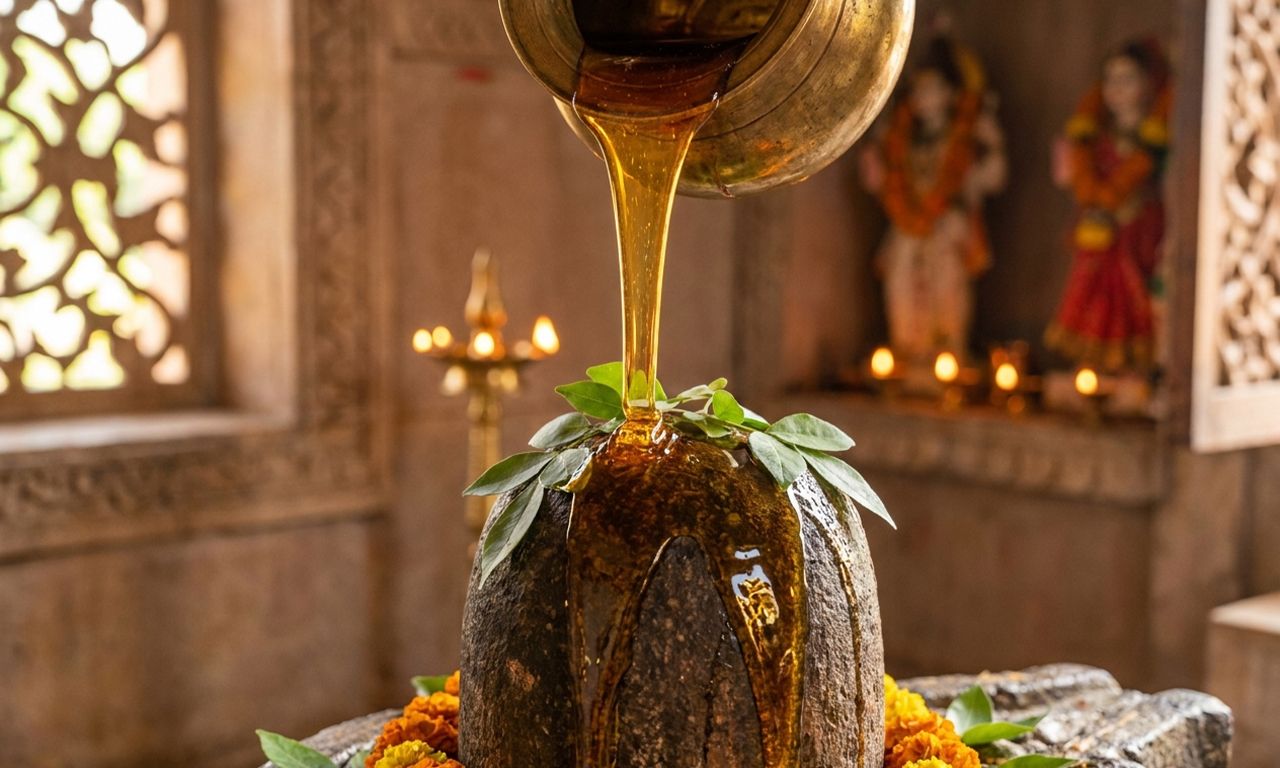
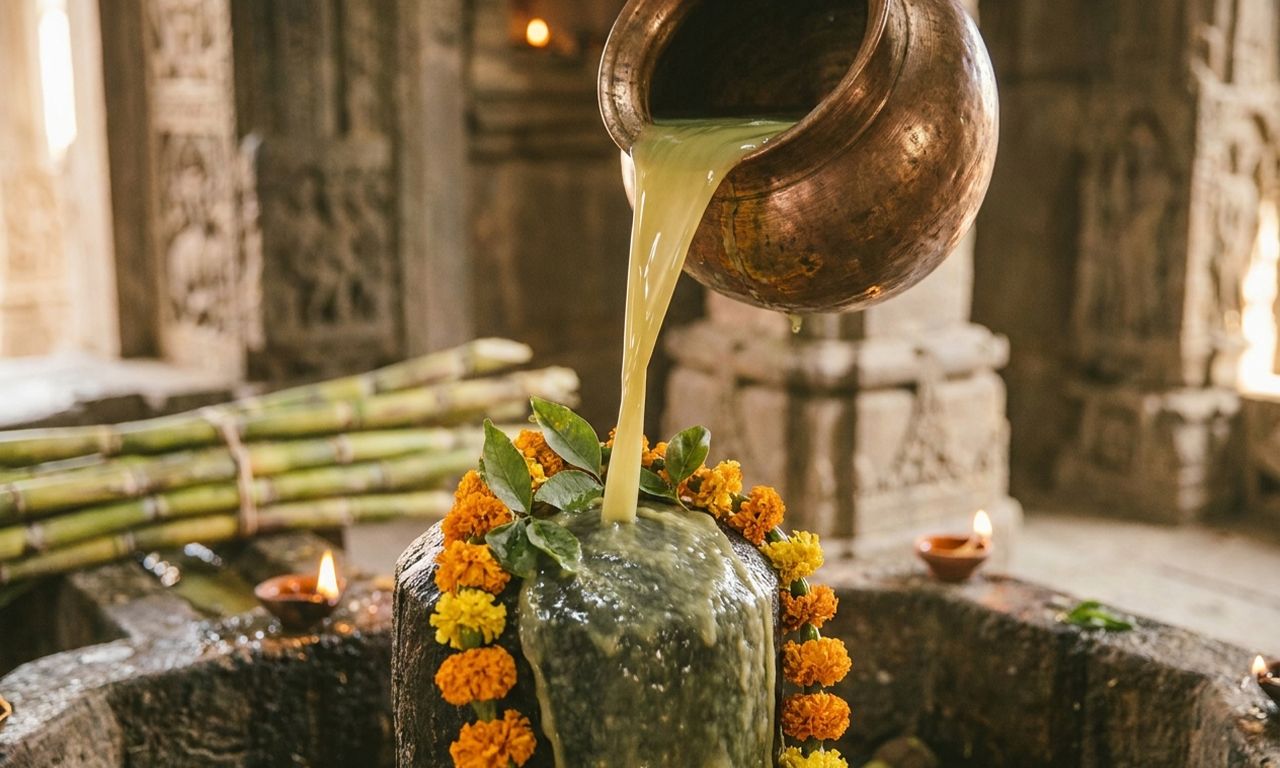
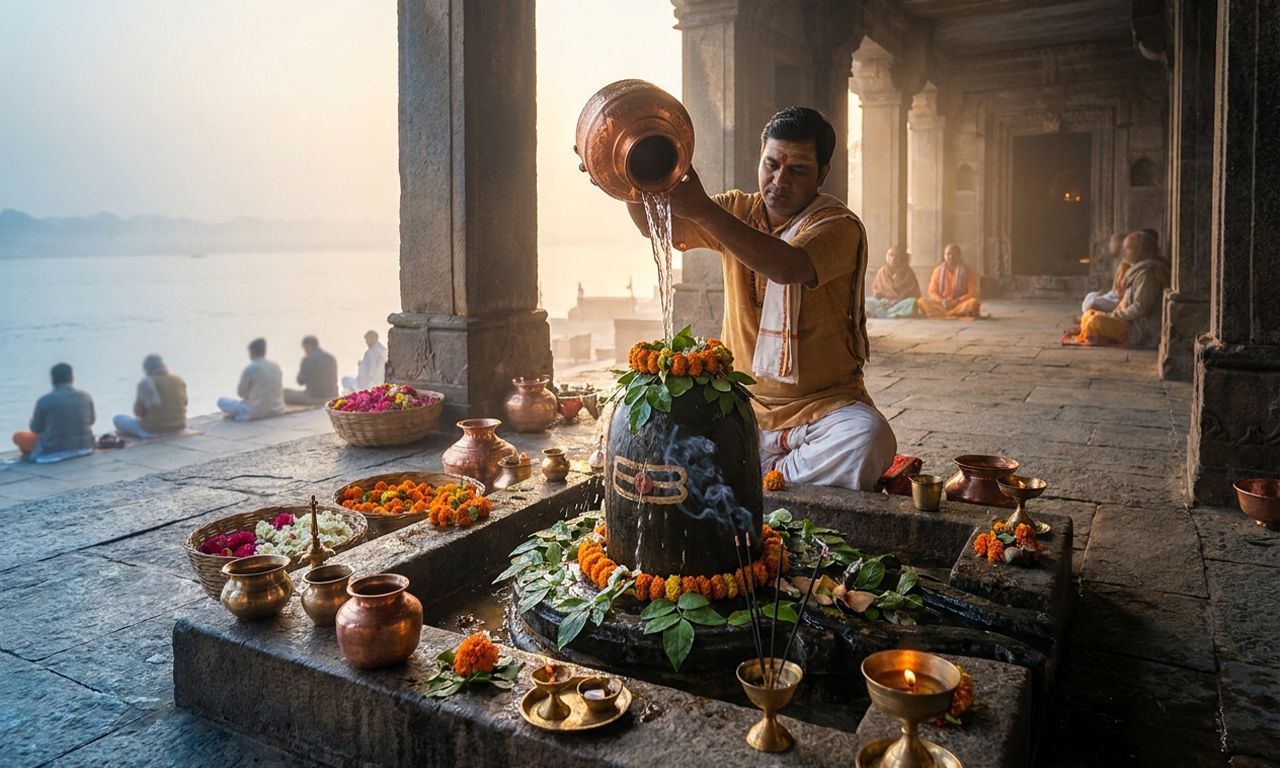
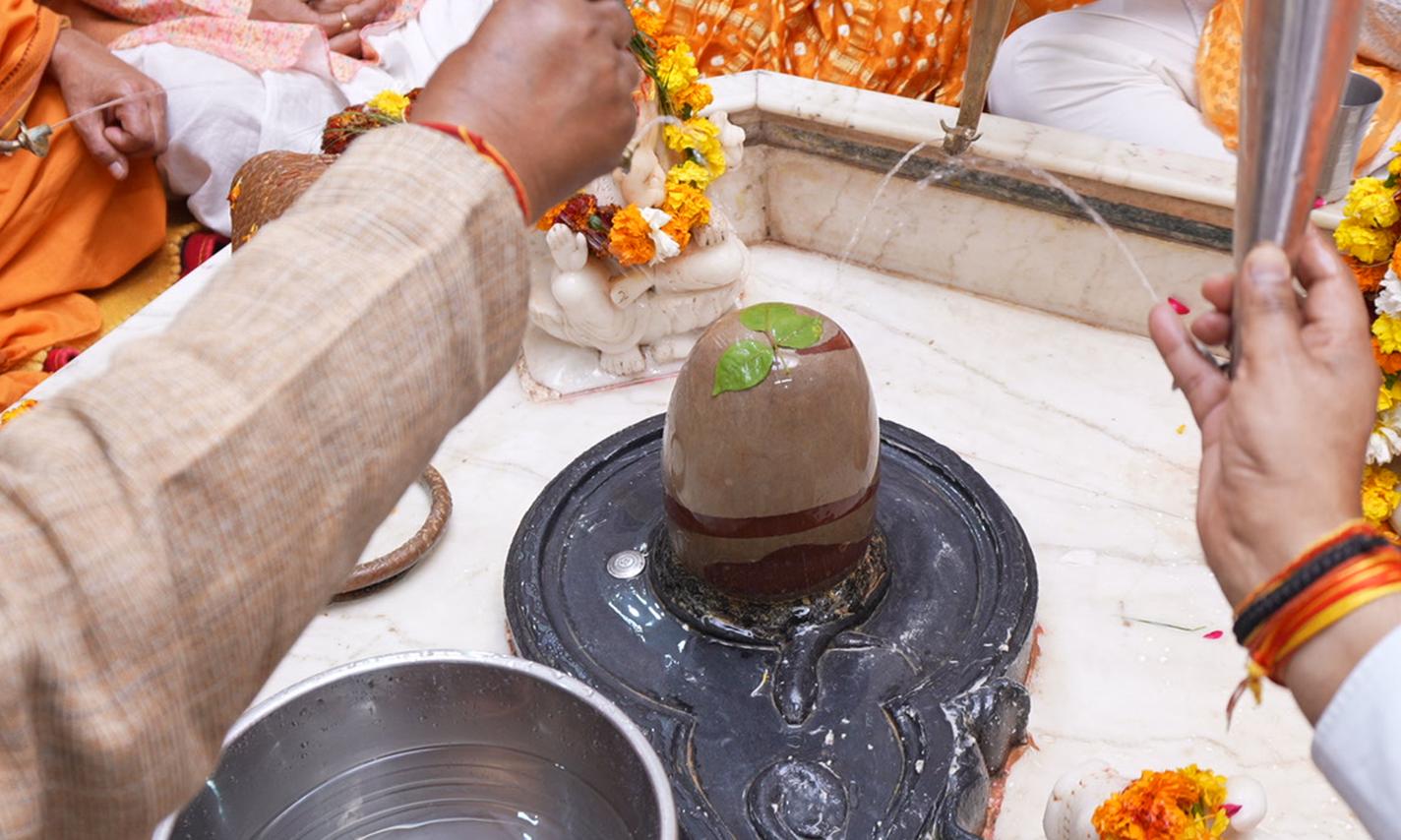
Five ritual baths follow: water, milk, curd, ghee, honey. The panchamrit of any Vedic puja, applied here to the Baglamukhi yantra or murti. Each substance carries its own request - purification, nourishment, prosperity, vitality, sweetness.
Vastra and Yajnopavita - Yellow Cloth and Sacred Thread
The cloth offered to Baglamukhi is always yellow. The reason is not aesthetic - it is shastric. (See Article 5 for the full Peetambara explanation.)
Gandh, Pushp, Dhup, Deep - Fragrance, Flowers, Incense, Lamp
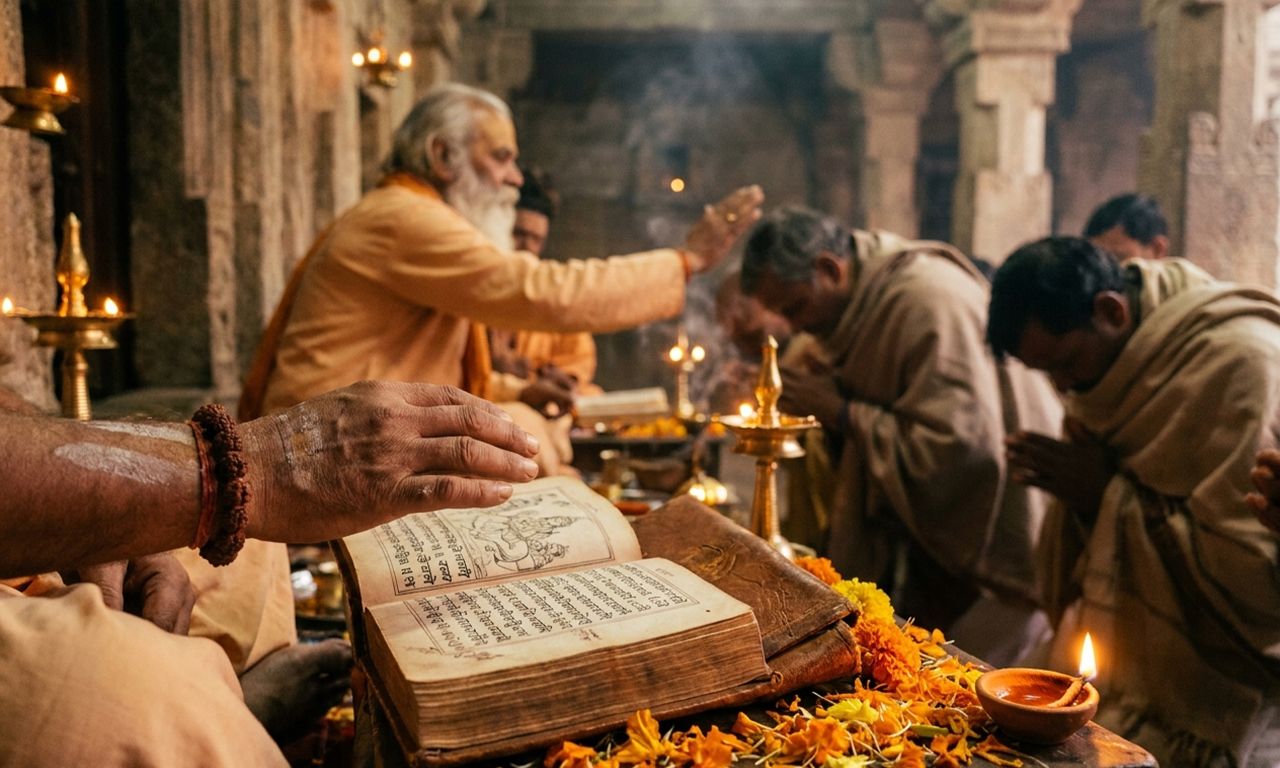
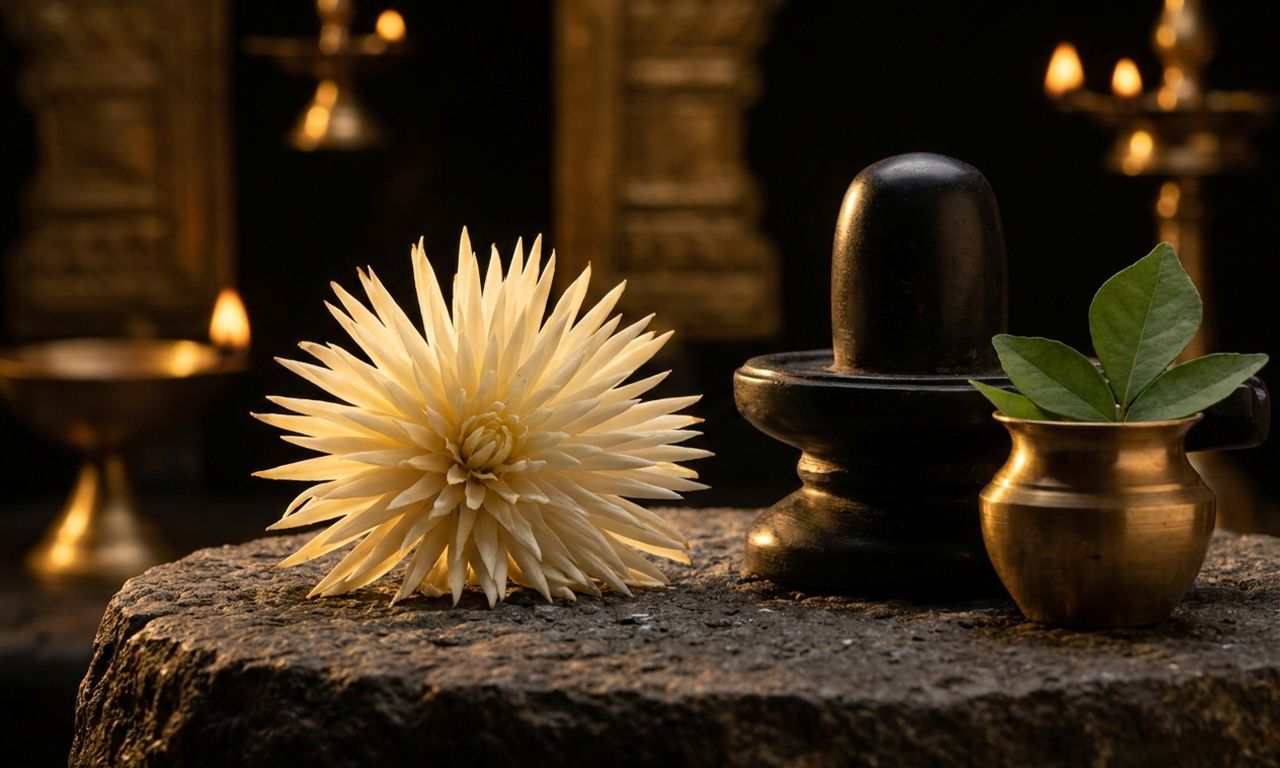
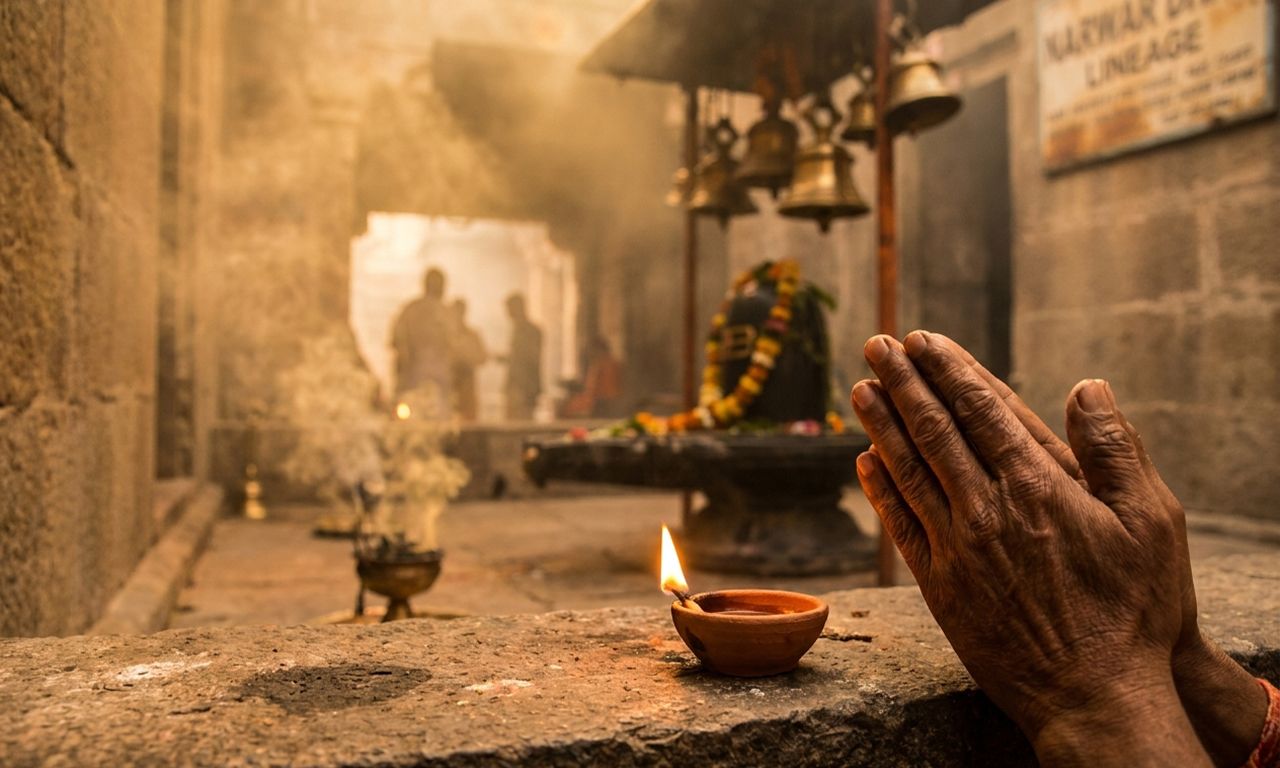
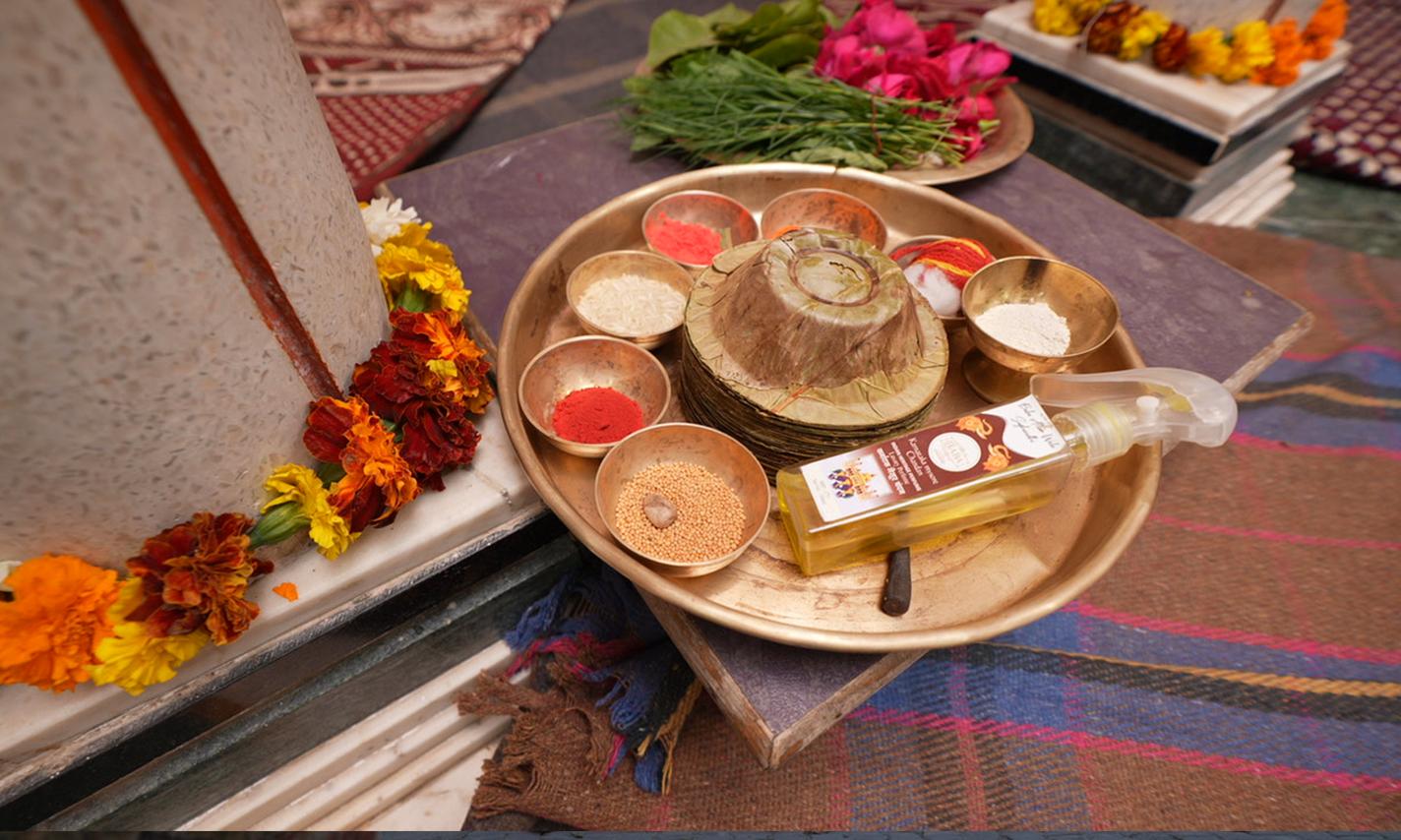
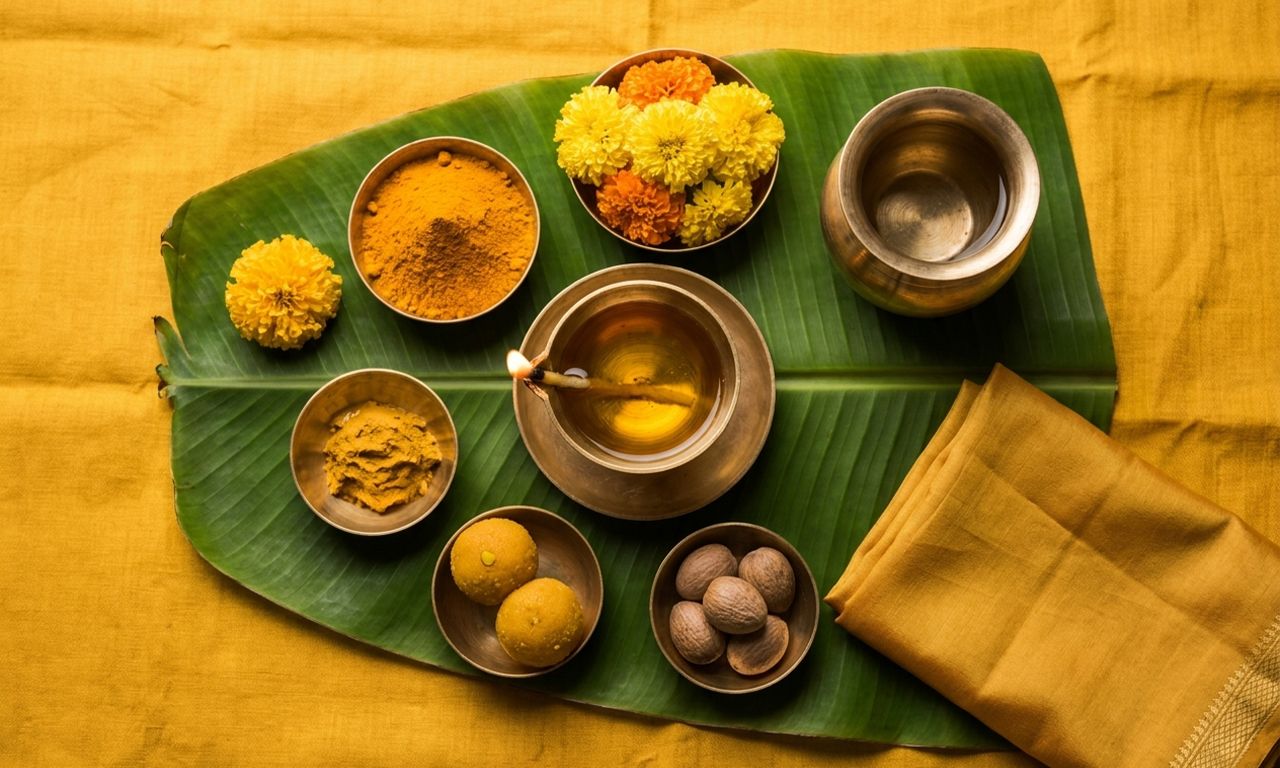
Sandalwood paste. Yellow flowers - turmeric flowers especially. Frankincense or guggul. The lit ghee lamp. Each one engages a different sense in the puja, and each one asks for a different blessing: the fragrance of recognition, the bloom of opportunity, the rising of intention, the illumination of understanding.
Naivedya - The Food Offering
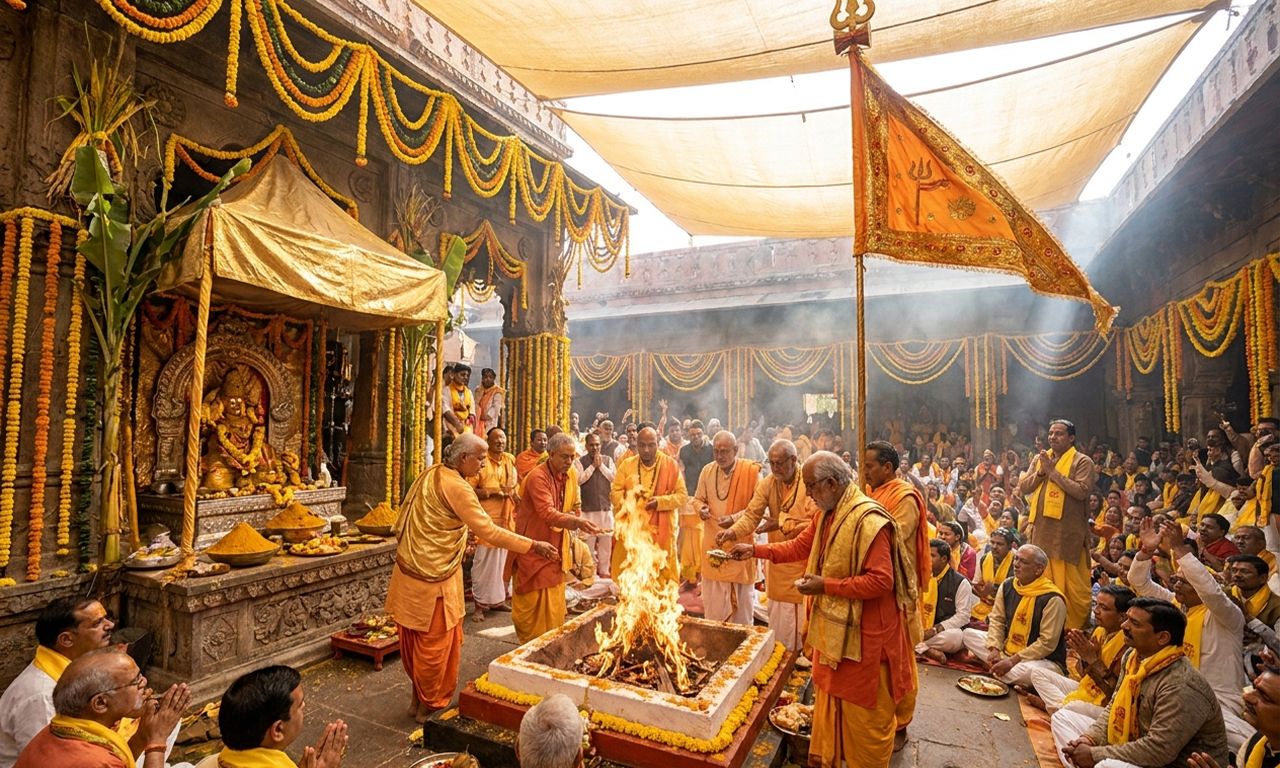
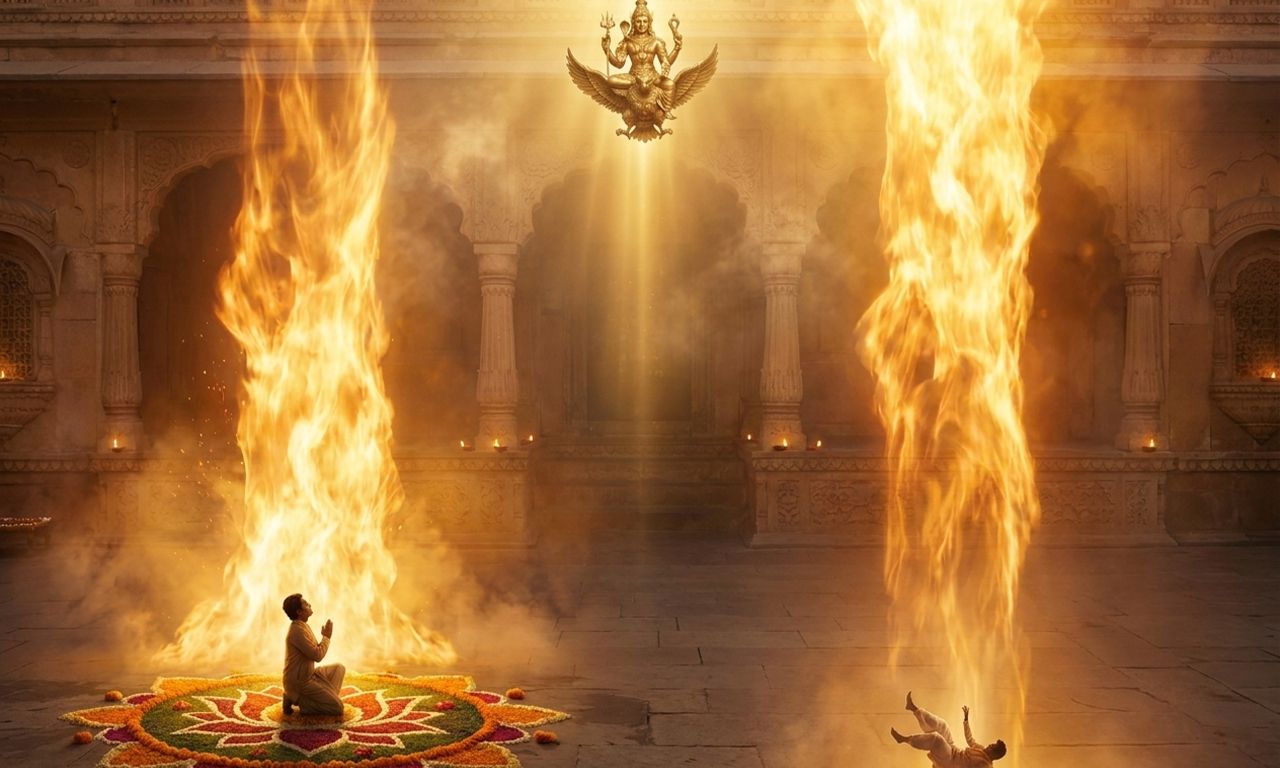
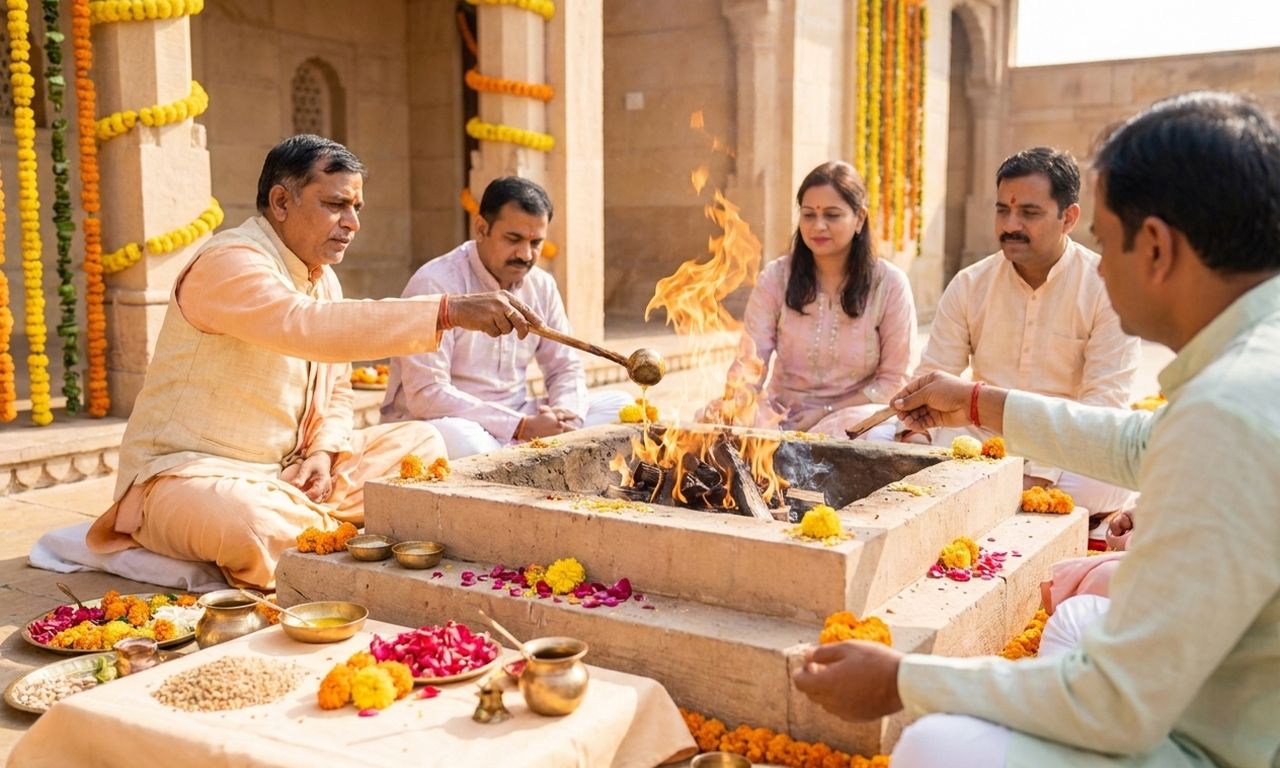
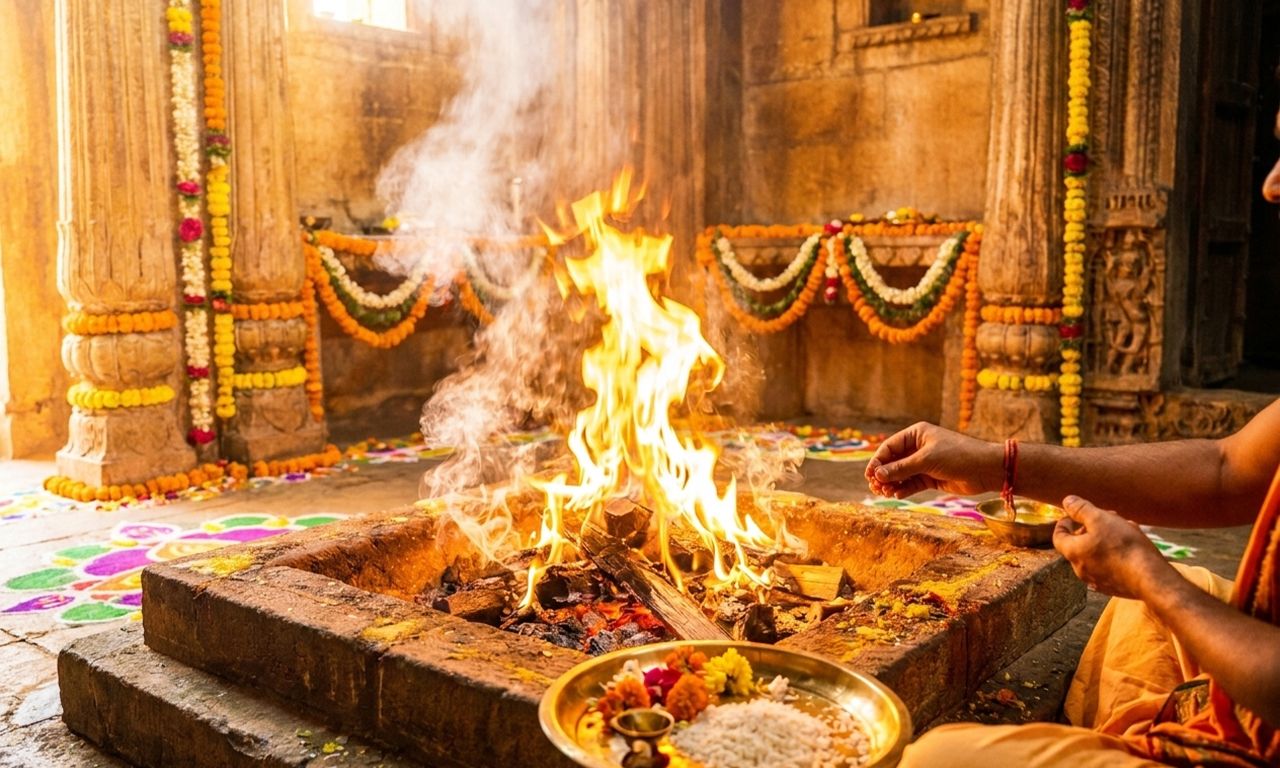
Yellow food - sweet rice, jaggery, turmeric-coloured offerings. Placed before the goddess and accepted on behalf of the devotees. The baglamukhi havan that follows builds on this offering - fire transforms what has been placed before her.
Tambul, Dakshina, Aarti, Pradakshina, Pranam
Betel leaf. The dakshina (which is not payment - see Article 22). The waving of the lit lamp. Circumambulation. And finally, the prostration before the goddess.
Why the Materials Matter
A baglamukhi puja that uses only some of these offerings is shorter. A puja that uses all sixteen, in the correct havan vidhi, is what the tradition designed. The hawan samagri carries the request. Each material has been chosen, over thousands of years, for what it specifically asks.
When you book a SiddhiStar Baglamukhi puja, all sixteen Upchar are offered. Not symbolically. Functionally.
Book a Baglamukhi puja with full Upchar offerings.