What the Five Pranas Mean When They Are Offered in a Puja
By SiddhiStar | Narwar Dham Parampara
15 May 2026 • 5 min read
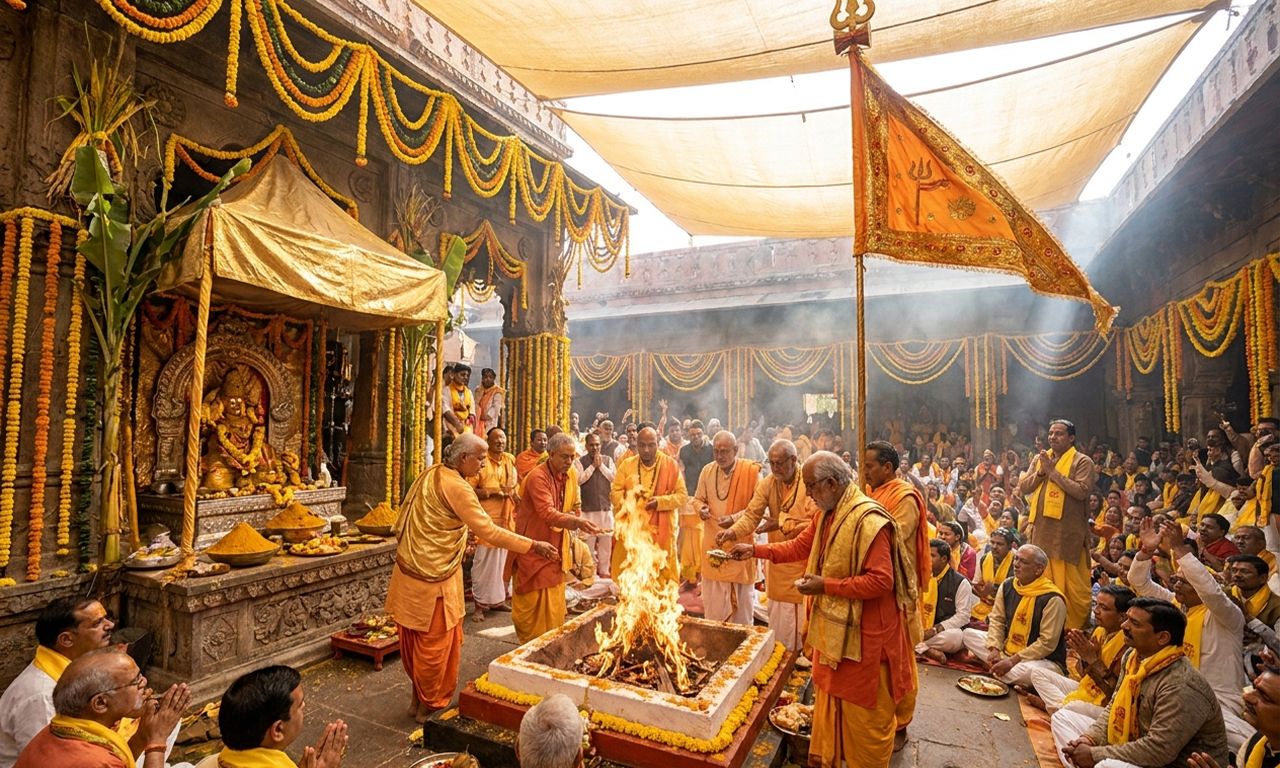
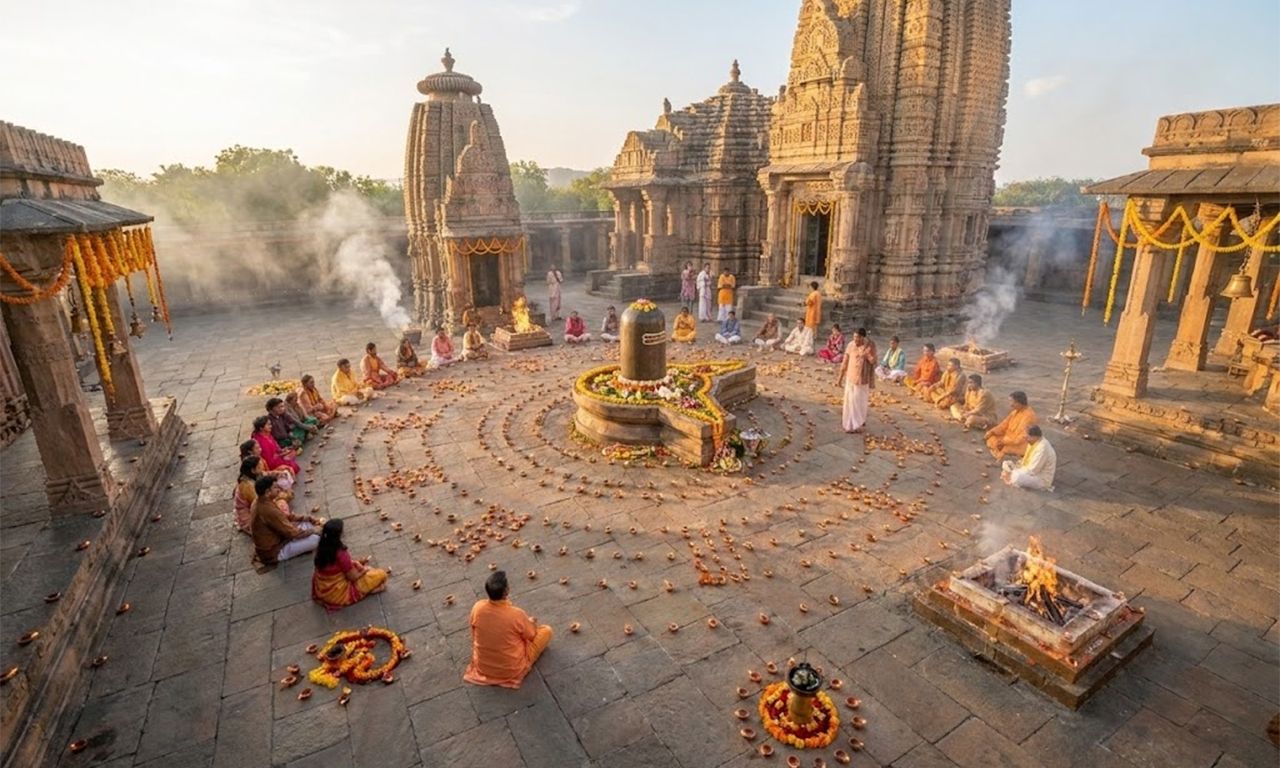
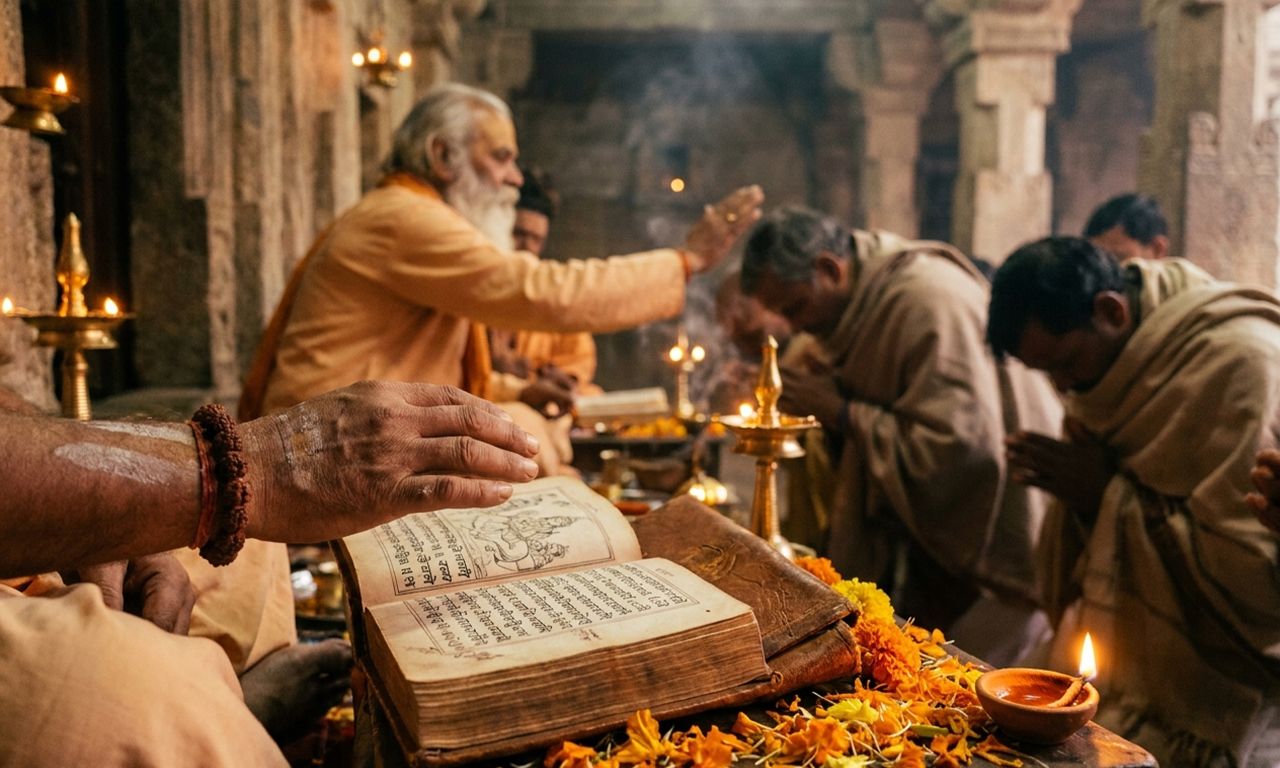
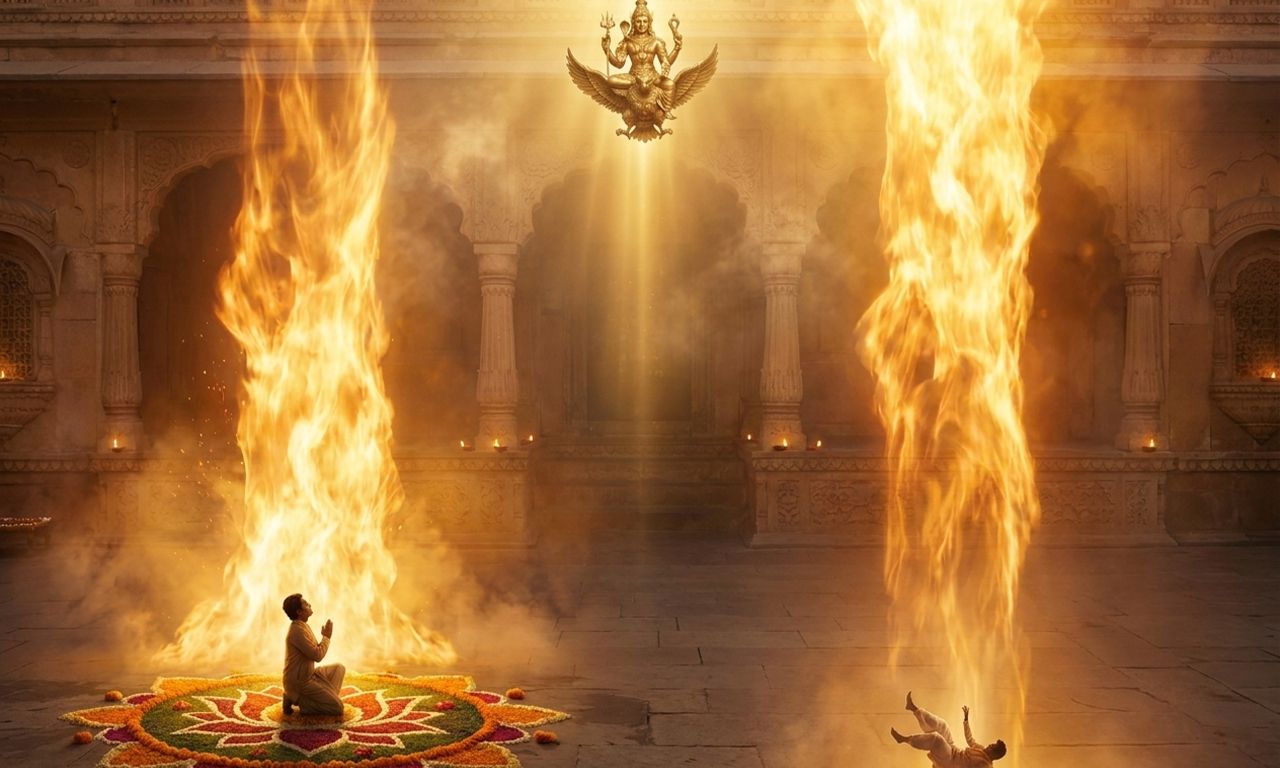
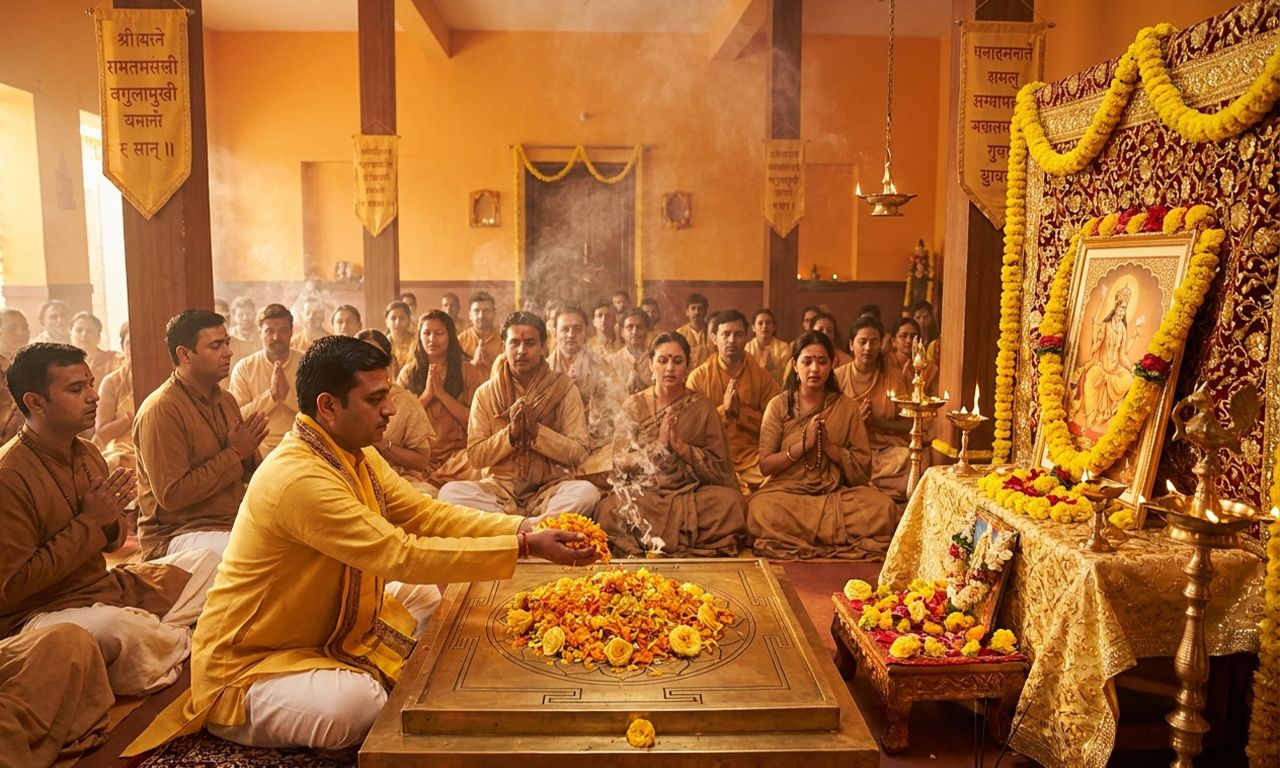
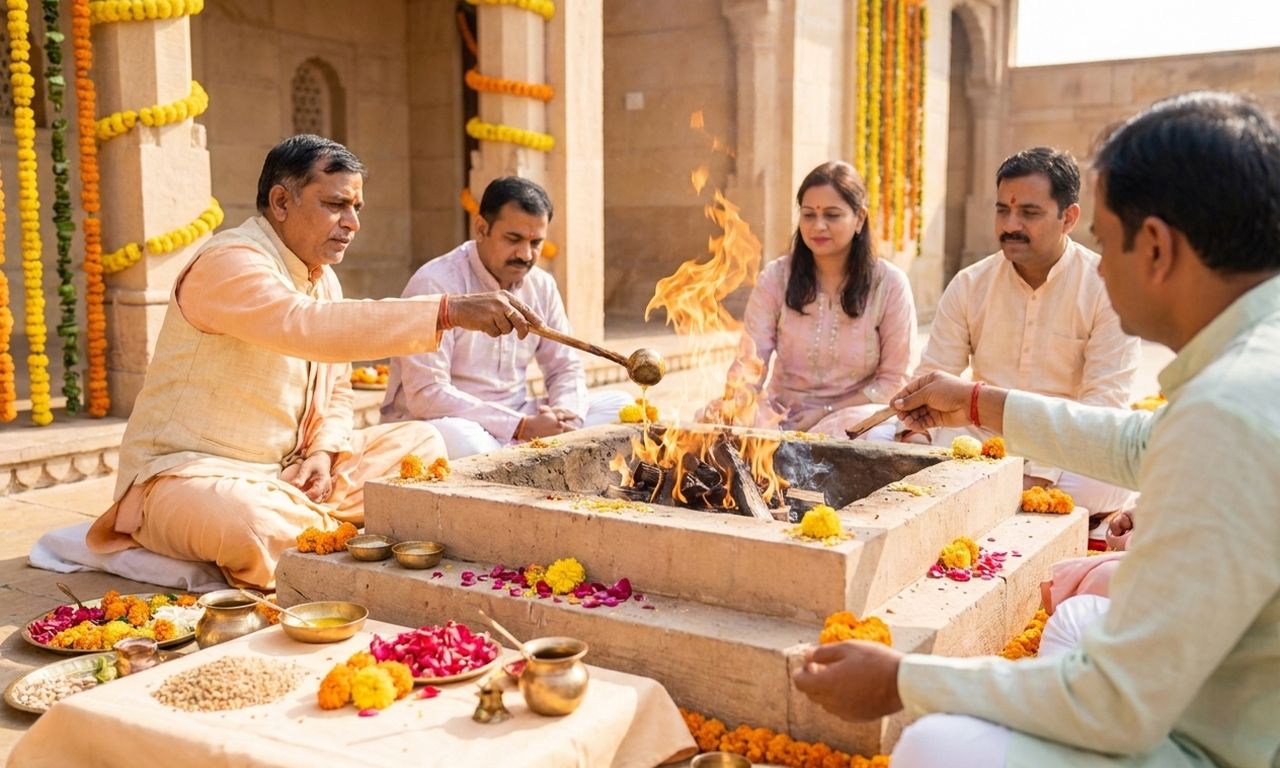
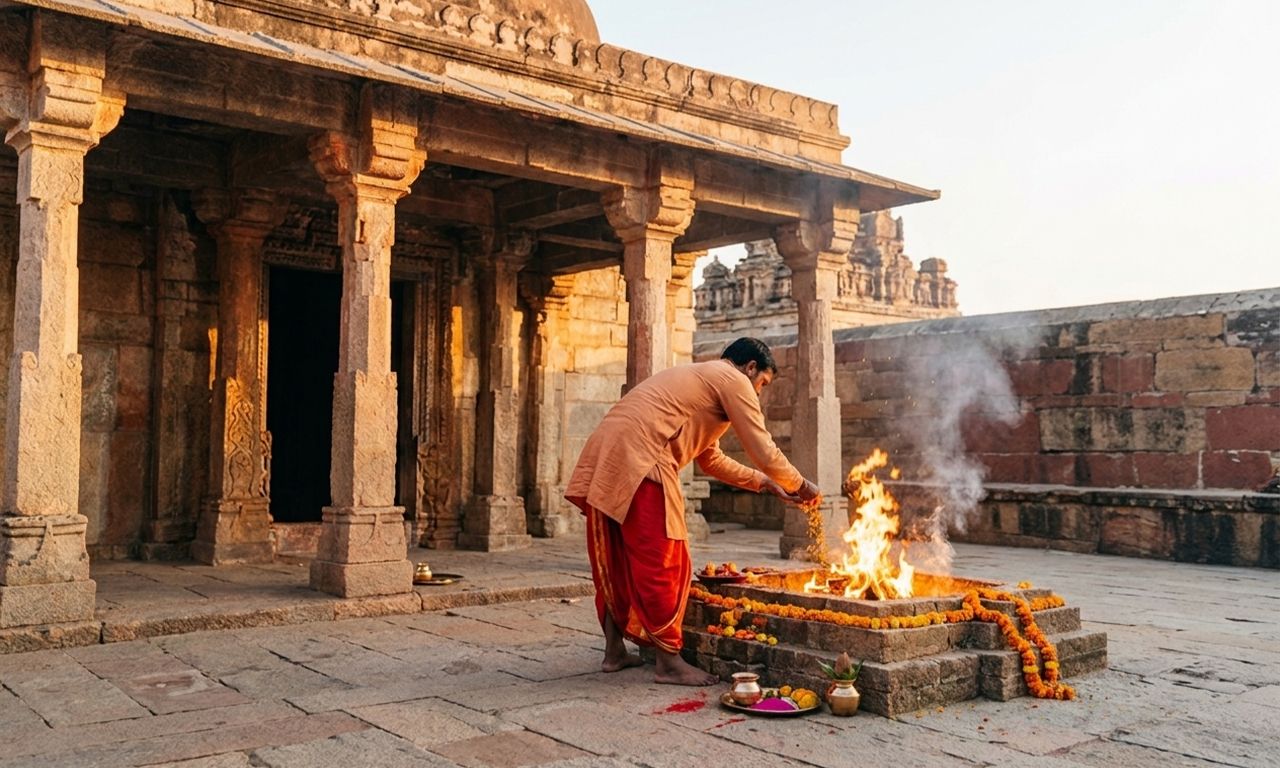
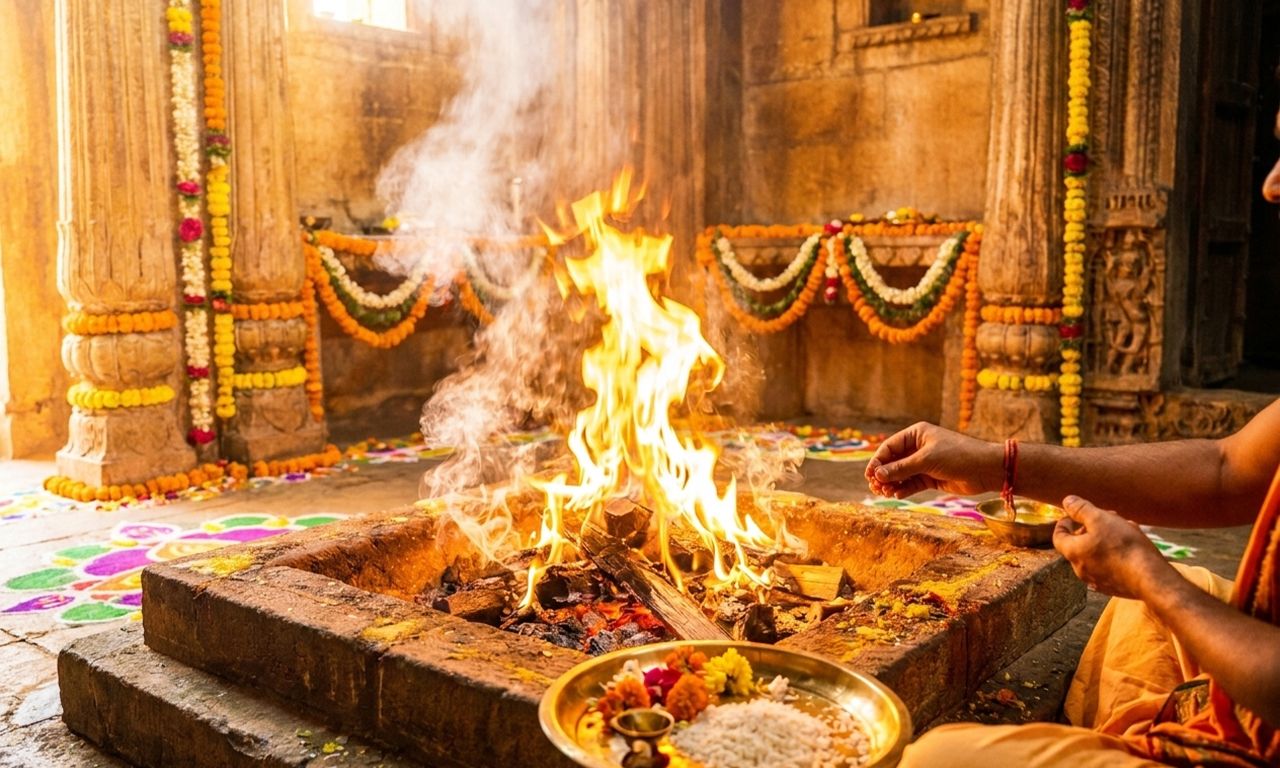
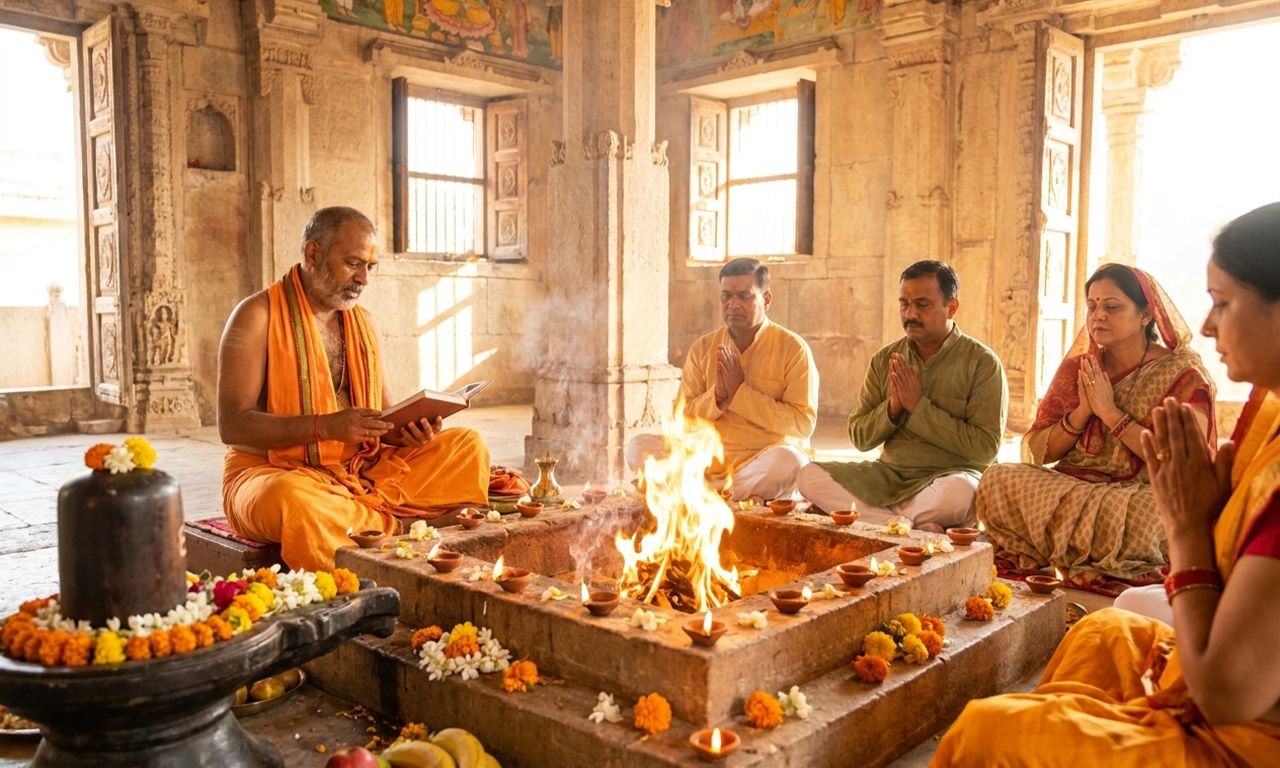
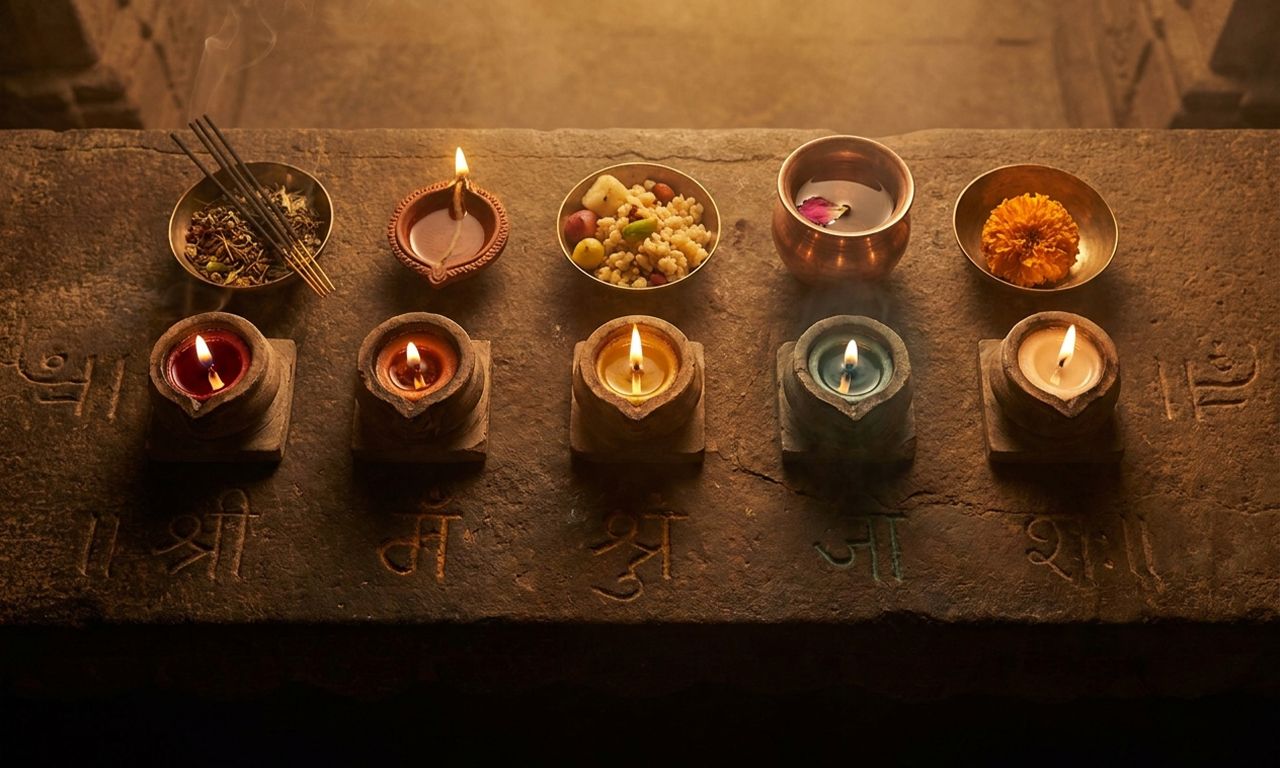
During the baglamukhi havan at Narwar Dham, between the main mantra Ahuti and the Purnahuti, the pandit performs the Prana Ahuti - five specific offerings, each one corresponding to one of the five Pranas that the body holds. The full baglamukhi mantra sequence treats this not as an additional step but as a structural one.
What follows is what the five Pranas are and why they are offered into the fire during a baglamukhi puja.
Prana - The Inhalation
The breath that enters. The receiving of cosmic energy. The first Ahuti acknowledges that all life depends on what is taken in - and offers that capacity back to the goddess.
Apana - The Exhalation, the Downward Movement
The breath that releases. The downward movement of waste, of completion, of letting go. The second Ahuti offers the body's ability to release as a participant in the puja.
Vyana - The Distributing Breath
The breath that moves throughout the body, distributing energy from one organ to another. The third Ahuti acknowledges the body's interconnection.
Udana - The Upward Breath
The breath that rises - the one that, at the moment of death, will carry consciousness upward. The fourth Ahuti offers this rising principle to Maa Baglamukhi as a way of dedicating one's eventual passage to her care.
Samana - The Equalising Breath
The breath that maintains balance between the four others. The fifth Ahuti offers the principle of homeostasis itself.
Why This Matters in a Baglamukhi Havan
The havan vidhi is not just an offering of materials. It is an offering of the body's own capacities - five distinct ways in which the body holds life - given back to the source of all life. Baglamukhi mata receives them. The body that completes this Ahuti carries the puja in itself, not just around itself.
Book a Baglamukhi puja with complete Sankalp with SiddhiStar Online Puja service from Narwar Dham.