What It Means to Offer the Flower of the Sky: Aakasha Pushpam
By SiddhiStar | Narwar Dham Parampara
15 May 2026 • 4 min read
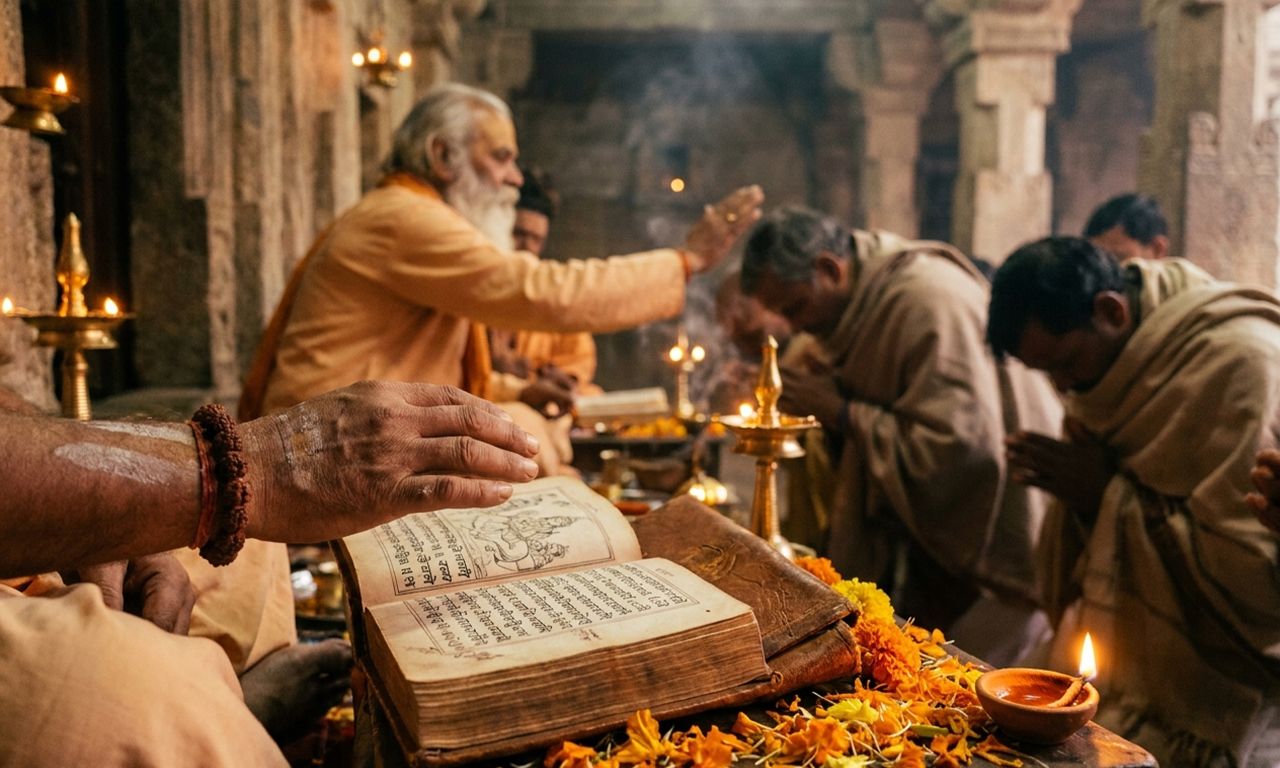
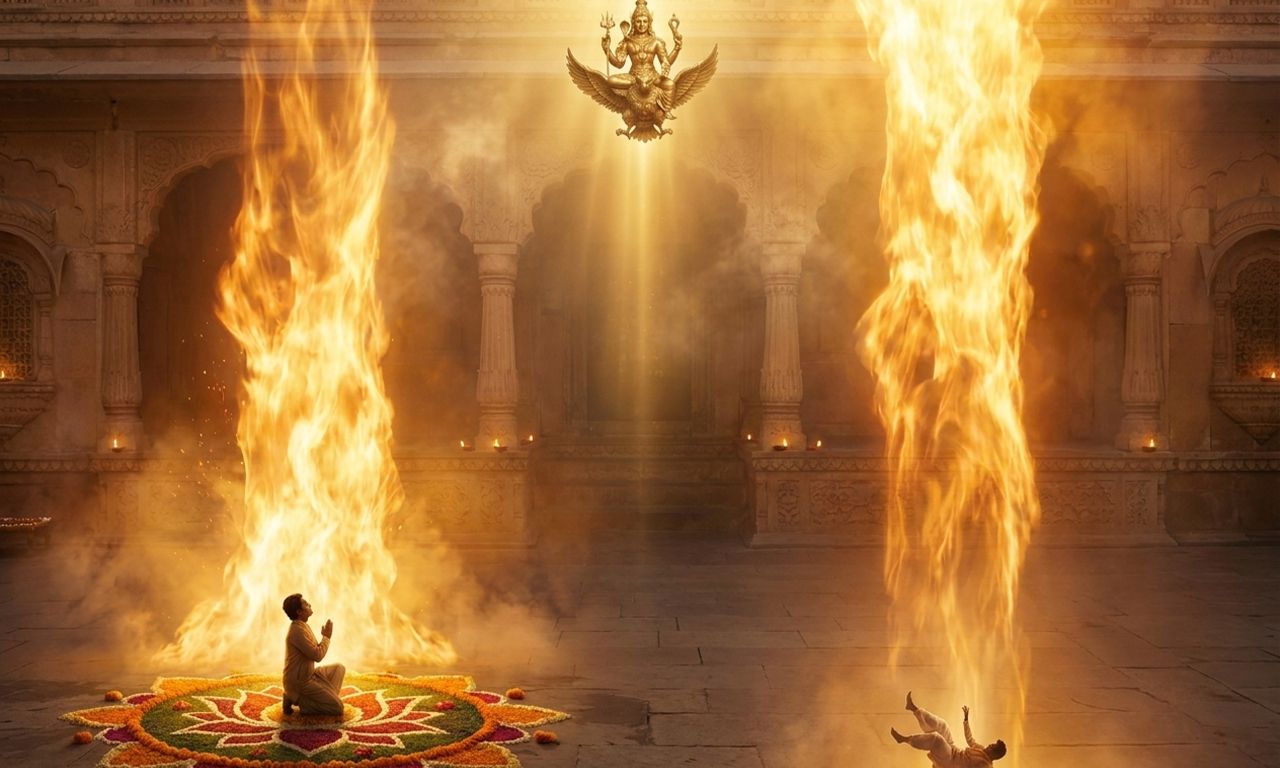
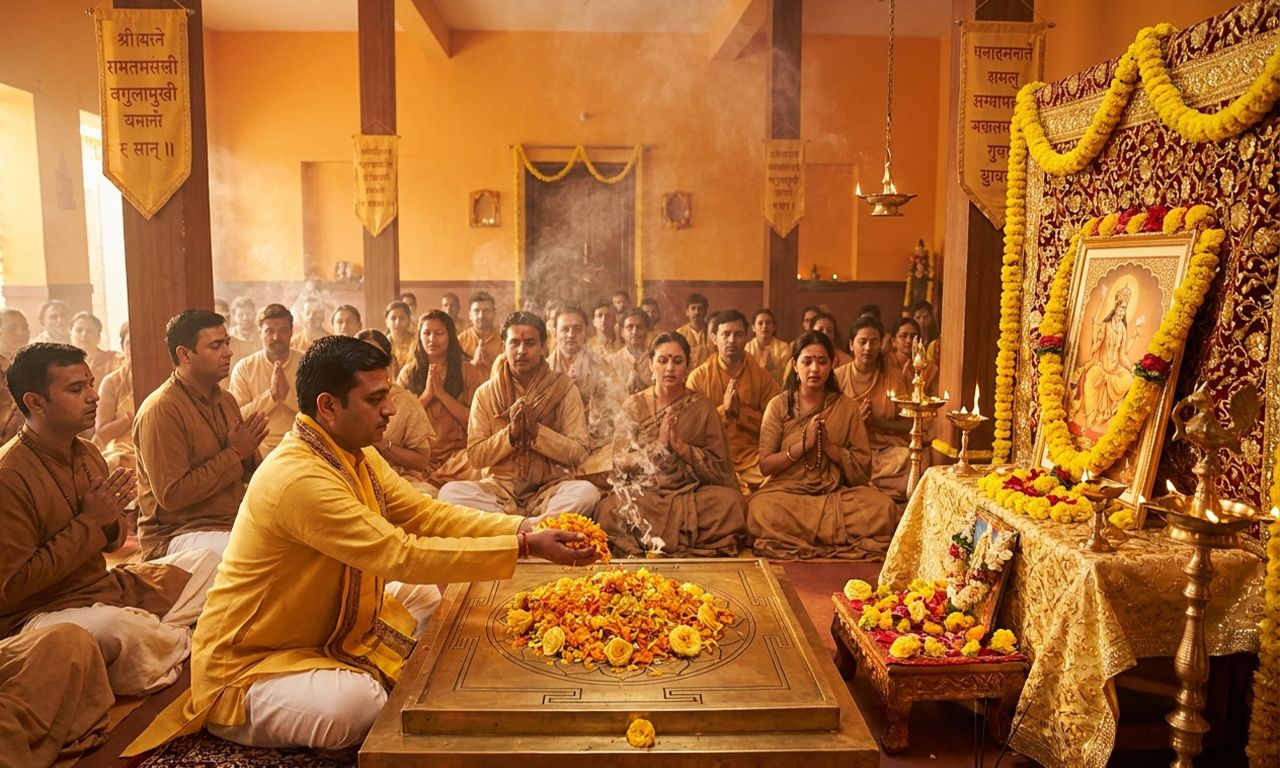
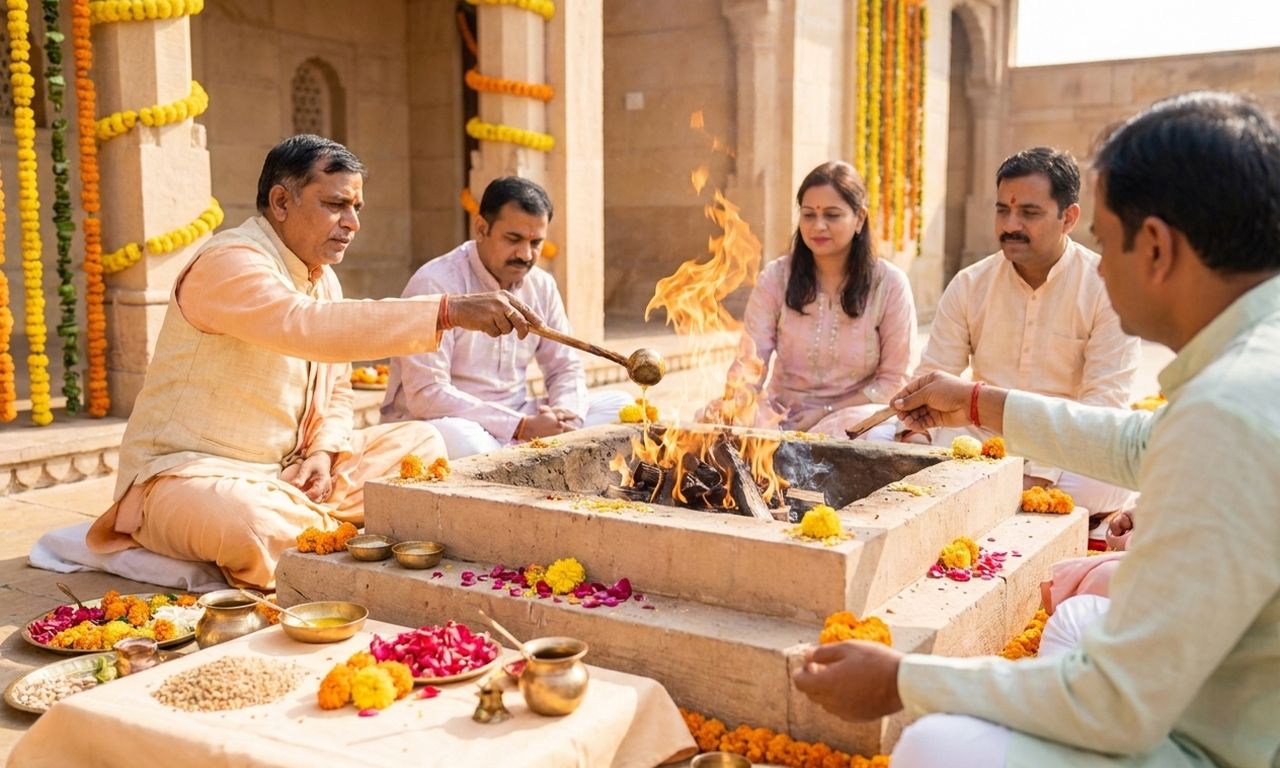
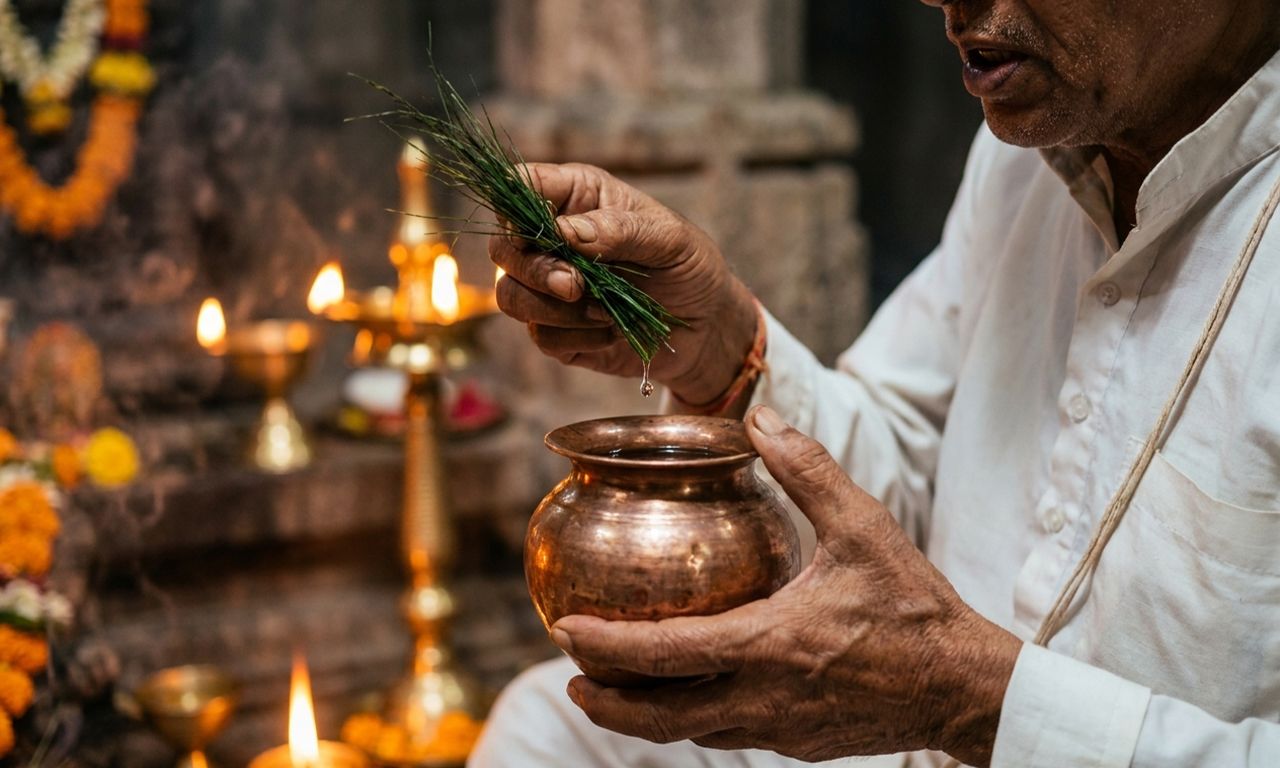
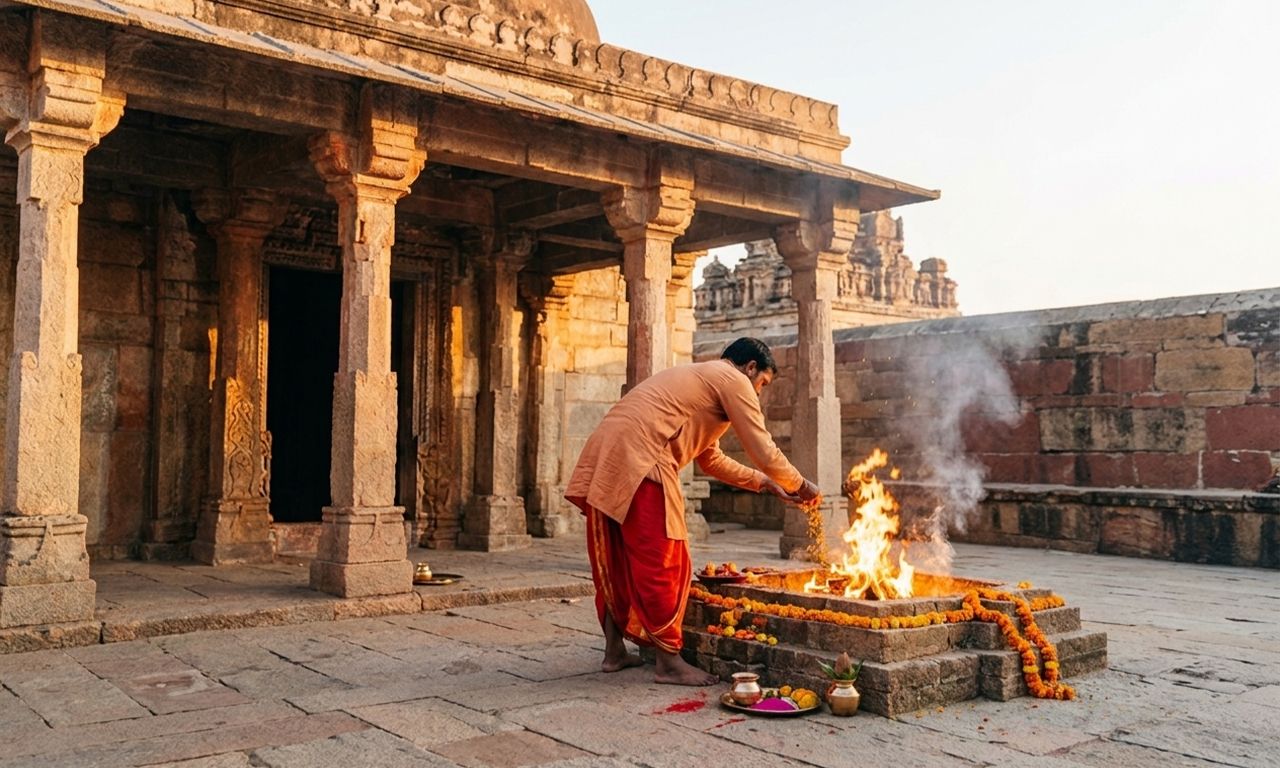
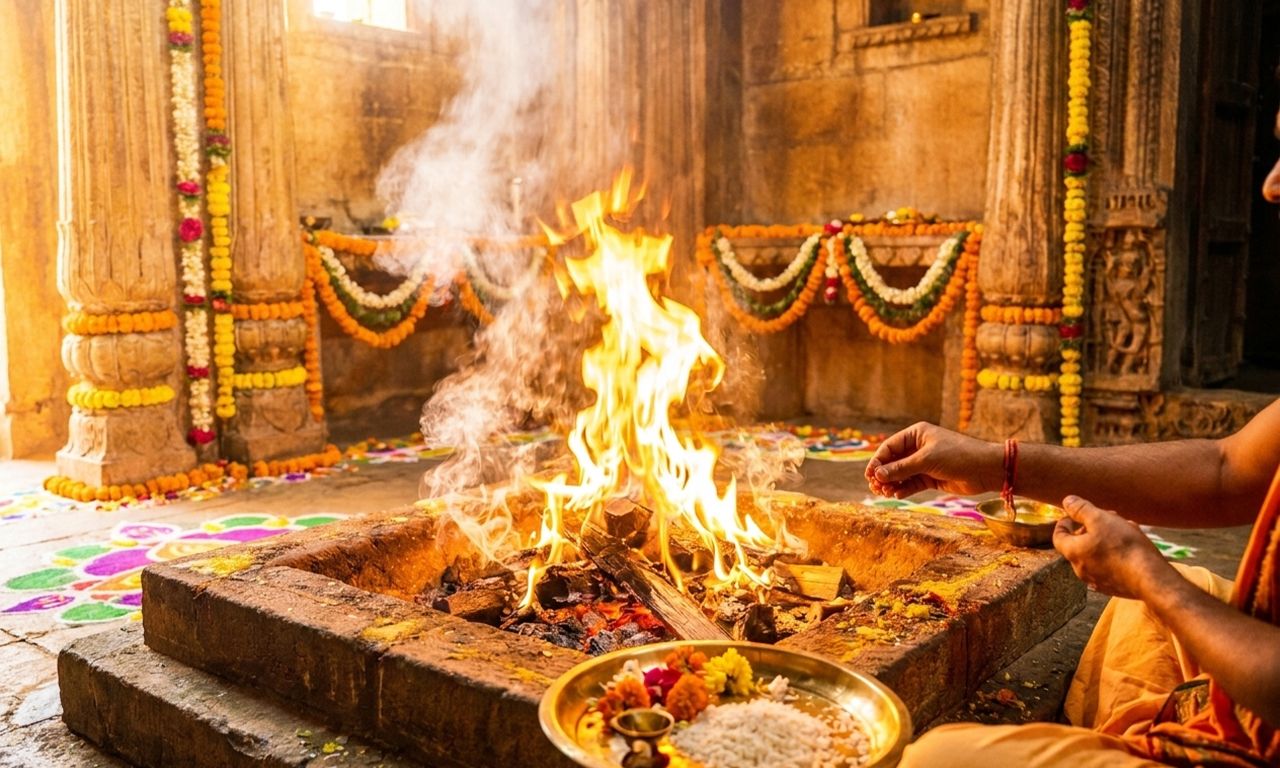
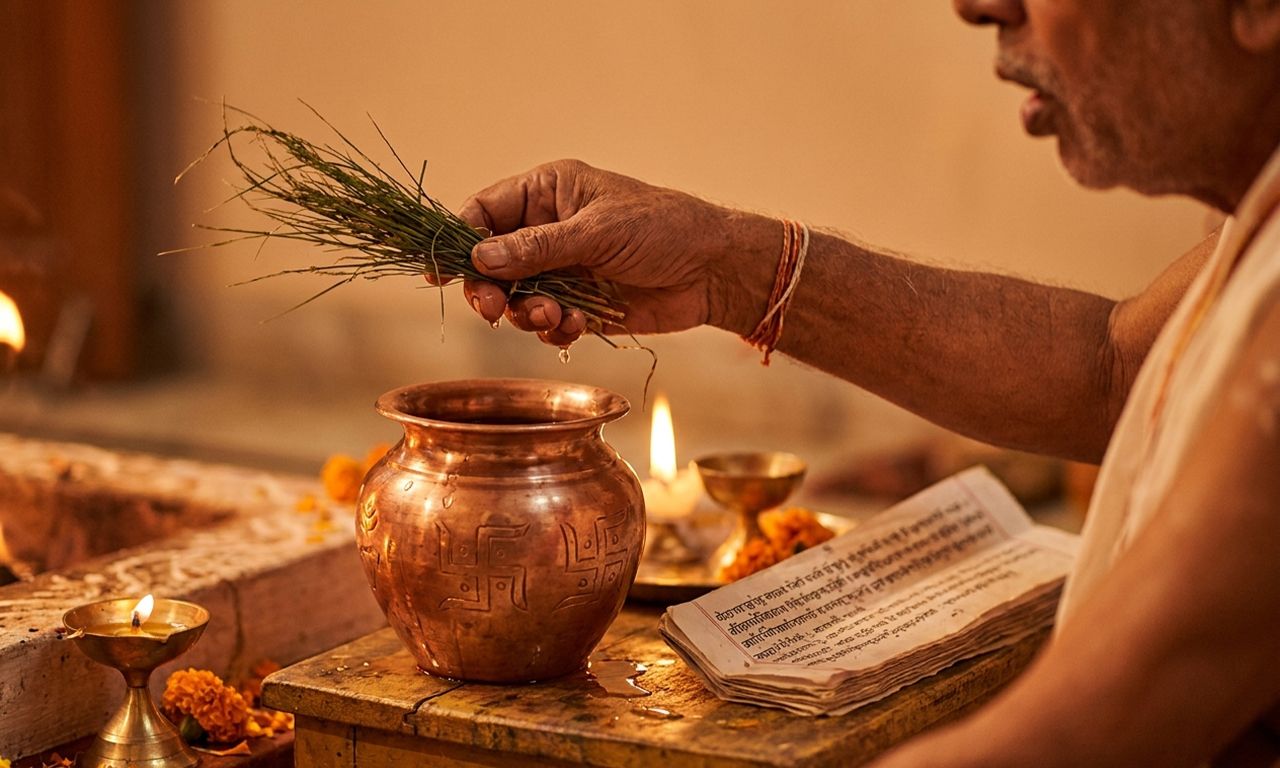
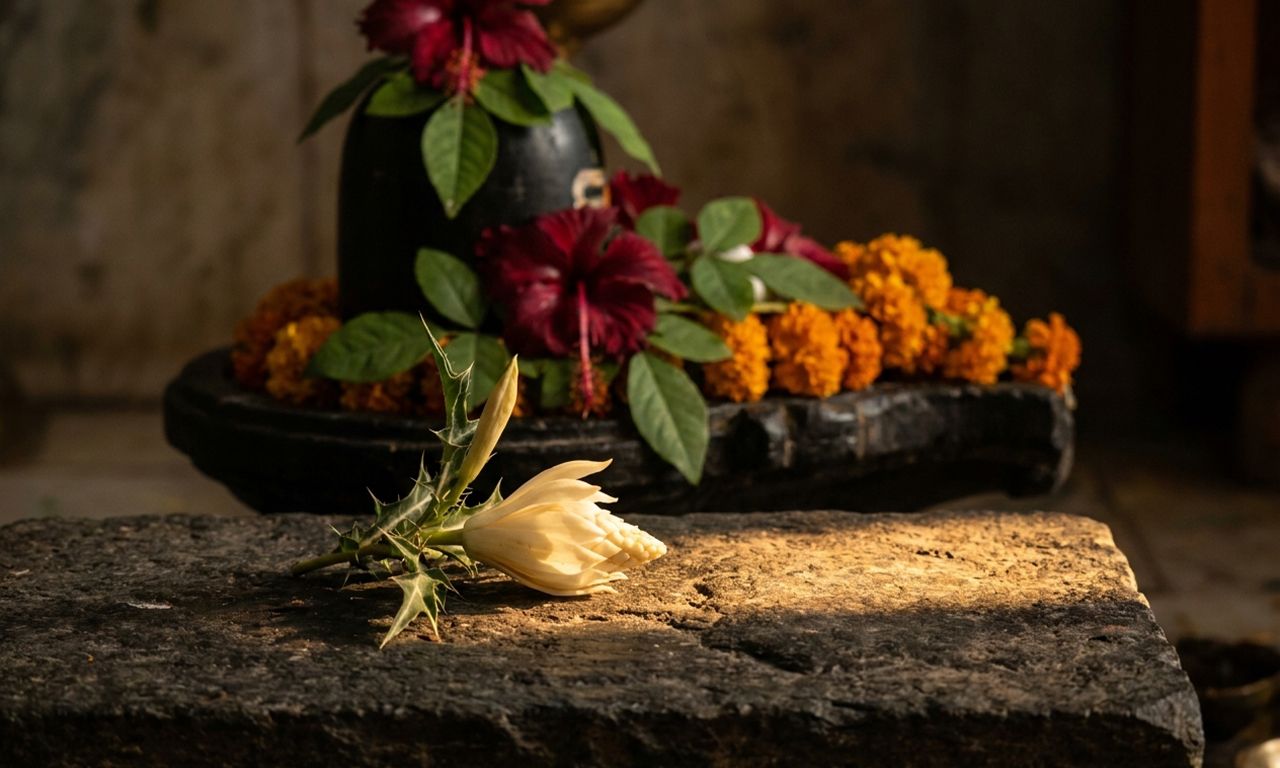
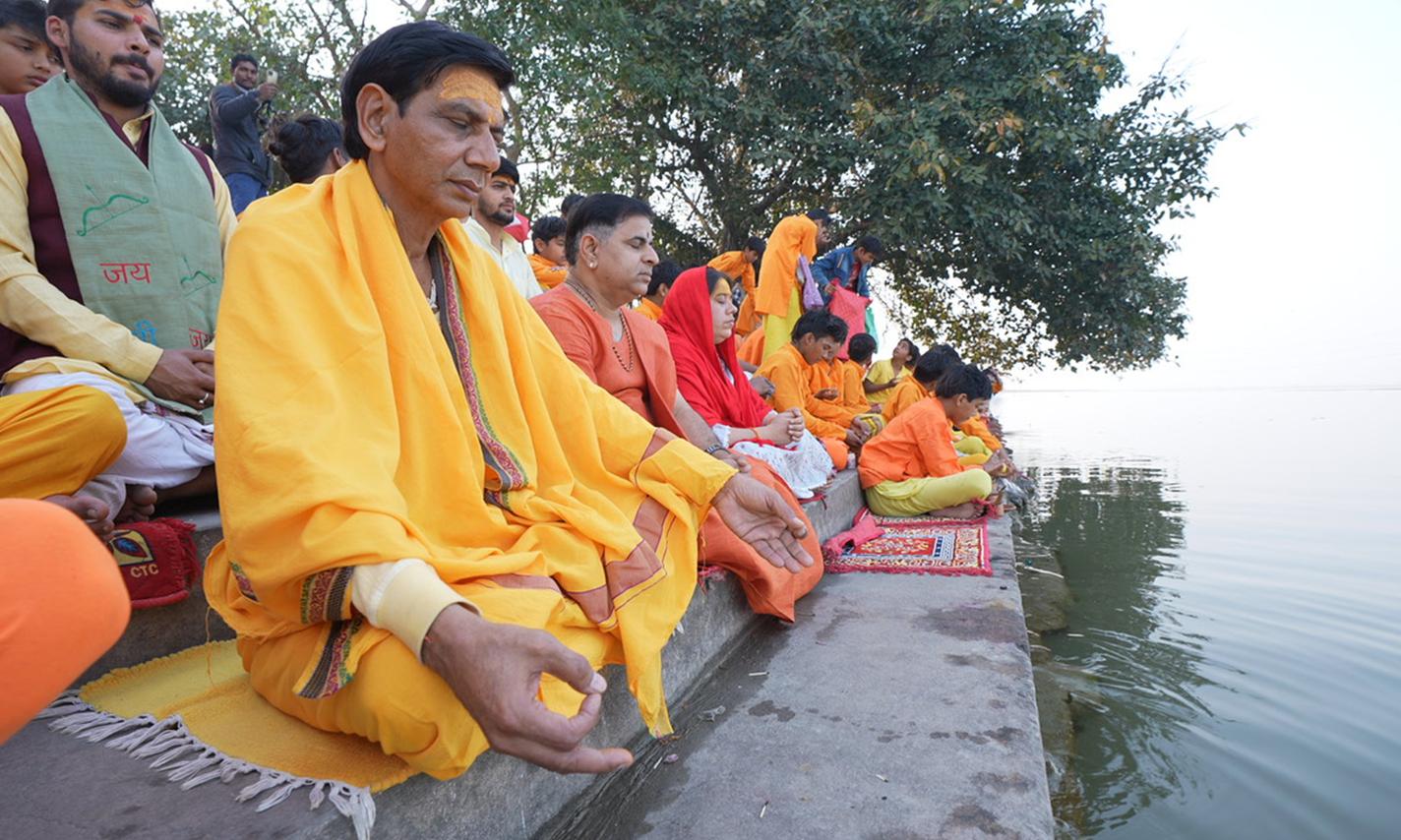
In some sequences of the baglamukhi puja at Narwar Dham, the pandit makes an offering that is mentioned but never seen: the Aakasha Pushpam - the Flower of the Sky. There is no actual flower. The hand is empty. The offering is made in mid-air.
This is one of the deepest gestures in the Vedic tradition, and it specifically appears in the most refined forms of Maa Baglamukhi worship.
What Aakasha Pushpam Is
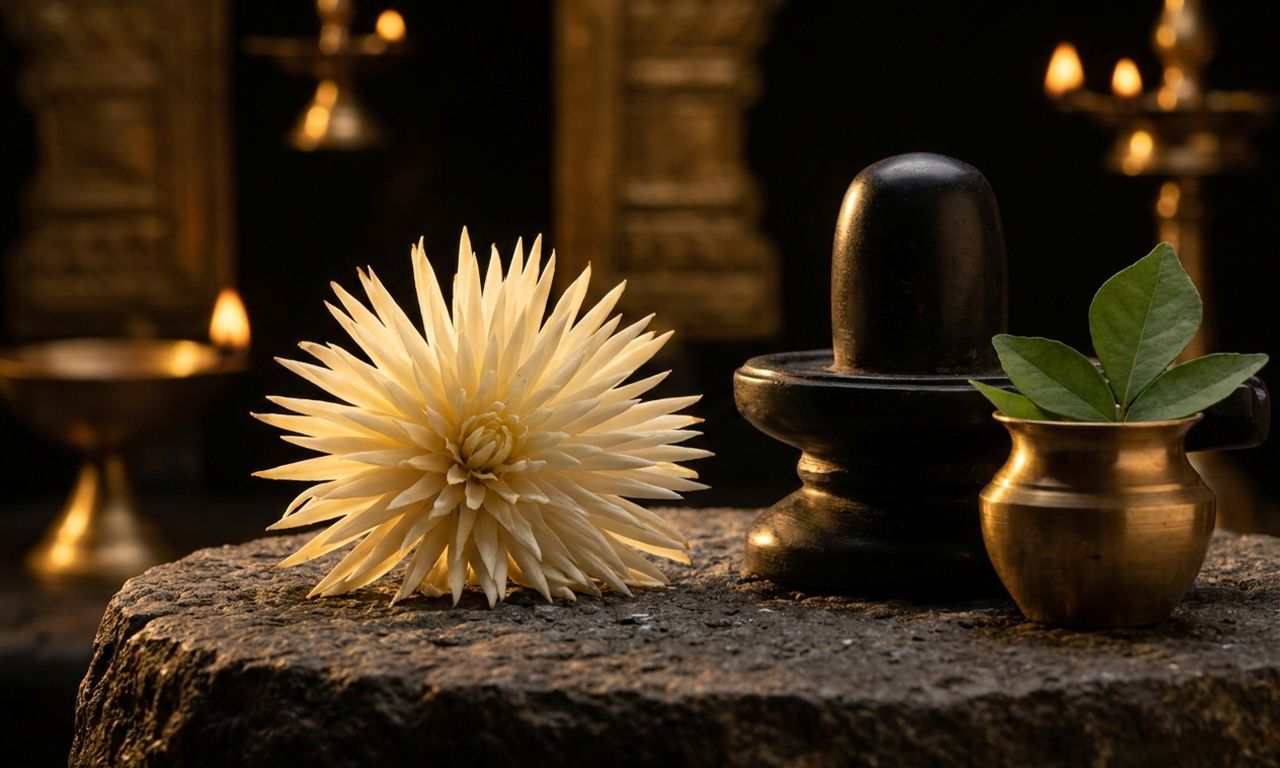
The Aakasha Pushpam is the offering of what does not exist as a way of acknowledging what cannot be offered. The flower of the sky is impossible - there is no such flower. To offer it to Baglamukhi mata is to say: I have given you what I had. What I could not give, what does not exist for me to give, I offer also - by gesturing toward the impossibility.
This is the moment in the puja where the ego of having-completed-an-offering dissolves. The hand offers nothing. The deity receives the nothing. Both understand that what was offered was never the substance - it was always the act.
Why This Belongs in a Baglamukhi Puja Specifically
Baglamukhi is the goddess of Stambhan - the stopping of force at its source. The Aakasha Pushpam is the stopping of the gesture of offering at its source. The hand stops mid-reach. The flower is not produced. The offering stops itself, in homage to the goddess who stops what is hostile.
This is theological precision. The puja's gestures mirror the goddess's nature.
What This Means for the Devotee
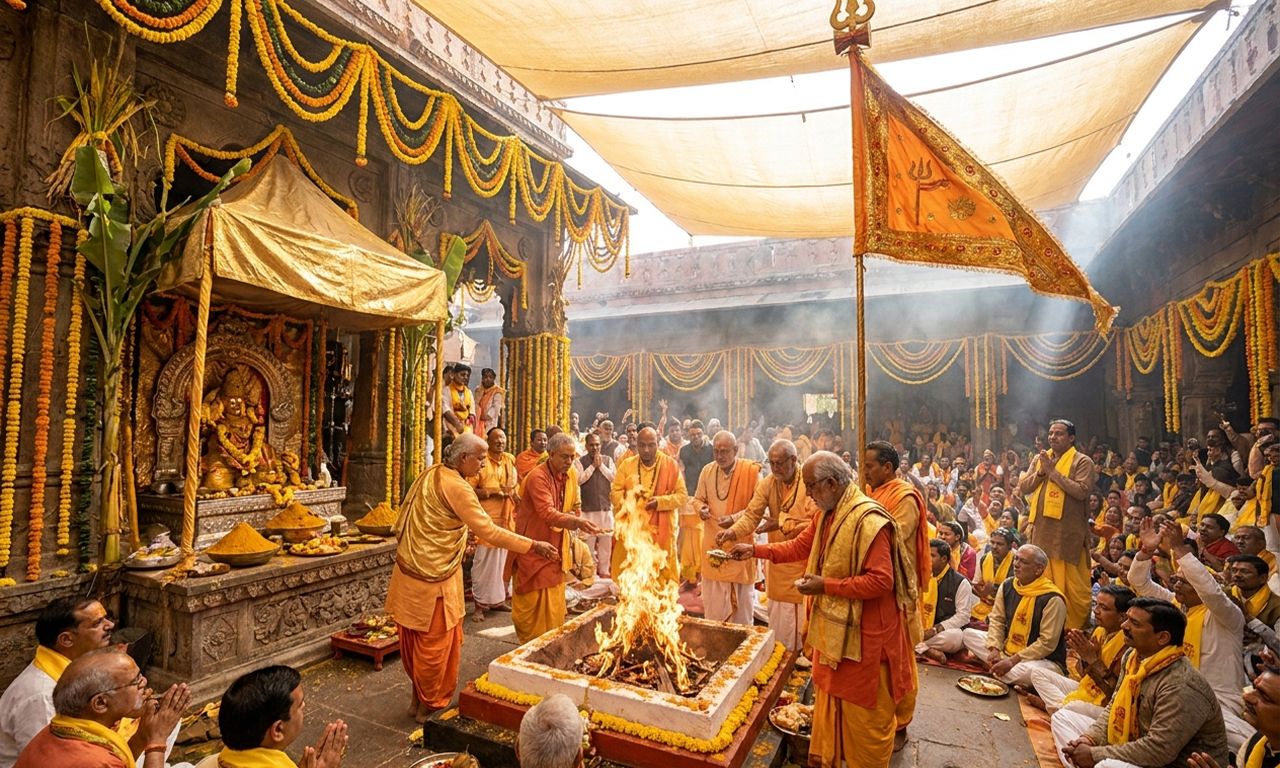
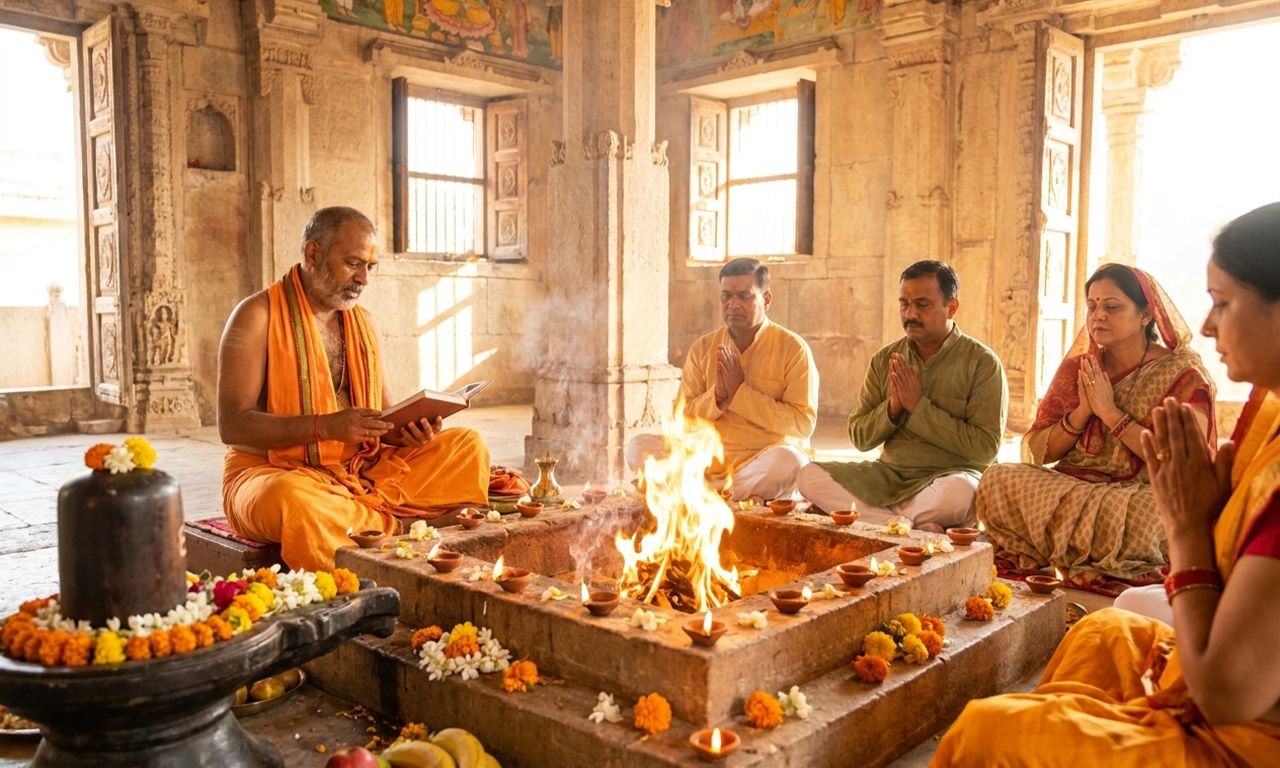
When you join a SiddhiStar baglamukhi ceremony and the pandit performs the Aakasha Pushpam, you may not know what is happening. The hand simply moves. The next mantra begins. But what occurred in that gesture was the most refined acknowledgement of devotion the tradition has produced.
Book a Baglamukhi puja with complete Sankalp with SiddhiStar Online Puja service from Narwar Dham.