What Dakshina Is and Why It Is Not Payment
By SiddhiStar | Narwar Dham Parampara
15 May 2026 • 4 min read
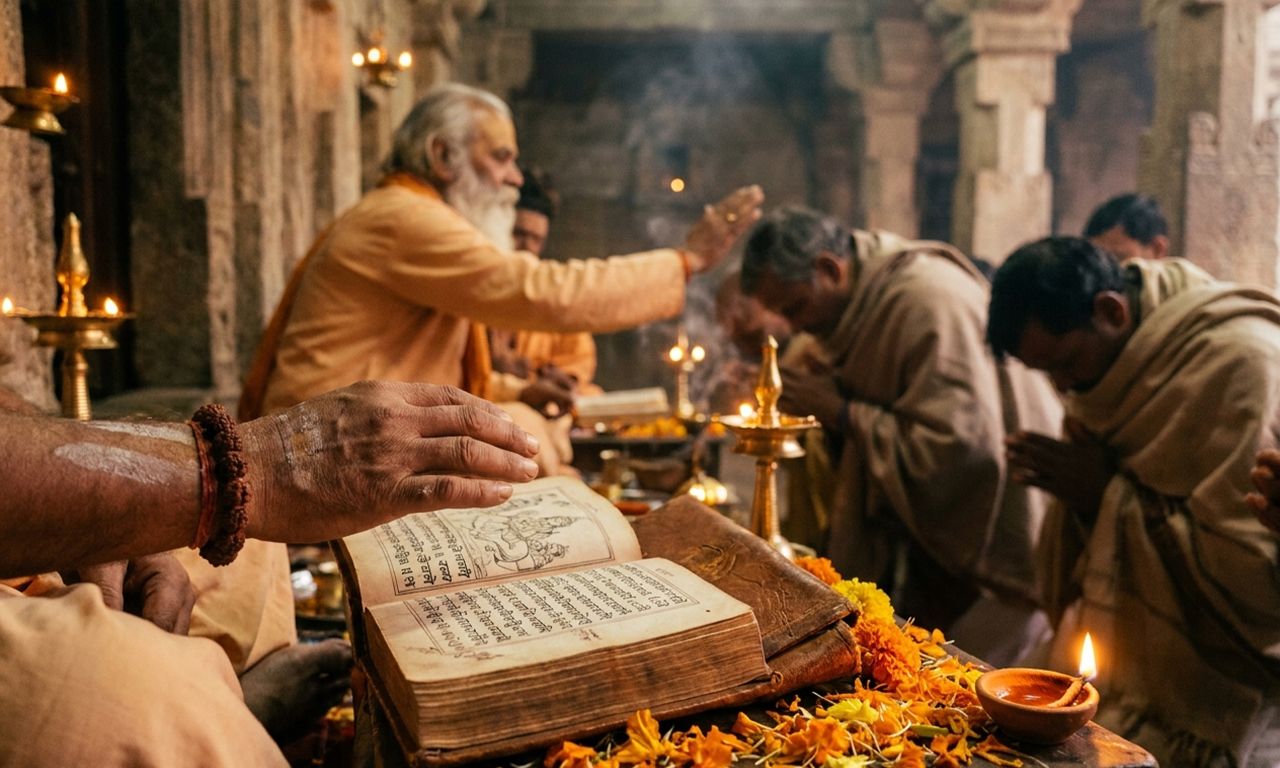
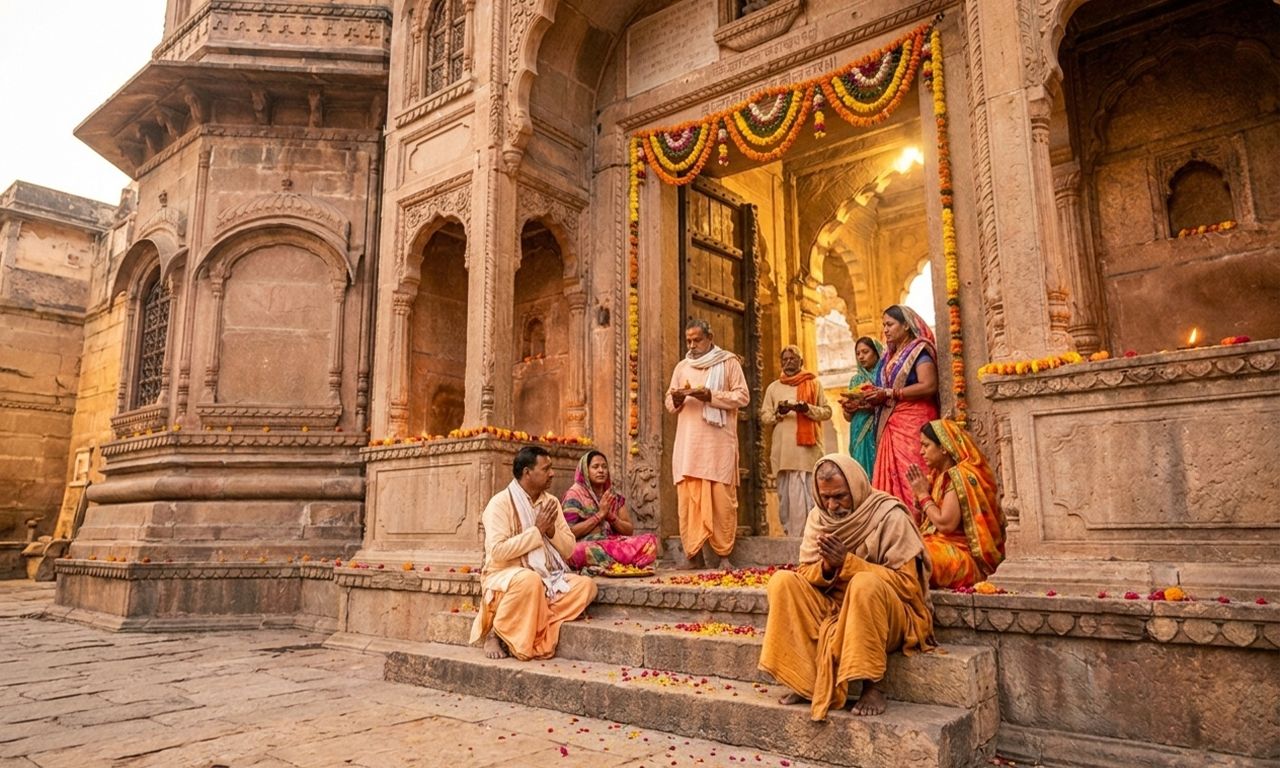
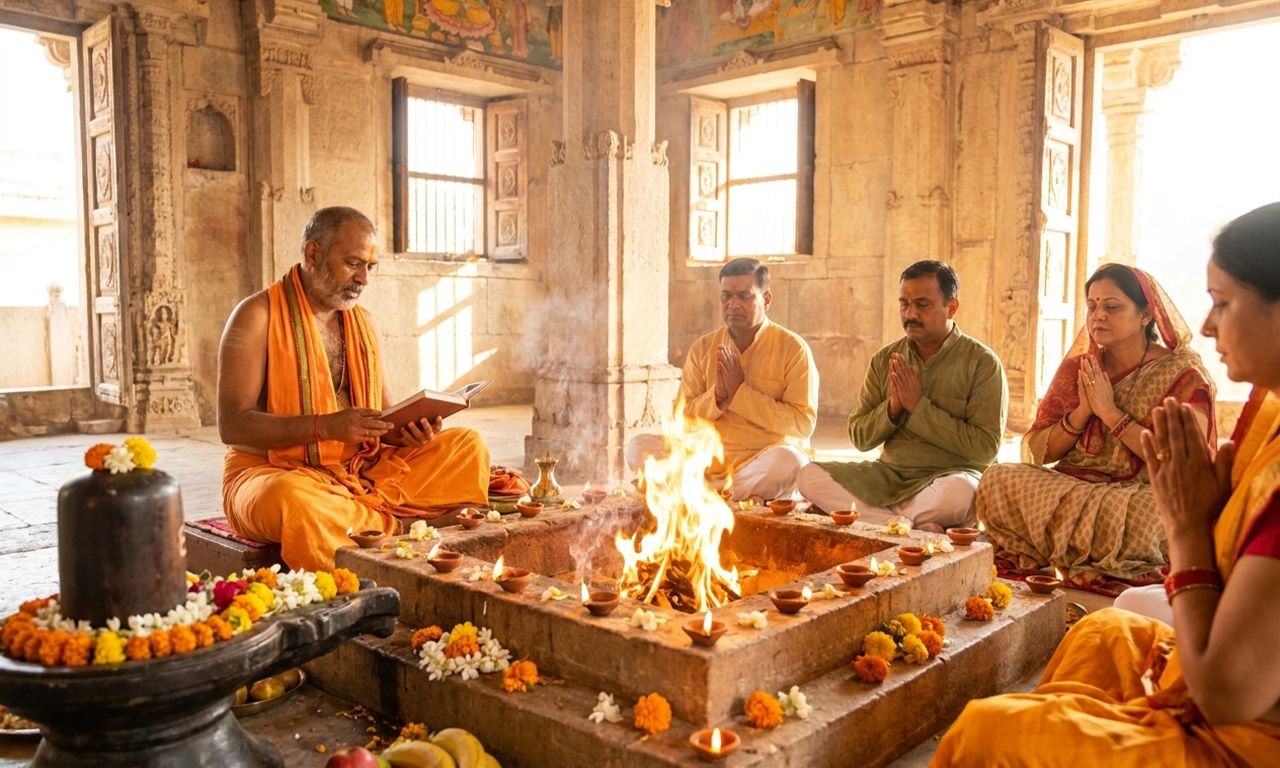
At the end of every baglamukhi puja, the devotee offers Dakshina. A coin or note, placed before the deity and given to the pandit. Many people think this is payment - fee for services rendered. The Vedic tradition is precise: Dakshina is not payment. It is the ritual that completes the puja.
Without Dakshina, the baglamukhi mantra that was chanted does not have the mechanism by which its merit returns to the devotee. The Sankalp was made in your name. The puja was conducted on your behalf. But until Dakshina is given, the merit remains in the offering, not in you.
Why Dakshina Activates the Merit
The Vedic explanation is structural. When you take Sankalp for a puja, you are committing to receive its result. The Dakshina is the act of completion - the gesture that says: I have received what was given. From that moment, the punya of the baglamukhi puja flows toward you, not toward the empty space of an unfinished ceremony.
What This Means for the Pandit
The pandit who receives the Dakshina is not the recipient of payment. He is the medium through which the completion is performed. The amount given is not what matters - the gesture is. A small Dakshina performed with full intention activates the puja just as completely as a large one.
This is also why pandits in the Vedic tradition do not negotiate Dakshina. To set a price would be to make it transactional. What is offered is offered. The pandit accepts what is given because that is what the tradition requires of him.
What This Means When You Book
When you book a SiddhiStar baglamukhi puja, the booking fee is for the materials, the streaming, and the service of having a ceremony arranged for you. The Dakshina is separate - and is offered at the close of your baglamukhi mata ceremony as part of the puja itself, not as part of the booking.
Book a Baglamukhi puja with full vidhi including Dakshina.