What Actually Happens Across the Four Prahars at a SiddhiStar Mahashivratri - Complete Mahashivratri Puja Vidhi
By SiddhiStar | Narwar Dham Parampara
15 May 2026 • 9 min read
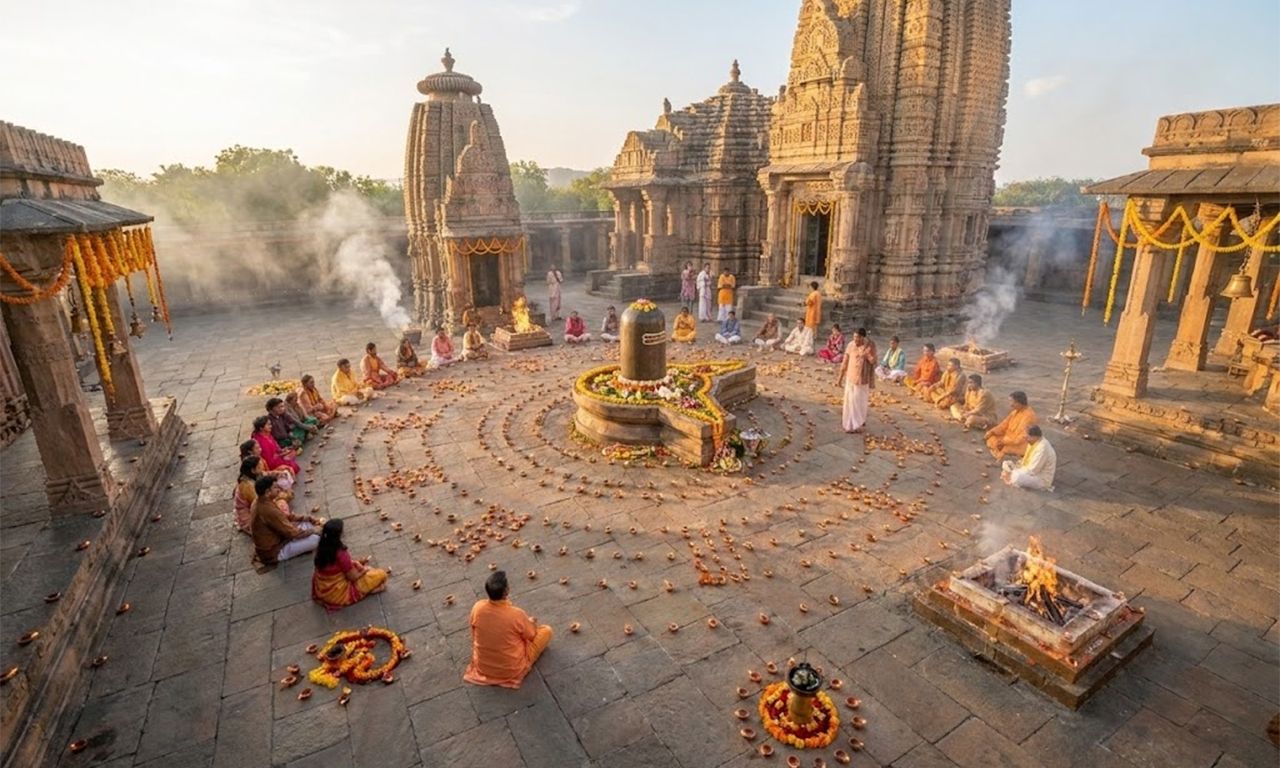
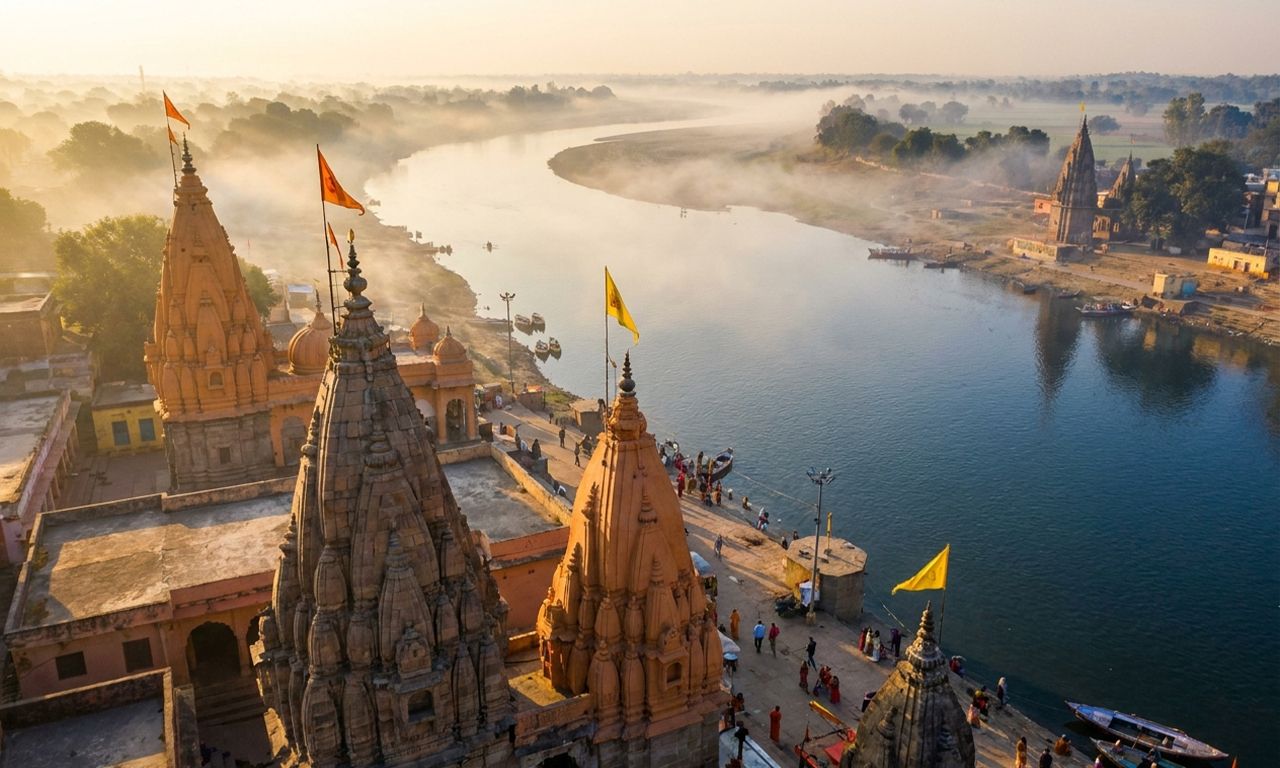
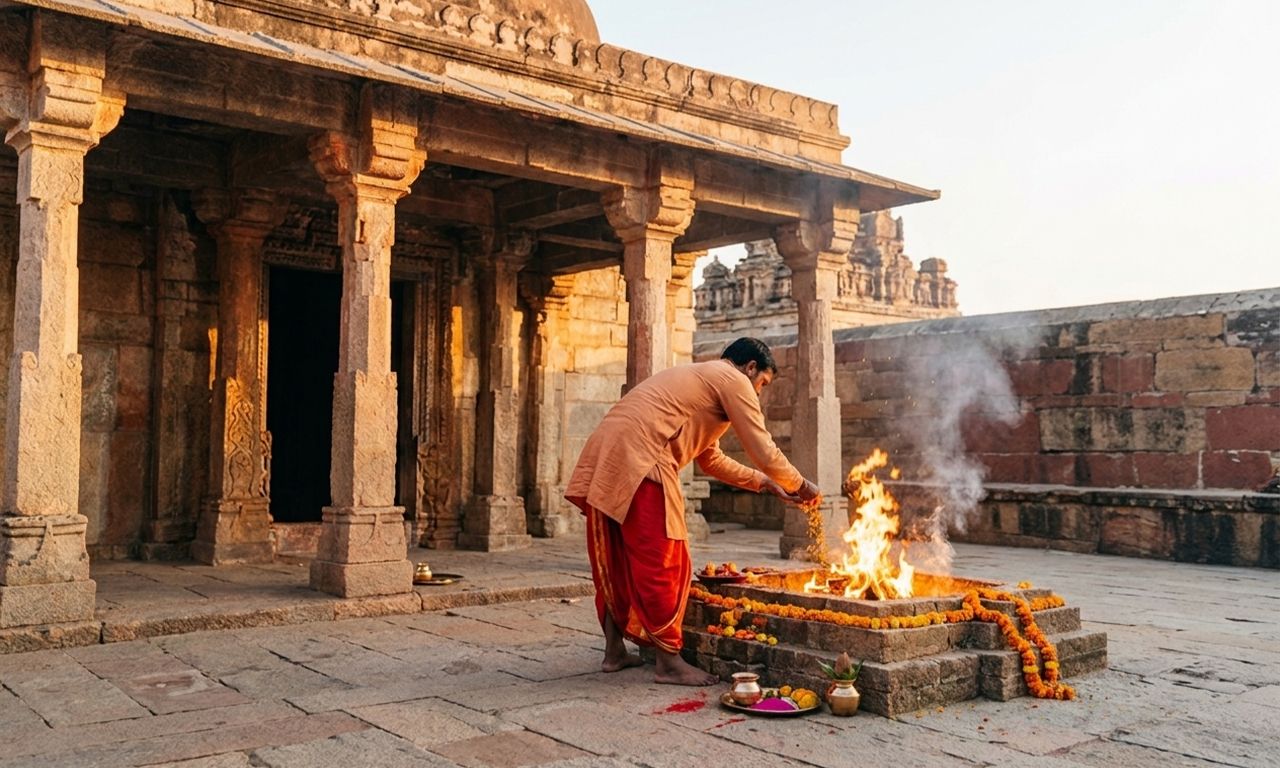
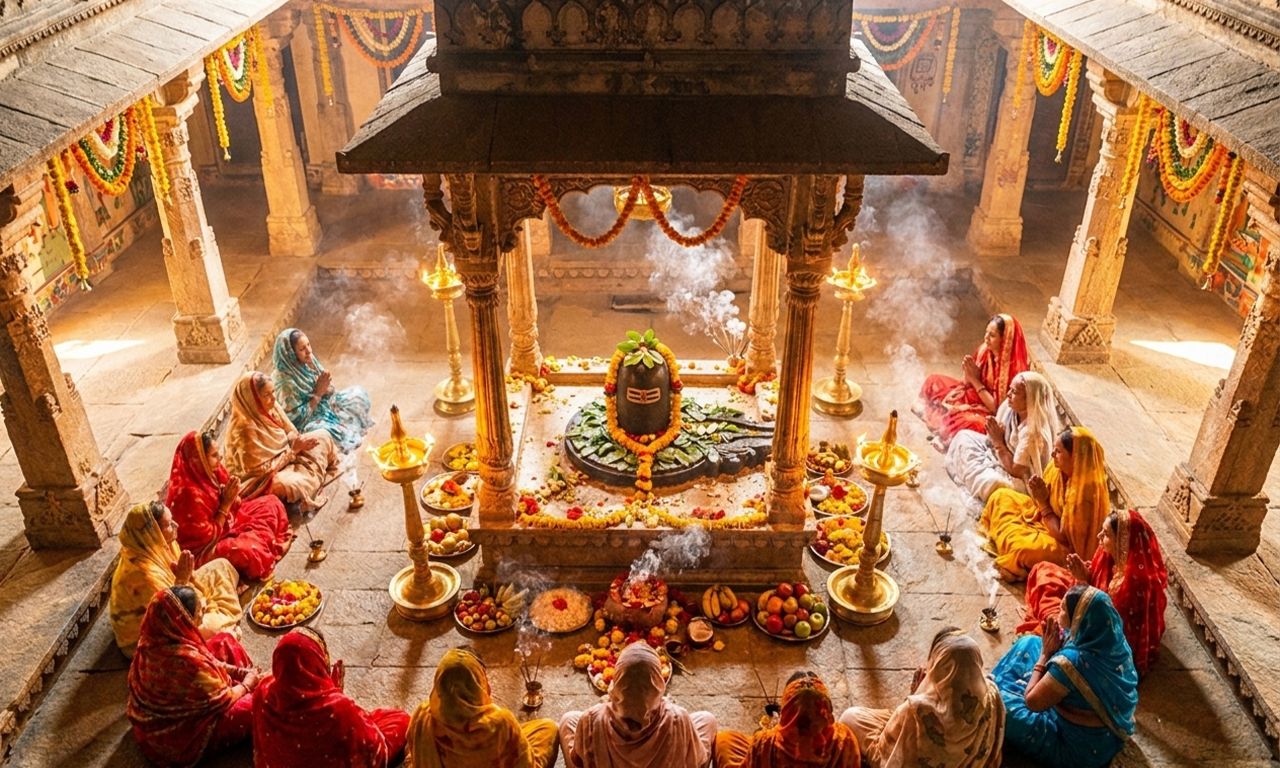
Mahashivratri is not a festival you observe from a distance. It is a night you enter. The doors open at dusk and they close somewhere before dawn, and in between, if the Mahashivratri puja is conducted properly, something happens inside the space that is difficult to describe to someone who has not been present.
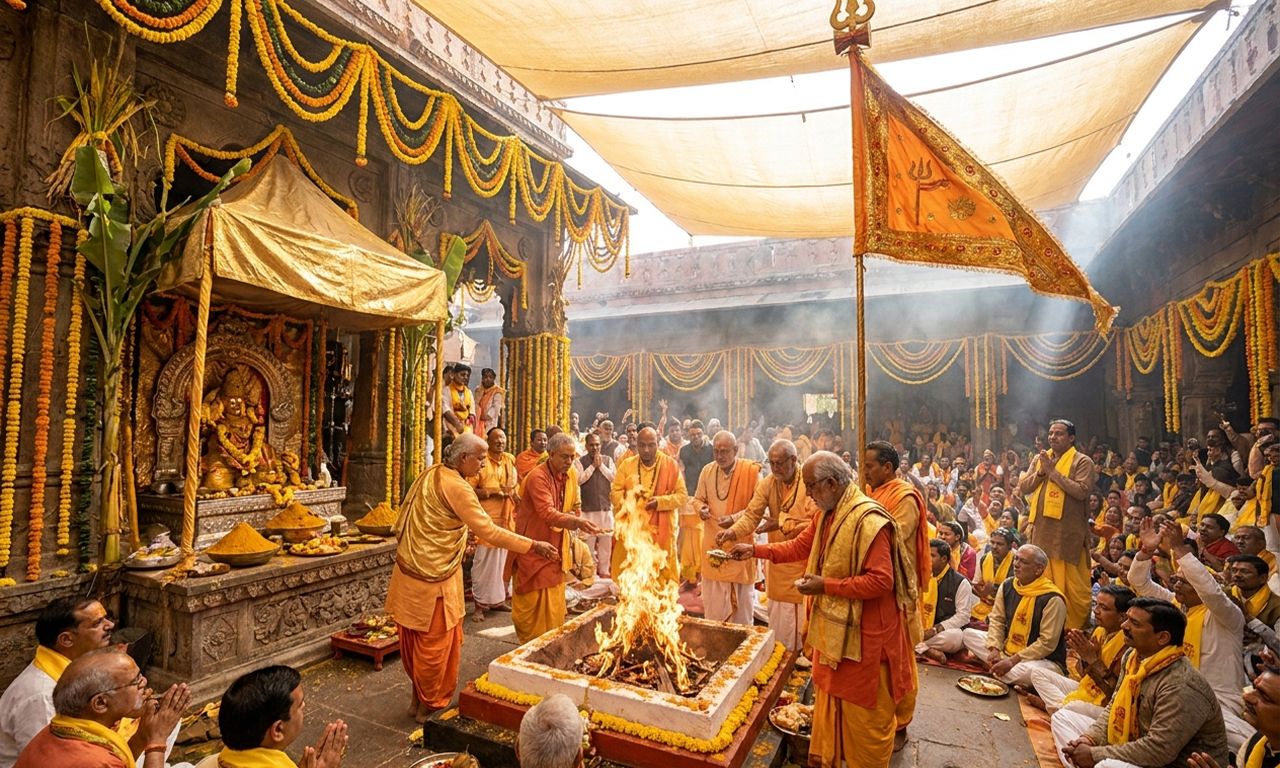
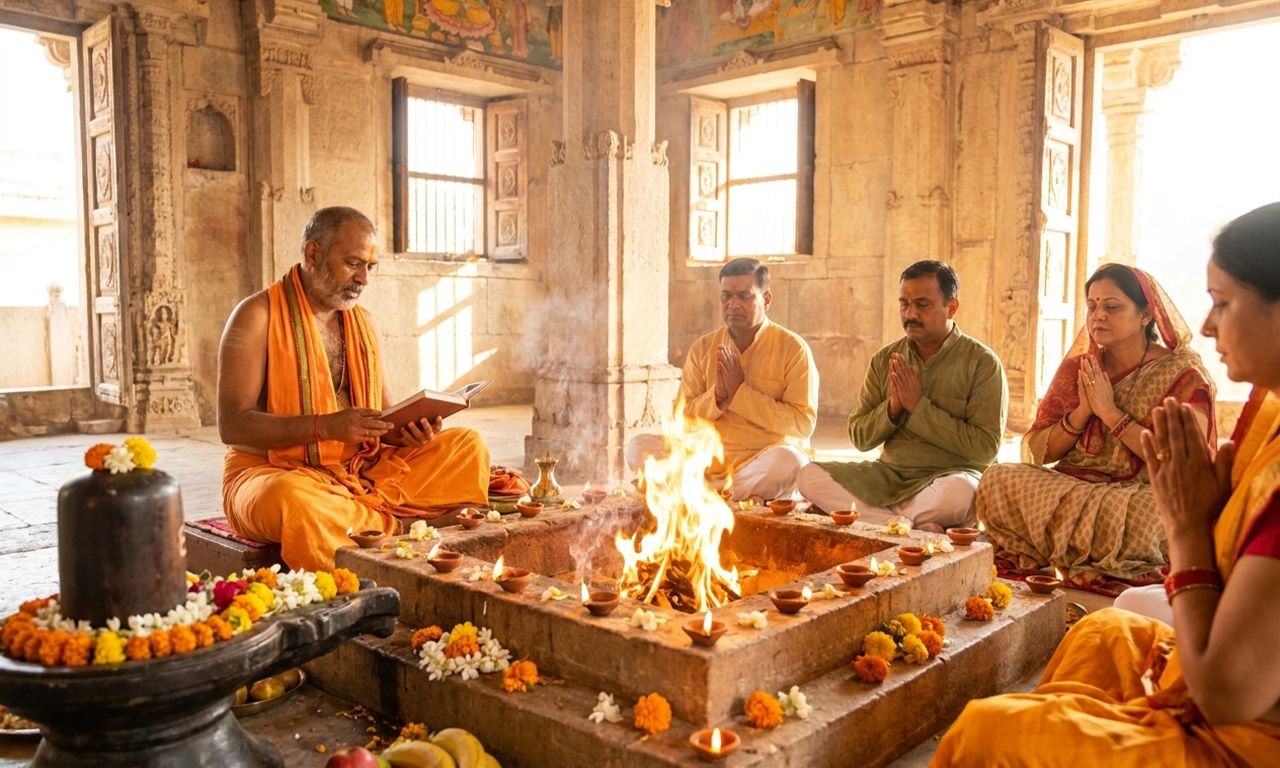
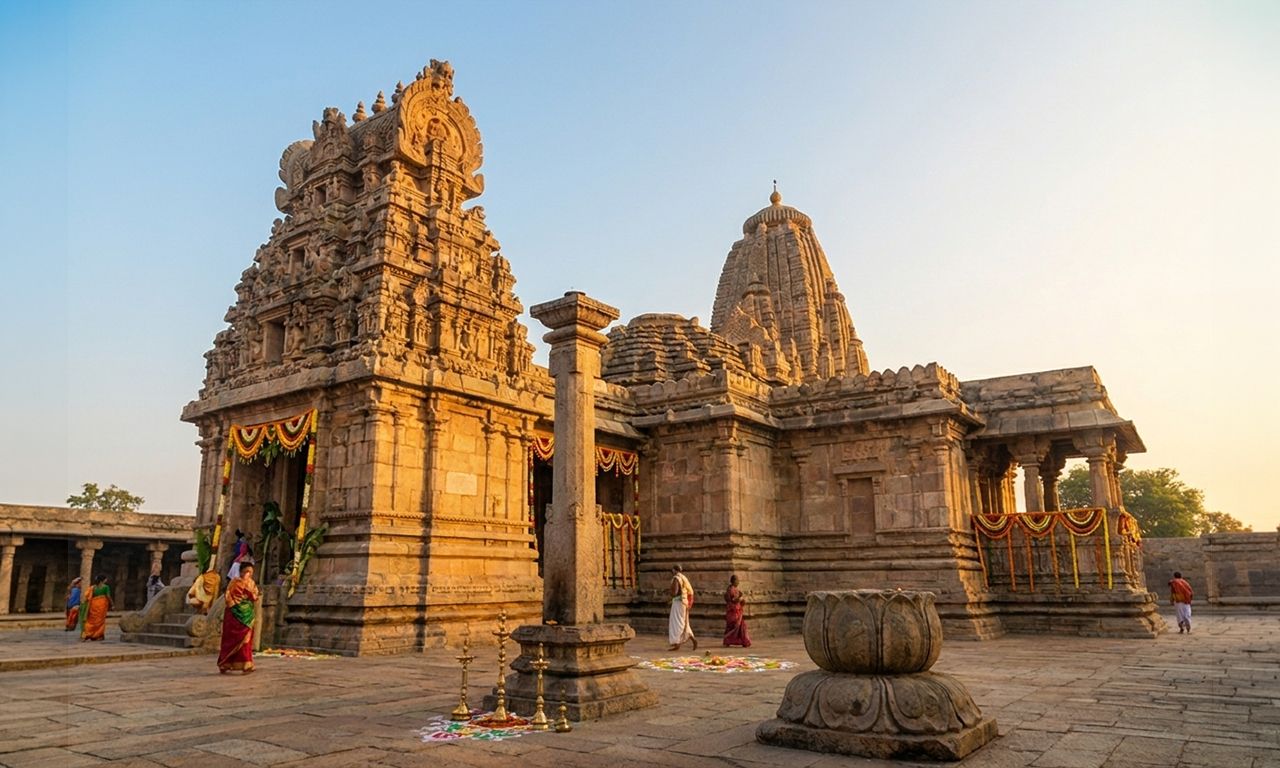
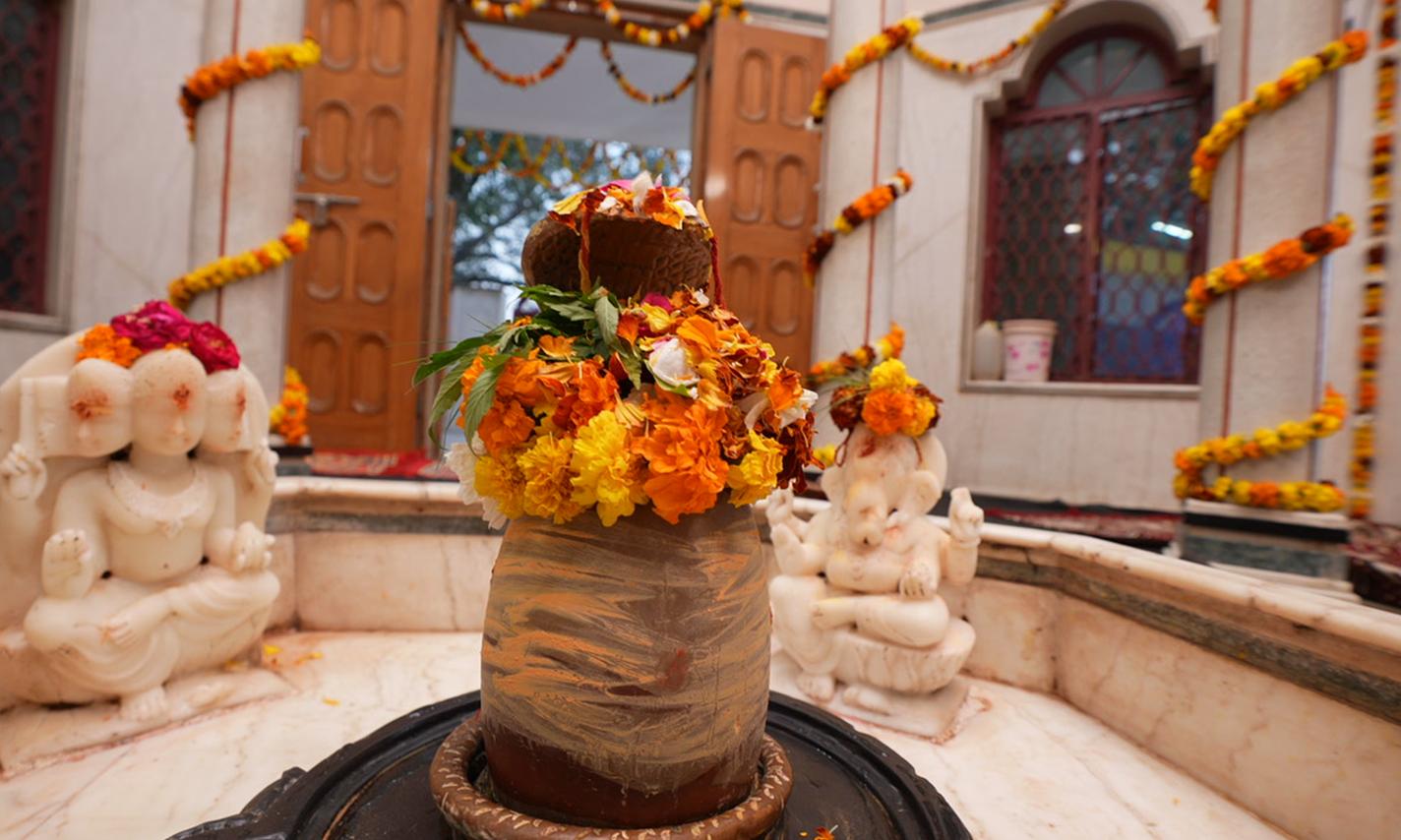
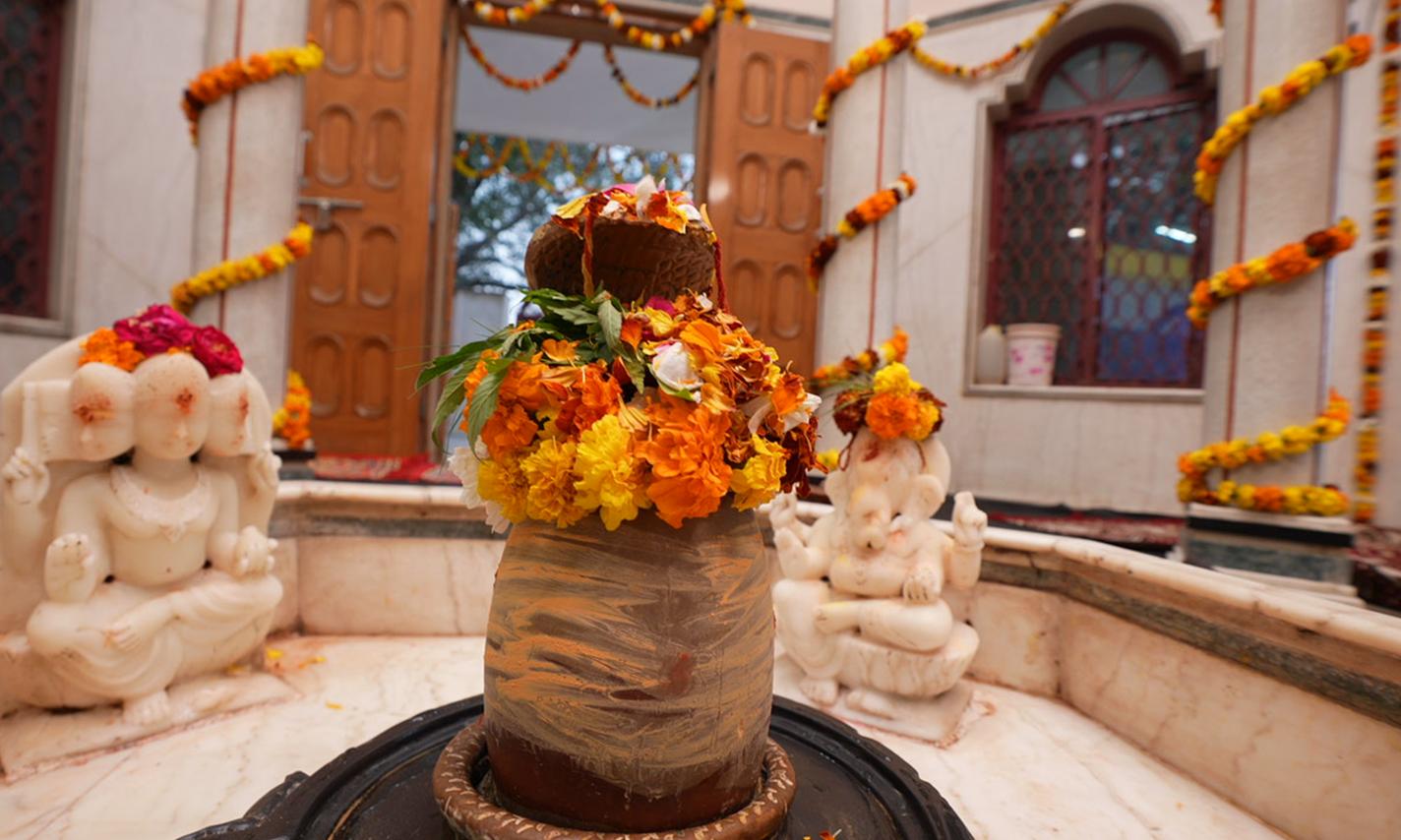
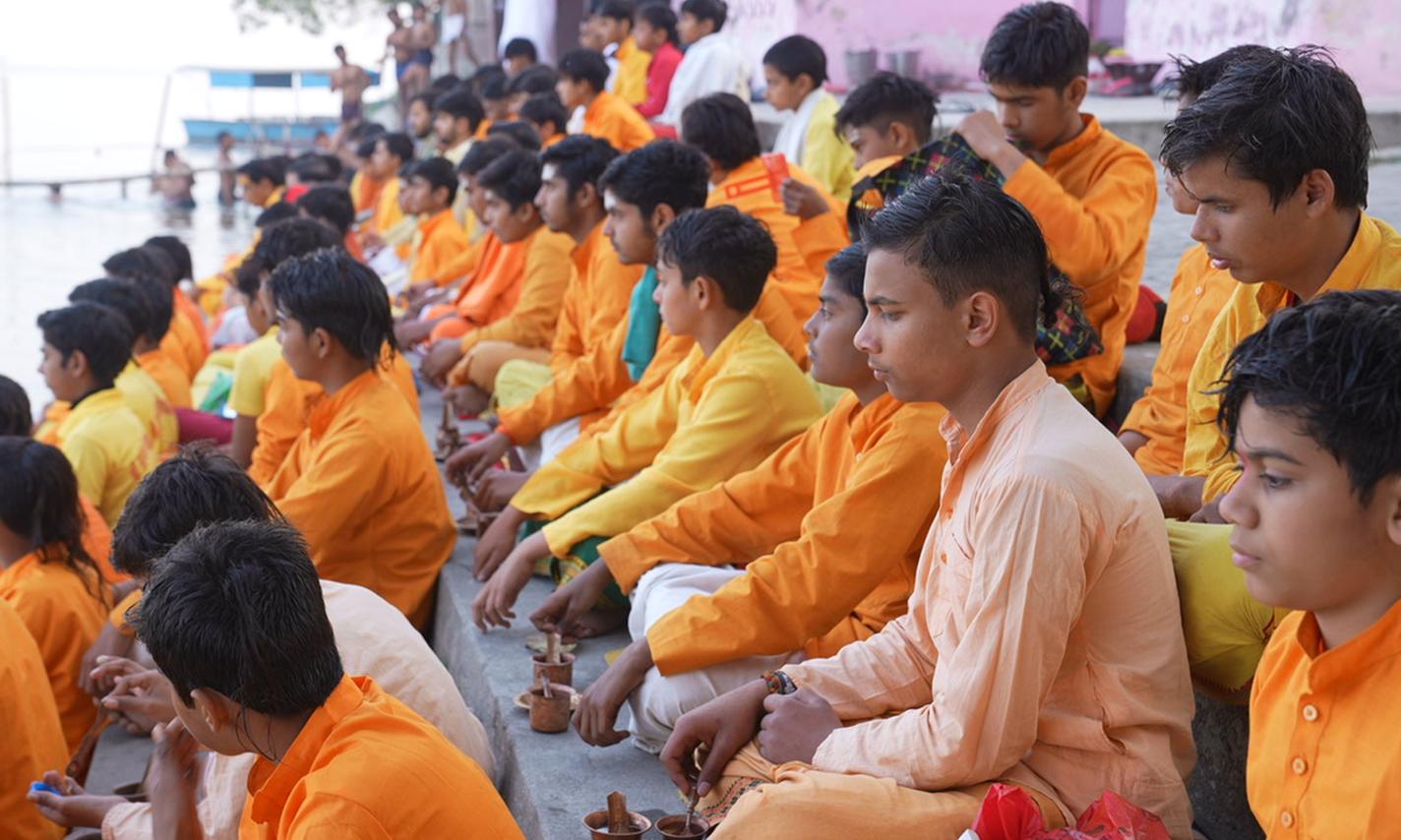
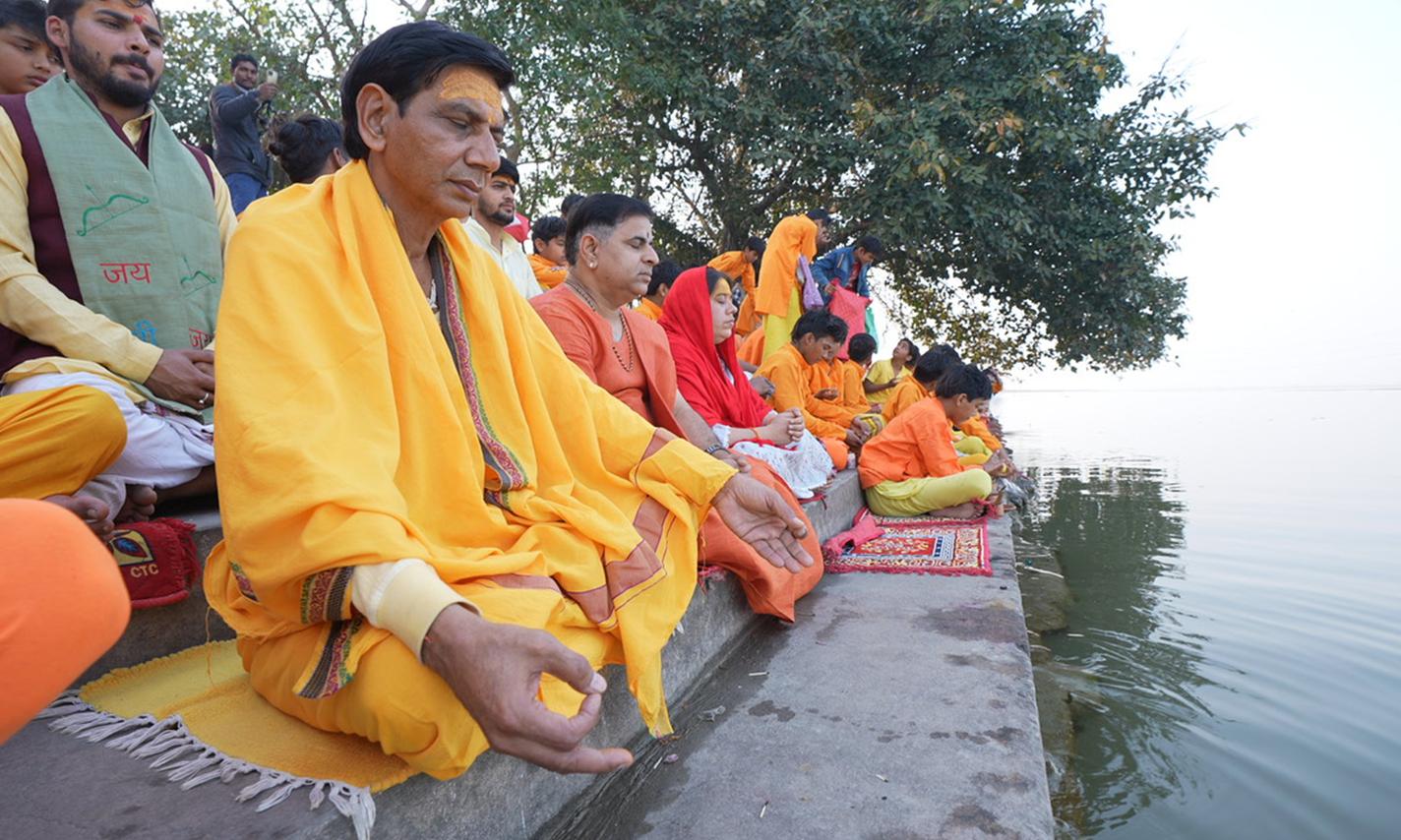
SiddhiStar conducted a four prahar puja Mahashivratri at Sri Siddeshwari Sadhnapith, Narwar Dham, through the length of the night. What follows is a documented account - a complete Mahashivratri puja vidhi as it actually unfolds, watch by watch. This is not a general description. It is a specific account of one Mahashivratri Mahapuja that was conducted, recorded, and witnessed.
First Prahar - The Opening of the Night
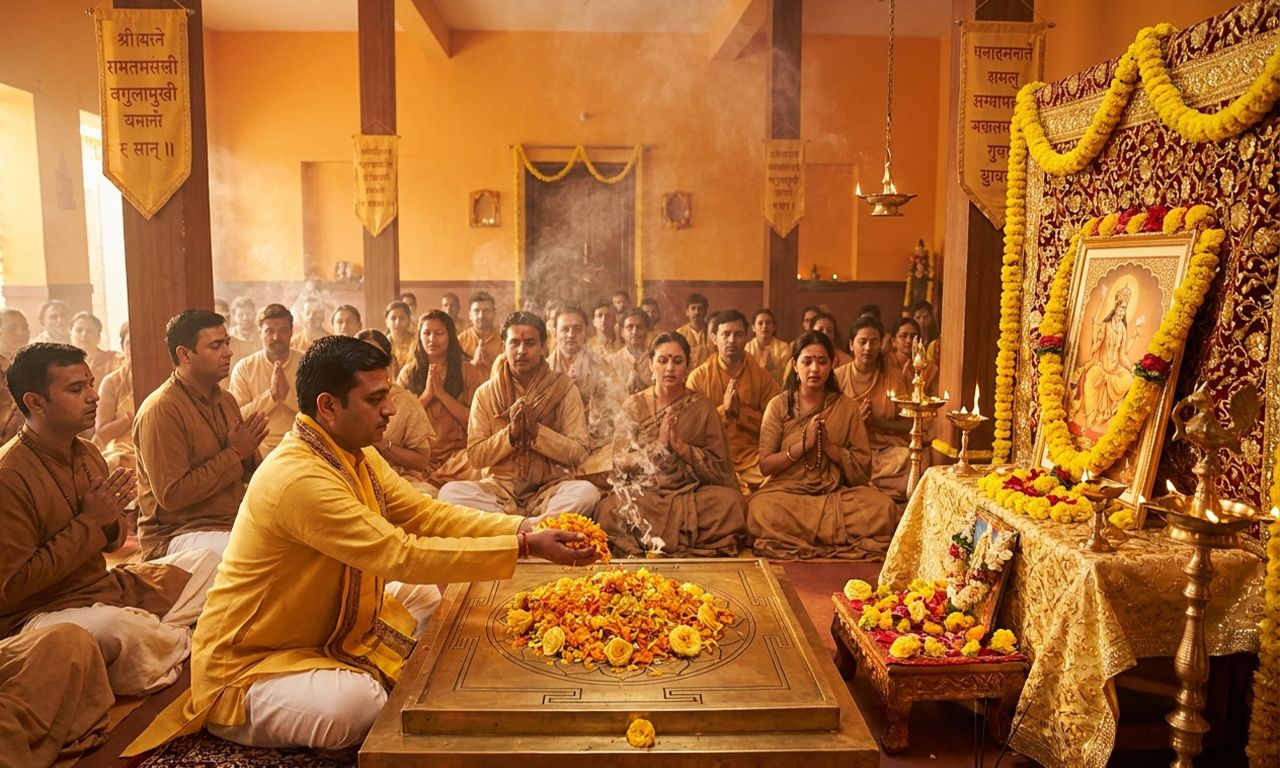
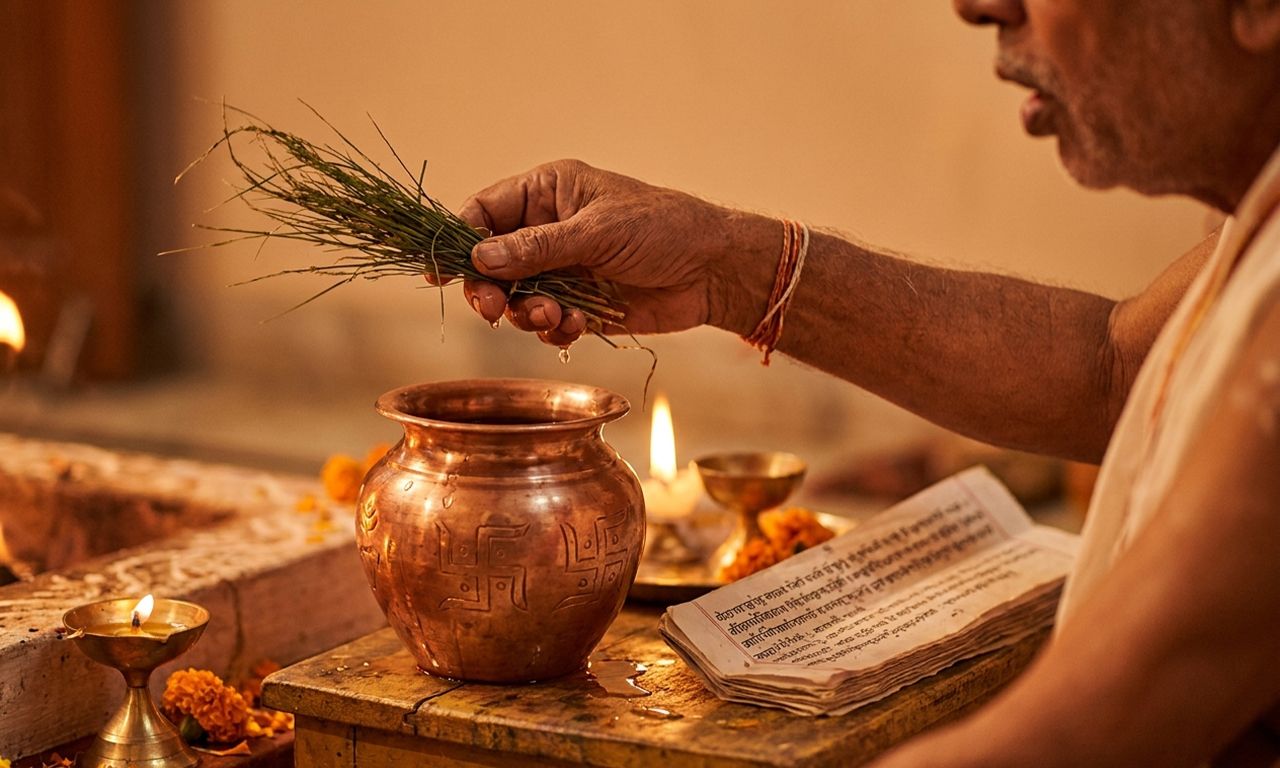
Every SiddhiStar pooja begins the same way regardless of scale. Pavitrikaran first - the purification of space and intention through specific mantras. Then Achaman - three sips of water taken with the names of Vishnu spoken: Keshava, Narayana, Madhava. Then the Sankalp - each registered family's name, gotra, city, and intention spoken aloud before the Shivalinga.
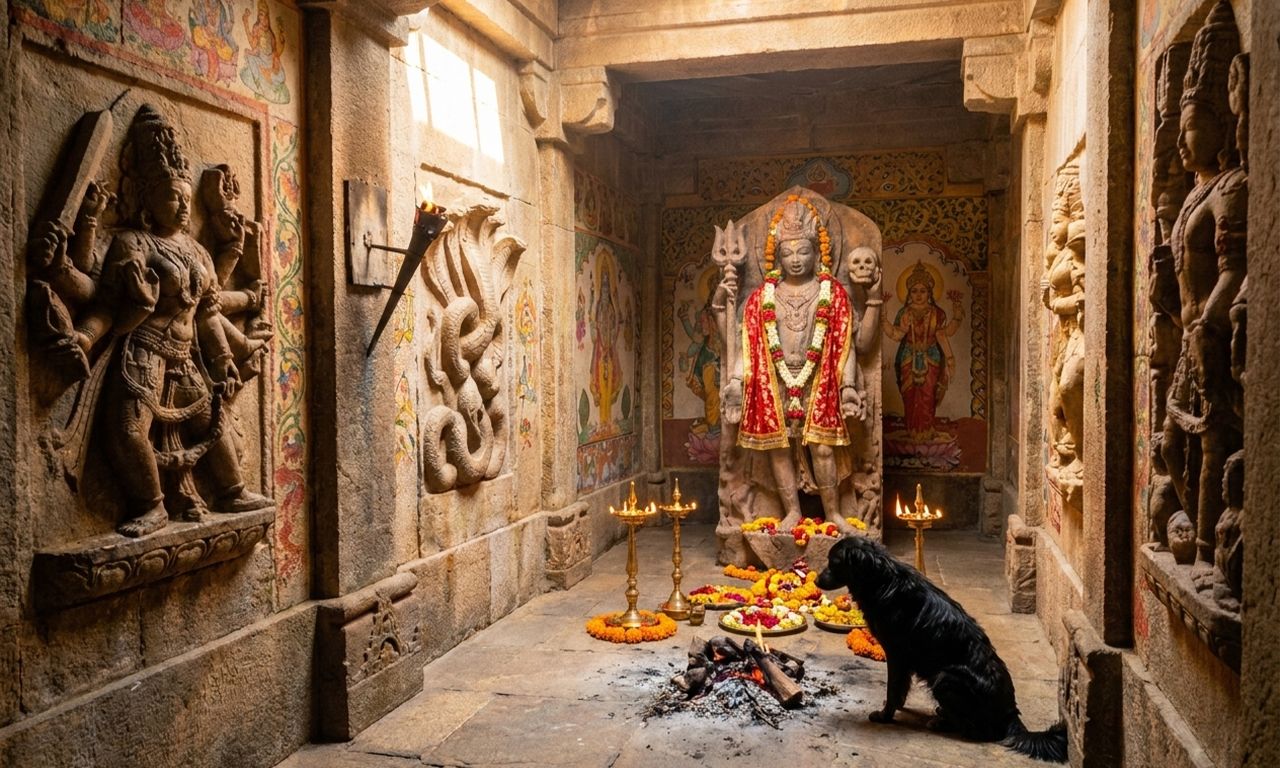
The Gauri Ganesh Pujan follows. The Ganesha Pancharatnam - the five-verse composition by Adi Shankaracharya - is chanted in full. Nandi receives offerings. Hanuman receives offerings. Bhairava is invoked with the Kalabhairava Ashtakam, in eight verses, each addressing a distinct aspect of the lord of Kashi.
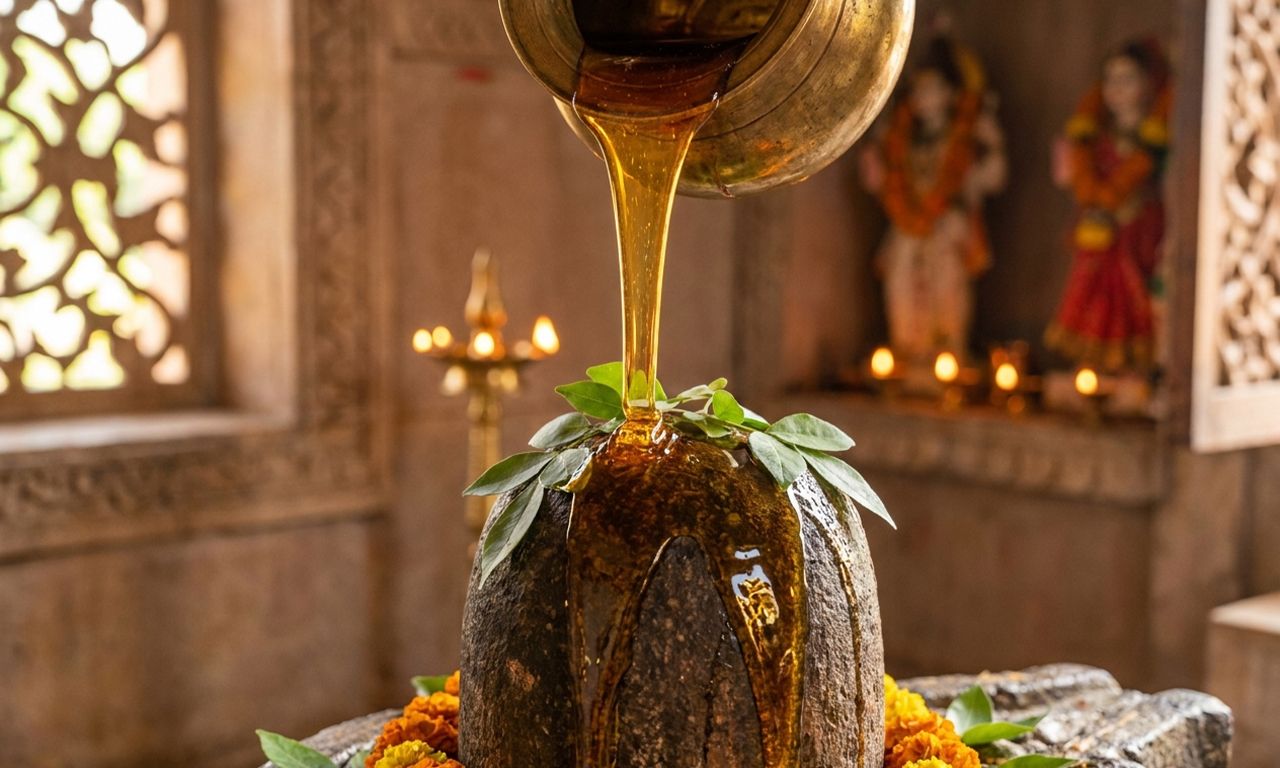
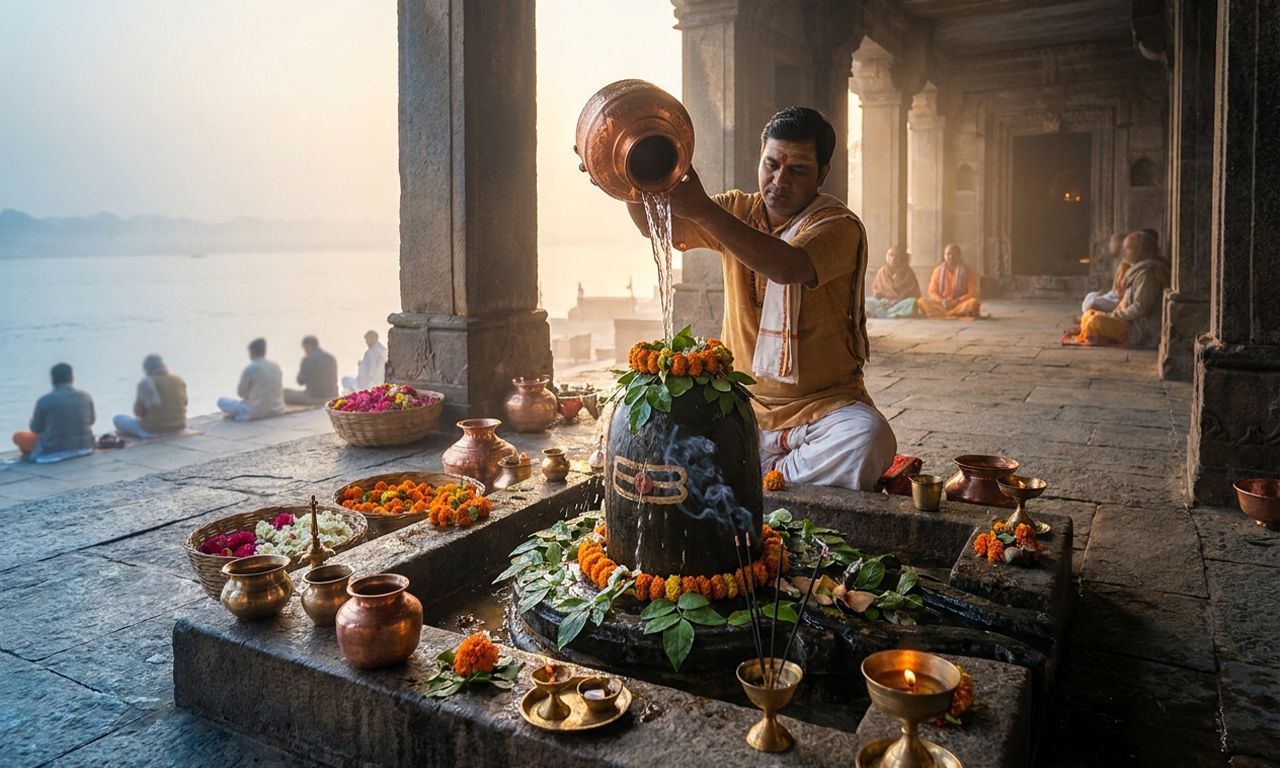
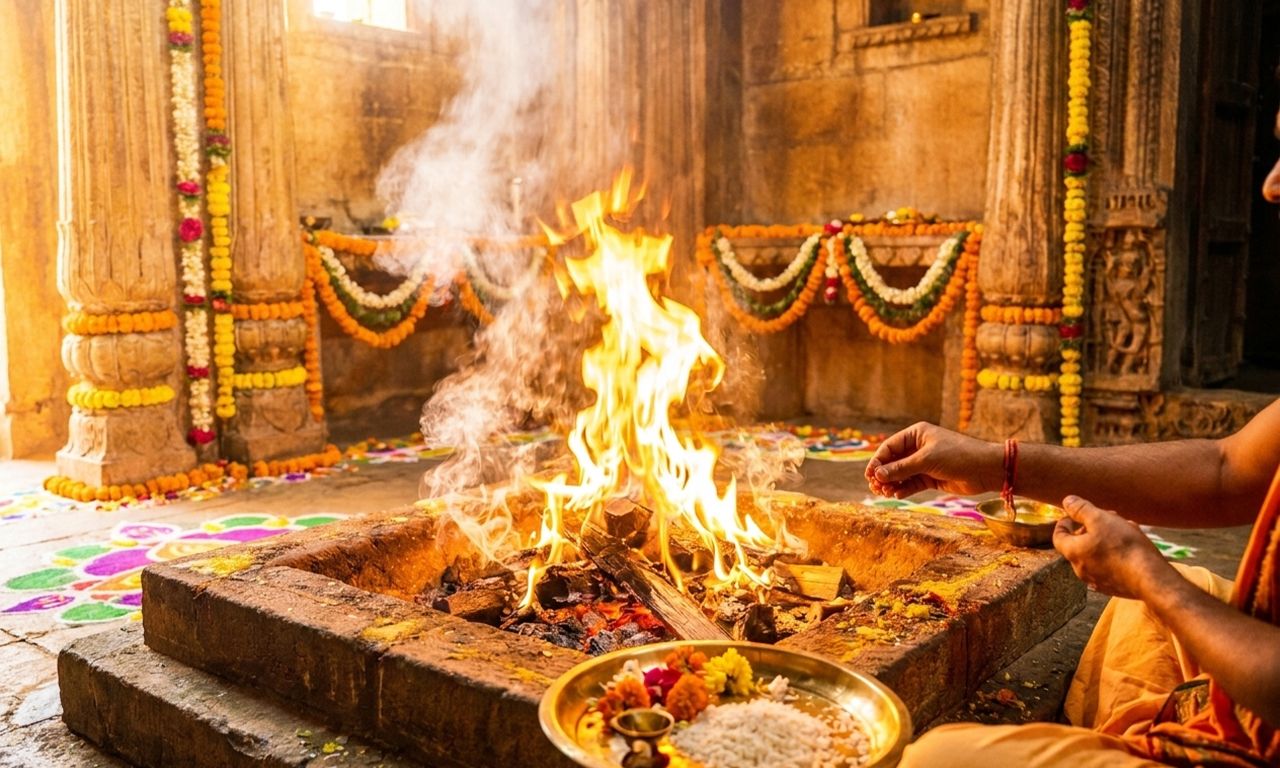
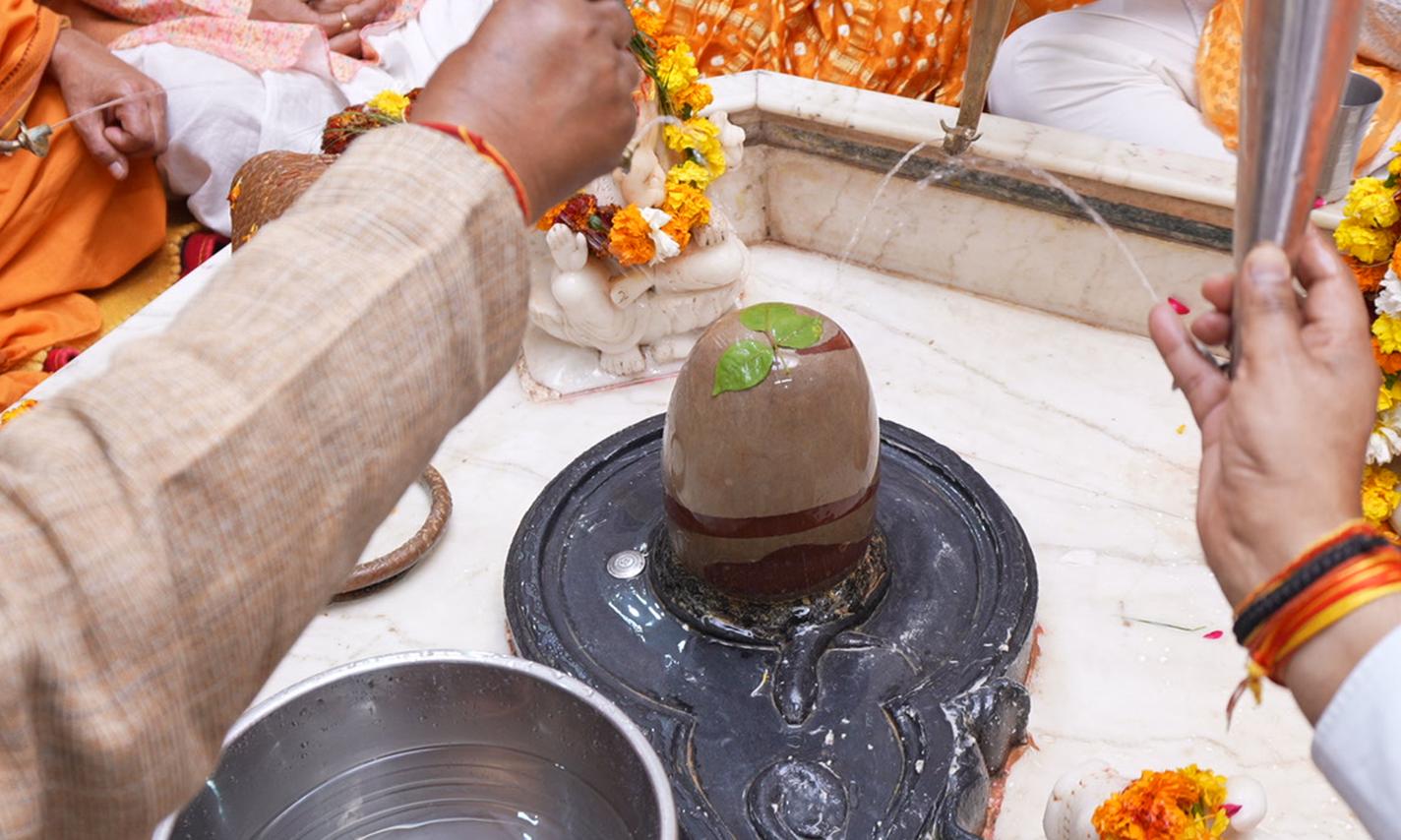
Only after all of this does the first prahar's main Rudrabhishek begin. The water of the Ganga is poured over the Shivalinga. The Namakam begins.
Second Prahar - The Deepening of the Char Prahar Sequence
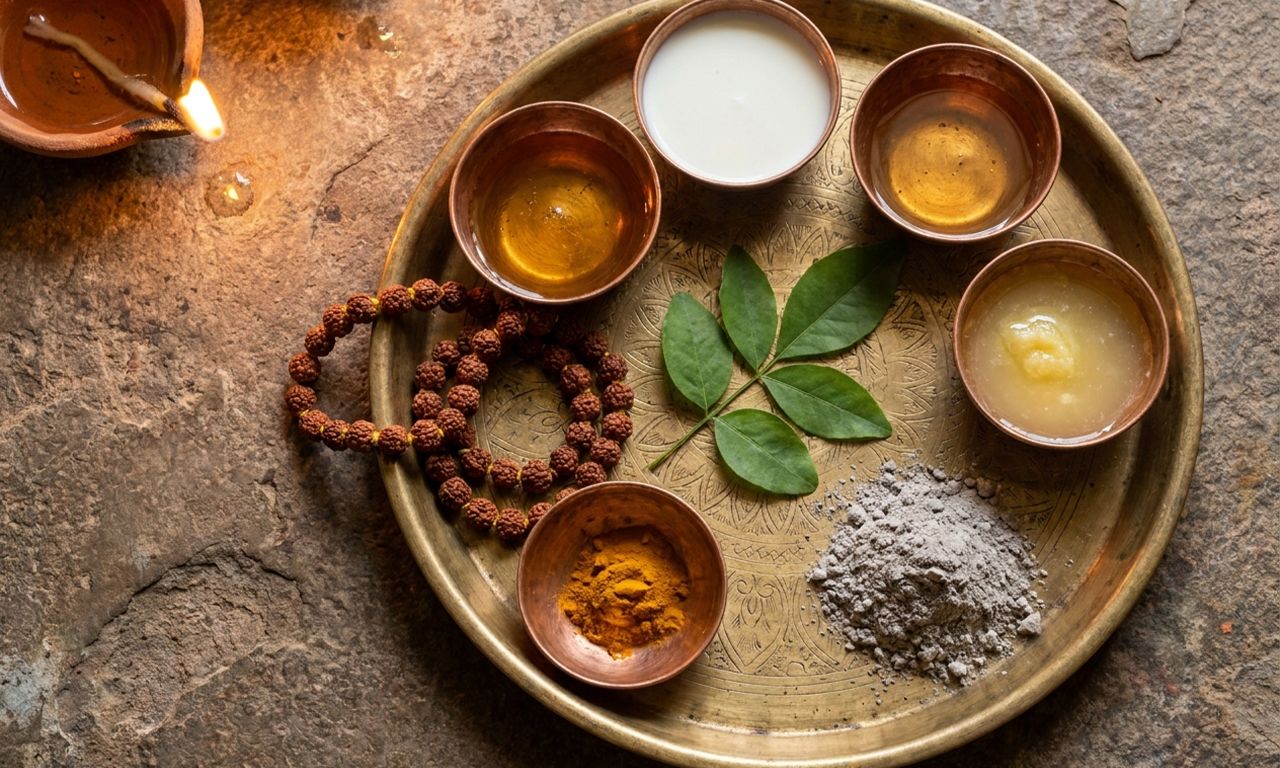
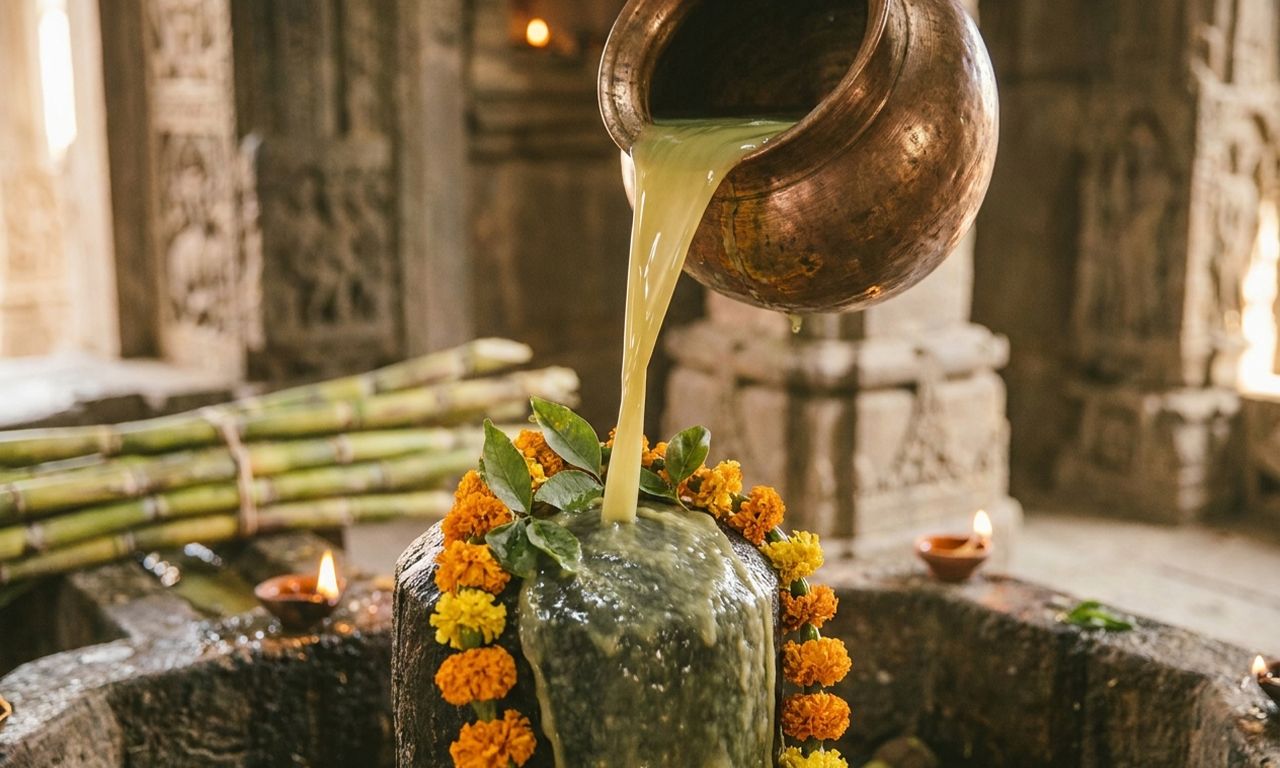
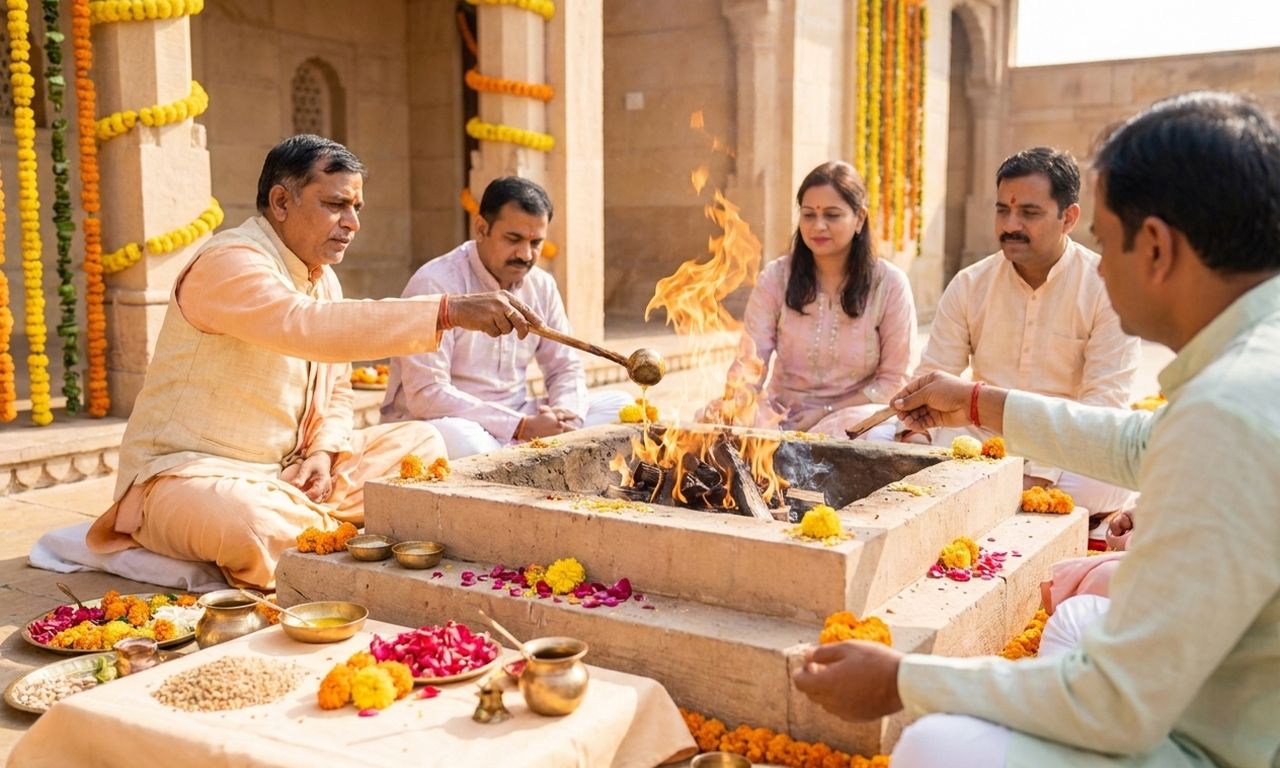
The second prahar of the char prahar (the four watches) moves into the heart of the night. The Rudrabhishek that began in the first prahar continues, but the substances change. Milk. Then curd. Then ghee. Then honey. Then sugarcane juice. Each one is offered with its own mantra, its own intention, its own request.
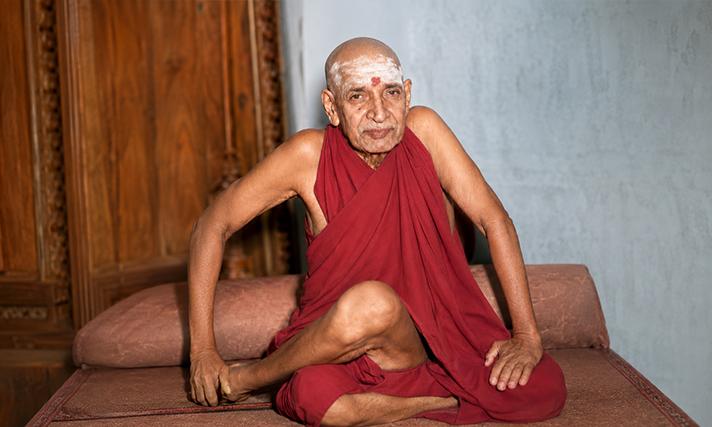
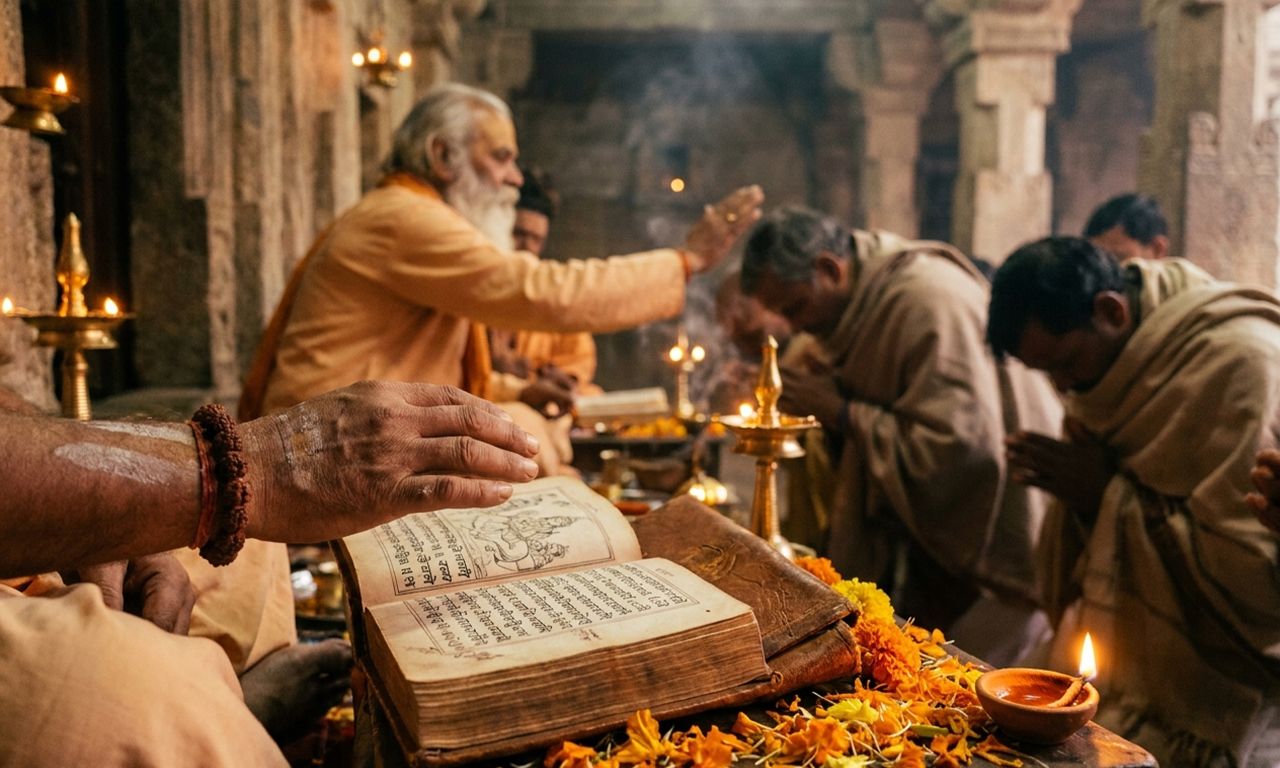
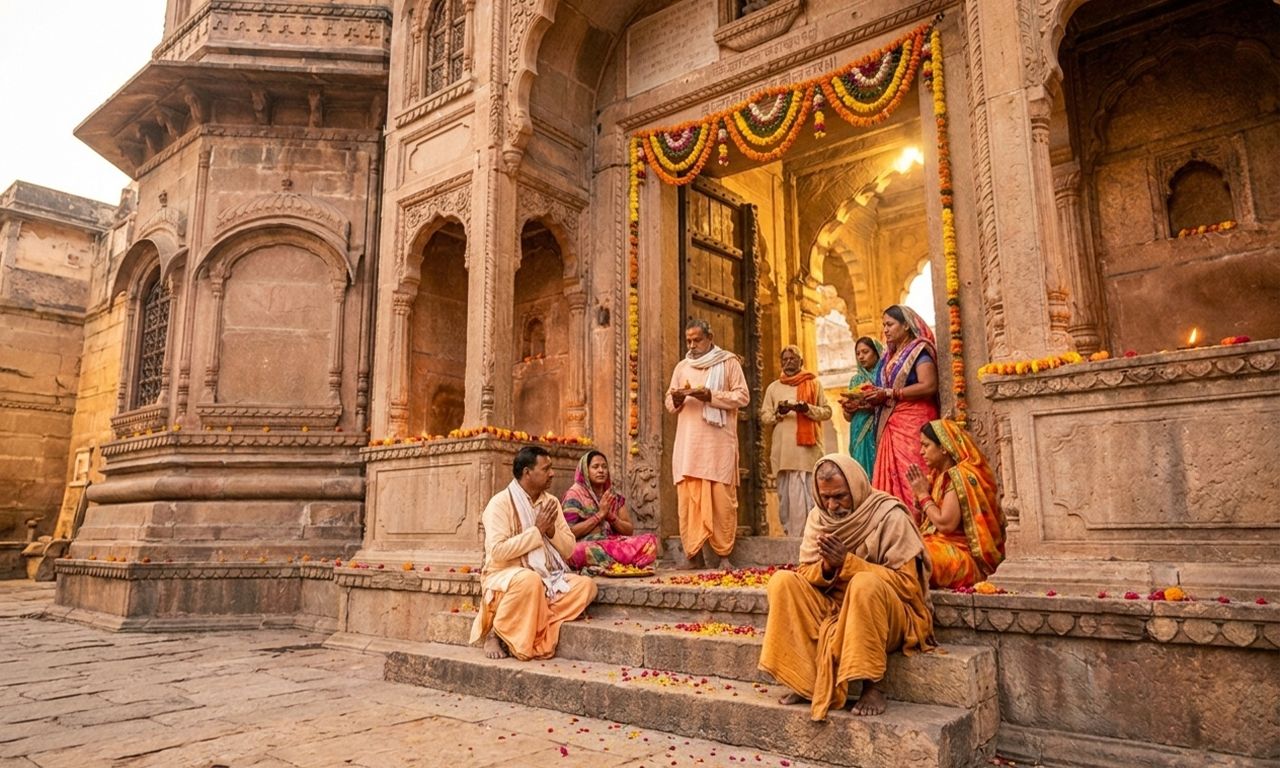
Somewhere in the middle of this prahar, a senior pandit pauses the ceremony. Not because something has gone wrong. Because something needs to be said. He turns to the assembled devotees - those physically present at Narwar Dham, and those connected through SiddhiStar from across India and abroad - and explains what is being done. The materials. The reasons. The shastric basis.
This is the part of the Mahashivratri puja vidhi that distinguishes a recitation from a ceremony.
Third Prahar - The Sustained State
By the third prahar, the night has shifted. The devotees who began the evening fresh are now in a different state of attention. The pandits, who have been chanting for hours, are inside the rhythm of the mantras in a way that no shorter ceremony allows.
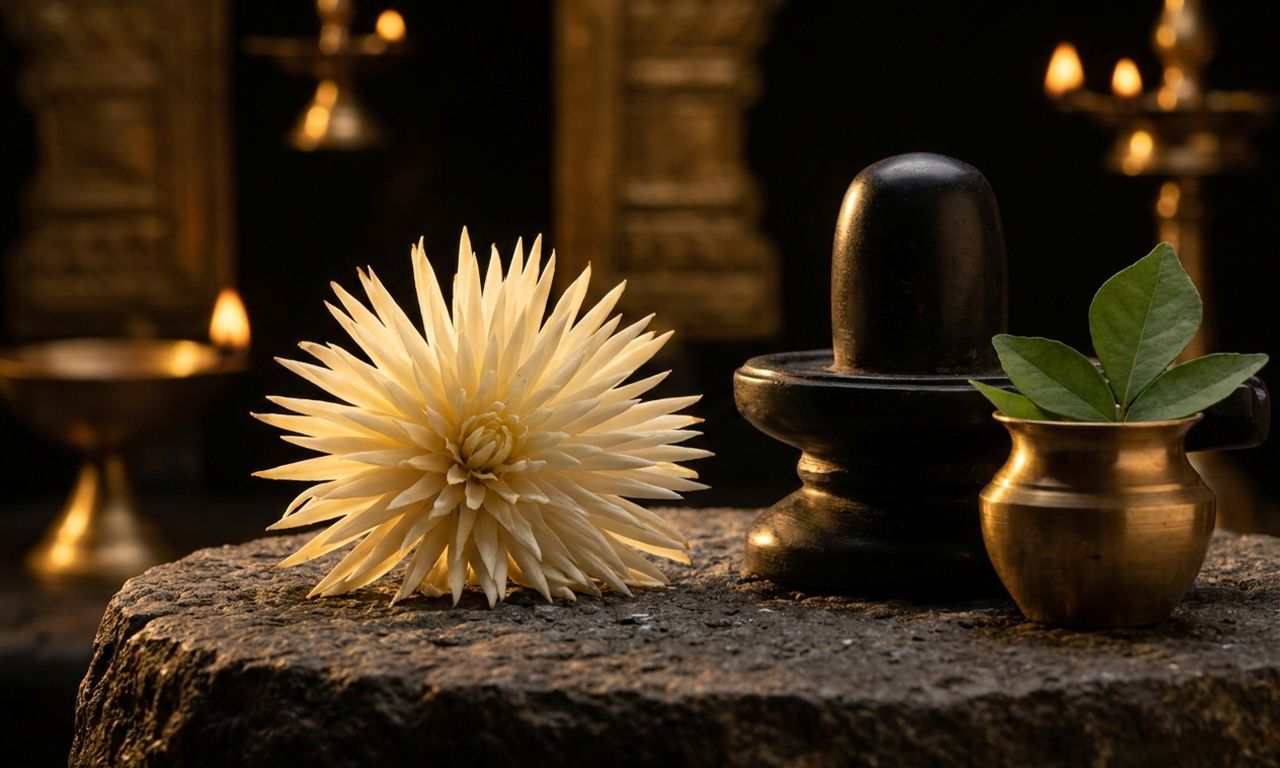
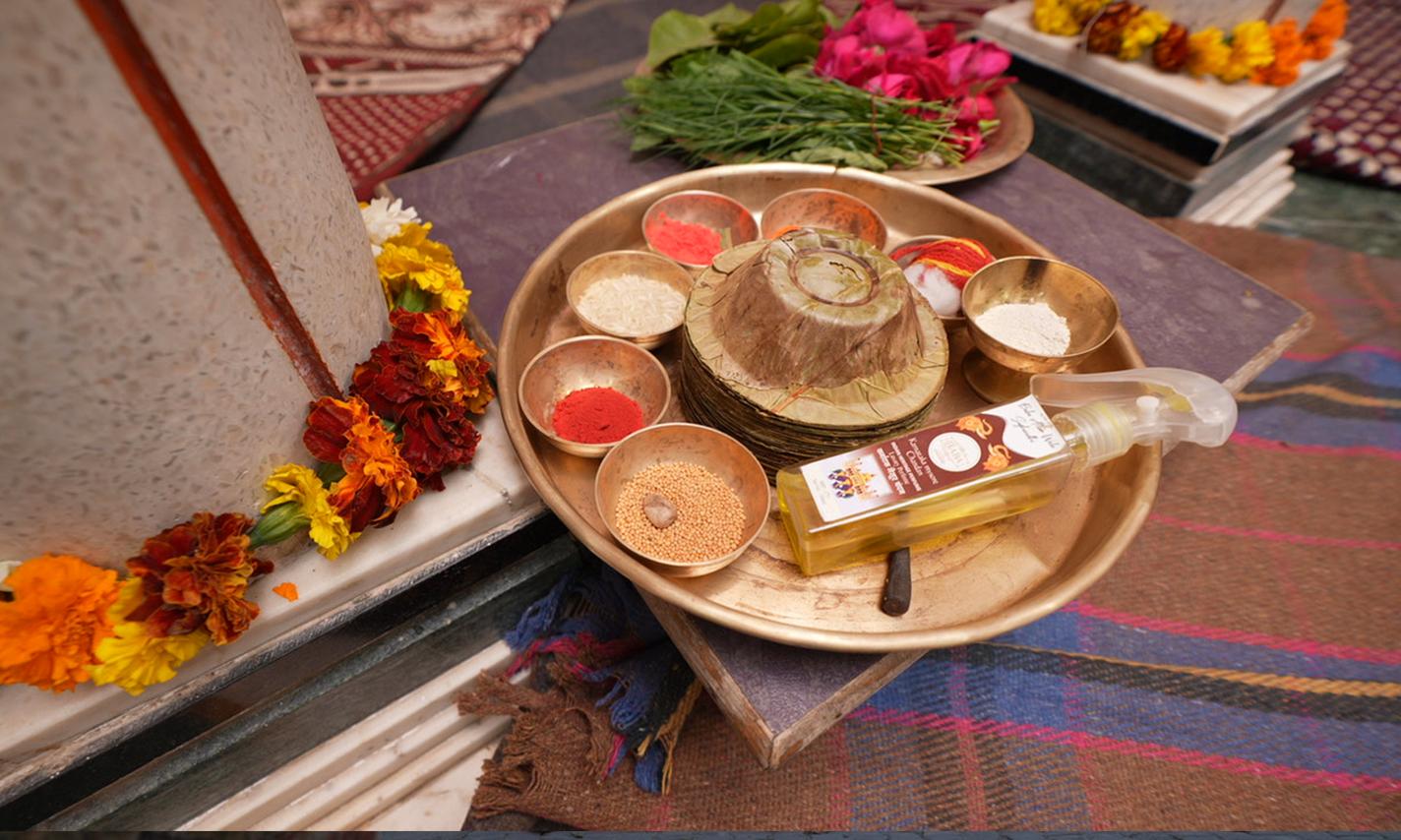
The Mahishasura Mardini Stotram is chanted, invoking Durga. Then the Rudrabhishek continues - Panchamrit, mustard oil, sacred ash, Bel leaves, flowers. The Ashta Murti - the eight cosmic forms of Shiva - are worshipped one by one. Each form receives its specific offerings. Each name is invoked with full attention.
This is when Mahashivratri rudrabhishek is happening at its most complete: not a ritual squeezed into a one-hour window, but the full Vedic procedure carried out with the time it requires.
Fourth Prahar - The Approach to Dawn
The final prahar moves toward Brahma Muhurta - the hour before dawn that the tradition holds as the most sacred. The Hanuman Chalisa is sung in full. The Karpur Gauram is chanted. The pandit speaks something that, after a night of chanting, lands differently than it would at any other time.
He says: a single night of jaagran on Mahashivratri carries more punya than 365 days of ordinary pooja. The devotees who have stayed present through the night - physically and through SiddhiStar - receive that punya in full.
Maha Aarti follows. Pushpanjali. And finally, the Kshama Prarthana - the prayer for forgiveness that closes every SiddhiStar ceremony.
Why a Full Four-Prahar Puja Vidhi Matters
A short Mahashivratri ritual fulfills a form. A full first prahar, second prahar, third prahar, fourth prahar sequence - the way the tradition designed it - fulfills an intention. The difference is not symbolic. It is structural. The mantras require the time they require. The offerings require the sequence they require. Compress the ceremony and you change what it is doing.
This is what SiddhiStar holds across every Maha Shivratri puja. The same vidhi. The same parampara. The same depth.
Book a Rudrabhishek with full samagri at your home with our “Ghar Par Puja” service or “Online Puja” service. Every material. Every mantra. Every intention