The Vidyapati and Ugna Story - When Bholenath Lived as a Servant Out of Love
By SiddhiStar | Narwar Dham Parampara
15 May 2026 • 6 min read
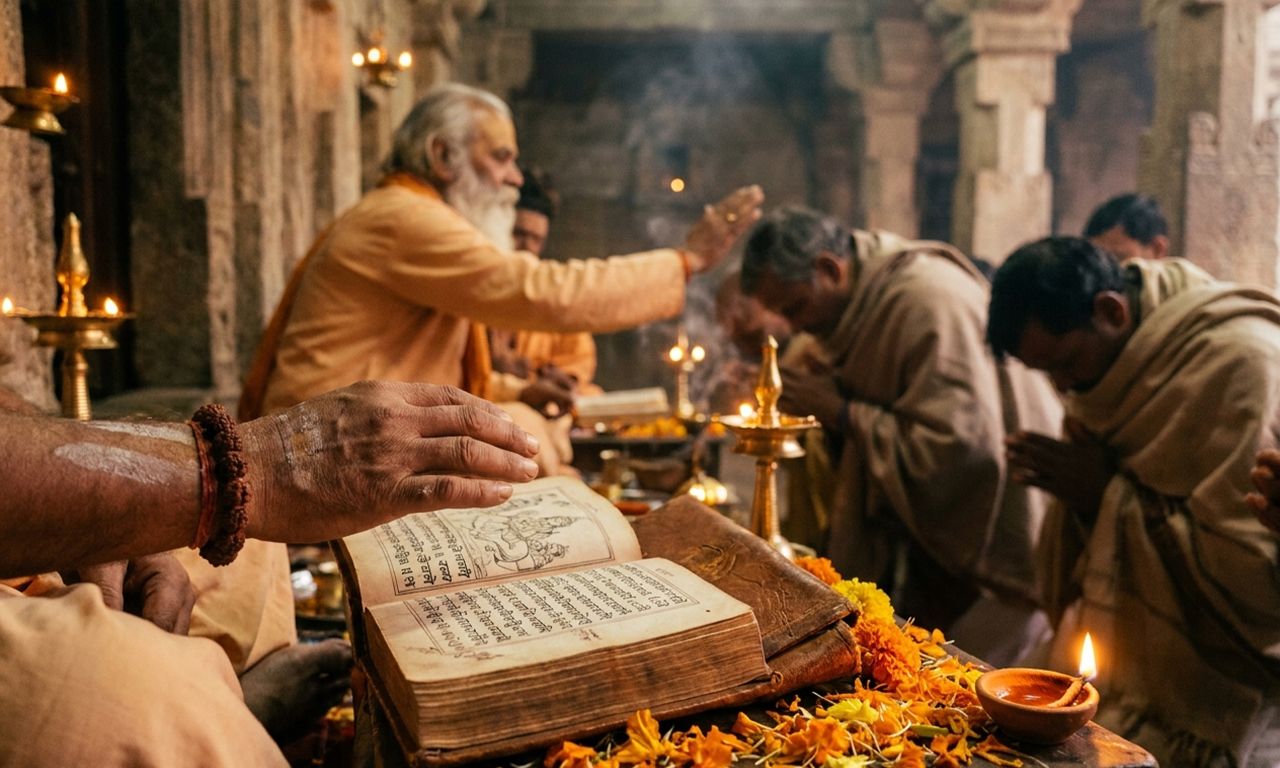
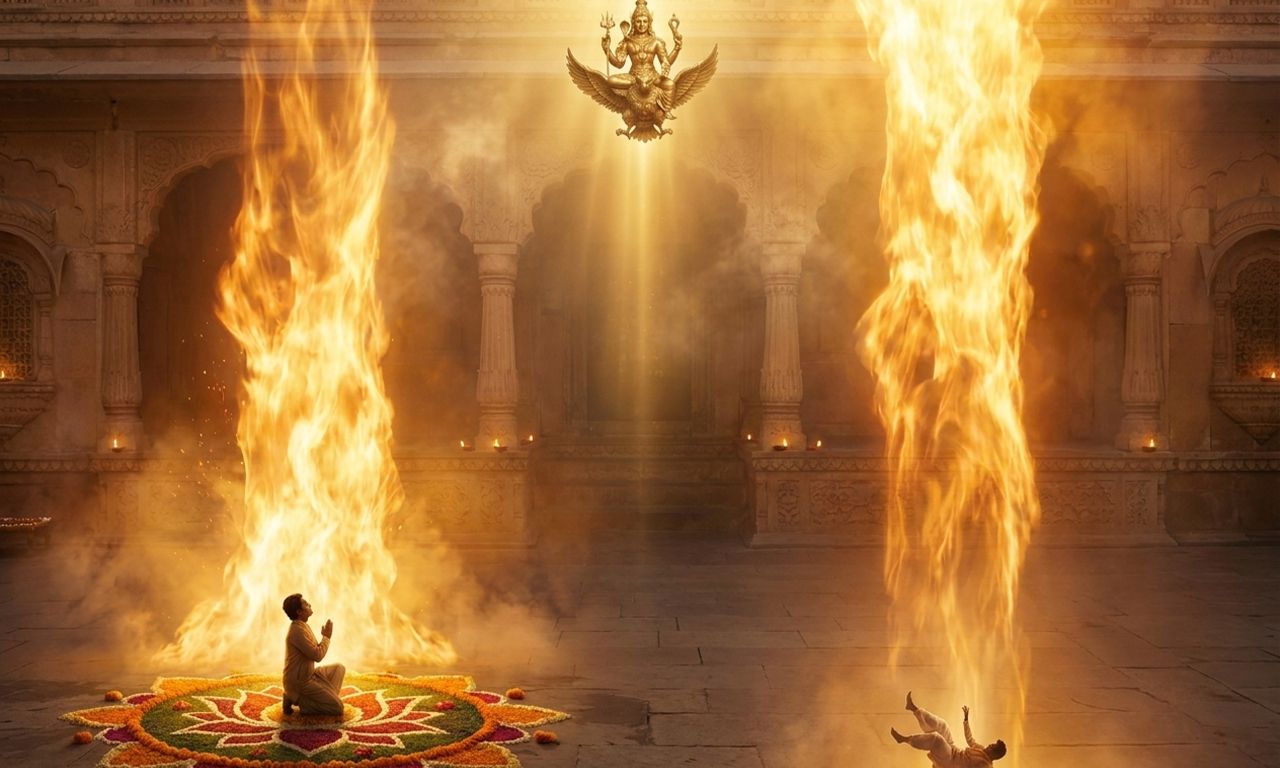
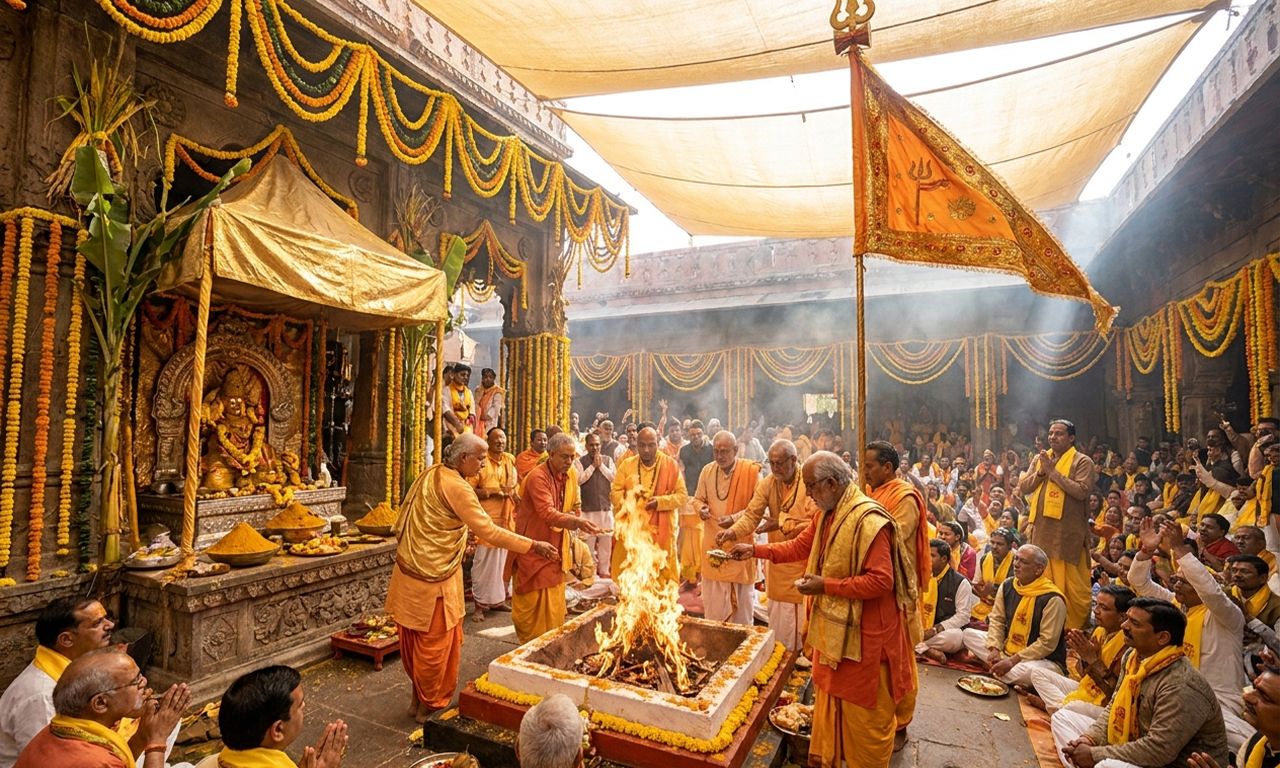
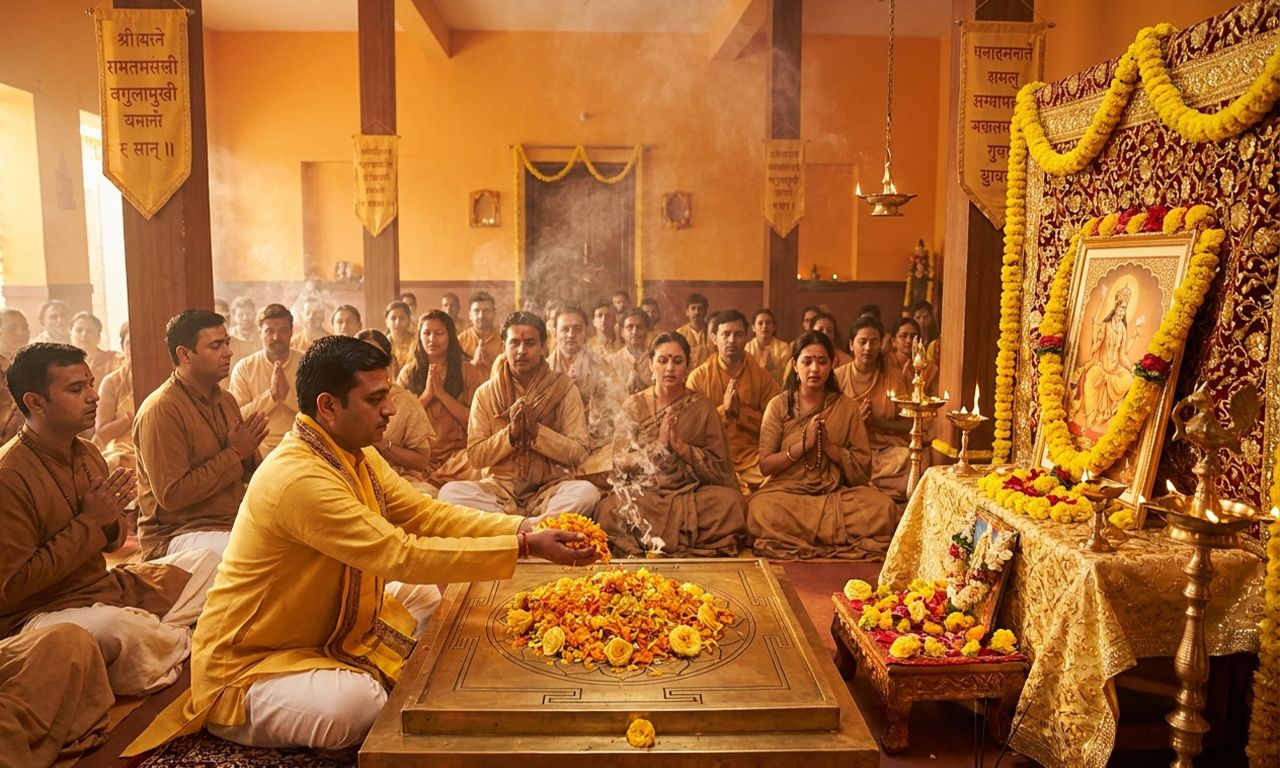
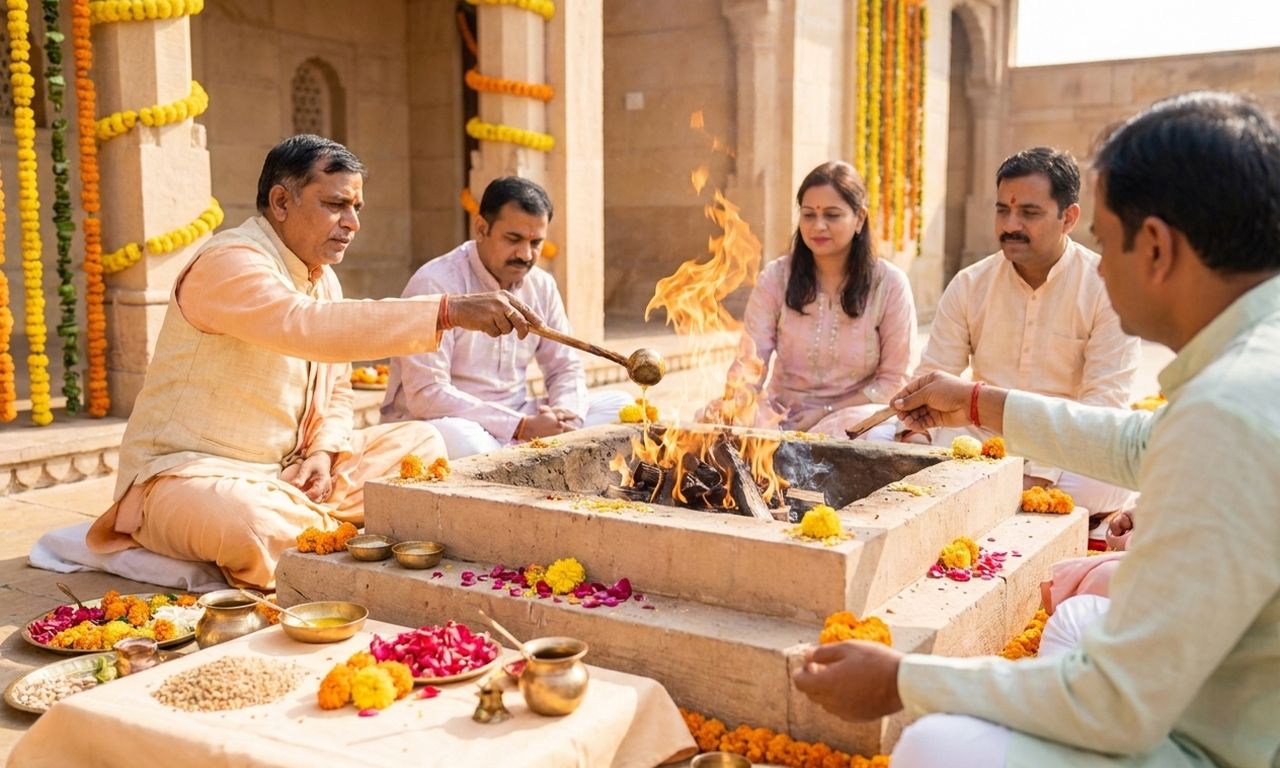
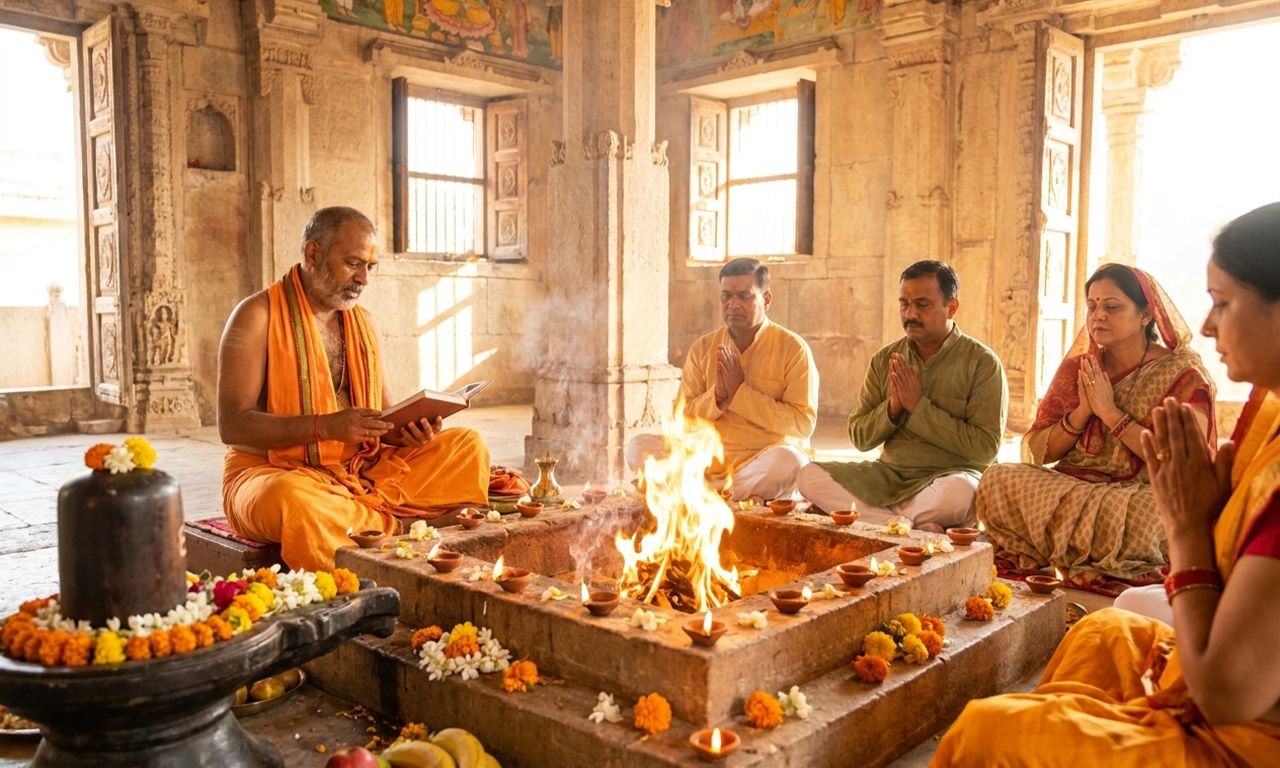
At the Mahashivratri Mahapuja conducted by SiddhiStar at Narwar Dham, after the shastric account of the Agni Stambha was complete, Acharya Rajan Dixit ji sat quietly for a moment. Then he said: let me tell you one more story. A short one. But an important one.
This is that story - the Vidyapati Ugna story, one of the most beloved tales of Bholenath in the entire devotional tradition, drawn from sources that the Shiv Puran itself echoes.
The Poet and His Servant
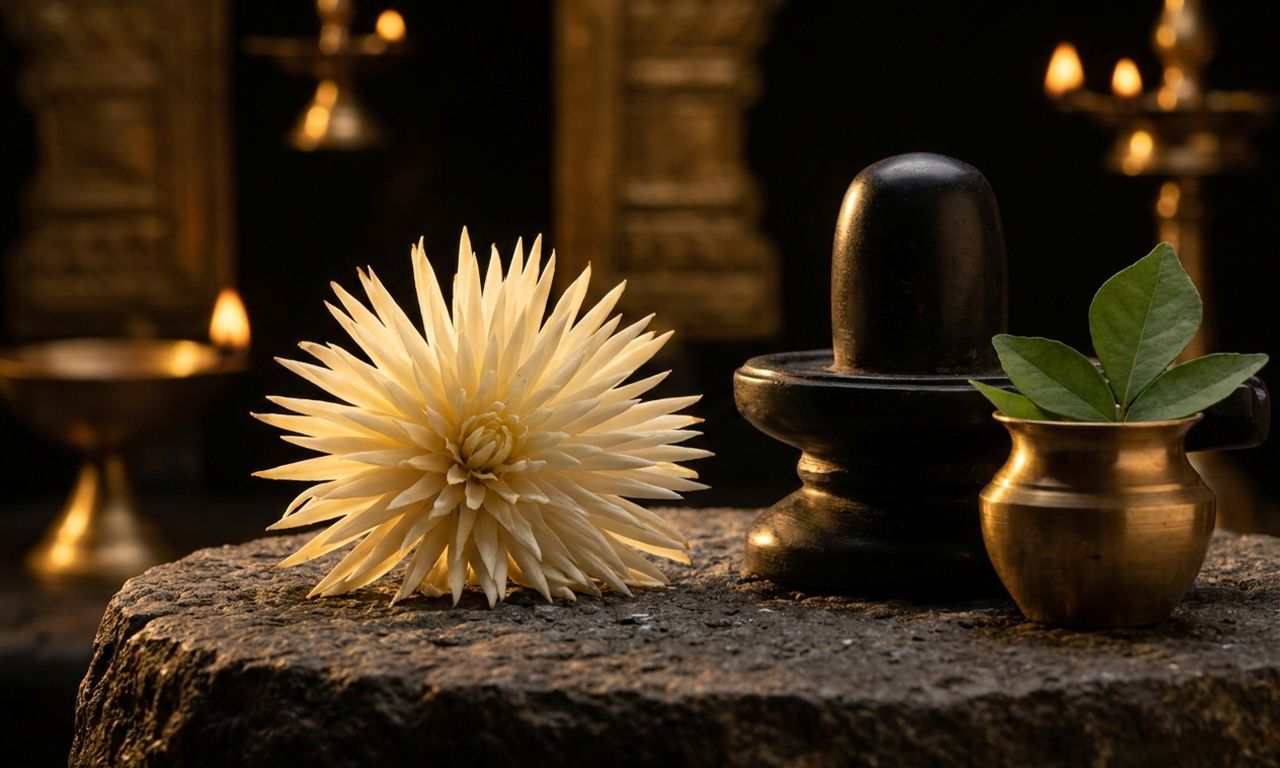
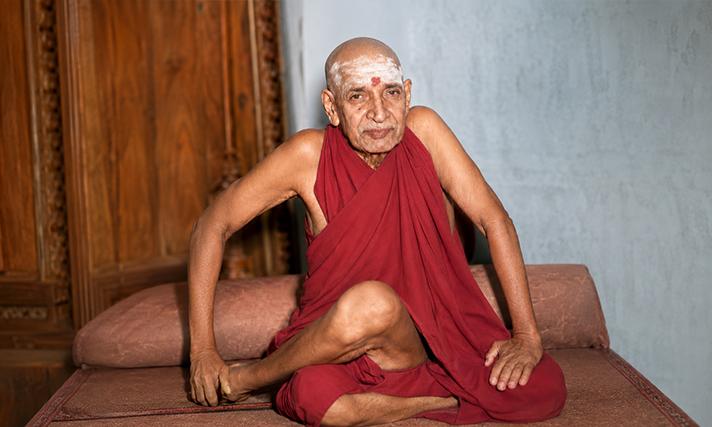
In Bihar, many centuries ago, there was a poet named Vidyapati. He was a great devotee of Shiva - his compositions in praise of the deity were of such quality that they are sung to this day. Shiva heard them. Shiva was pleased in the way Shiva is pleased - completely, without calculation, with the simplicity that earns him the name Bholenath.
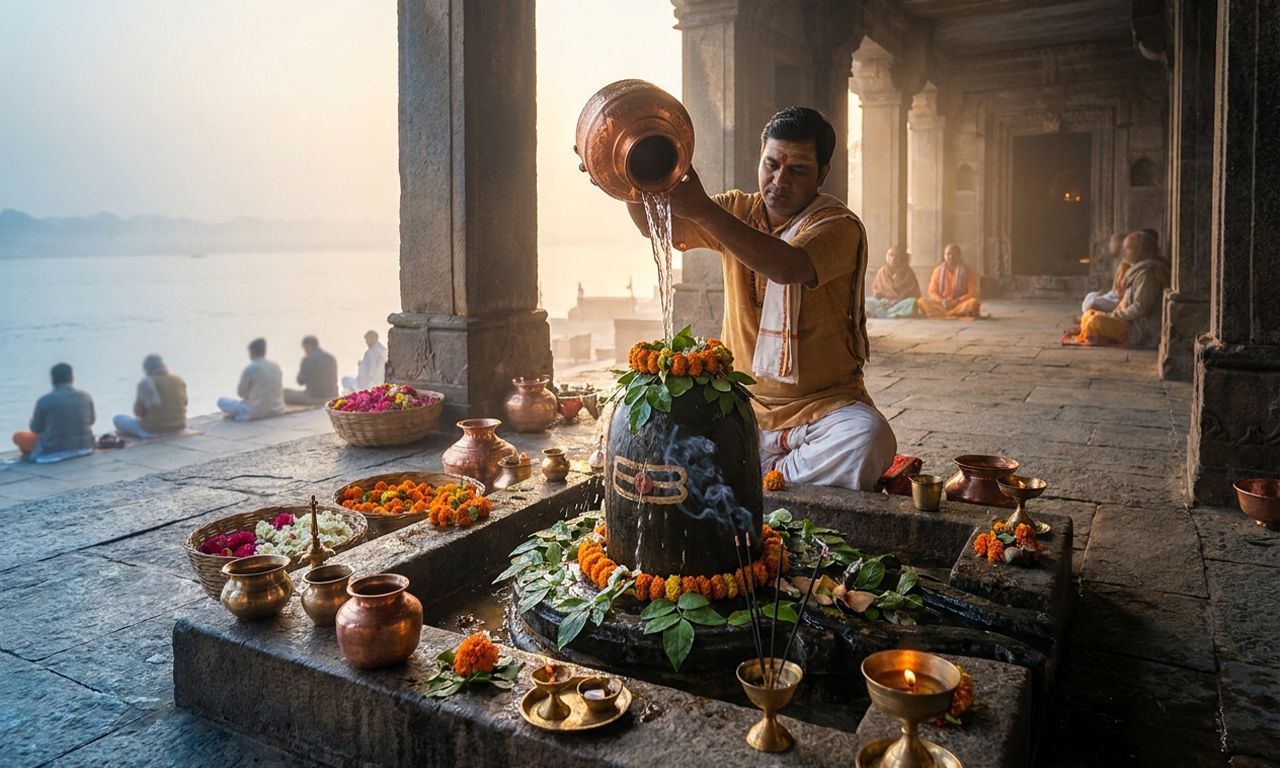
He decided to live with Vidyapati. Not as a divine guest. As a servant boy, under the ordinary name of Ugna. He arrived at the poet's home, took up his duties, and began the daily life of a household servant - carrying the kaman dala, accompanying the guru on walks, making himself useful in the small ways that servants are useful.
The Recognition
Vidyapati did not know. For a long time, he did not know. He had a servant who was unusually devoted, unusually quiet, unusually attentive. But he was a servant. The poet treated him with the consideration a good employer extends - but with the natural distance of class.
One day, returning from a walk in the heat, Vidyapati was thirsty. He asked Ugna to bring him water. Ugna walked to a small distance, brought back what Vidyapati assumed was river water, and offered it. Vidyapati drank. The water was sweet in a way no river water could be. He paused. He looked at the boy who had brought it.
In that moment of looking, Ugna's true form became visible. The servant was Shiva.
Vidyapati fell at his feet immediately. Bholenath, the lord of all, had been carrying his bag. Bholenath had been listening to his compositions not as an audience but as a participant in his daily life.
Why Bholenath Becomes a Servant
This is what Acharya Rajan Dixit ji explained: there is something about love that the divine, when it descends, does not bypass. Bhakti - devotion - when it is real, creates a relationship that is reciprocal. The devotee gives. The deity, eventually, gives back in kind.
But what does Shiva have to give Vidyapati that Vidyapati does not already have access to? He chose to live in the poet's home. To be not the deity Vidyapati prayed to, but the boy who brought him water.
This is what makes the Vidyapati Ugna story different from any other Bholenath story: the gesture itself is the meaning.
In love, there is no question of who is greater and who is lesser. Love means two become one.
He had to leave then. Vidyapati had revealed the secret - his wife had found out. Shiva left, but blessed both before he went. The story has been in the tradition ever since.
Why This Story Is Told Inside a Ceremony
The Kathavachak did not tell this story as an aside. He told it to establish something about the nature of the deity being worshipped. Bholenath is not distant. He is the simple one - who loved a poet's compositions enough to carry his bag.
The devotee who comes to a SiddhiStar pooja with that understanding is not coming to fulfil a religious obligation. They are coming to meet someone who has already demonstrated that proximity is not a barrier to him.
Book a Satyanarayan Katha and experience bhakti in its fullest form. At home or online. SiddhiStar carries this understanding into every ceremony.