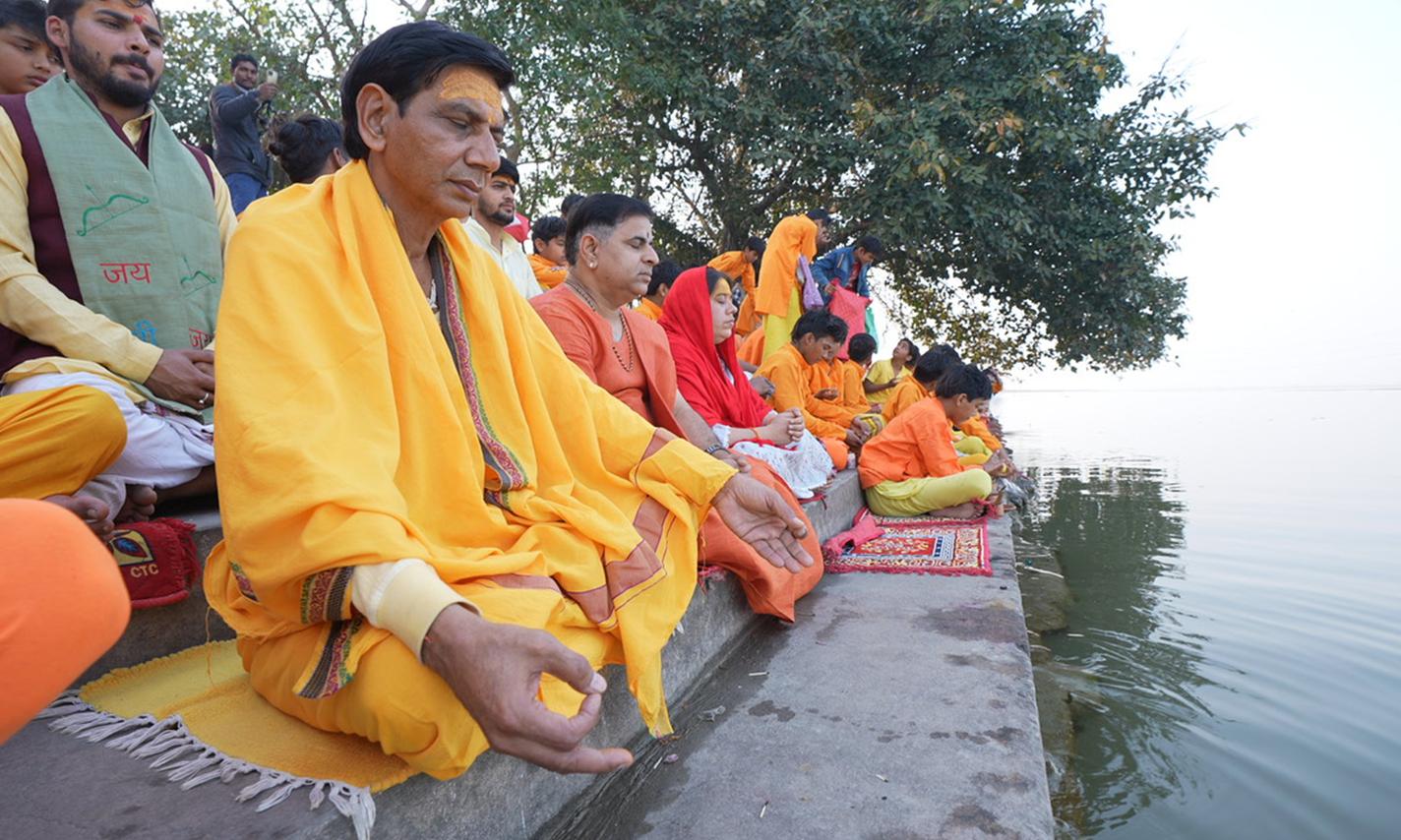
The Panchamrit - SiddhiStar Narwar Dham Parampara
⁠Vedic Rituals

The Panchamrit - What the Five Sacred Substances Are Doing When They Pour Over the Shivalinga

S

By SiddhiStar | Narwar Dham Parampara

15 May 2026 • 6 min read

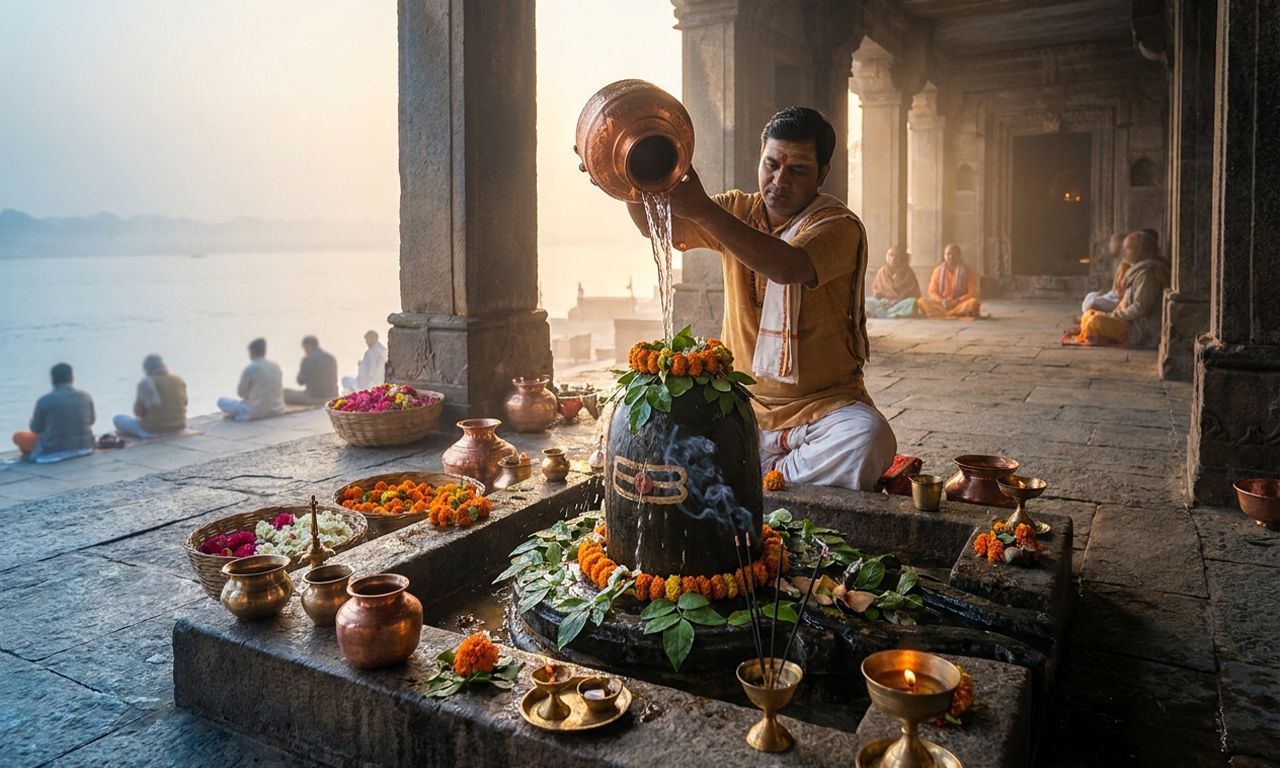
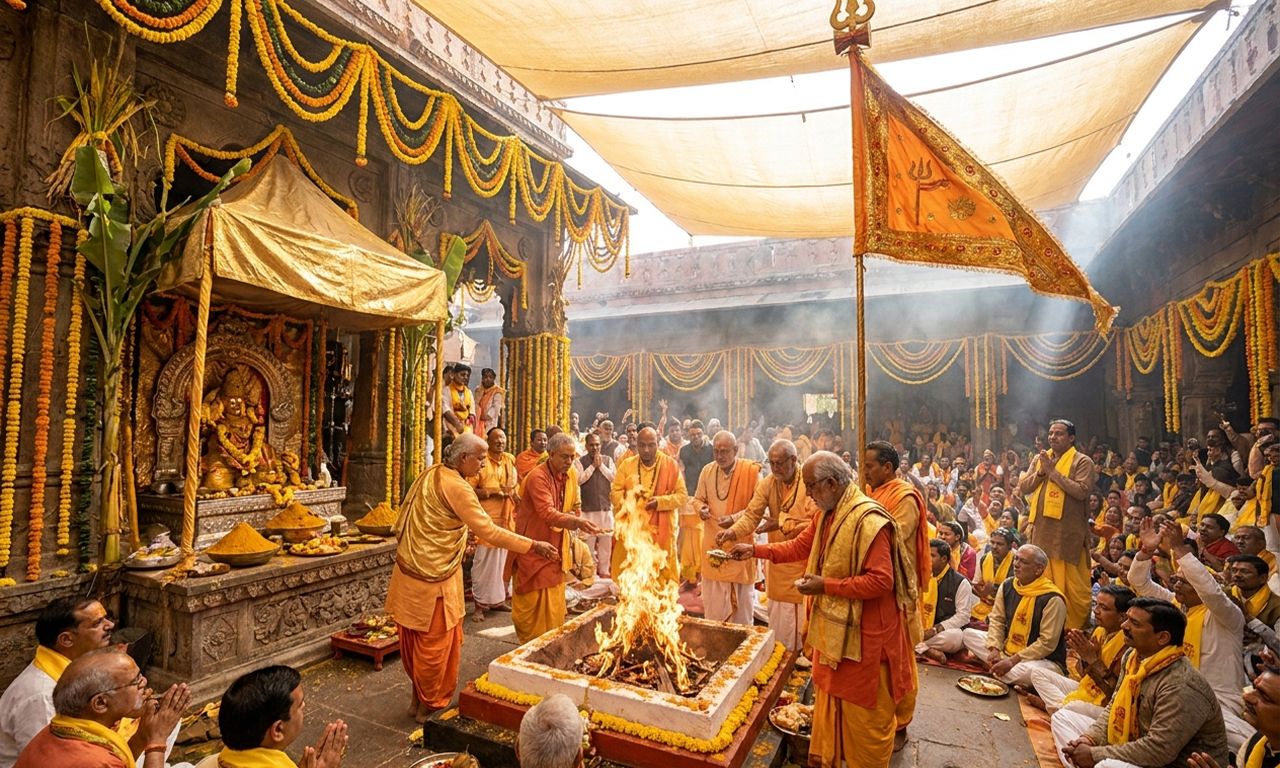
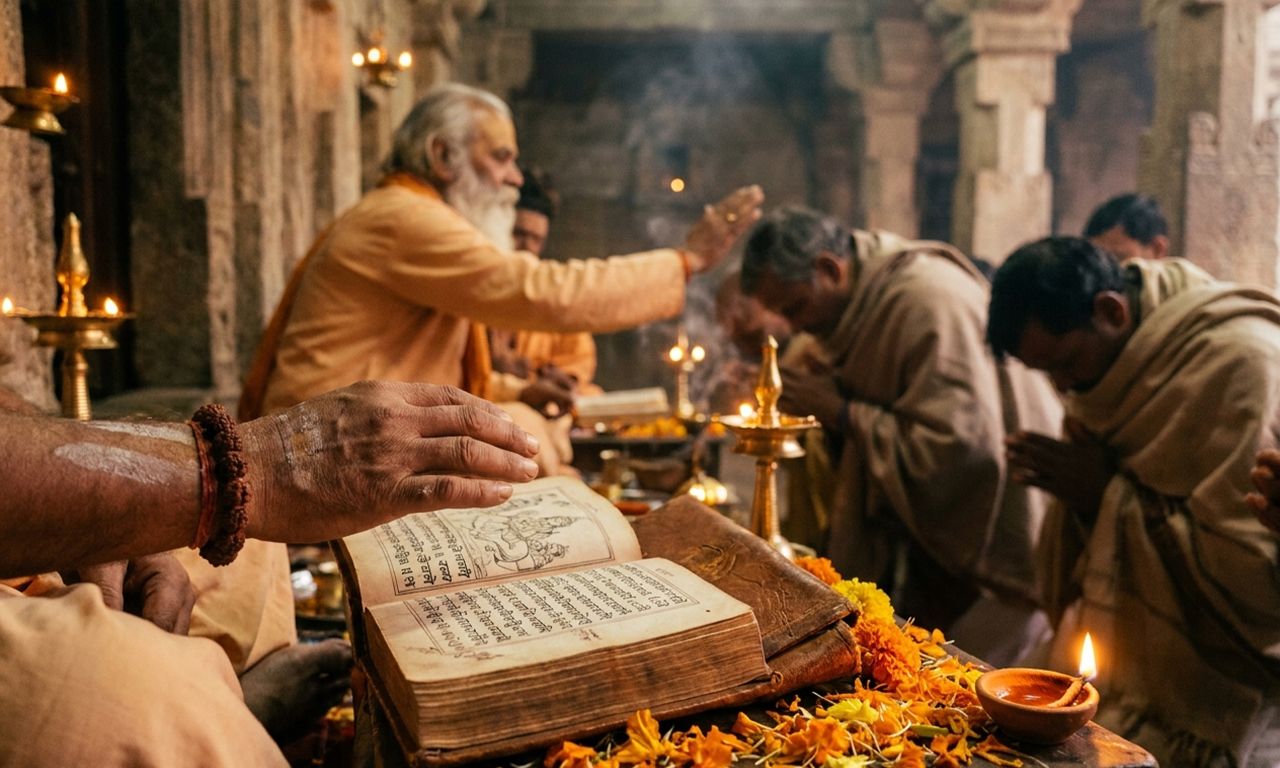
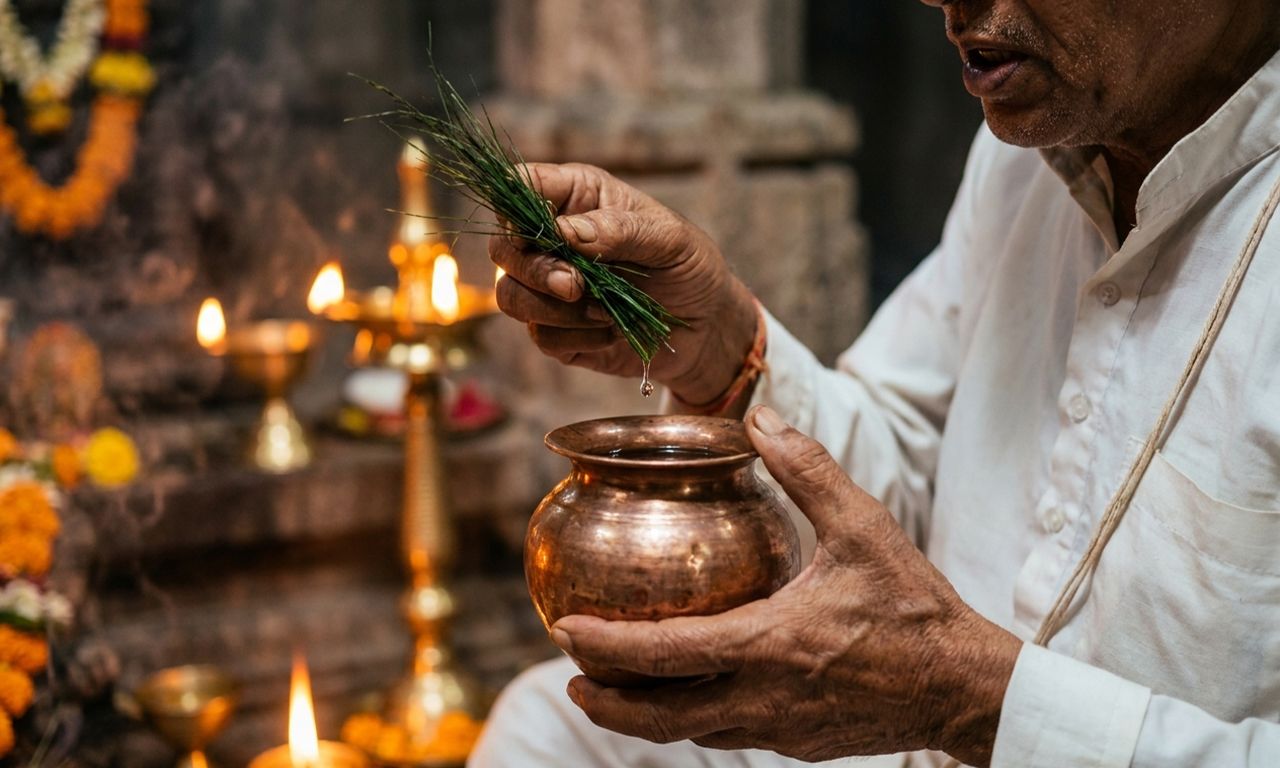
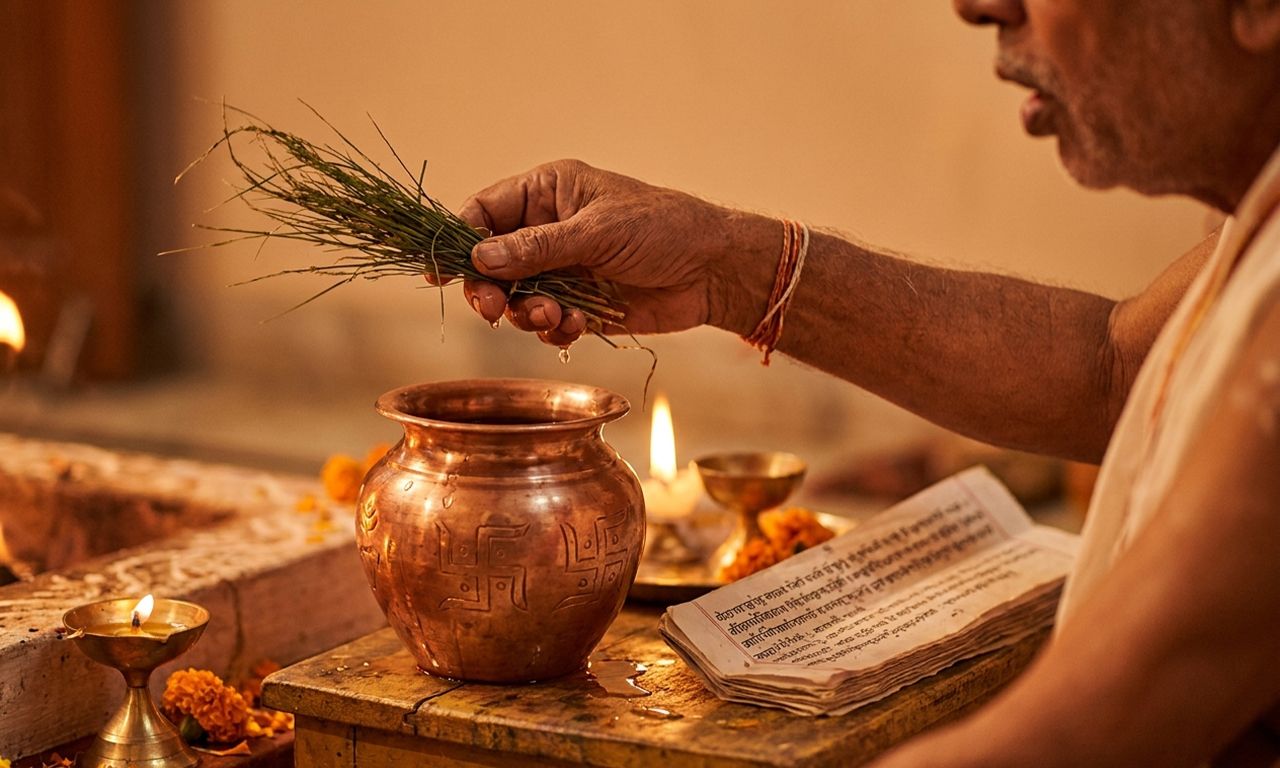
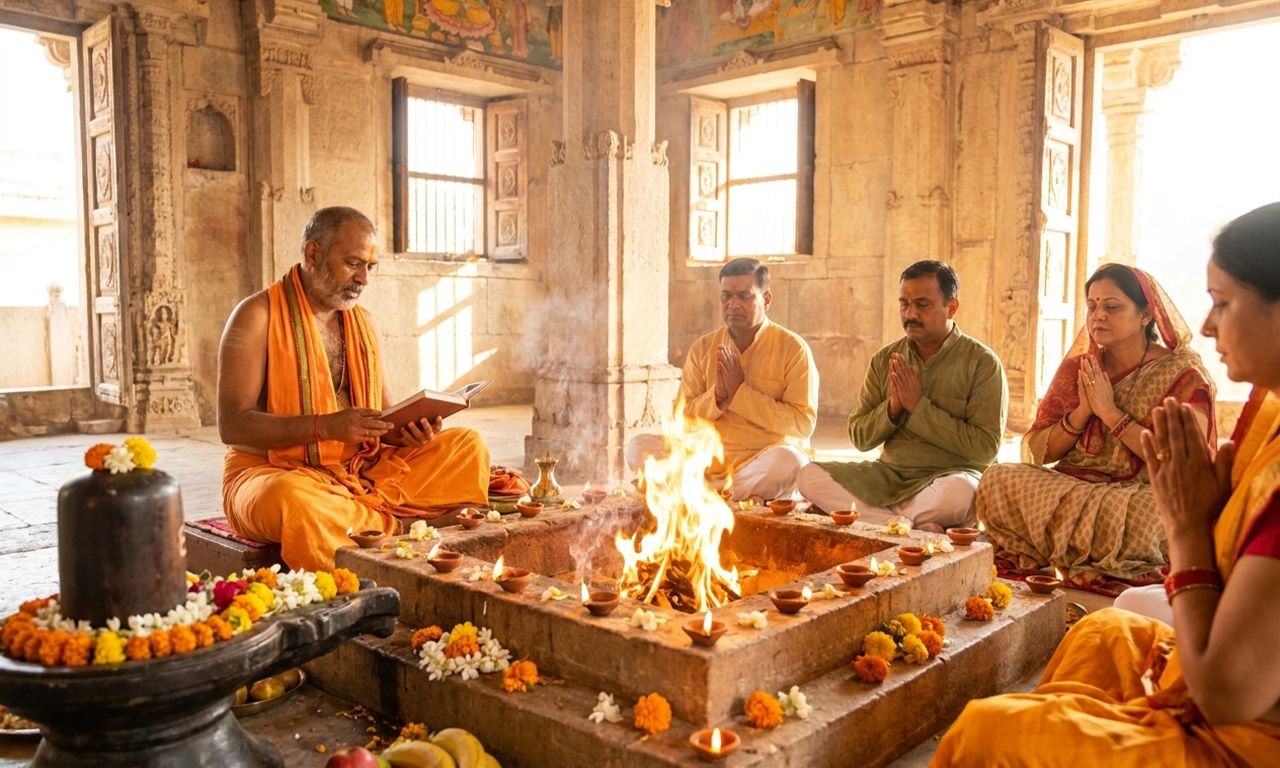
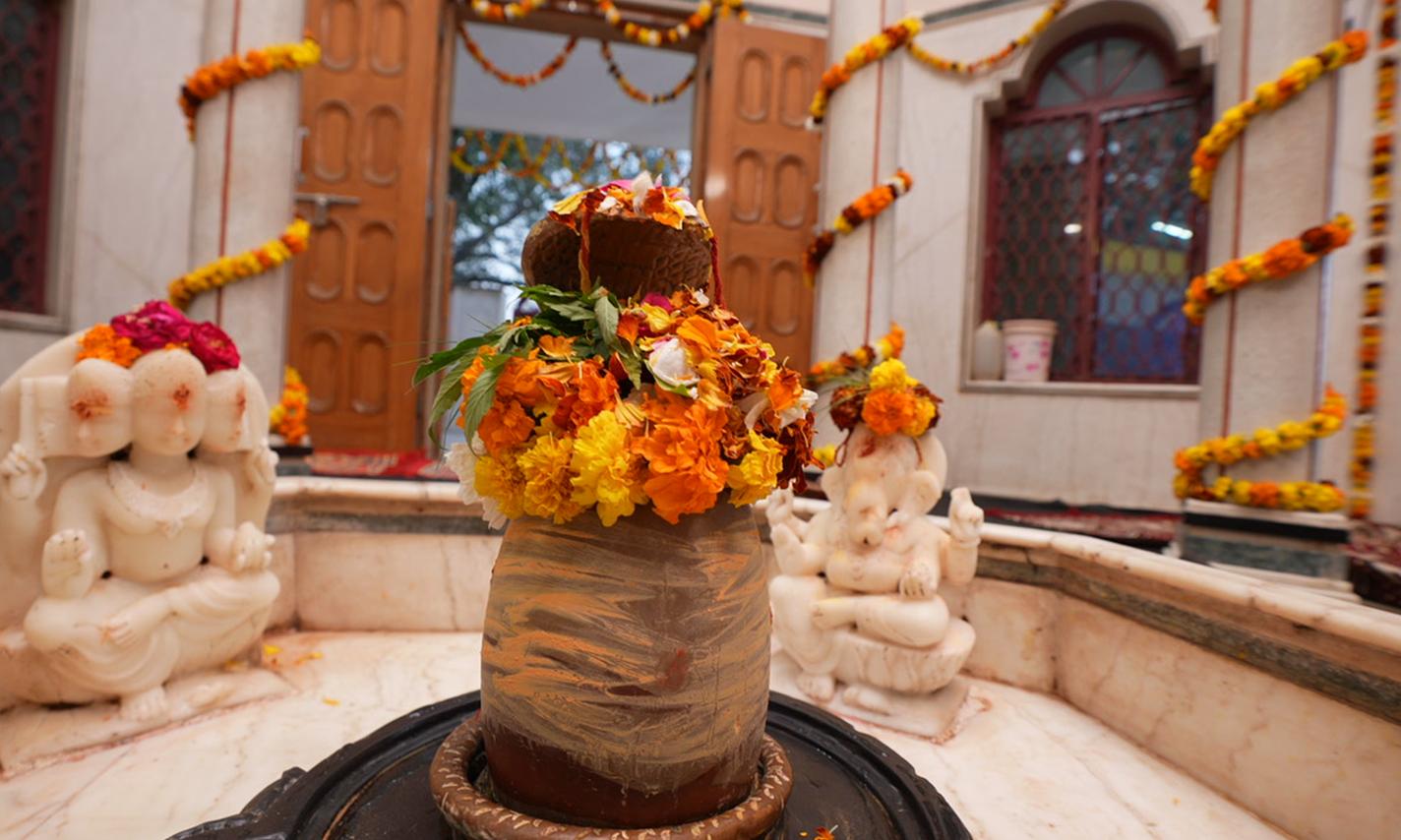
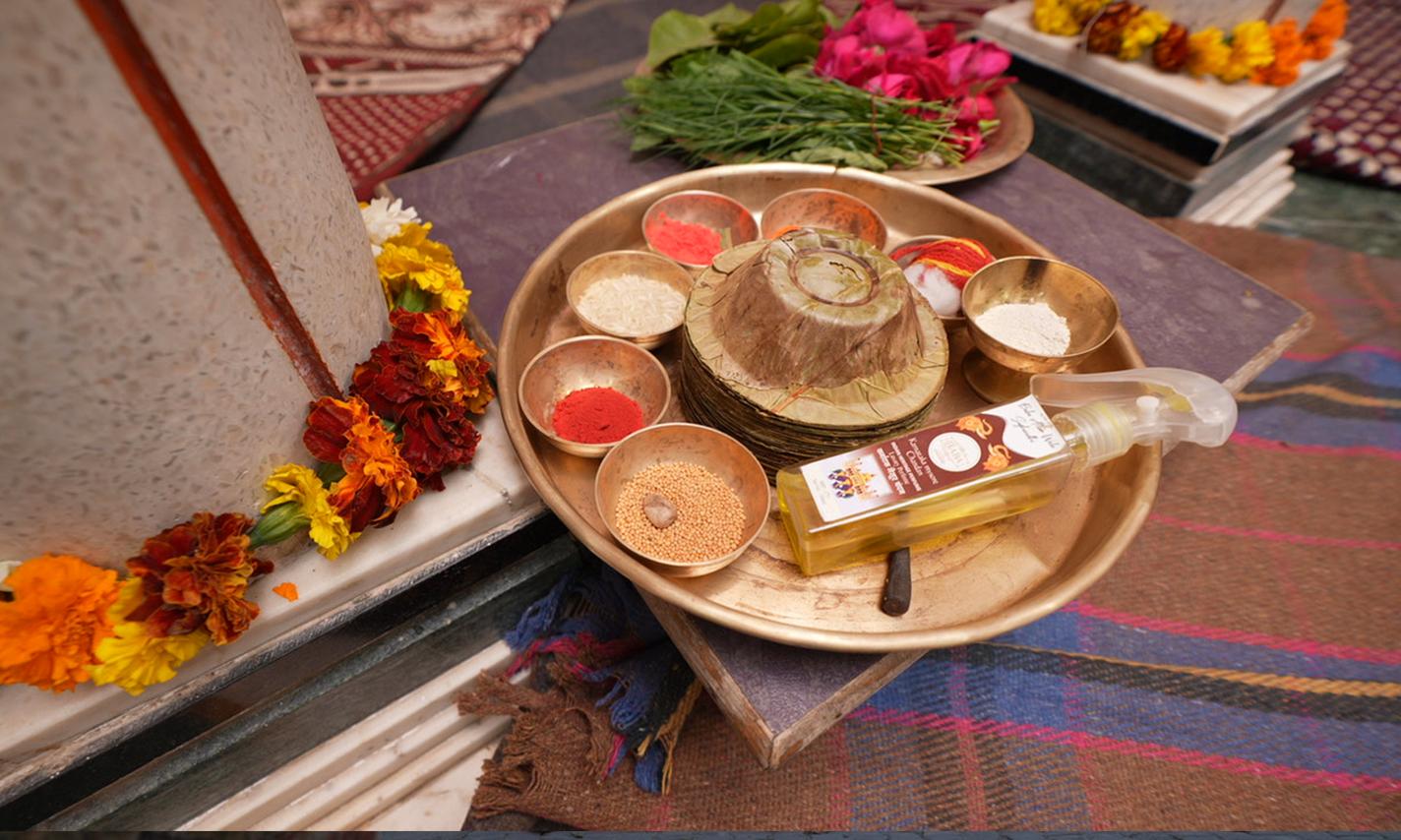
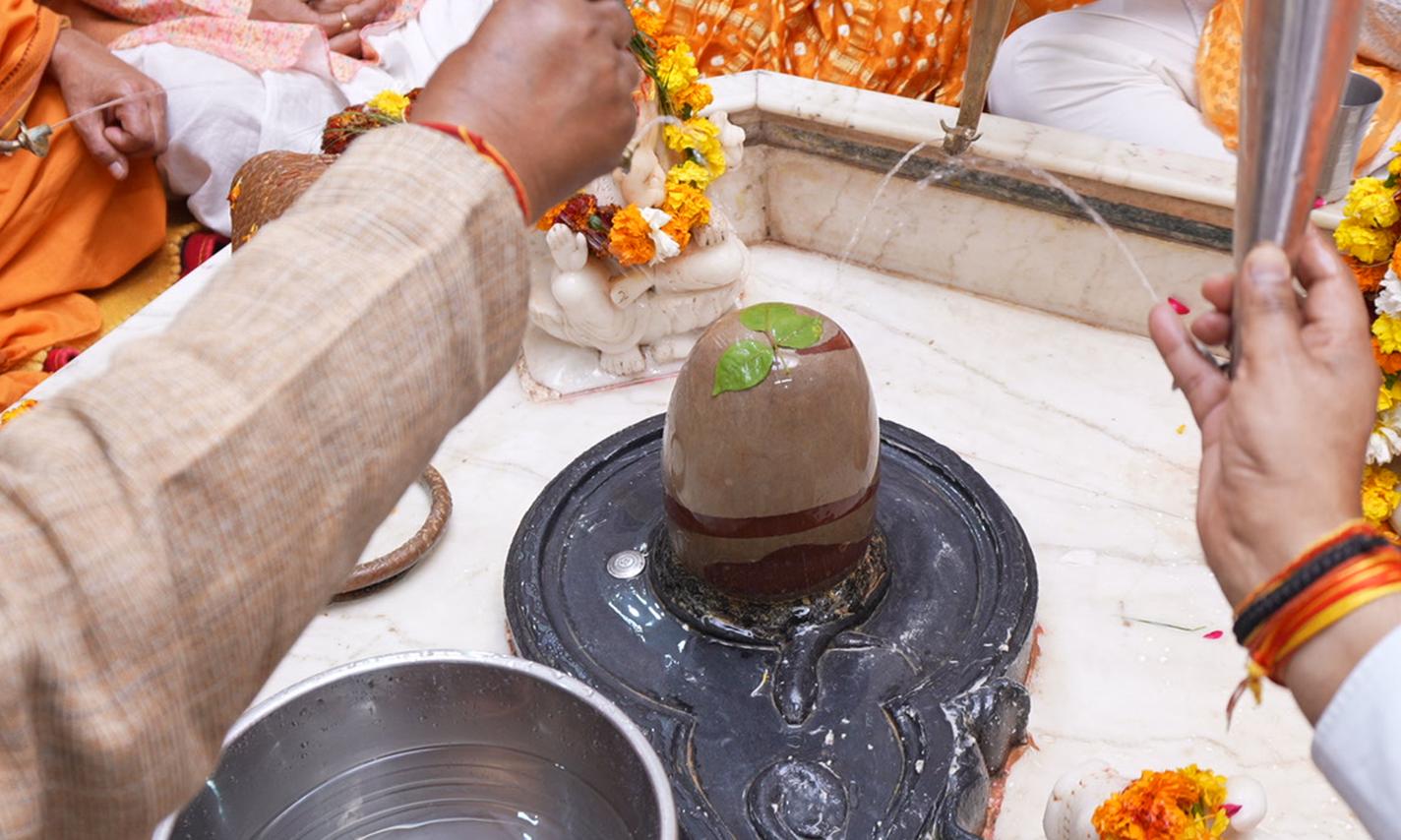
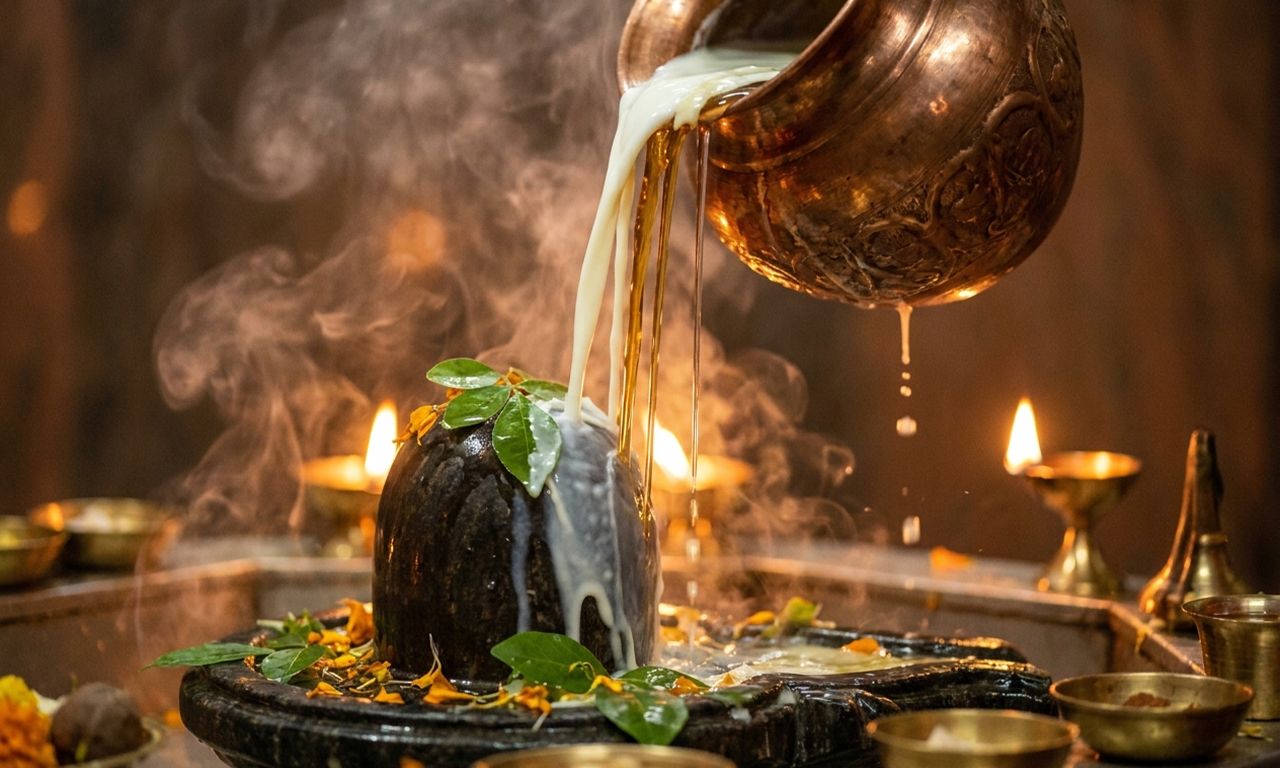
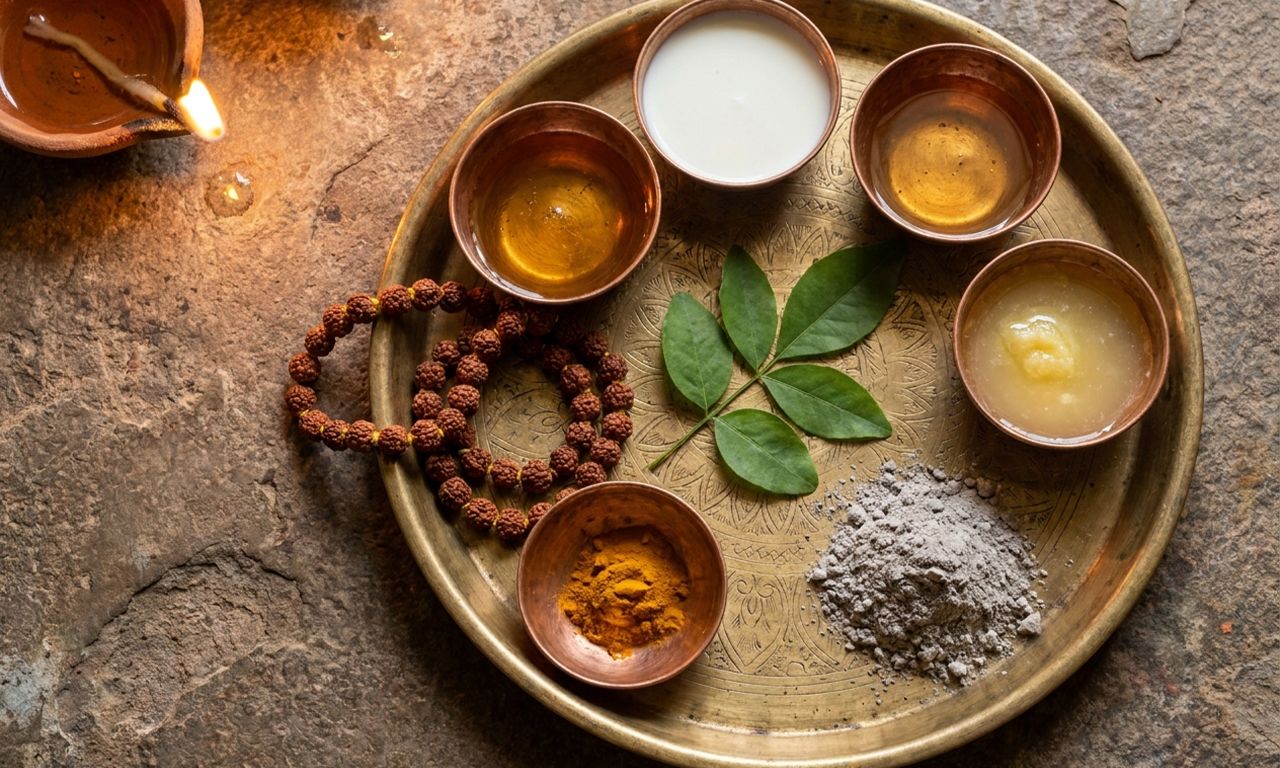
In every rudrabhishek puja, there is a moment when the pandit takes a single vessel containing five substances - milk, curd, ghee, honey, sugar - and pours all of them, combined, over the Shivalinga. This is the Panchamrit abhishek. Pancha-amrit - five nectars.

The panchamrit ingredients are not random. Each substance is offered separately first, and then combined into the Panchamrit and offered again. The pandit at Narwar Dham explained why during the Mahashivratri Mahapuja.

The Five Substances Individually

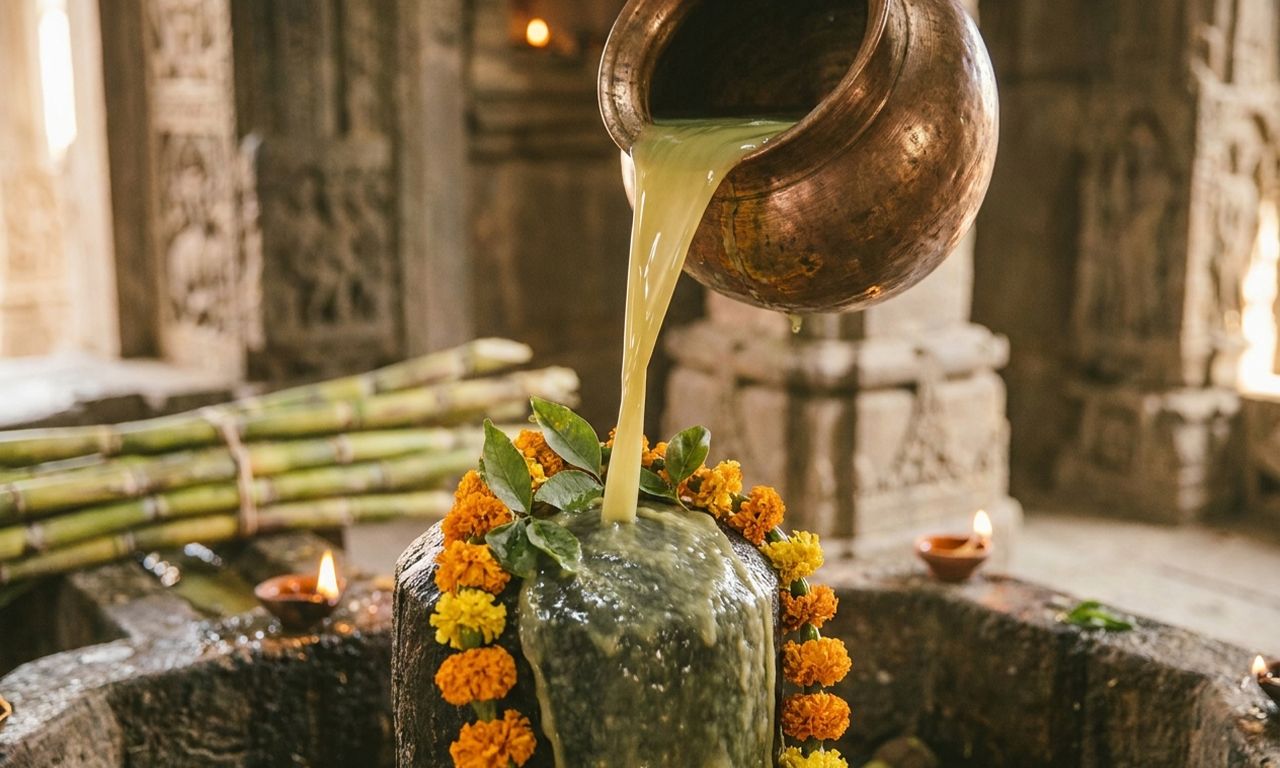
Milk is offered for nourishment - for the household never to lack what sustains it.

Curd is offered for prosperity - for what stays, what compounds, what holds form through time.

Ghee is offered for vital strength - for the body's flame to keep burning.

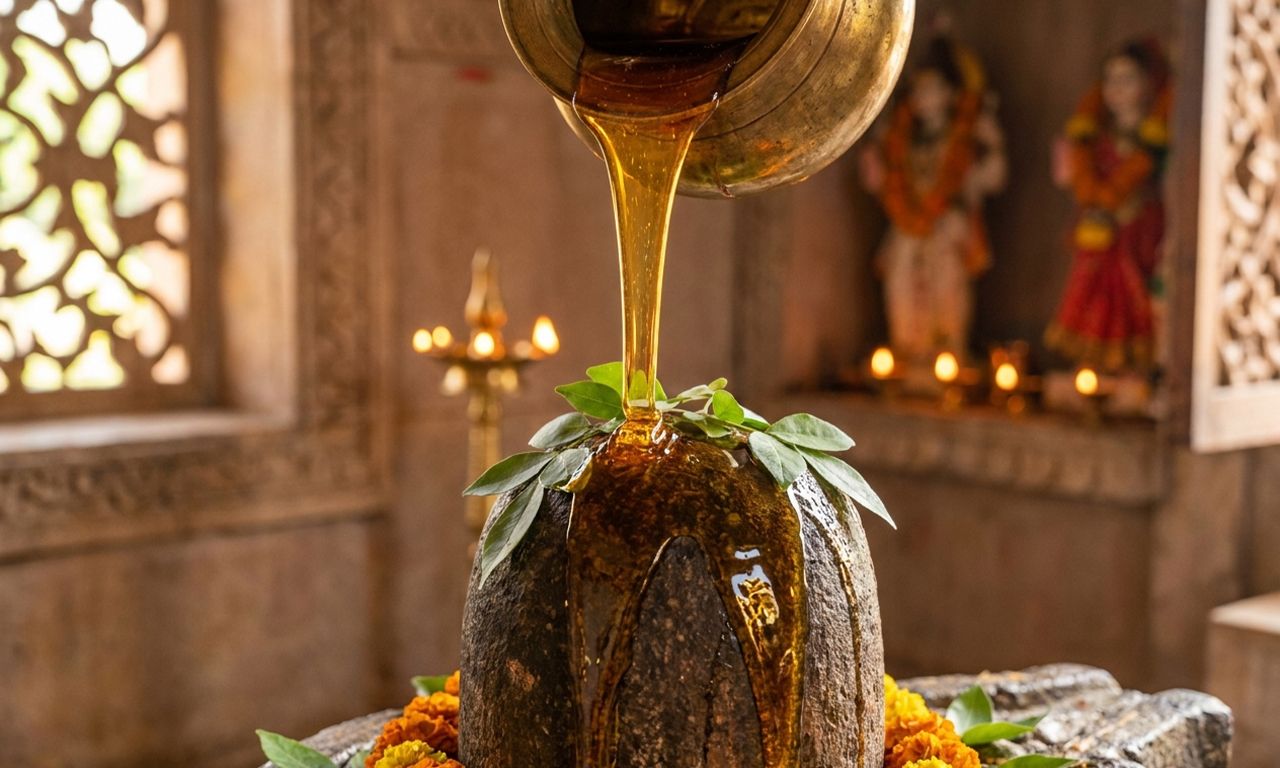
Honey is offered for sweetness - for the relationships in the household.

Sugar is offered for happiness - the specific kind that comes from days that go well.

The full panchamrut 5 ingredients are universal across Shaiva tradition. Some traditions substitute jaggery for sugar; some add tulsi water. The core five are constant.

Why They Are Combined

Each substance carries a specific request. Combined, they ask for everything they asked for individually - at the same time. This is not redundancy. It is synthesis. The Panchamrit is the offering that says: I am asking for the whole. The whole is needed.

The panchamrita ingredients prepared at home for a small puja follow the same proportions as the Narwar pandits use: equal parts of all five, mixed gently before the abhishek begins.

Why the Tradition Holds Panchamrit as Most Important

In every rudra abhishek puja, water is poured first. Then milk separately. Then curd separately. Then ghee. Then honey. Then sugar. Each one with its own mantra. Each one with its specific request.

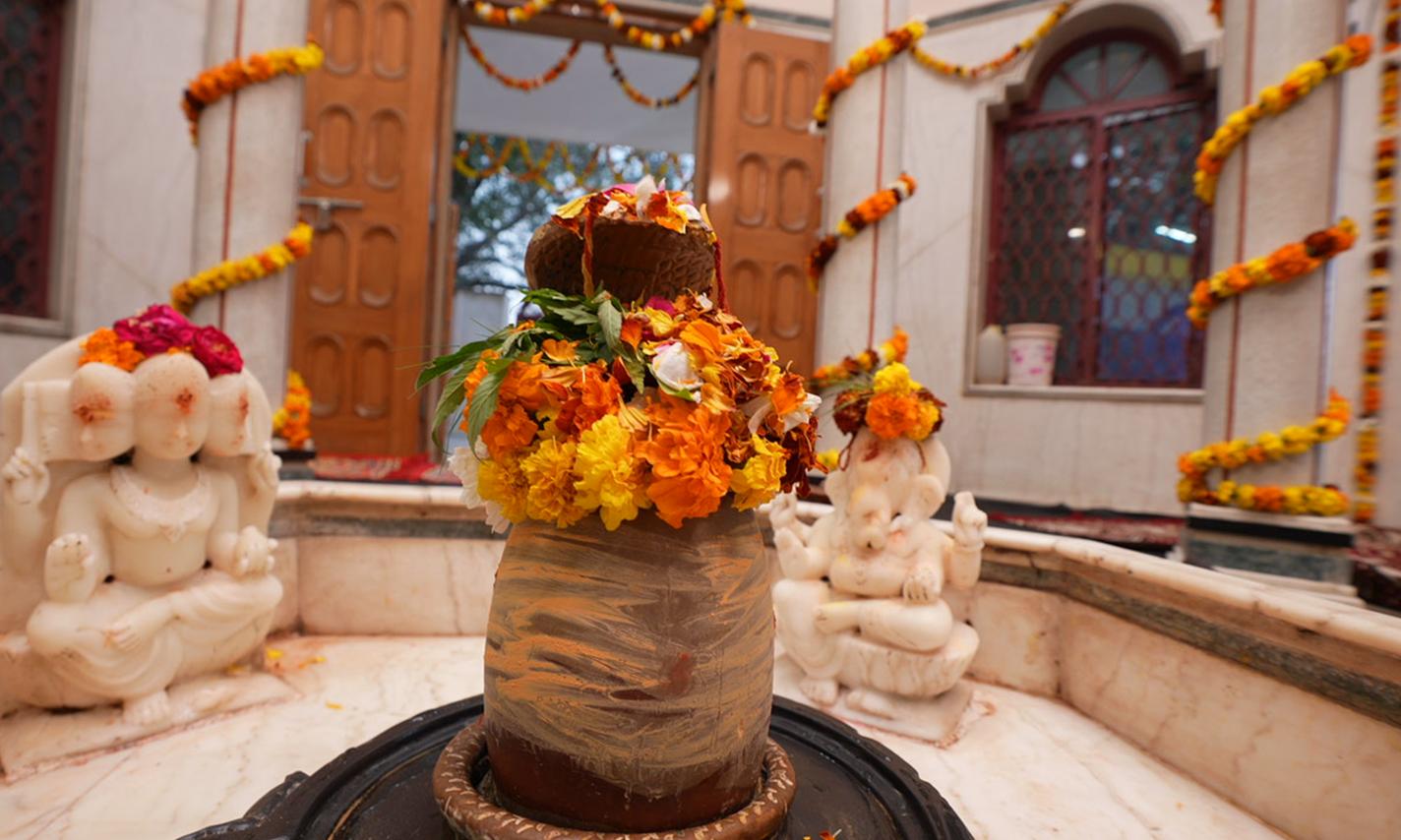
Then the Panchamrit. The same five substances, now combined, poured over the Shivalinga as one offering. The deity has heard the requests individually. Now they arrive synthesized.

This is the rudrabhishek vidhi designed by the tradition over millennia.

Book a Rudrabhishek with full Panchamrit abhishek at your home with our “Ghar Par Puja” service or “Online Puja” service from Narwar Dham.
Was this article helpful?

More from Gyan

⁠VEDIC RITUALS

⁠Vedic Rituals

The Abhishek Materials: Rudrabhishek Puja Samagri and What Each One Does


6 min readRead More
⁠Vedic Rituals

Vighnaharta Ganesh: Why Ganesha Is Worshipped Before Shiva in Every SiddhiStar Pooja


5 min readRead More
⁠Vedic Rituals

One Night of Mahashivratri Jagran vs 365 Days of Pooja - What the Shastras Actually Say


5 min readRead More
⁠Vedic Rituals

Madhu Abhishek - What the Shastras Say About Honey and the Healing of the Bitter


5 min readRead More
⁠Vedic Rituals

Ganne Ka Ras Abhishek - The Offering Made When the Prayer Is for Lakshmi


5 min readRead More
⁠Vedic Rituals

Tirth Jal Abhishek - The Offering Whose Purpose Reaches Beyond This Lifetime


5 min readRead More

ALL CATEGORIES

All Categories

Baglamukhi Jayanti Mahapuja at Narwar Dham: What Happened, What Was Said, What It Meant


12 min readRead More
All Categories

A Night at a SiddhiStar Mahashivratri Mahapuja: The Complete Account from Narwar Dham


12 min readRead More

LINEAGE & TRADITION

Lineage & Tradition

Why Narwar Dham Sits on the Banks of the Ganga - What Geography Adds to a Ceremony


5 min readRead More
Lineage & Tradition

The Sadgurudev Benediction - What the Living Lineage Adds to Every Ceremony


5 min readRead More
Lineage & Tradition

Why Sri Siddeshwari Sadhnapith Has Conducted Ceremonies Continuously - The Institutional Weight of the Place


5 min readRead More
Lineage & Tradition

Why Narwar Dham Is Where This Puja Belongs: The Geography of Maa Baglamukhi


5 min readRead More
Lineage & Tradition

Brahma's Punishment - Why the Creator Has Almost No Temples


4 min readRead More
Lineage & Tradition

Why Ketaki Flower Is Never Used in Shiva Puja - The Story and What It Teaches About Truth


4 min readRead More

PERSONAL STORIES

Personal Stories

The Devotee Who Has Tried Everything: Why You Have Arrived at the Right Place


5 min readRead More
Personal Stories

What It Feels Like to Chant the 108 Names of Baglamukhi in a Live Ceremony


4 min readRead More
Personal Stories

What Happens in the Room When the Havan Fire Is Lit at Narwar Dham


4 min readRead More

SANKALP & INTENTION

Sankalp & Intention

Sankalp Mantra in Puja: What It Means When Your Name and Gotra Are Spoken


6 min readRead More
Sankalp & Intention

Online Puja Booking from Narwar Dham - The Shastric Basis of SiddhiStar's Live Online Pooja


5 min readRead More
Sankalp & Intention

The Fourth Prahar Sankalp for Shatru Daman - What It Means to Bring This Intention Into Brahma Muhurta


5 min readRead More
Sankalp & Intention

Parajay Ko Jay: When You Have Already Lost and Need It Reversed


4 min readRead More
Sankalp & Intention

How Distance Does Not Diminish Devotion - The Shastric Basis of SiddhiStar's Online Pooja


5 min readRead More
Sankalp & Intention

The Four Coordinates of a Sankalp - Why Kaal, Desh, Naam, and Gotra Are Each Non-Negotiable


6 min readRead More

SHASTRIC STORIES

Shastric Stories

Sri Rudram Namakam and Chamakam - What These Two Hymns Are Asking For


6 min readRead More
Shastric Stories

The Birth of Bhairava - What Shiva's Anger Produced and Why Bhairava Guards the Threshold


5 min readRead More
Shastric Stories

Why Brahma Has No Temples - and the One Exception the Tradition Made


4 min readRead More
Shastric Stories

The Story of Meghnad and Hanuman: When the Brahmastra Bound the Unbound


5 min readRead More
Shastric Stories

Krishna and the Covered Sun: The Full Account of Jayadratha's Killing


5 min readRead More
Shastric Stories

Why Ketaki Pushp Is Banned from Shiva Puja - and What It Teaches About Truth


5 min readRead More