The Namakam and Chamakam - What These Two Hymns Are Asking For
By SiddhiStar | Narwar Dham Parampara
15 May 2026 • 6 min read
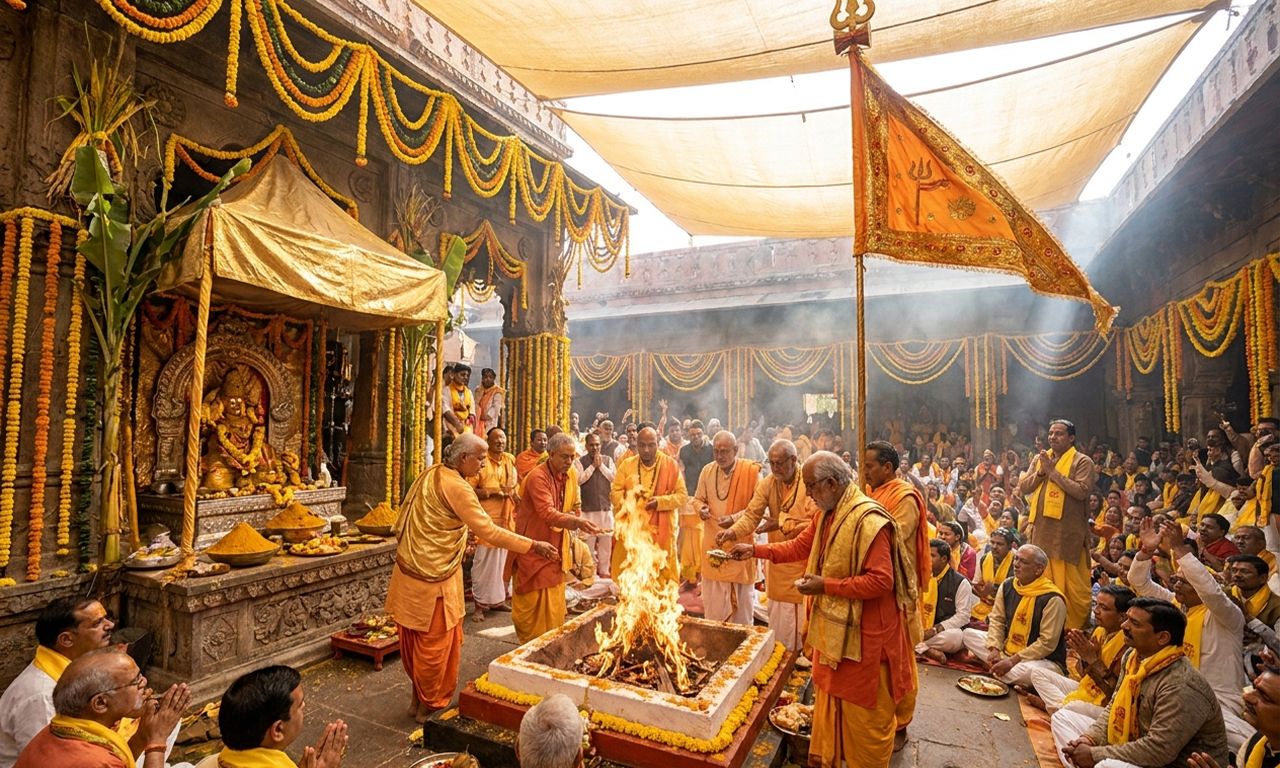
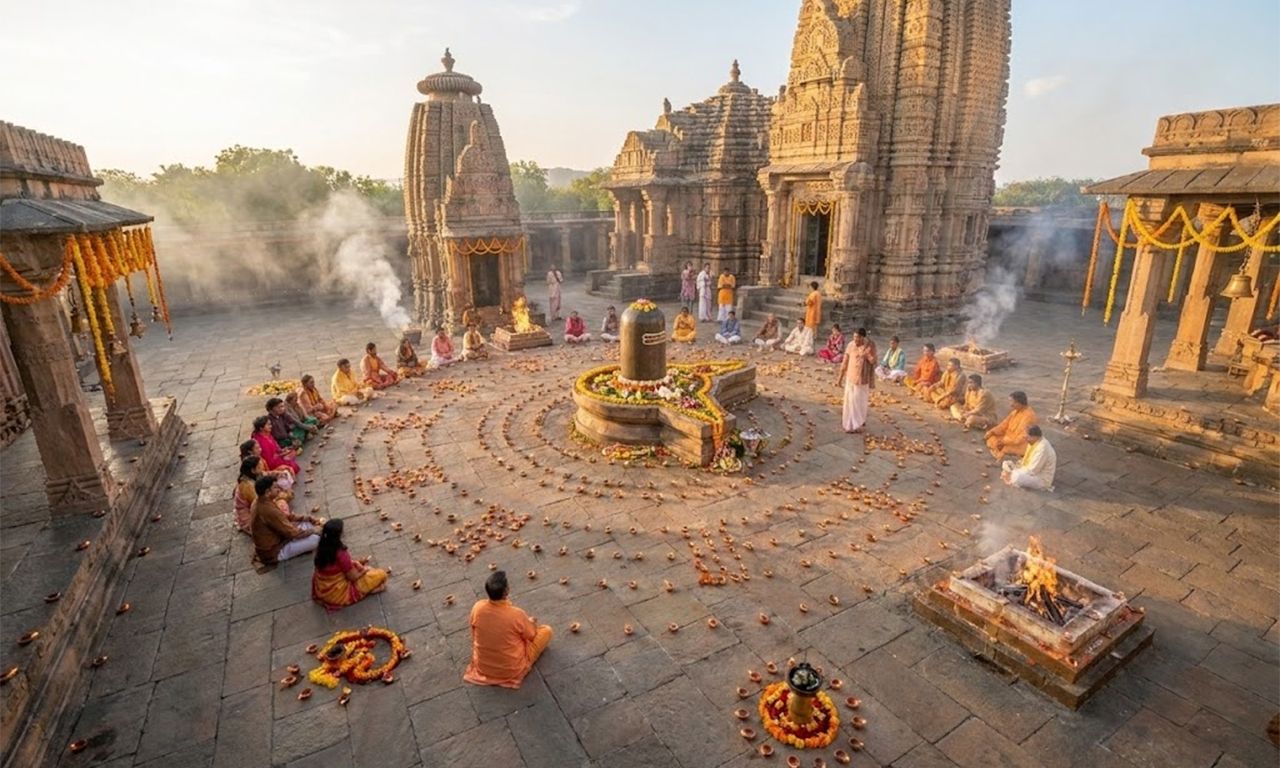
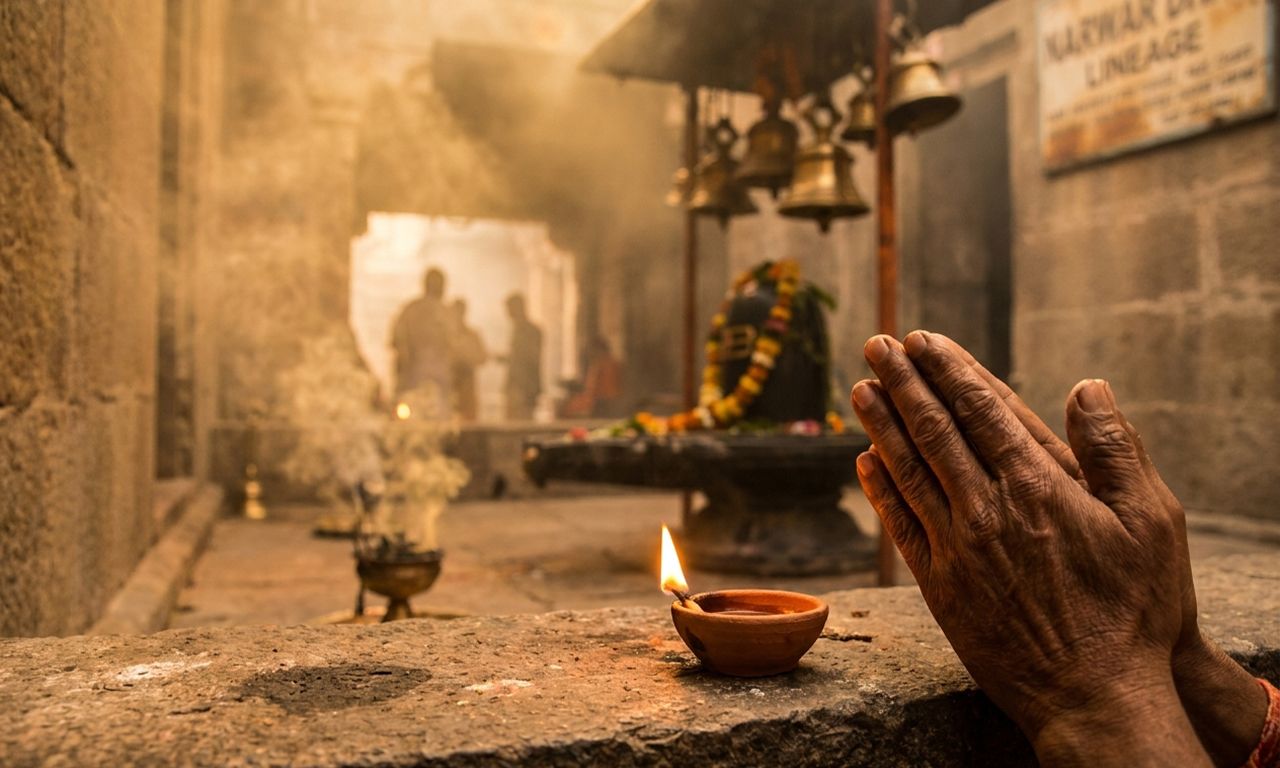
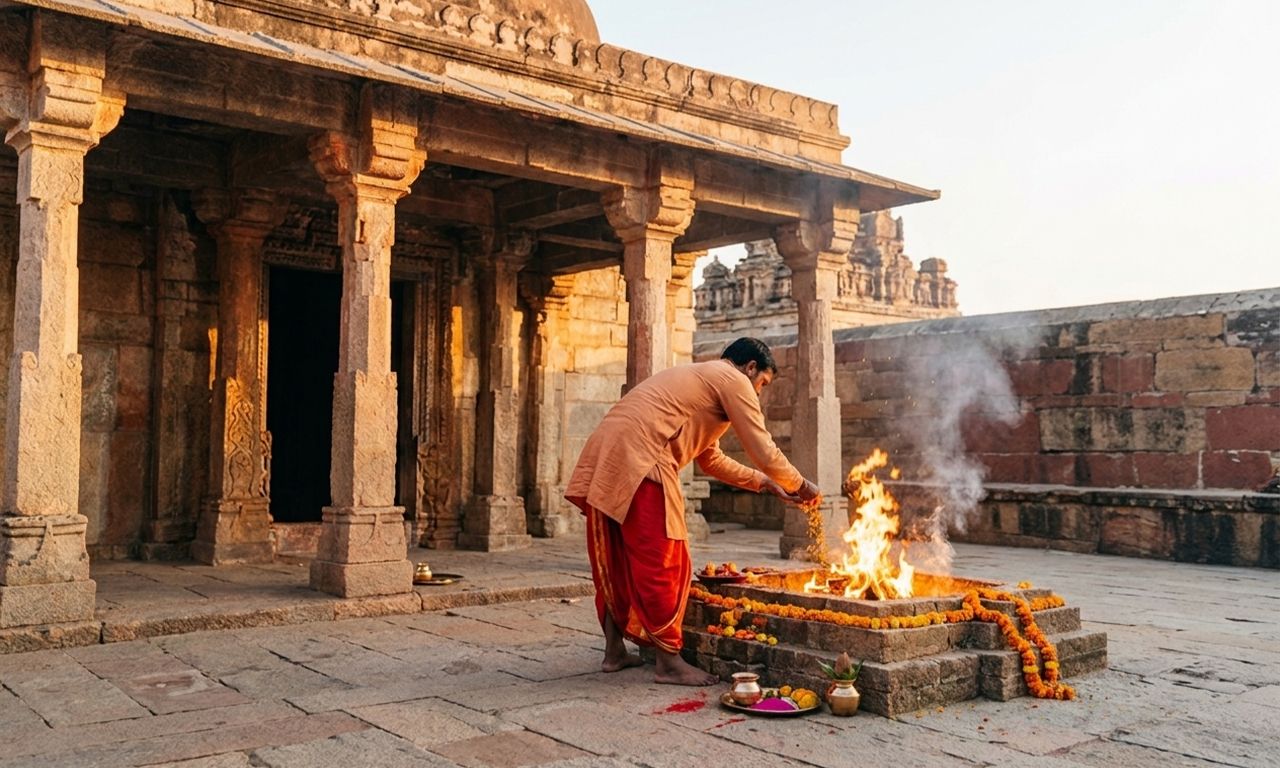
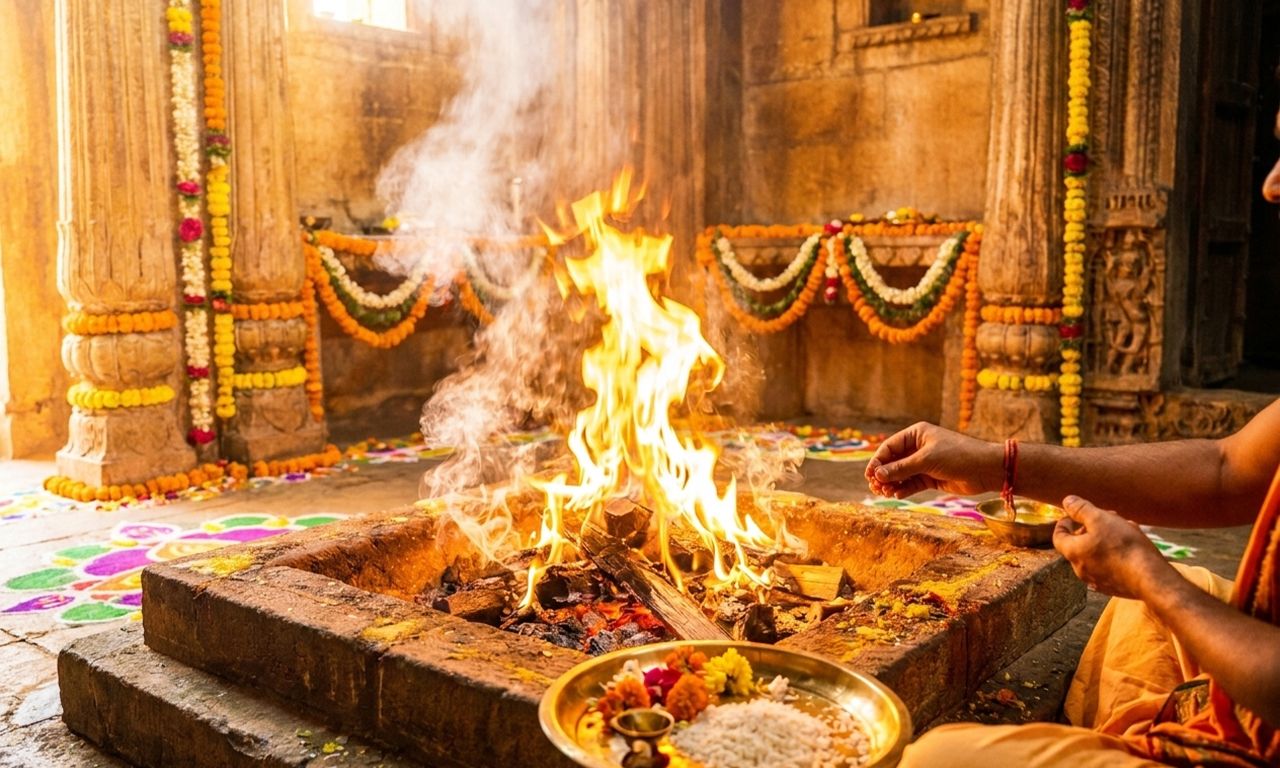
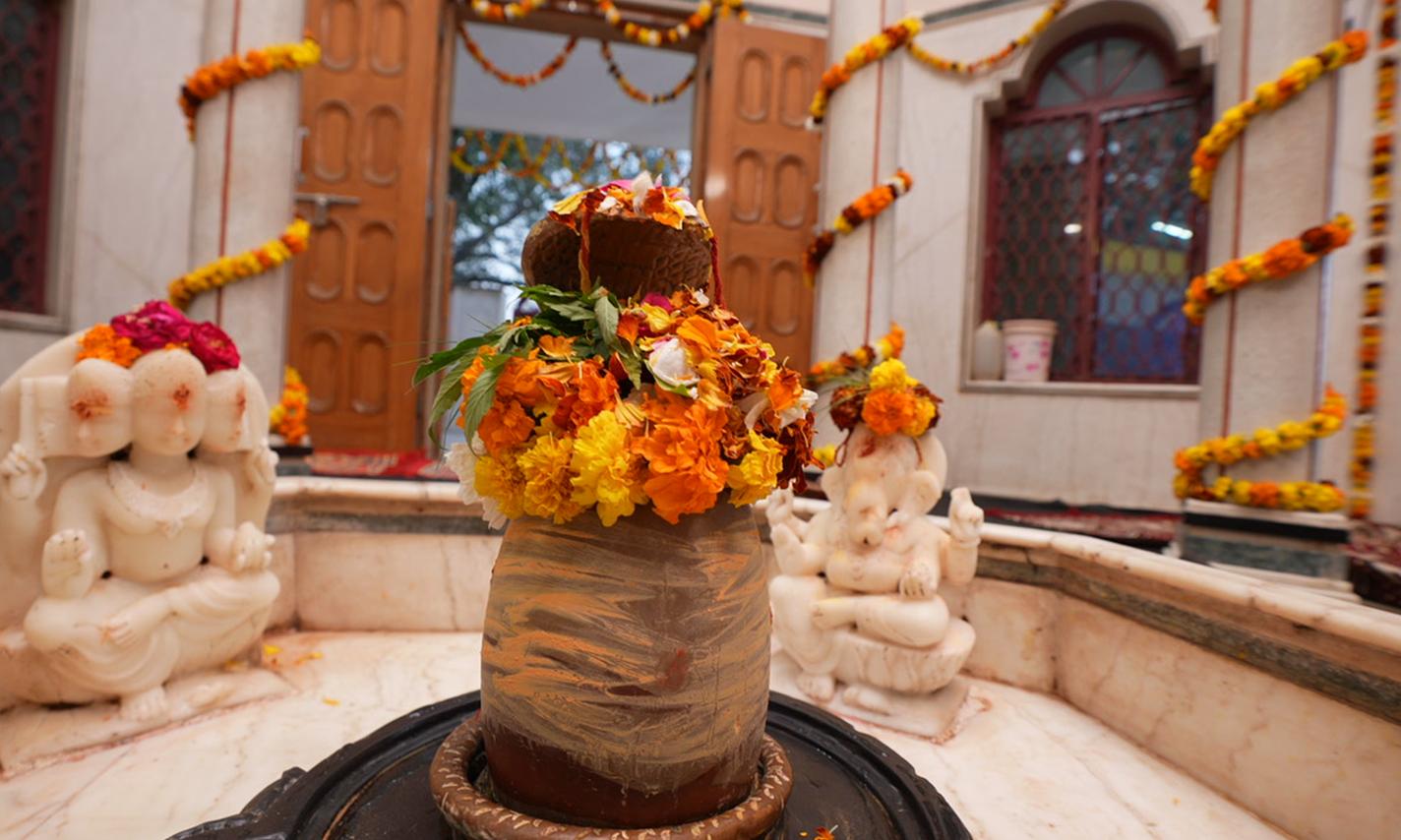
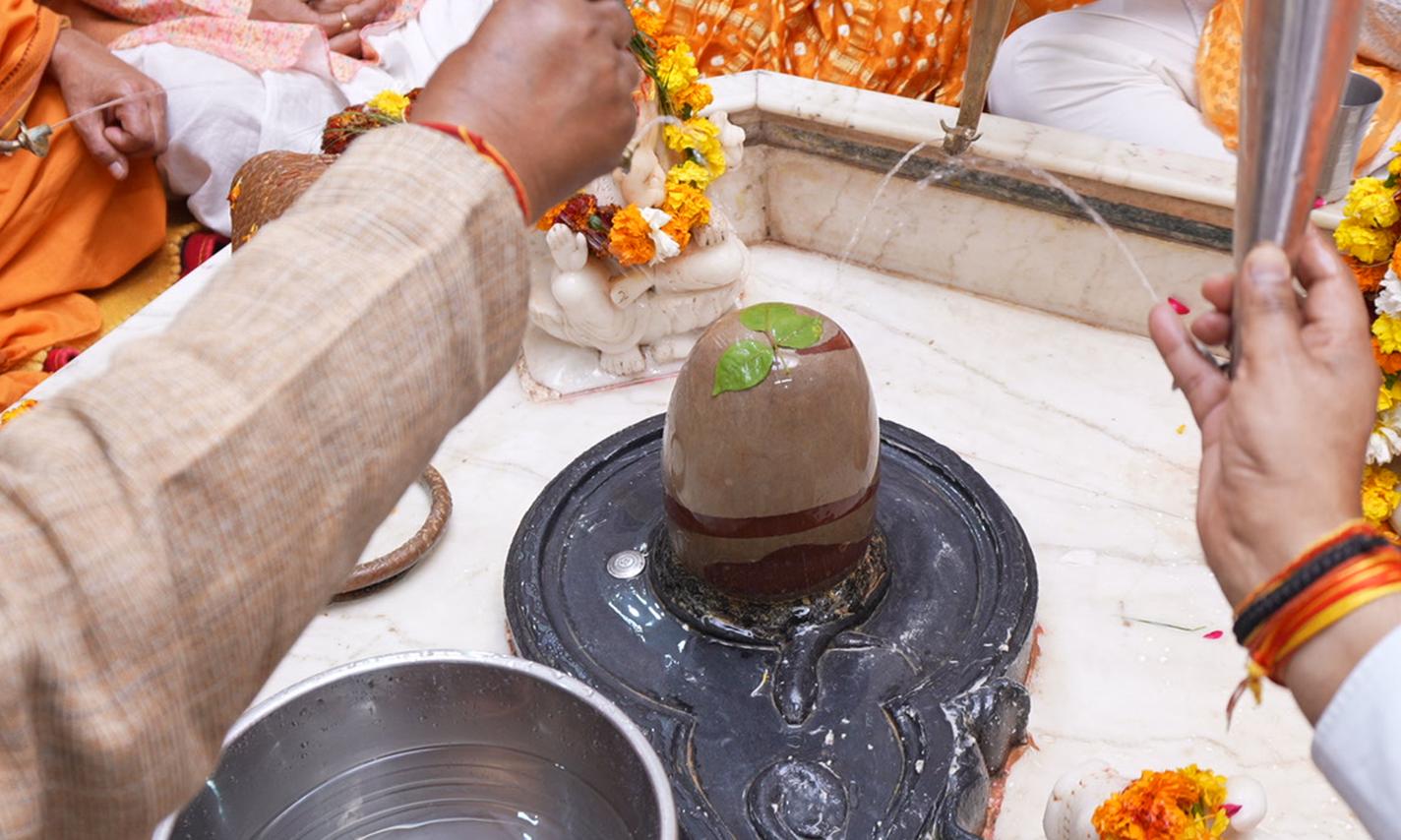
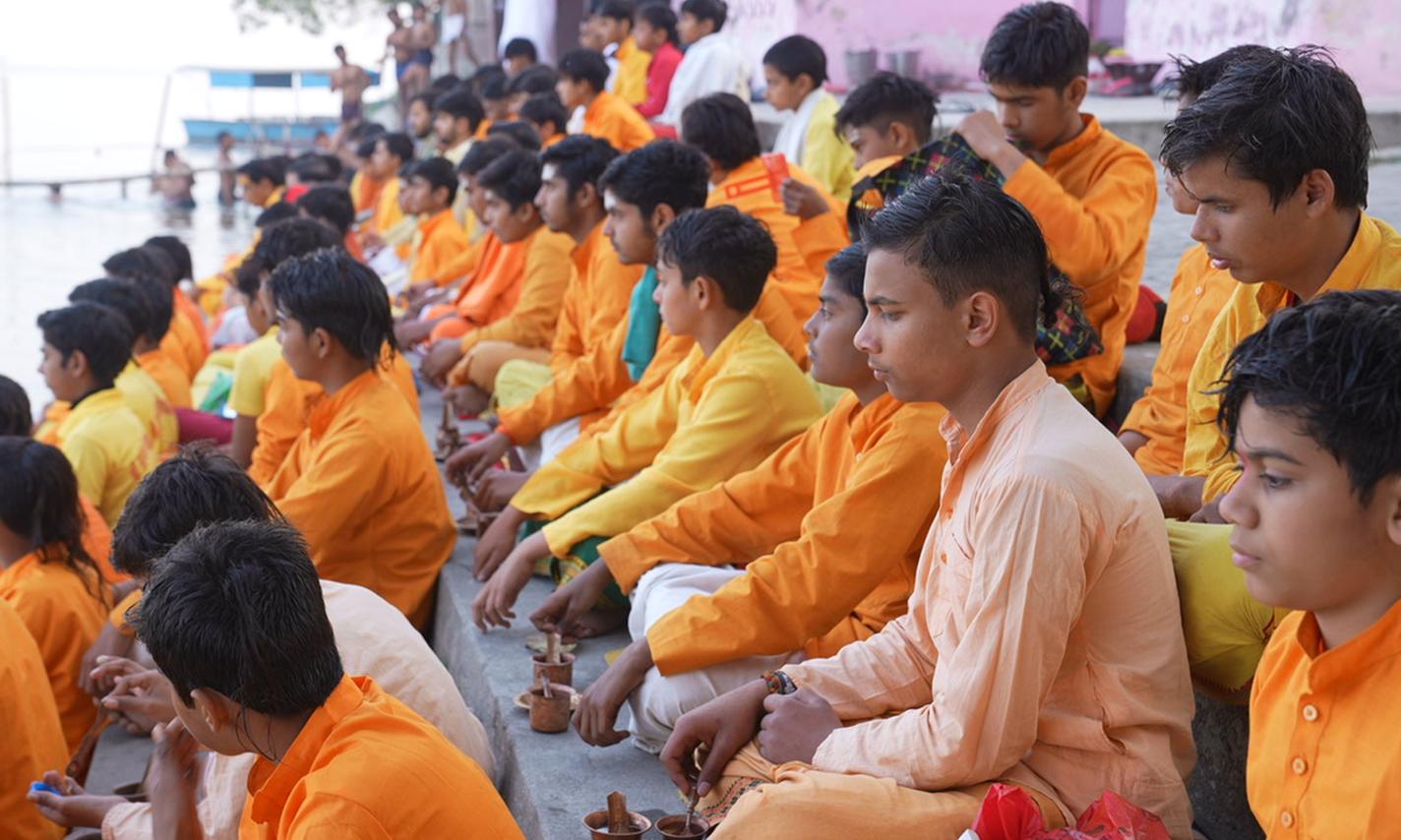
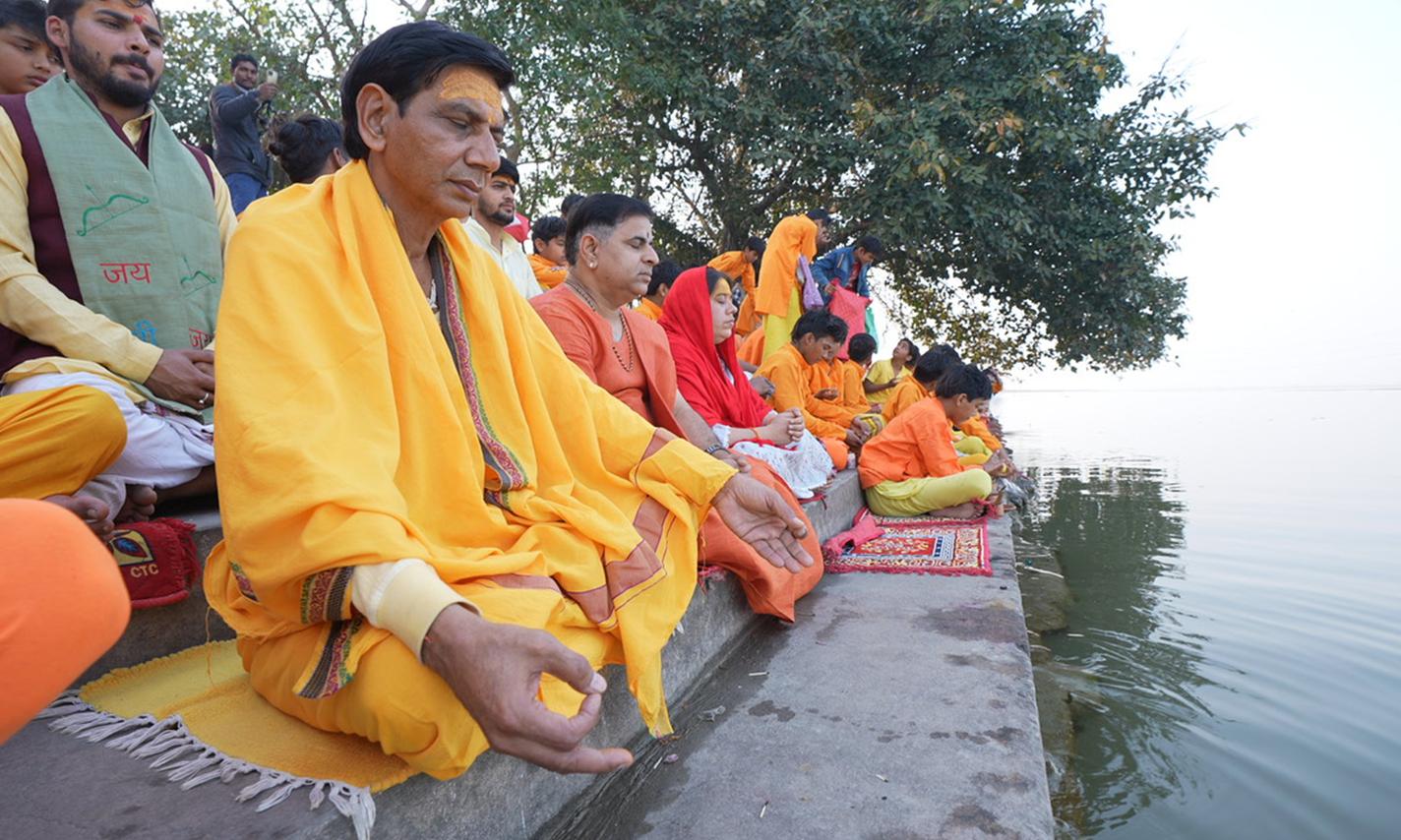
Through the night of the Mahashivratri Mahapuja at Narwar Dham, certain sounds filled the air continuously. Not intermittently. Not at intervals. Continuously, from the beginning of each Prahar to its end, woven through the abhishek, the offerings, the flower placements. These sounds were the Namakam and the Chamakam.
If you were watching the SiddhiStar livestream that night, you heard them for hours. Here is what they are.
The Namakam - Bowing to Every Form of Rudra
The Namakam is the eighth anuvaka of the Krishna Yajurveda's Taittiriya Samhita. Its central word is Namas - meaning bow, salute, reverence. What the Namakam does is address Shiva in every form he takes, in every place he is present, through every aspect of his nature.
The forms are astonishing in their range. Shiva in the forests. Shiva in the armies. Shiva in the crossroads. Shiva in the market. Shiva in the weapons and Shiva in the healing herbs. Shiva in the craftsmen and Shiva in the scholars. Shiva in the flowing rivers and Shiva in the standing stones. The Namakam does not allow Shiva to be confined to a temple or a ritual space. It insists, verse by verse, that he is present in the entire structure of existence.
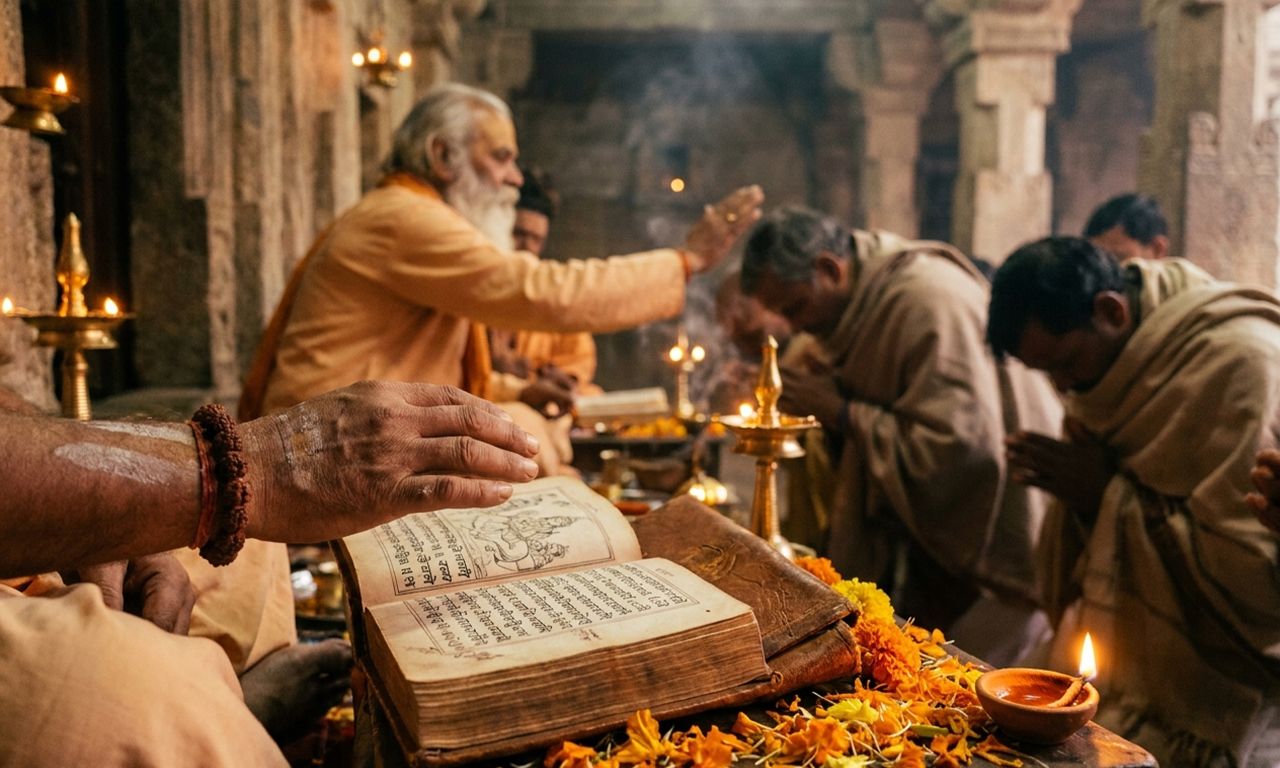
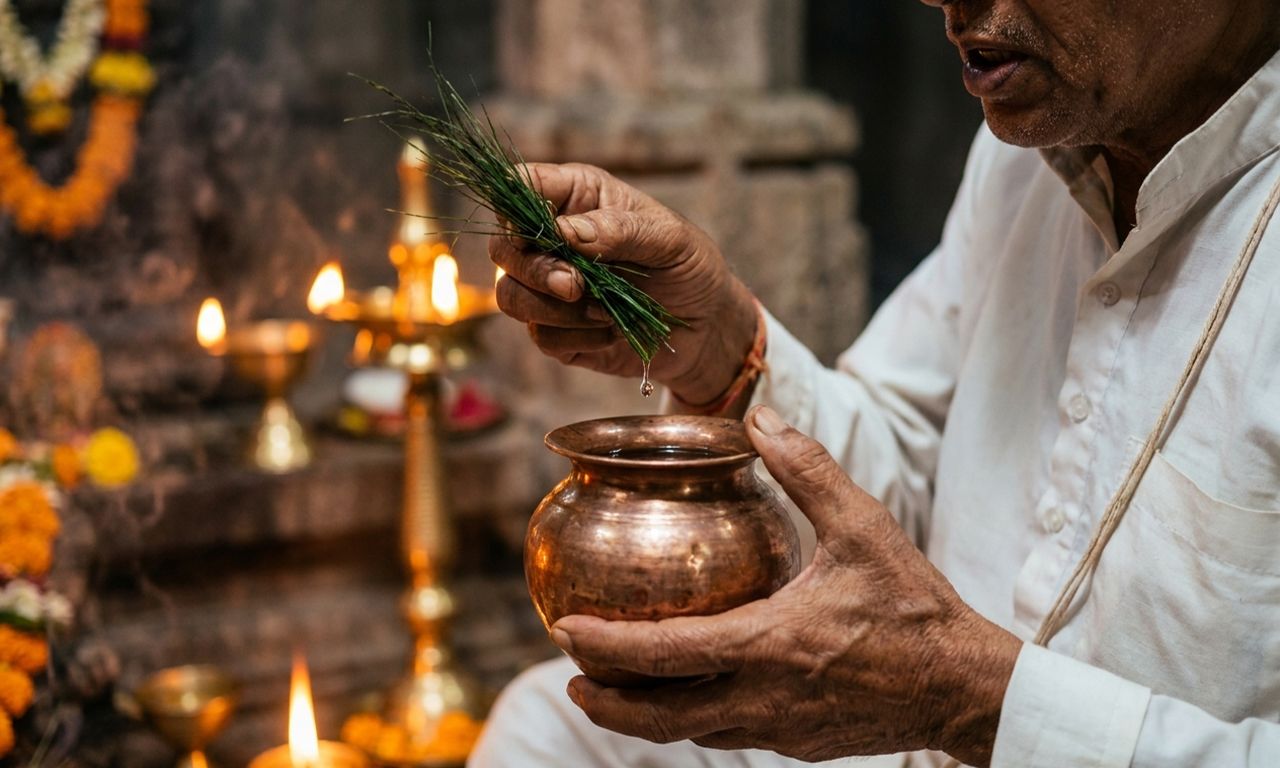
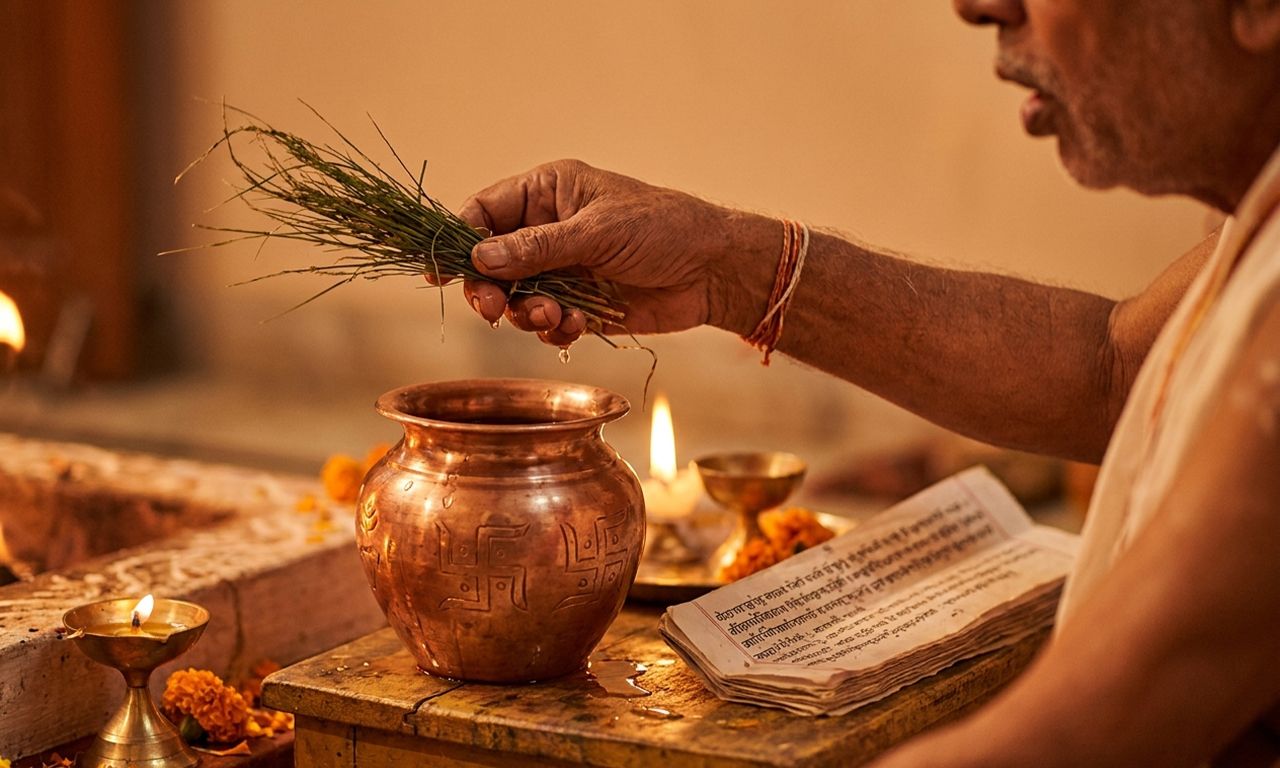
The Rudrashtadhyayi - the eight-chapter form of the Rudram used in the Rudrabhishek - is the version most commonly chanted. A pandit trained in the Narwar tradition has chanted this text enough times that it lives in the body, not just the memory. The precision of the syllables is not incidental. In the Vedic understanding, the pitch and length of each syllable changes its meaning. A Narwar pandit has been trained in this precision from the beginning of his study.
The Chamakam - Asking for Everything
The Chamakam follows the Namakam in the traditional sequence. Where the Namakam bows to every form of Shiva, the Chamakam asks. The central phrase is cha me - and to me. The text moves through a comprehensive list of everything a human life might need or aspire to: health, vitality, strength, longevity, food, breath, perception, understanding, prosperity, progeny, recognition, joy, liberation.
The list is not small. The tradition understood that a prayer which asks for everything is not greedy - it is honest. Human need is comprehensive. The Chamakam makes that comprehensiveness explicit and places it before Shiva without embarrassment.
The structure of Namakam followed by Chamakam - first bowing to every form, then asking for everything - is the complete arc of the devotional relationship. I see you everywhere. I acknowledge you in everything. And from that place of seeing, I bring you what I need.
First bowing to every form - then asking for everything. The Namakam and Chamakam together are the complete arc of the devotional relationship.
Hearing This in a SiddhiStar Ceremony
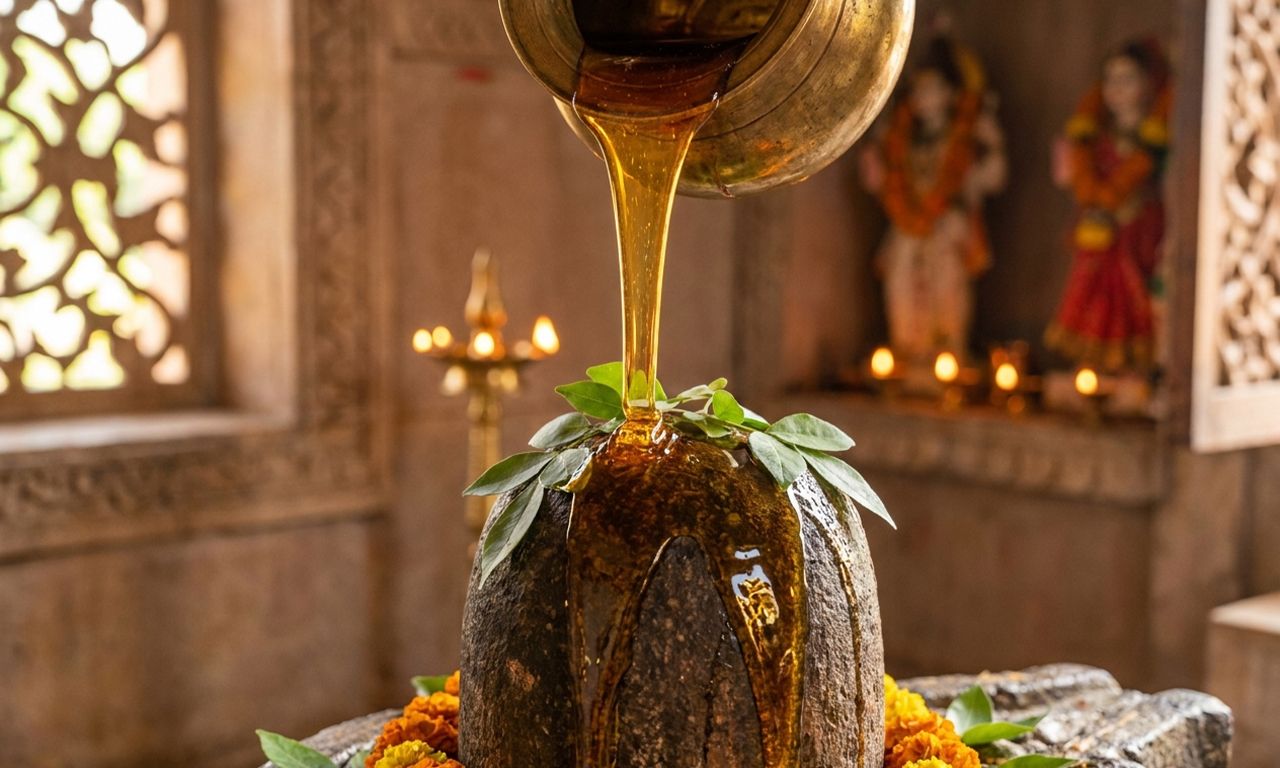
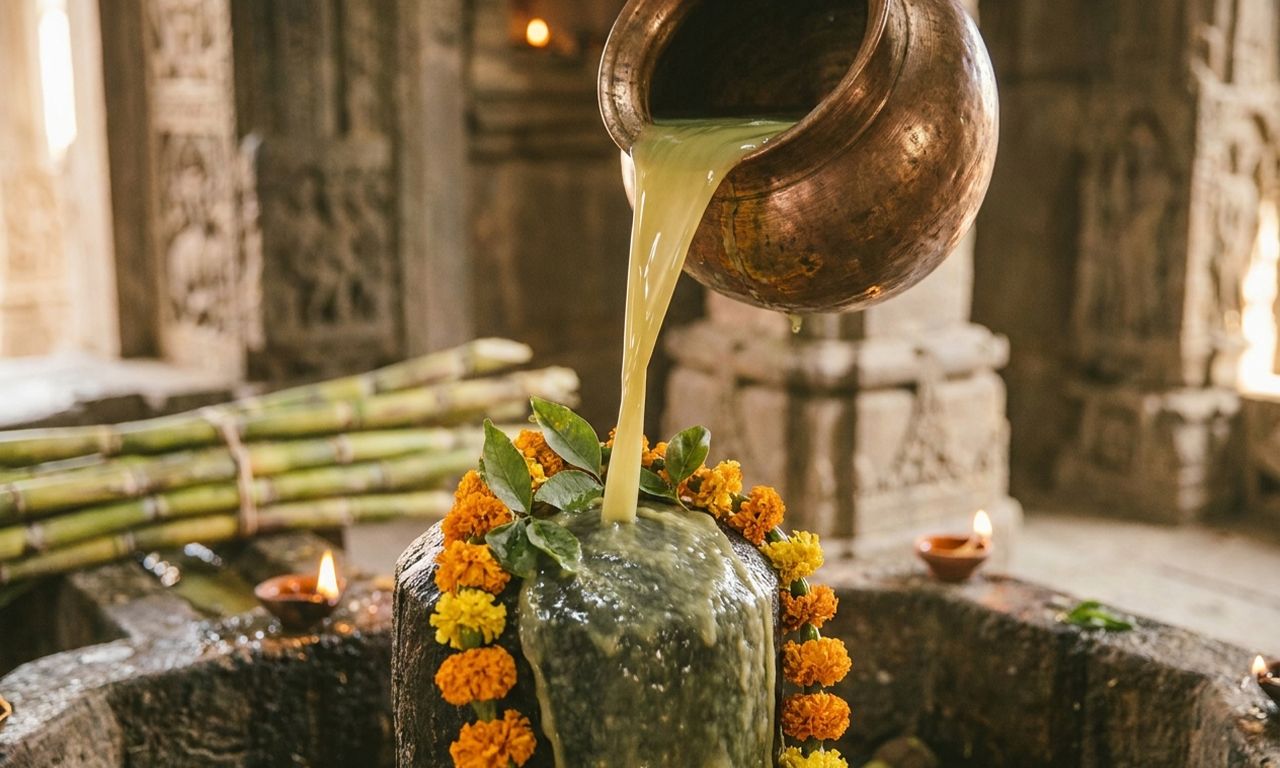
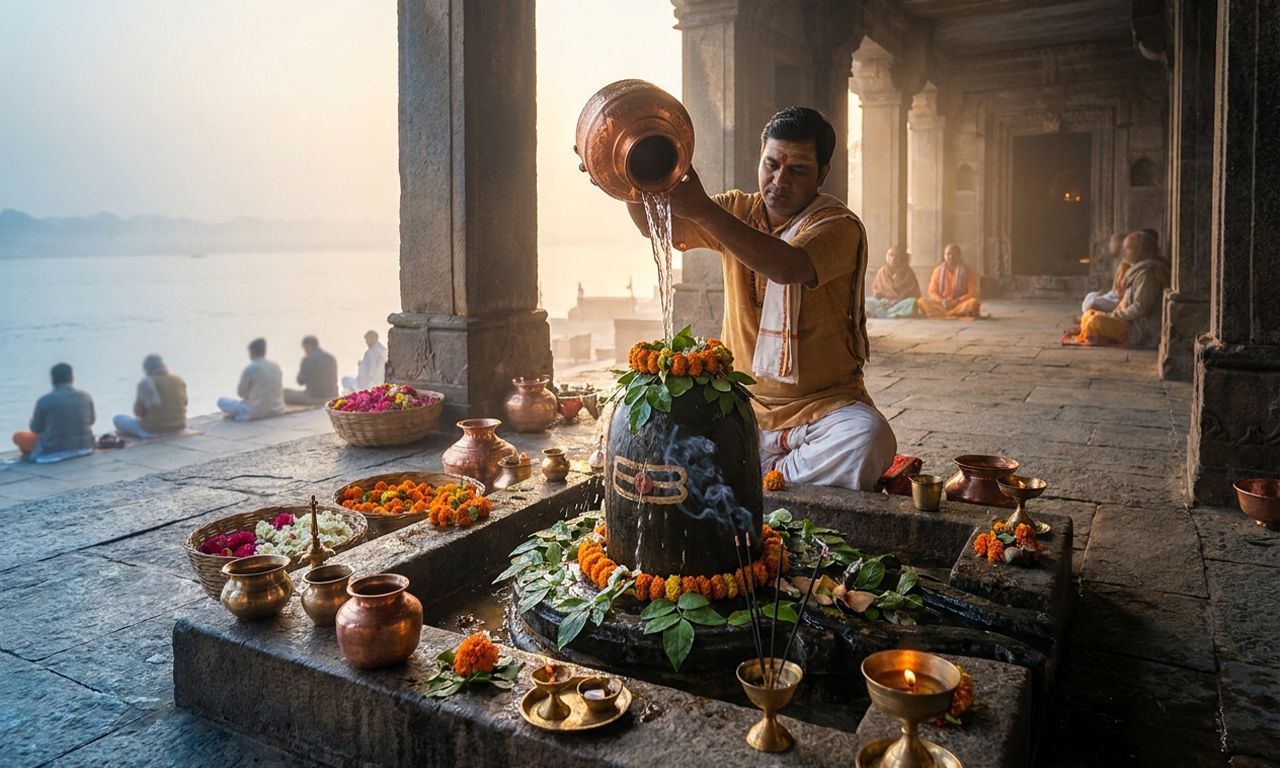
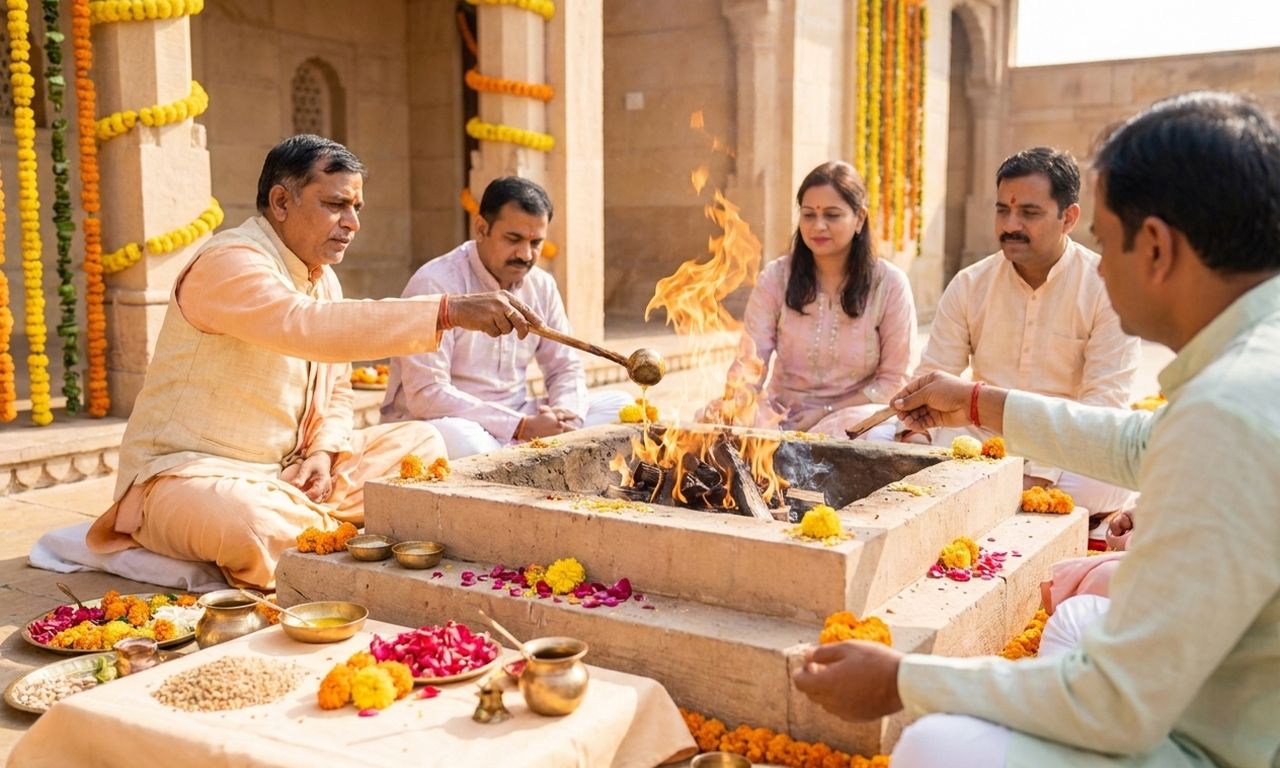
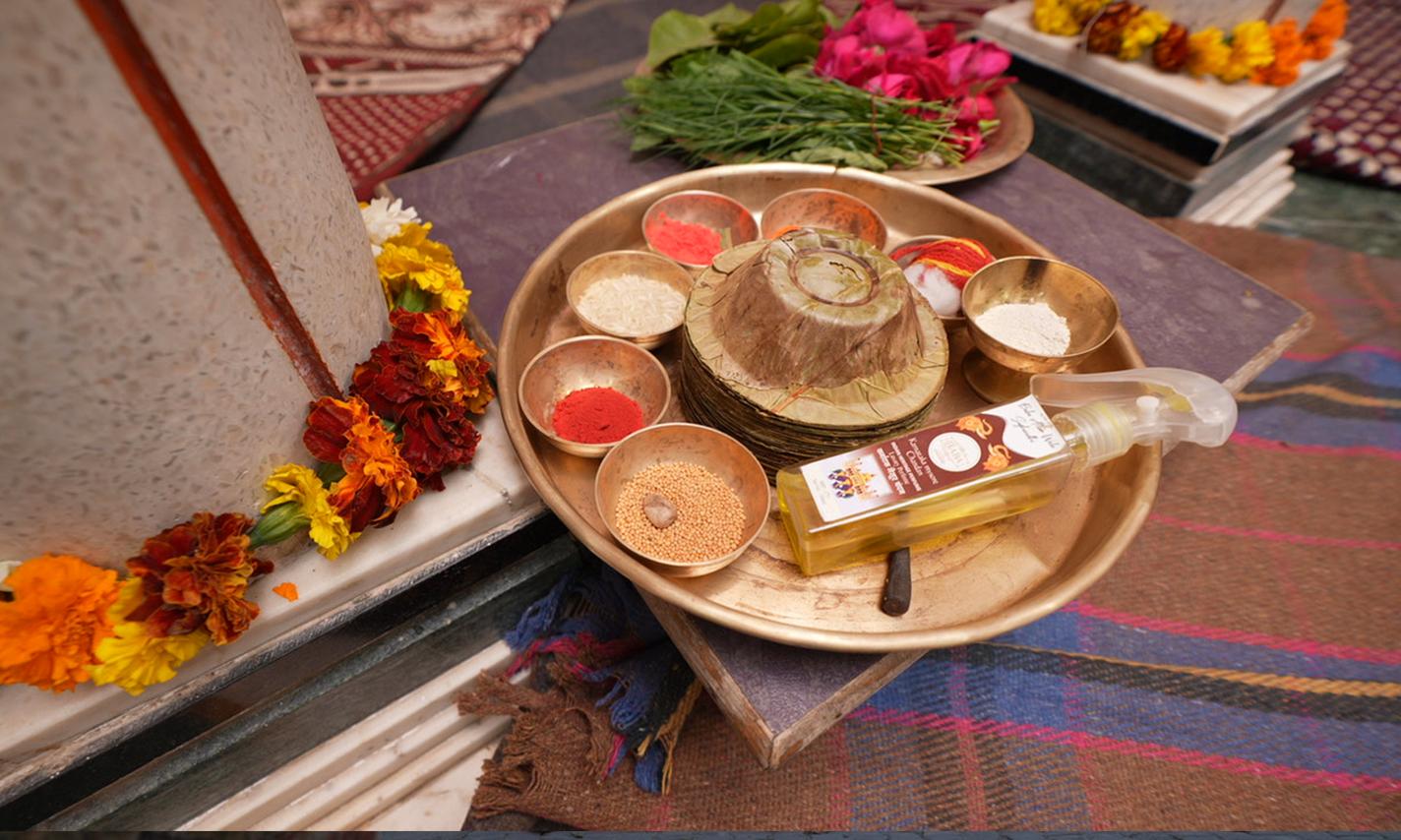
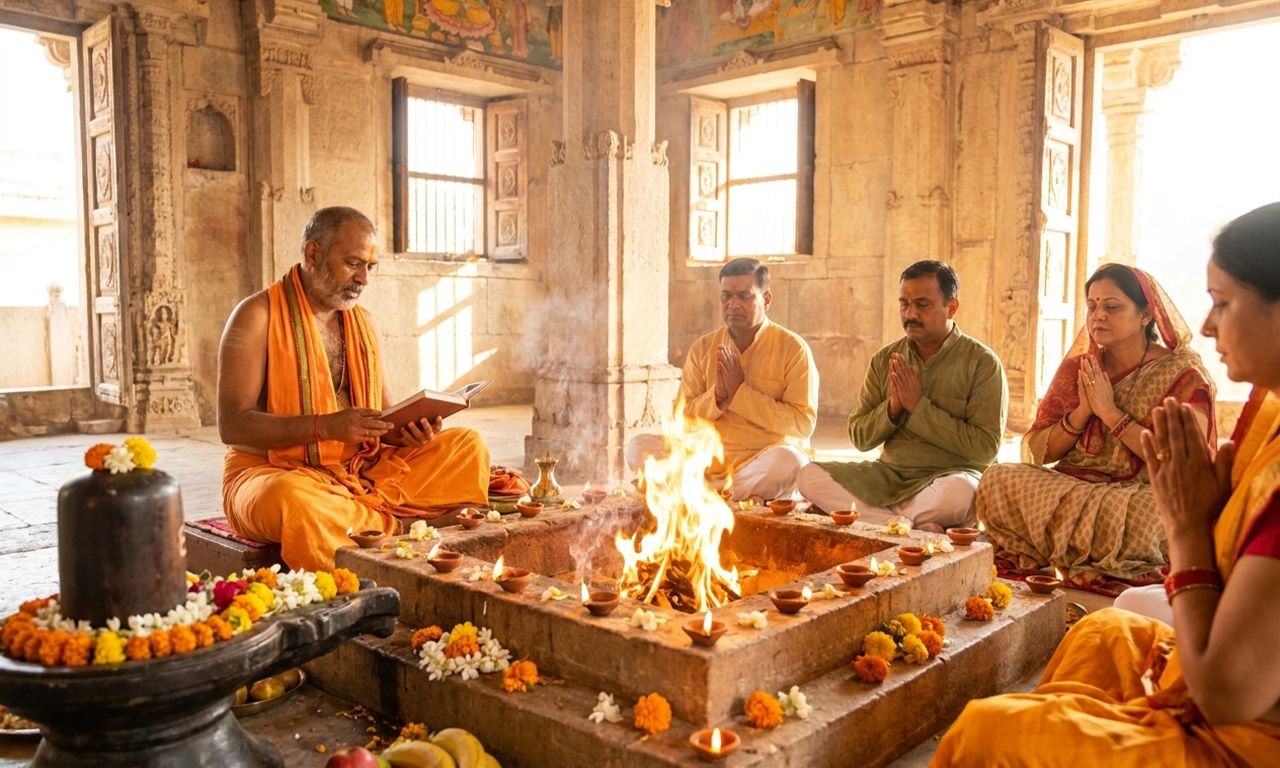
When a SiddhiStar pandit conducts your Rudrabhishek - at home or online from Narwar Dham - the Namakam and Chamakam are not background sound. They are the substance of the ceremony. The abhishek materials that pour over the Shivalinga correspond to the verses being chanted at that moment. The whole thing is synchronized in a way that requires years of training to execute correctly.
What you hear in a SiddhiStar Rudrabhishek is what was heard at the Mahashivratri Mahapuja. The same text. The same training. The same standard.
Join a Mass Online Pooja and hear the Namakam and Chamakam from Narwar Dham. Live ceremony. Your name in the Sankalp. Rs. 101 onwards. beta.siddhistar.com/pooja/laghurudra