The Importance of Praising Lord Shiva
By SiddhiStar | Narwar Dham Parampara
21 July 2026 • 6 min read
Every relationship grows through remembrance and expression. We naturally speak about the people we admire, appreciate those who inspire us and express gratitude towards those who enrich our lives. Our relationship with the Divine is no different.
Shiv Stuti, the heartfelt praise of Lord Shiva, is one of the simplest yet most transformative forms of Shiva Bhakti. It is not reserved for scholars, saints or Sanskrit experts. Every devotee, regardless of age or background, can glorify Lord Shiva with sincerity.
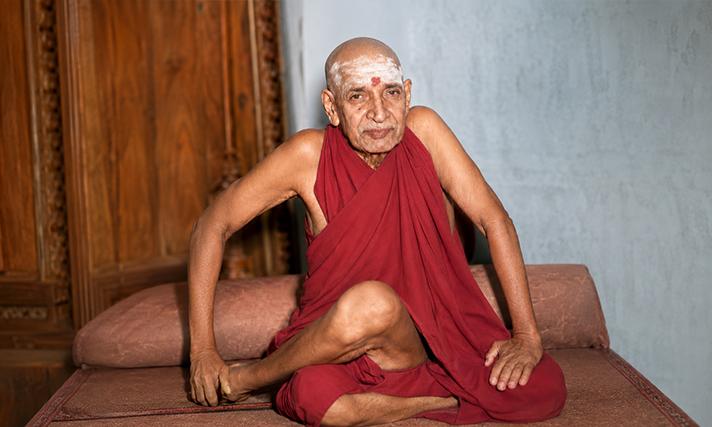
Param Pujya Mahesh Prakash Sharma Ji teaches that praising Lord Shiva is not about informing Mahadev of His greatness. Lord Shiva needs no praise. Shiv Stuti transforms the devotee, not the Deity. Every time we praise Lord Shiva, we remind ourselves of His qualities, His compassion, His detachment, His fearlessness and His infinite grace. Over time, those qualities begin to shape our own character. This is why the scriptures and the Narwar Dham Guru Parampara place such importance on daily Shiva worship through praise, prayer and remembrance.
Guruji explains that the tongue is one of the greatest gifts given to us by God. Through it we speak, comfort, encourage, pray and express gratitude. When the tongue repeatedly praises Lord Shiva through Shiv Stuti, chanting Om Namah Shivaya, reciting the Mahamrityunjaya Mantra, singing Aarti or simply remembering Mahadev with love, it gradually becomes purified.
A tongue that praises Lord Shiva naturally begins to speak more truthfully, more gently and more responsibly. The transformation begins with praise but eventually reflects in every conversation.
What Does This Mean?
Many people think Shiv Stuti simply means memorising long Sanskrit hymns. Guruji explains that this is only one form of praise. True Shiv Stuti begins with reverence.
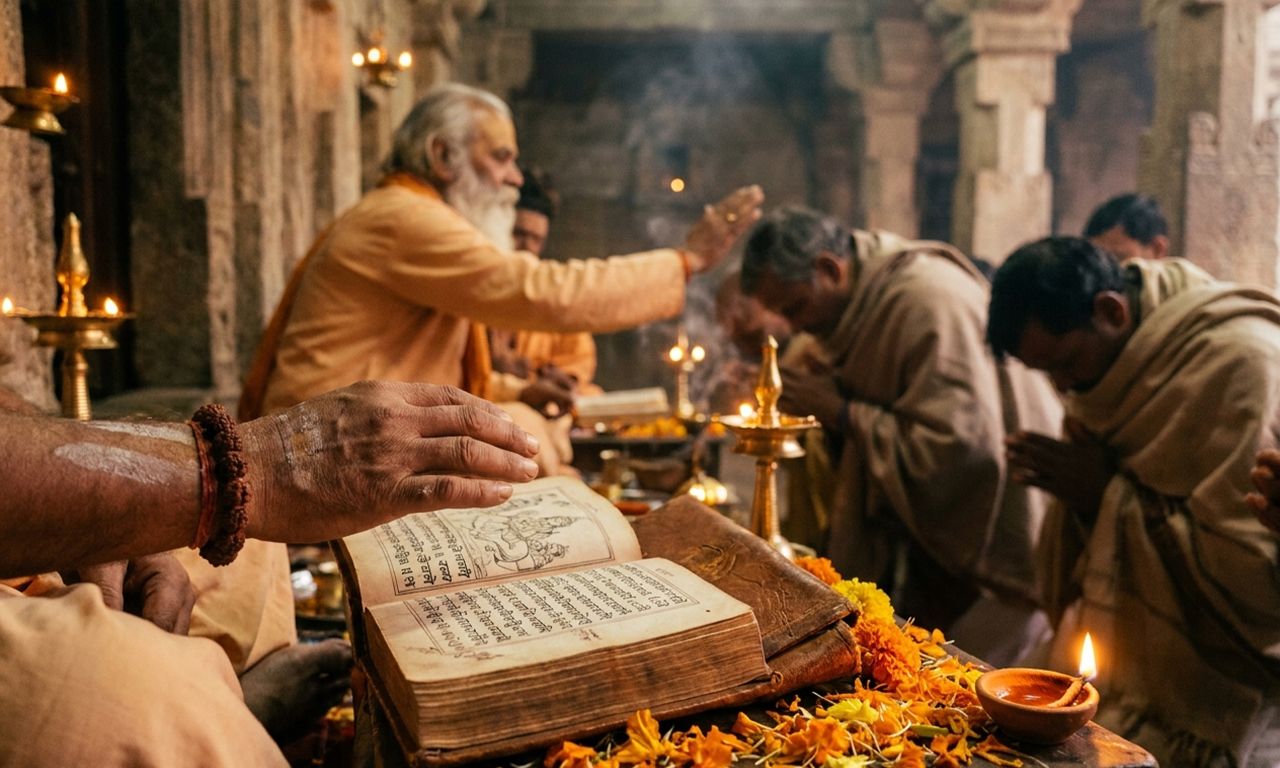
A devotee may sing the Shiv Tandav Stotram, chant the Shiva Ashtakam, recite Om Namah Shivaya, read a simple prayer in their own language or quietly speak to Lord Shiva from the heart. Lord Shiva does not measure the complexity of our words. He looks at the sincerity behind them.
This is why even a child who folds their hands and lovingly says, "Har Har Mahadev," offers a form of praise that reaches the Divine. The purpose of praise is not performance. It is connection.
Why Does Praising Lord Shiva Transform Us?
Human beings gradually become like whatever they repeatedly contemplate. Someone who constantly speaks about fear begins to live in fear. Someone who constantly speaks about anger becomes increasingly restless. Similarly, someone who repeatedly remembers the qualities of Lord Shiva slowly begins to cultivate those very qualities within themselves.
When we praise Mahadev as the embodiment of compassion, we remind ourselves to become compassionate. When we praise Him as the destroyer of ego, we become aware of our own pride. When we praise Him as the Lord of inner peace, we begin seeking peace instead of conflict.
This is the hidden power of Shiv Stuti. It changes the devotee from within.
Shiv Stuti Is More Than Singing
Guruji reminds us that praise is not limited to the moments when we stand before a Shivling. A devotee who sings beautiful hymns but spends the rest of the day speaking harshly has not yet understood the true purpose of Shiva Bhakti. Every word we speak carries spiritual weight.
Speaking respectfully. Encouraging someone who feels hopeless. Avoiding gossip. Choosing truth over convenience. Expressing gratitude instead of complaint. These too become forms of honouring Lord Shiva because they reflect His qualities.
The highest Shiv Stuti is a life whose speech reflects the values of Mahadev.
The Power of Chanting Om Namah Shivaya
Among all Shiva mantras, Om Namah Shivaya occupies a unique place. It is known as the Panchakshari Mantra and has been chanted by sages and devotees for centuries.
Guruji advises that this mantra should never become mechanical. Instead of counting thousands of repetitions without awareness, chant every repetition with complete attention. Allow the mind to rest on Lord Shiva. Allow the heart to express gratitude.
Even a few mindful repetitions every day can bring greater peace than countless distracted recitations. The quality of remembrance is always more important than the quantity.
Bringing Shiv Stuti Into Everyday Life
You do not need hours of free time to practise Shiv Stuti. Begin with simple habits.
Start your morning by chanting Om Namah Shivaya eleven times. Listen to a Shiva Stotram while travelling to work. Sing the Shiva Aarti with your family. Read one verse from a Shiva scripture every evening. End the day by thanking Lord Shiva for His guidance.
Over time, these small practices naturally become part of daily life. The goal is consistency, not perfection.
The Narwar Dham Tradition
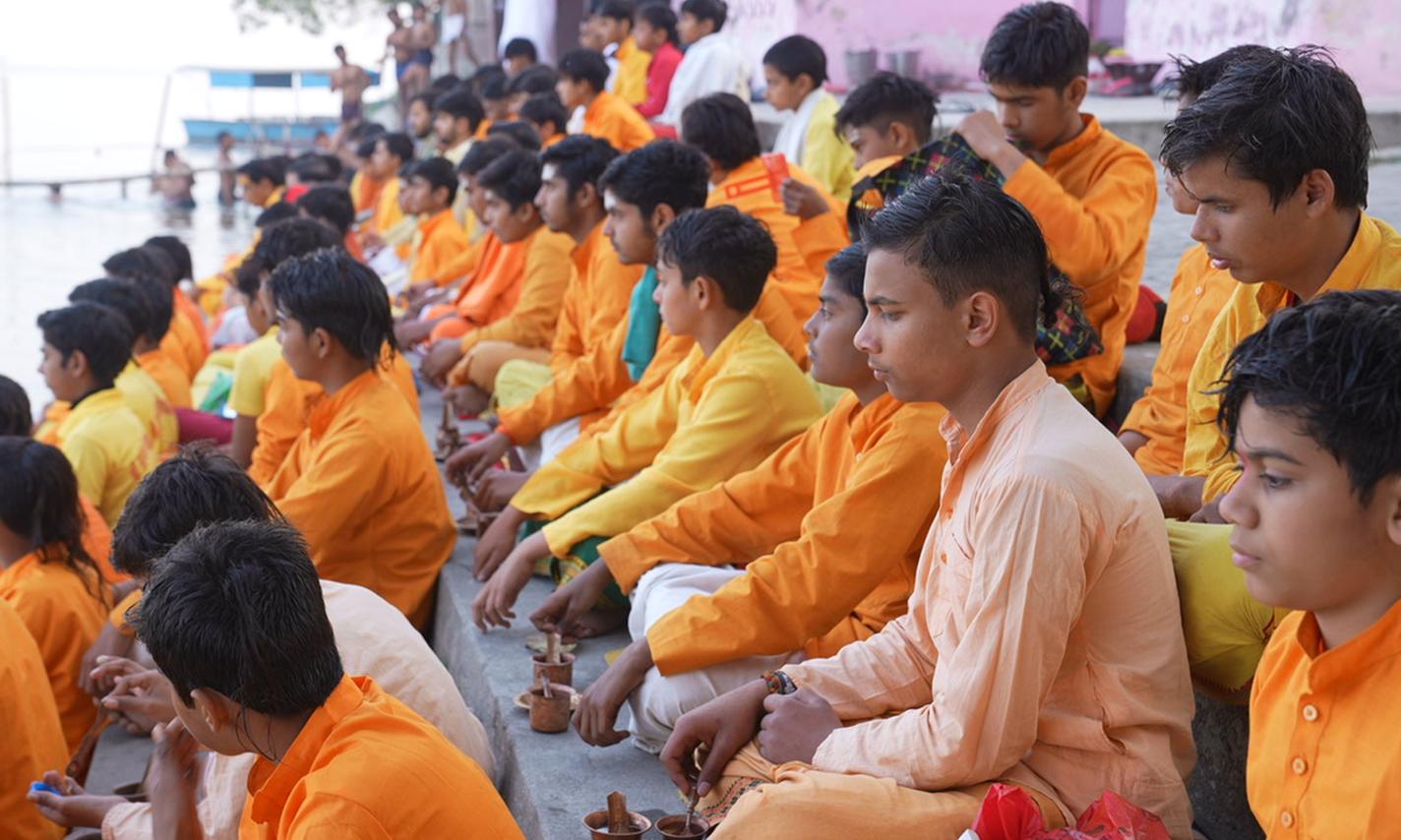
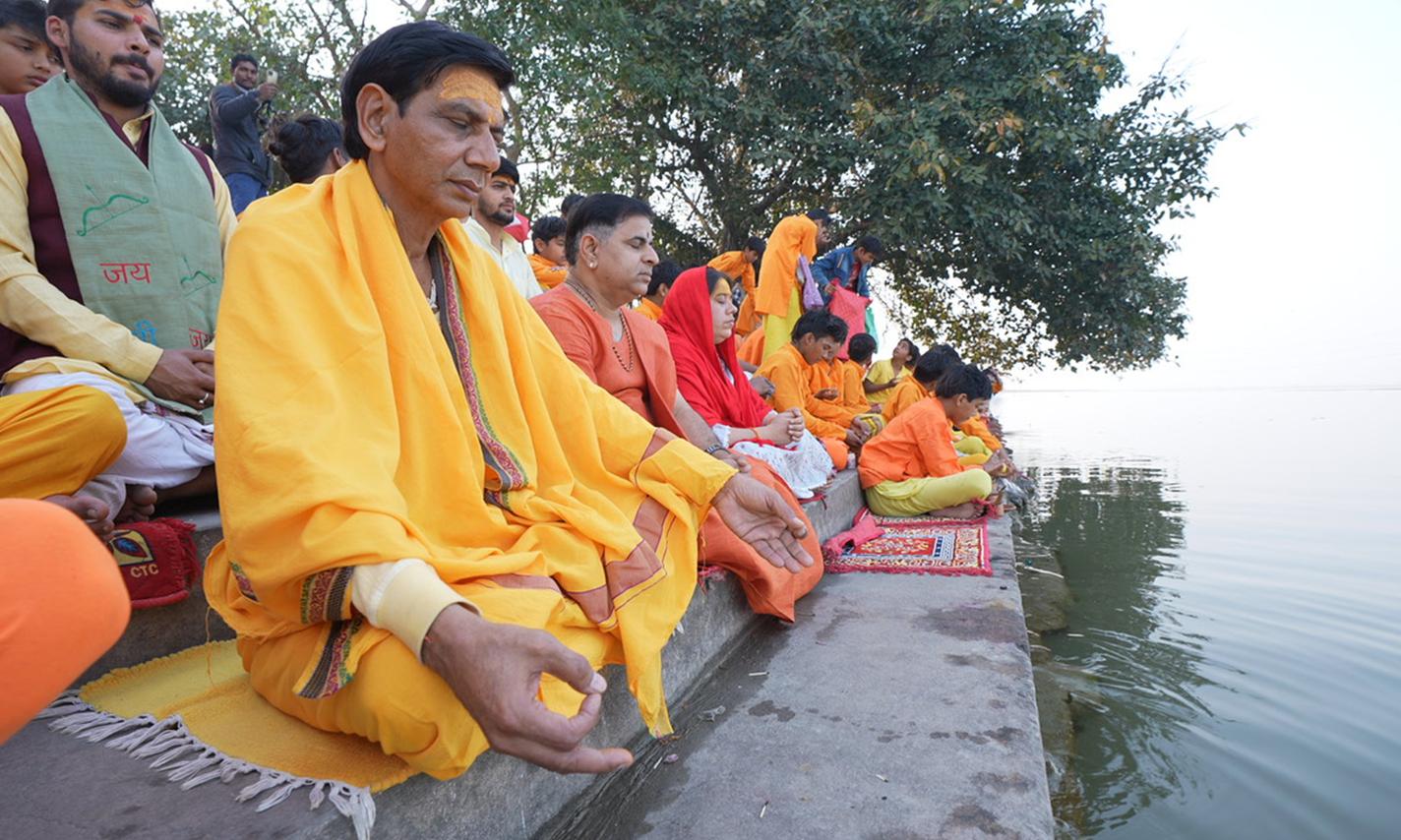
Within the Narwar Dham Guru Parampara, praise has always been considered one of the most accessible forms of worship. Generations of Acharyas have preserved the tradition of beginning spiritual practice with Shiv Stuti, recognising that remembrance softens the heart before deeper worship begins.
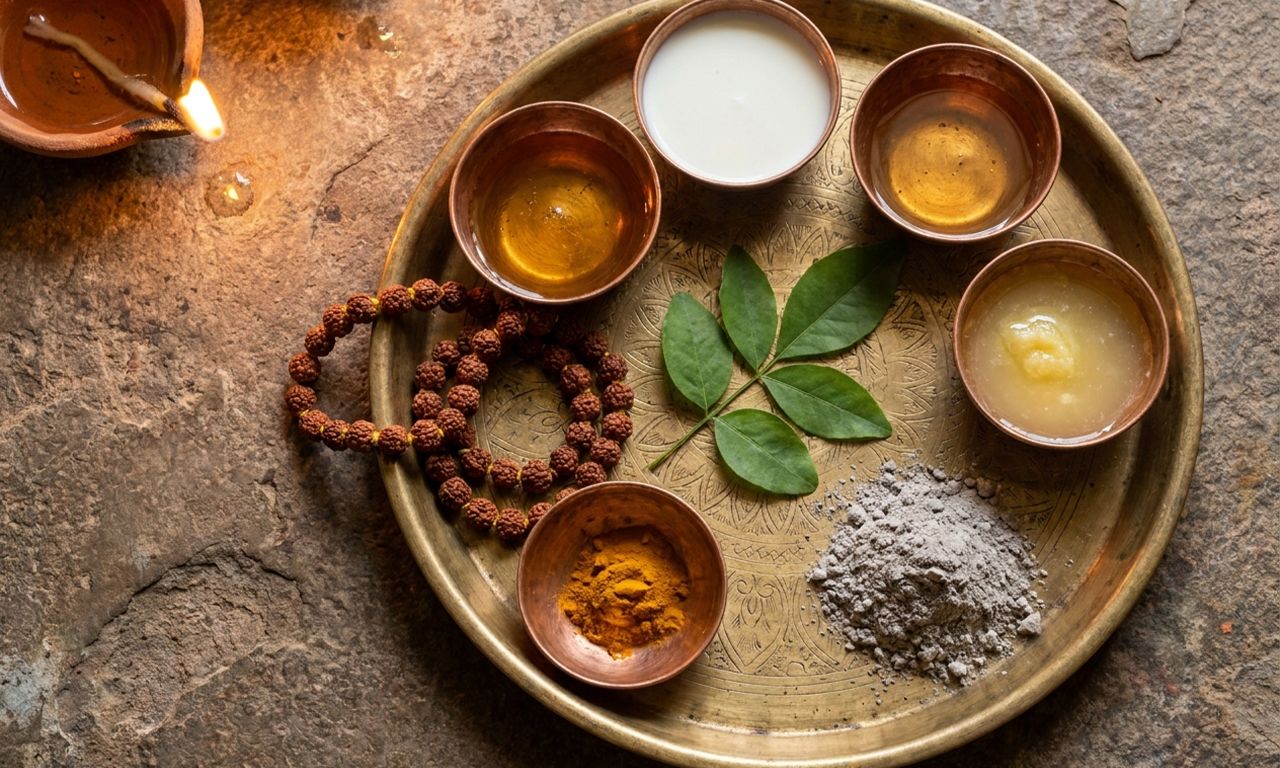
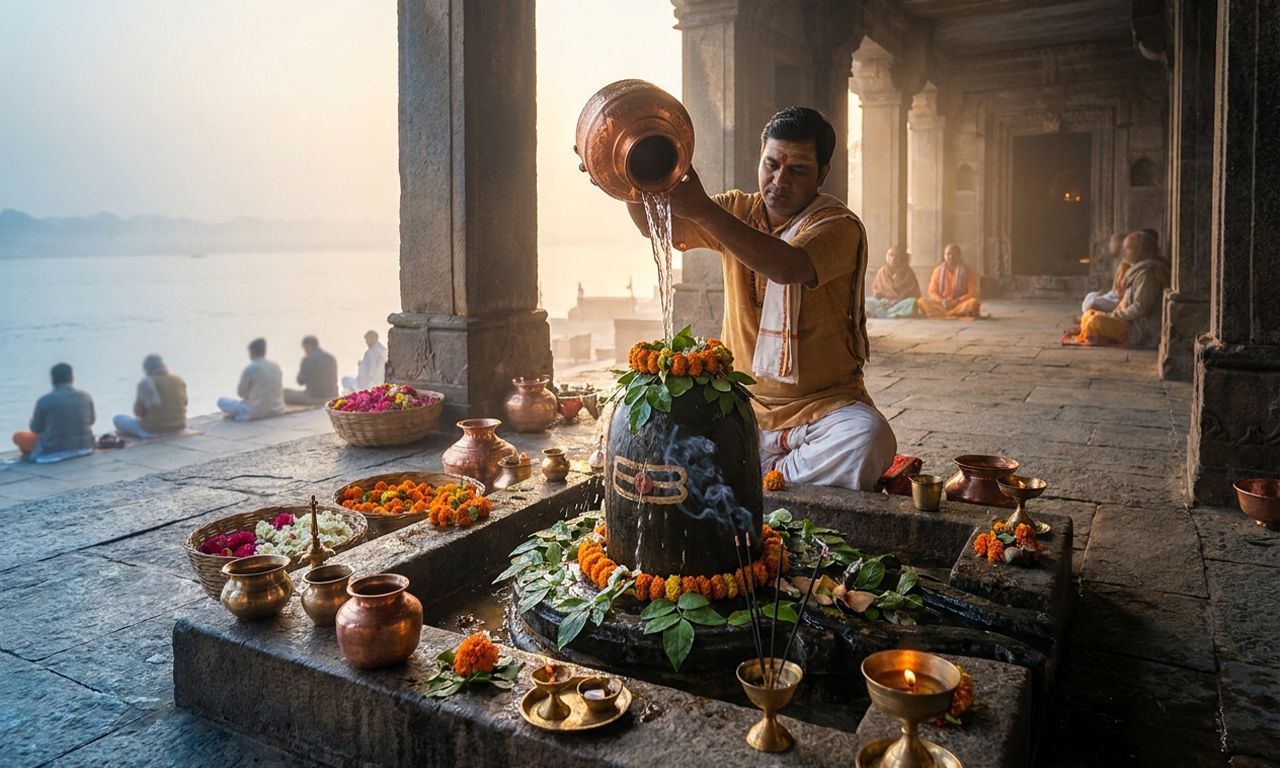
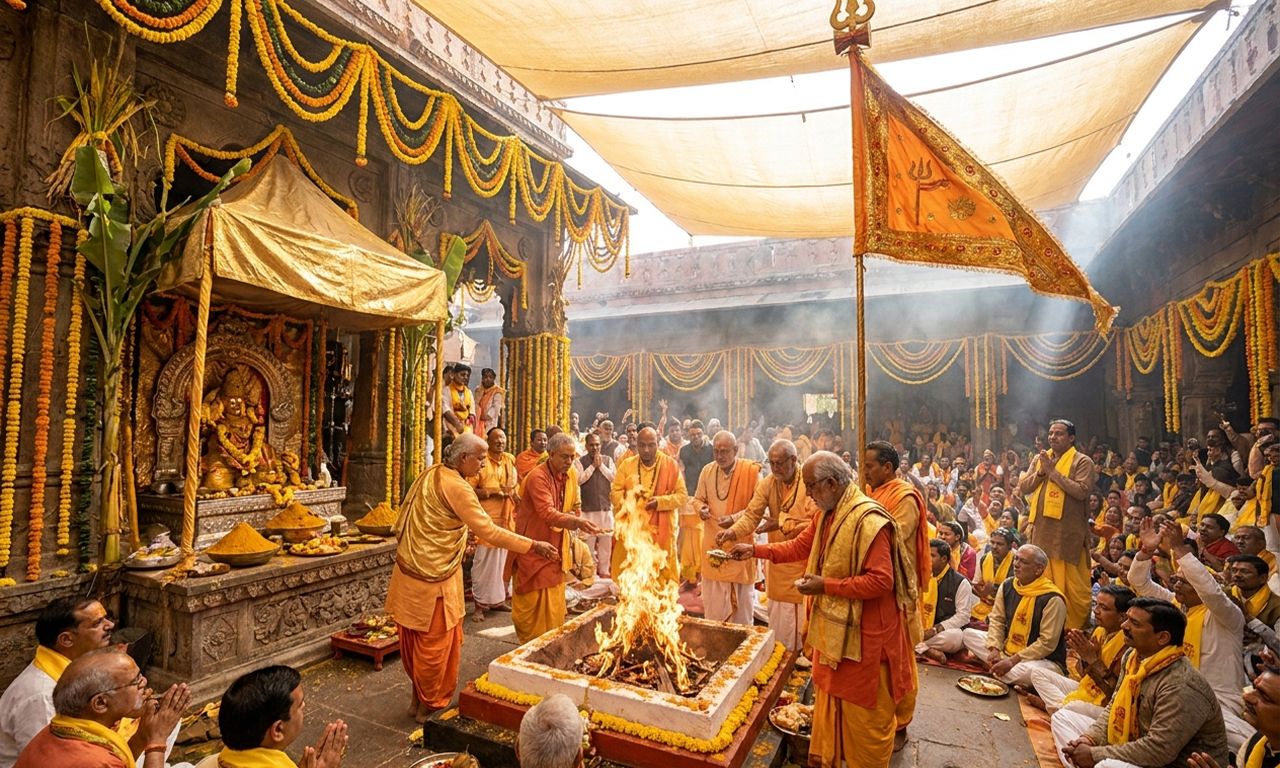
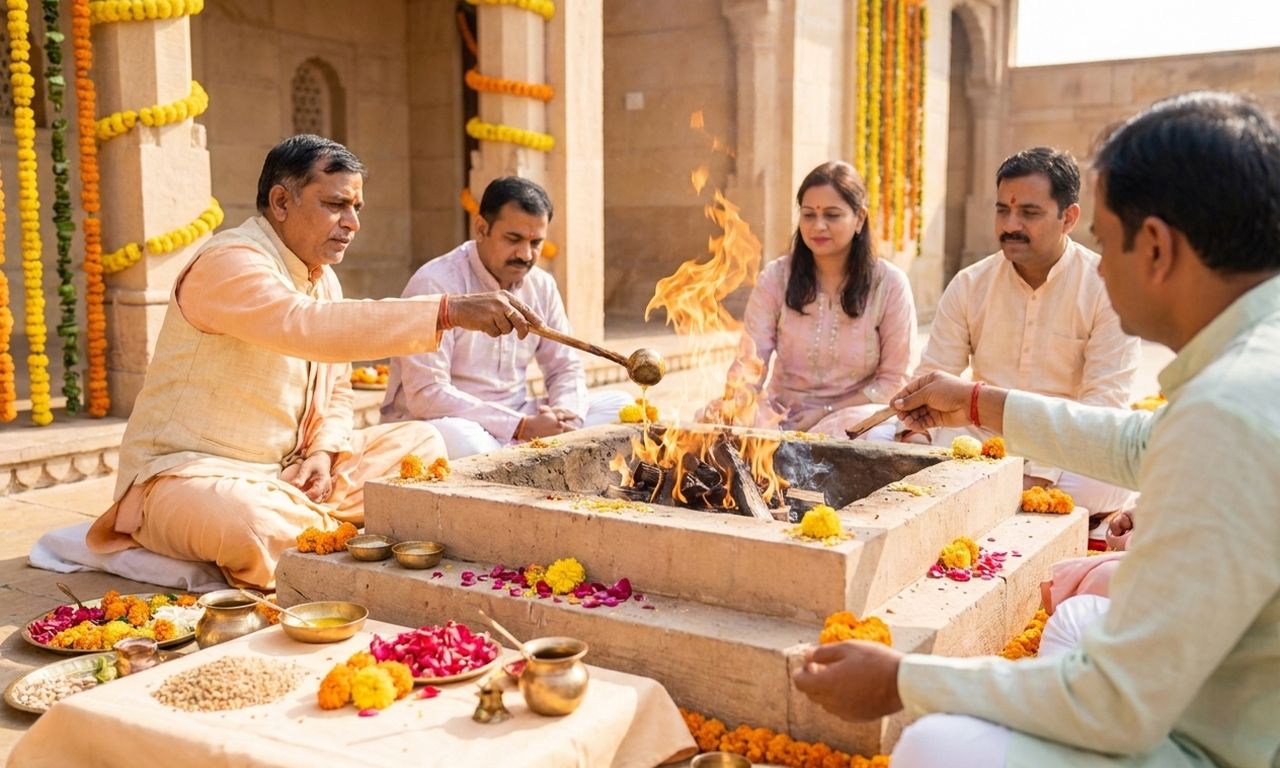
Whether through Vedic chanting, devotional hymns, the Mahamrityunjaya Mantra or simple heartfelt prayers, every act of praise prepares the mind for a deeper connection with Lord Shiva. This living tradition continues today through daily worship, scriptural learning and Rudrabhishek performed according to authentic Vedic procedures.
Frequently Asked Questions
Is Shiv Stuti different from chanting Om Namah Shivaya?
Yes. Om Namah Shivaya is one of the most sacred Shiva mantras, while Shiv Stuti includes all forms of praising Lord Shiva through hymns, prayers, Aartis, mantras and heartfelt remembrance.
Do I need to know Sanskrit to praise Lord Shiva?
No. Lord Shiva accepts sincere devotion in every language. Sanskrit prayers are beautiful, but genuine faith and humility are more important than linguistic expertise.
When is the best time for Shiv Stuti?
Early morning during Brahma Muhurta is traditionally considered ideal, but you may praise Lord Shiva at any time with sincerity and devotion.
Can Shiv Stuti be done at home?
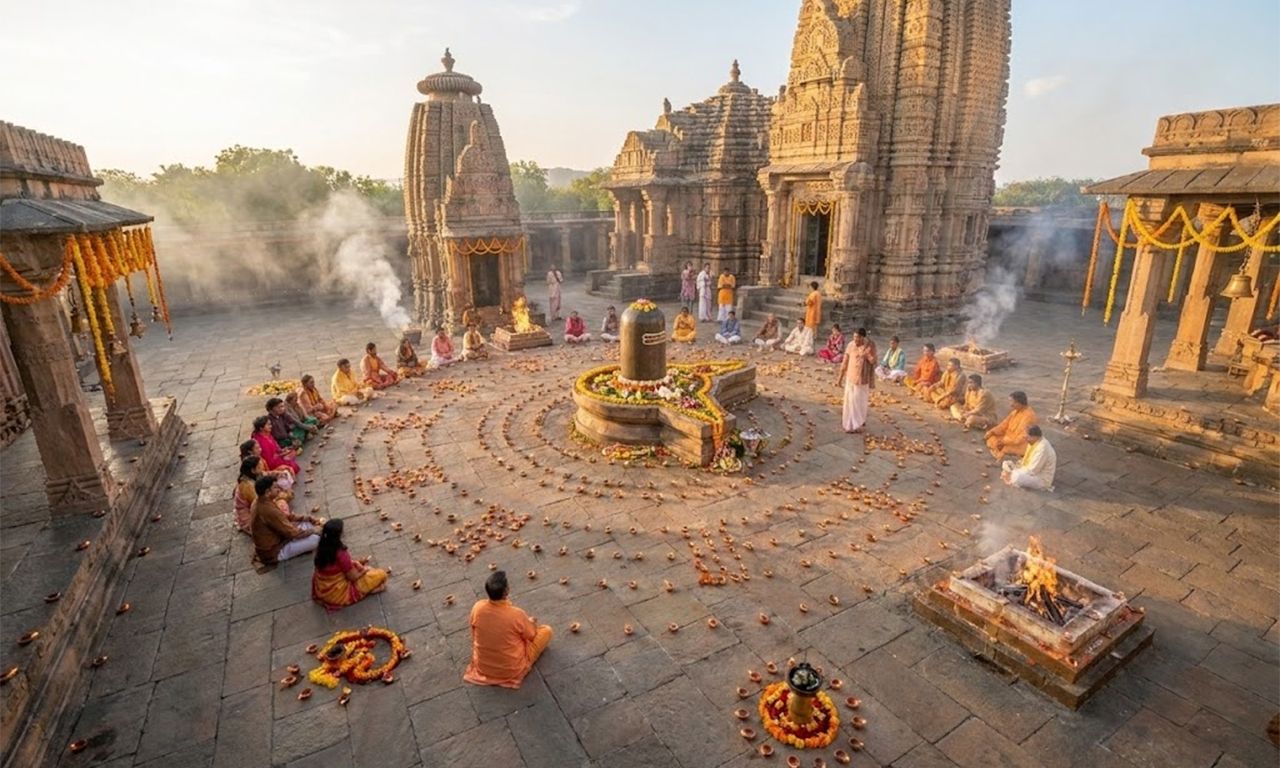
Yes. A simple home altar, a Shivling or even a quiet place for prayer is enough. What matters most is your devotion.
Does Shiv Stuti replace Rudrabhishek?
No. Both have their own significance. Shiv Stuti strengthens daily remembrance, while Rudrabhishek is a complete Vedic ritual performed with Sankalp, Abhishek and sacred mantras.
From Faith to Sadhana
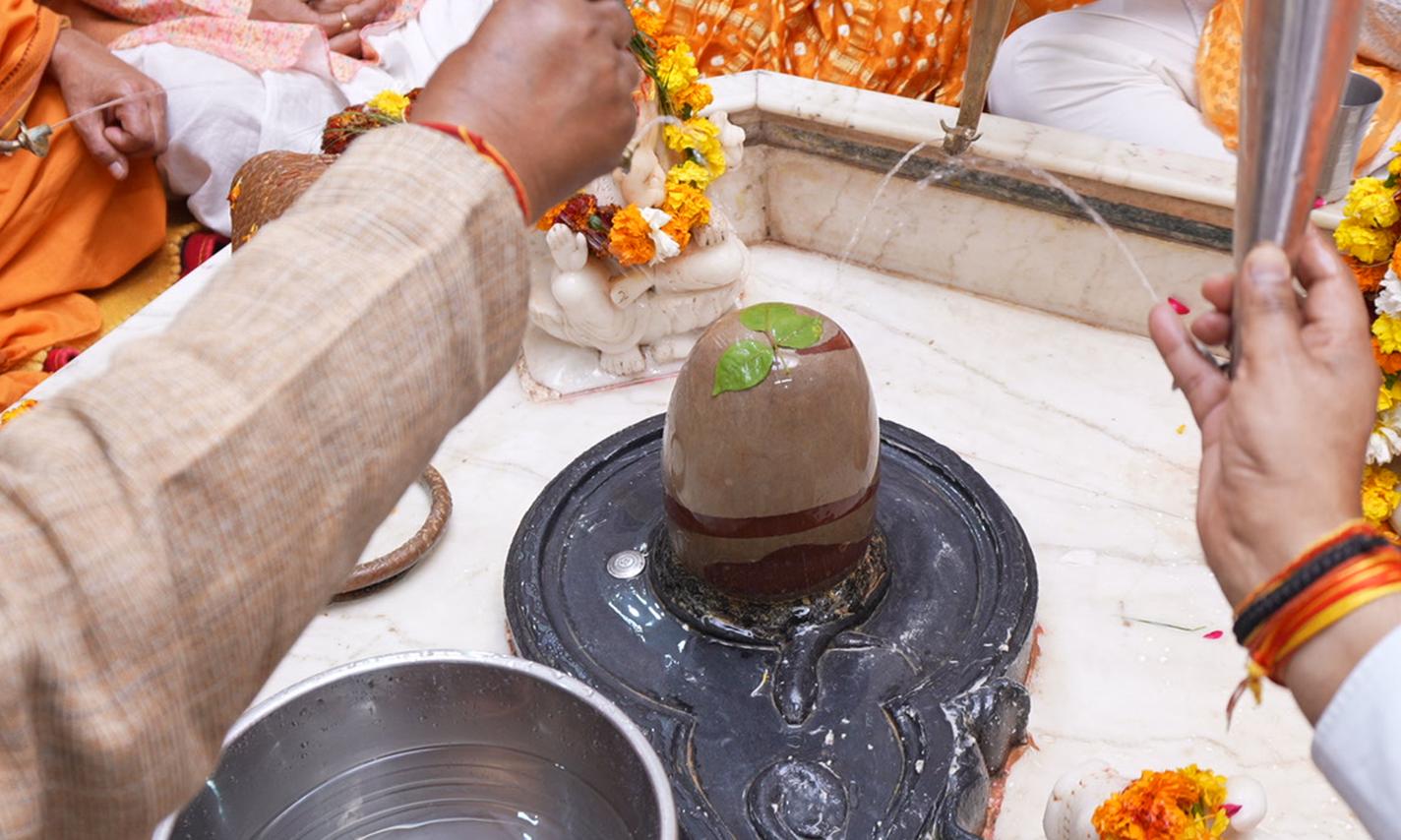
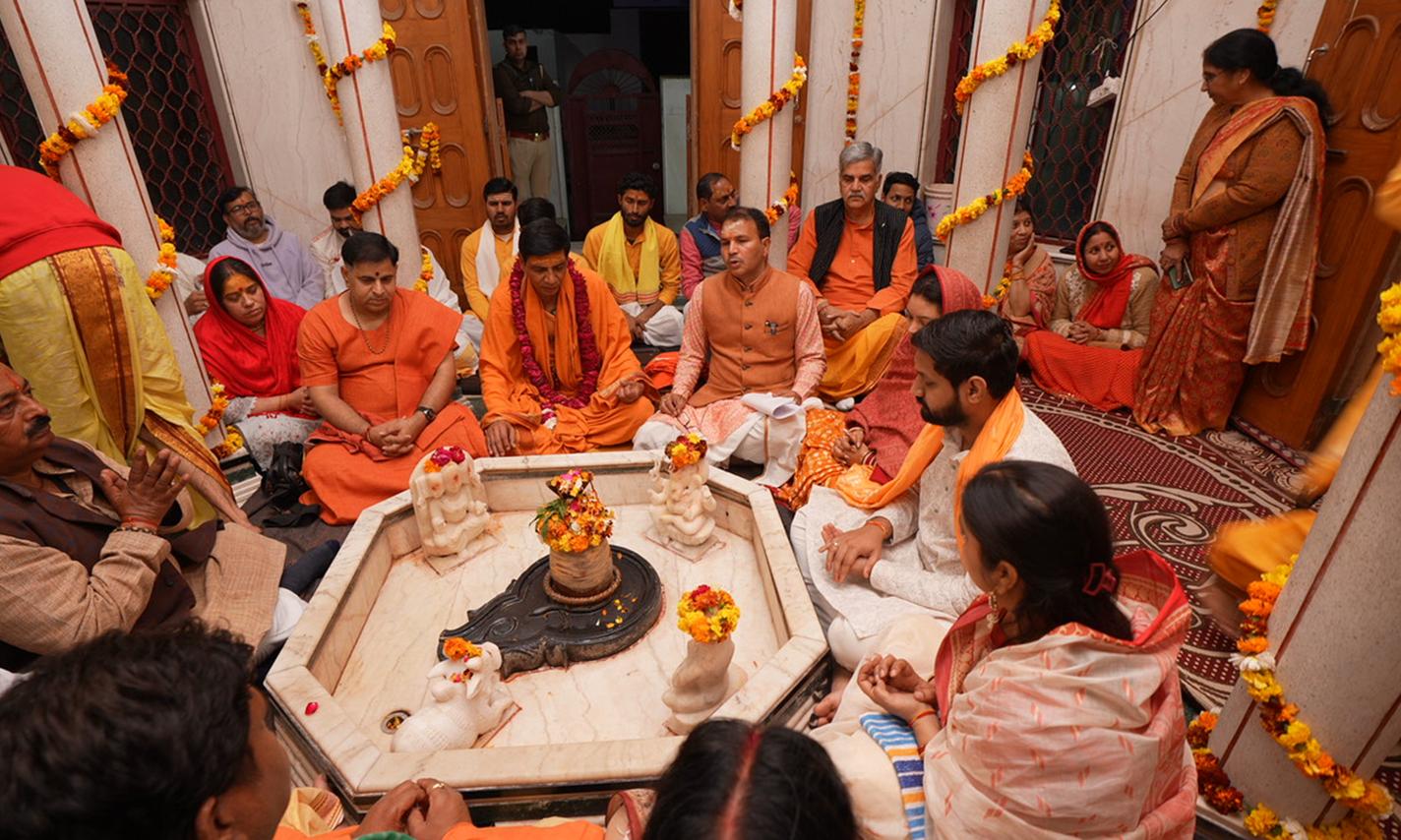
Every prayer offered with sincerity brings us closer to Lord Shiva. Yet the deepest devotion is expressed not only through words, but through sacred action. Participating in a Rudrabhishek allows your prayers, Sankalp and devotion to become part of an authentic Vedic worship performed by learned Acharyas.
This Sawan, join the Sawan Maha Rudrabhishek at the 120-year-old Narwar Dham Guru Parampara, where the ritual is performed in your name and gotra, seeking Lord Shiva's blessings for peace, health, prosperity and spiritual growth.
Offer your Sankalp and let your praise become a living act of devotion.