The Importance and Benefits of Rudrabhishek
By SiddhiStar | Narwar Dham Parampara
21 July 2026 • 7 min read
Millions of devotees worship Lord Shiva every day by offering water, chanting Om Namah Shivaya and performing simple daily prayers. Yet among all the forms of Shiva worship described in the Vedic tradition, Rudrabhishek holds a uniquely sacred place.
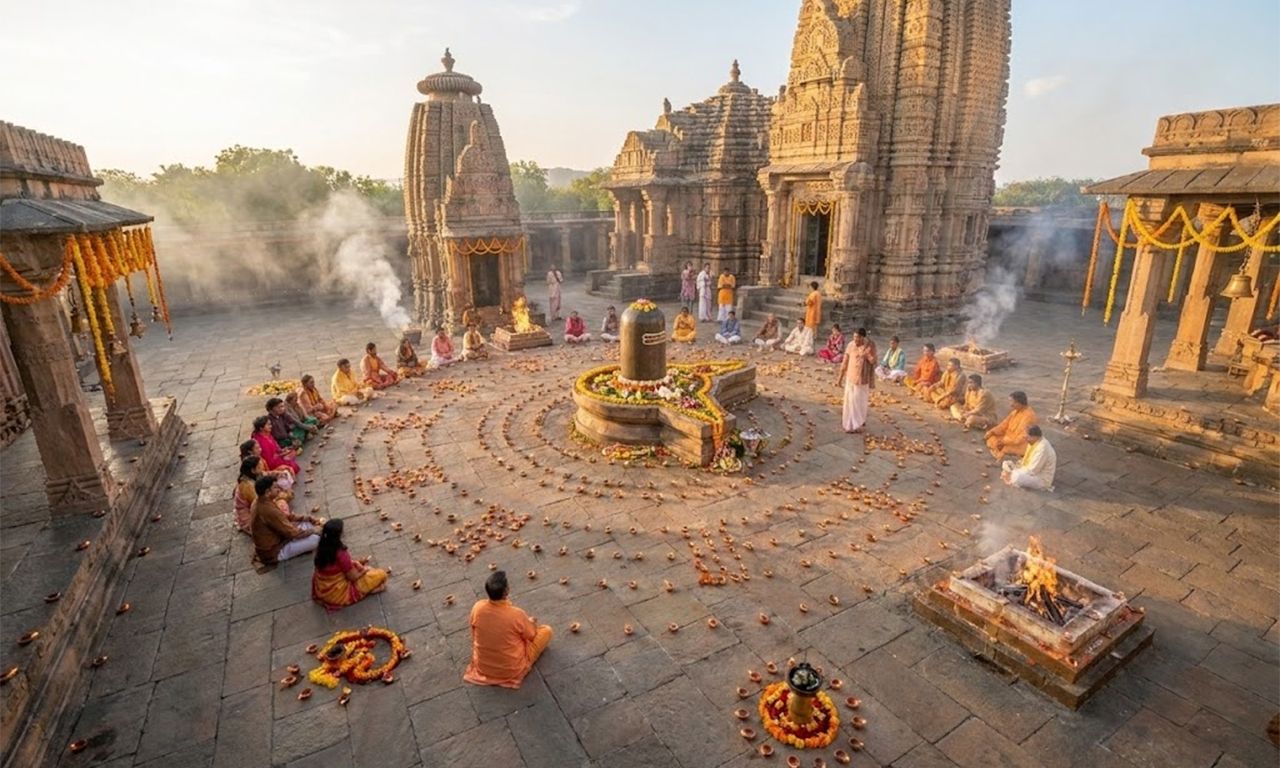
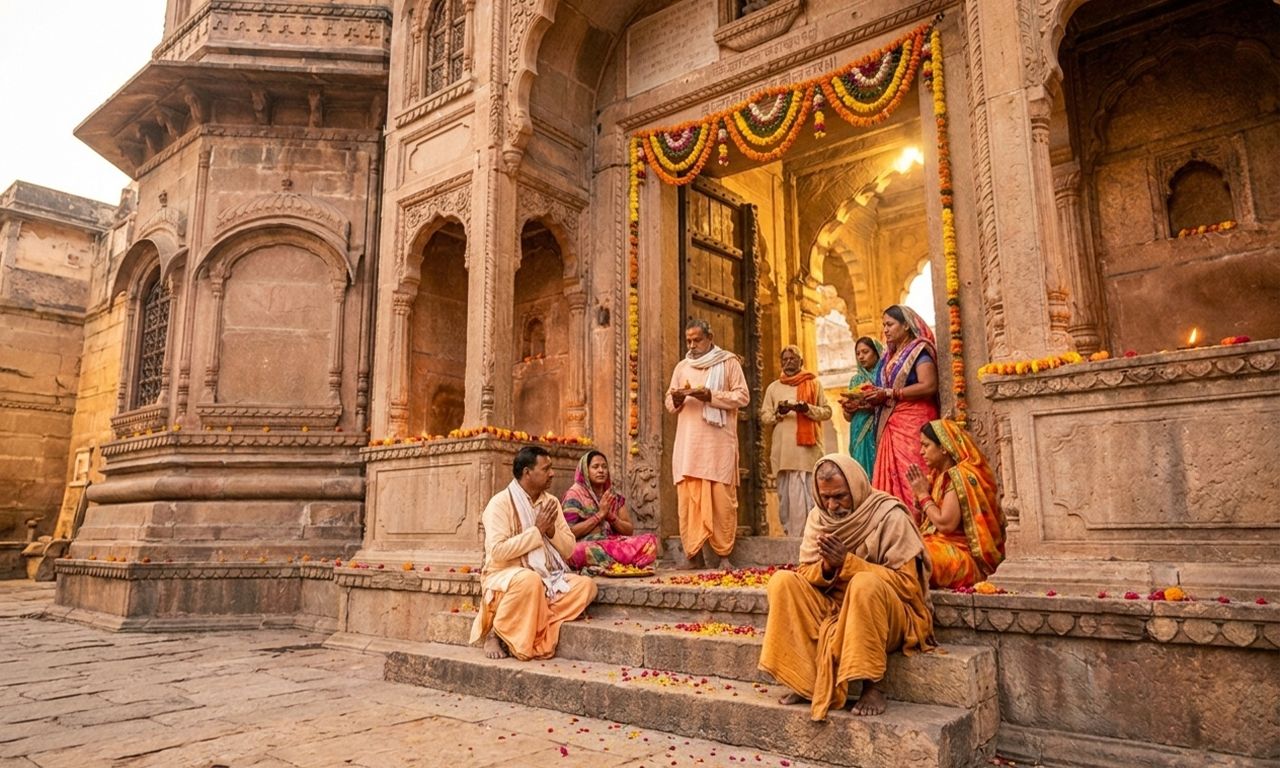
For centuries, sages, saints and householders have performed Rudrabhishek to express devotion, seek Lord Shiva's blessings and pray for the well-being of their families. Even today, during Sawan, Mahashivratri and other auspicious occasions, devotees across India participate in this powerful ritual with faith and reverence.
But what makes Rudrabhishek so special? Is it simply the offering of water and sacred ingredients upon the Shivling, or does it carry a deeper spiritual meaning?
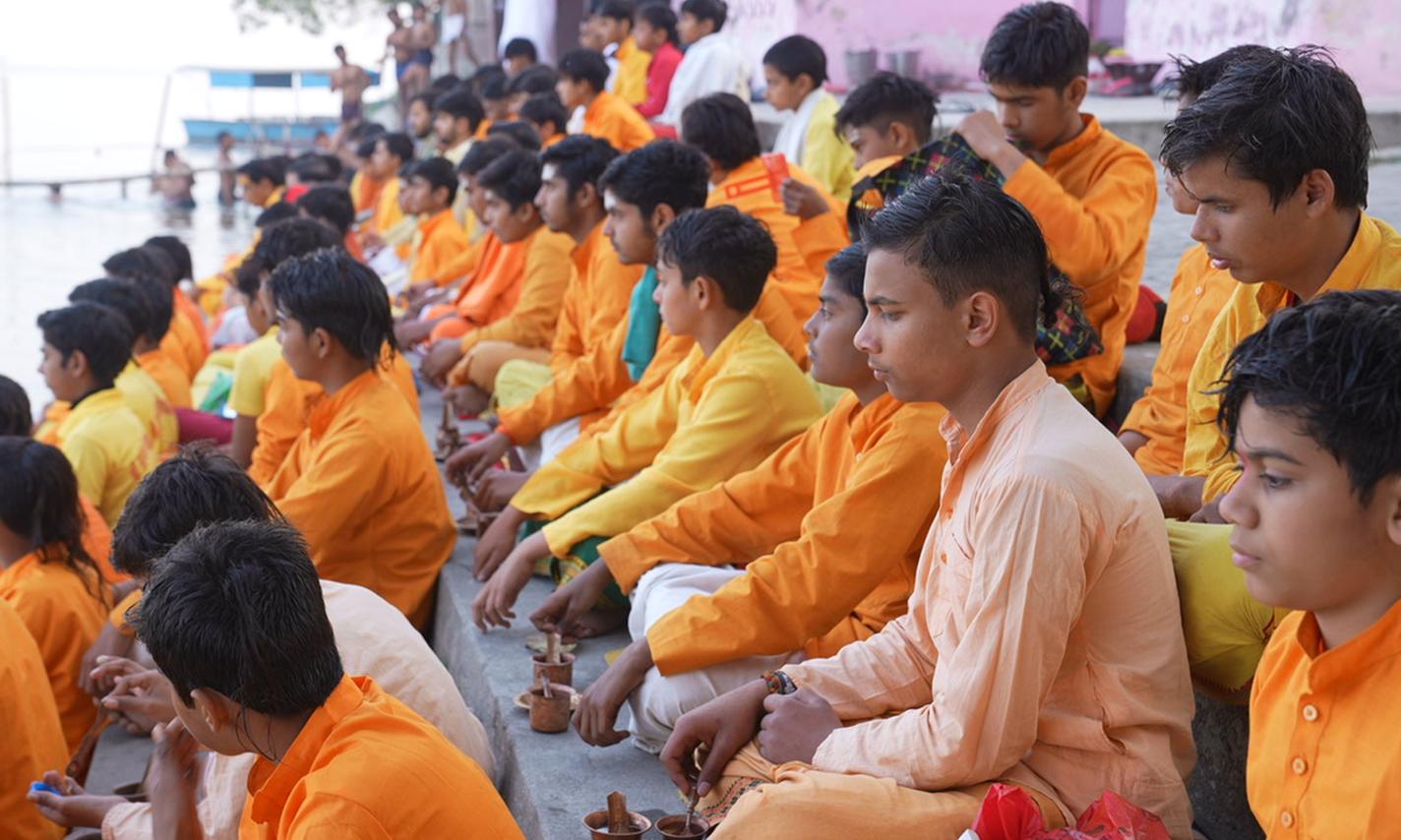
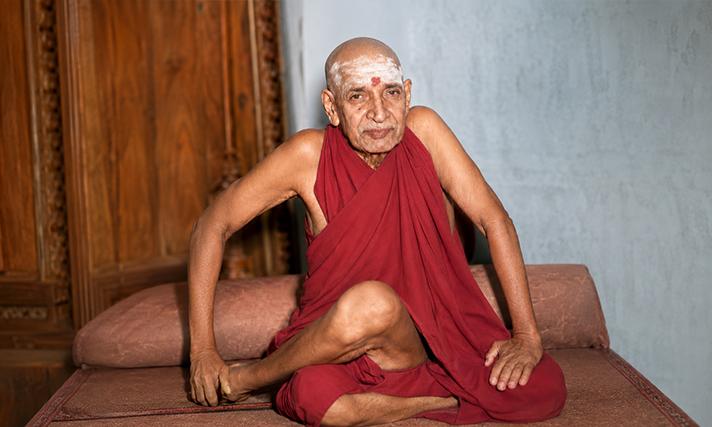
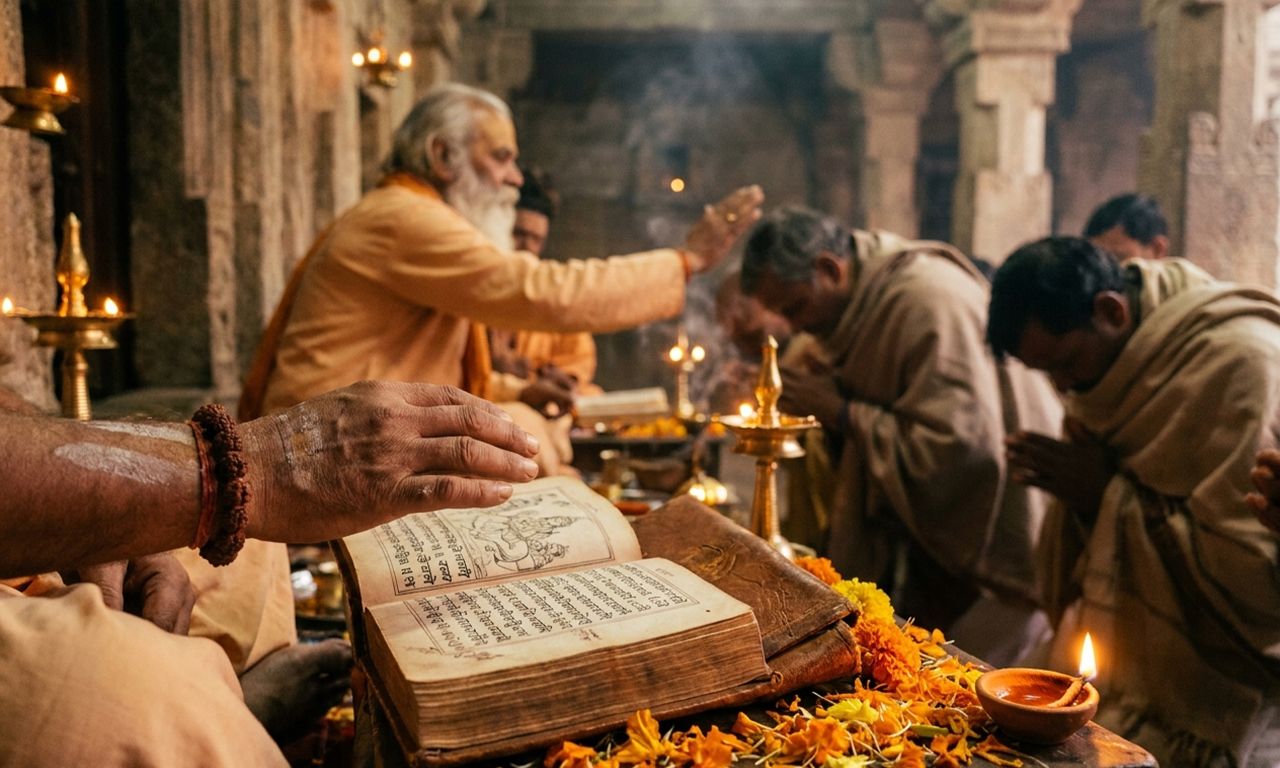
Param Pujya Mahesh Prakash Sharma Ji teaches that Rudrabhishek is not merely a ritual. It is a complete act of surrender where sacred Vedic mantras, Abhishek, devotion and Sankalp come together before Mahadev. When performed with sincerity and according to authentic tradition, Rudrabhishek becomes a profound spiritual experience that benefits not only the devotee but the entire family.
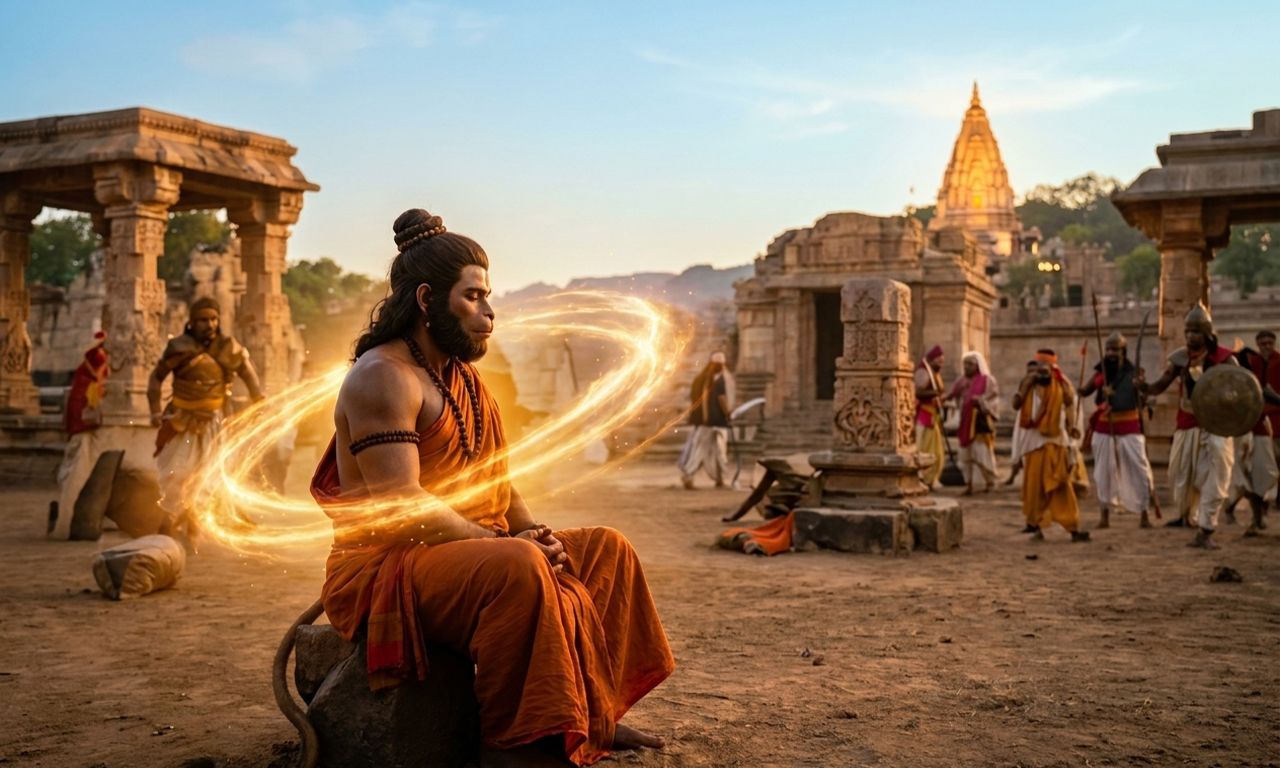
Guruji explains that our hands become truly blessed when they are engaged in the worship of Lord Shiva. Among all sacred acts of worship, Rudrabhishek is one of the highest expressions of devotion because every offering is accompanied by sacred Vedic mantras, every action is performed with awareness and every ritual is dedicated through a heartfelt Sankalp.
The devotee is not merely pouring water over the Shivling. They are offering their ego. Their worries. Their gratitude. Their hopes. Their prayers. Their entire life at the feet of Mahadev.
What Is Rudrabhishek?
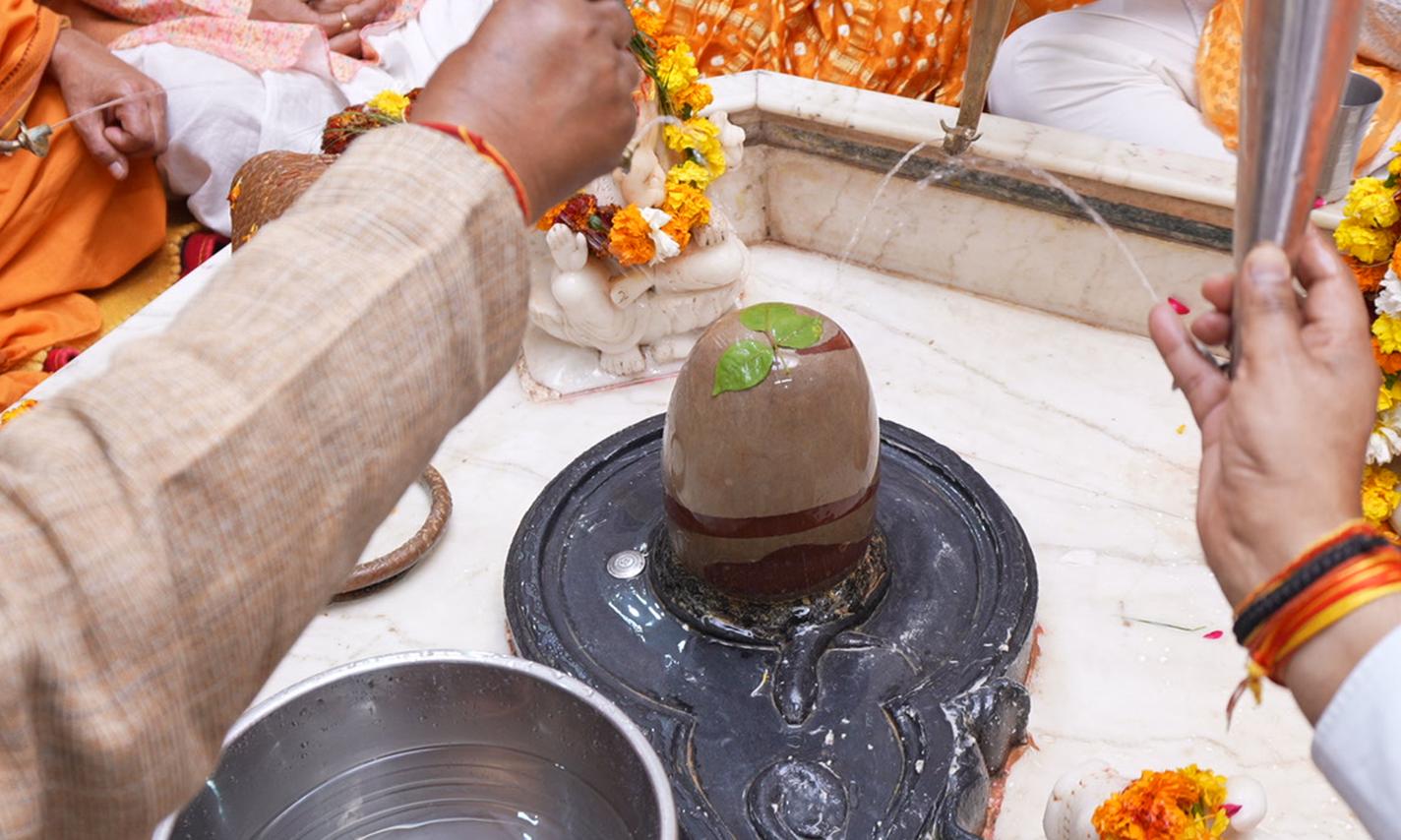
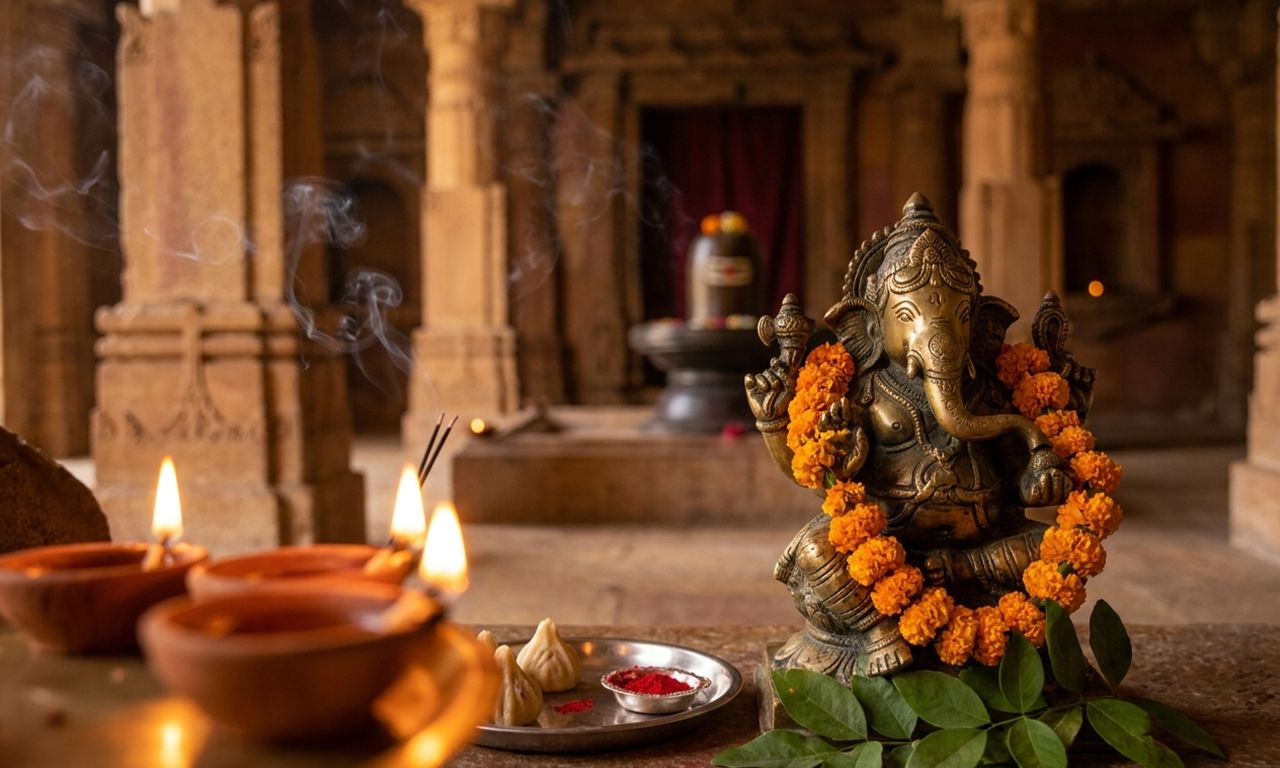
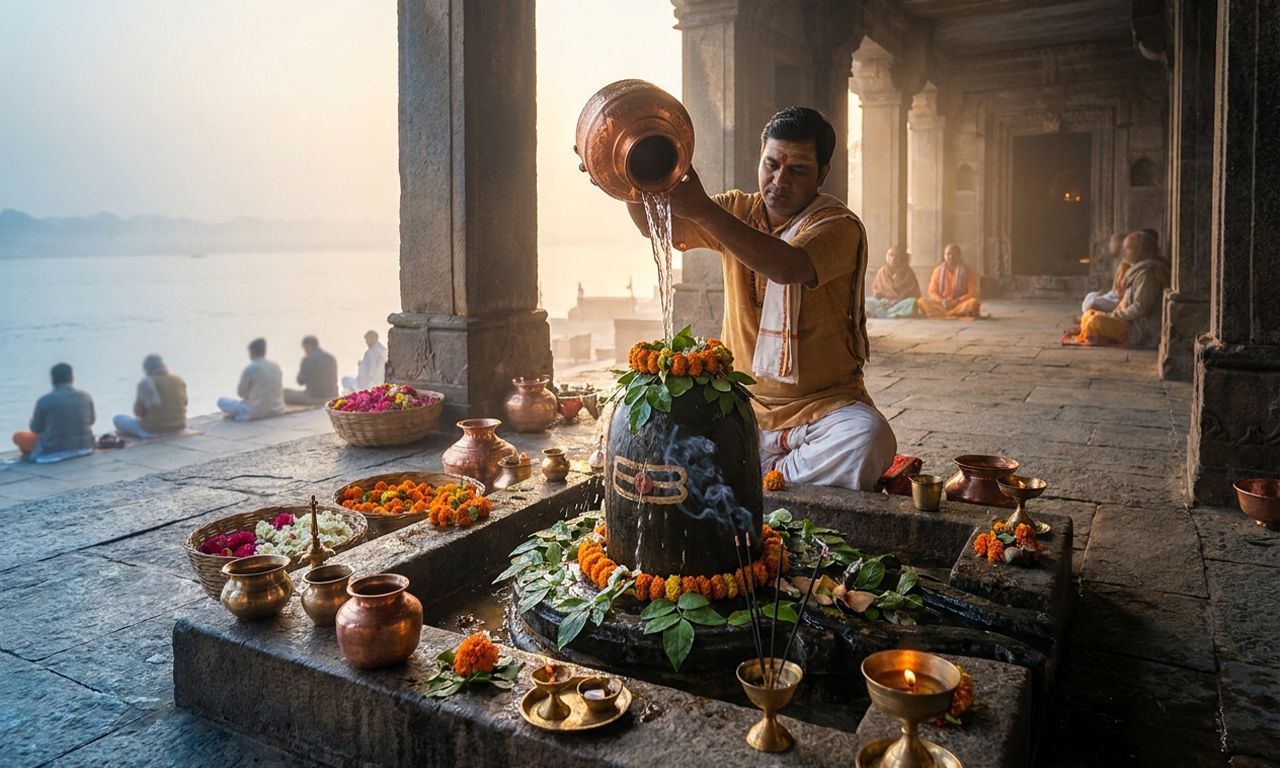
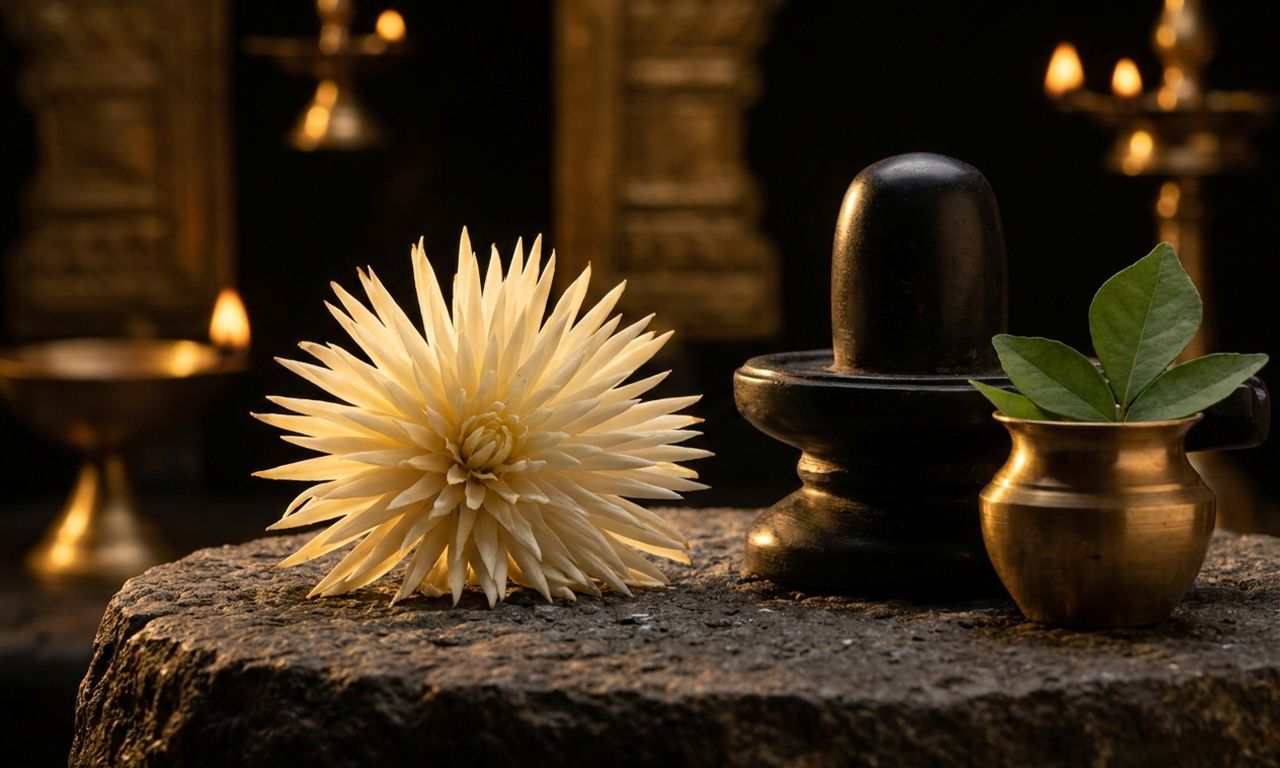
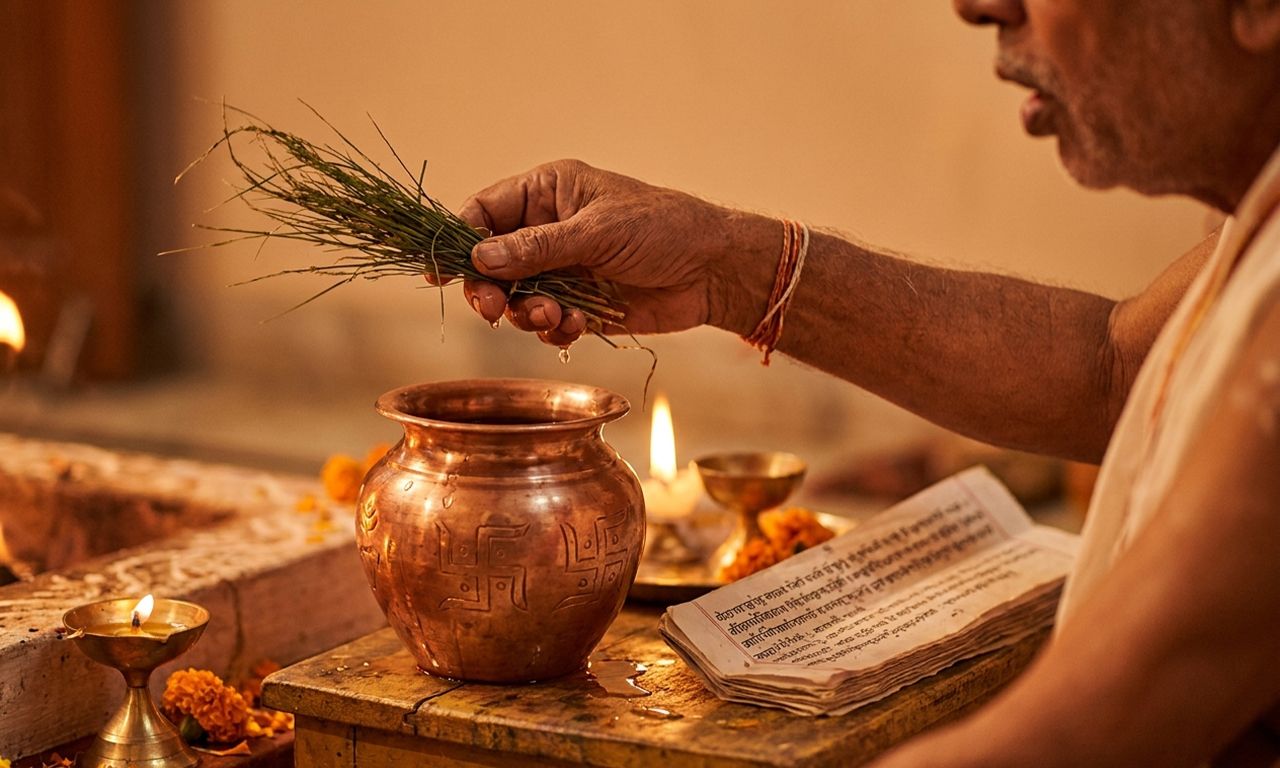
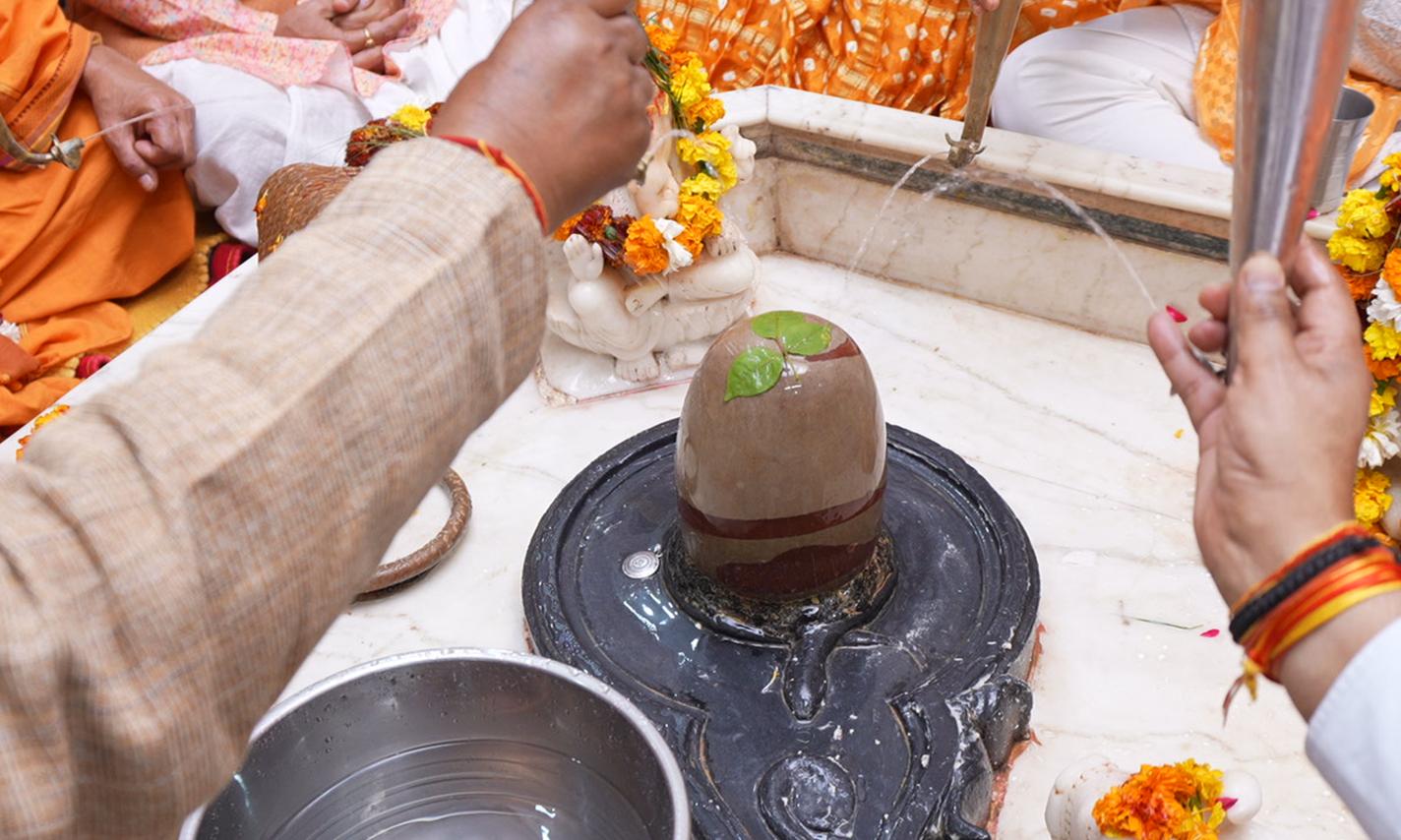
The word Rudra refers to one of the most powerful and compassionate forms of Lord Shiva. Abhishek means the ceremonial bathing of the deity using sacred substances while chanting Vedic mantras.
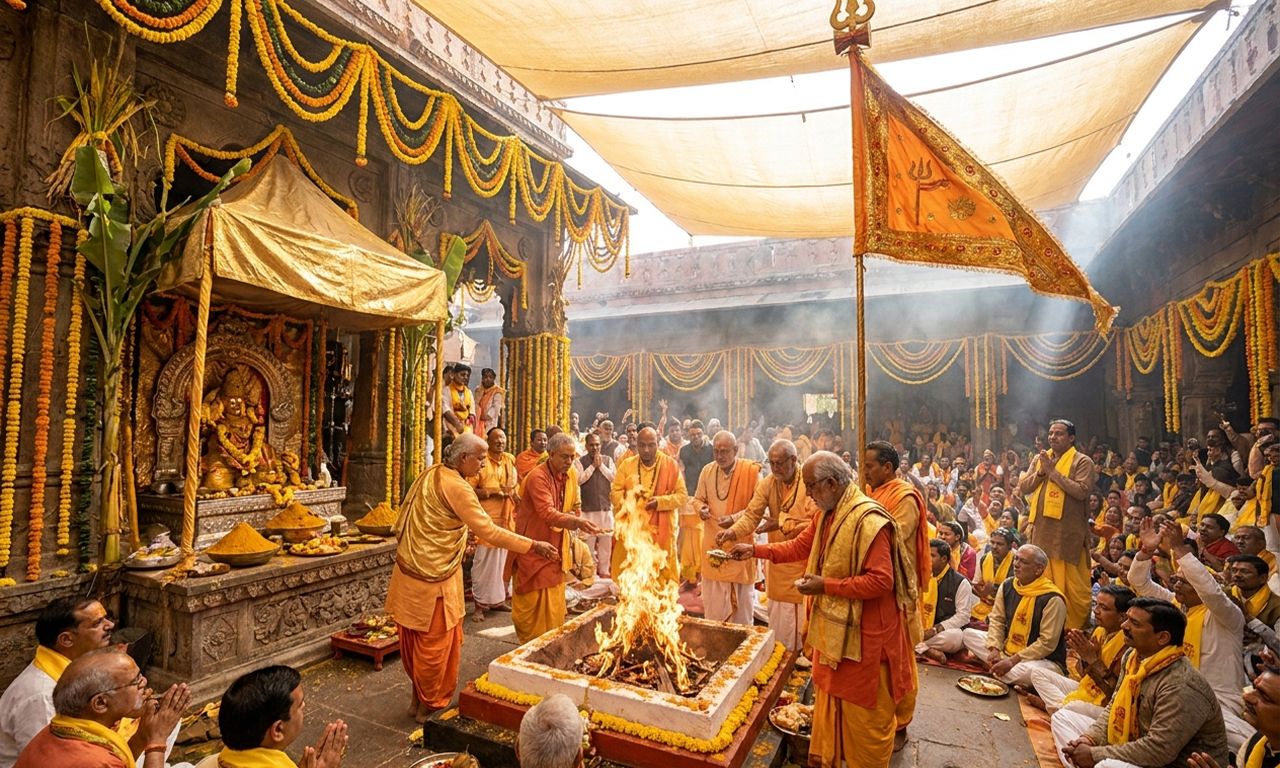
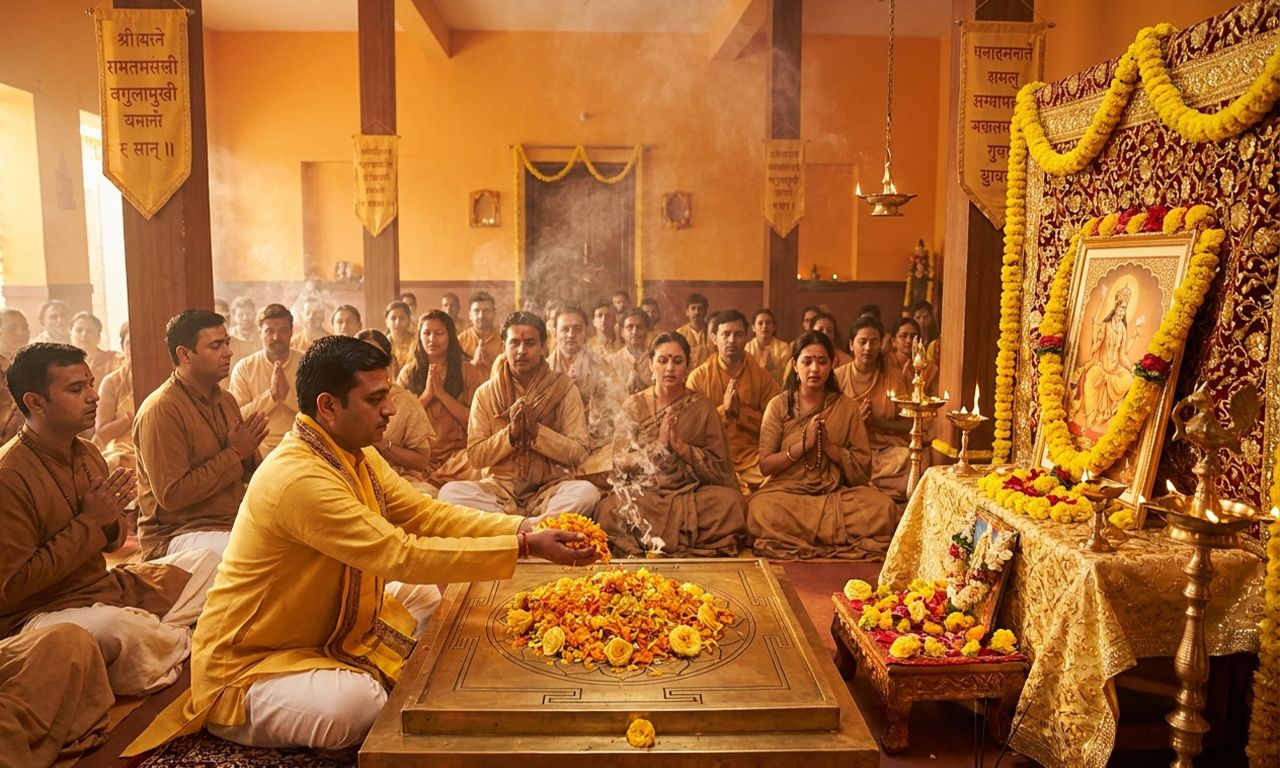
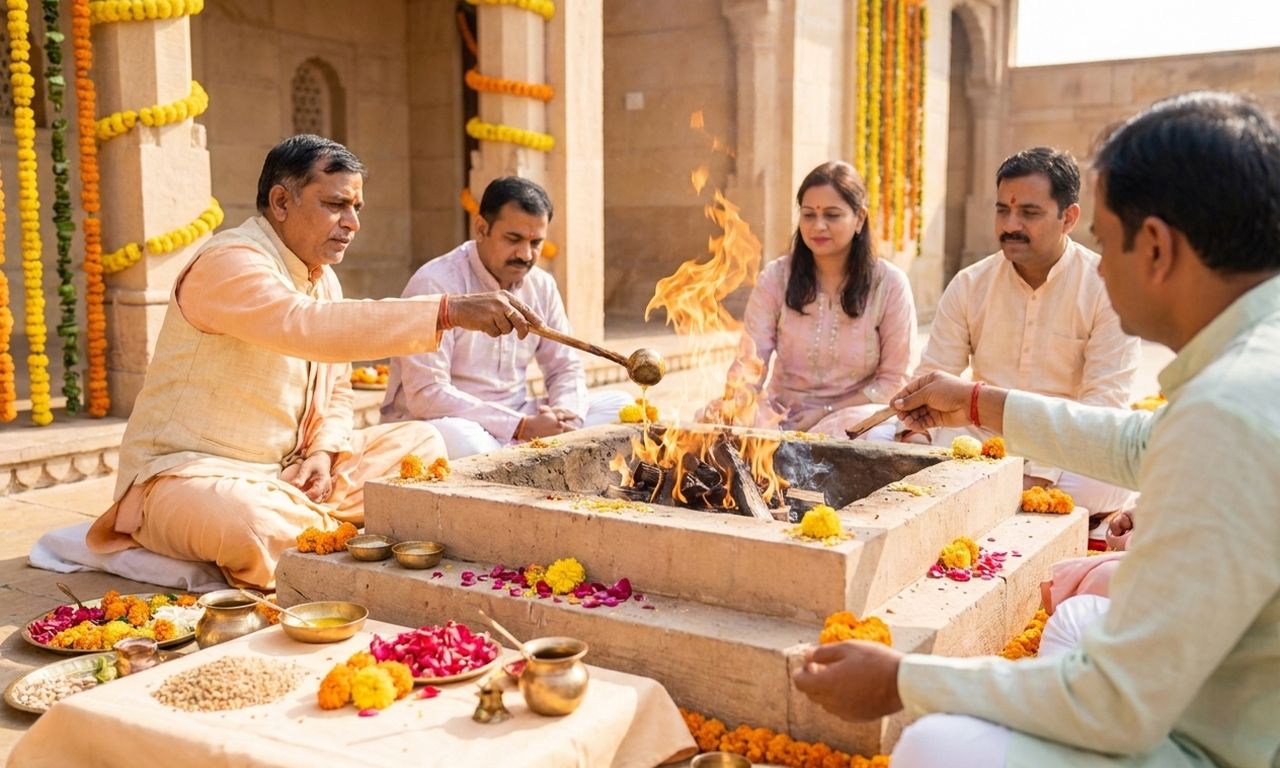
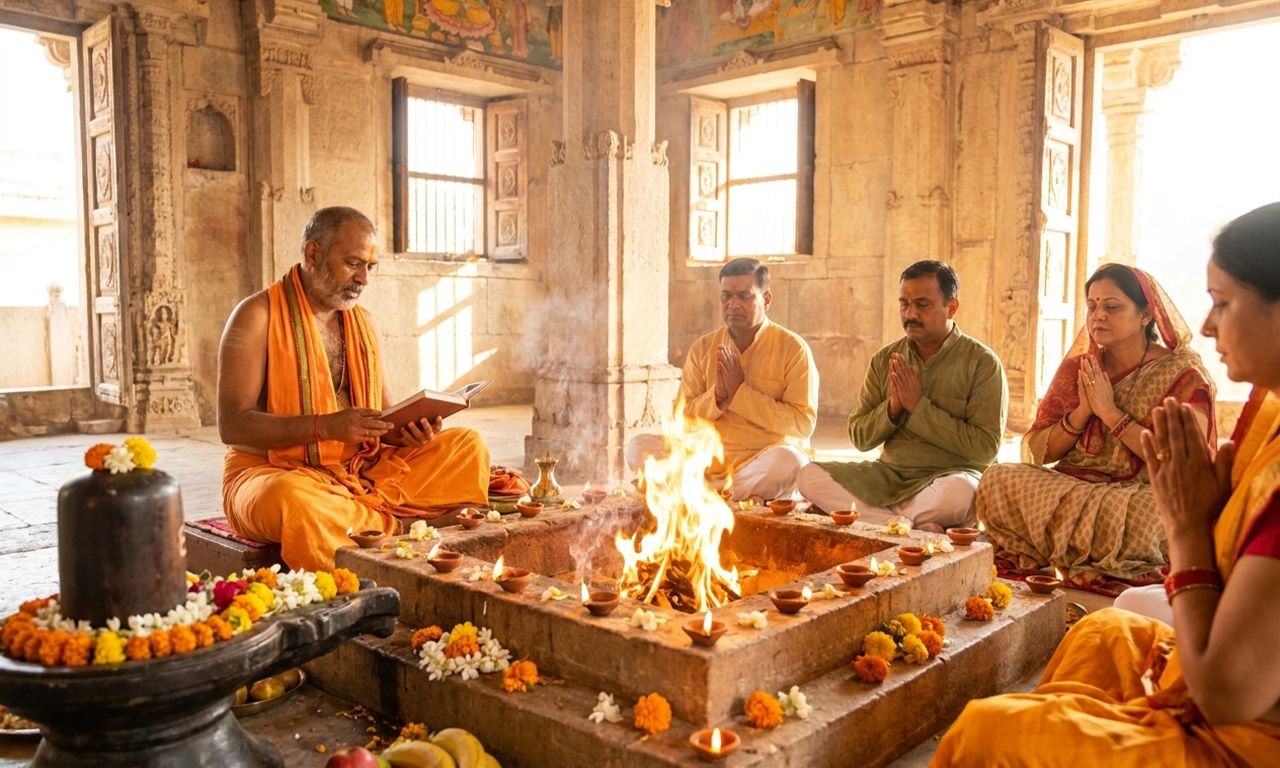
Together, Rudrabhishek becomes a complete Vedic ritual in which Lord Shiva is worshipped through continuous Abhishek accompanied by the chanting of Shri Rudram, Chamakam, the Mahamrityunjaya Mantra and other sacred hymns according to the tradition being followed.
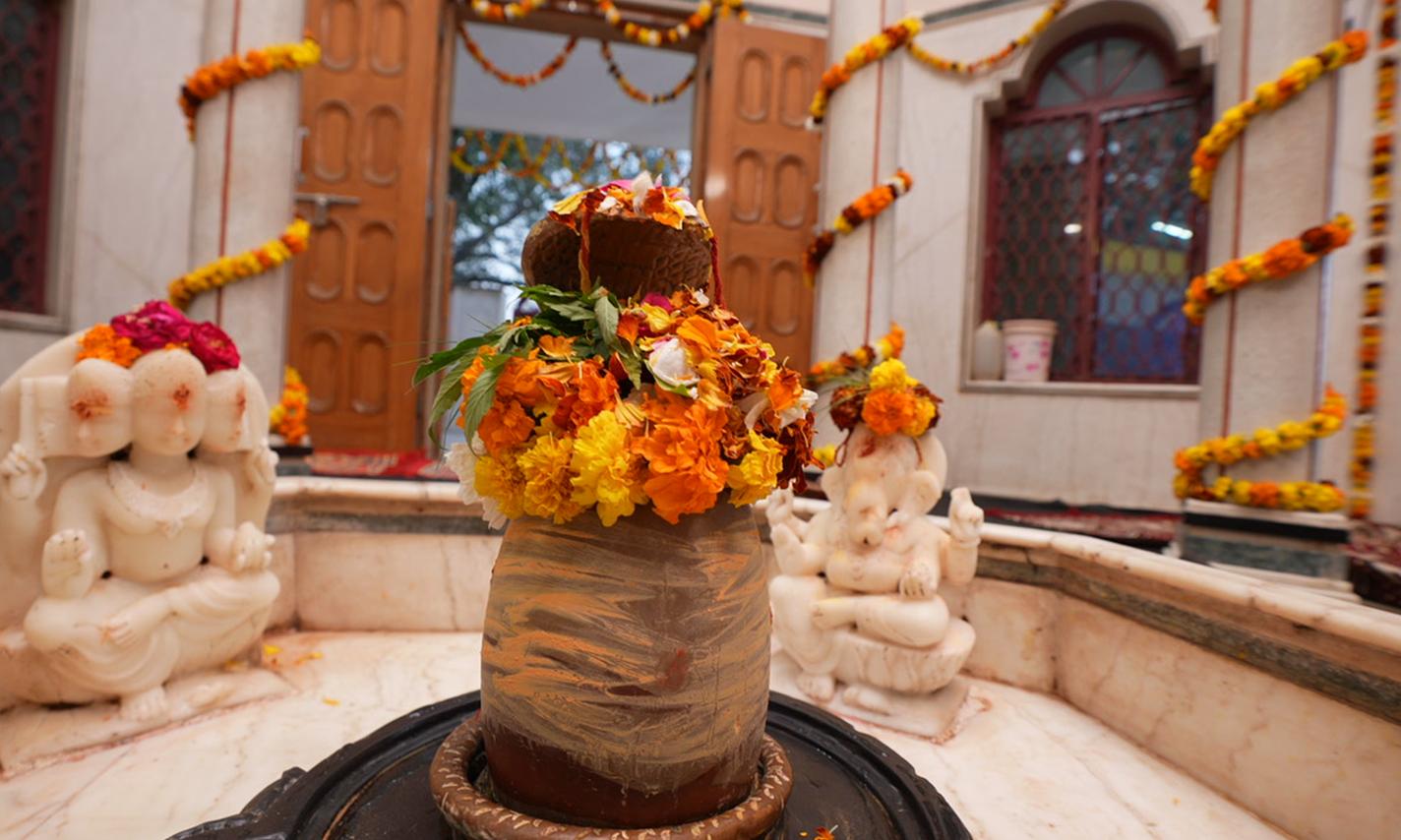
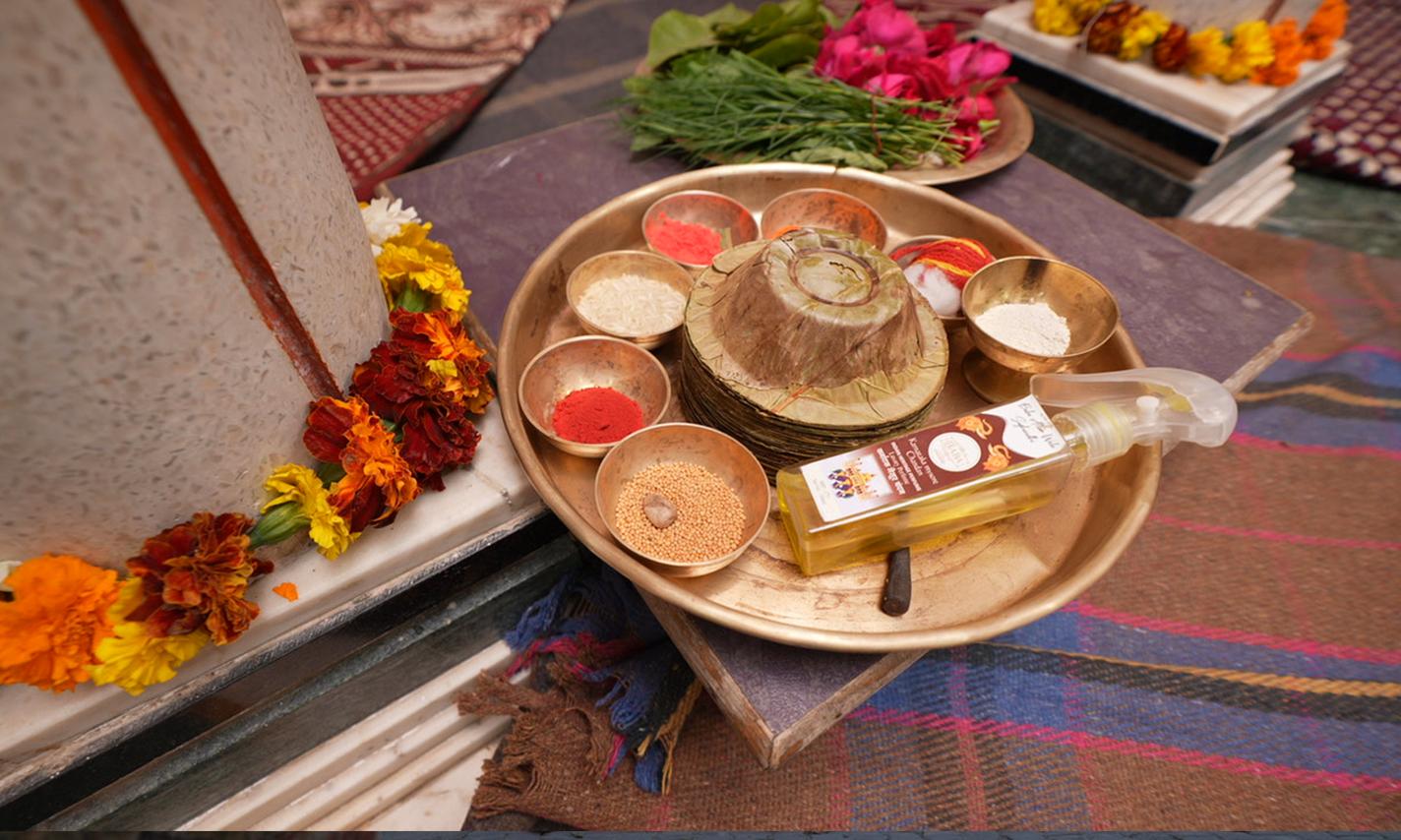
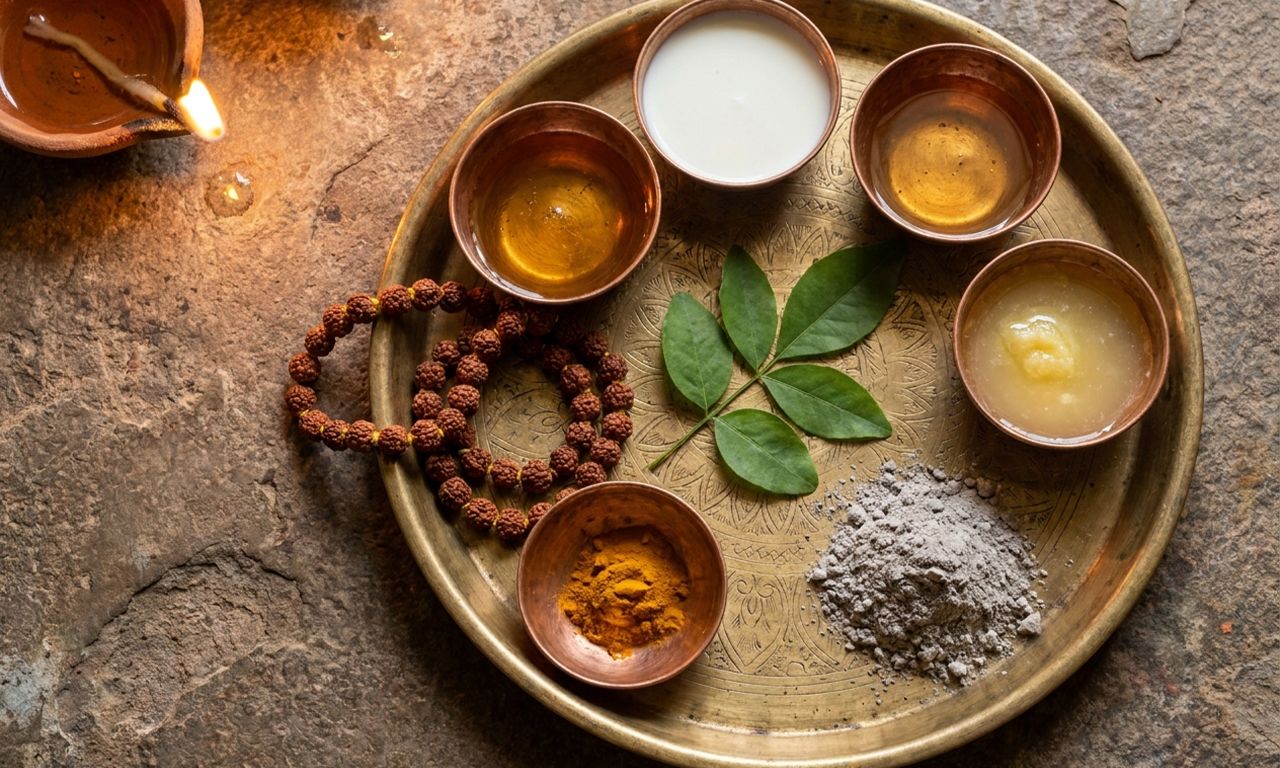
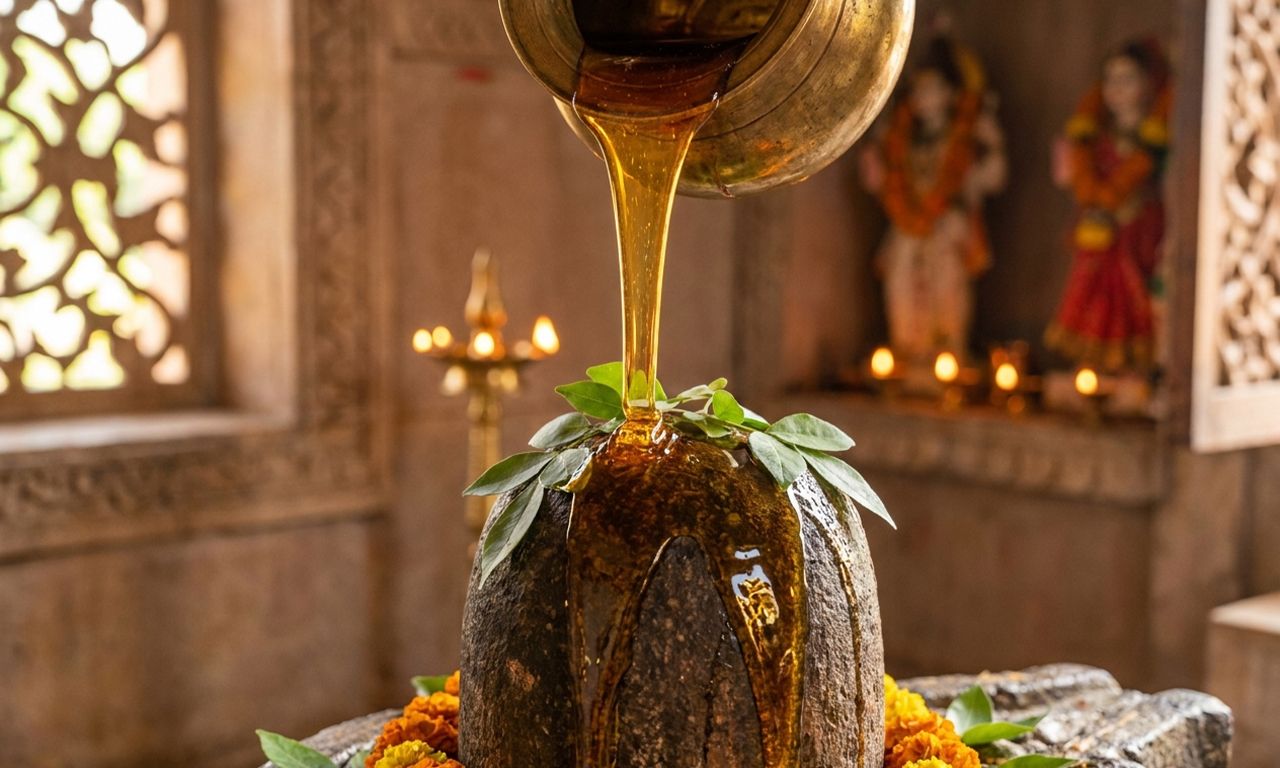
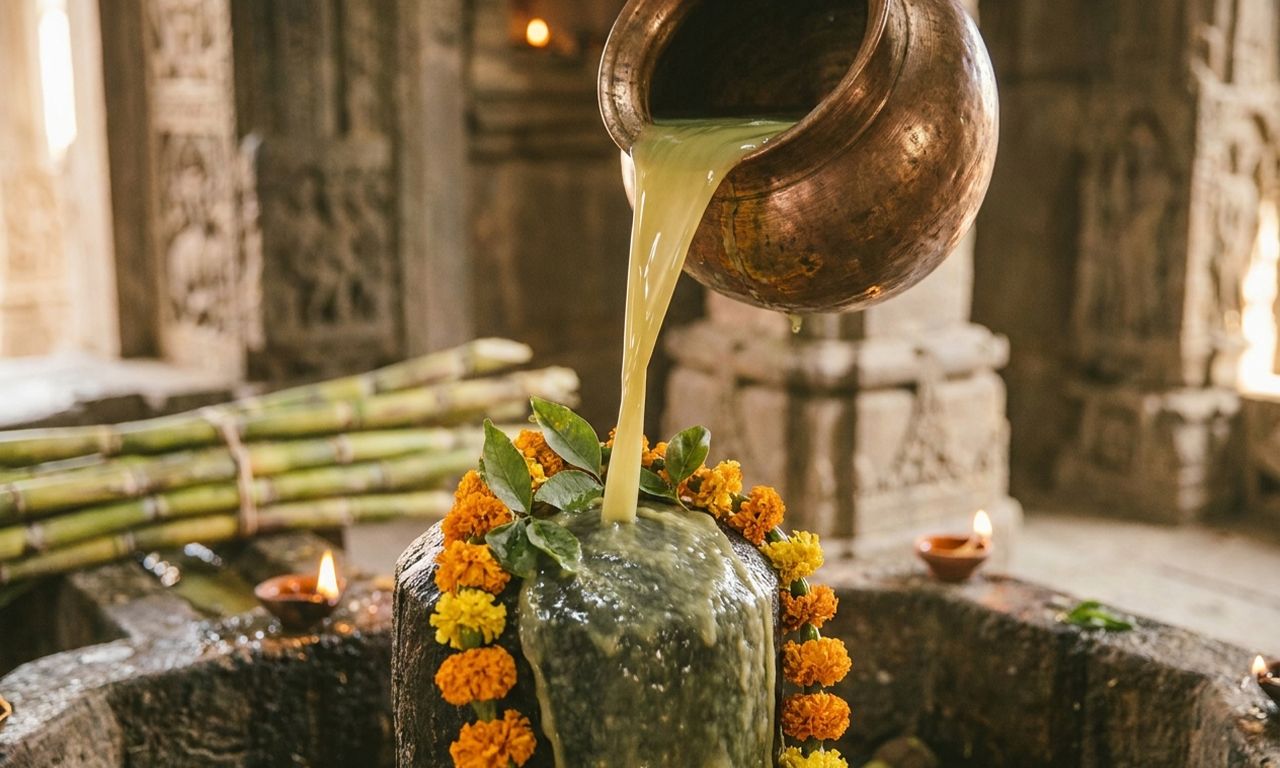
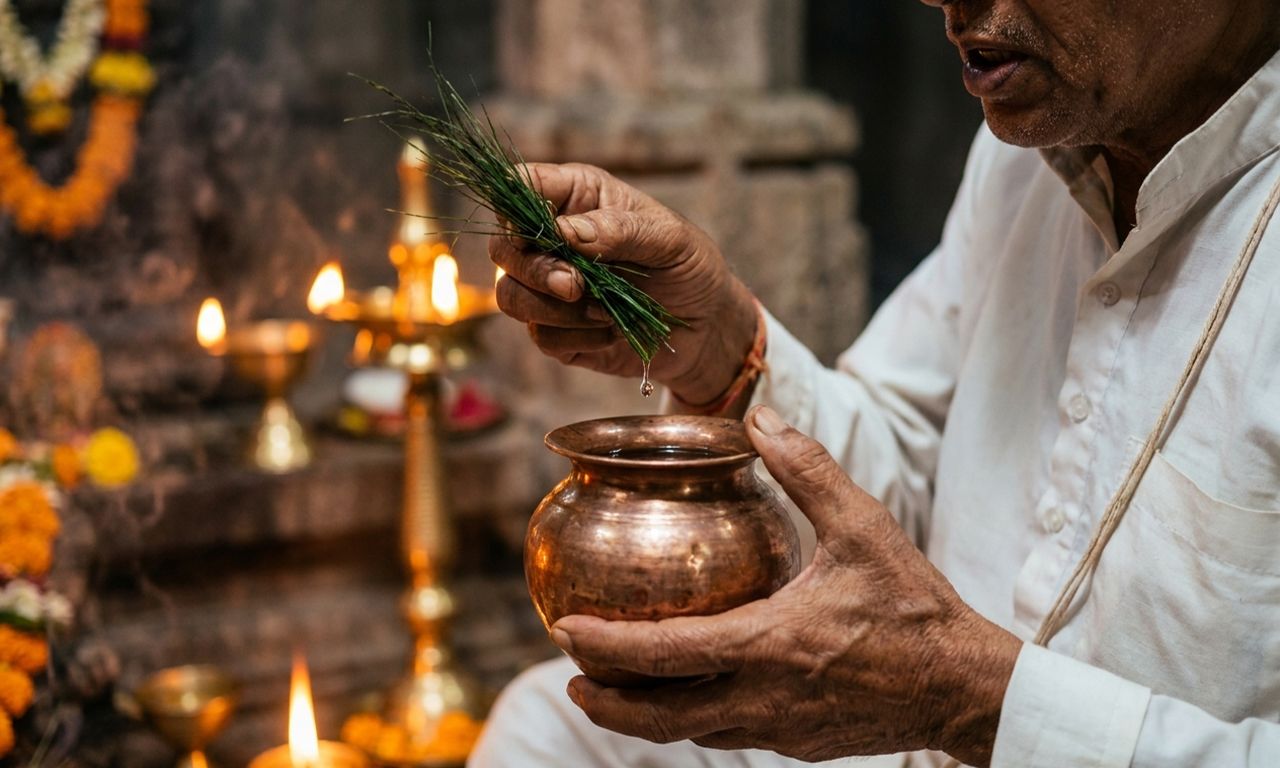
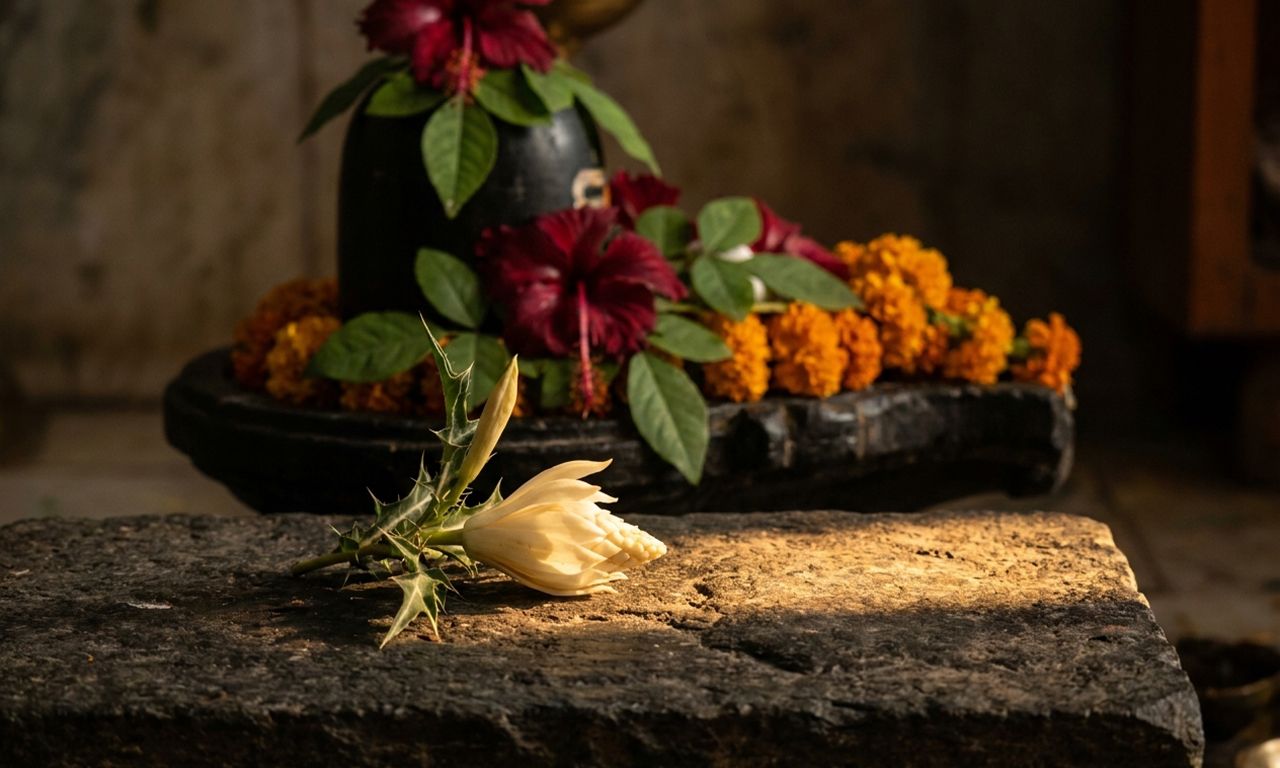
The ritual may include offerings such as pure water, milk, curd, honey, ghee, sugar, Bilva Patra, flowers, sandalwood and other sacred items. Every offering carries symbolic meaning and represents the devotee's surrender before Mahadev.
Why Is Rudrabhishek Considered So Powerful?
Guruji explains that Rudrabhishek combines four essential elements of spiritual practice.
The first is Mantra. Sacred Vedic vibrations purify the mind and create an atmosphere of devotion. The second is Abhishek. Each offering upon the Shivling symbolises the devotee's surrender of negativity and the aspiration for inner purity. The third is Sankalp. Every ritual begins with a conscious prayer in which the devotee offers their intention before Lord Shiva. The fourth is Bhakti. Without devotion, even the most elaborate ritual remains incomplete.
When these four elements come together, Rudrabhishek becomes much more than a ceremony. It becomes a dialogue between the devotee and Mahadev.
The Spiritual Benefits of Rudrabhishek
The greatest benefit of Rudrabhishek is spiritual transformation. Regular participation gradually strengthens one's connection with Lord Shiva and deepens Shiva Bhakti. Many devotees experience greater peace during prayer because the ritual encourages complete surrender. The continuous chanting of sacred mantras helps calm the restless mind and creates an atmosphere of positivity.
The ritual also encourages humility, gratitude and self-reflection. As devotees repeatedly place their worries before Mahadev, they gradually learn to replace anxiety with trust and fear with faith.
The greatest blessing of Rudrabhishek is not simply the fulfilment of desires. It is the strengthening of the devotee's relationship with Lord Shiva.
Why Is Sankalp So Important?
Every authentic Rudrabhishek begins with a Sankalp. Guruji explains that Sankalp is not merely stating a wish. It is a conscious spiritual commitment offered before Lord Shiva.
During Sankalp, the devotee submits their name, gotra and heartfelt prayer. This creates a deeply personal connection between the worshipper and the ritual. Rather than being a general prayer, the Puja becomes dedicated specifically to the devotee and their family. This tradition has been followed for generations within the Narwar Dham Guru Parampara.
Can Rudrabhishek Be Performed for Specific Intentions?
Yes. Traditionally, devotees perform Rudrabhishek while praying for various aspects of life. Health and well-being. Family harmony. Mental peace. Success in righteous efforts. Protection during difficult times. Spiritual growth.
Guruji reminds devotees that while it is natural to pray for life's needs, the highest prayer is always for wisdom, devotion and the strength to walk the path of Dharma. Material blessings may change with time. A transformed heart remains forever.
Why Is Rudrabhishek Especially Important During Sawan?
The month of Sawan has been revered for centuries as one of the most auspicious periods for the worship of Lord Shiva. During this sacred month, devotees increase their spiritual practices through fasting, mantra chanting, temple visits and Rudrabhishek.
Guruji explains that Sawan naturally inspires greater devotion because millions of devotees collectively remember Mahadev during this period. Participating in Rudrabhishek during Sawan allows devotees to align themselves with this atmosphere of collective faith while offering their personal Sankalp before Lord Shiva.
The Narwar Dham Tradition
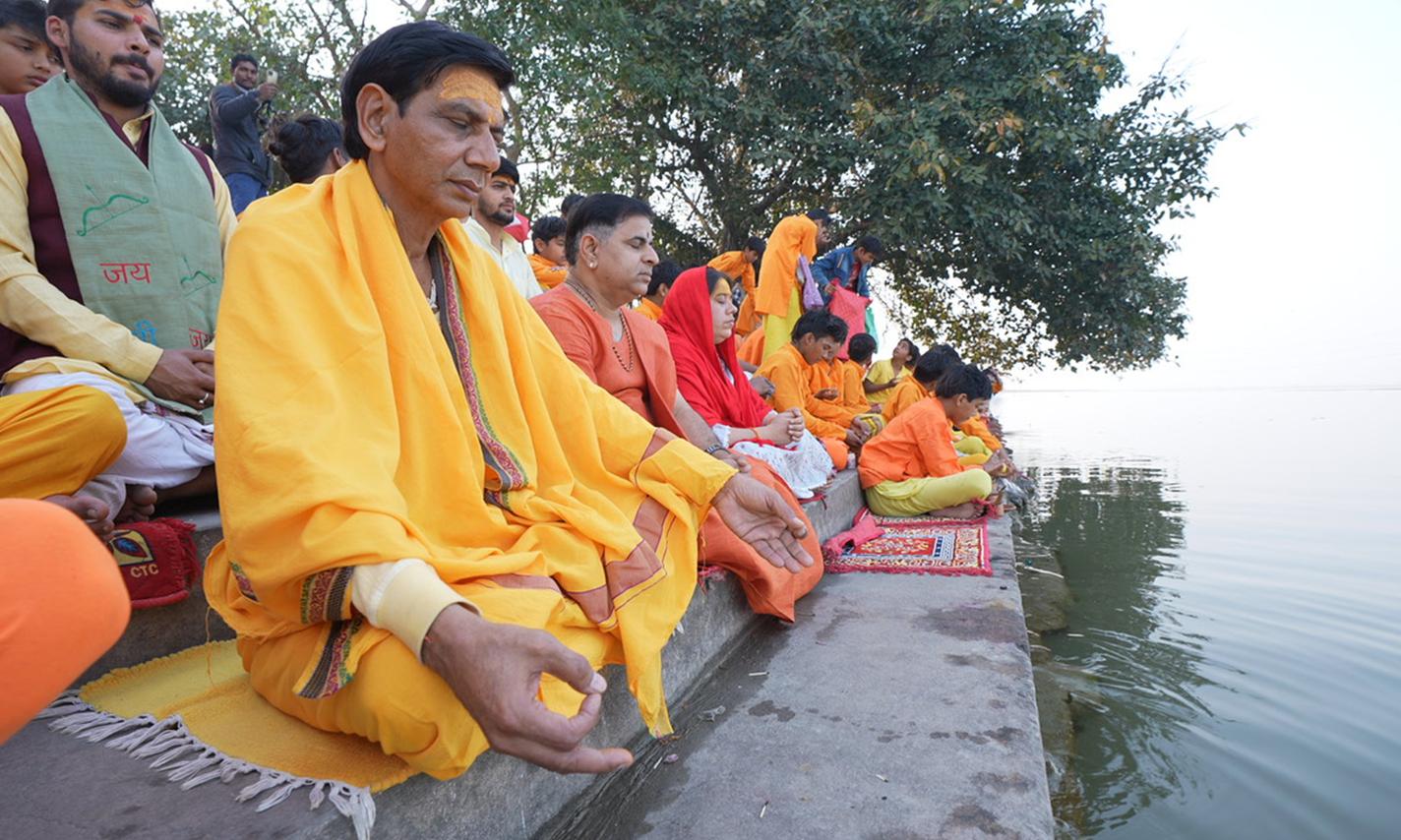
For more than 120 years, the Narwar Dham Guru Parampara has preserved the authentic Vedic tradition of Rudrabhishek through disciplined Guru-Shishya transmission. Every ritual is performed according to scriptural procedures by learned Acharyas who uphold the sanctity of the lineage. Each Sankalp is taken individually with the devotee's name and gotra, ensuring that the worship remains personal rather than symbolic.
For the Guru Parampara, Rudrabhishek is not an event. It is a sacred responsibility passed down through generations.
Frequently Asked Questions
What is Rudrabhishek?
Rudrabhishek is a sacred Vedic ritual dedicated to Lord Shiva, in which the Shivling is ceremonially bathed while powerful mantras such as Shri Rudram and the Mahamrityunjaya Mantra are chanted.
What are the benefits of Rudrabhishek?
The primary benefits include spiritual growth, inner peace, deeper Shiva Bhakti, mental clarity, family well-being and an opportunity to offer heartfelt prayers through a sacred Vedic tradition.
Can Rudrabhishek be performed online?
Yes. When performed by learned Acharyas following authentic Vedic procedures and with the devotee's name and gotra included in the Sankalp, devotees can meaningfully participate even from their homes.
Why is name and gotra included in the Sankalp?
Including the devotee's name and gotra personalises the ritual, ensuring that the prayers and Sankalp are offered specifically on behalf of that individual and their family.
Is Rudrabhishek performed only during Sawan?
No. Rudrabhishek can be performed throughout the year. However, Sawan and Mahashivratri are considered especially auspicious for Lord Shiva's worship.
From Faith to Sadhana
Understanding the significance of Rudrabhishek is only the first step. Its true power is experienced through participation.
This Sawan, become a part of the Sawan Maha Rudrabhishek performed in the 120-year-old Narwar Dham Guru Parampara. Our learned Acharyas will perform the complete Vedic ritual in your name and gotra, offering prayers for your peace, health, prosperity and spiritual progress.
Offer your Sankalp today and experience the timeless tradition of Rudrabhishek with faith and devotion.