The Full Kalpavriksha Argument: Why Thought Is More Powerful Than Petition
By SiddhiStar | Narwar Dham Parampara
15 May 2026 • 5 min read
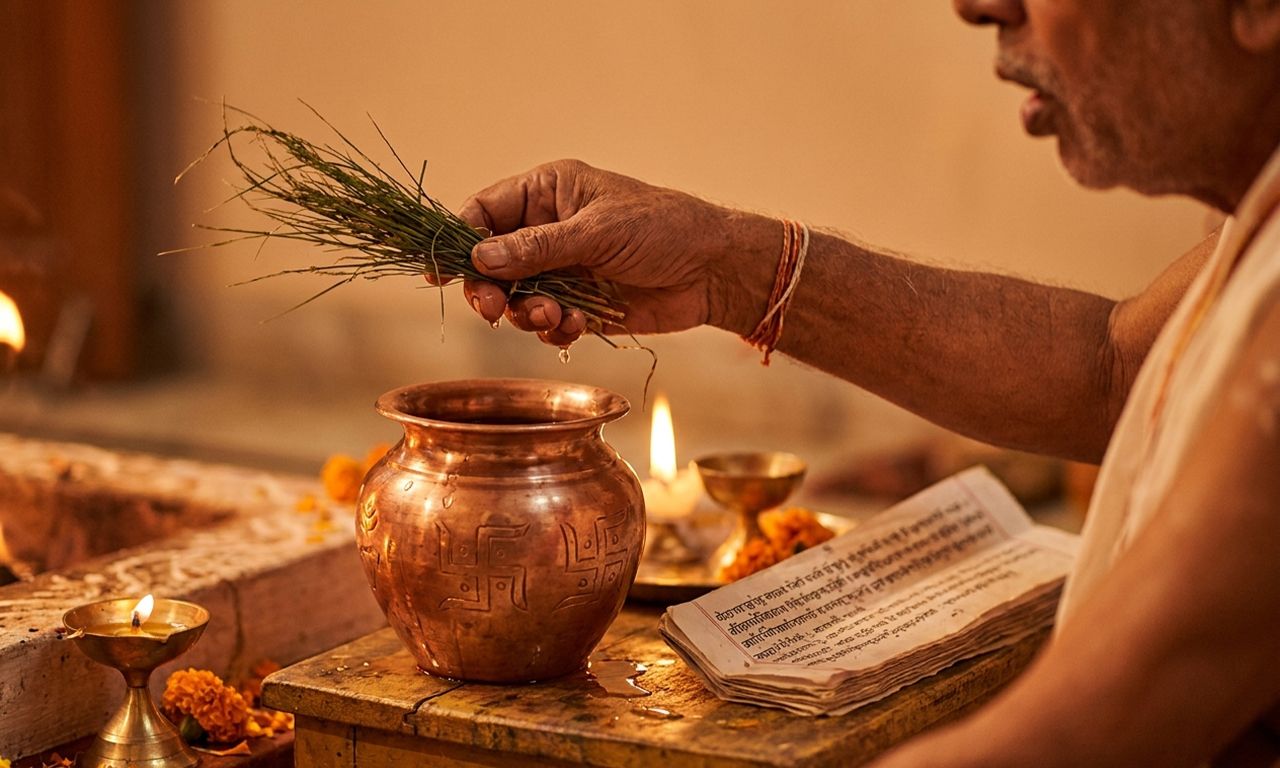
The traditional comparison of Maa Baglamukhi to the Kalpavriksha - the wishing tree - is well known. Less well known is the precise theological argument behind why this comparison applies. The pandits at Narwar Dham articulate it in a way that changes how a baglamukhi puja Sankalp is understood.
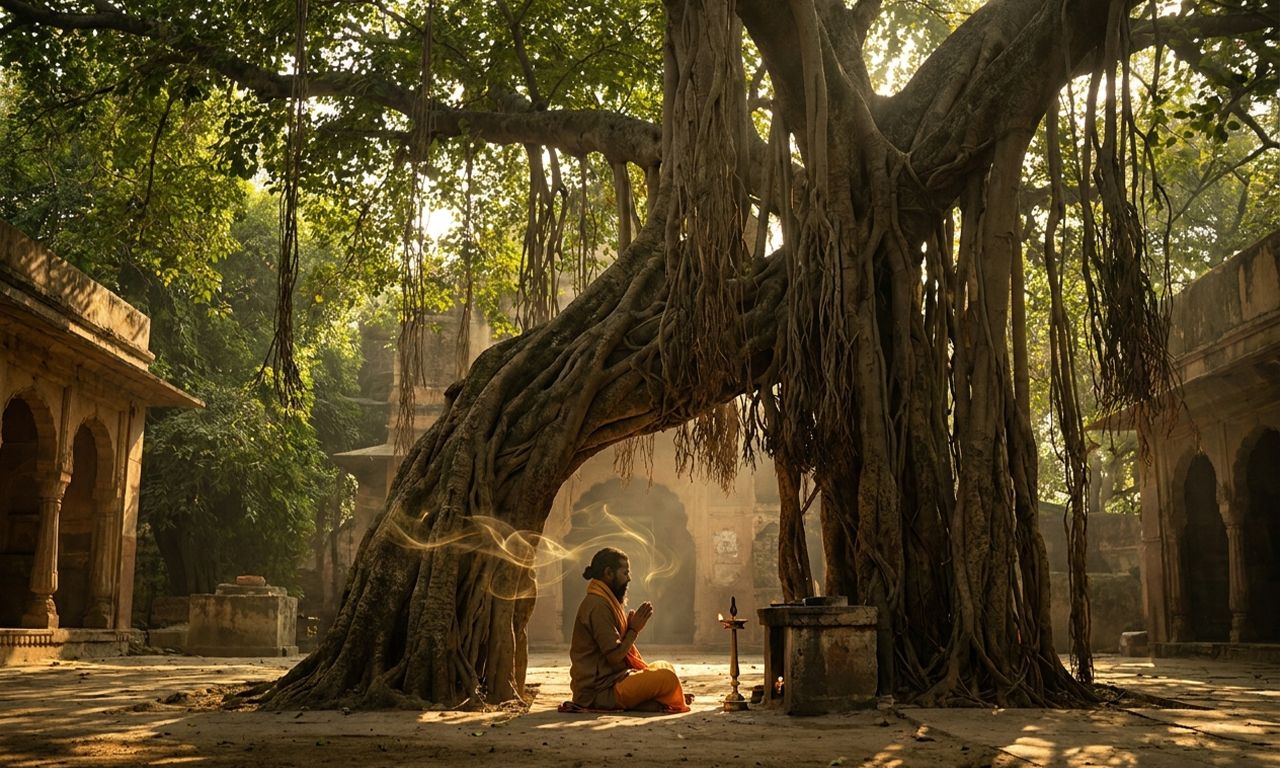
The Kalpavriksha, in the original framing, responds not to the spoken wish but to the underlying thought. The wish is the tip of an iceberg. The thought beneath it is the actual structure that the tree is recognising. Baglamukhi mata works the same way.
Why Thought Outweighs Petition
When you petition a deity, you have already constructed the wish in language. Language compresses. The wish gets reduced to what is sayable. But the actual situation, the actual need, the actual longing - these often exceed what language can hold.
Baglamukhi's power, when she operates as Kalpavriksha, addresses what was beneath the spoken wish - not the wish itself. She bypasses the language compression. She addresses the situation as it actually is.
What This Means for Your Sankalp
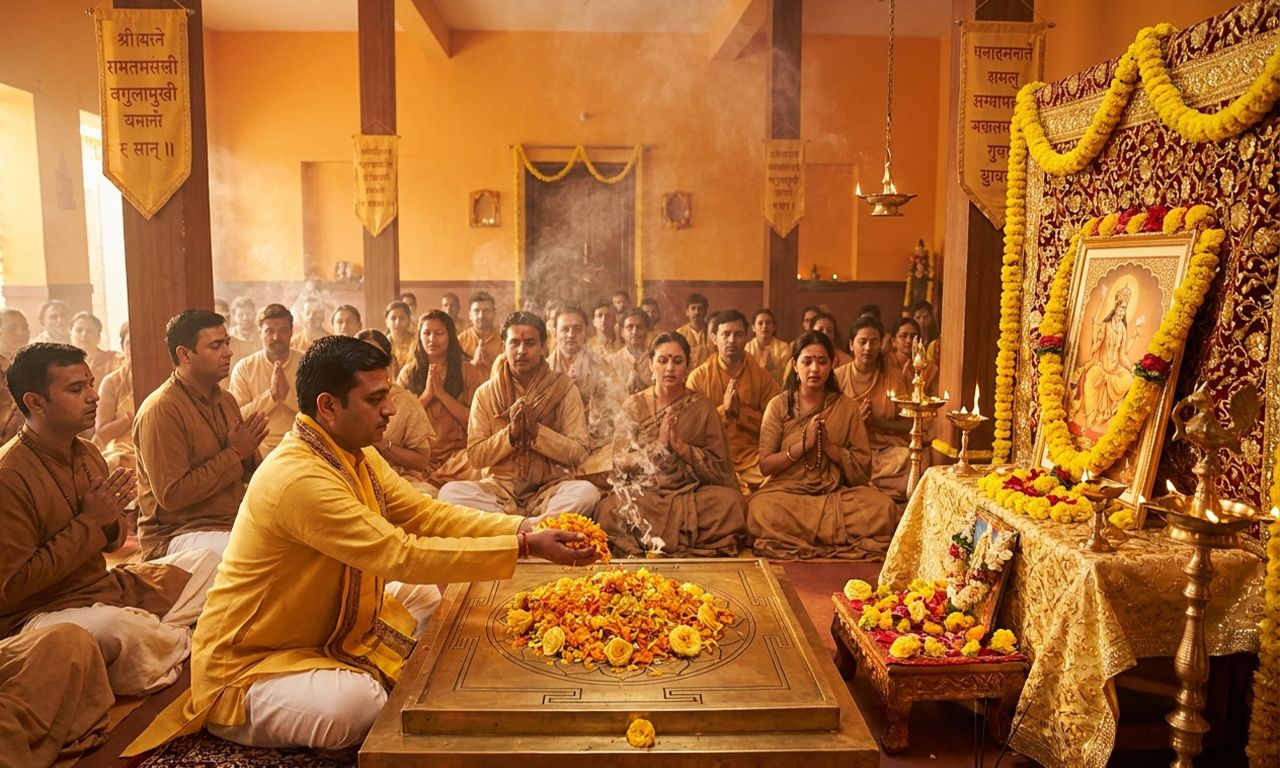
When the sankalp mantra is being spoken in your name during a SiddhiStar baglamukhi ceremony, you may worry that the kamna stated in your registration is too brief, or too vague, or too poorly articulated. The Vedic understanding is the opposite: the more spacious your stated intention, the more Maa Baglamukhi can do with it.
Specifying every detail of what you want collapses the field of what she can address. Naming the underlying need and leaving the form open invites her to find the form.
What This Means in Practice
When you book your baglamukhi puja, your kamna can be: I need help with this situation. Not: please grant me X by date Y in form Z. The former invites the goddess. The latter constrains her.
Book a Baglamukhi puja with an open Sankalp.