The Complete Baglamukhi Puja Vidhi: Step by Step from Narwar Dham
By SiddhiStar | Narwar Dham Parampara
15 May 2026 • 7 min read
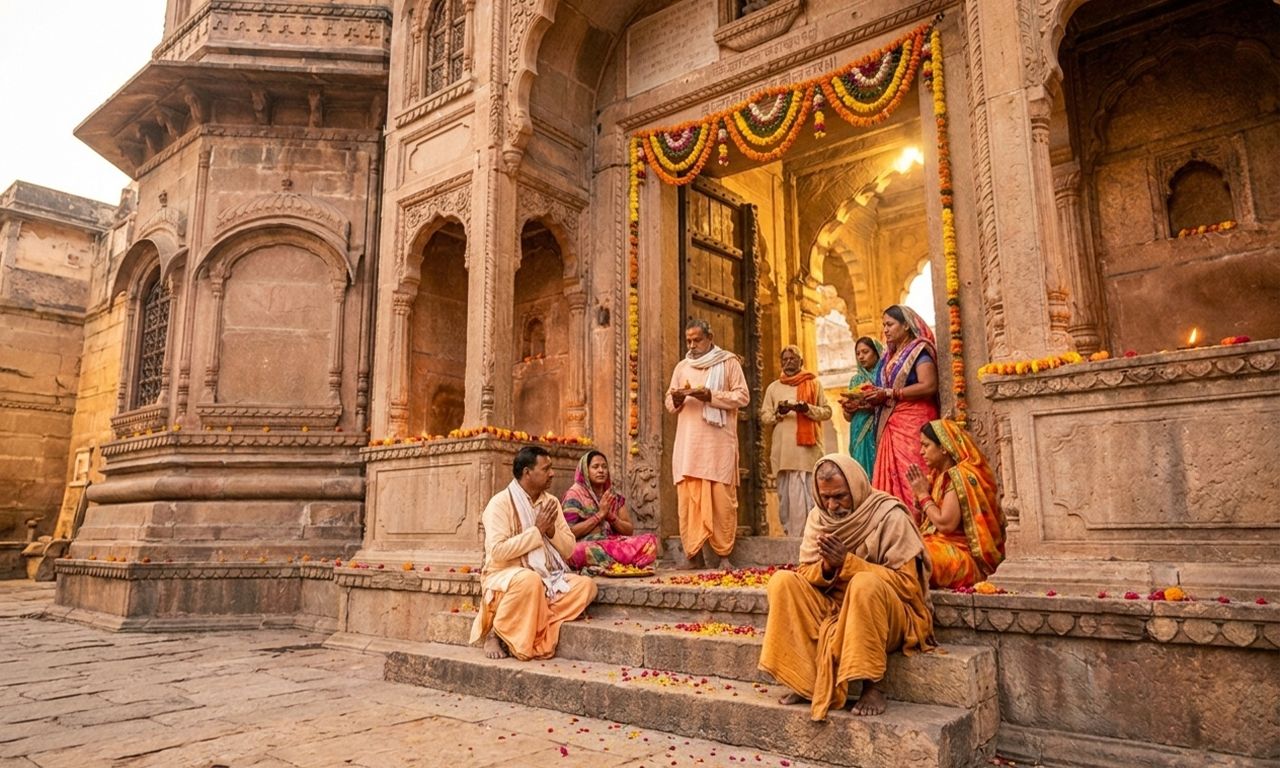
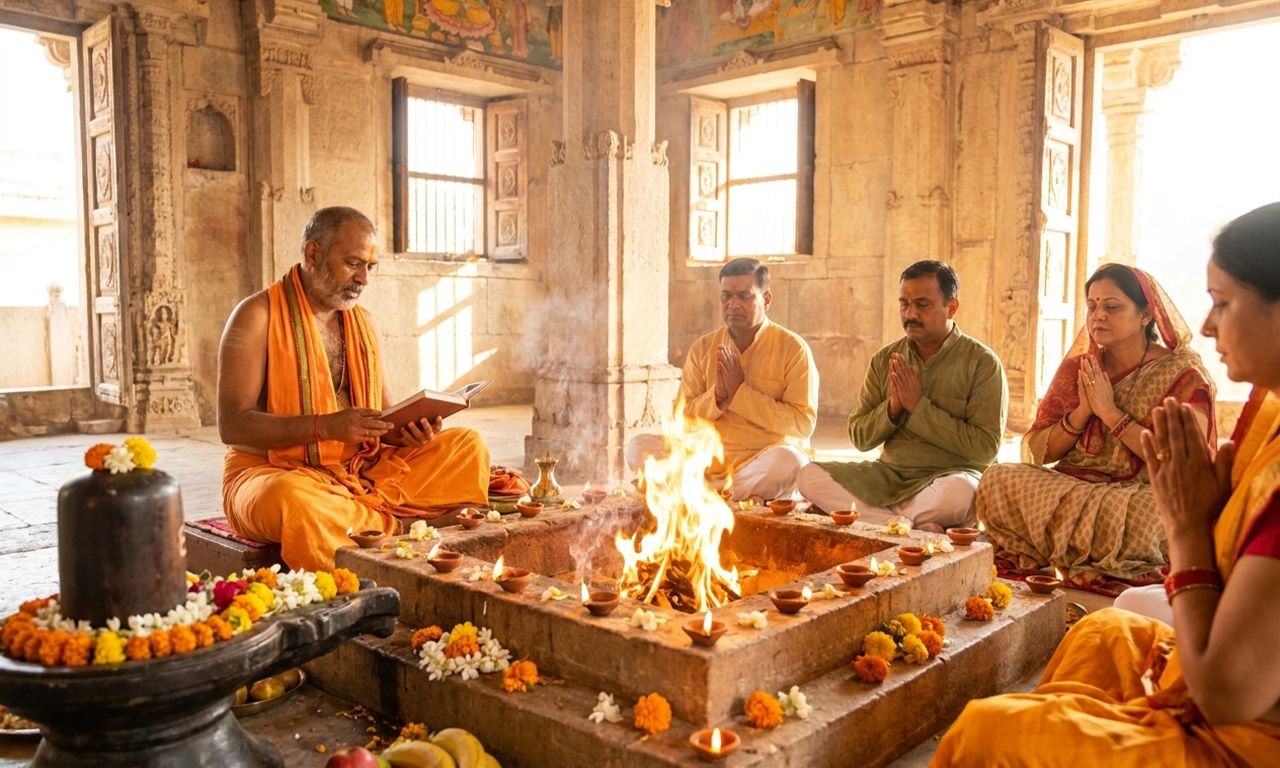
A complete Baglamukhi puja is not a single act. It is a sequence - twelve to sixteen distinct stages, each one with its own mantras, materials, and intention. The havan vidhi that sits at the centre of the ceremony is the peak, but the stages that lead up to it and the stages that follow are equally part of the baglamukhi puja vidhi.
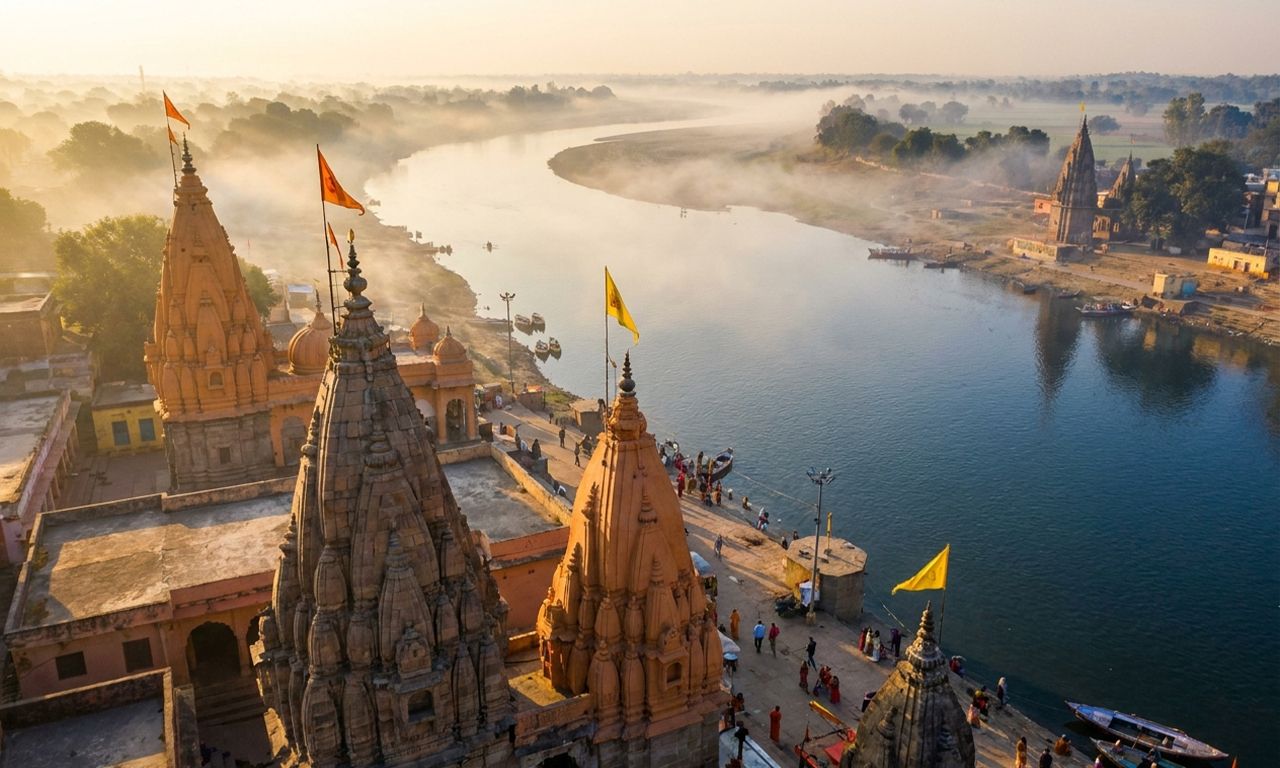
What follows is the complete sequence as it is conducted at Narwar Dham - the same standard SiddhiStar holds for every Baglamukhi ceremony, whether at home or live online.
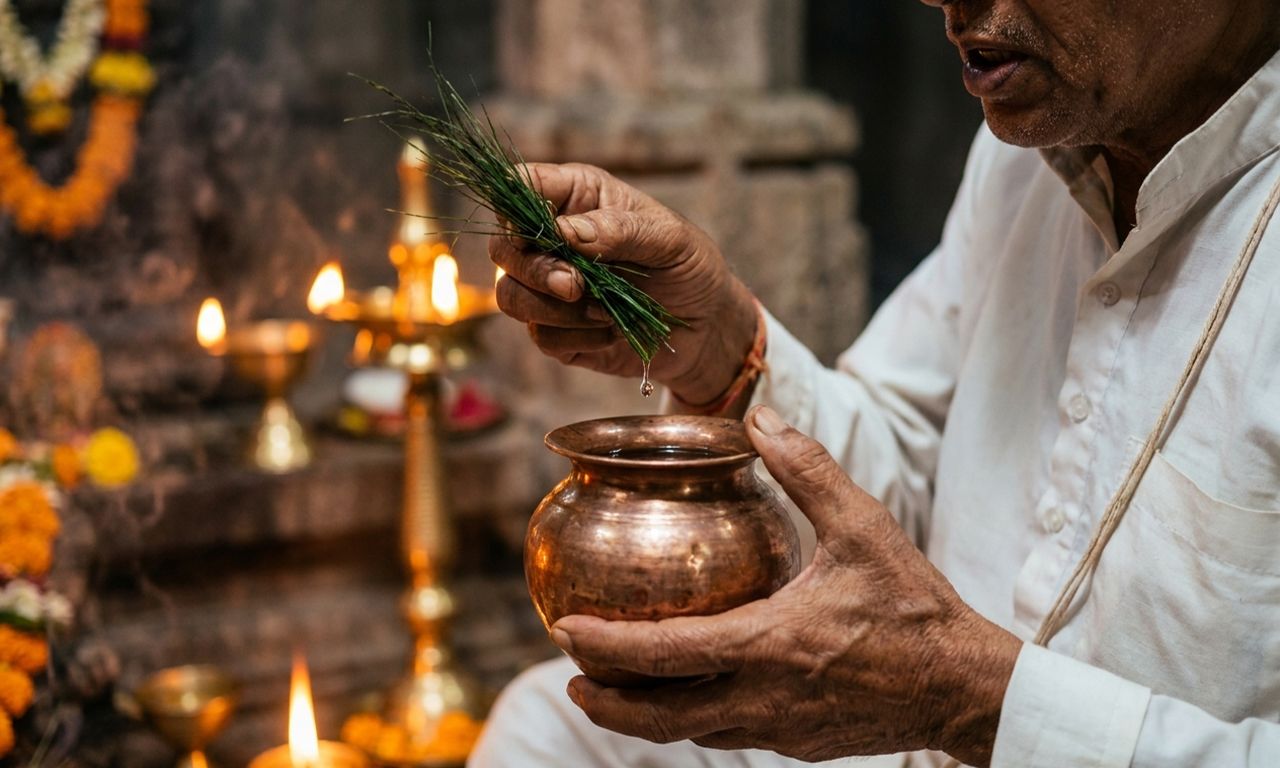
Pavitrikaran - The Purification
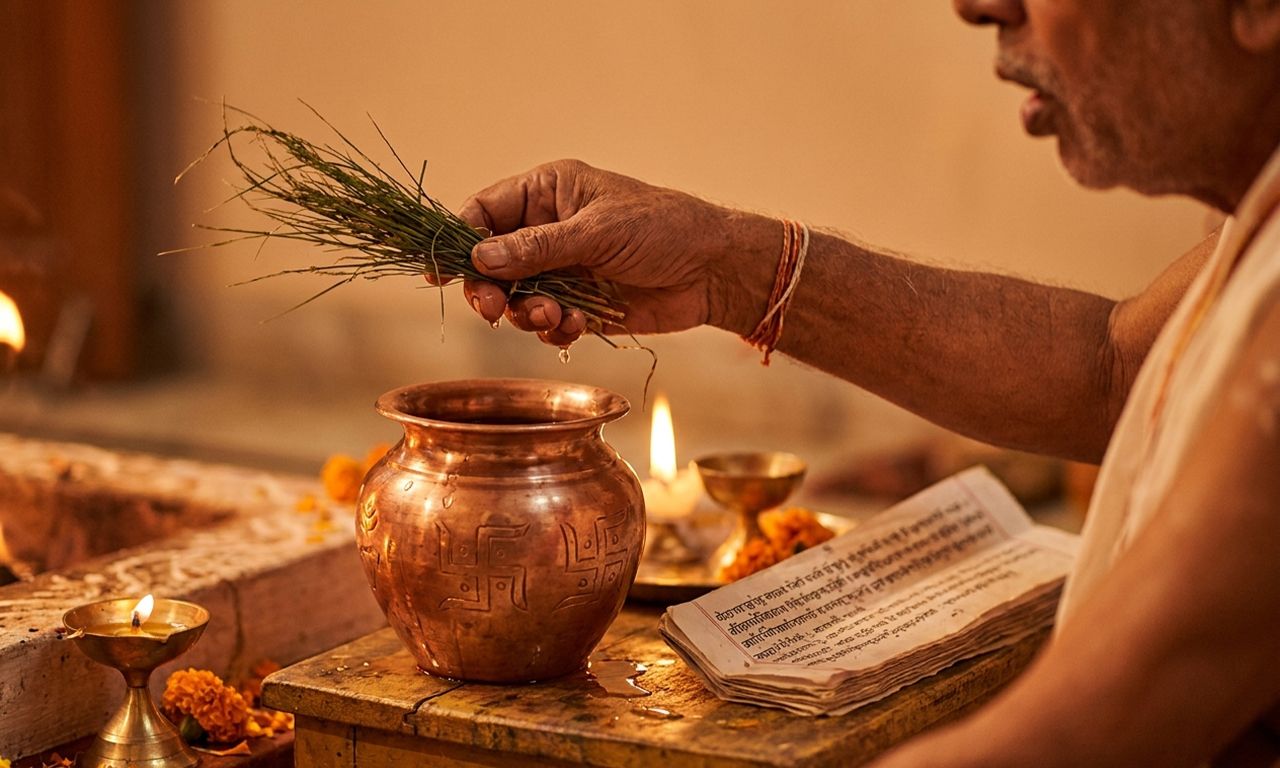
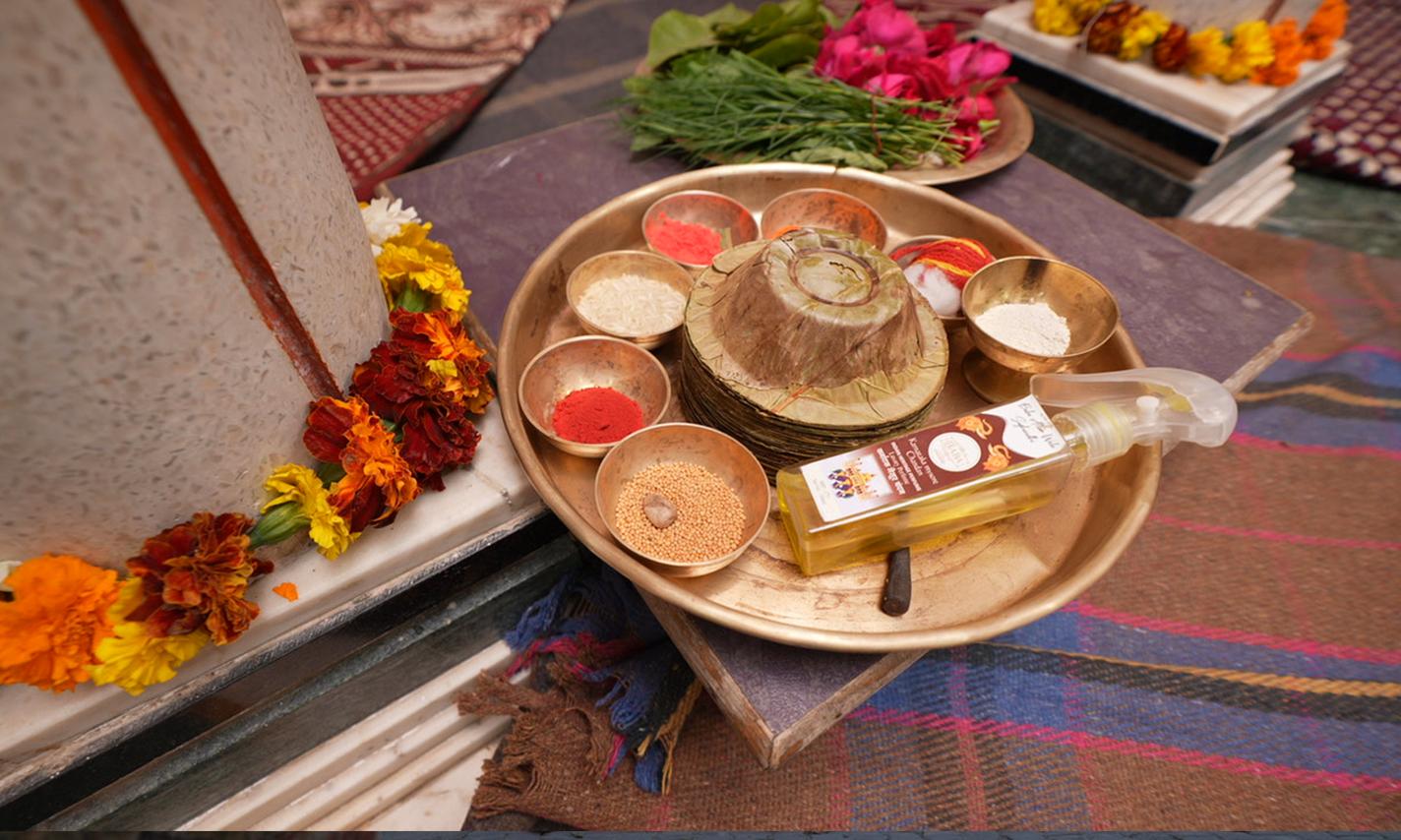
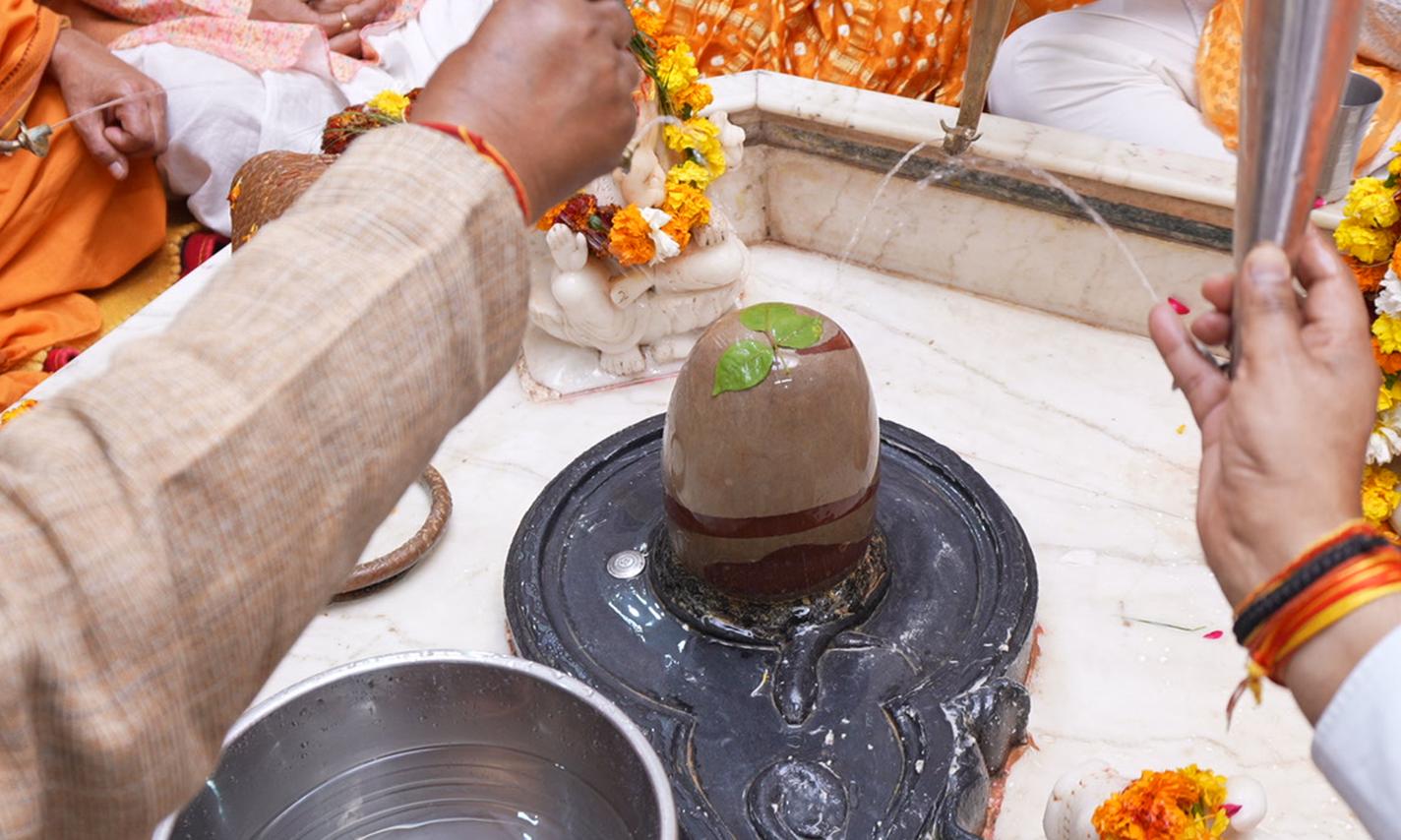
Every puja begins with purification of the space, the body, and the materials. Water sprinkled with specific mantras. The space is now ready to receive the goddess.
Achaman - The Three Sips
Three sips of water with the names of Vishnu spoken. The body itself becomes an offering before the Baglamukhi ceremony begins.
Sankalp - The Personal Declaration
Your name. Your gotra. Your city. Your specific intention. Spoken aloud before the goddess. This is what makes the puja yours.
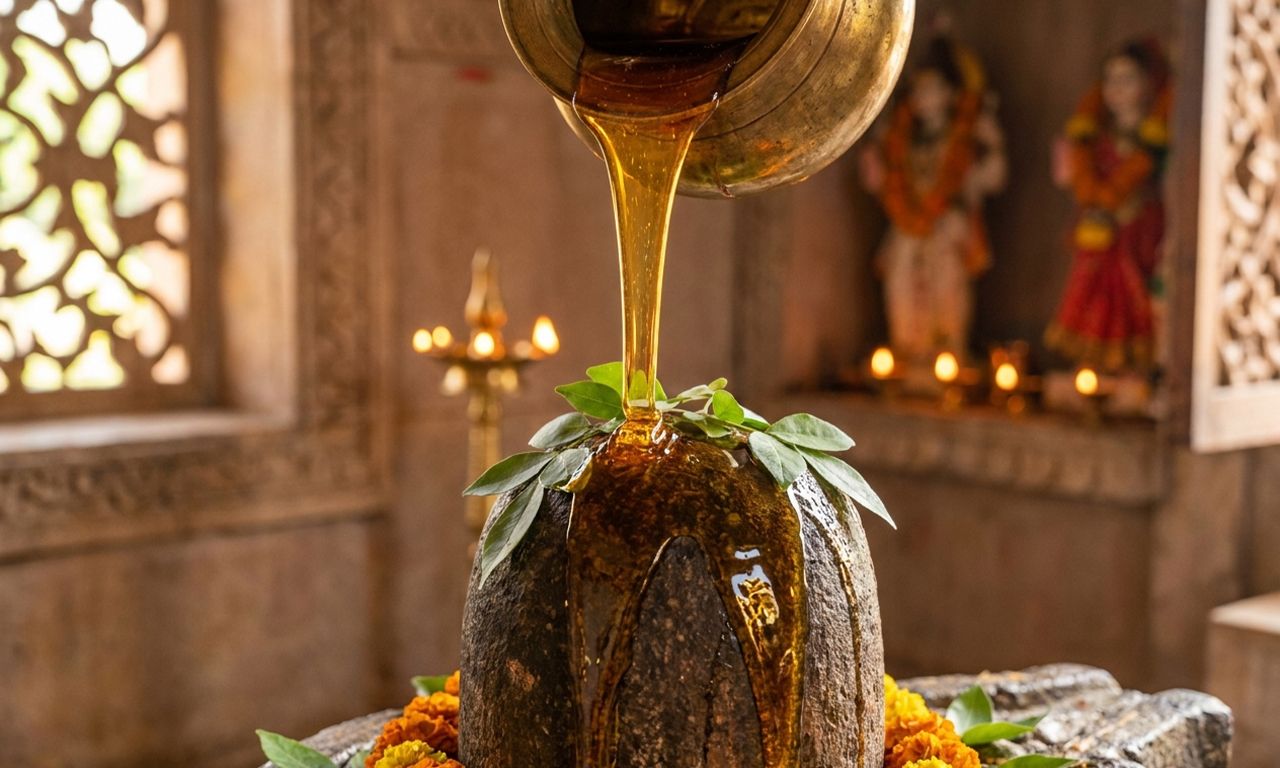
Mansik Pujan of Lord Shiva
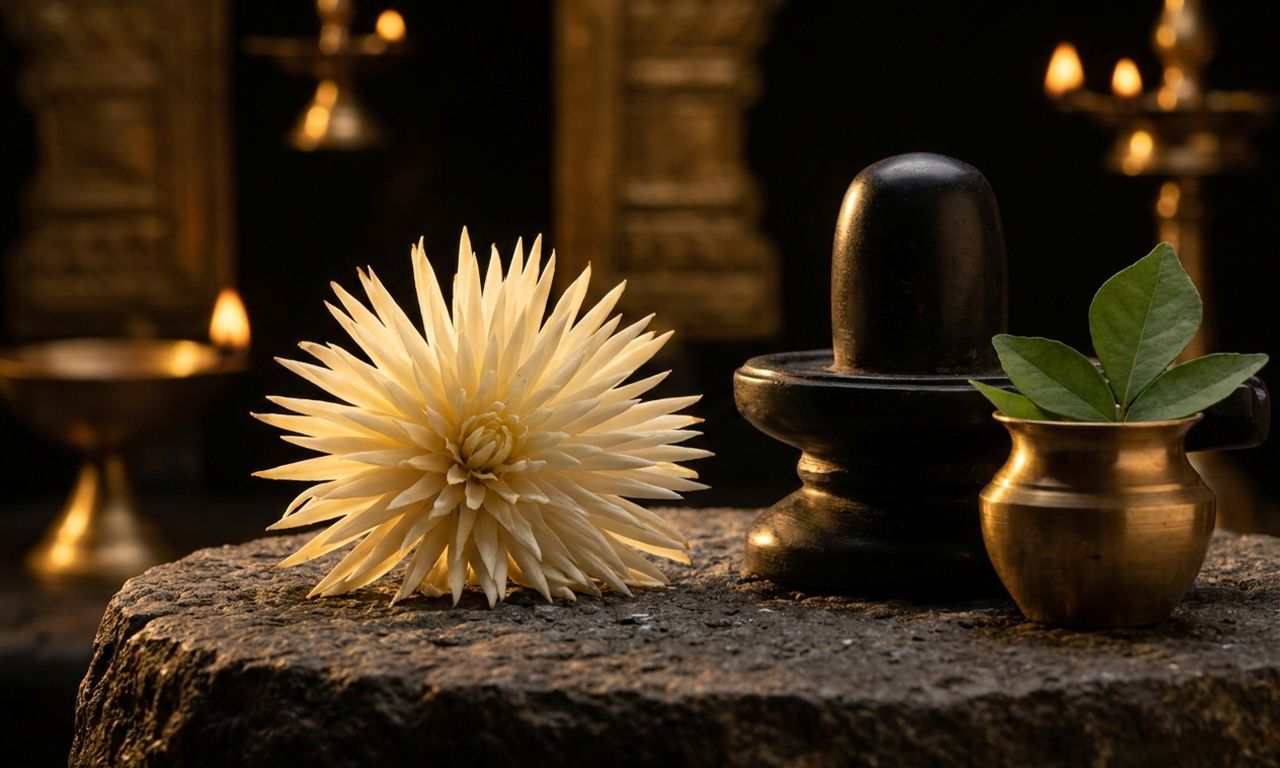
Every Baglamukhi puja begins with mental worship of Shiva - because Shiva is Baglamukhi's Bhairava (the guardian and consort form). Without invoking Shiva first, the baglamukhi mantra does not have its full settling. (See Article 21.)
Gauri Ganesh and Kalash Sthapana
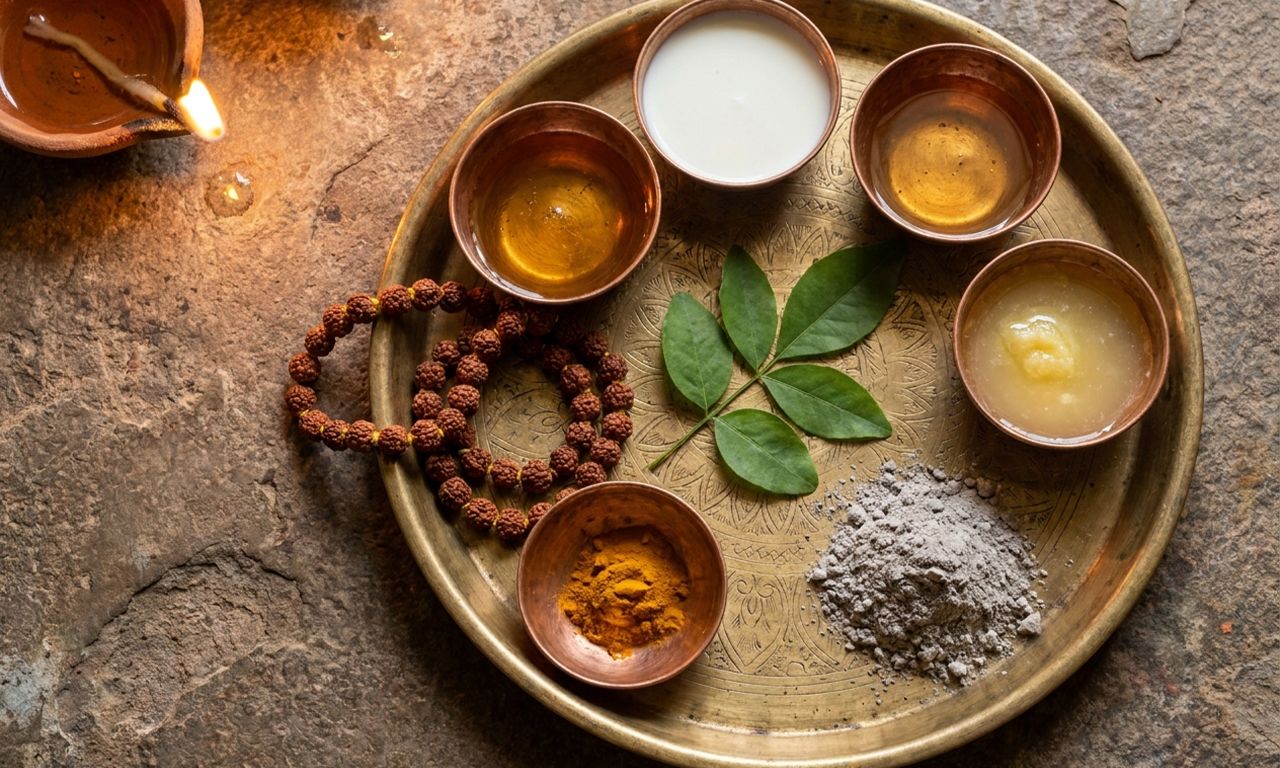
Ganesha first (as in every Hindu puja). Then the Kalash - the sacred pot - is established as the seat of all the deities being invoked. Water, mango leaves, coconut, yellow thread, turmeric.
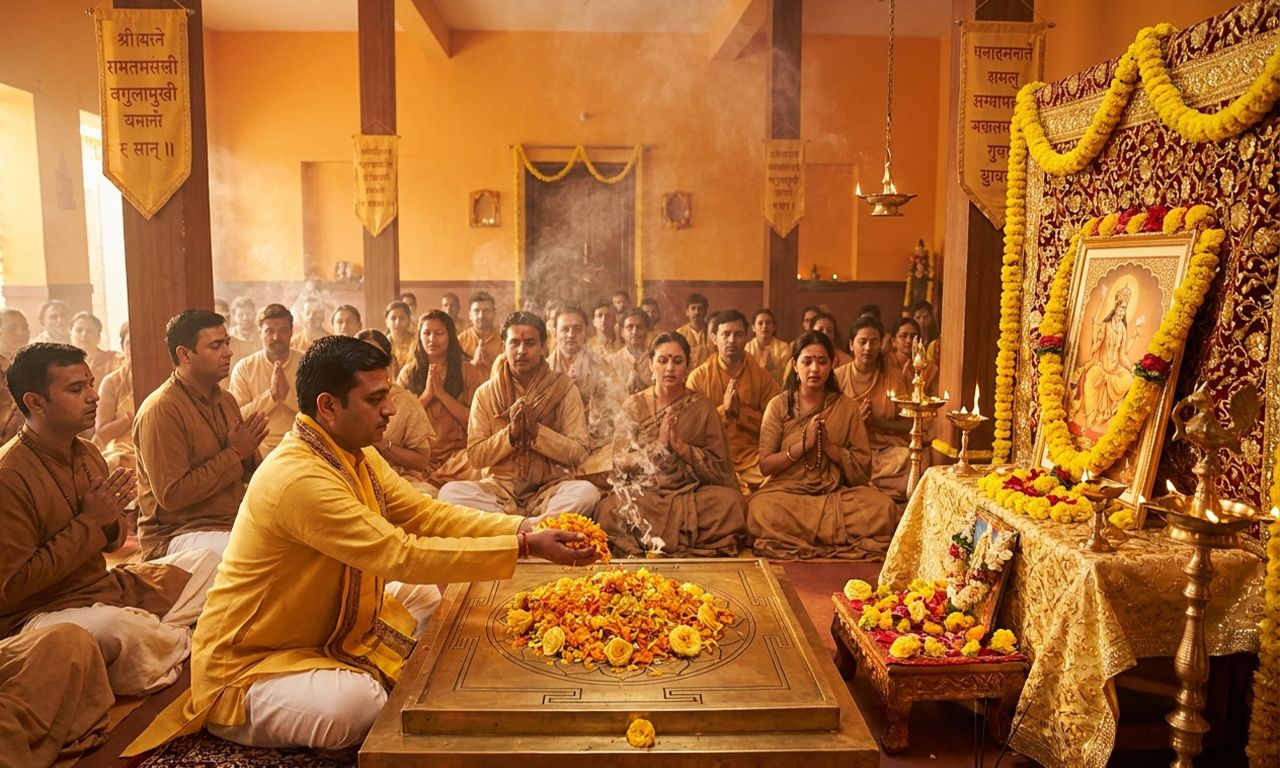
Yantra Sthapana
The Baglamukhi yantra - the geometric form of the goddess - is established. Yellow cloth beneath. Yellow flowers around. The mantra is recited as the yantra is placed.
Avahan and Upchar
The goddess is invoked into the yantra. The 16 Upchar offerings (see Article 2) follow in sequence.
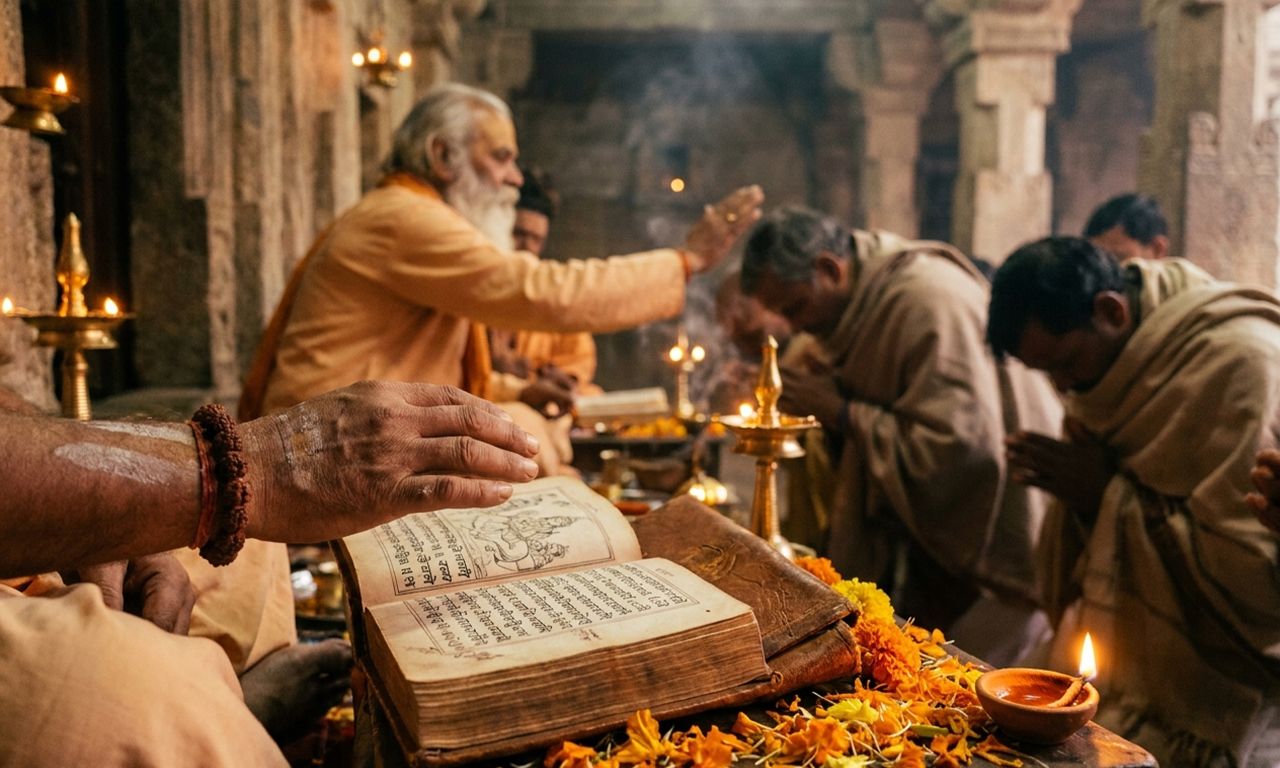
Mool Mantra Jaap
The Baglamukhi mool mantra is recited a specific number of times - minimum 108, often 1008 or more for major pujas. This is the heart of the ceremony.
108 Names of Baglamukhi
The 108 names of Baglamukhi - the Ashtottara Shatanamavali - are chanted with flower offerings to each name. (See Article 15.)
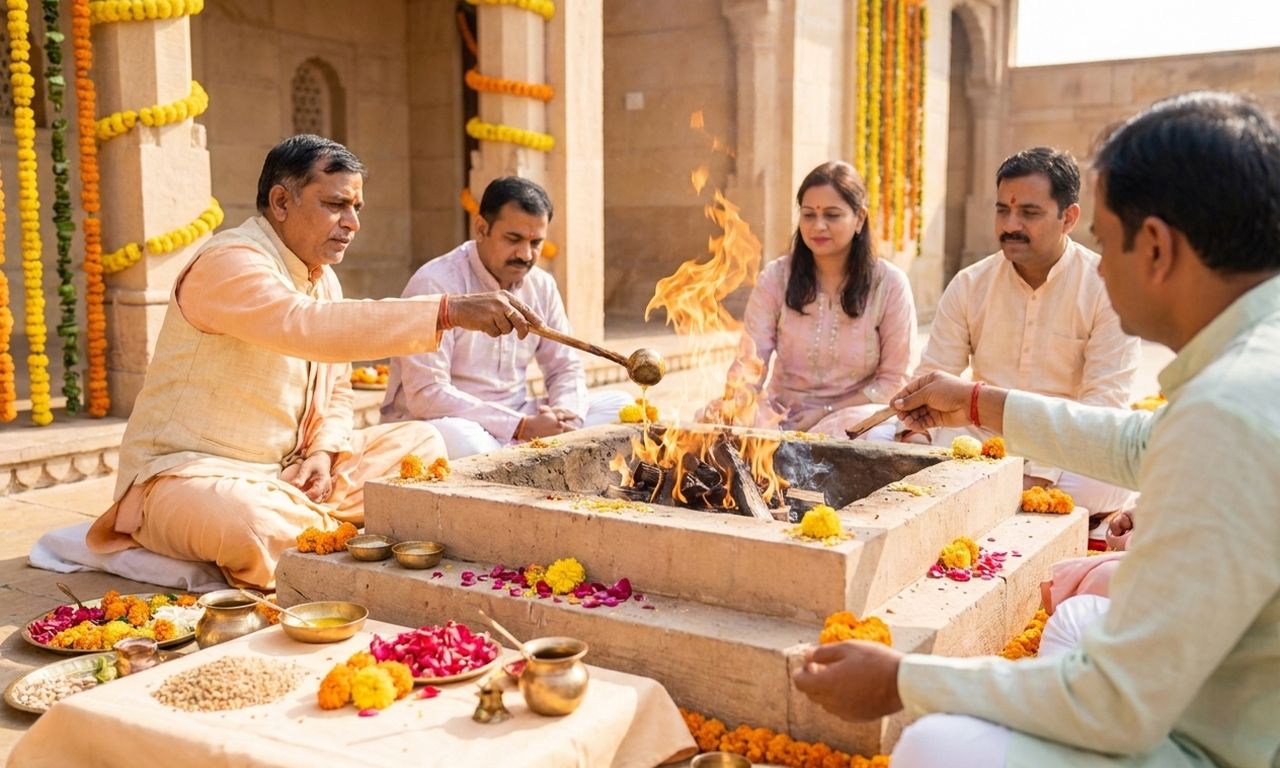
Havan - The Fire Ceremony
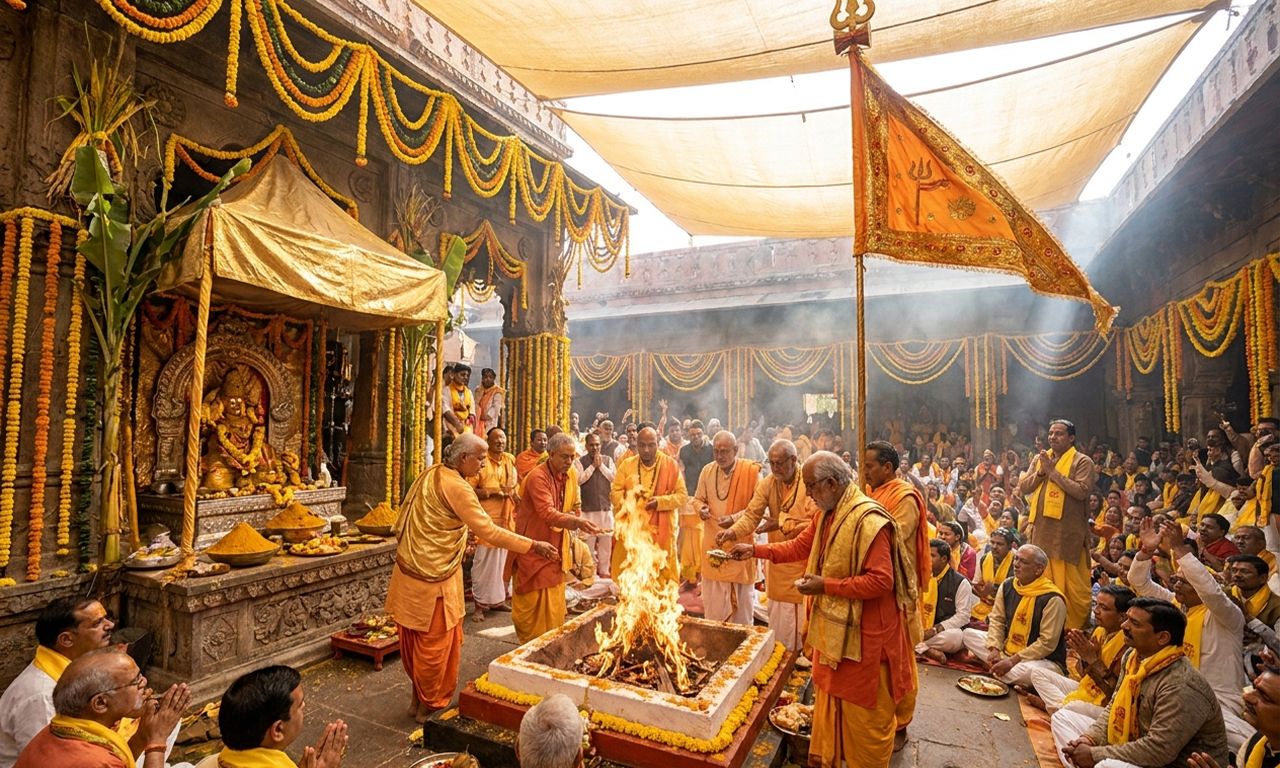
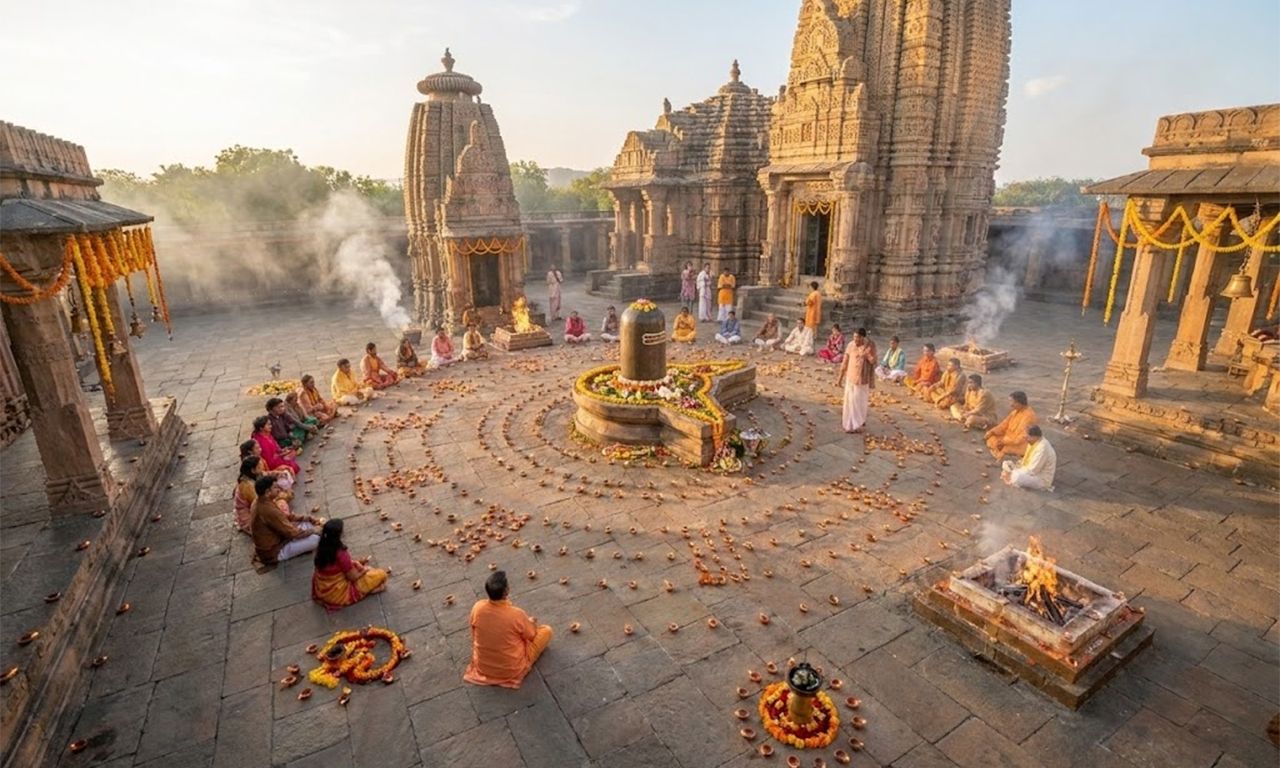
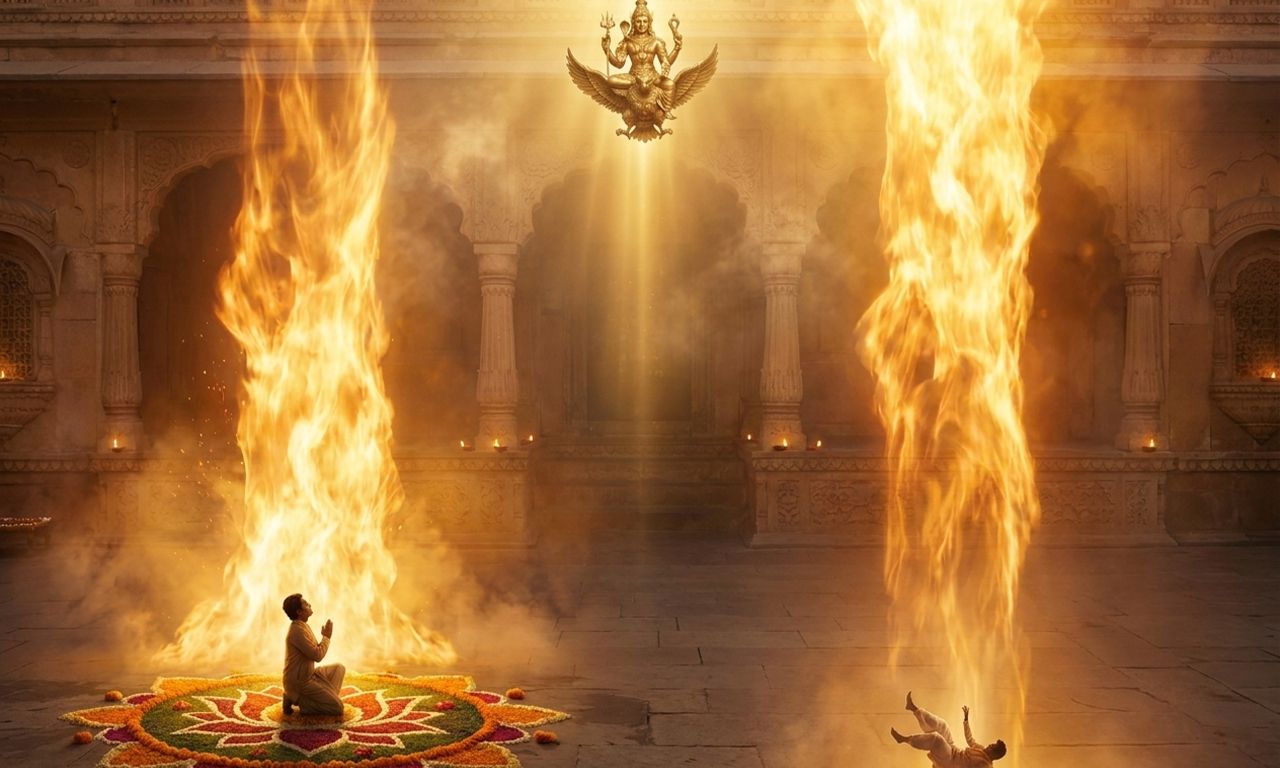
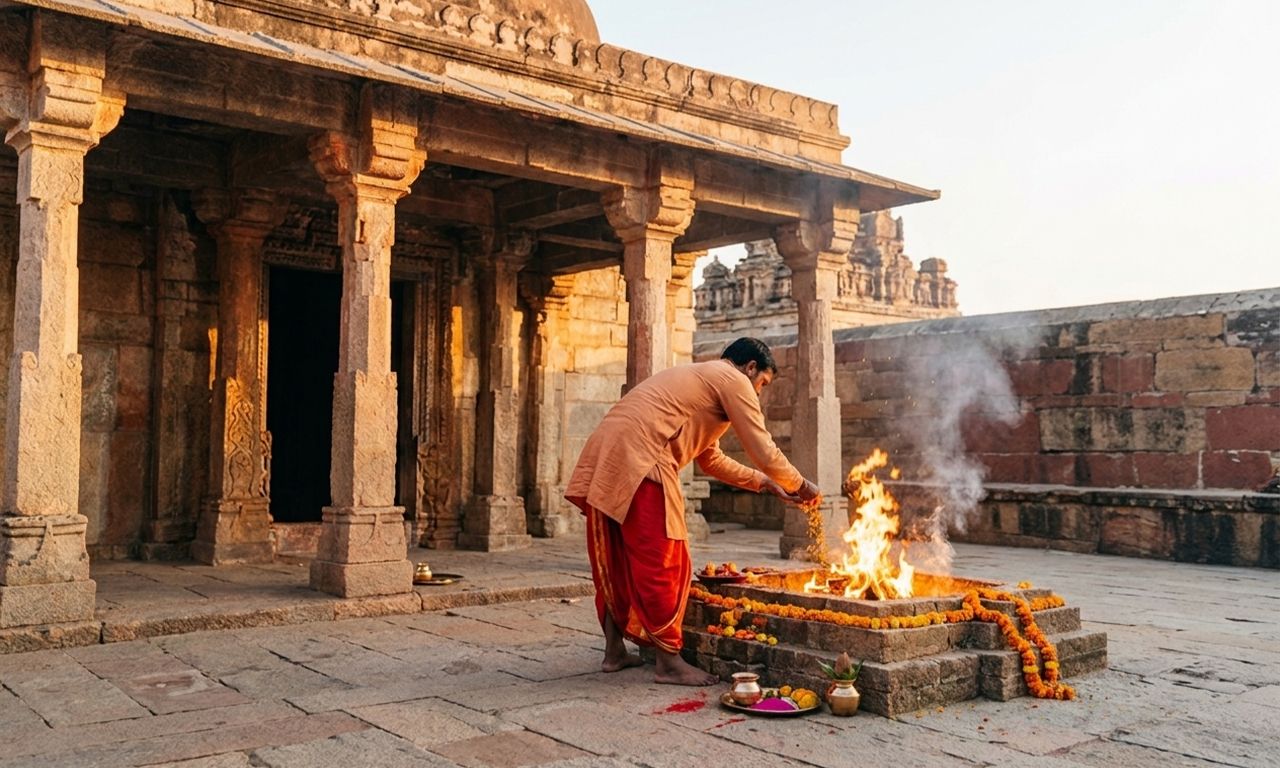
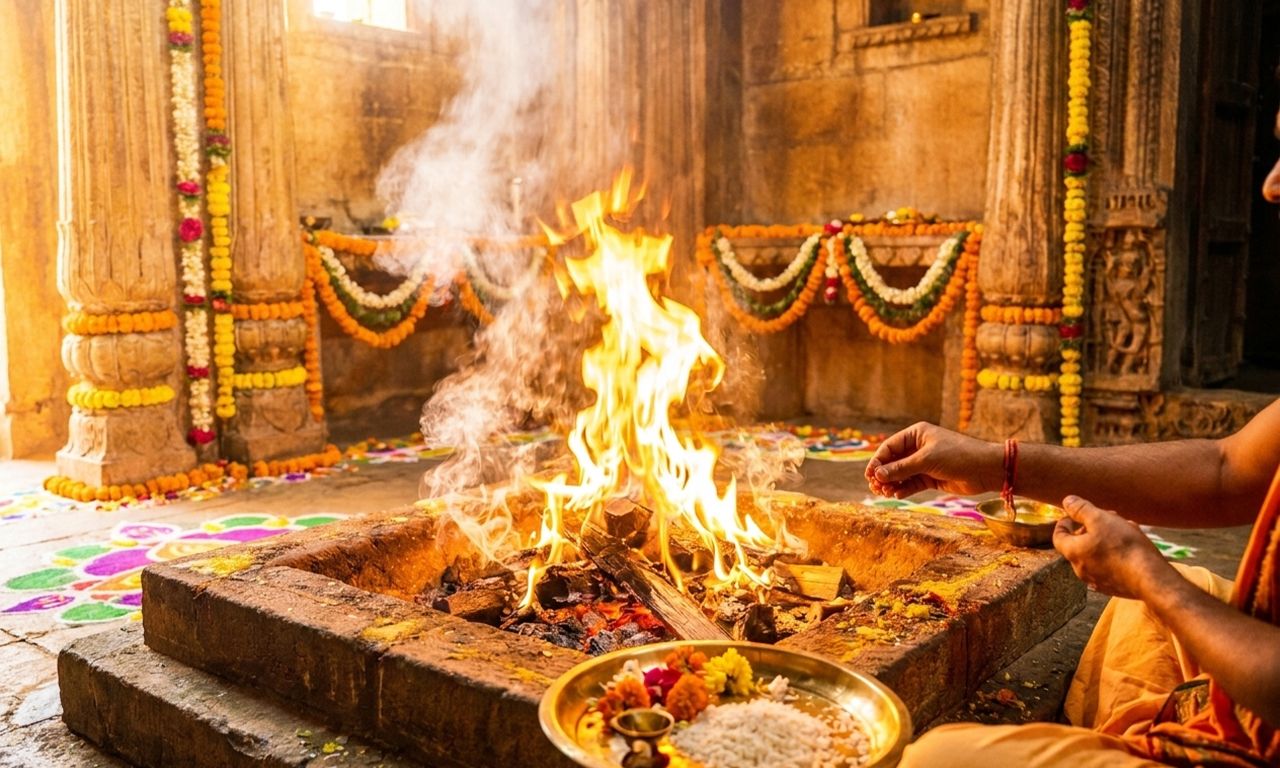
The baglamukhi havan is the peak. (See Article 4 for the full theology of the fire ceremony.) Ahuti are offered into the fire - yellow mustard seeds, til, ghee, dry fruits, herbs. The hawan samagri is specific to Baglamukhi and chosen for its Stambhan effect.
Purnahuti - The Final Offering
The complete final offering that brings the havan vidhi to its close.
Aarti, Pushpanjali, Visarjan
The lit lamp circulated before the goddess. The flower offering. And finally, the visarjan - the formal release of the deity from the yantra back into the cosmic form.
Kshama Prarthana - The Closing
The forgiveness prayer that ends every SiddhiStar Baglamukhi puja. (See Article 6.)
Why the Full Vidhi Matters
Compress the sequence and you change what the puja is doing. Skip the Upchar and the goddess is not properly received. Skip the baglamukhi havan and the heart of the ceremony is missing. Skip the Kshama Prarthana and the puja never properly closes.
Every SiddhiStar Baglamukhi puja contains all twelve stages, in the correct sequence, with the full mantras.
Book a complete Baglamukhi puja with full vidhi with SiddhiStar Online Puja service from Narwar Dham.