The Ashta Murti - The Eight Forms of Shiva Worshipped in Every SiddhiStar Rudrabhishek
By SiddhiStar | Narwar Dham Parampara
15 May 2026 • 5 min read
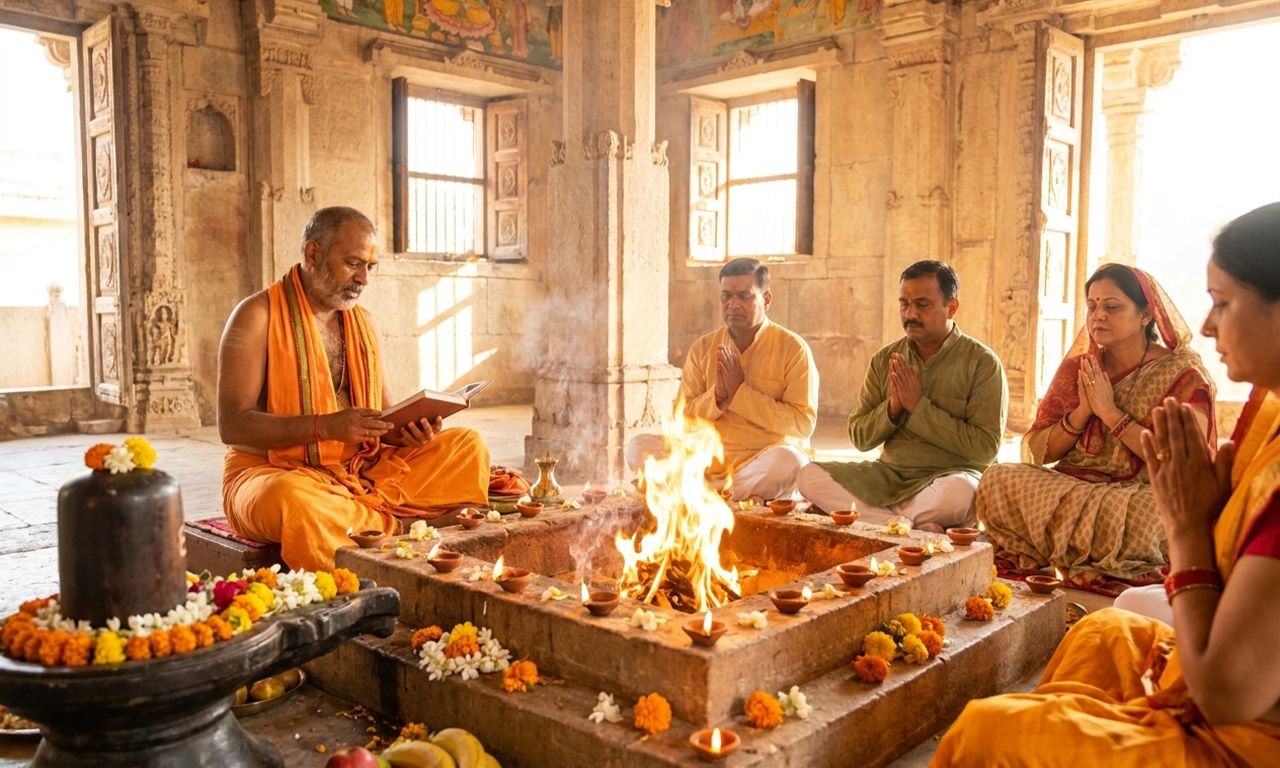
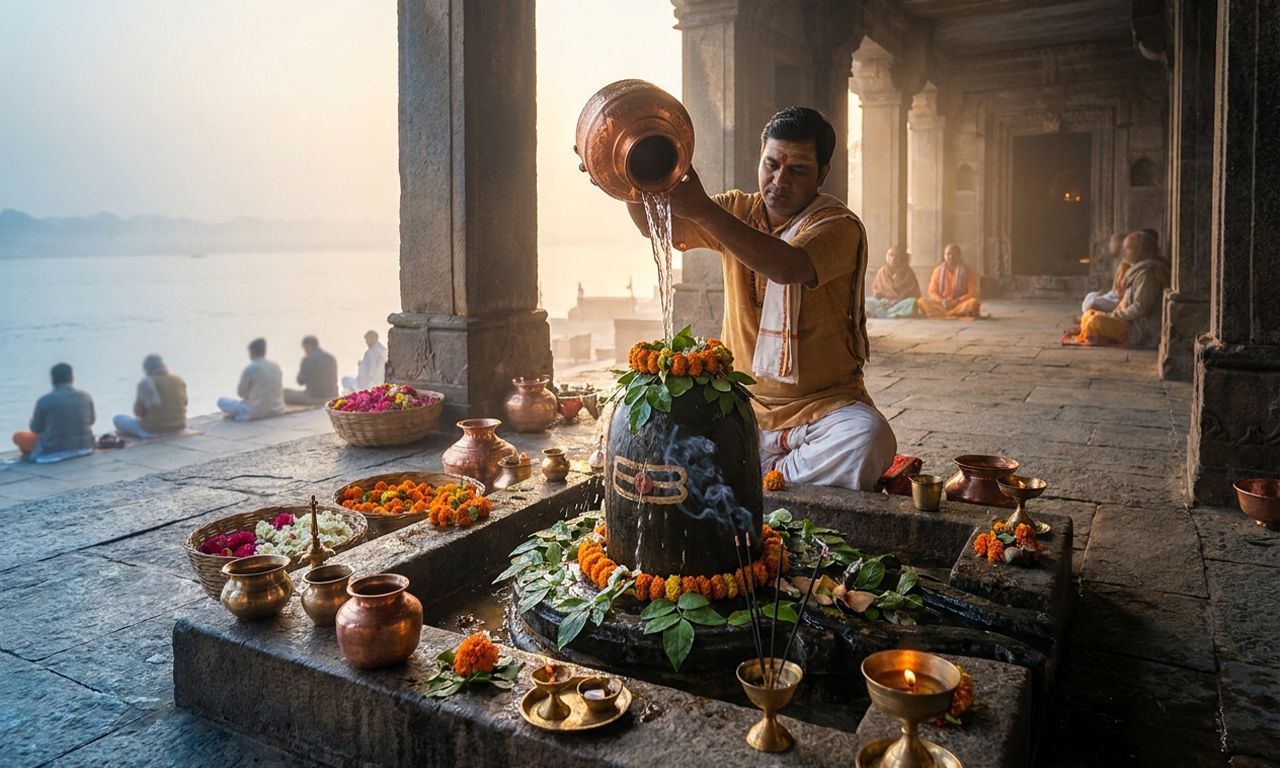
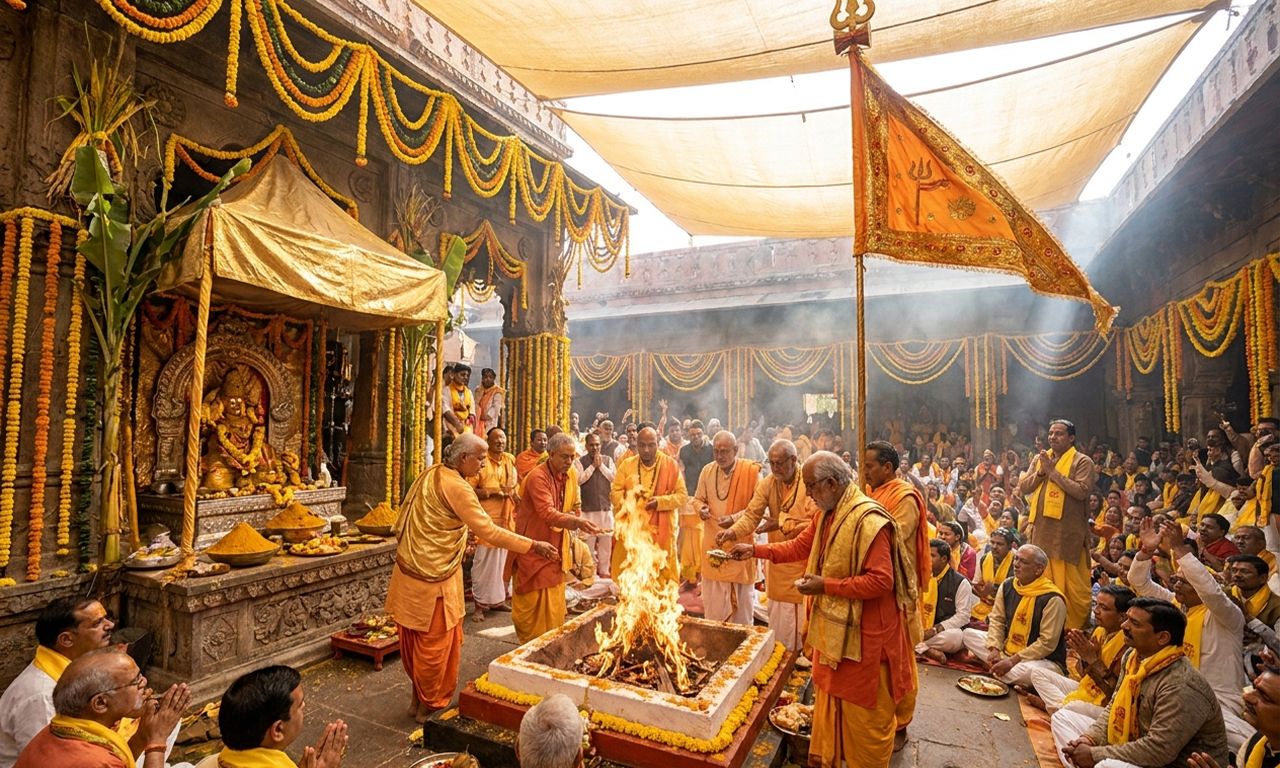
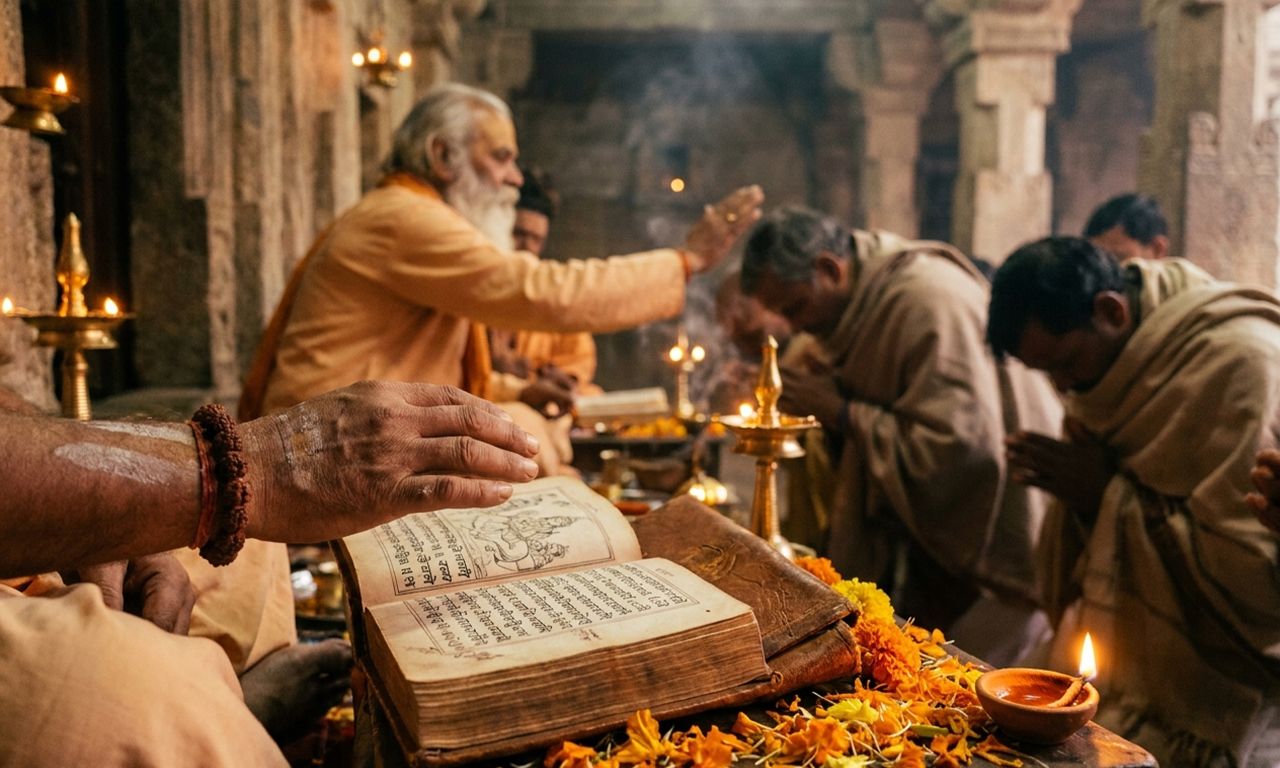
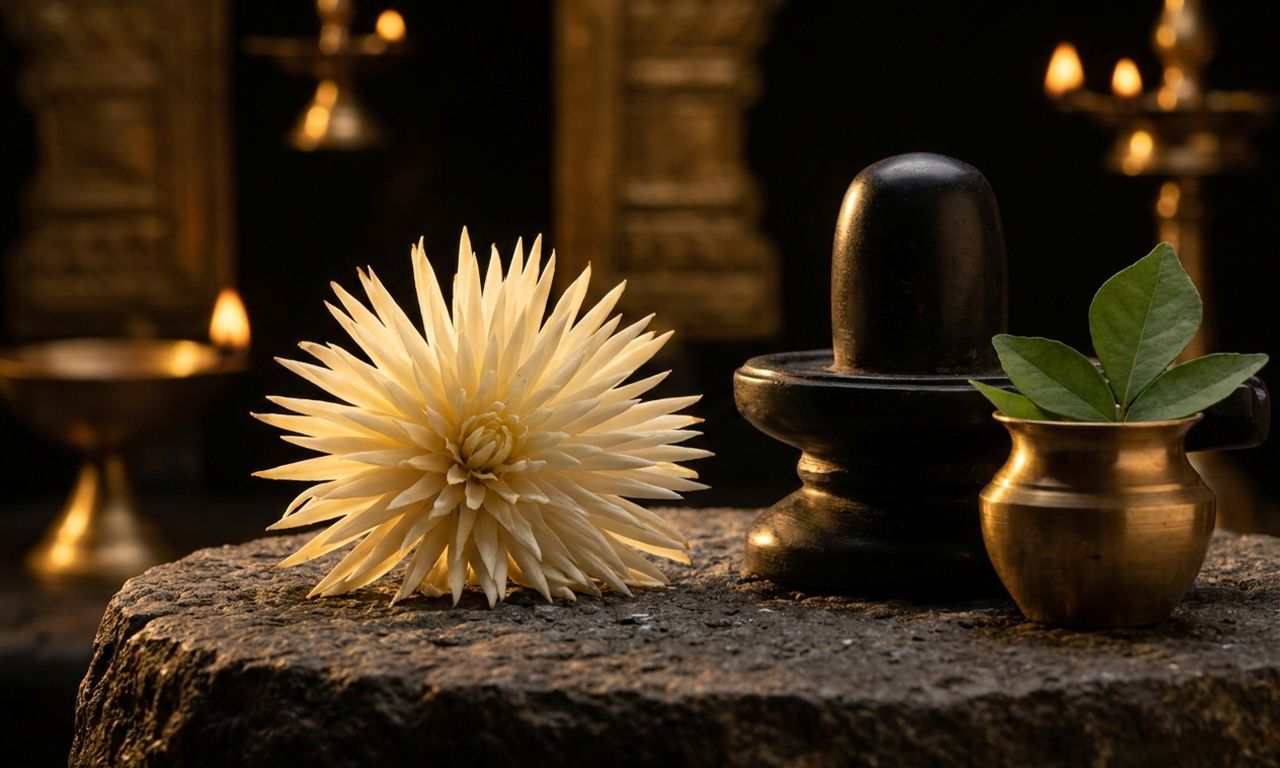
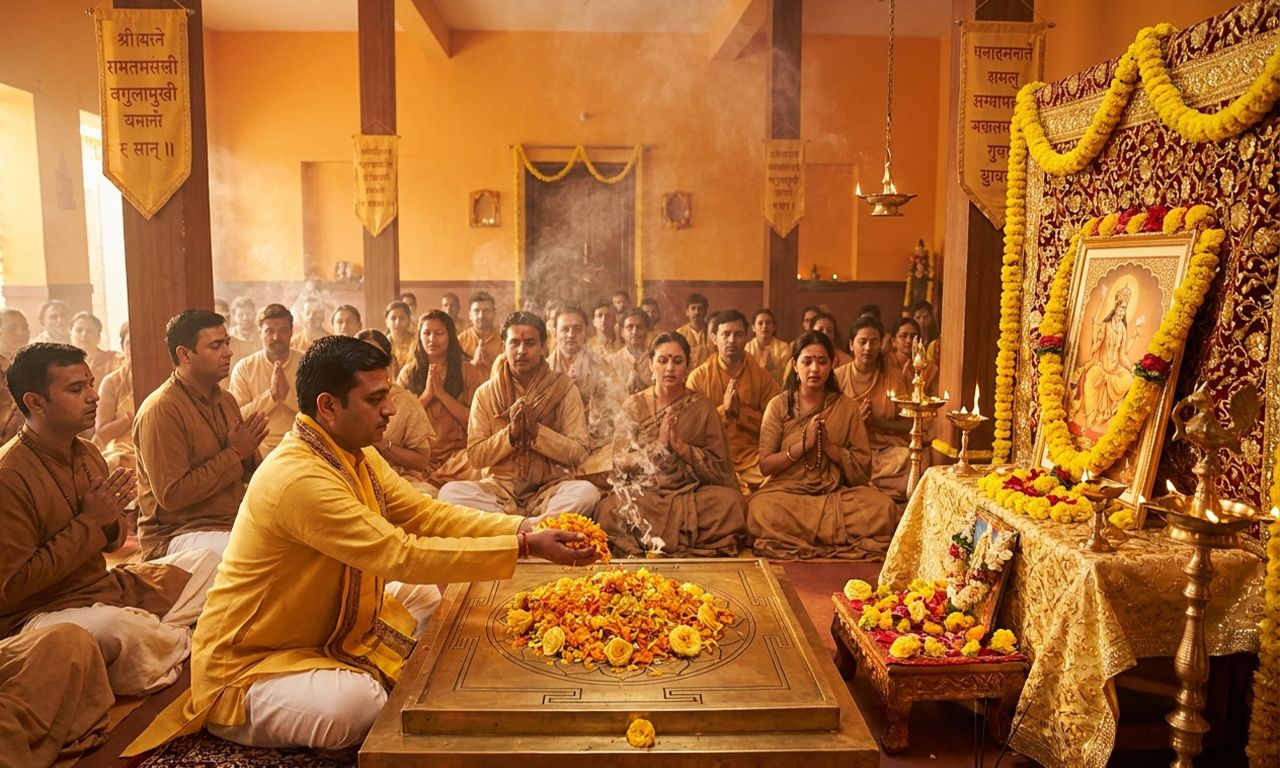
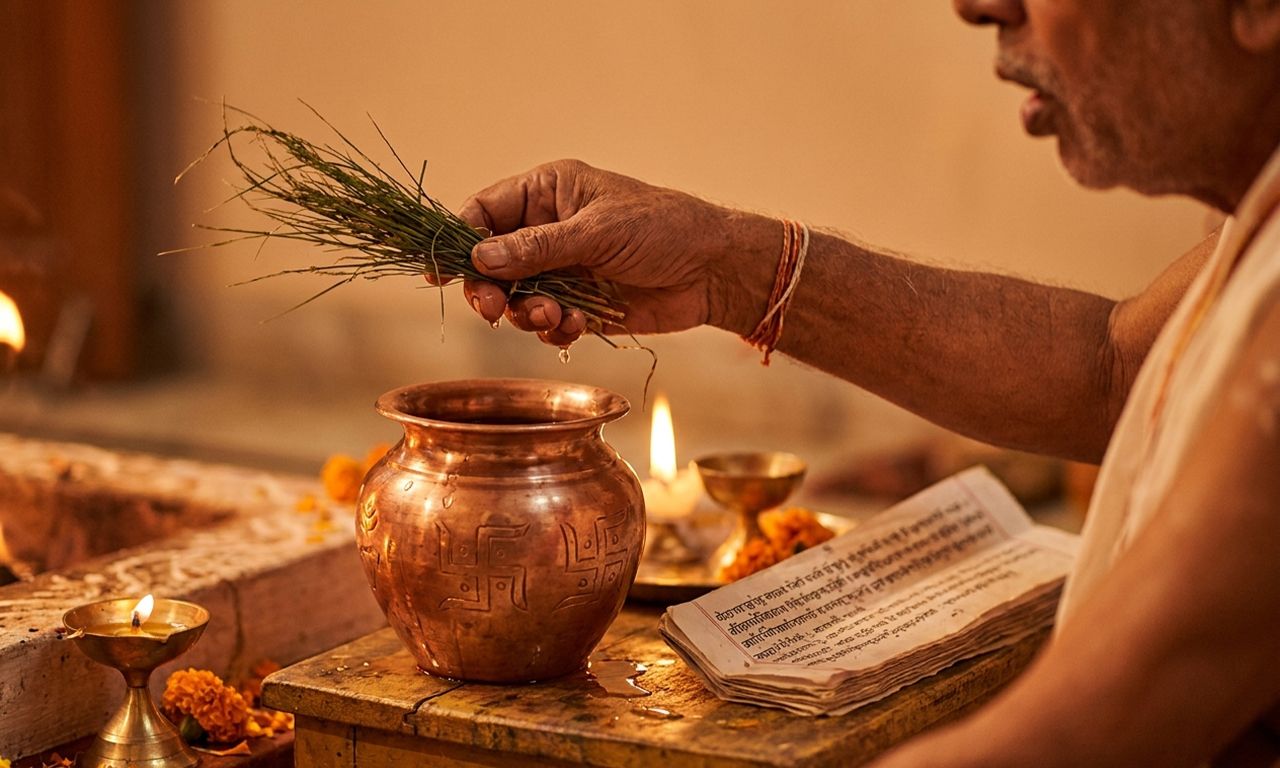
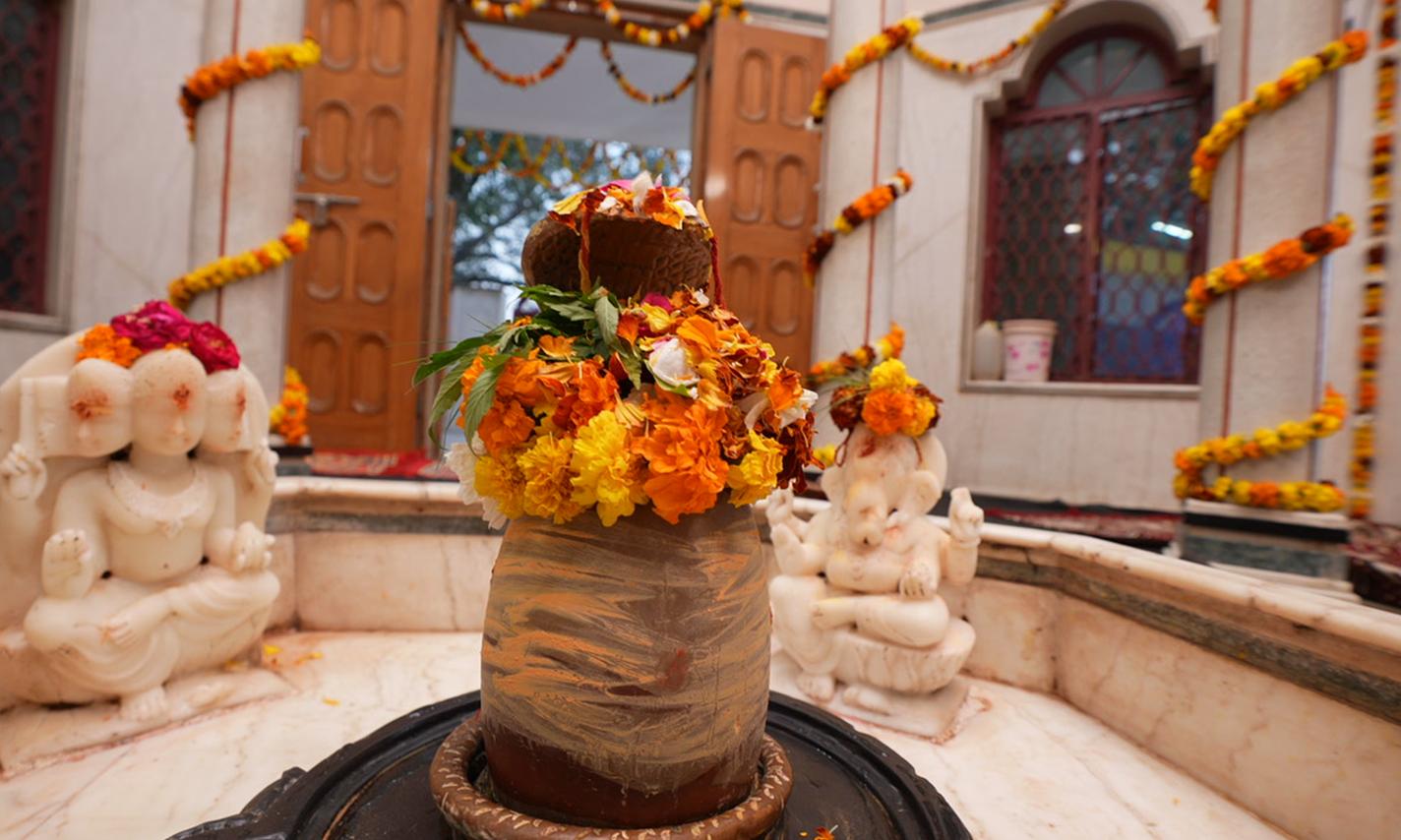
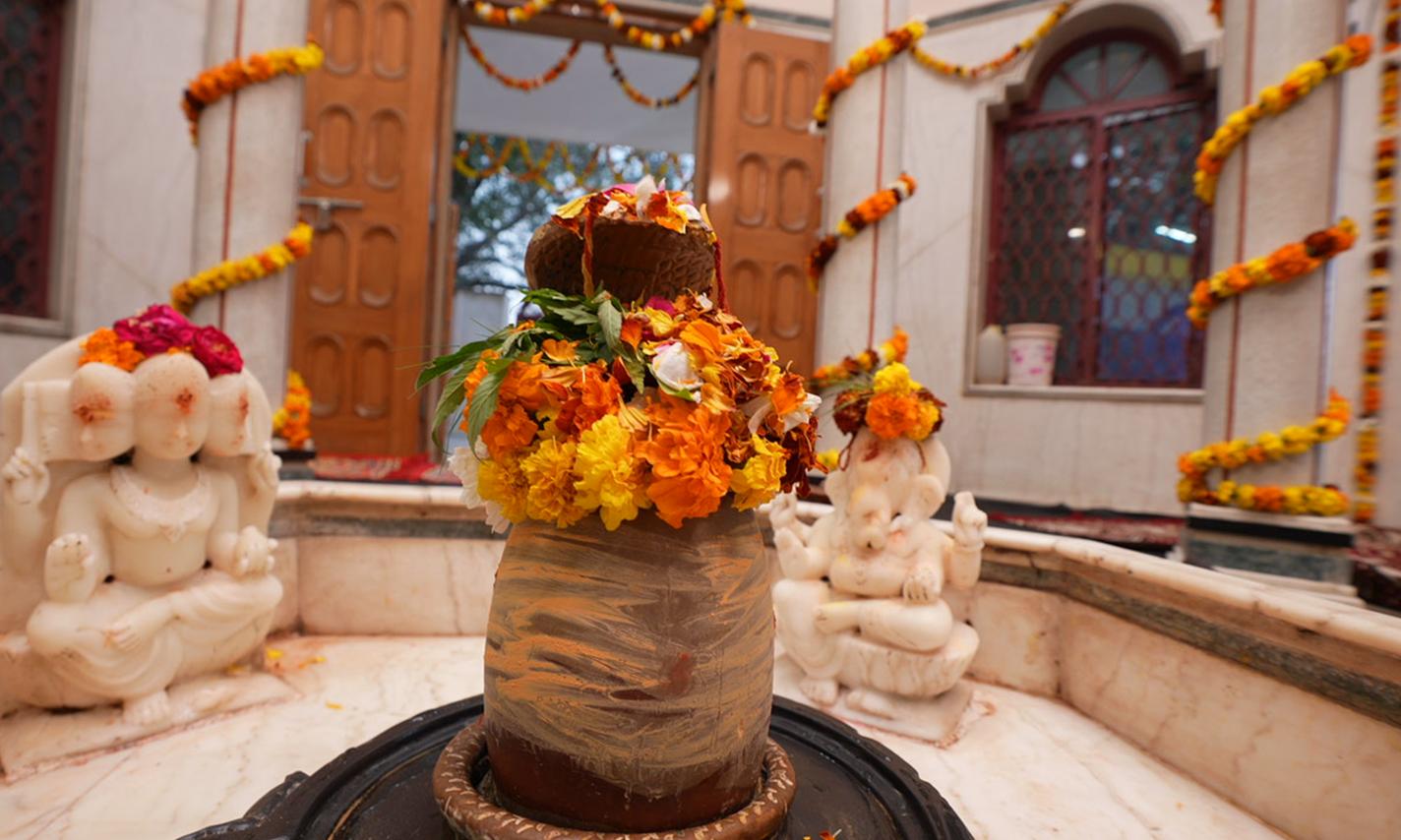
In the Rudrabhishek puja conducted during the Mahashivratri Mahapuja, there came a point where the pandit worshipped Shiva not once but eight times. The same Shivalinga. Eight names. Eight sets of offerings.
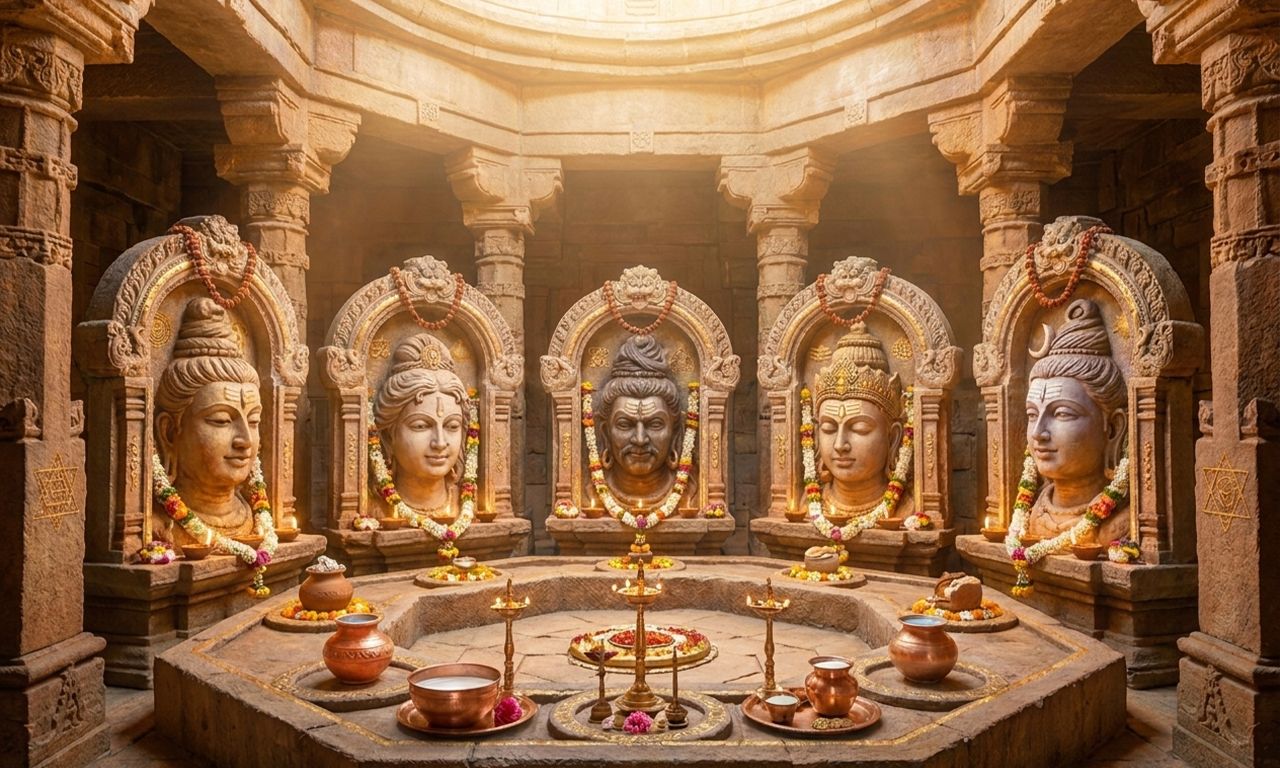
These are the Ashta Murti - the eight cosmic forms of Shiva that the Shiv Puran holds as the elemental aspects of the deity. Understanding what they are changes how the Rudrabhishek is experienced. This is part of the standard rudrabhishek vidhi the Narwar tradition conducts every time.
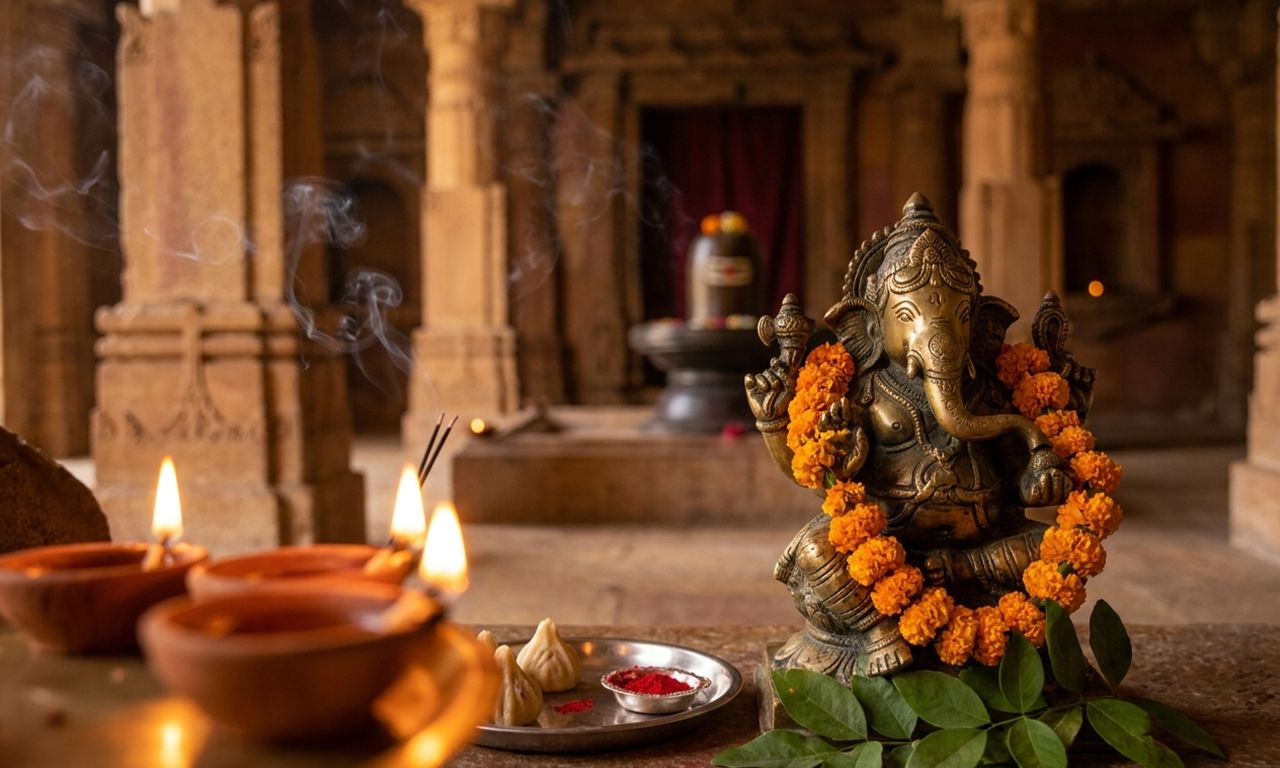
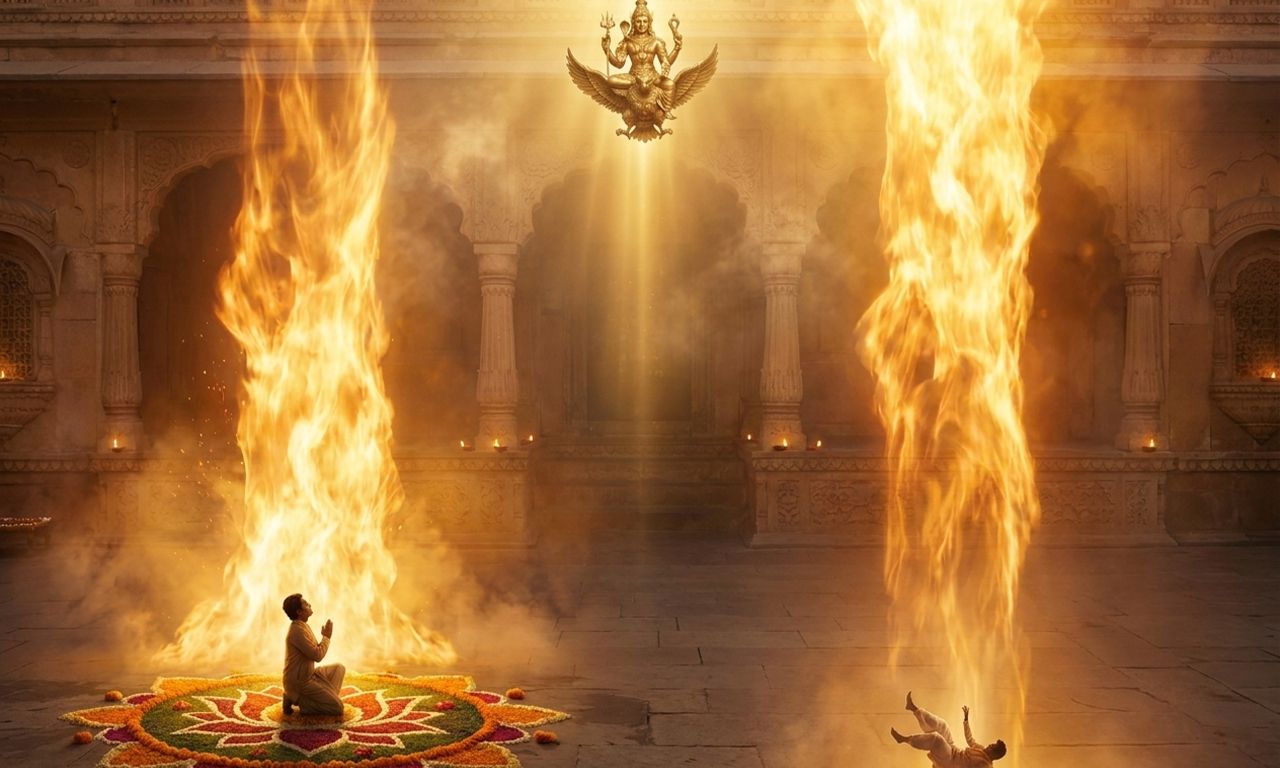
Agni Murti - Shiva as Fire
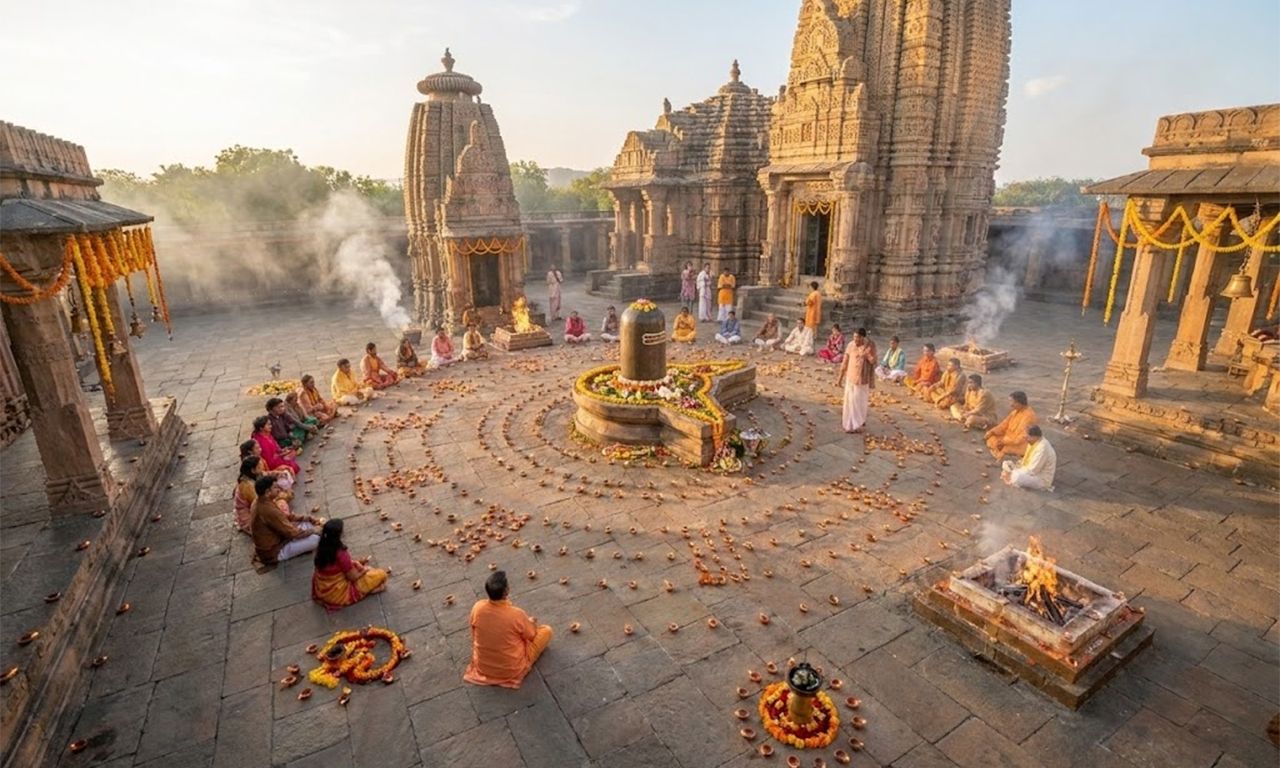
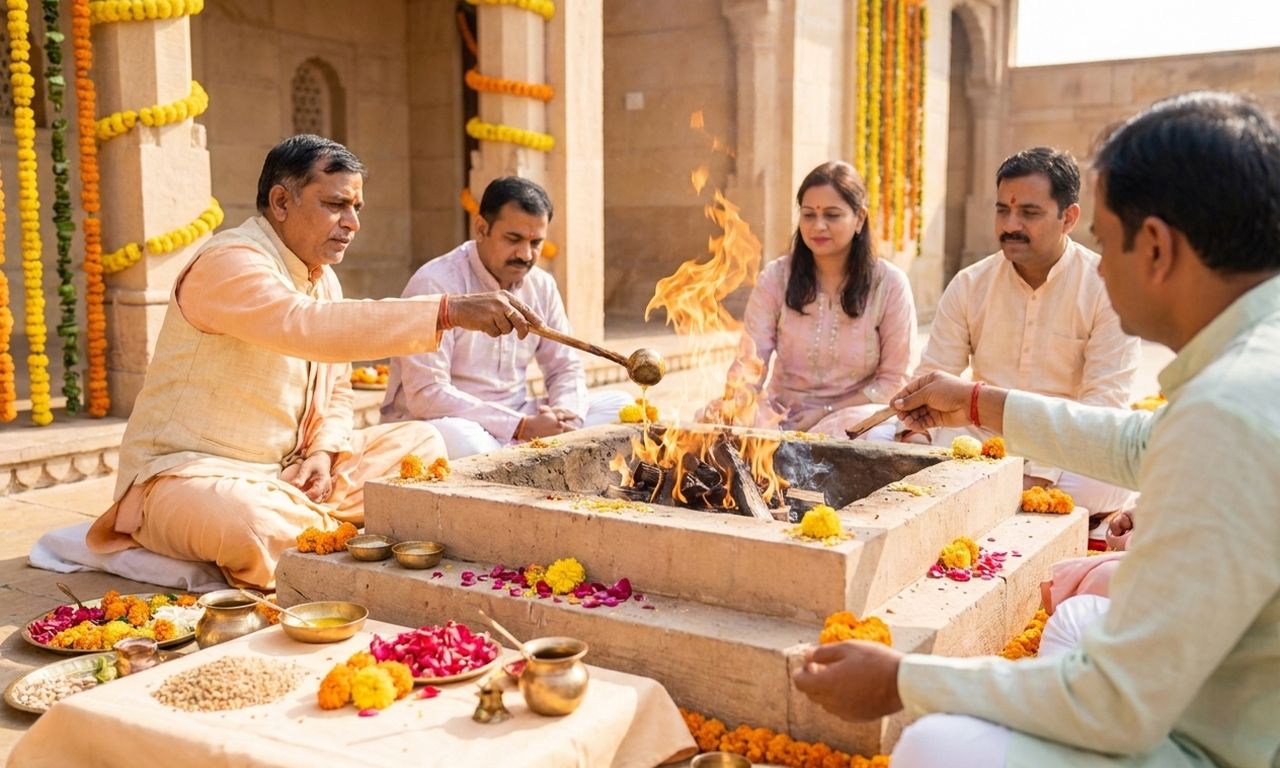
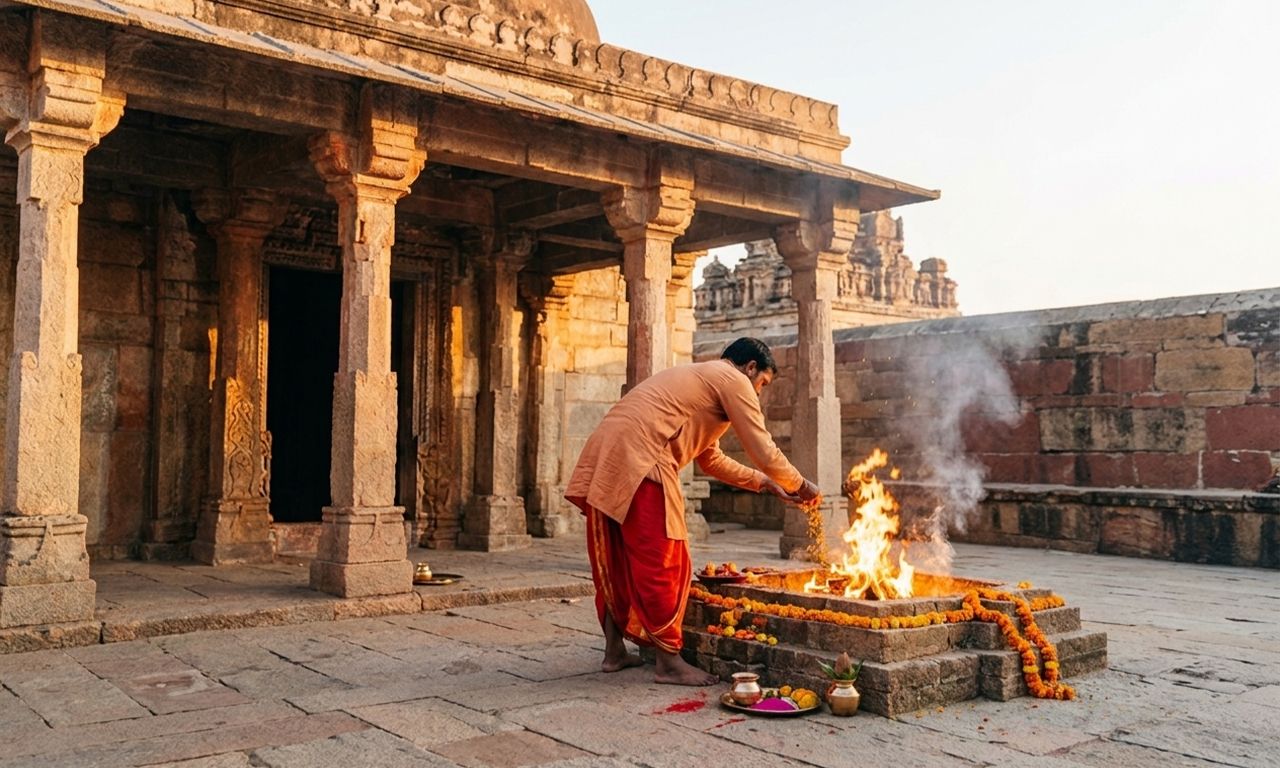
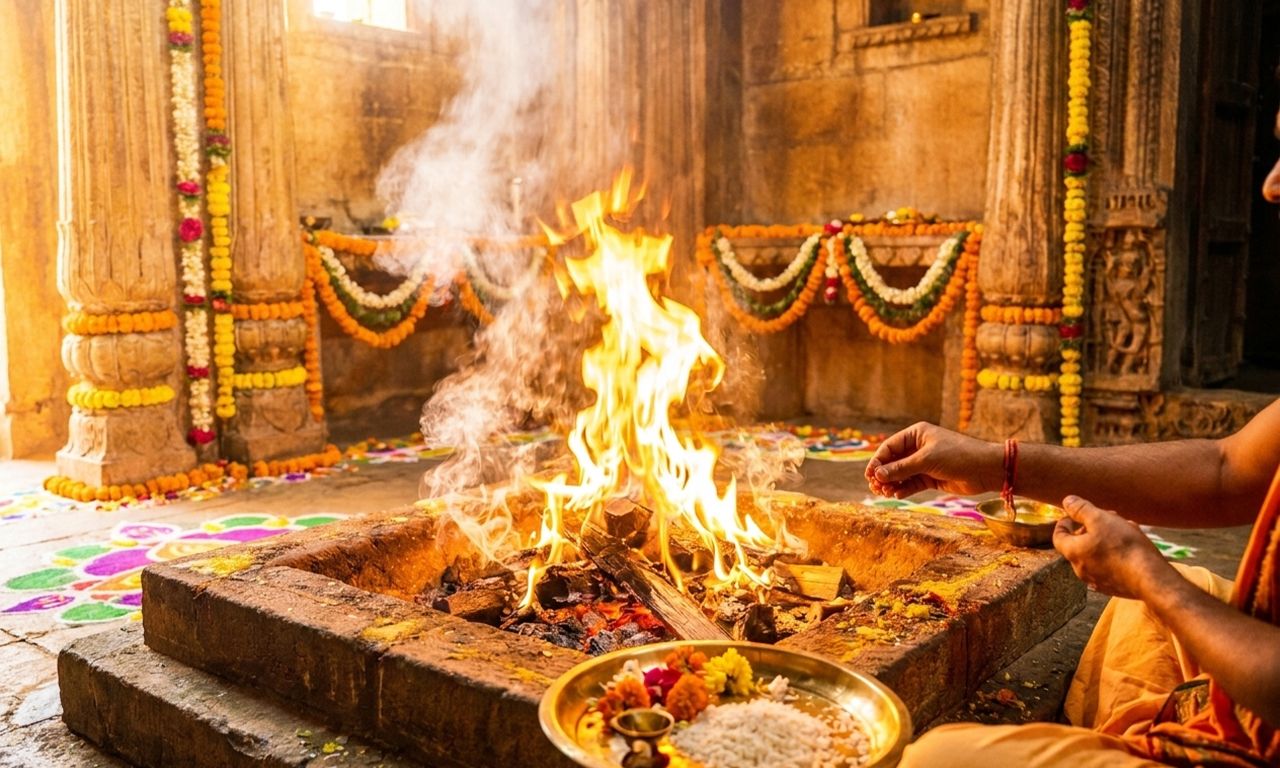
Agni is the form of Shiva that purifies. Fire takes whatever is offered to it and transforms it utterly. Present in every havan, every diya, every lamp.
Vayu Murti - Shiva as Wind
Vayu is the form that carries. The Vayu Murti is in the breath - in the prana, in the life force.
Akash Murti - Shiva as Space
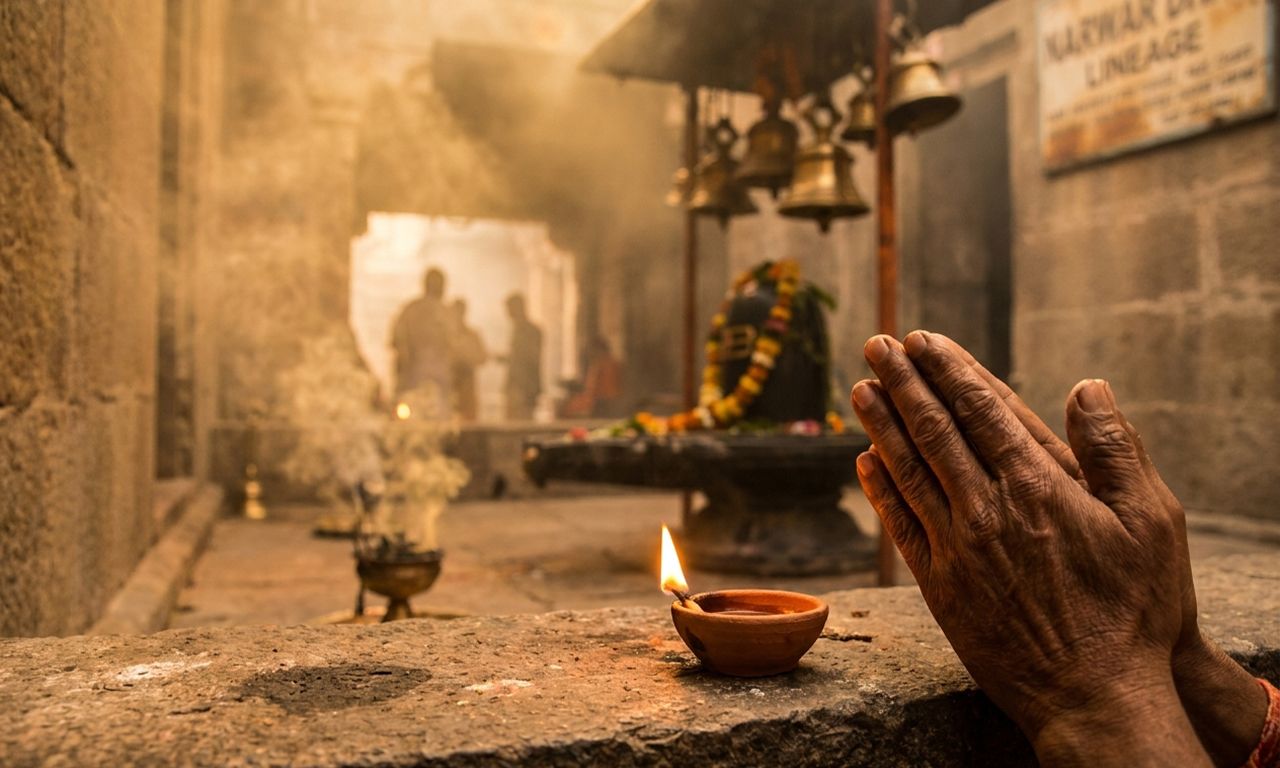
The Akash Murti is in the sky above every temple, in the silence between mantras, in the emptiness that is full of what cannot be named.
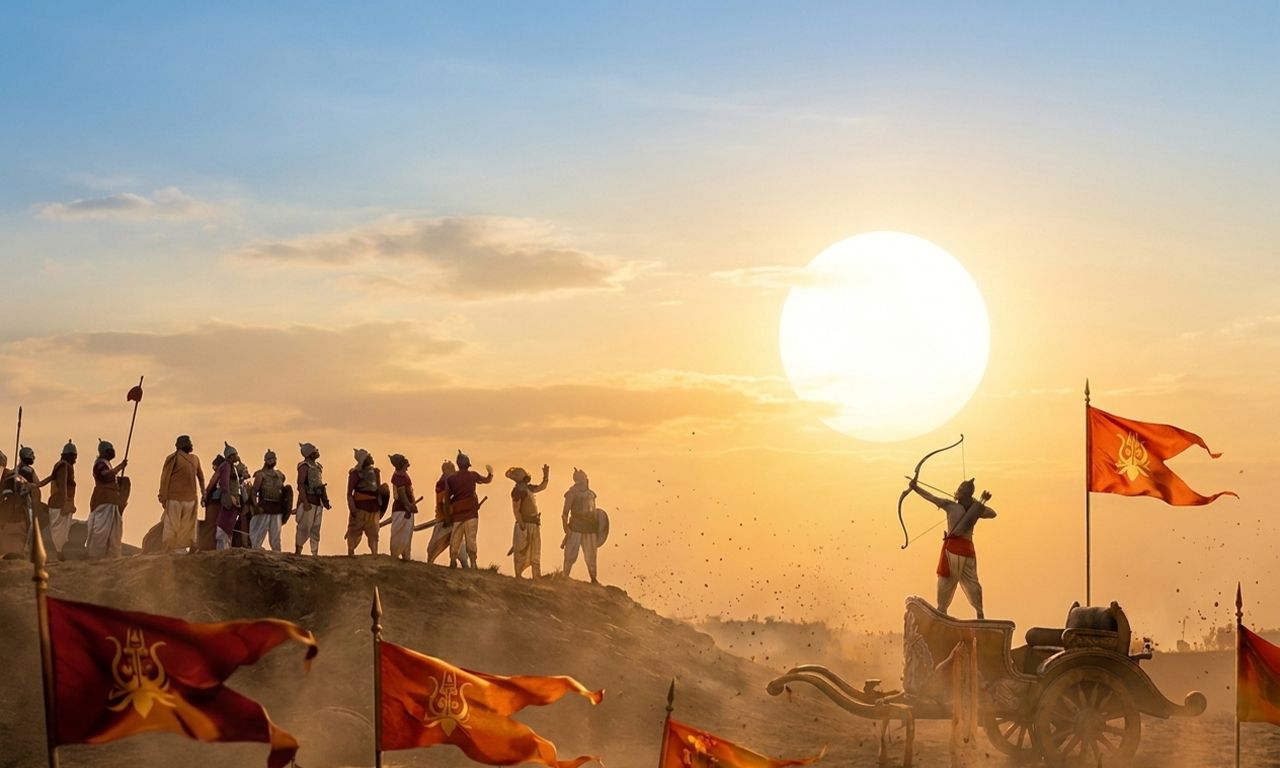
Surya Murti - Shiva as Sun
The Surya Murti carries this quality of universal illumination - consciousness that sees all things equally.
Soma Murti - Shiva as Moon
The Soma Murti governs the tides of the mind and emotions - the cooling, reflective quality that follows engagement with the world.
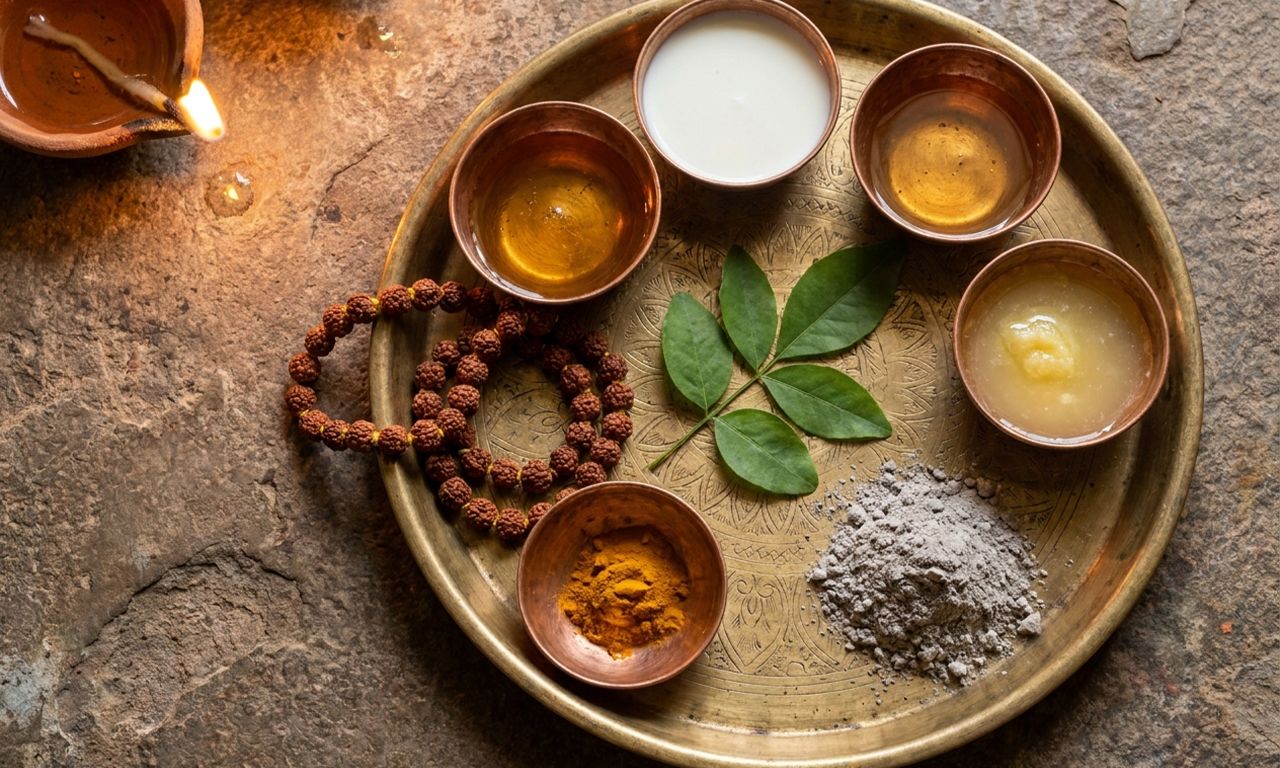
Jal Murti - Shiva as Water
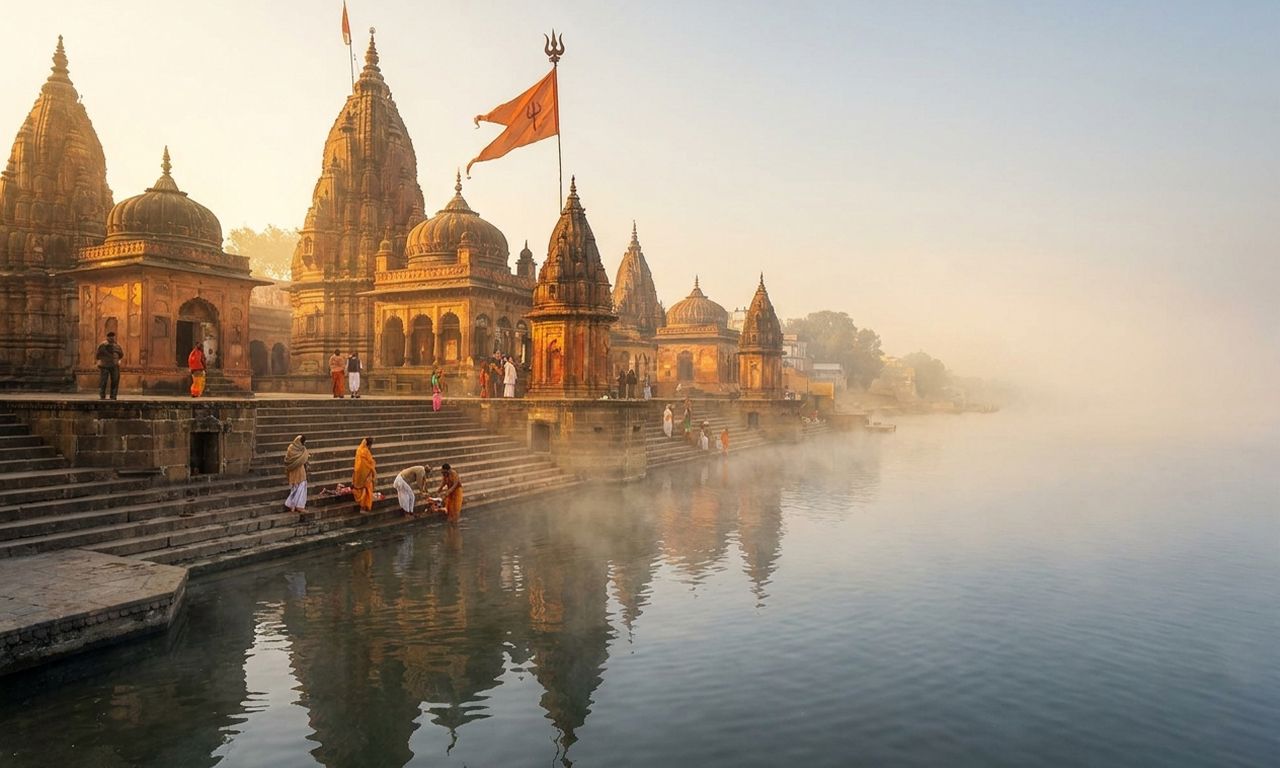
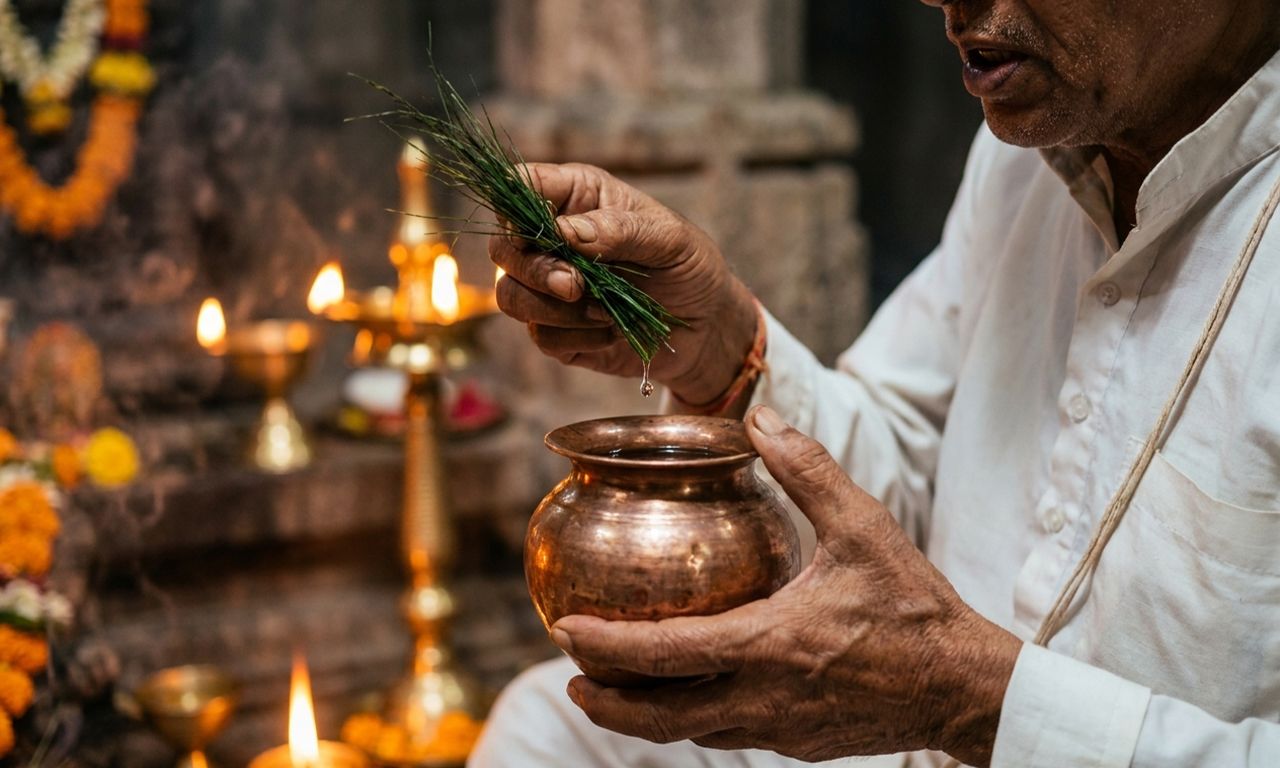
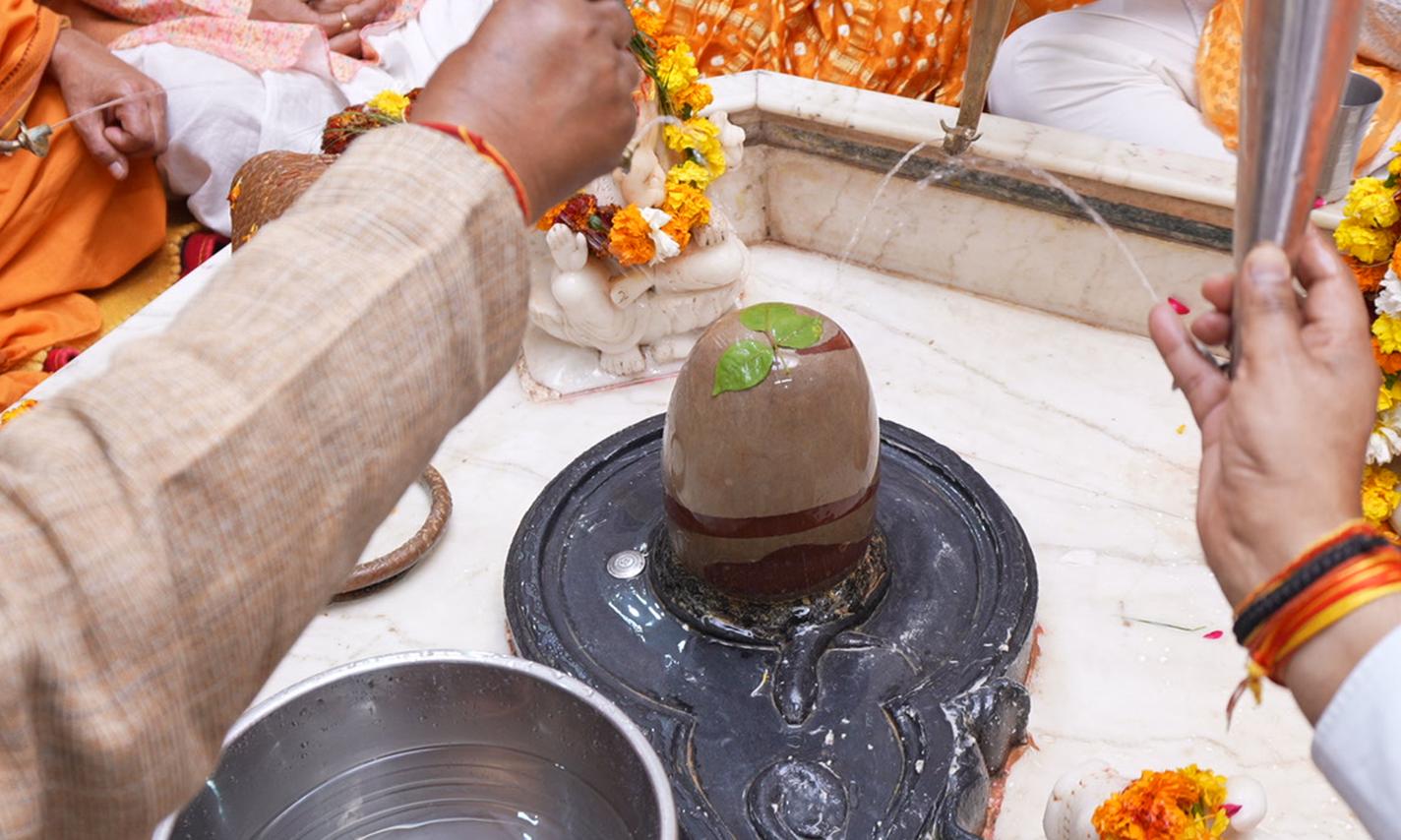
The Jal Murti of Shiva is the aspect honoured in the Rudra Abhishek puja itself - every drop poured over the Shivalinga is an acknowledgement.
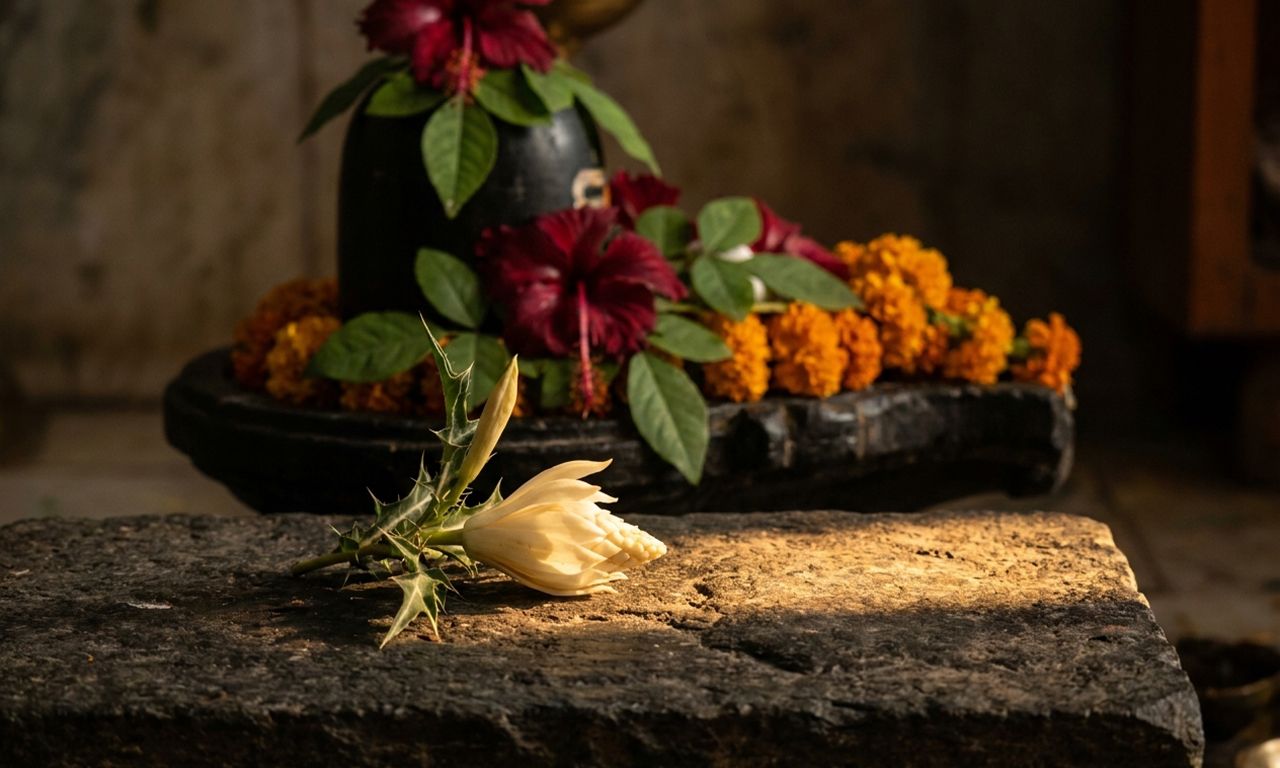
Prithvi Murti - Shiva as Earth
The Prithvi Murti is the aspect of absolute stability - the ground that does not shift beneath the feet of those who stand on it in faith.
Yajaman Murti - Shiva as the Devotee
The eighth of the Ashta Murti is the most unexpected. Shiva is also present as the devotee who performs the puja. The Yajaman is himself a form of Shiva.
Why the Ashta Murti Rudrabhishek Matters
When all eight forms are worshipped within a single Rudrabhishek, the ceremony moves beyond pouring water. It becomes a complete cosmic acknowledgement.
This is what distinguishes a complete rudrabhishek vidhi from a token gesture. Narwar pandits perform all eight every time. Not occasionally. Always.
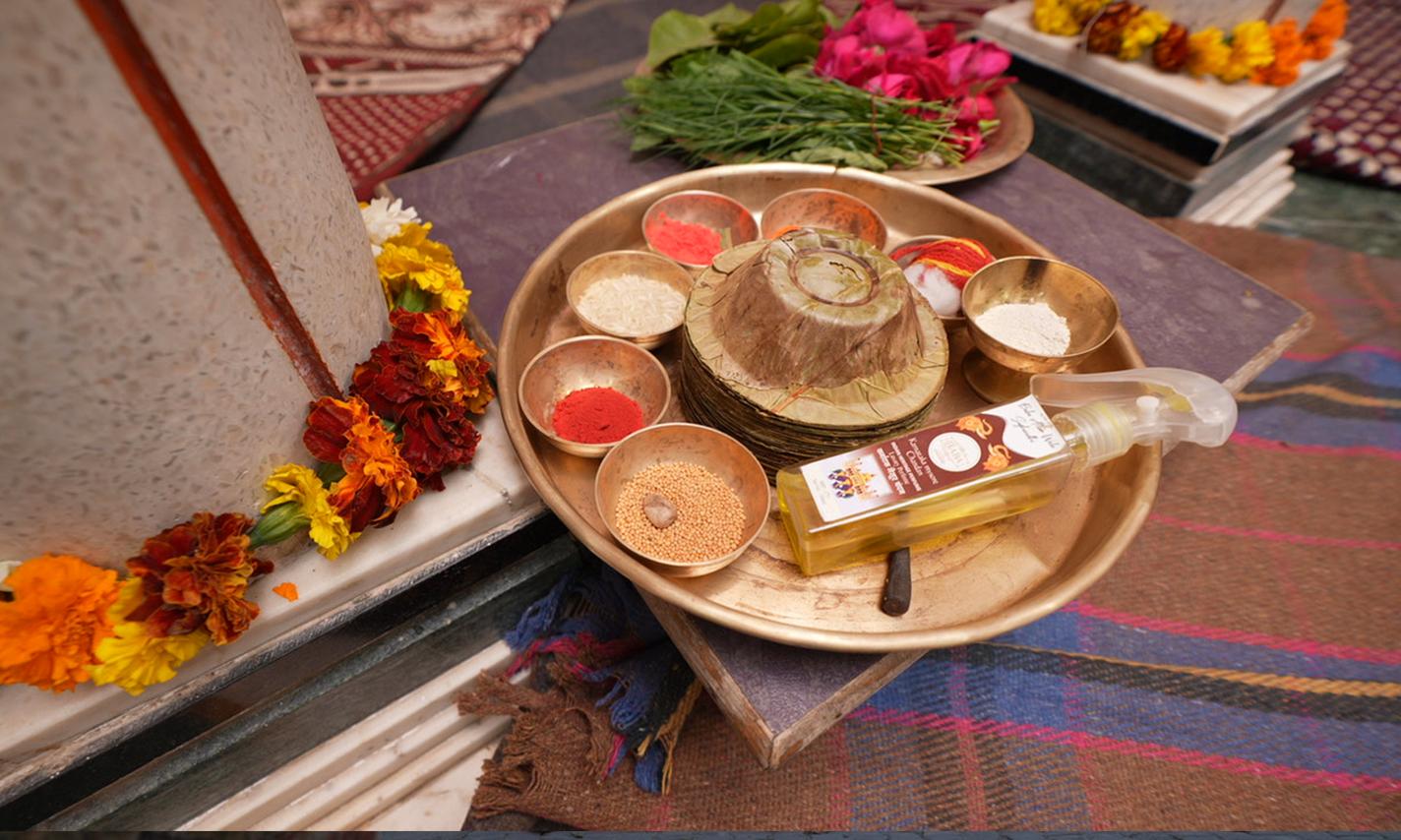
Every SiddhiStar Rudrabhishek worships all eight forms. Read more: The Abhishek Materials - What Each One Does