The 12 Jyotirlingas: Their Spiritual Significance and Why Every Shiva Devotee Reveres Them
By SiddhiStar | Narwar Dham Parampara
21 July 2026 • 7 min read
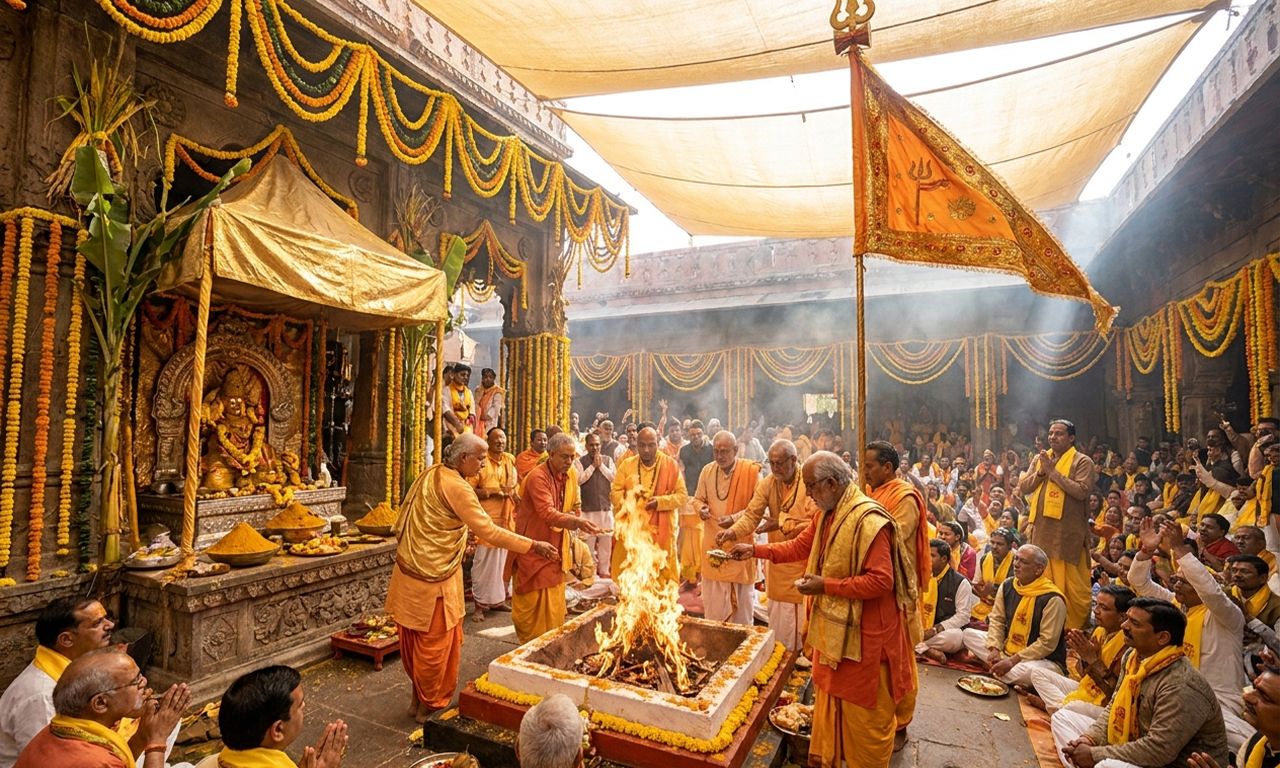
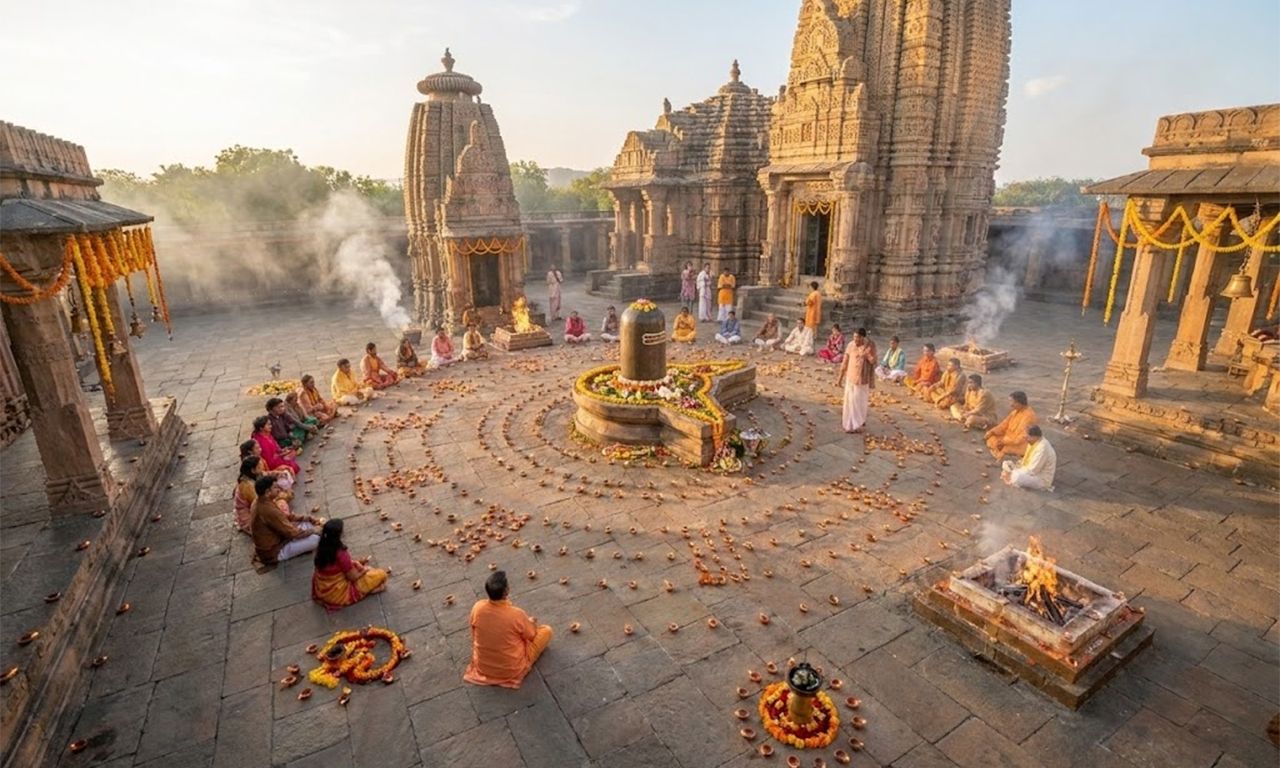
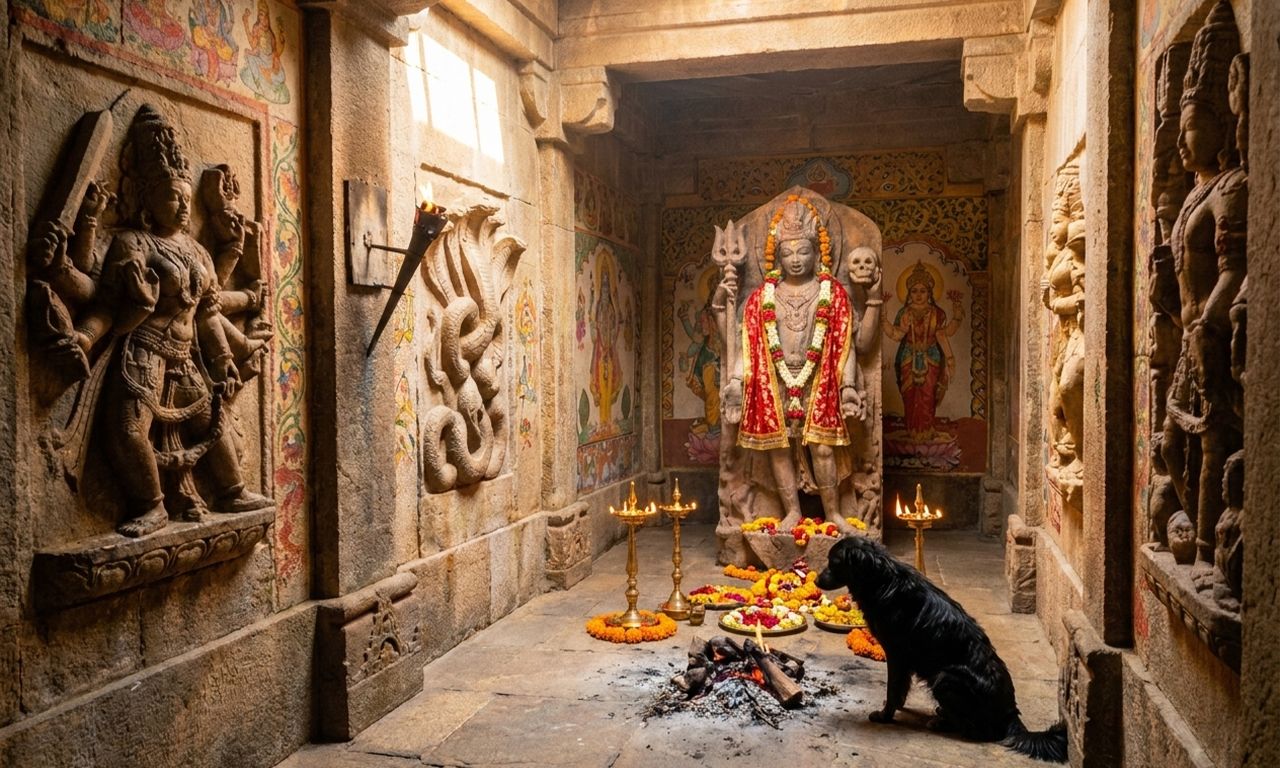
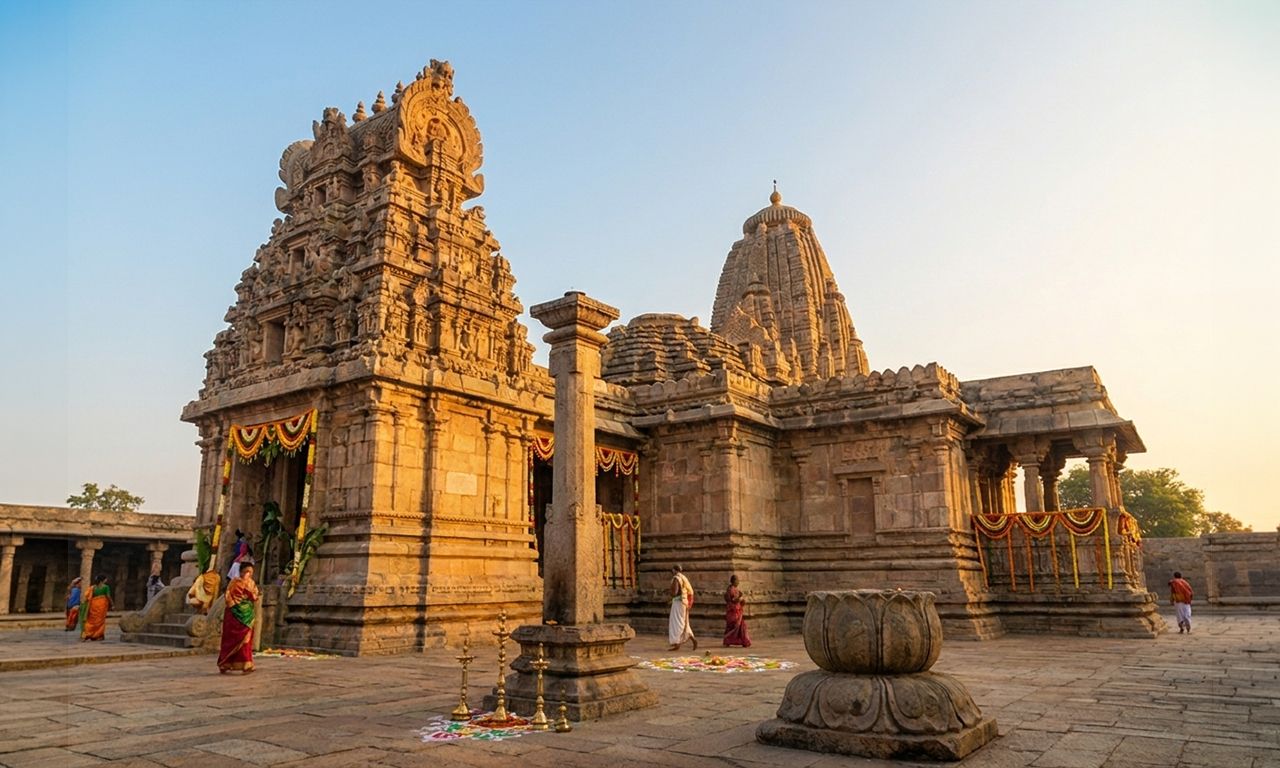
Among the countless temples dedicated to Lord Shiva across India, twelve hold a unique and timeless place in the hearts of devotees. These are known as the Dwadash Jyotirlingas, the Twelve Jyotirlingas.
For centuries, pilgrims have travelled thousands of kilometres to seek the blessings of these sacred shrines. Some undertake the journey once in their lifetime. Others return again and again, drawn by an inner call that cannot be explained in words.
But an important question often remains.
What is a Jyotirlinga?
Is it simply an ancient Shiva temple? Why are only twelve temples recognised as Jyotirlingas? Is visiting them essential for every devotee? Or is there a deeper spiritual lesson behind these sacred places?
Param Pujya Mahesh Prakash Sharma Ji teaches that while pilgrimage is an important part of Sanatan Dharma, its true purpose is not tourism.
A pilgrimage should transform the pilgrim.
Every journey to a Jyotirlinga is an opportunity to move away from the distractions of daily life and draw closer to Lord Shiva through devotion, humility and self-reflection.
The greatest pilgrimage is not measured by the distance travelled.
It is measured by the transformation that takes place within the heart.
Guruji explains that visiting a sacred place should never become merely another item on a travel itinerary.
The purpose of a pilgrimage is to awaken devotion.
If a devotee returns with greater humility, stronger faith and deeper remembrance of Mahadev, then the pilgrimage has fulfilled its purpose.
Otherwise, even visiting every sacred temple may remain only an external journey.
What Is a Jyotirlinga?
The word Jyoti means divine light.
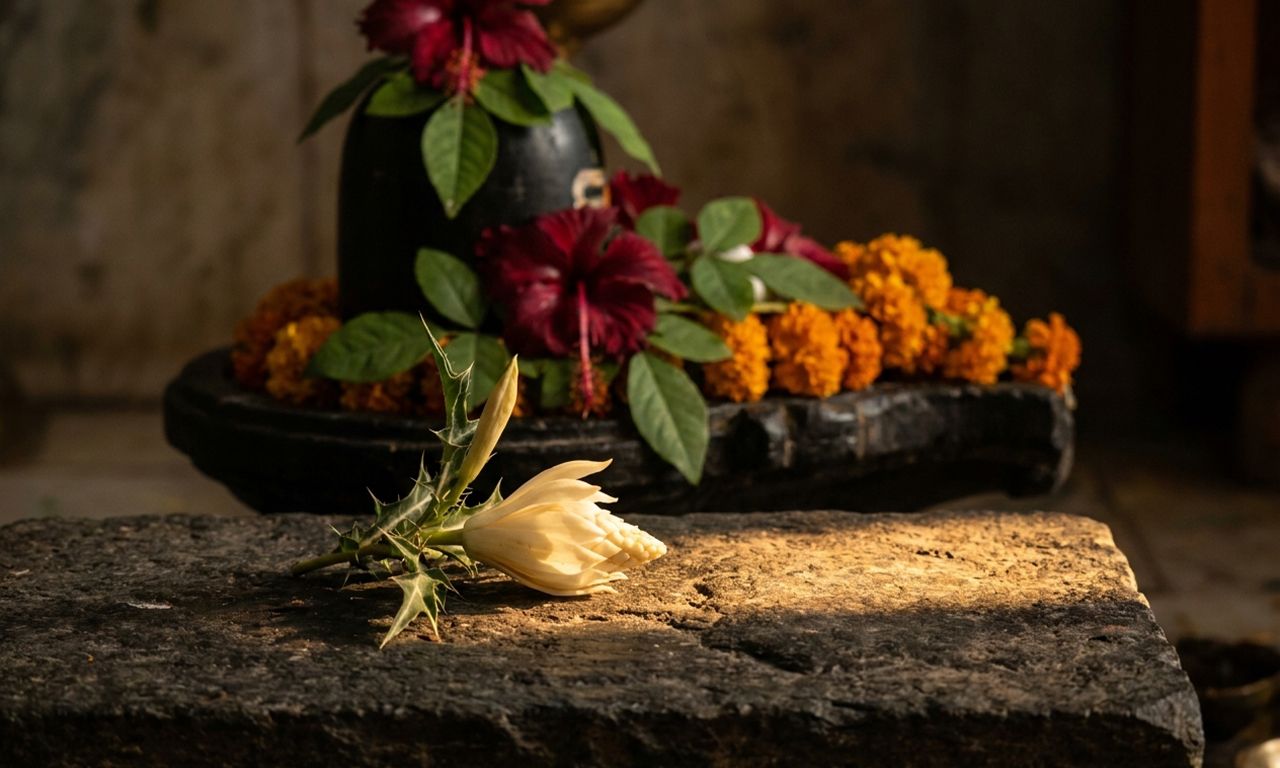
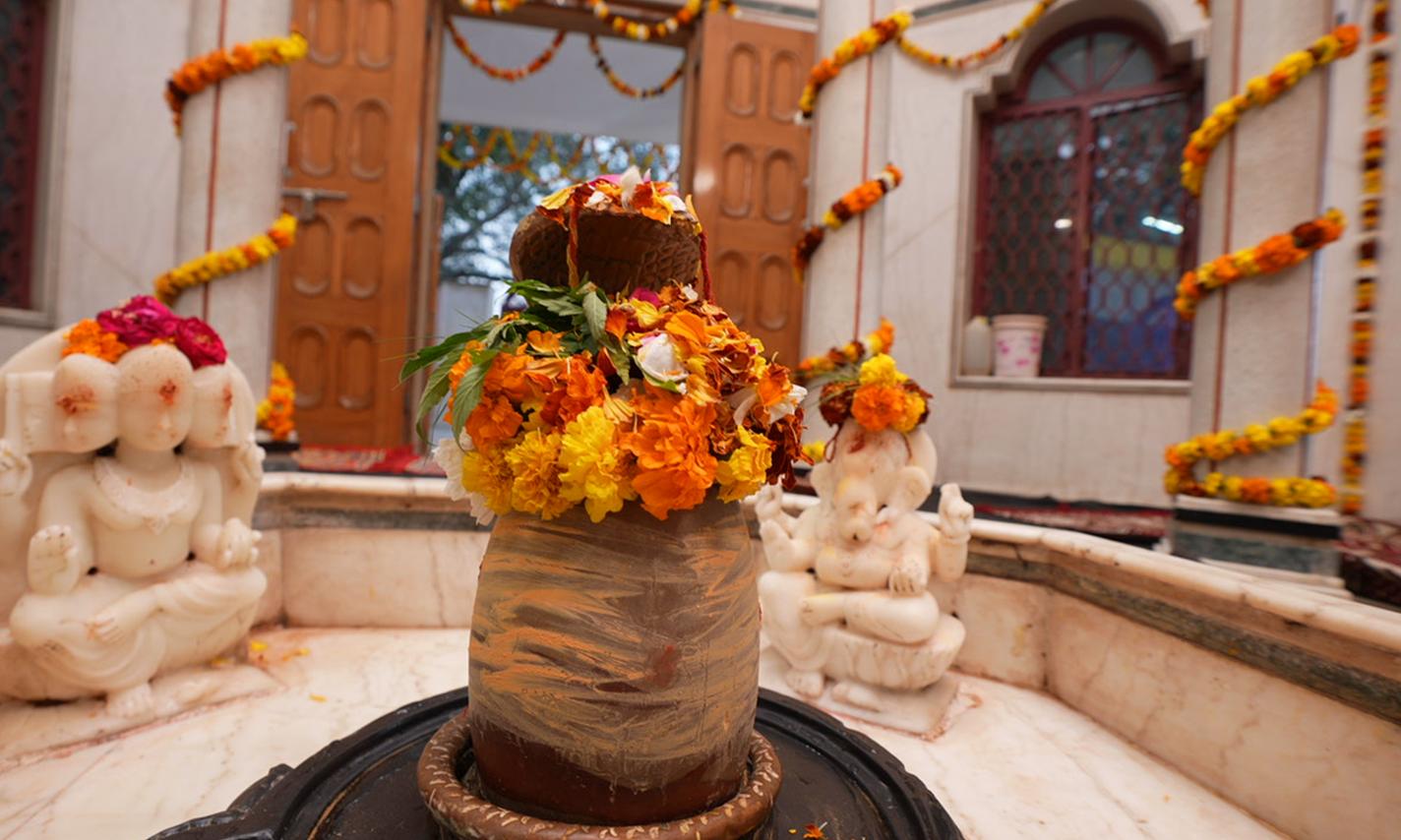
The word Linga refers to the sacred symbol of Lord Shiva.
Together, the word Jyotirlinga represents the manifestation of Lord Shiva as an eternal pillar of divine light.
Guruji explains that this symbolism reminds devotees that Mahadev is beyond form, beyond limitation and beyond human imagination.
The Jyotirlinga points towards the infinite nature of Lord Shiva.
It invites every devotee to look beyond the visible and contemplate the eternal.
Why Are There Twelve Jyotirlingas?
The twelve Jyotirlingas are revered in the Shaiva tradition as twelve especially sacred manifestations of Lord Shiva.
Each temple has its own history, traditions and local customs.
Together, they represent the widespread devotion to Mahadev across the Indian subcontinent.
Guruji teaches that although every Shiva temple is worthy of reverence, the Jyotirlingas occupy a special place because they have inspired devotion for centuries and continue to draw millions of devotees from every part of the country.
The Twelve Jyotirlingas
1. Somnath, Gujarat
Regarded as the first among the twelve Jyotirlingas, Somnath symbolises resilience, faith and the eternal presence of Lord Shiva despite the many challenges history has witnessed.
2. Mallikarjuna, Andhra Pradesh
Located on the sacred Srisailam hills, this Jyotirlinga is deeply associated with devotion, compassion and the grace of Lord Shiva and Goddess Parvati.
3. Mahakaleshwar, Madhya Pradesh
Mahakaleshwar in Ujjain reminds devotees that Mahadev is beyond time itself.
Guruji often teaches that remembering Mahadev helps devotees rise above the constant fear of time and mortality.
4. Omkareshwar, Madhya Pradesh
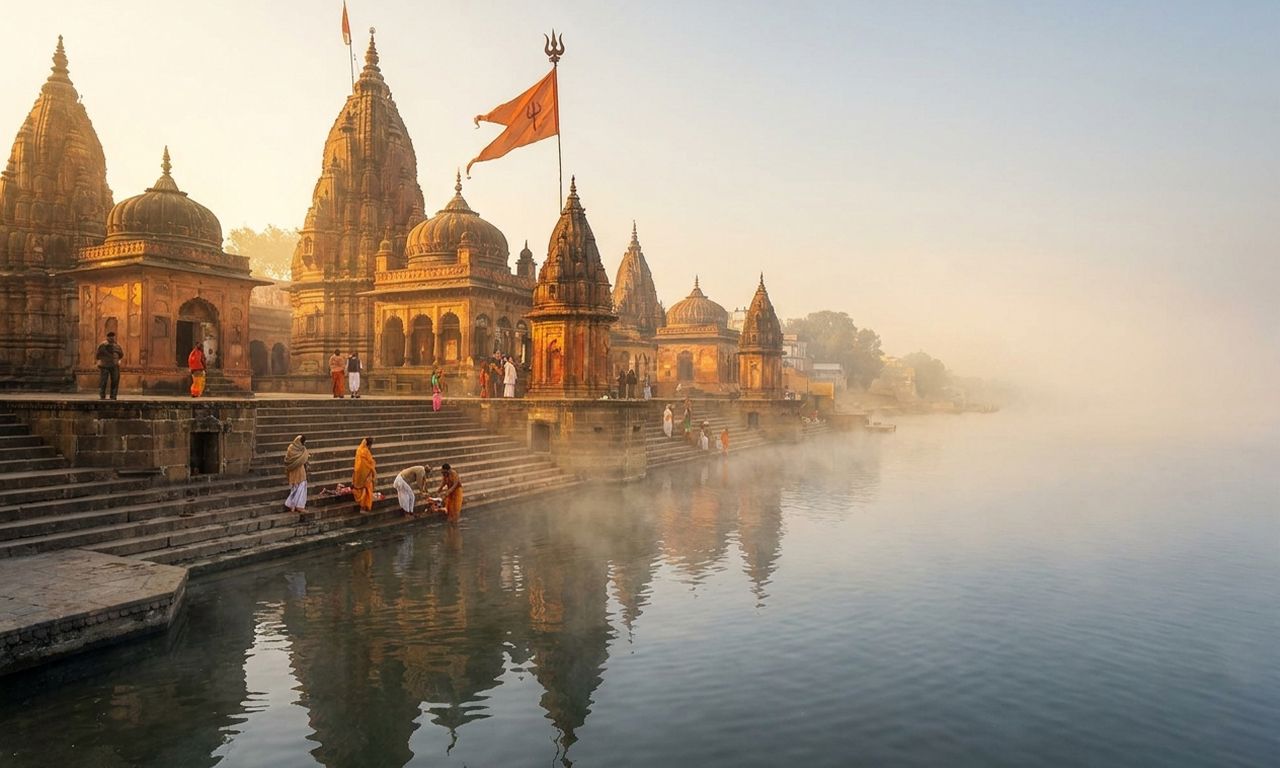
Situated on an island in the Narmada River, Omkareshwar beautifully reflects the sacred sound "Om" and reminds devotees of the all-pervading presence of Lord Shiva.
5. Kedarnath, Uttarakhand
Nestled in the Himalayas, Kedarnath represents perseverance, surrender and unwavering faith.
The physical effort required to reach the temple itself becomes a form of spiritual discipline.
6. Bhimashankar, Maharashtra
Surrounded by forests and natural beauty, Bhimashankar inspires quiet contemplation and devotion amidst nature.
7. Kashi Vishwanath, Uttar Pradesh
Situated in the eternal city of Kashi, this Jyotirlinga has been one of the greatest centres of Shiva worship for centuries.
For countless devotees, Vishwanath represents the compassionate presence of Mahadev guiding seekers towards liberation.
8. Trimbakeshwar, Maharashtra
Located near the origin of the sacred Godavari River, Trimbakeshwar is associated with Vedic learning, sacred rituals and disciplined worship.
9. Vaidyanath
Lord Shiva is worshipped here as the Divine Healer.
Guruji reminds devotees that true healing begins with faith, inner peace and surrender before Mahadev.
10. Nageshwar, Gujarat
Nageshwar symbolises protection from fear and the victory of truth over negativity.
11. Rameshwaram, Tamil Nadu
One of India's most revered pilgrimage destinations, Rameshwaram beautifully represents devotion, humility and the harmony of different sacred traditions within Sanatan Dharma.
12. Grishneshwar, Maharashtra
The final Jyotirlinga reminds devotees that sincere devotion is valued above status, wealth or recognition.
Mahadev accepts every heart filled with faith.
Is Visiting All Twelve Jyotirlingas Necessary?
Many devotees dream of completing the pilgrimage to all twelve Jyotirlingas.
Guruji encourages this aspiration while offering an important reminder.
Pilgrimage should never become a race.
One sincere visit filled with devotion may transform a person's life more deeply than visiting all twelve temples without inner awareness.
The number of temples visited is less important than the quality of devotion cultivated.
What Should a Devotee Pray for at a Jyotirlinga?
Guruji encourages devotees to move beyond purely material requests.
However, while standing before Mahadev, one should also pray for:
Wisdom.
Humility.
Strength to follow Dharma.
Freedom from ego.
Steady devotion.
These prayers remain with the devotee long after the pilgrimage ends.
Can Someone Who Cannot Travel Still Receive Lord Shiva's Grace?
Yes.
Guruji repeatedly teaches that Mahadev is not limited to one place.
The same Lord Shiva worshipped at a Jyotirlinga is present in every sincere prayer offered with devotion.
Those unable to undertake long pilgrimages should never feel deprived.
Daily Shiv Puja.
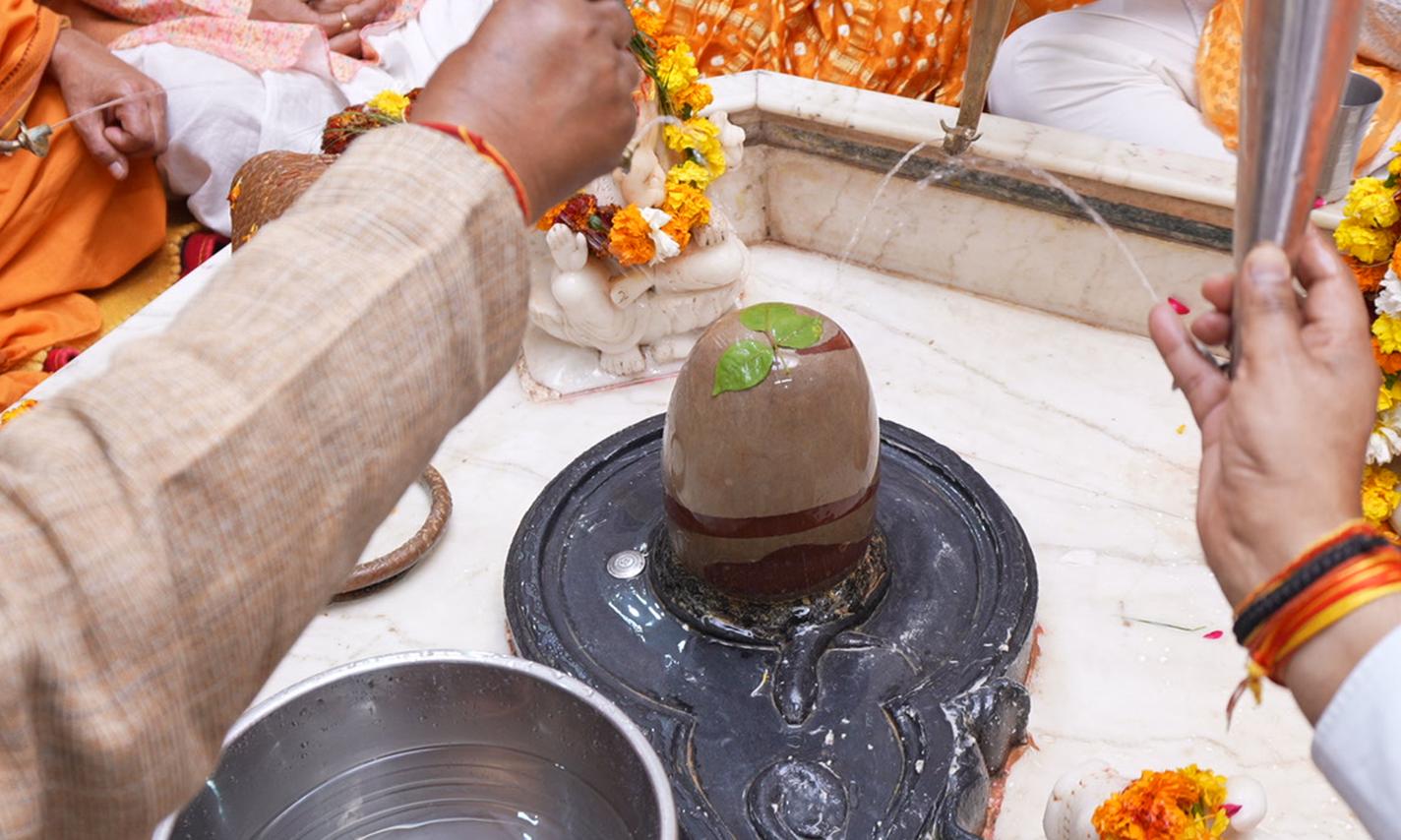
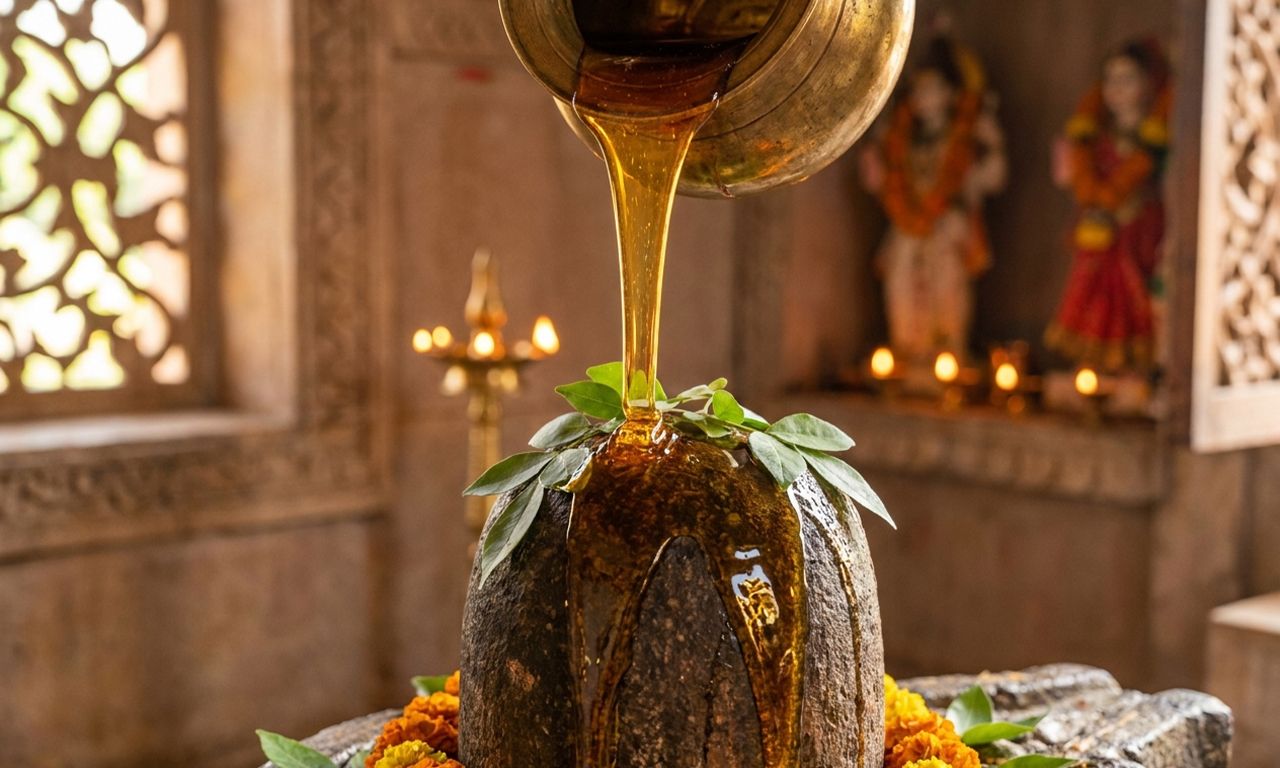
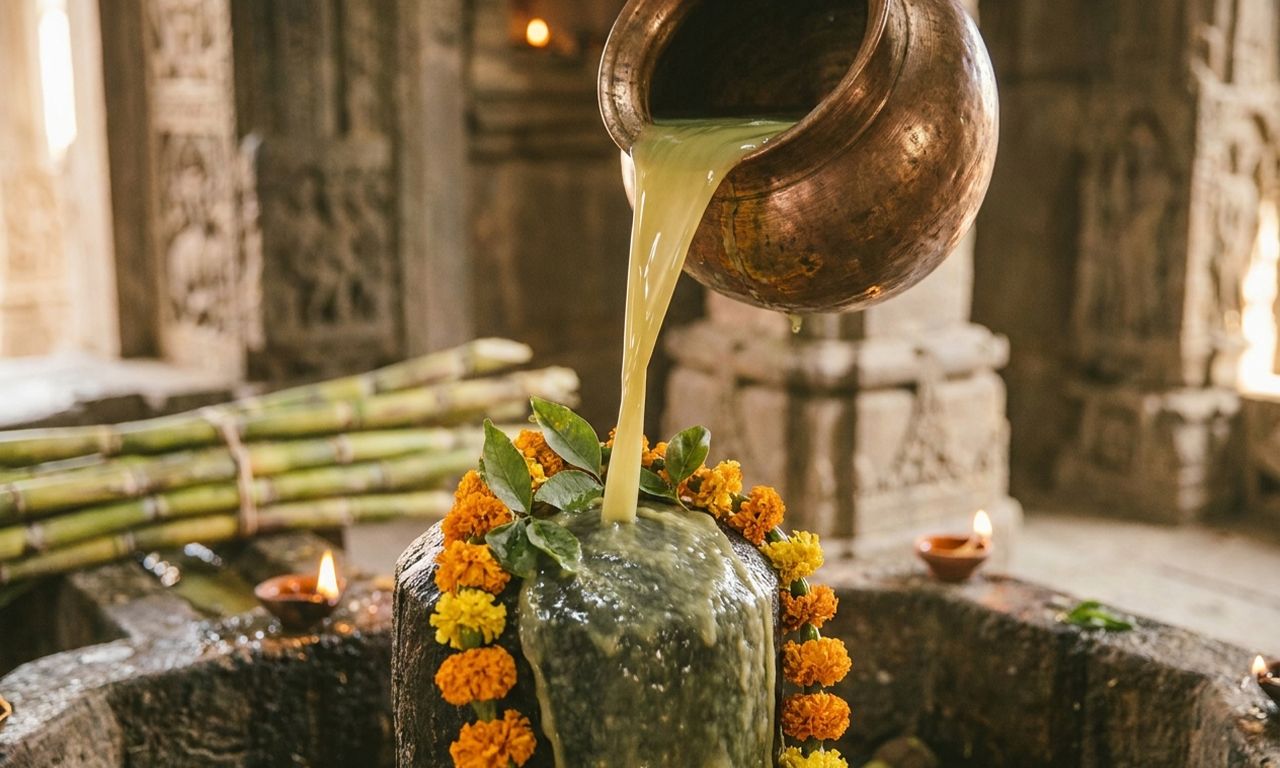
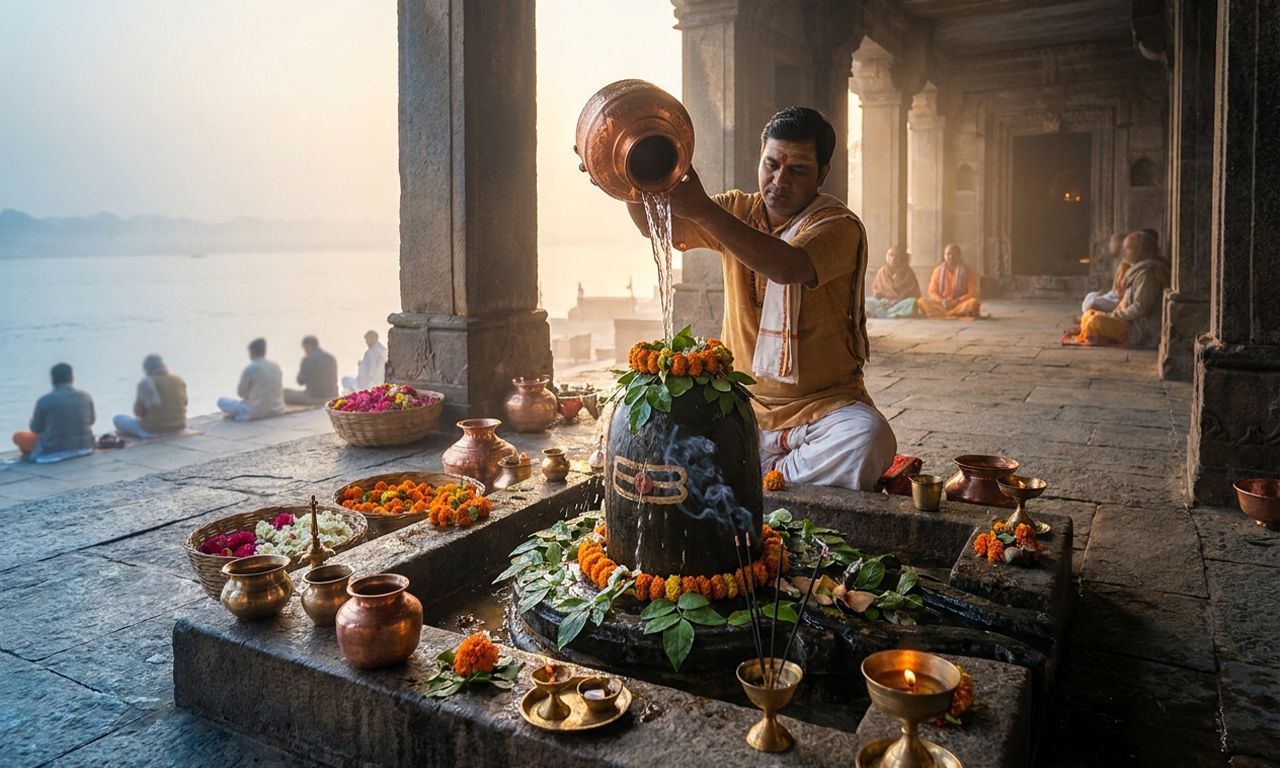
Jal Abhishek.
Mantra chanting.
Shiv Chintan.
Rudrabhishek.
All these become paths to Mahadev when performed with faith.
The physical journey is valuable.
The inner journey is essential.
Pilgrimage Begins Within
Guruji beautifully explains that every devotee carries two destinations.
One is the temple.
The other is the heart.
The first journey ends when we return home.
The second continues throughout life.
The true purpose of every Jyotirlinga pilgrimage is to awaken the second journey.
The Narwar Dham Tradition
For more than 120 years, the Narwar Dham Guru Parampara has taught that while pilgrimages inspire devotion, authentic daily worship sustains it.
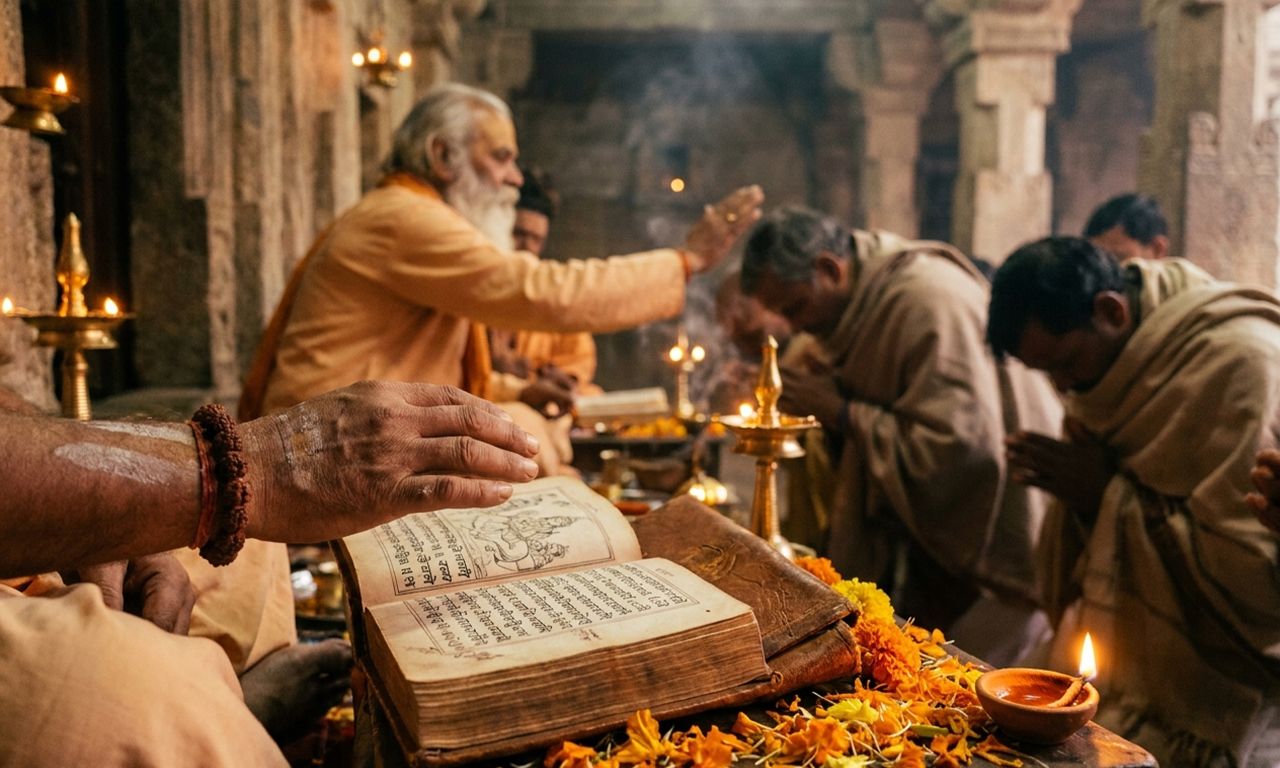
The traditions of Rudrabhishek, Shiv Chintan, mantra chanting and disciplined spiritual practice help devotees remain connected to Lord Shiva even after returning from sacred journeys.
Every act of sincere worship performed according to Vedic tradition becomes a continuation of the pilgrim's journey towards Mahadev.
Frequently Asked Questions
What is a Jyotirlinga?
A Jyotirlinga is a sacred manifestation of Lord Shiva worshipped as an eternal pillar of divine light. The twelve Jyotirlingas are among the most revered Shiva shrines in India.
How many Jyotirlingas are there?
There are twelve traditionally recognised Jyotirlingas, located across different parts of India.
Is it necessary to visit all twelve Jyotirlingas?
No. Guruji teaches that sincere devotion is more important than the number of pilgrimages completed. Every pilgrimage should deepen one's relationship with Lord Shiva.
Which Jyotirlinga should I visit first?
There is no compulsory order. Every Jyotirlinga is sacred, and devotees may begin their pilgrimage according to their circumstances and devotion.
Can I worship Lord Shiva at home instead of visiting a Jyotirlinga?
Yes. Lord Shiva accepts sincere worship offered anywhere. Daily Shiv Puja, mantra chanting and Rudrabhishek performed according to Vedic tradition are all meaningful expressions of devotion.
From Faith to Sadhana
Visiting a Jyotirlinga is a sacred aspiration for every devotee. Until that journey becomes possible, you can still place your prayers before Mahadev through authentic Vedic worship.
At Narwar Dham, learned Acharyas from the 120-year-old Guru Parampara perform Rudrabhishek with your name and gotra, offering your prayers before Lord Shiva according to time-honoured Vedic traditions.
Offer your Sankalp today through SiddhiStar and become a part of an authentic Rudrabhishek where your devotion is carried to Mahadev through sacred mantras, a pure Sankalp and an unbroken Guru Parampara.