Sawan Somvar Vrat: The Complete Guide to Its Significance, Rituals and Spiritual Purpose
By SiddhiStar | Narwar Dham Parampara
21 July 2026 • 8 min read
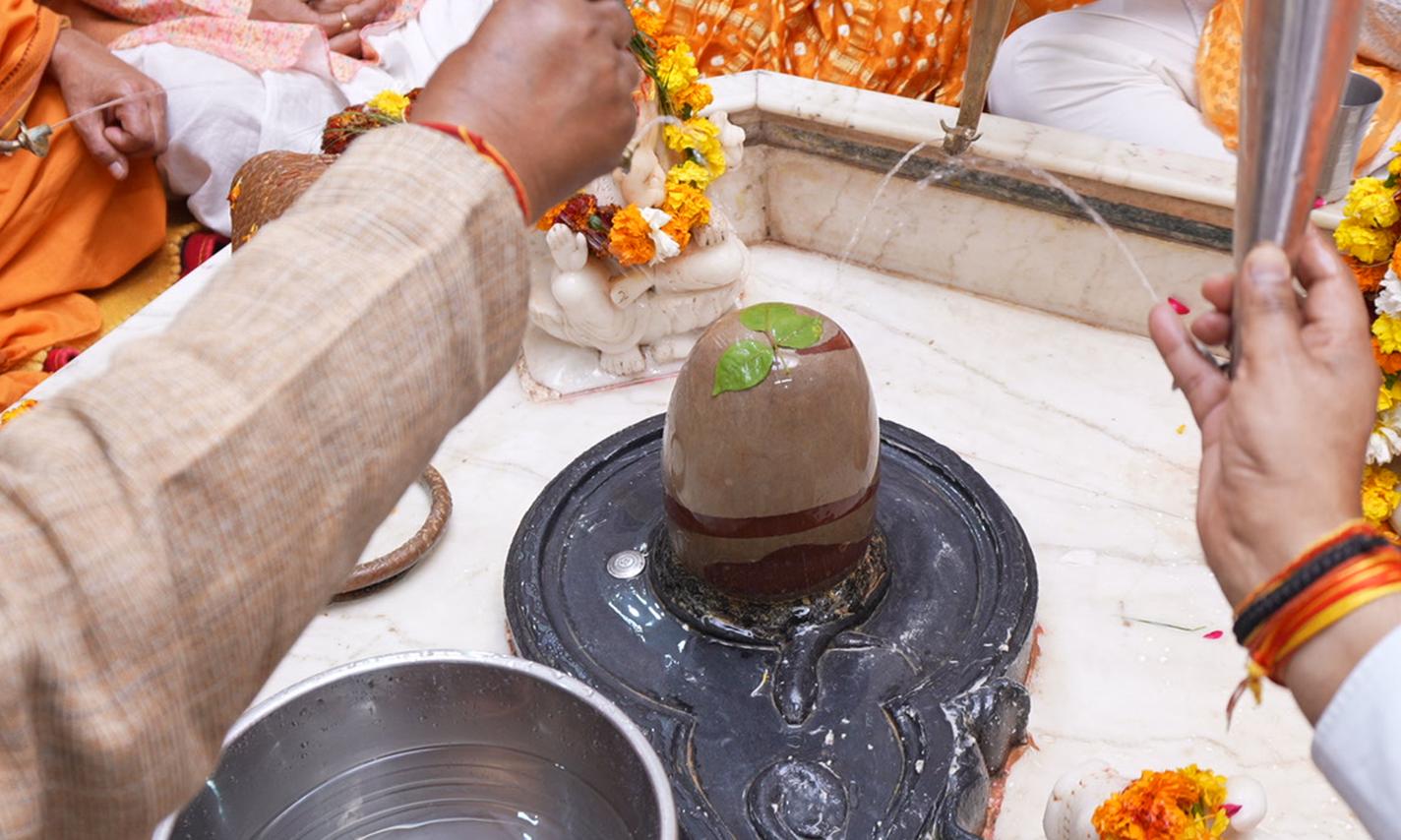
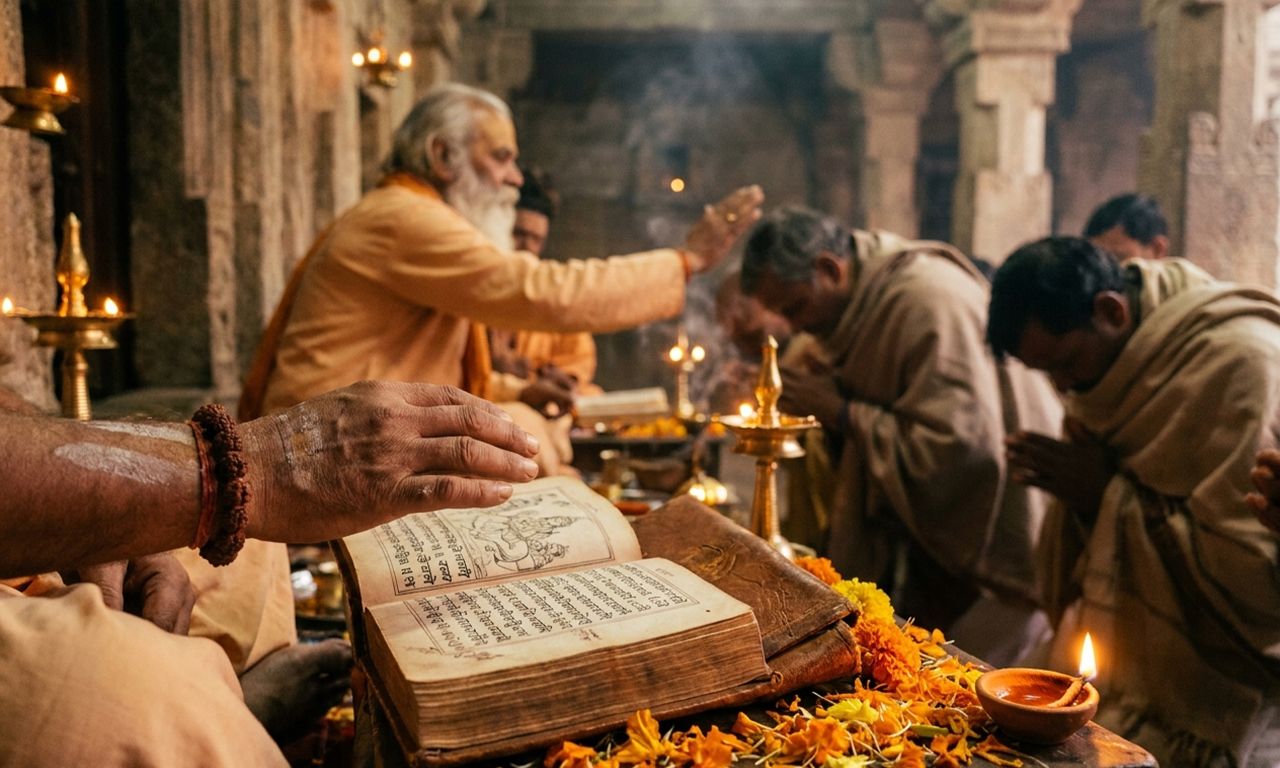
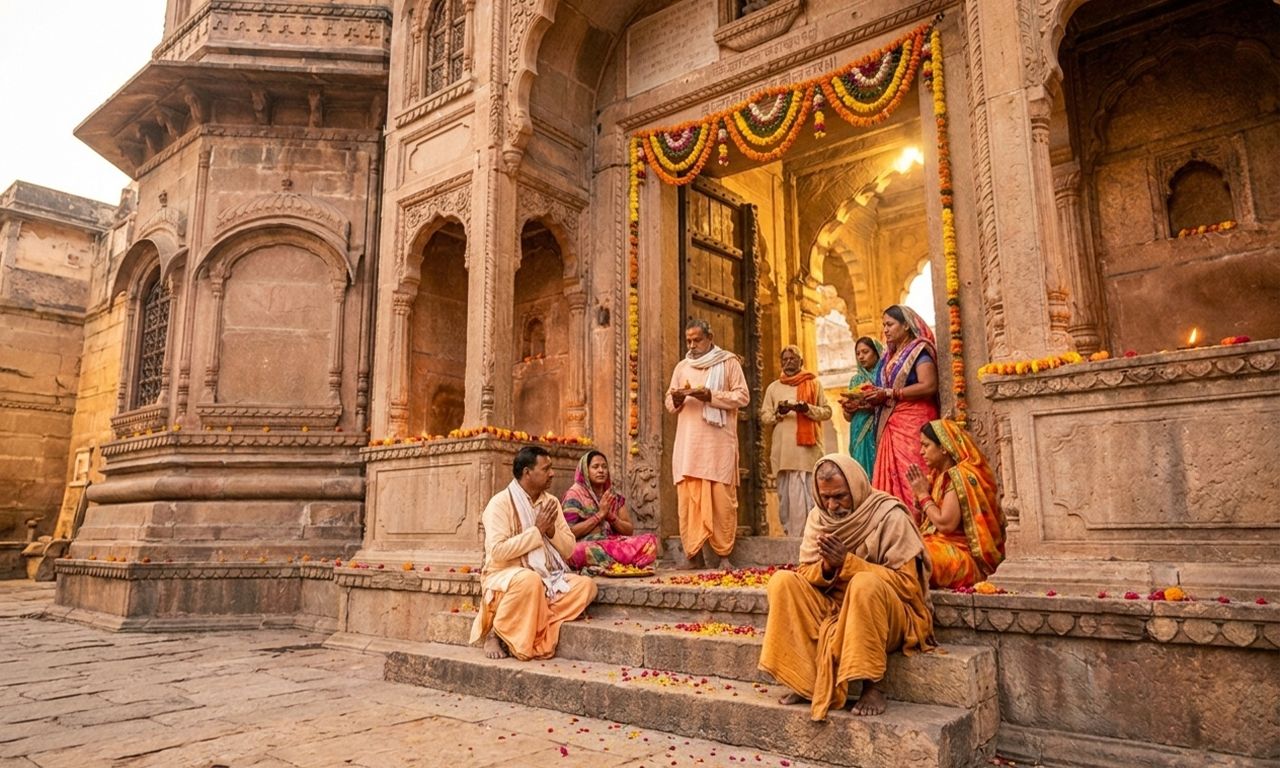
The month of Sawan occupies a unique place in the hearts of Lord Shiva's devotees. Across India, millions of people wake up before sunrise on every Monday of this sacred month, visit Shiva temples, observe fasts, offer Jal and Bilva Patra to the Shivling, chant Om Namah Shivaya, and pray with unwavering faith. This sacred observance is known as the Sawan Somvar Vrat.
For many families, it has been a tradition passed down through generations. Yet, despite its popularity, an important question often remains unanswered. What is the real purpose of observing the Sawan Somvar Vrat? Is it simply a fast? Is it meant only for fulfilling wishes? Or does it hold a deeper spiritual significance?
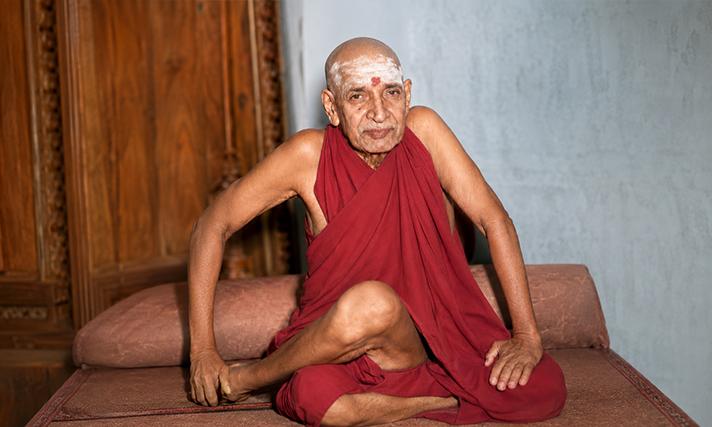
Param Pujya Mahesh Prakash Sharma Ji teaches that every Vrat in Sanatan Dharma is an opportunity for inner discipline. A fast is not merely about avoiding food. It is about consciously turning the mind away from distractions and towards the Divine. The true success of a Sawan Somvar Vrat is not measured by how many hours one remains without food. It is measured by how much closer one comes to Lord Shiva through devotion, self-discipline and sincere remembrance.
Guruji explains that every Vrat begins in the mind before it appears in our actions. Many people focus only on the physical aspect of fasting, deciding what they will eat or avoid. While discipline over food has its place, the greater purpose of a Vrat is to discipline the mind. During Sawan Somvar, every thought, prayer and action should gently bring the devotee back to the remembrance of Mahadev.
When the mind becomes calmer, speech becomes gentler. When speech becomes gentler, actions become more compassionate. This is how a Vrat begins to transform the devotee from within.
Why Is Monday Dedicated to Lord Shiva?
Monday, or Somvar, has long been associated with Lord Shiva in the Sanatan tradition. The word Som refers to the Moon, which adorns Lord Shiva's matted locks as Chandrasekhar. The Moon represents calmness, balance and emotional stability. By dedicating Monday to Lord Shiva, devotees seek these very qualities in their own lives.
Guruji reminds us that this association is not merely symbolic. It is an invitation to begin every week by grounding ourselves in prayer, humility and self-discipline. Instead of entering the week with anxiety and haste, the devotee begins with surrender before Mahadev.
Why Is Sawan Considered So Sacred?
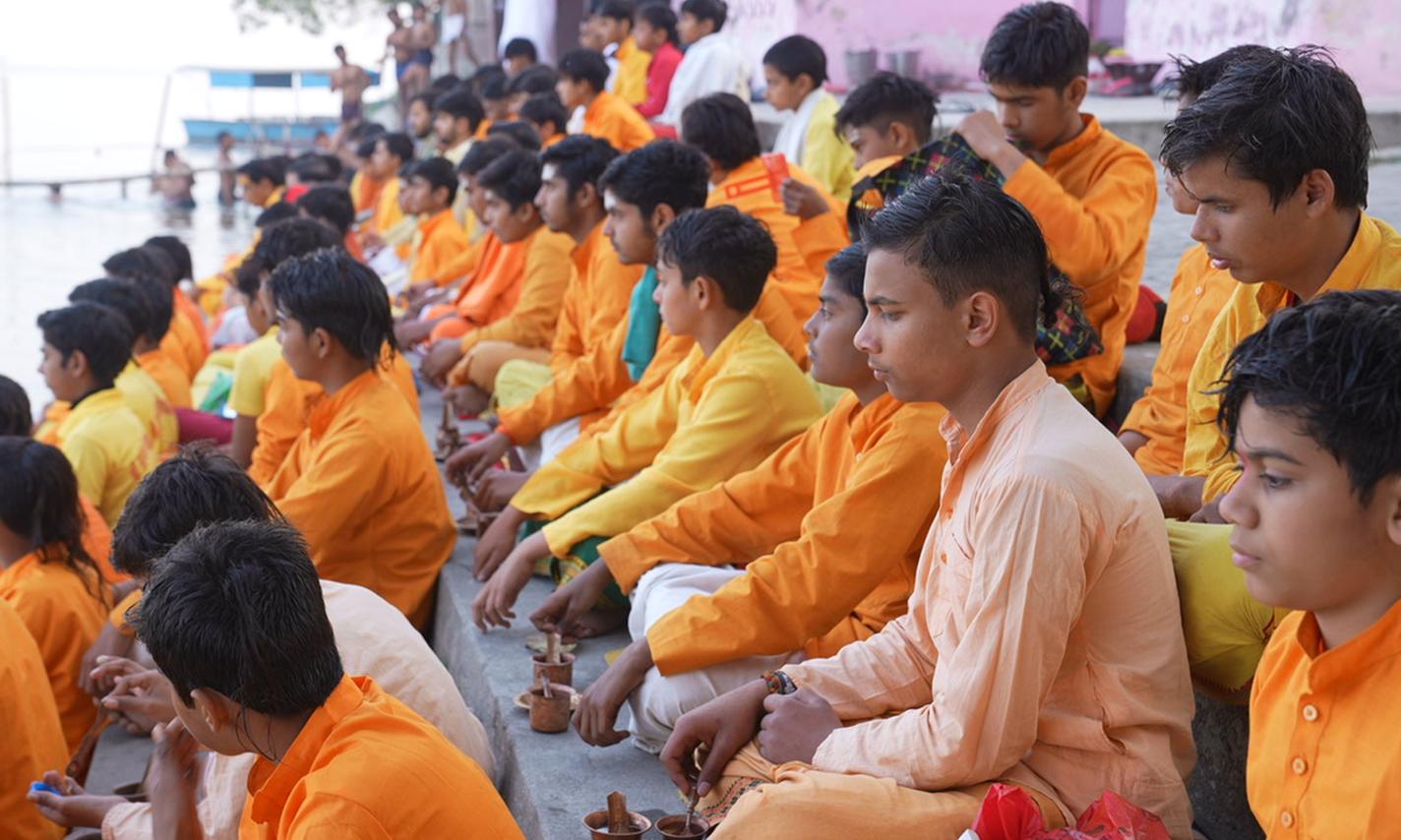
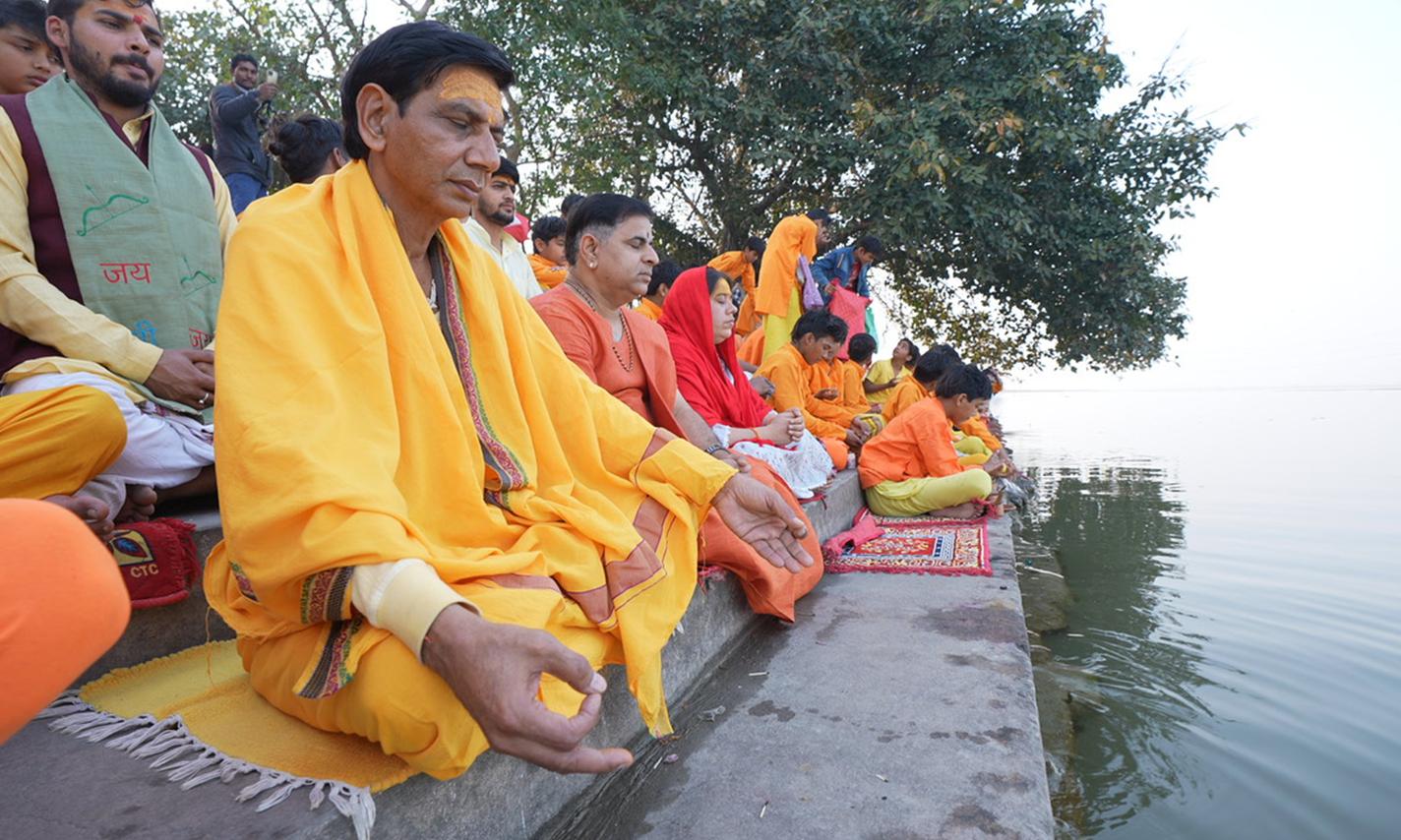
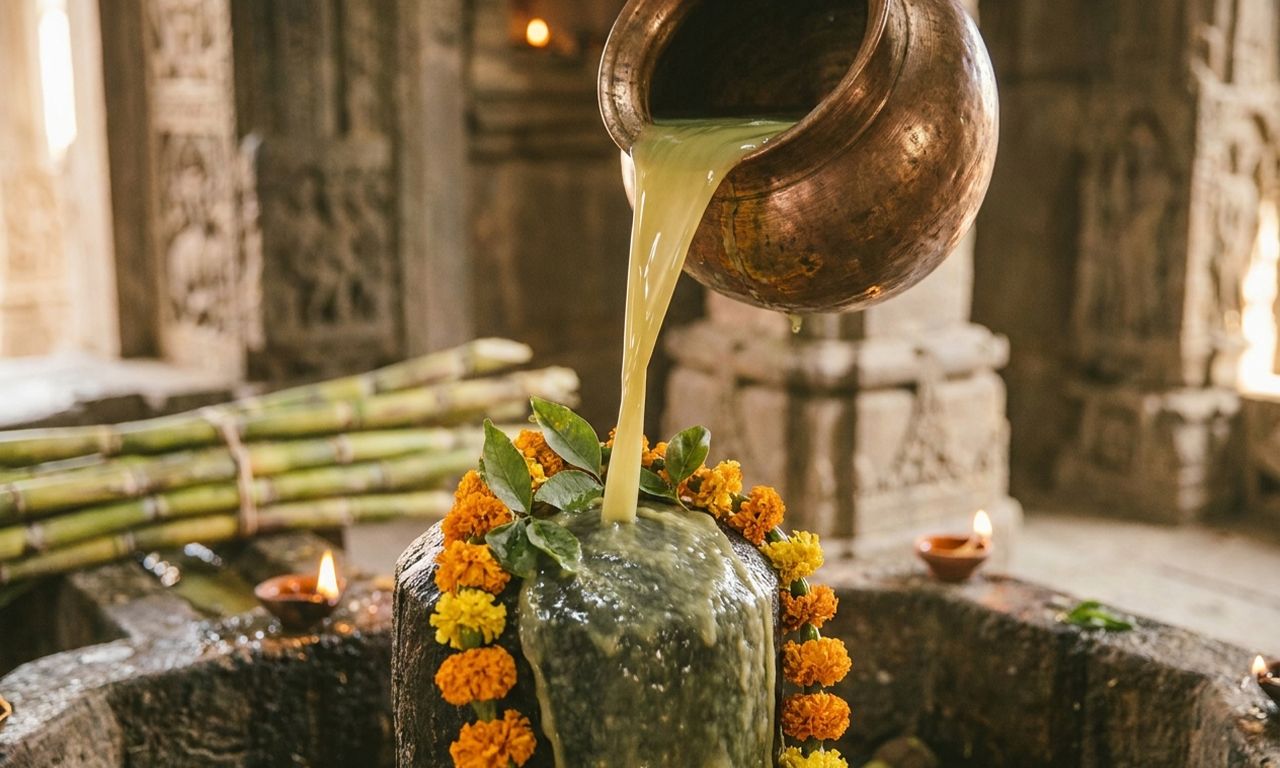
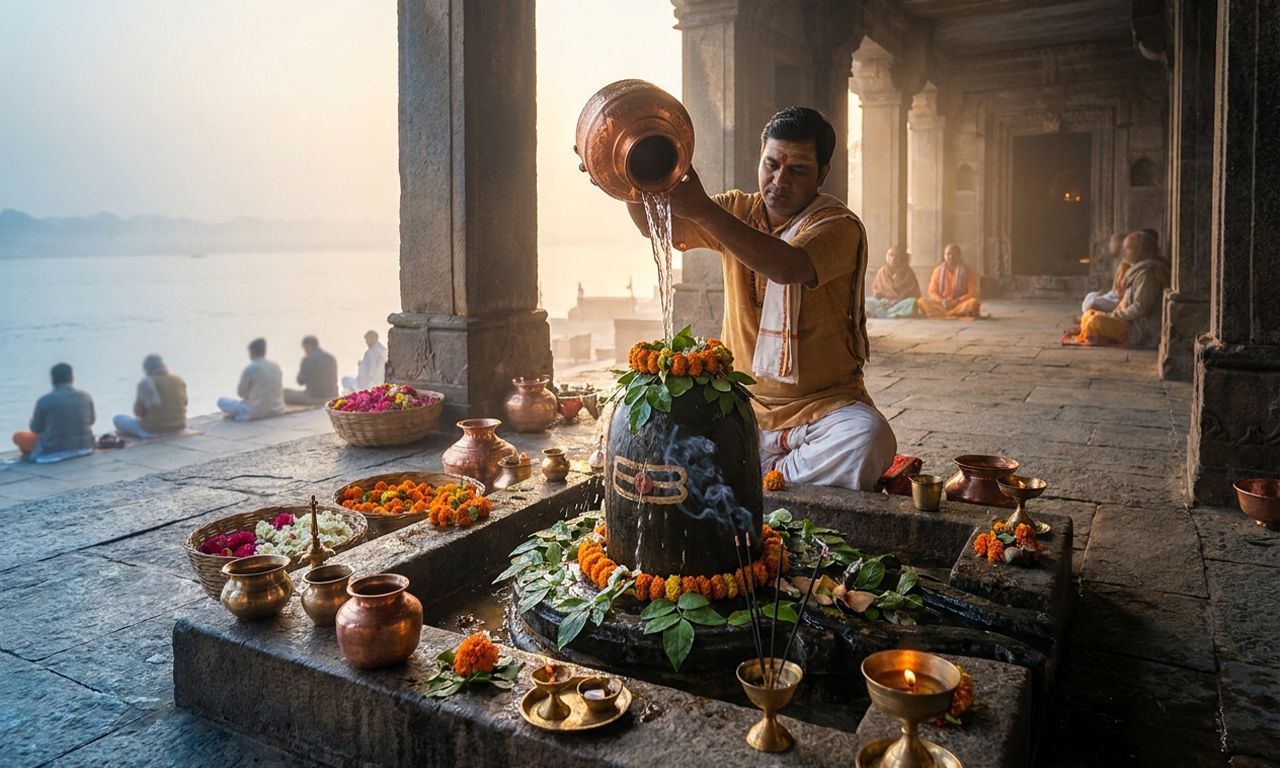
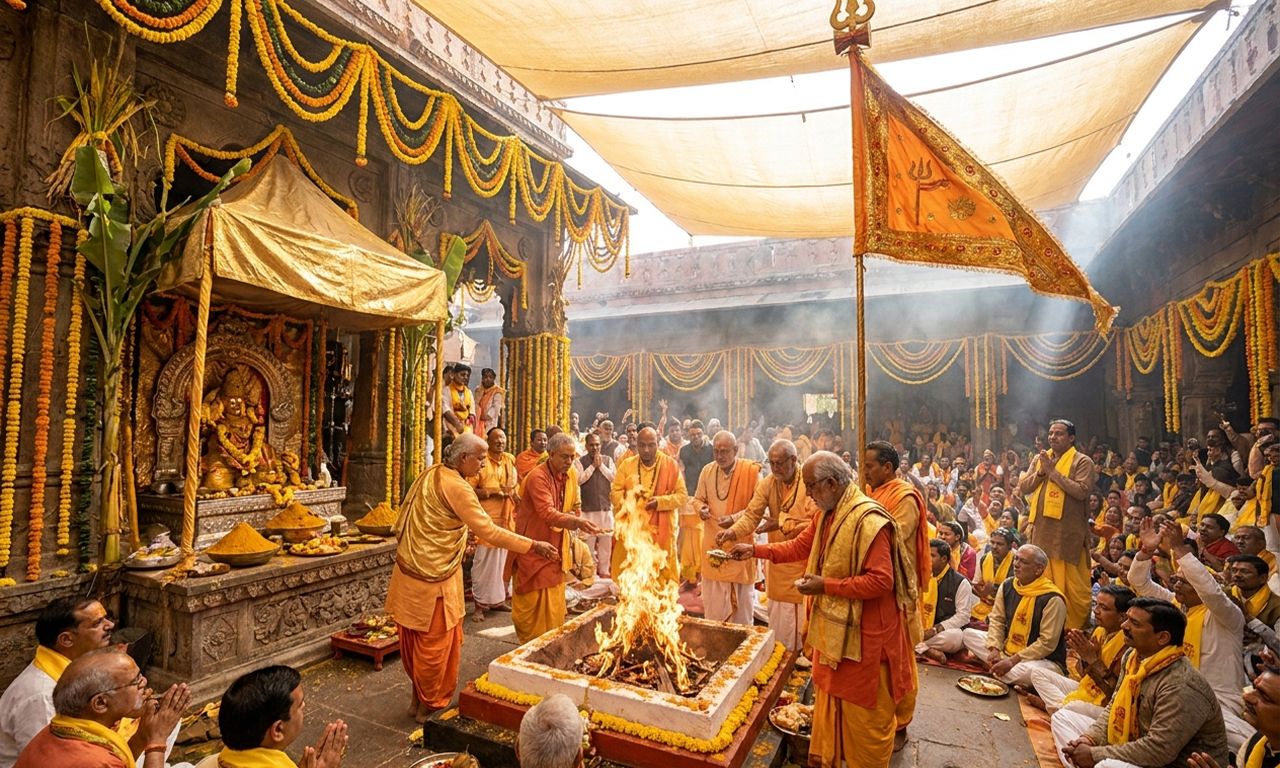
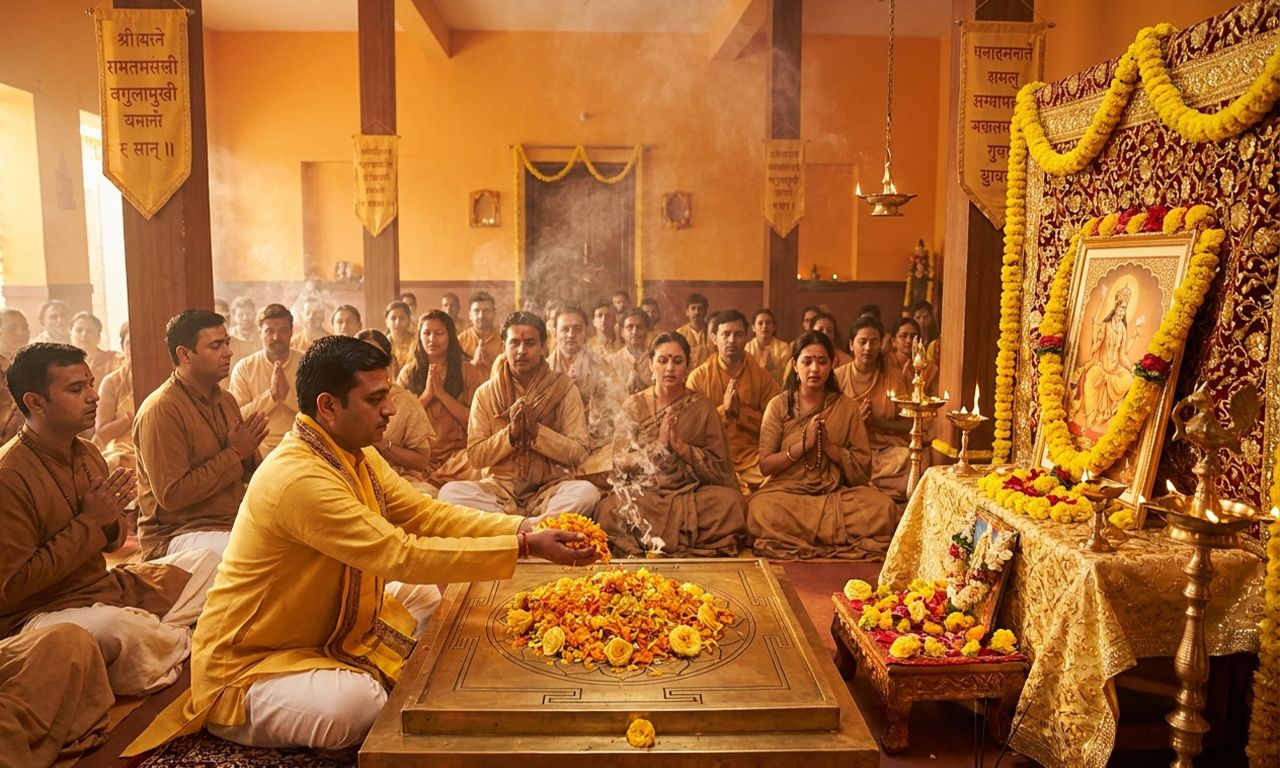
Among all the months of the Hindu calendar, Sawan is especially cherished by Shiva devotees. Temples resonate with the chanting of Om Namah Shivaya. Devotees undertake Kanwar Yatras, perform Jal Abhishek, participate in Rudrabhishek, and dedicate extra time to prayer and meditation.
Guruji explains that the greatest blessing of Sawan is not that Lord Shiva becomes more compassionate during this month. Mahadev's grace is constant throughout the year. What changes during Sawan is the devotion of the devotee.
The atmosphere itself encourages remembrance. Families pray together. Temples become centres of devotion. Spiritual conversations become more frequent. The month naturally inspires people to return to their spiritual roots. This collective devotion makes Sawan a powerful opportunity to strengthen one's relationship with Lord Shiva.
What Is the Purpose of the Sawan Somvar Vrat?
Many devotees observe the fast with specific prayers in their hearts. Some pray for good health. Some seek peace within the family. Some pray for success in righteous efforts. Some unmarried devotees pray for a suitable life partner.
Guruji acknowledges that bringing our heartfelt prayers before Lord Shiva is natural. Mahadev listens to every sincere devotee. However, he also reminds us that the highest purpose of the Vrat is spiritual growth.
The Vrat teaches patience. It teaches self-control. It teaches gratitude. It teaches us to place our trust in Lord Shiva instead of becoming consumed by worry. When observed with this understanding, the Vrat becomes much more than a religious custom. It becomes a path of inner refinement.
How Should a Sawan Somvar Begin?
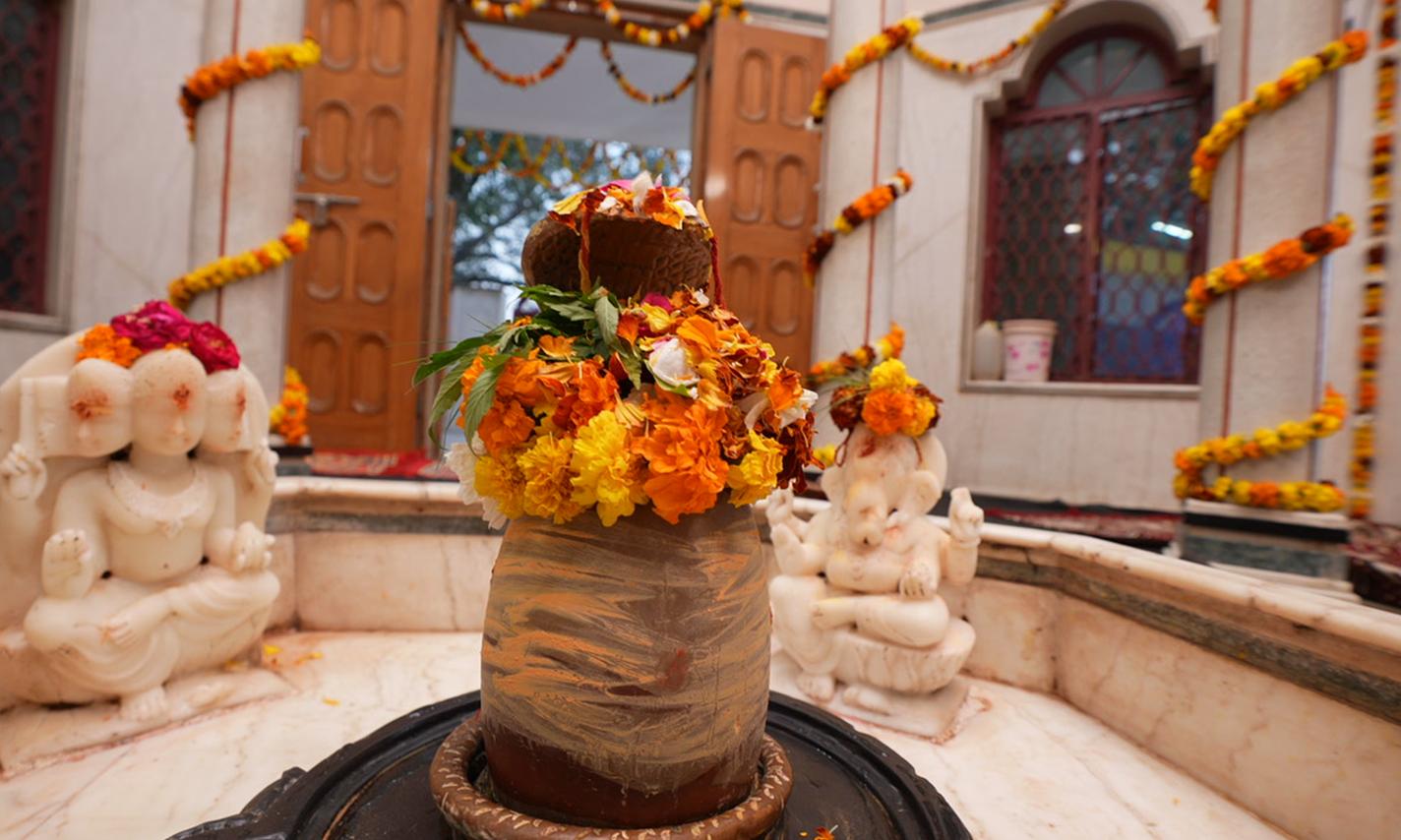
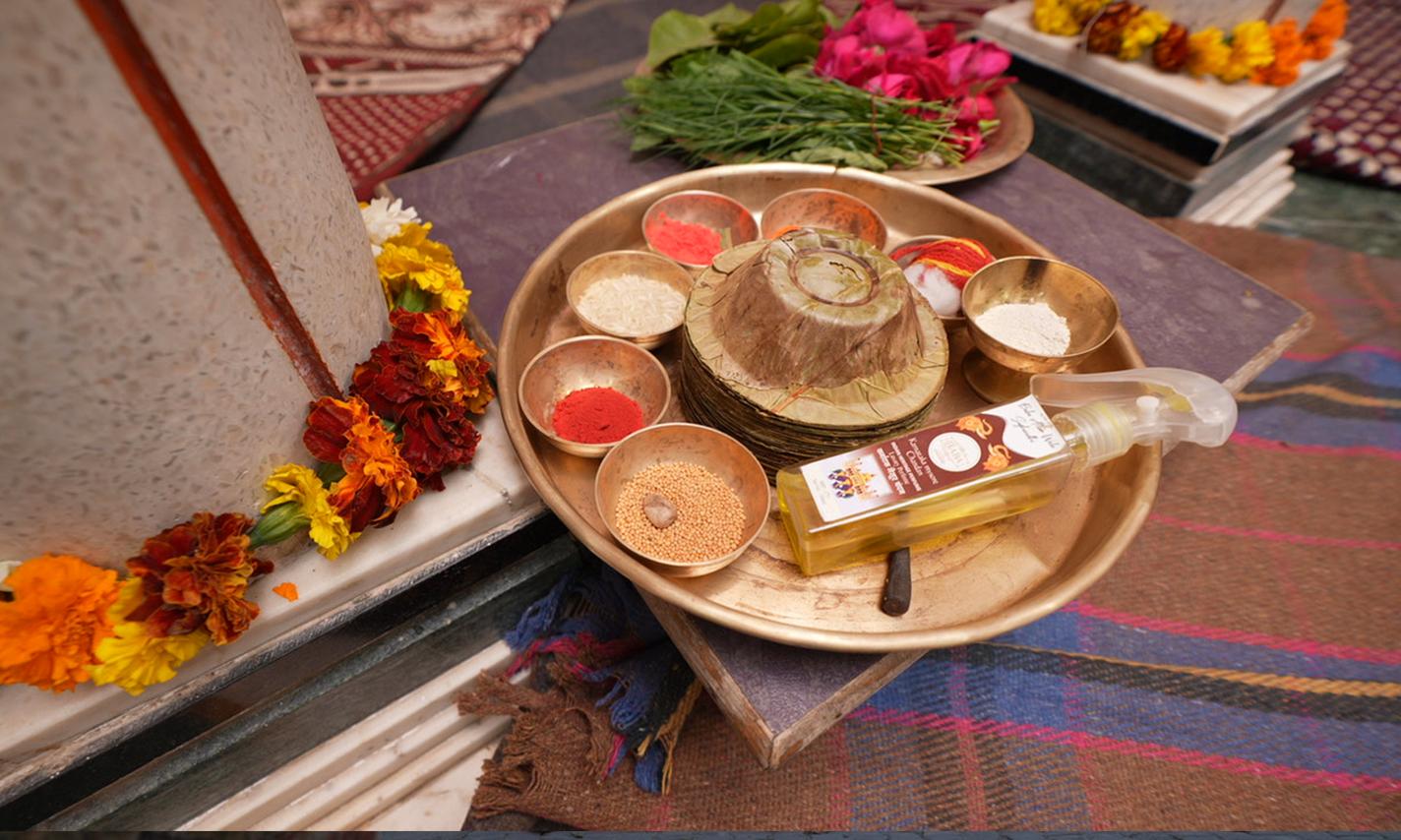
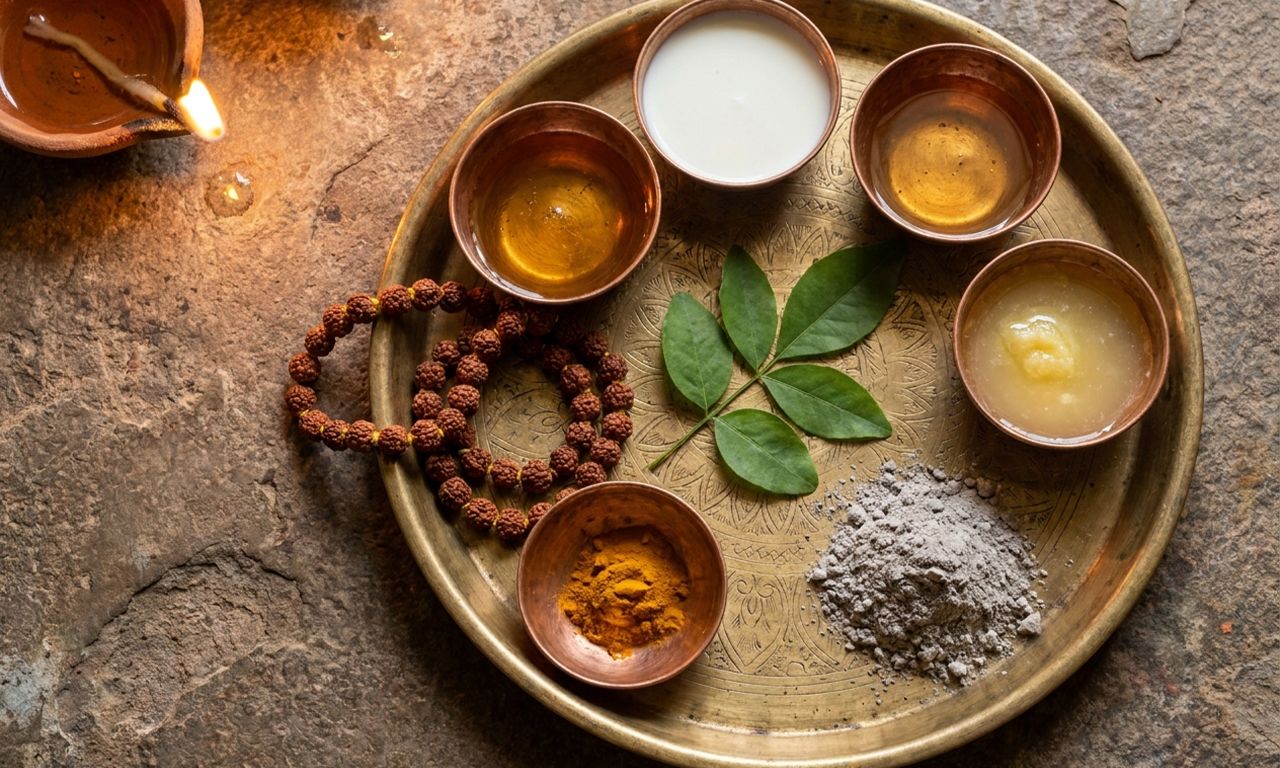
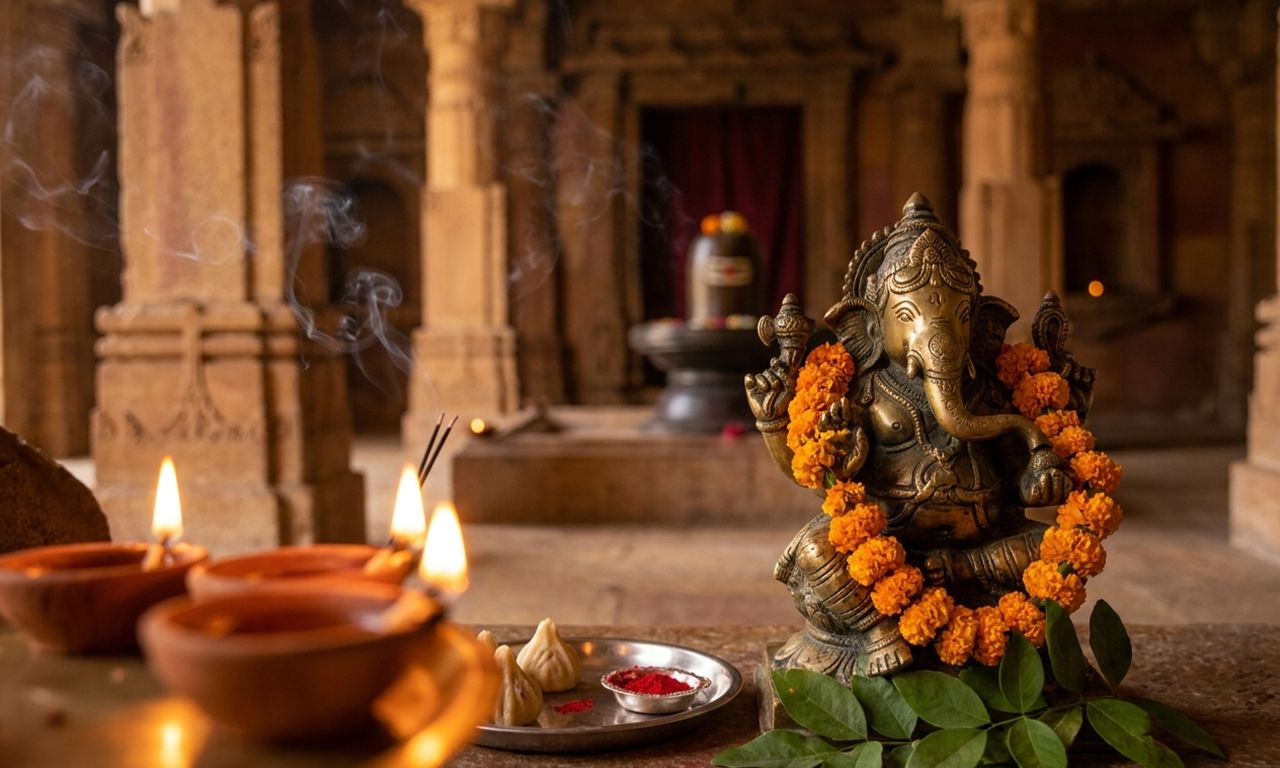
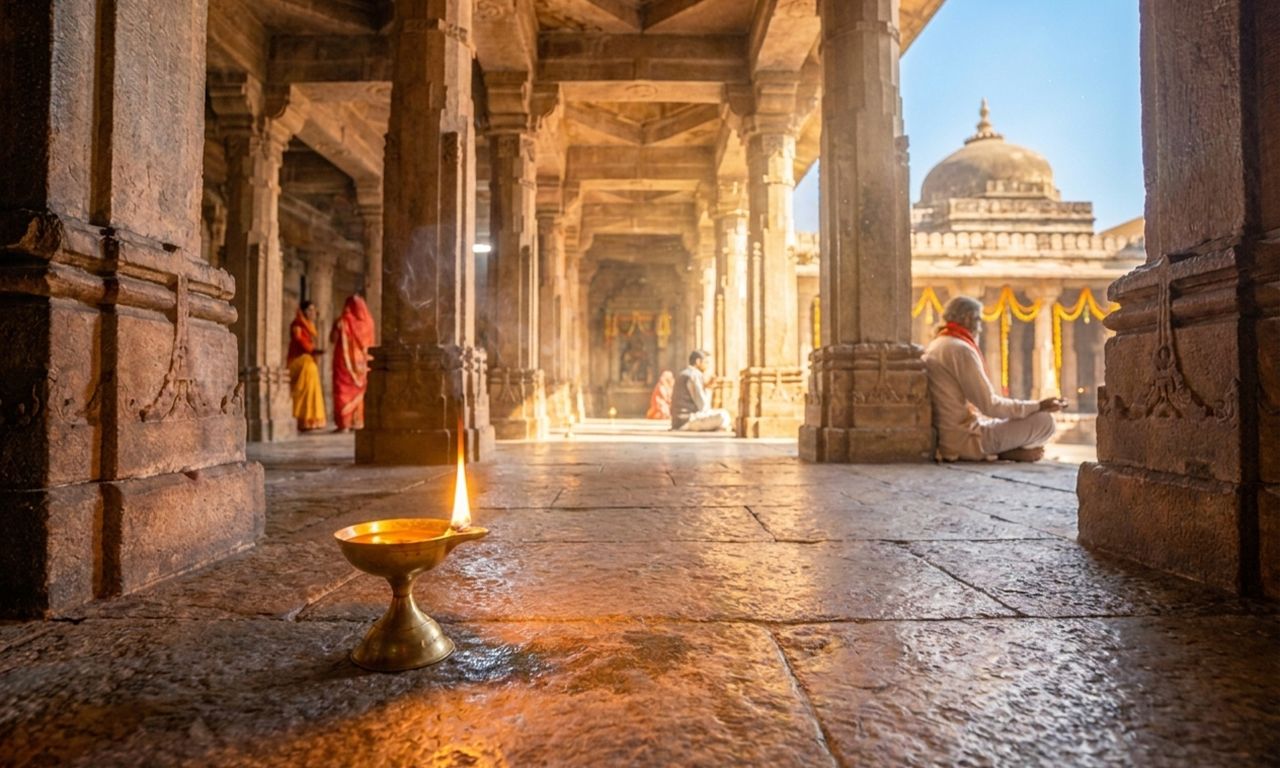
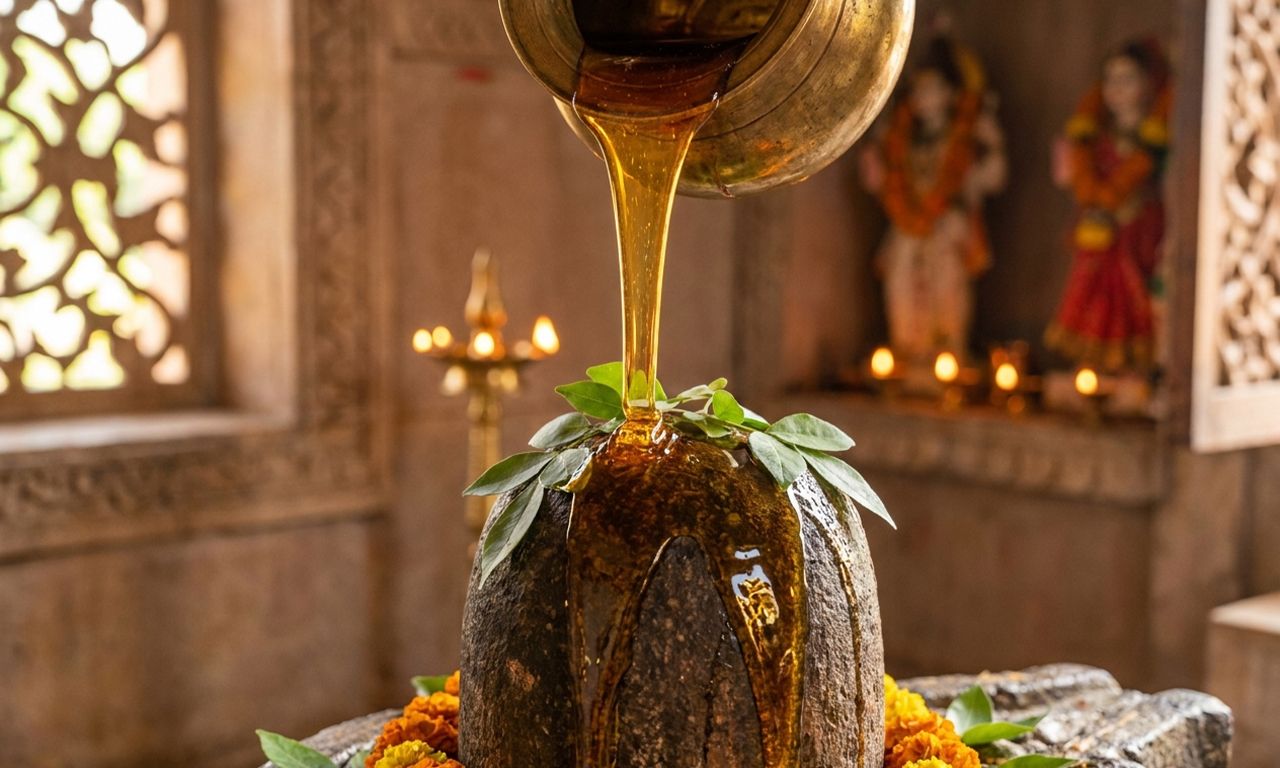
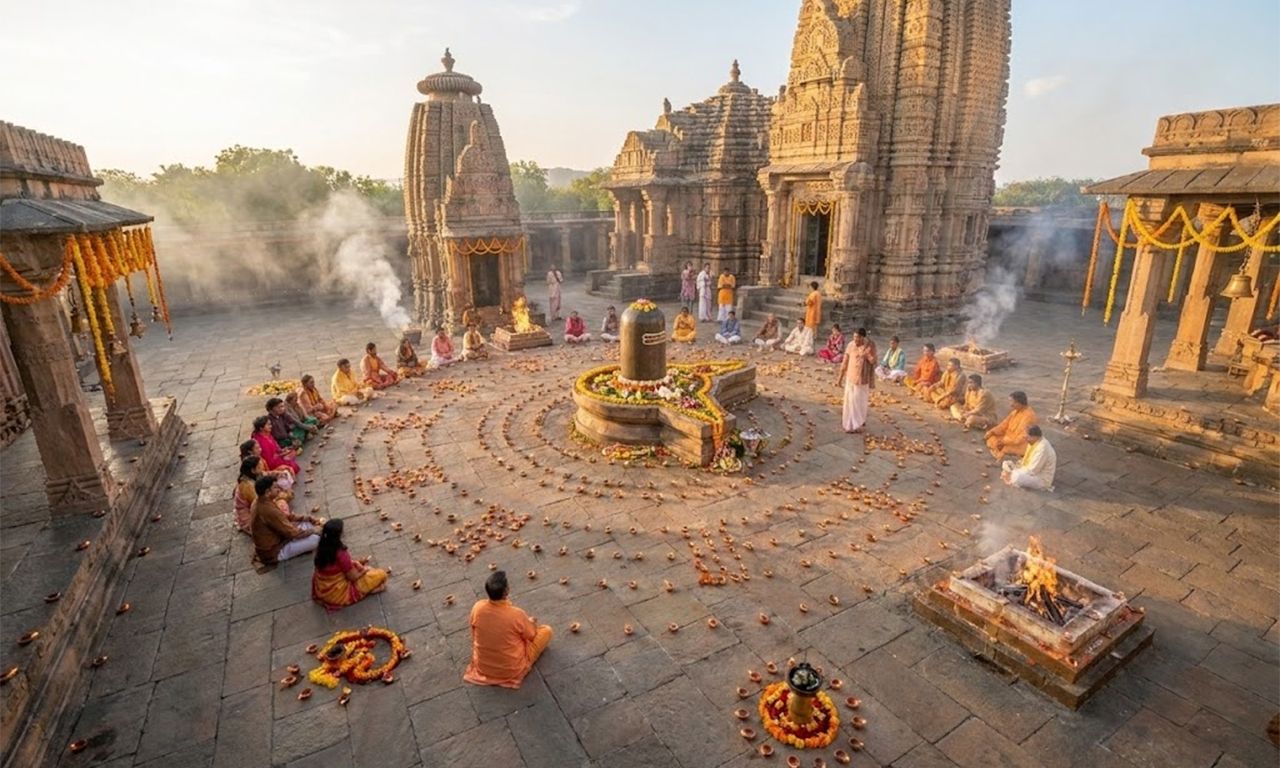
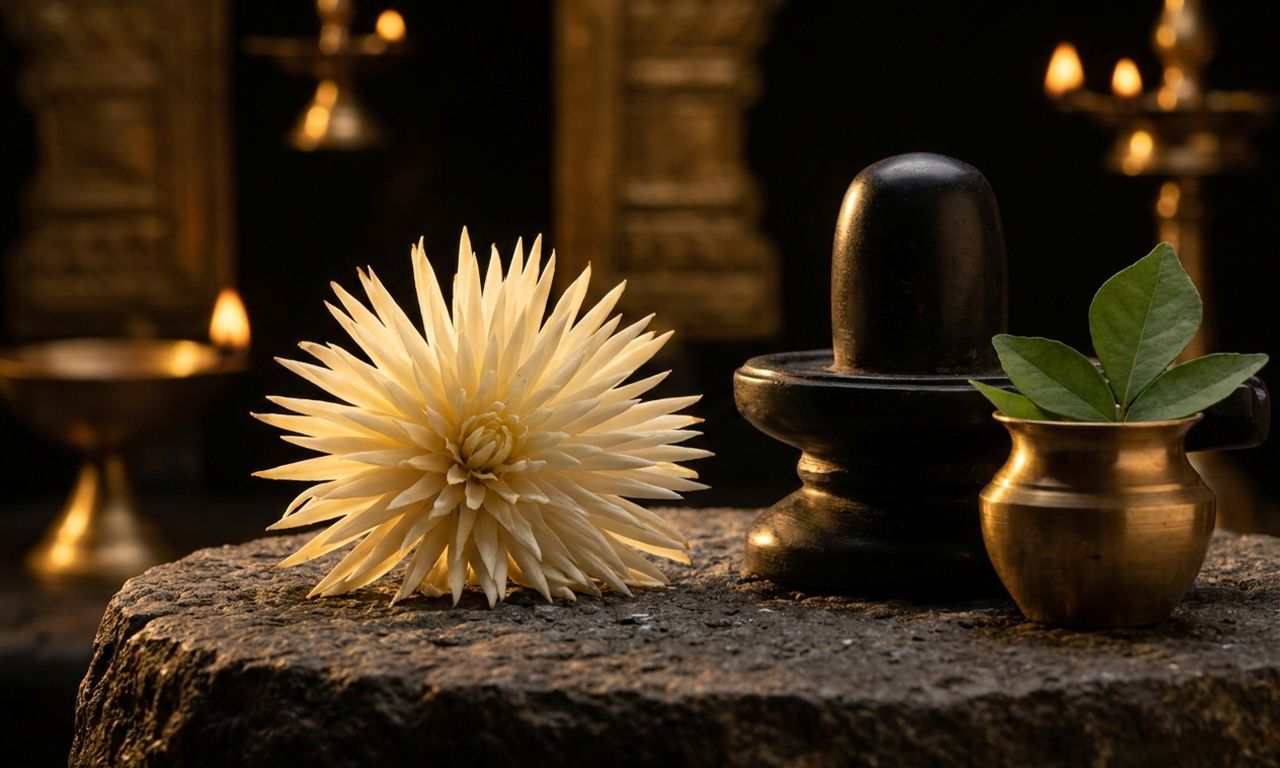
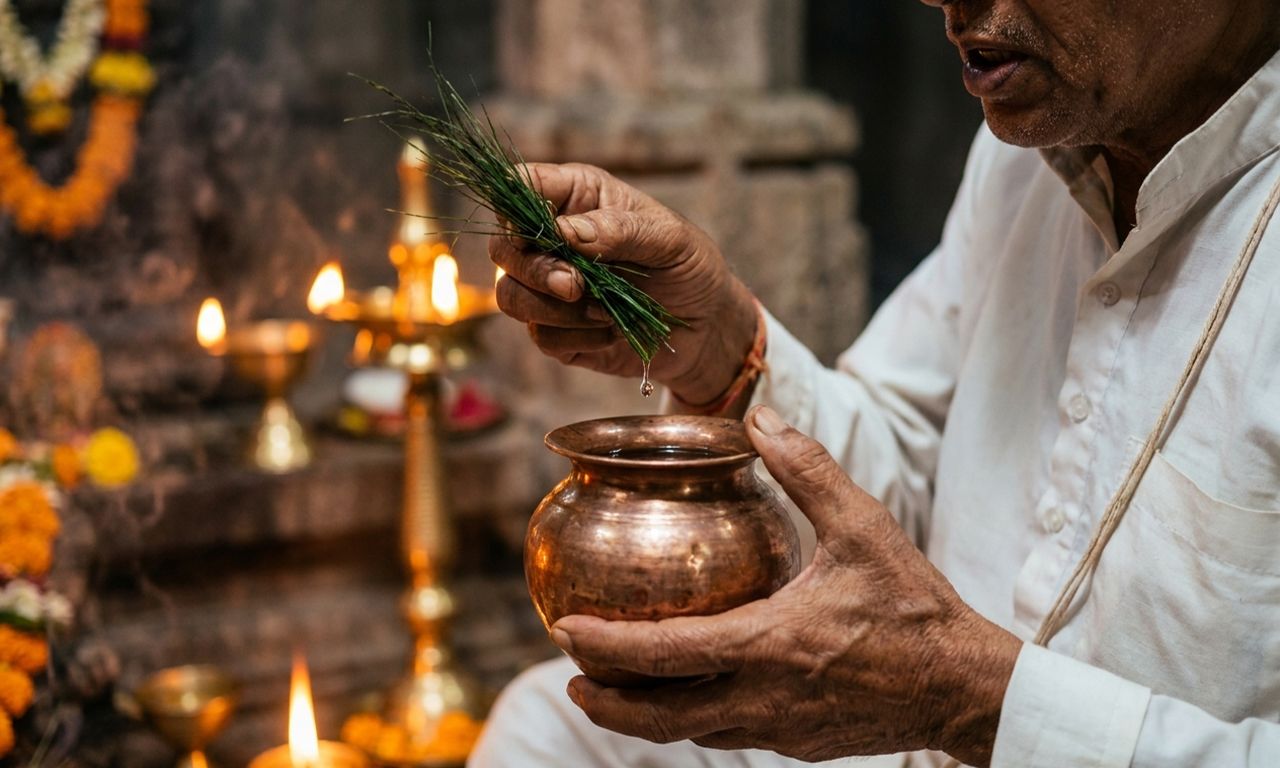
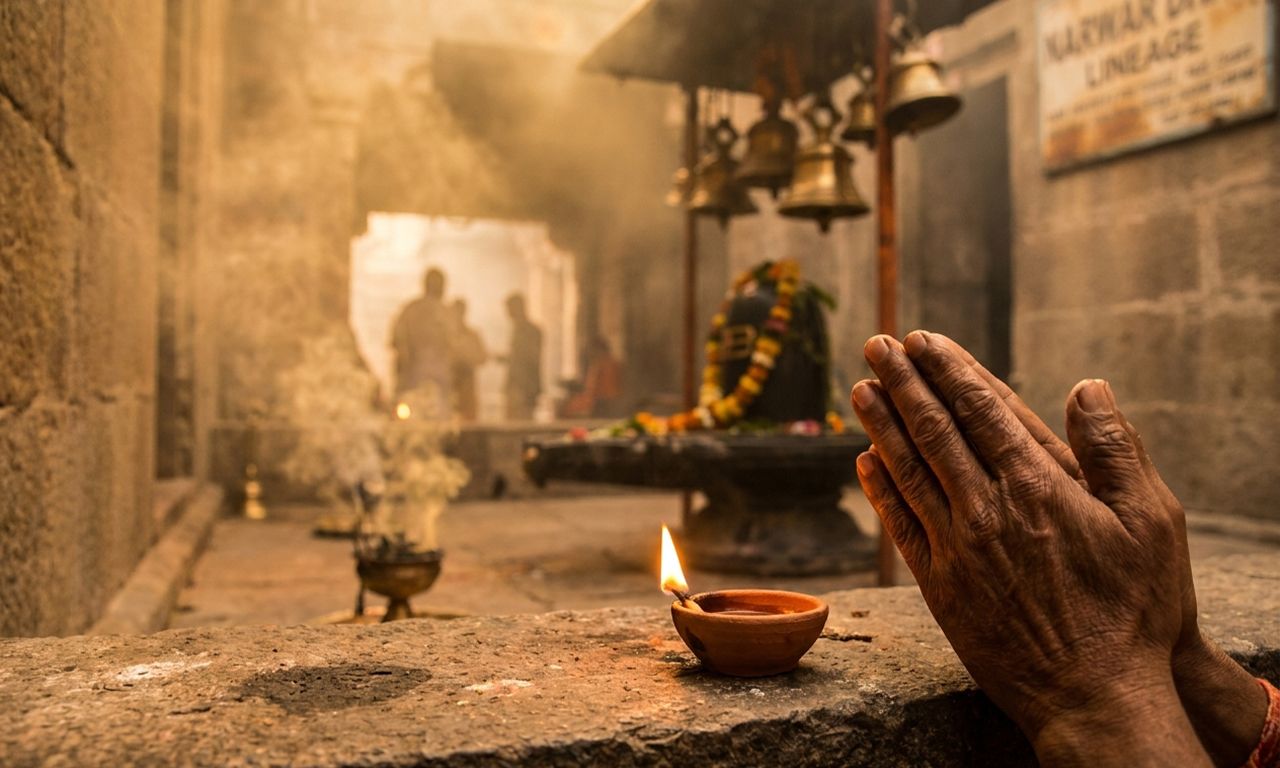
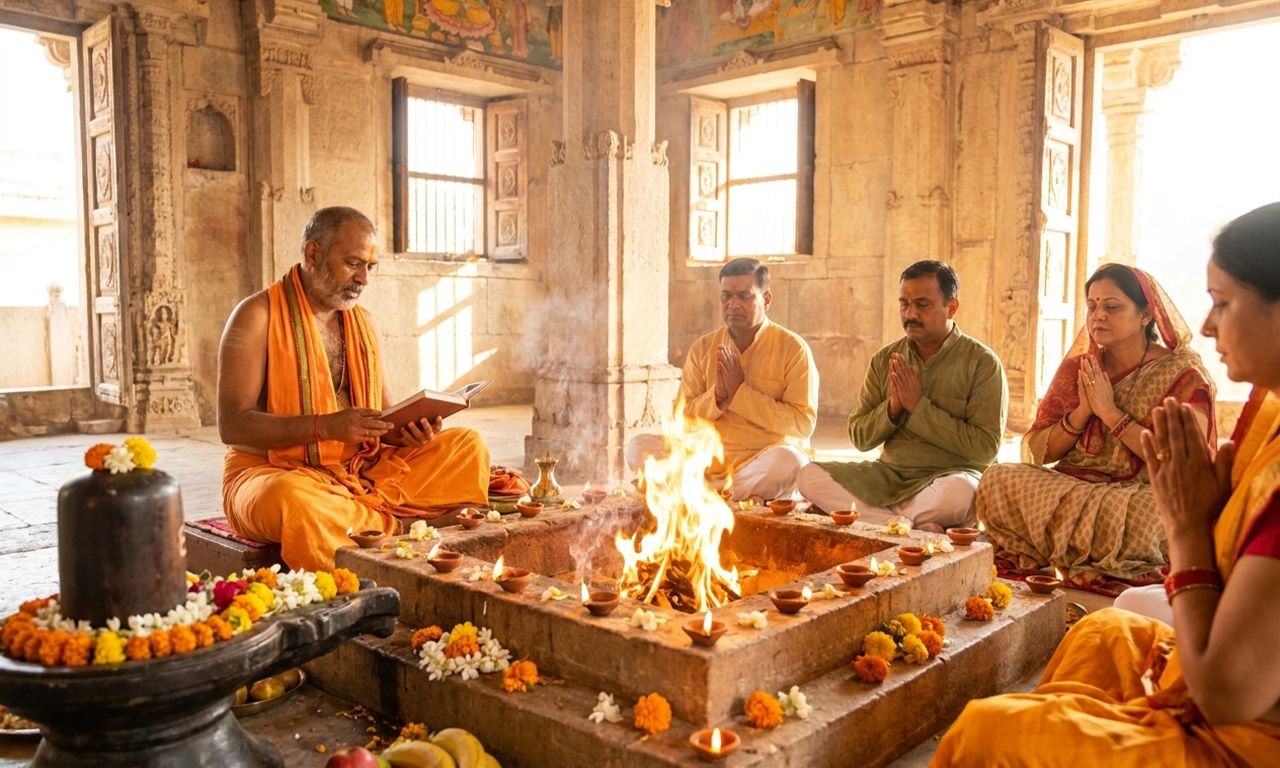
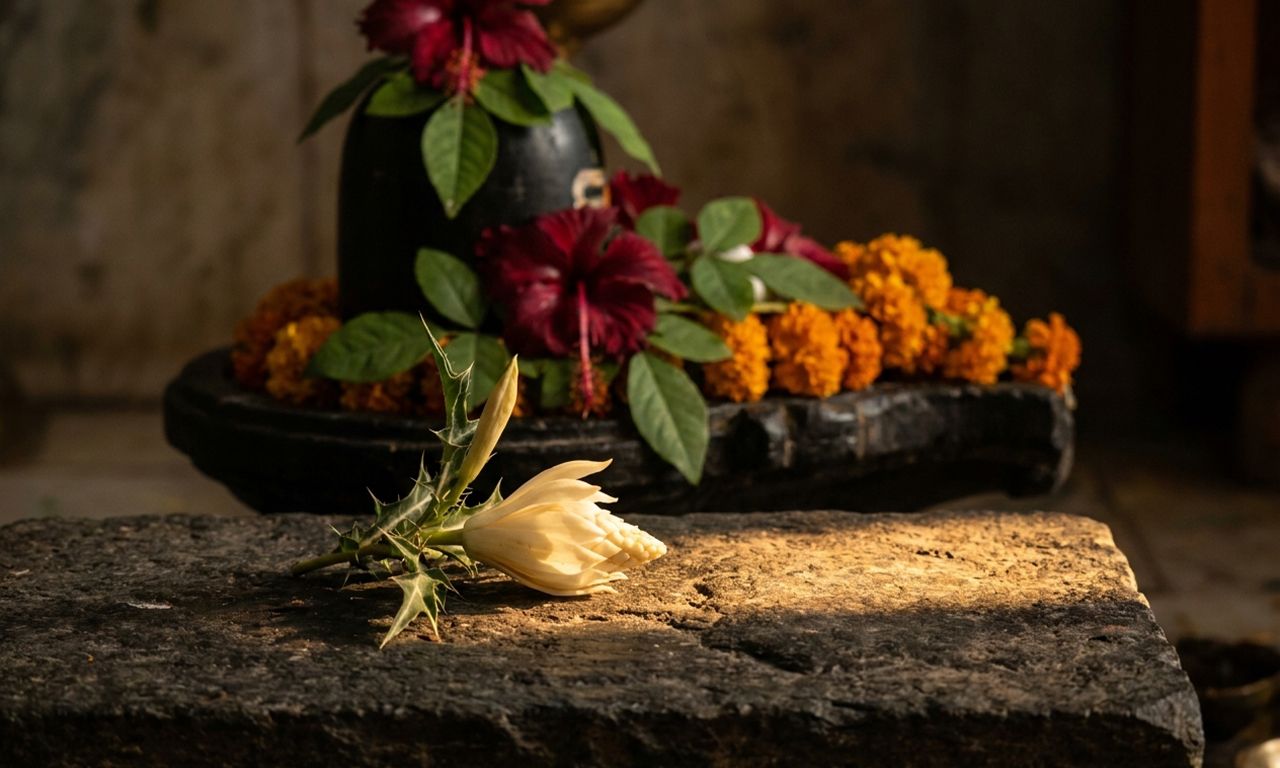
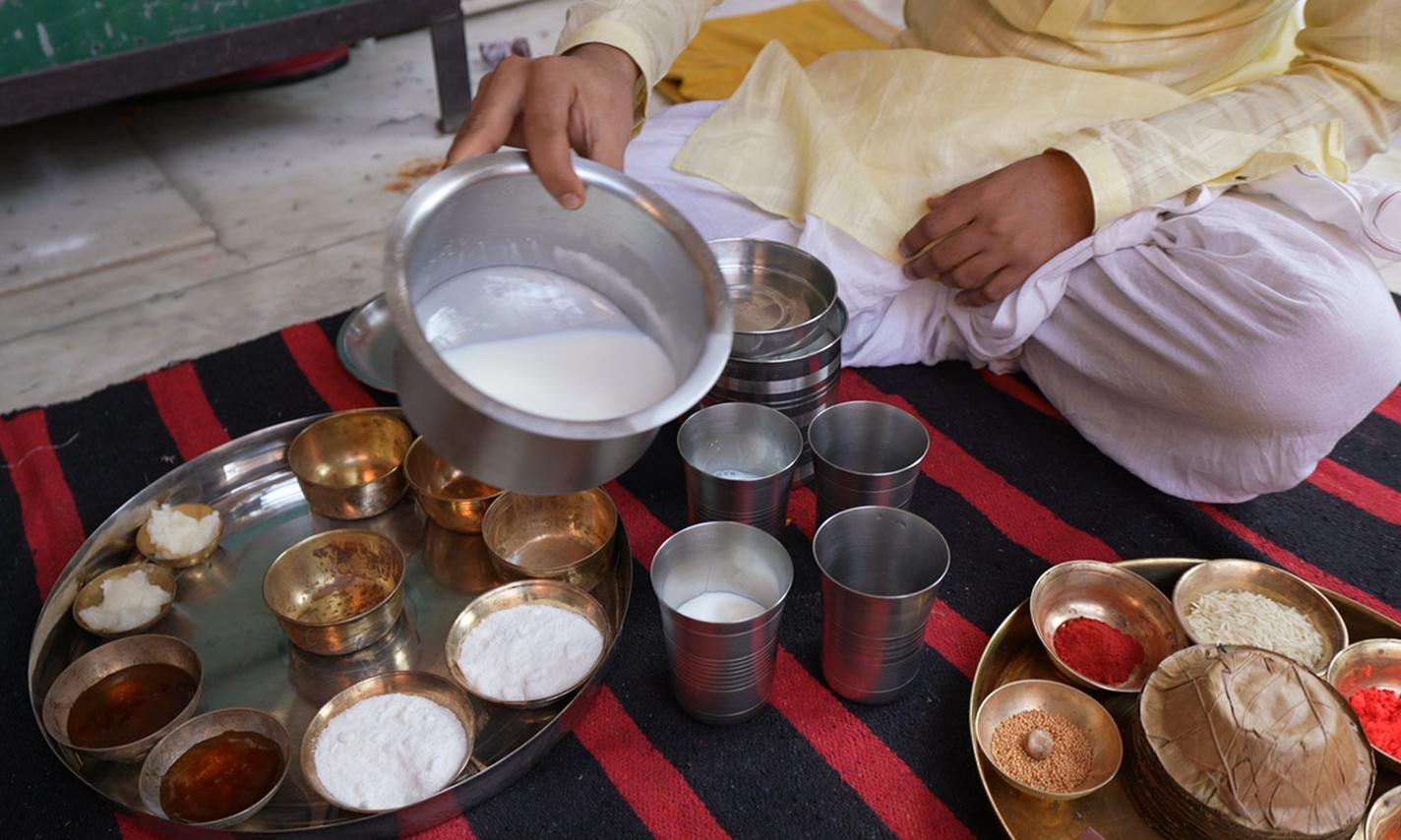
Guruji encourages devotees to begin the day with simplicity and purity. Wake up early. Take a bath and wear clean clothes. Prepare the place of worship with care. Light a Diya. Offer clean water to the Shivling. If available, offer Bilva Patra, flowers and fruits. Chant Om Namah Shivaya or the Mahamrityunjaya Mantra with complete attention. Spend a few quiet moments in Shiv Chintan, allowing the mind to settle before beginning the day's responsibilities.
The goal is not to perform a complicated ritual. The goal is to begin the day with devotion.
Is Fasting the Most Important Part of the Vrat?
One of the biggest misunderstandings surrounding the Sawan Somvar Vrat is that avoiding food is its primary objective. Guruji gently corrects this view. A person may remain hungry all day but continue to harbour anger, jealousy, impatience or harsh speech. Such a fast has not fulfilled its purpose.
Real fasting includes restraint of the mind. Avoid unnecessary arguments. Avoid speaking harshly. Avoid gossip. Avoid negative thinking. Feed the mind with prayer, scripture and remembrance rather than distraction. When the senses become disciplined, the Vrat begins to bear fruit.
Can Everyone Observe the Sawan Somvar Vrat?
Yes. Guruji teaches that devotion is never restricted by age or circumstance. Children can participate by offering flowers or chanting a few mantras. Working professionals may observe the Vrat according to their health and responsibilities. Elderly devotees may simplify the ritual while maintaining the same sincerity.
Those who cannot fast due to medical reasons should never feel guilty. Lord Shiva values devotion above physical hardship. If your health does not permit fasting, spend more time in prayer, Shiv Chintan, Shiv Katha or acts of service. The essence of the Vrat is remembrance, not deprivation.
Mistakes to Avoid During the Vrat
Guruji advises devotees to avoid turning the Vrat into a ritual performed out of fear or social pressure. Do not compare your observance with others. Do not treat fasting as a transaction with God. Do not become proud of your discipline. Do not neglect kindness towards your family while claiming to worship Lord Shiva.
The purpose of the Vrat is to become calmer, more compassionate and more humble. If these qualities are growing within you, your Vrat is progressing in the right direction.
The Narwar Dham Tradition
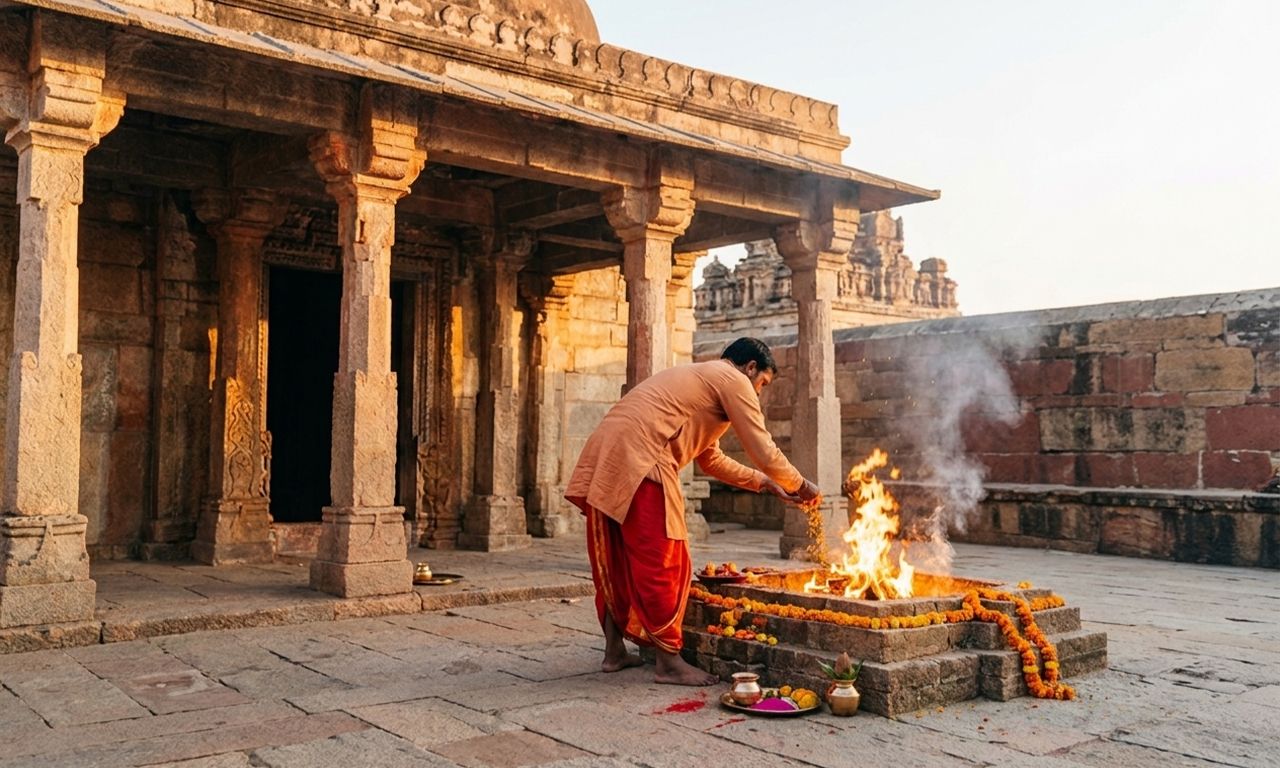
For over 120 years, the Narwar Dham Guru Parampara has encouraged devotees to observe Sawan Somvar with both external discipline and inner awareness. Alongside fasting, devotees are encouraged to perform Jal Abhishek, participate in Rudrabhishek, engage in Shiv Chintan, listen to Shiv Katha and dedicate time to sincere prayer.
The emphasis has never been on ritual alone. The emphasis has always been on transforming the devotee through authentic spiritual practice. This living tradition continues to guide devotees who wish to deepen their relationship with Lord Shiva through understanding rather than mere habit.
Frequently Asked Questions
What is the purpose of the Sawan Somvar Vrat?
The purpose of the Sawan Somvar Vrat is to strengthen one's devotion to Lord Shiva through self-discipline, prayer, remembrance and inner transformation. While devotees may pray for specific blessings, the highest purpose is spiritual growth.
Can I observe the Sawan Somvar Vrat without fasting?
Yes. If fasting is not possible due to health or other genuine reasons, you can still observe the Vrat through sincere worship, mantra chanting, Shiv Chintan, reading sacred texts and acts of kindness.
What should I offer to Lord Shiva on Sawan Somvar?
Traditionally, devotees offer clean water, Bilva Patra, flowers, fruits and heartfelt prayers. The most important offering is sincere devotion.
Which mantra should I chant on Sawan Somvar?
Om Namah Shivaya is the most widely chanted mantra. Many devotees also recite the Mahamrityunjaya Mantra with faith and concentration.
Is Sawan Somvar only for unmarried girls?
No. This is a common misconception. The Sawan Somvar Vrat may be observed by anyone seeking to deepen their devotion to Lord Shiva, irrespective of age, gender or marital status.
From Faith to Sadhana
Every Sawan Somvar is an invitation to move beyond routine and deepen your relationship with Mahadev. Fasting, prayer and remembrance become even more meaningful when accompanied by authentic Vedic worship.
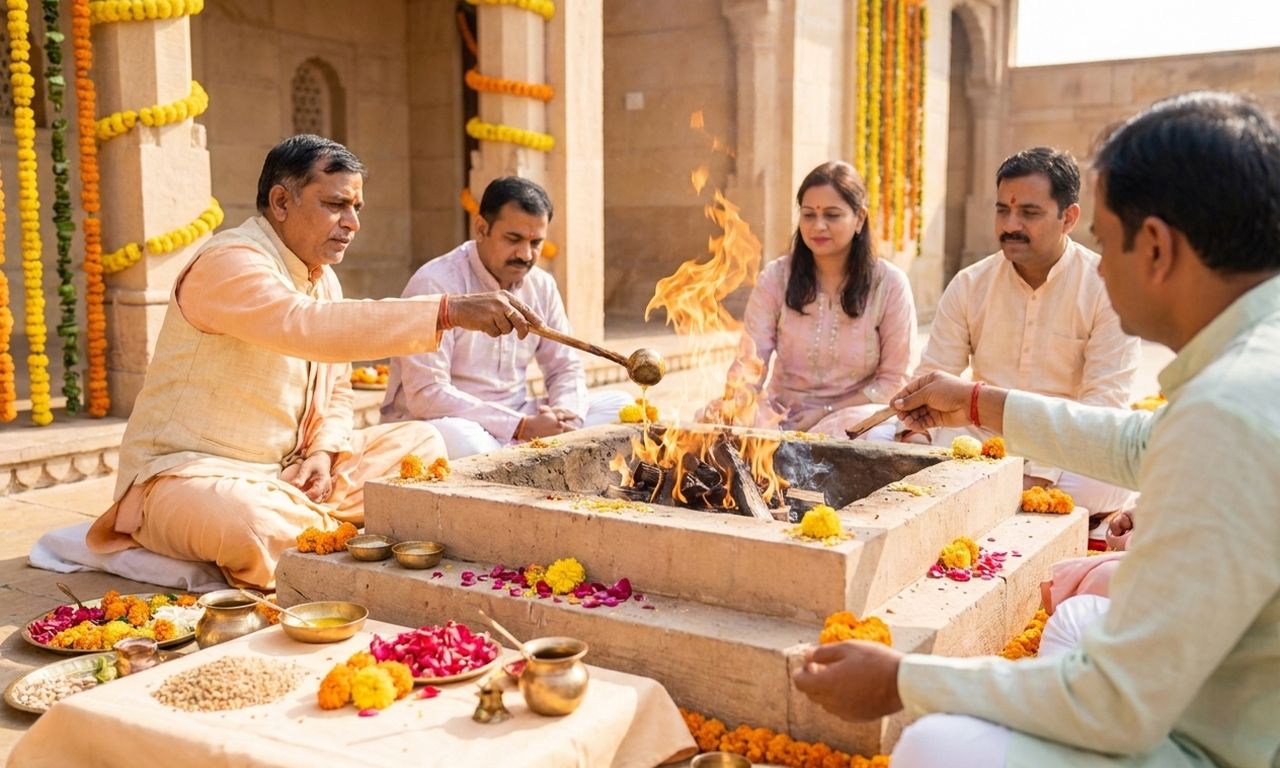
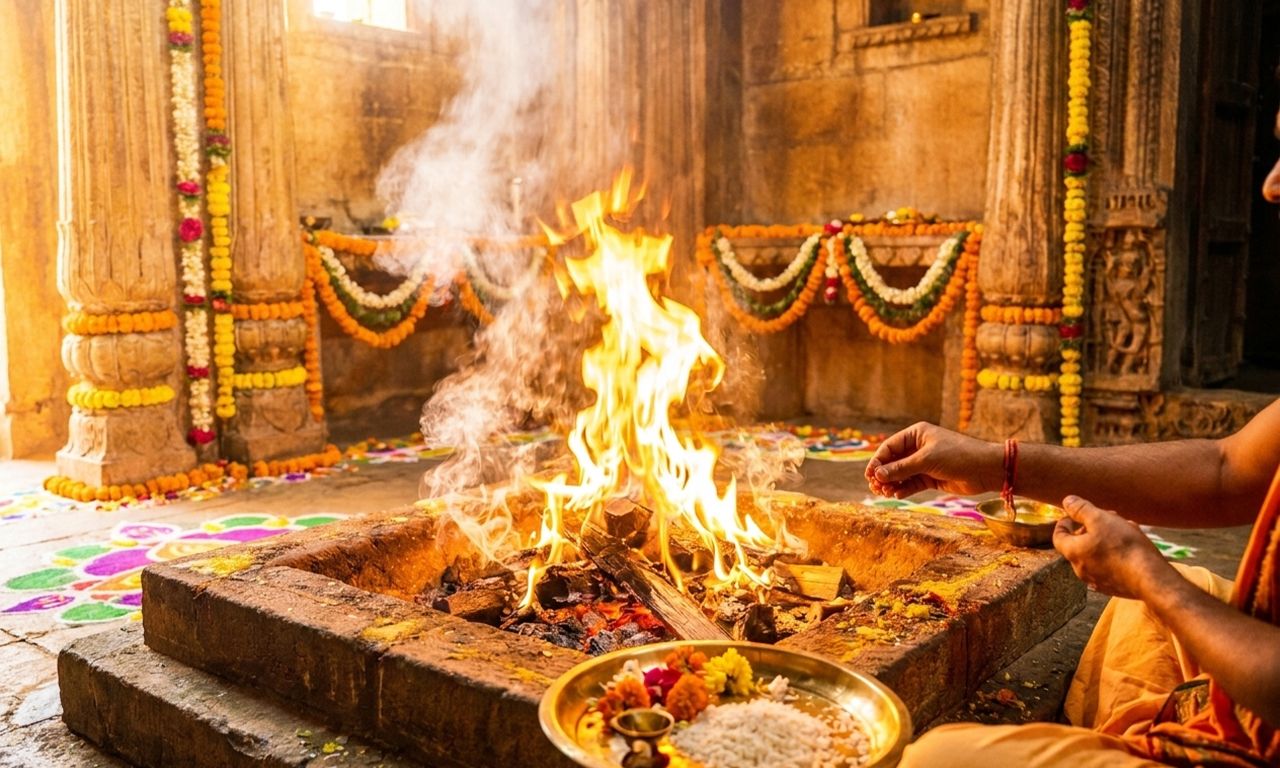
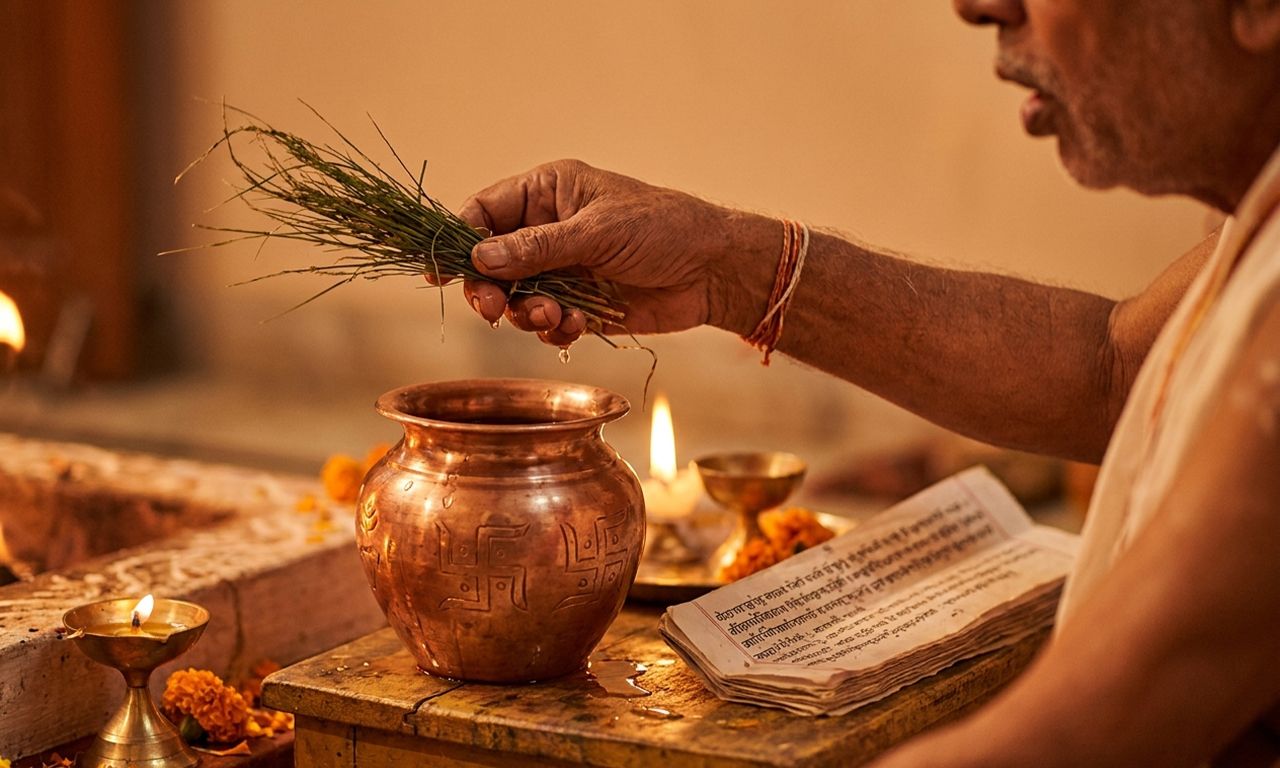
This Sawan, you can participate in the Sawan Maha Rudrabhishek performed in the 120-year-old Narwar Dham Guru Parampara. Your name and gotra are included in the Sankalp, and the complete Vedic ritual is performed by learned Acharyas with devotion and precision.
Offer your Sankalp and make this Sawan a journey of inner transformation, not just observance.