Panchopchar and Shodashopchar - Why the Offering Differs Across the Four Prahars
By SiddhiStar | Narwar Dham Parampara
15 May 2026 • 5 min read
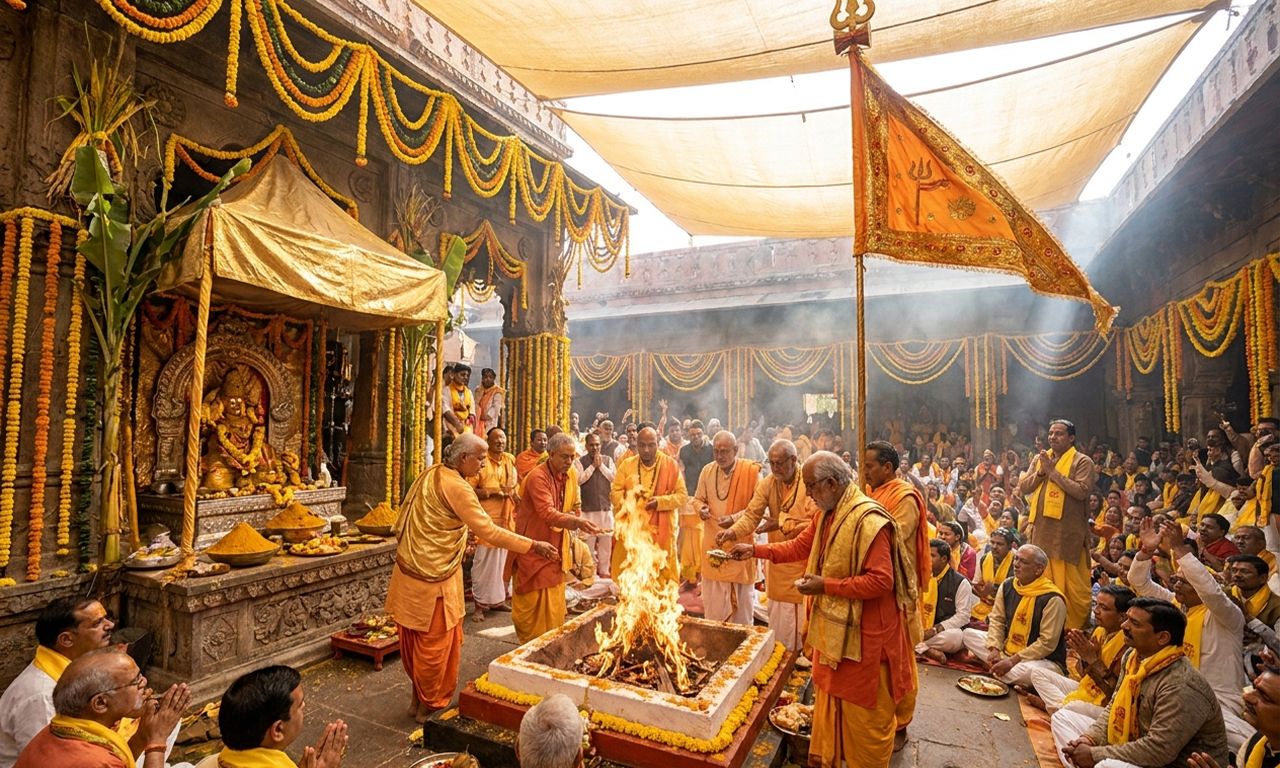
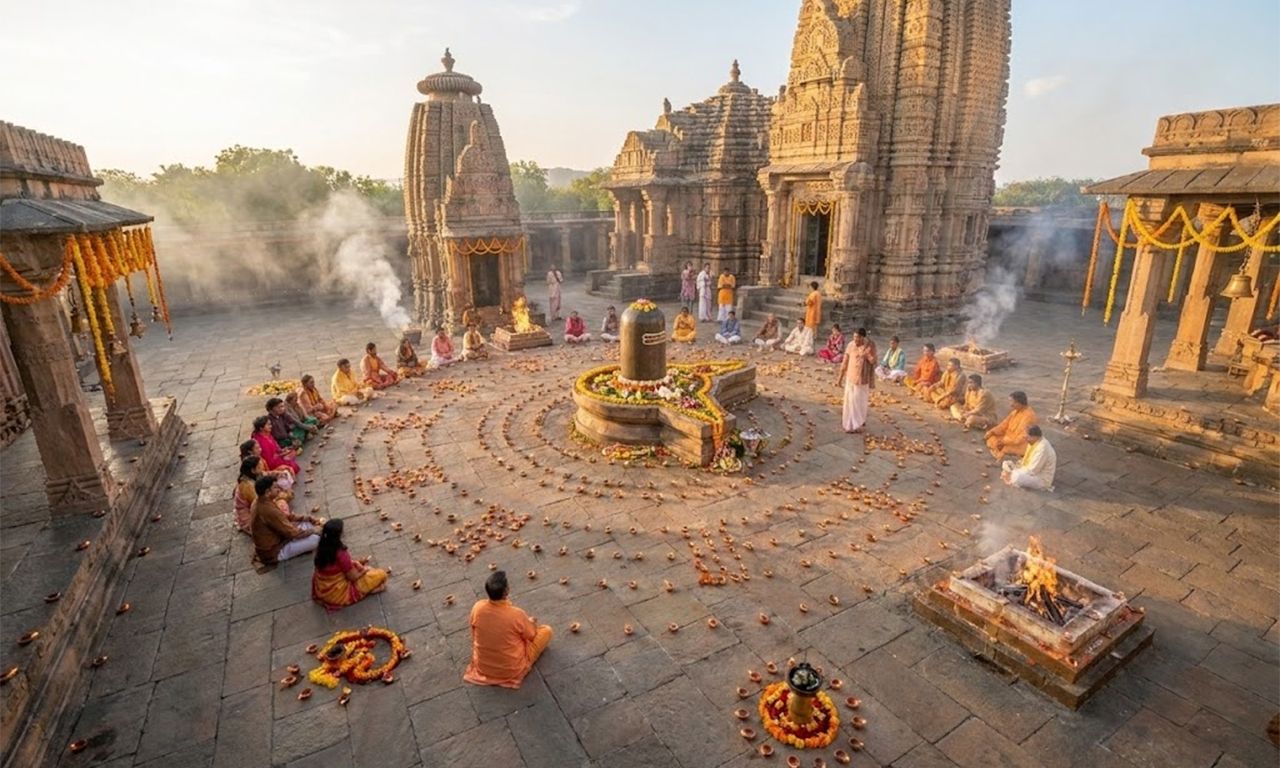
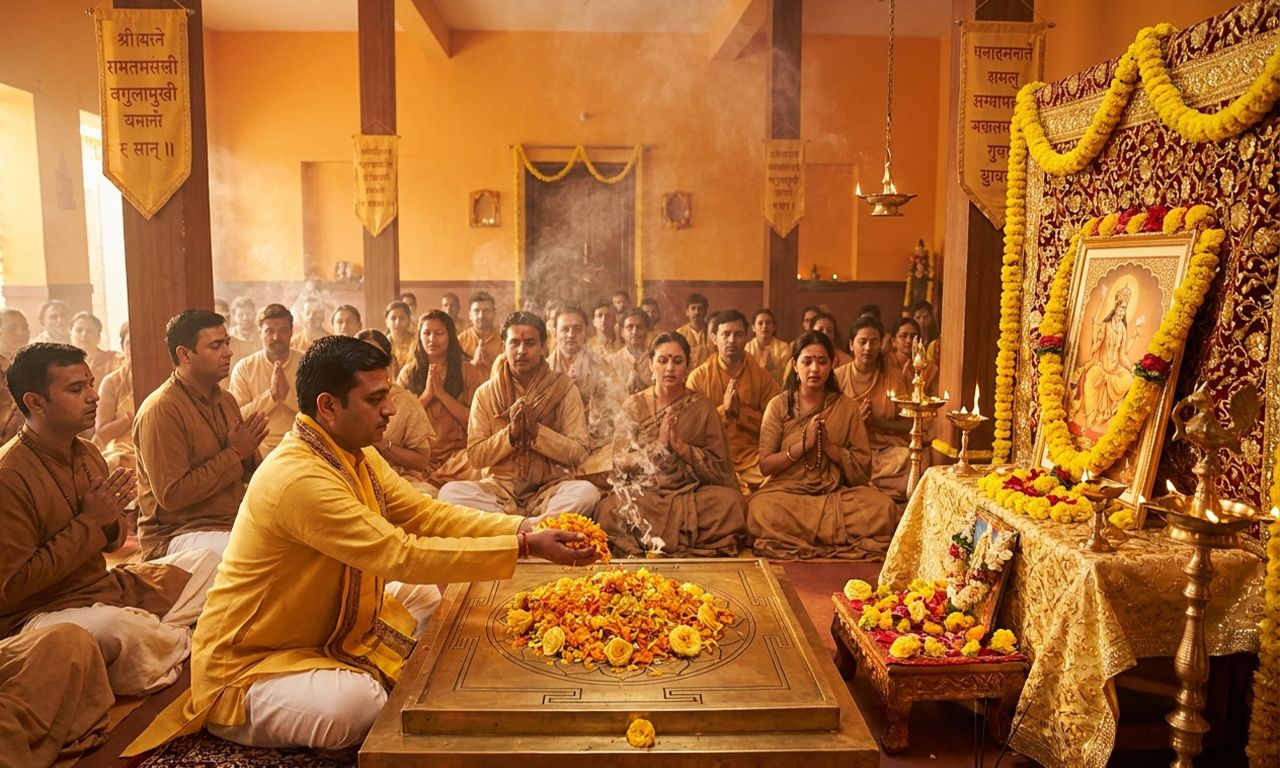
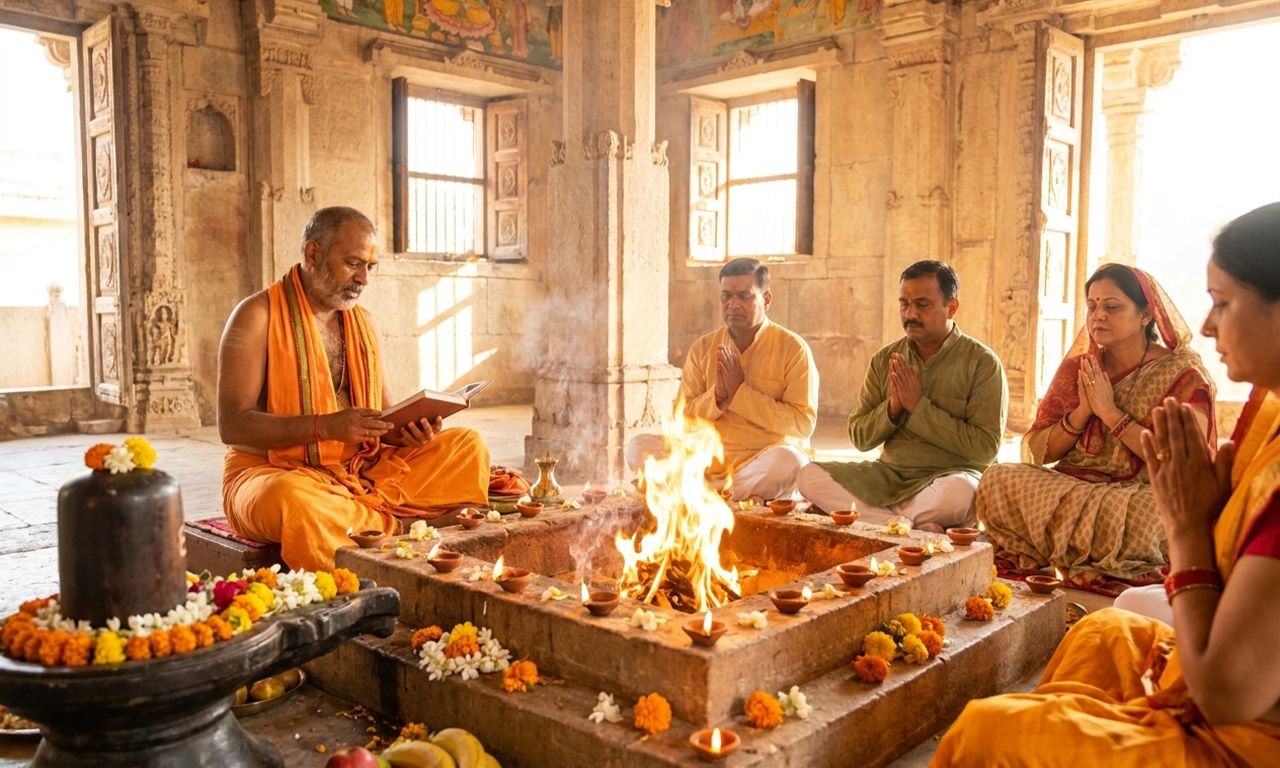
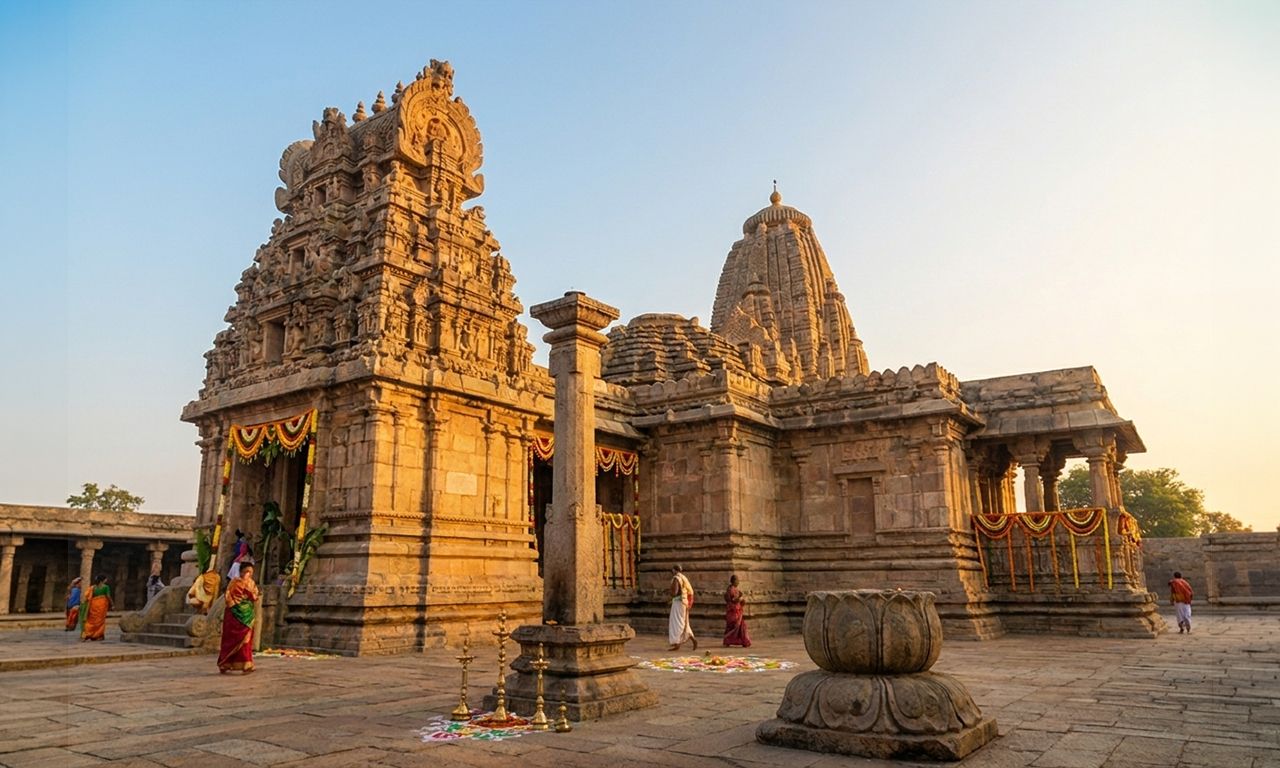
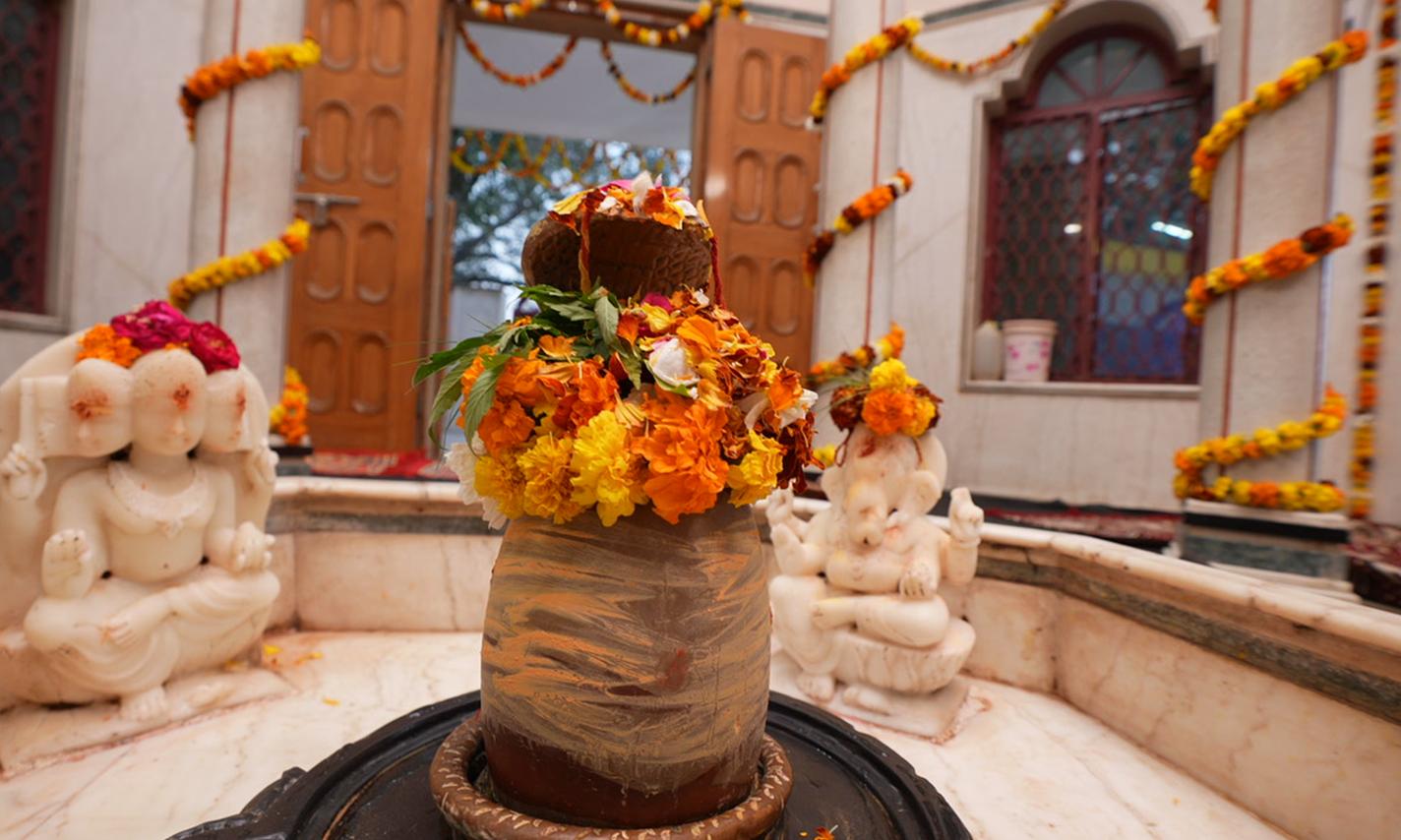
In a four-prahar mahashivratri puja at SiddhiStar Narwar Dham, you will notice that the offerings change as the night moves through the prahars. The first prahar uses Shodashopchar - sixteen offerings. The middle prahars use Panchopchar - five offerings. The fourth prahar returns to Shodashopchar.
This is not arbitrary. It is the rudrabhishek vidhi designed for the rhythm of a long ceremony.
Shodashopchar - Sixteen Offerings
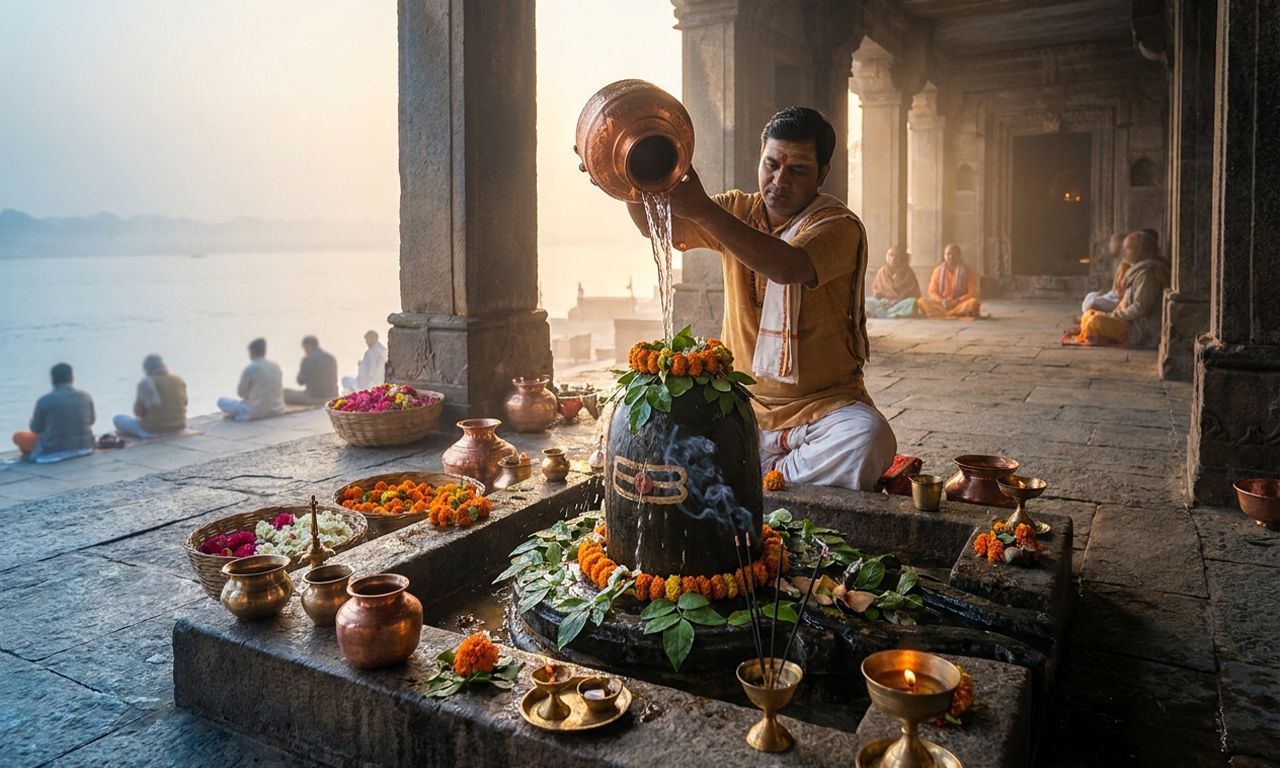
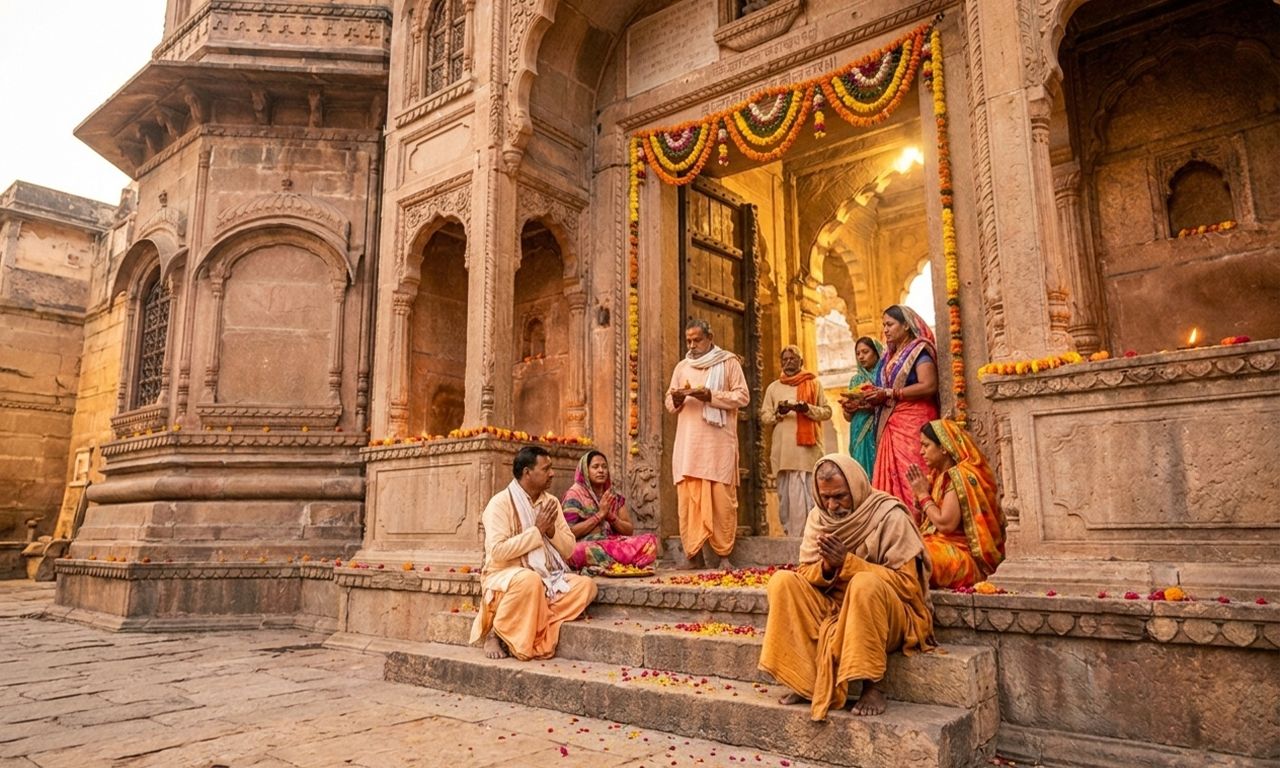
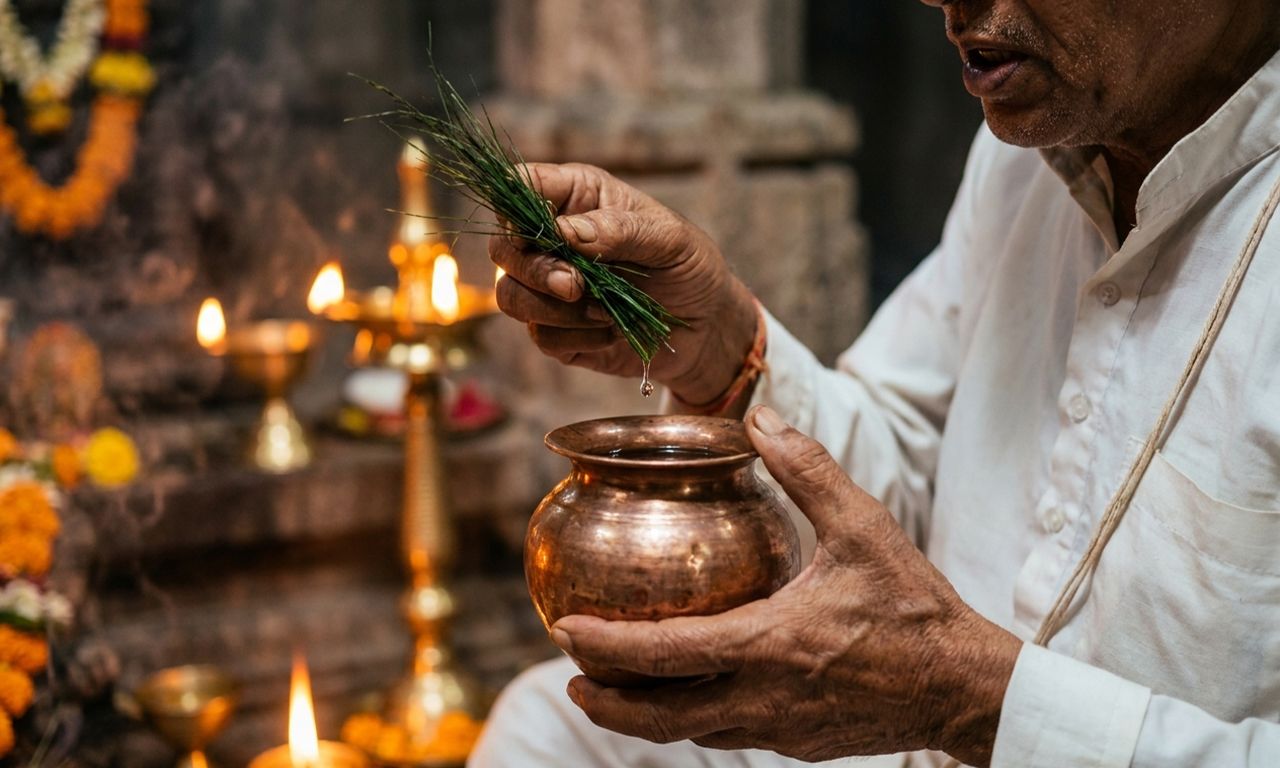
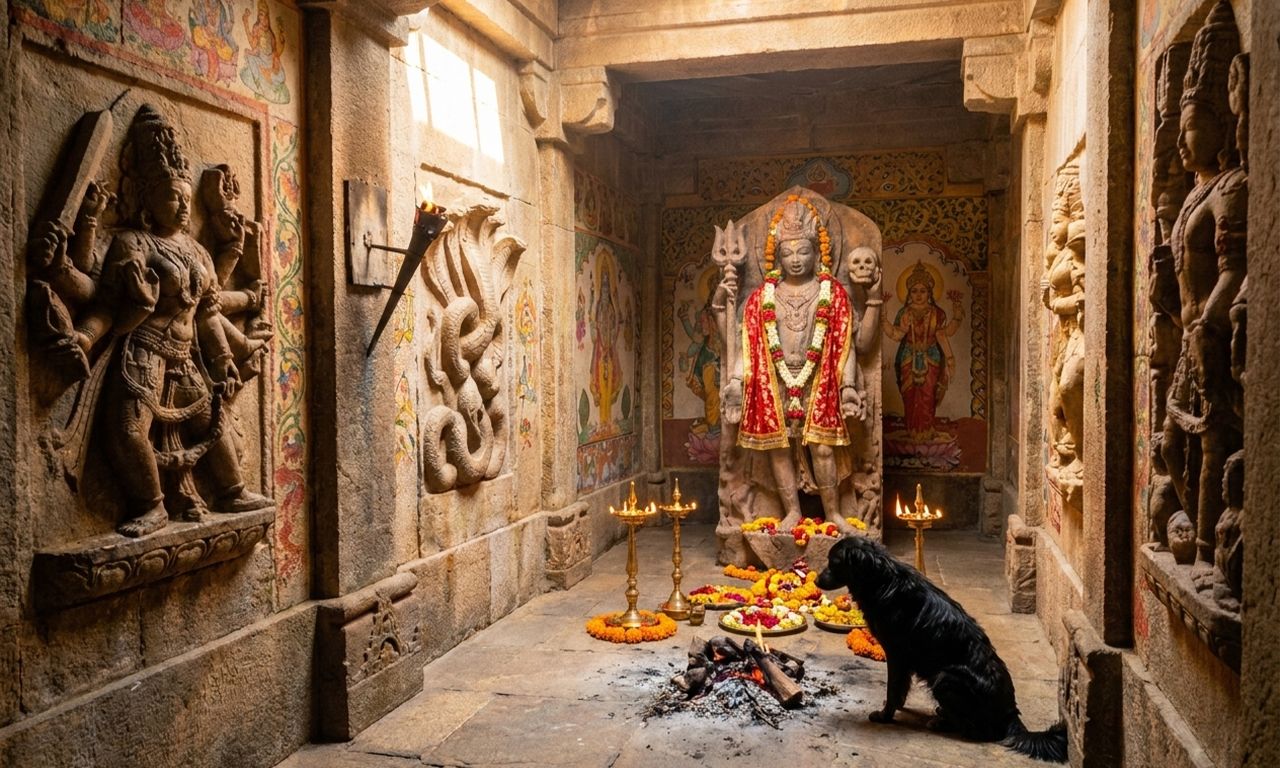
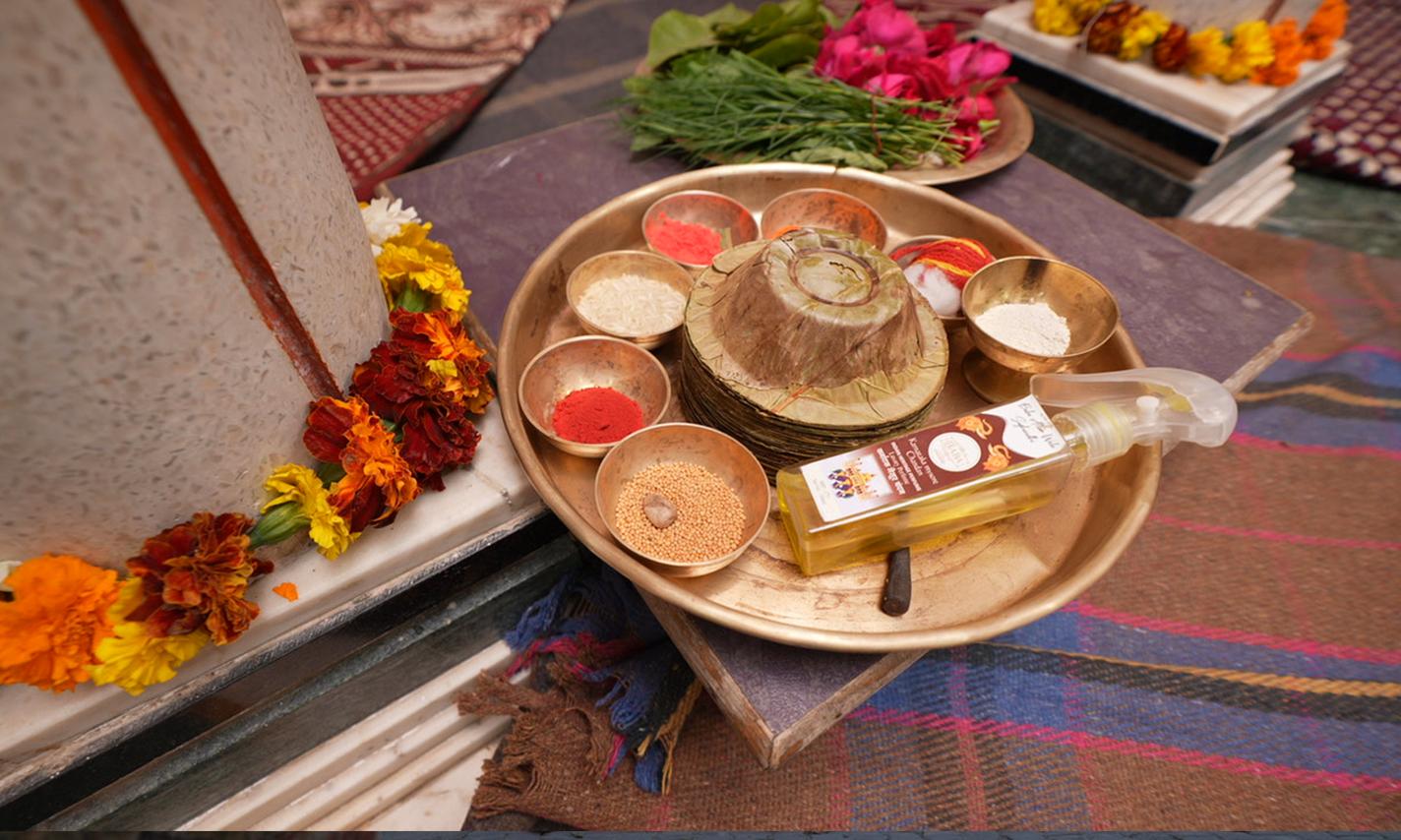
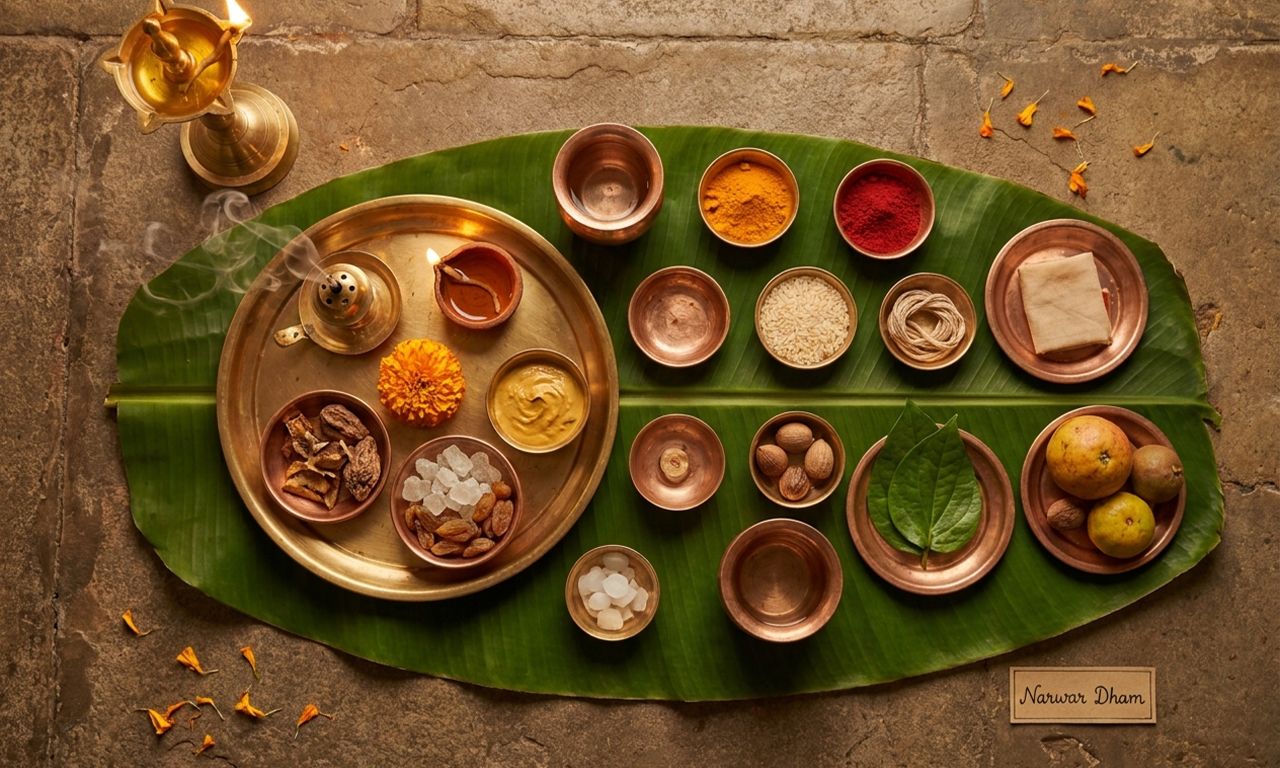
Shodashopchar is the full upchar sequence: asana, padya, arghya, achaman, snan, vastra, gandh, pushp, dhup, deep, naivedya, tambul, dakshina, aarti, pradakshina, pranam. Sixteen complete gestures of hospitality.
The first and fourth prahars use Shodashopchar because these are the boundaries of the night - the opening and the closing. The full ceremonial form is required at these moments.
Panchopchar - Five Offerings
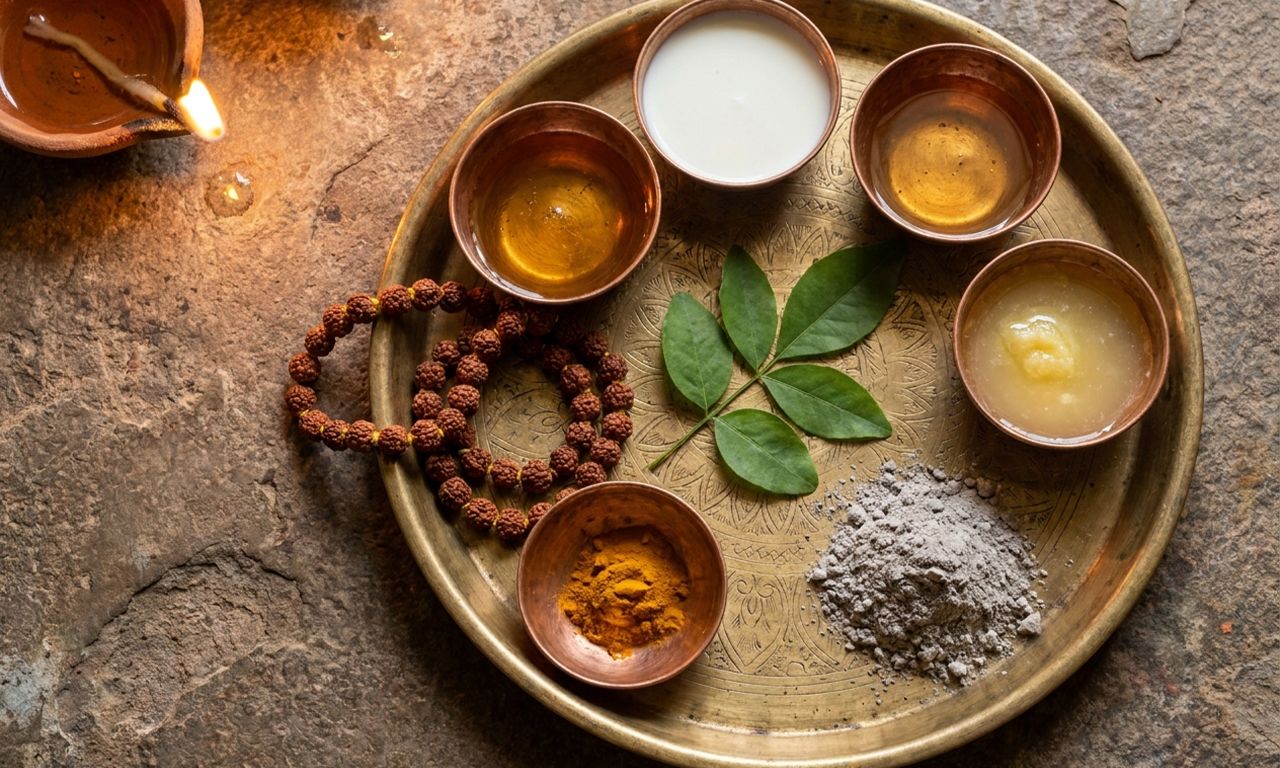
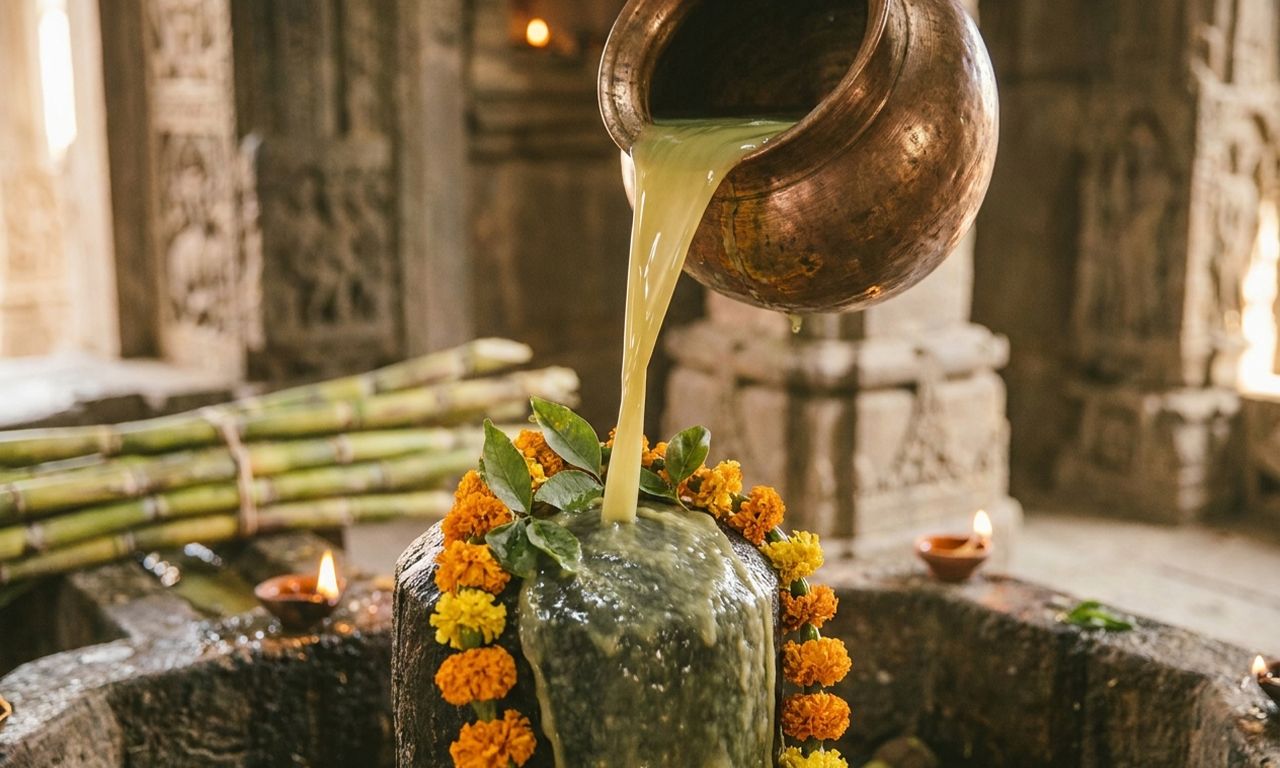
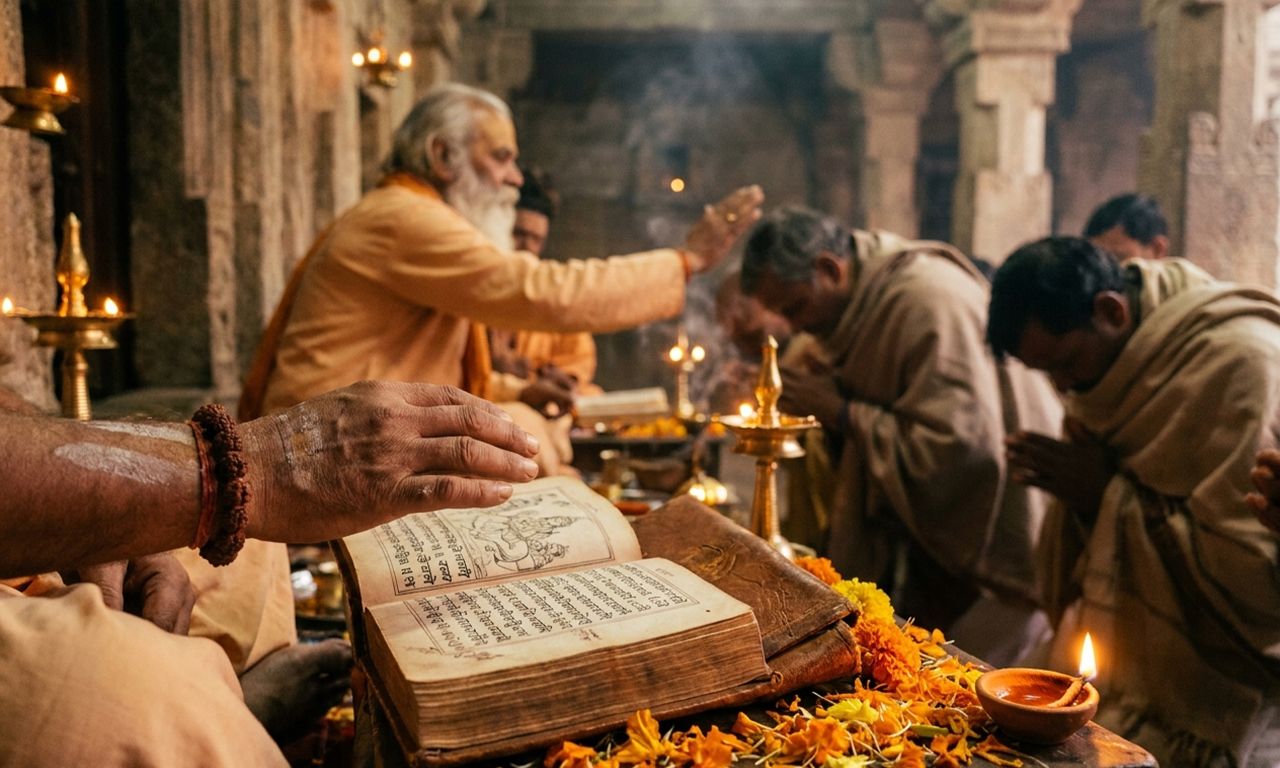
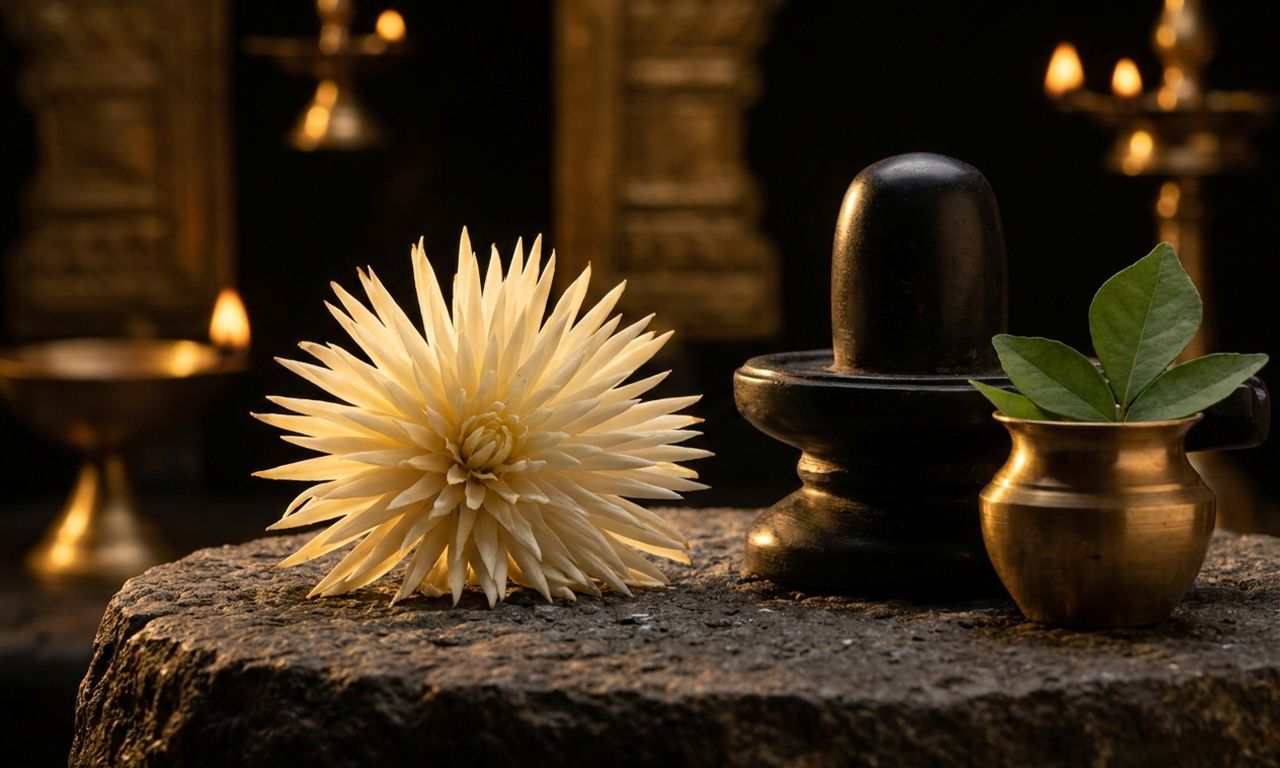
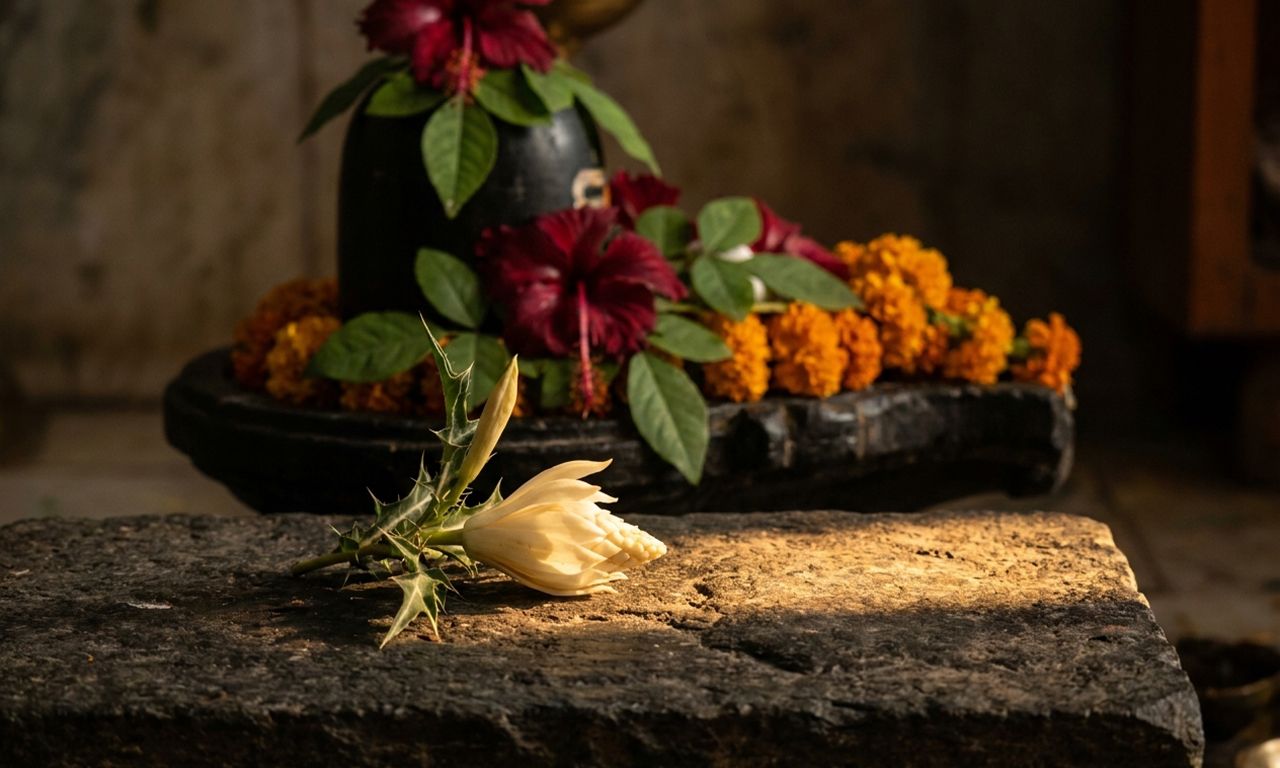
The middle prahars use Panchopchar - five offerings only: gandh, pushp, dhup, deep, naivedya. Fragrance, flower, incense, lamp, food. The essentials.
This is not a reduction of effort. It is a recognition that the long middle of a four-prahar rudra abhishek puja does not need the full elaboration repeated. The Shodashopchar at the opening has already established the ceremony. The Panchopchar in the middle prahars maintains the rhythm without creating fatigue.
What Stays the Same Across All Four Prahars
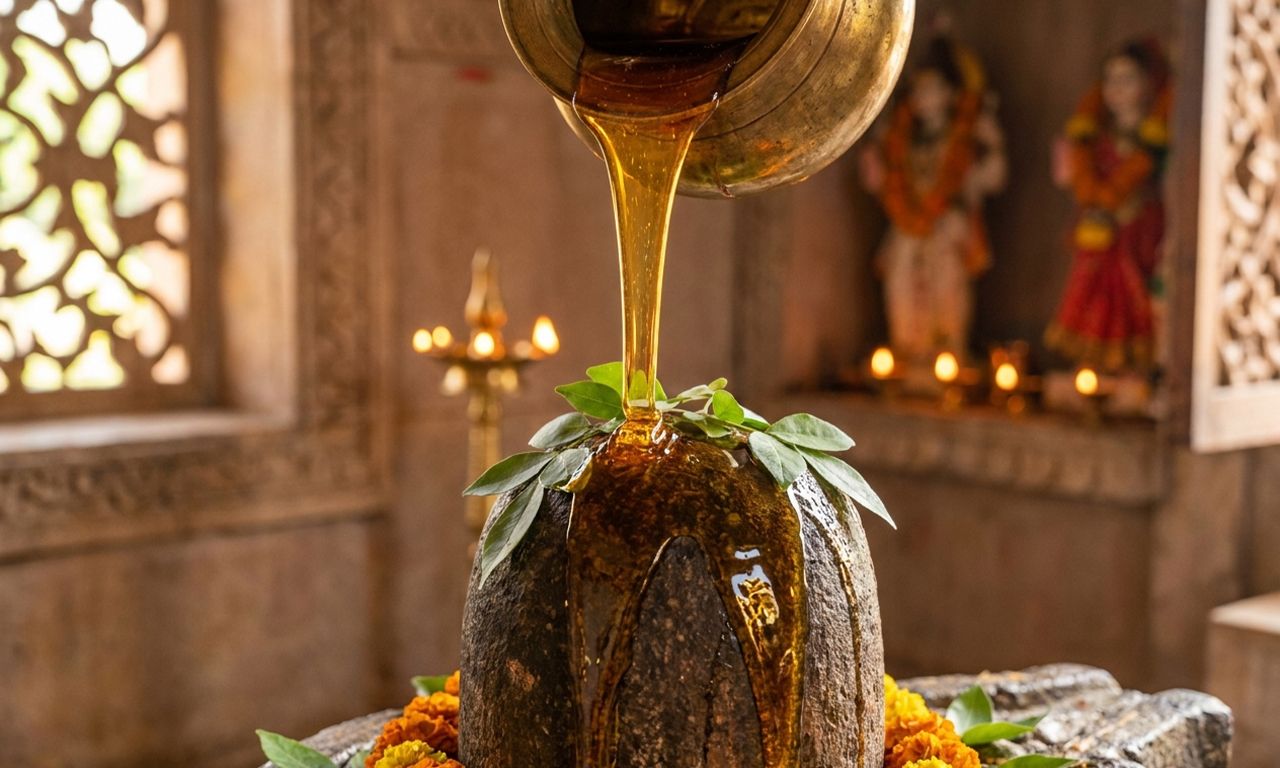
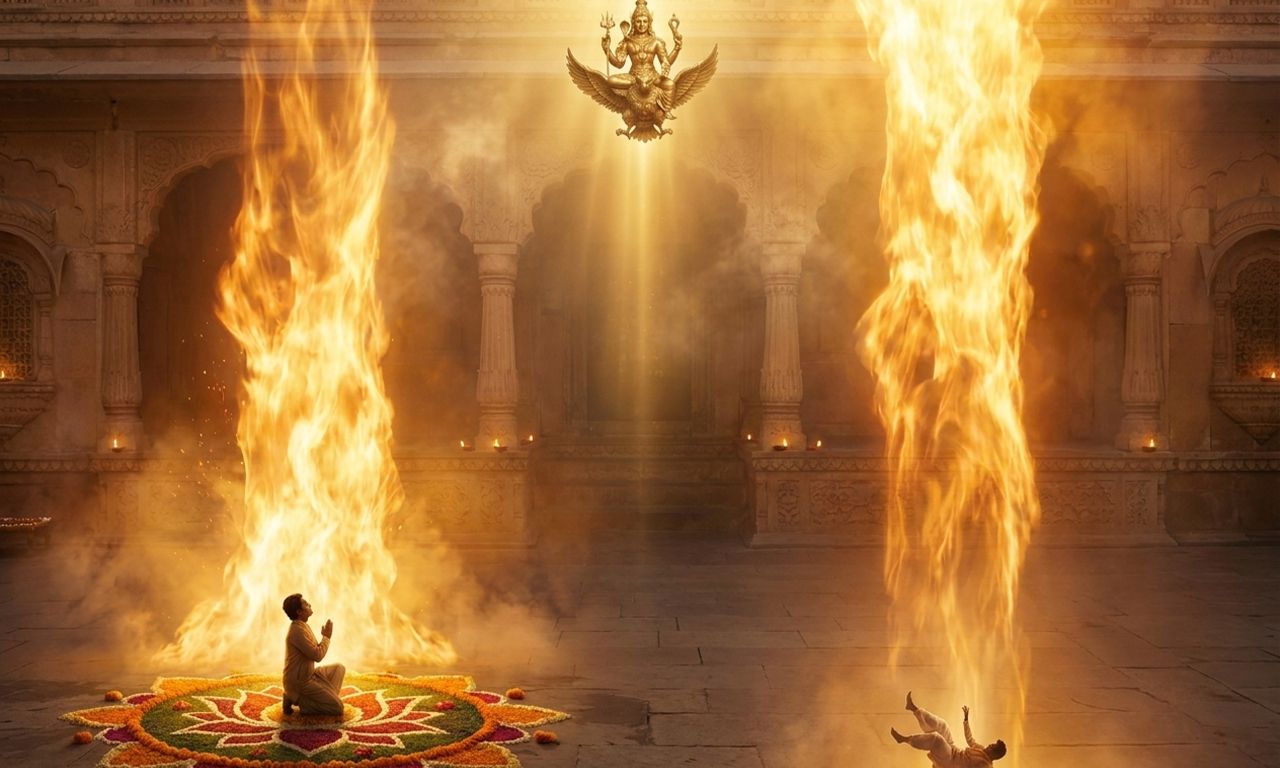
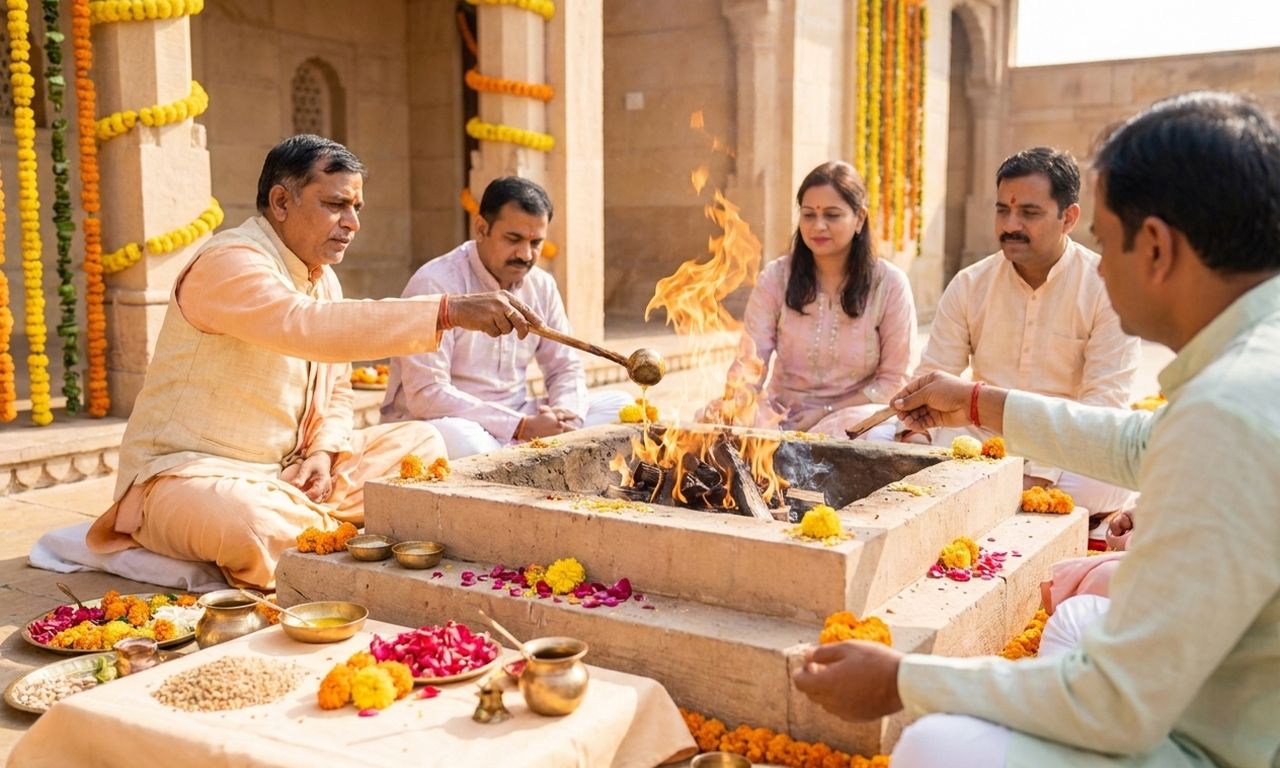
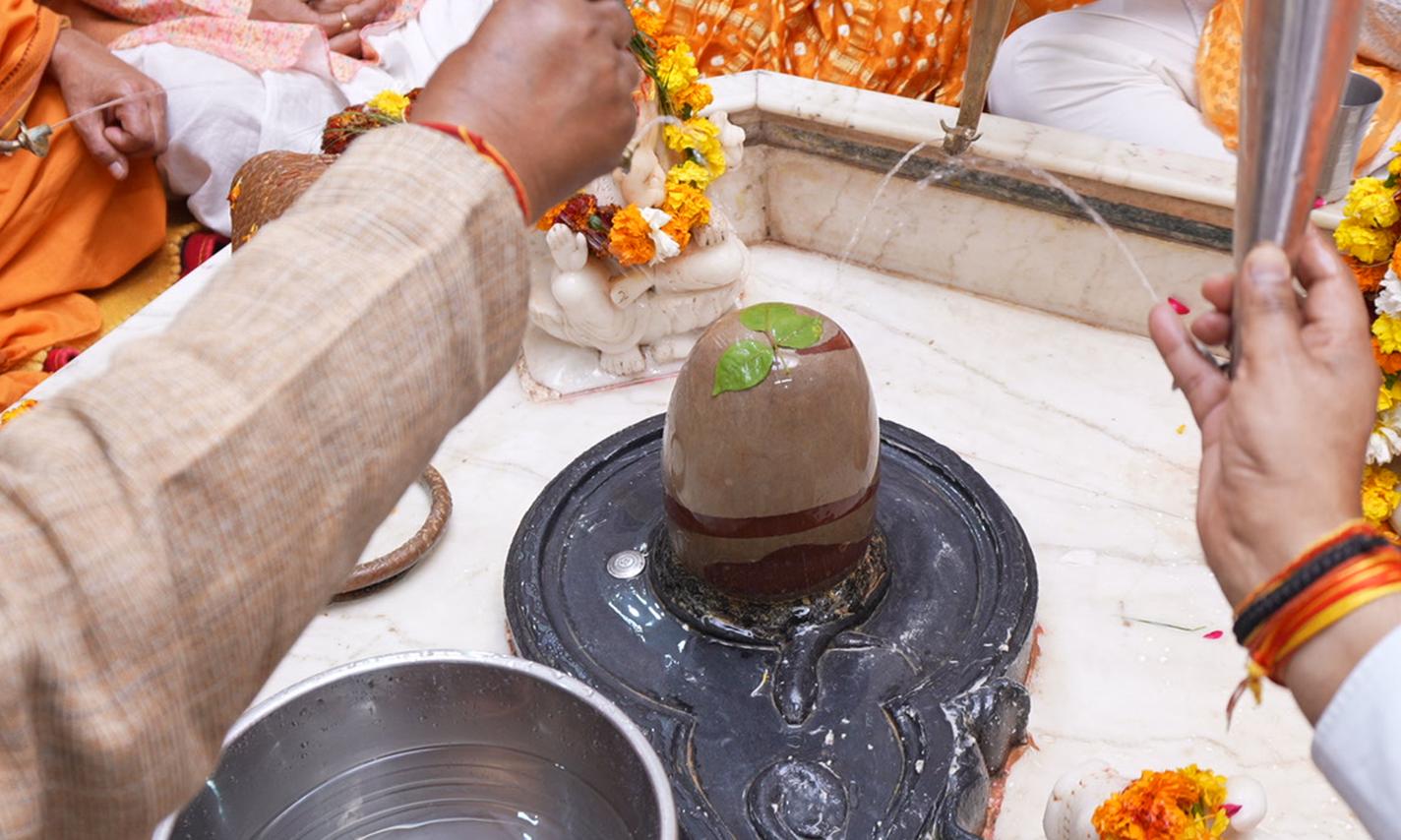
The panchamrit abhishek and the main mantra recitation continue across all four prahars without abbreviation. The Namakam and Chamakam are chanted in full. The fire offerings are made each prahar. The 16-vs-5 distinction is only about the upchar around the central ritual - it does not affect the central ritual itself.
This is shastric precision. The Narwar pandits know which elements vary and which remain constant - and they execute both correctly across the night.
Book your Rudrabhishek Puja now.