Panchamrit Abhishek: Meaning, Significance and Why It Is Offered to Lord Shiva
By SiddhiStar | Narwar Dham Parampara
21 July 2026 • 7 min read
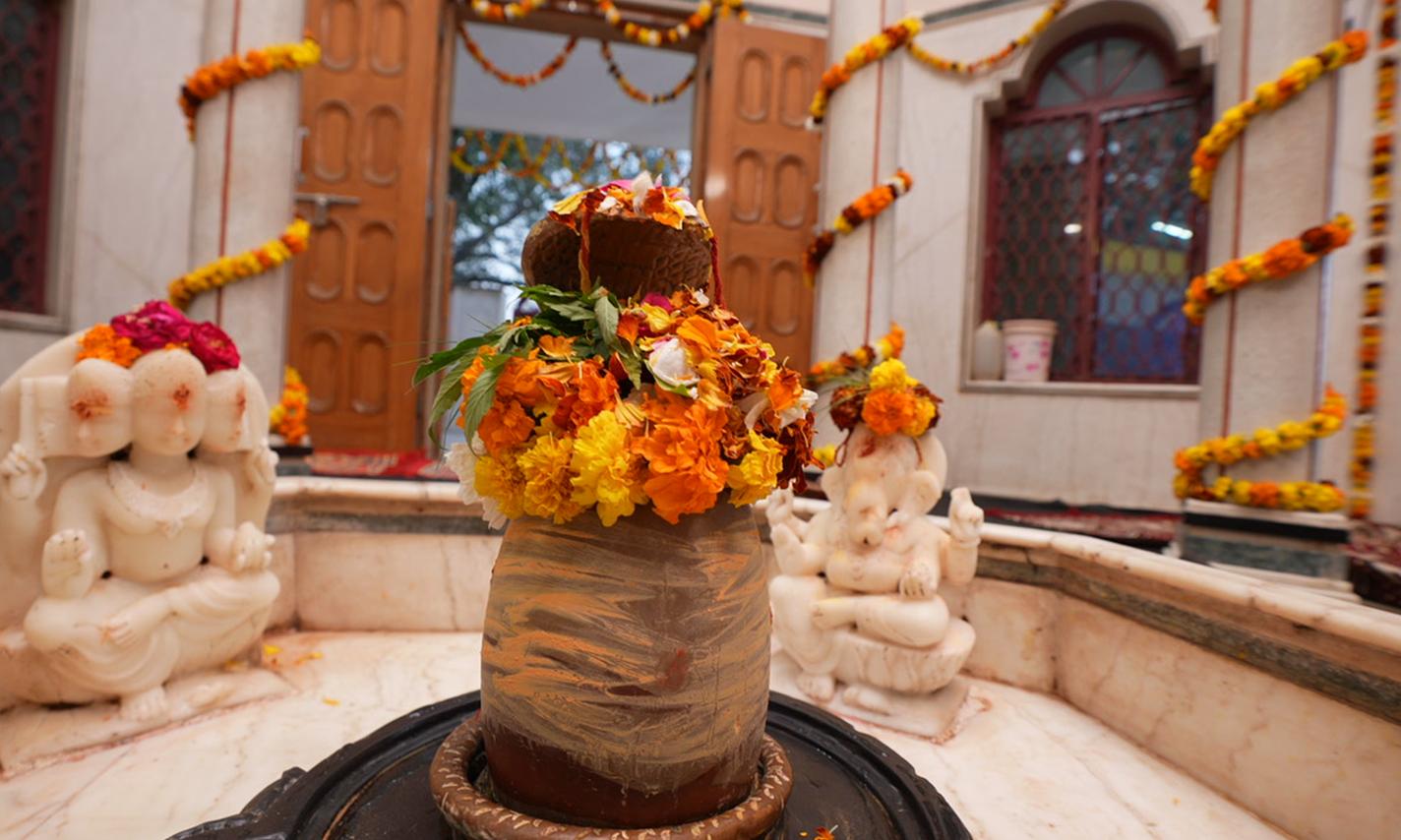
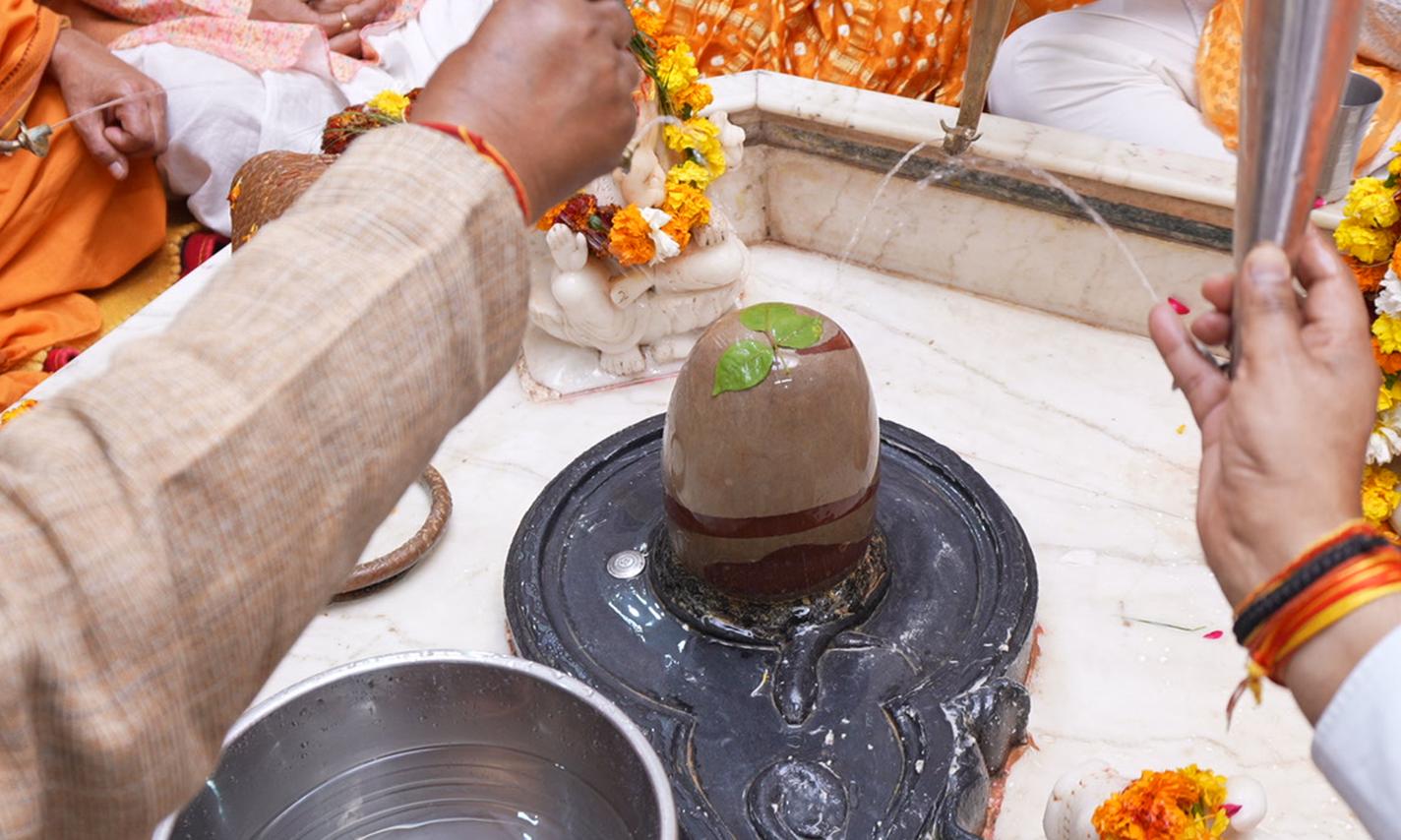
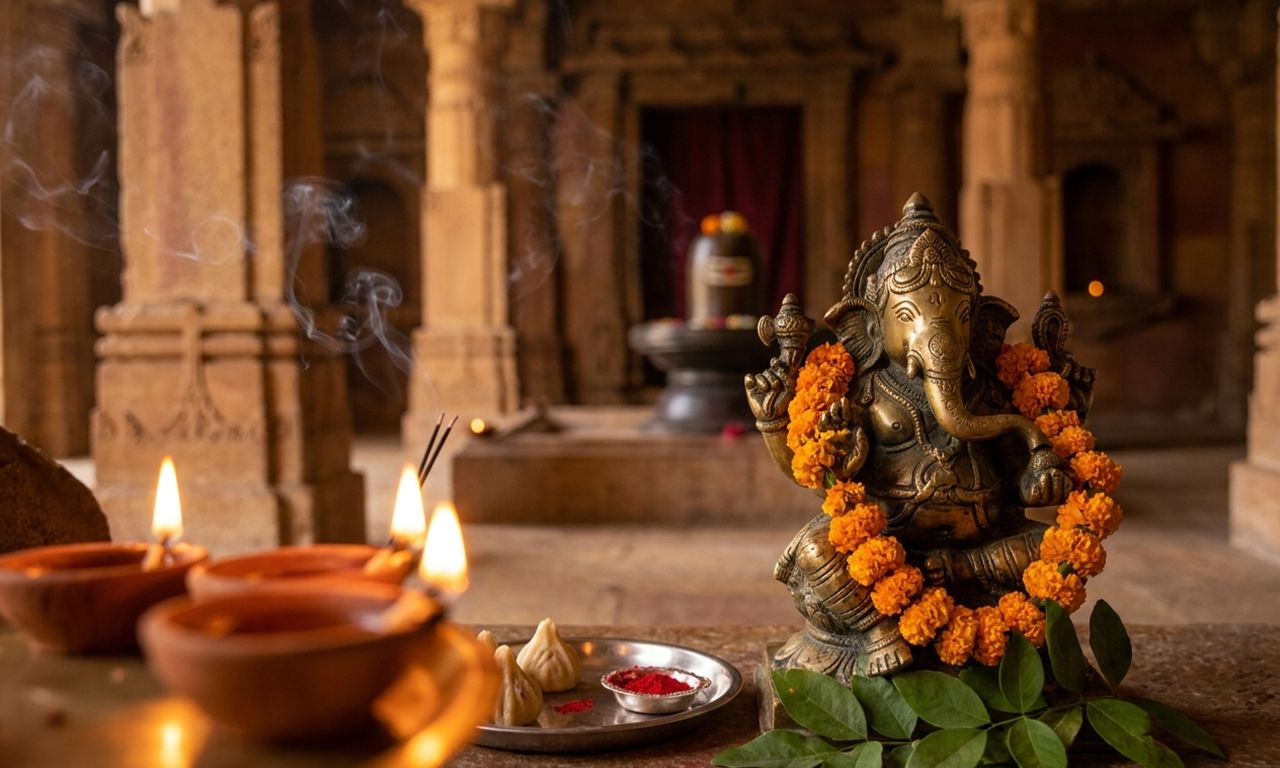
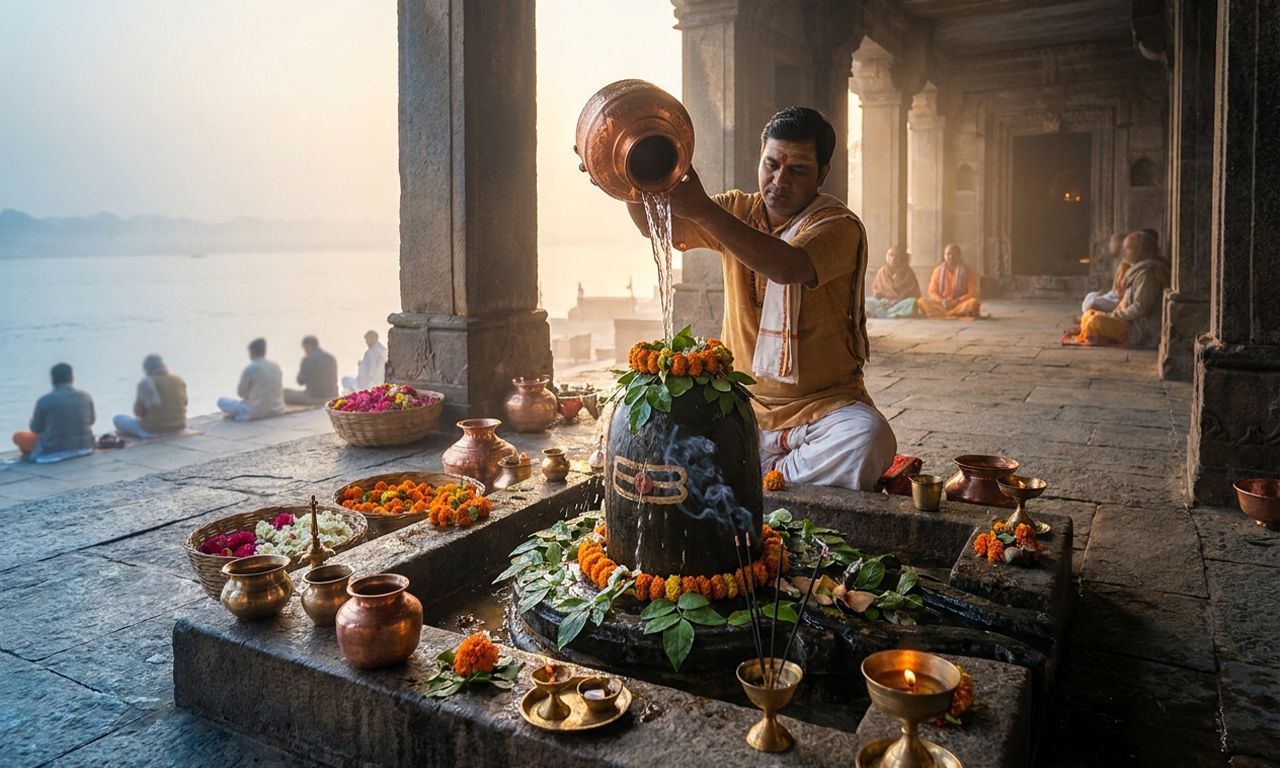
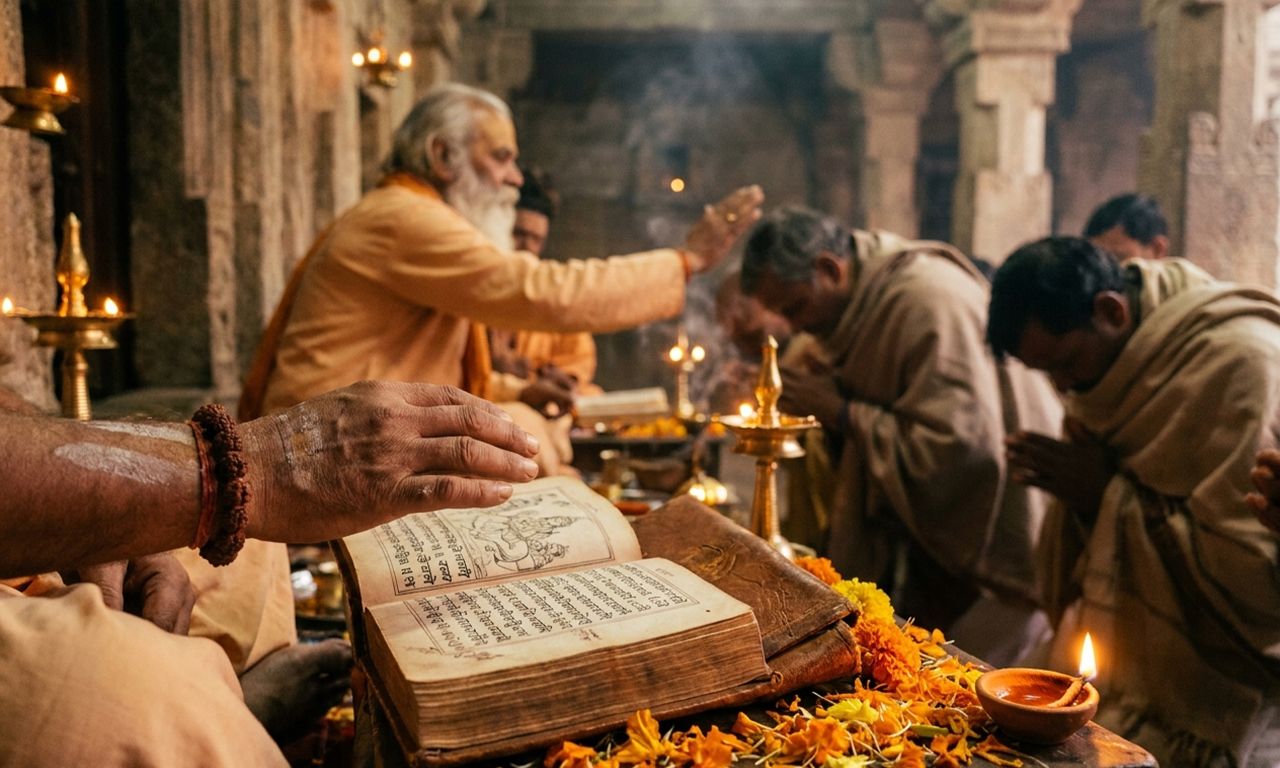
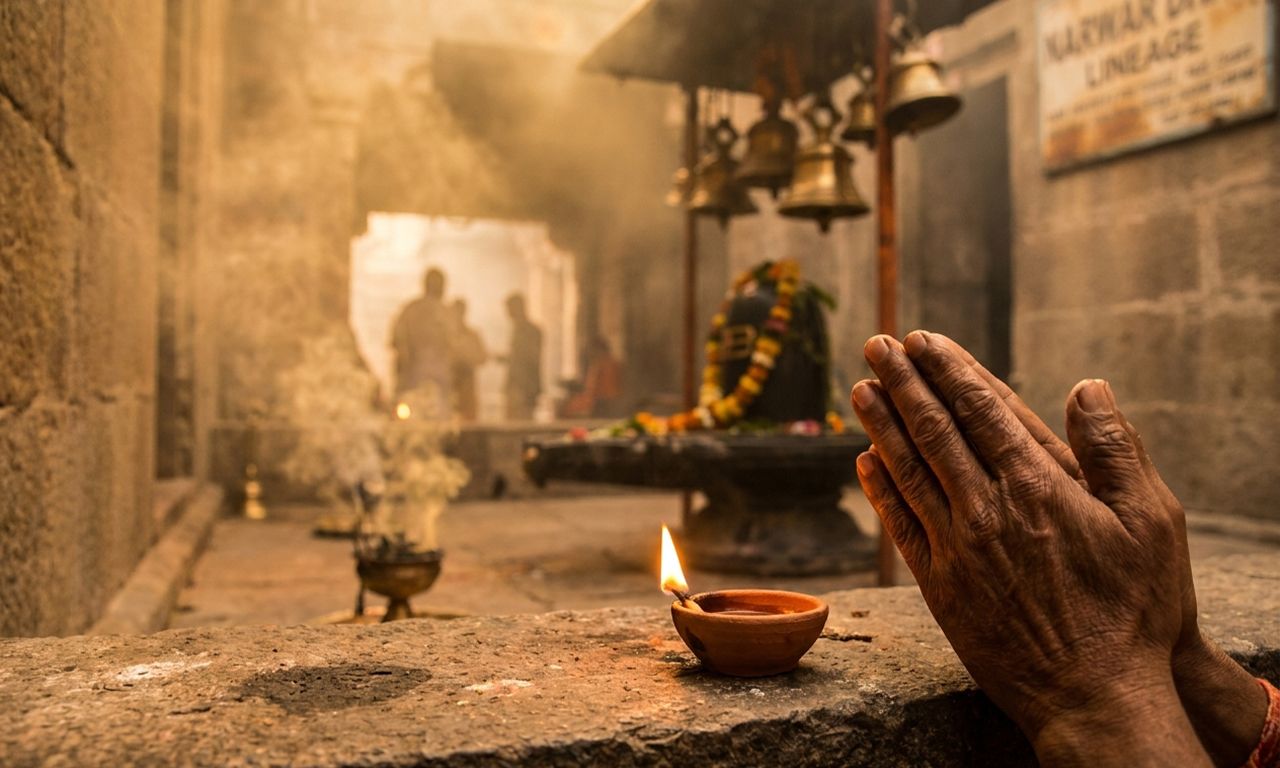
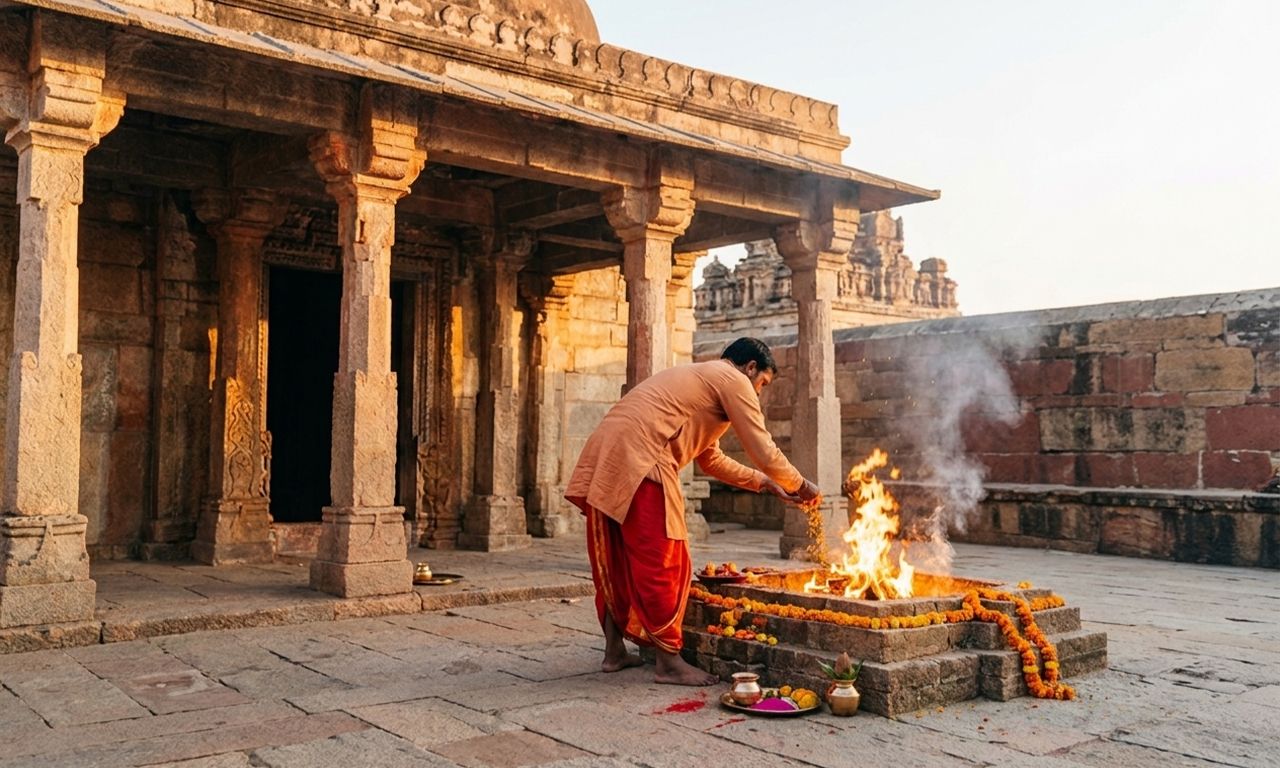
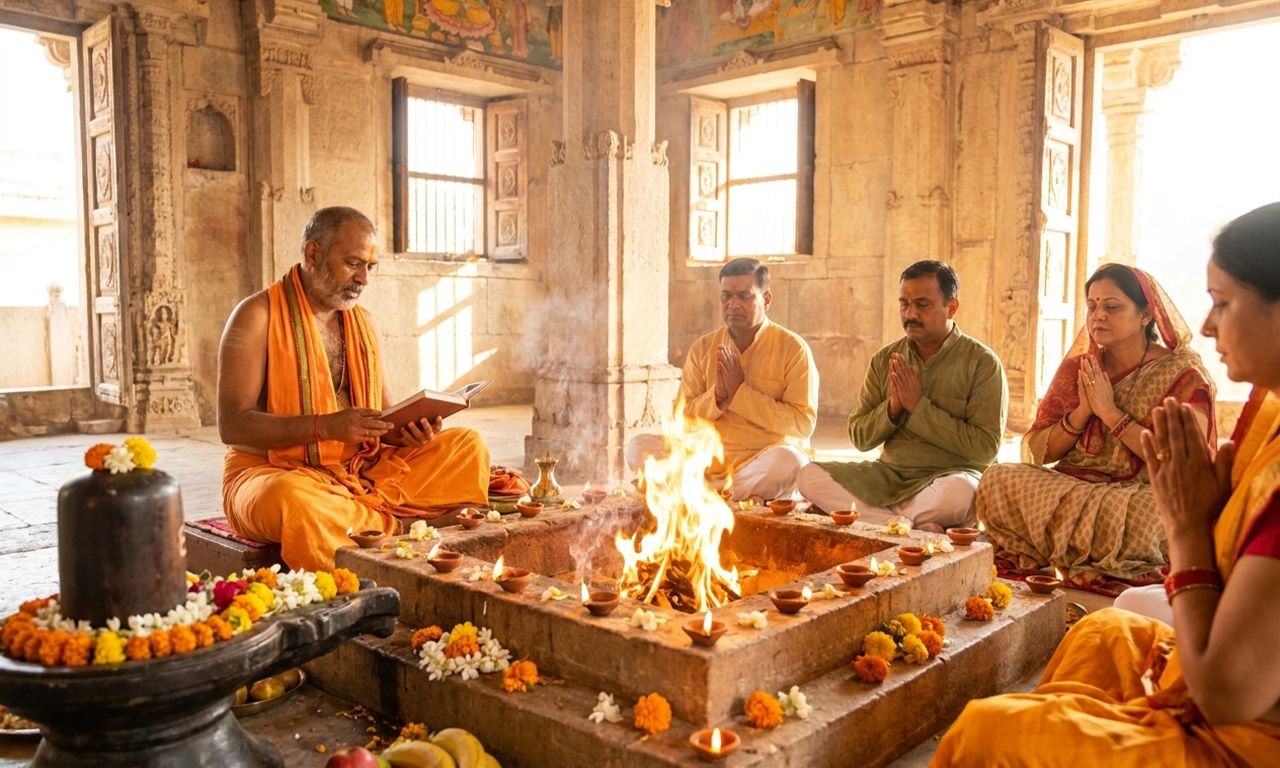
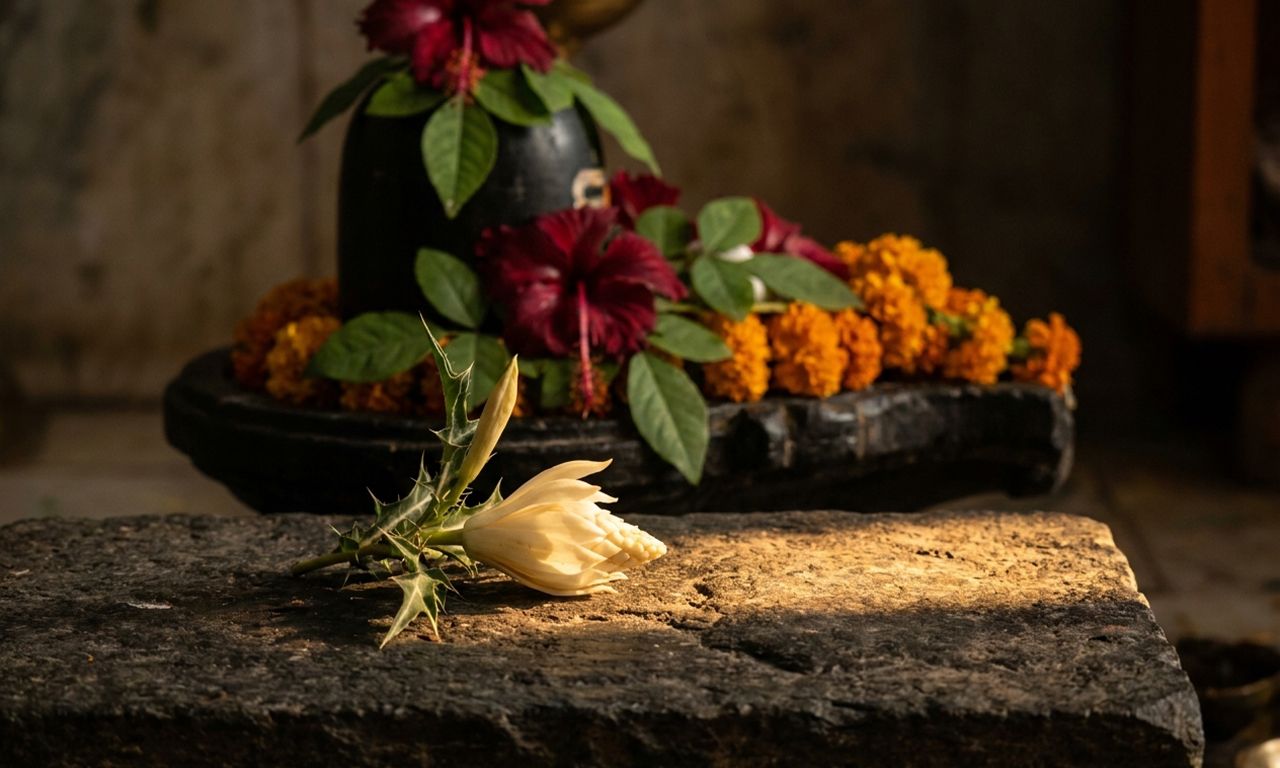
Among the many sacred rituals performed in the worship of Lord Shiva, Panchamrit Abhishek holds a special place. Whether during daily temple worship, Mahashivratri, Sawan, or a Vedic Rudrabhishek, devotees often witness the Shivling being ceremonially bathed with a sacred mixture known as Panchamrit.
To many, it is a beautiful ritual. To others, it is simply a tradition followed because generations before them did the same. But an important question deserves reflection. Why is Panchamrit offered to Lord Shiva? Does Mahadev require these offerings? Does the ritual itself grant blessings? Or does Panchamrit carry a deeper spiritual message for every devotee?
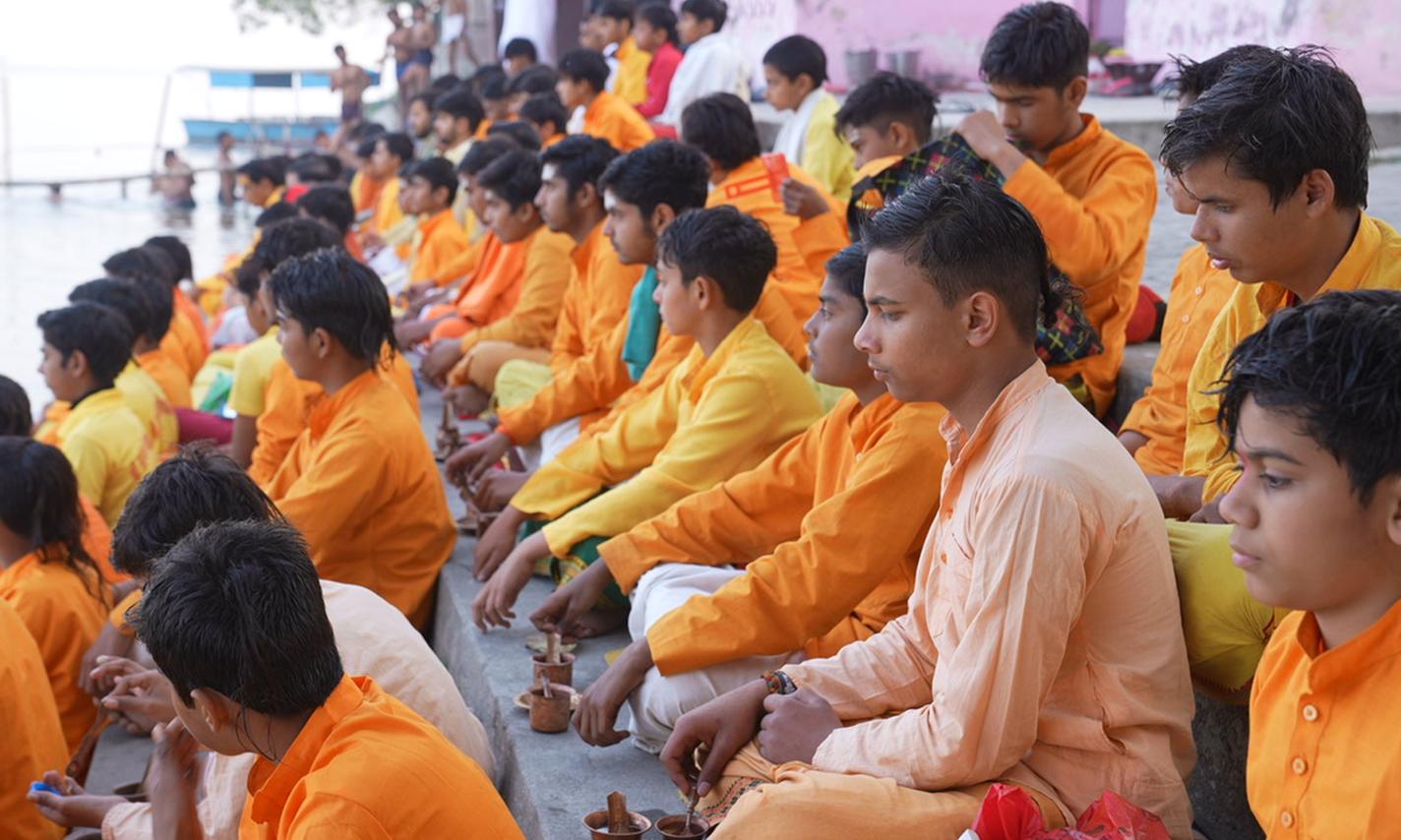
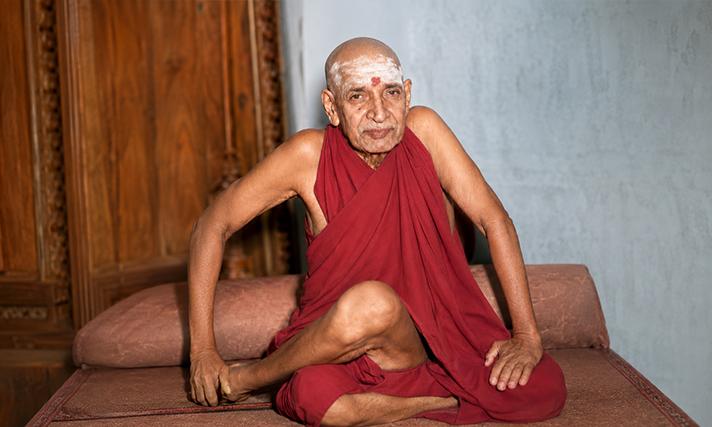
Param Pujya Mahesh Prakash Sharma Ji teaches that every act of worship in Sanatan Dharma has an inner purpose. Rituals are not performed to please God through material offerings. They are performed to transform the heart of the devotee. Panchamrit Abhishek is one such sacred practice. It reminds us that true worship is not measured by the value of what we offer, but by the purity with which we offer it.
Guruji explains that Mahadev is complete and self-sufficient. Nothing that we place before Him can increase His greatness. The offerings made during Panchamrit Abhishek are therefore not for the benefit of Lord Shiva. They are for the refinement of the devotee. Every drop poured upon the Shivling reminds us to surrender pride, attachment and selfishness. The real Abhishek takes place within the heart.
What Is Panchamrit?
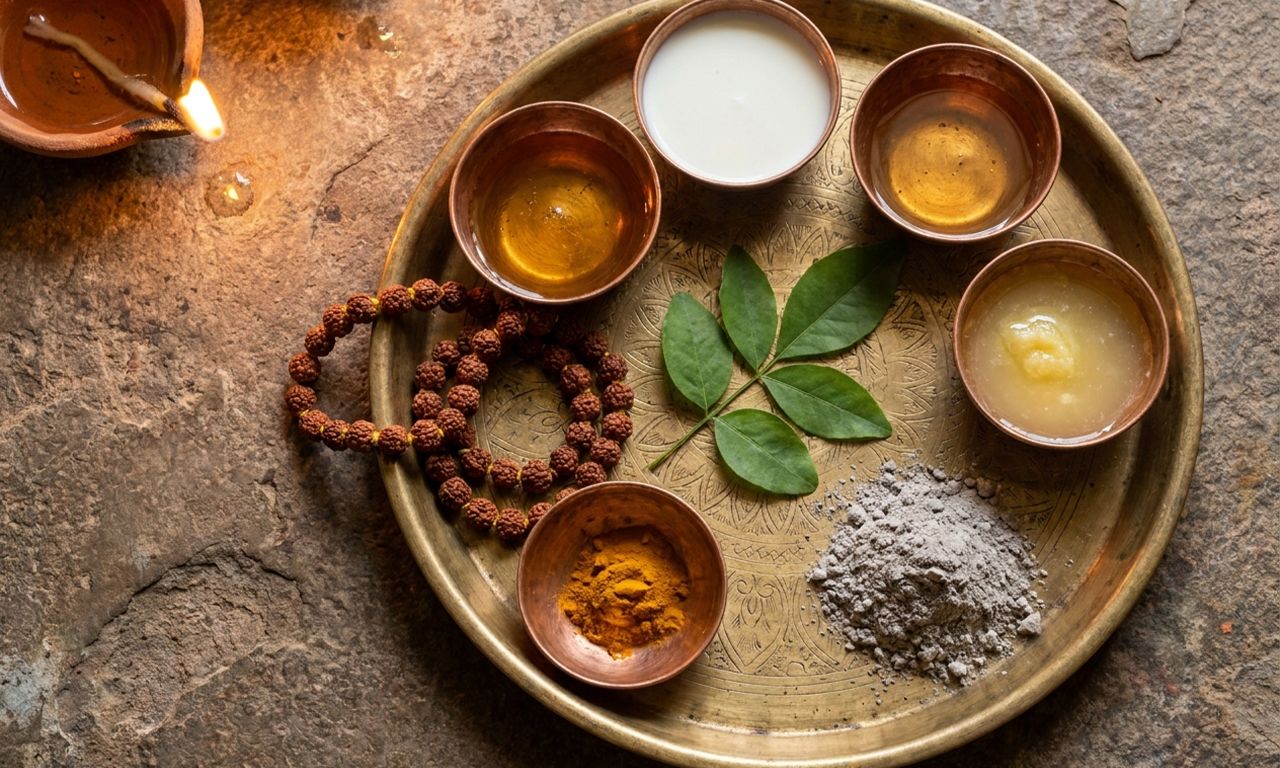
The word Panchamrit is made up of two Sanskrit words. Pancha means five. Amrit means nectar or that which nourishes and uplifts.
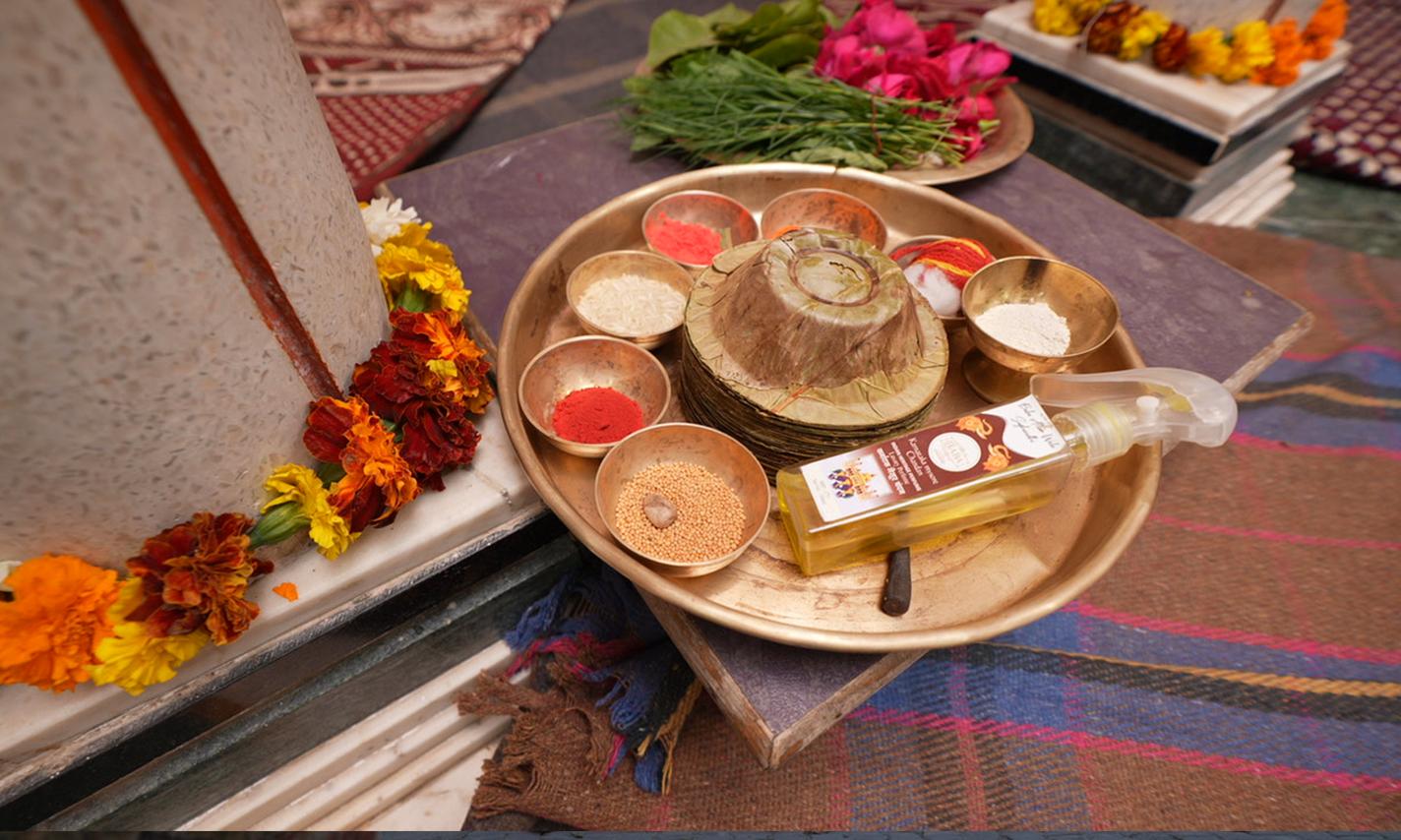
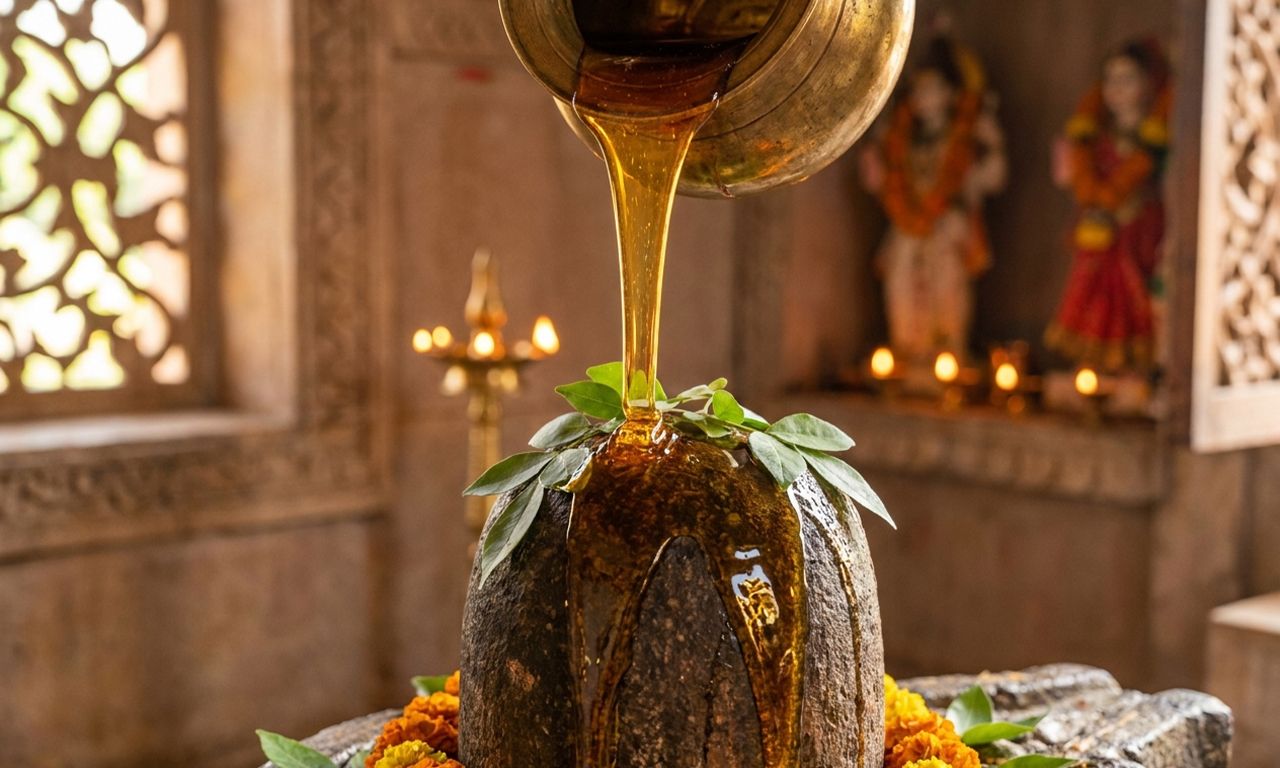
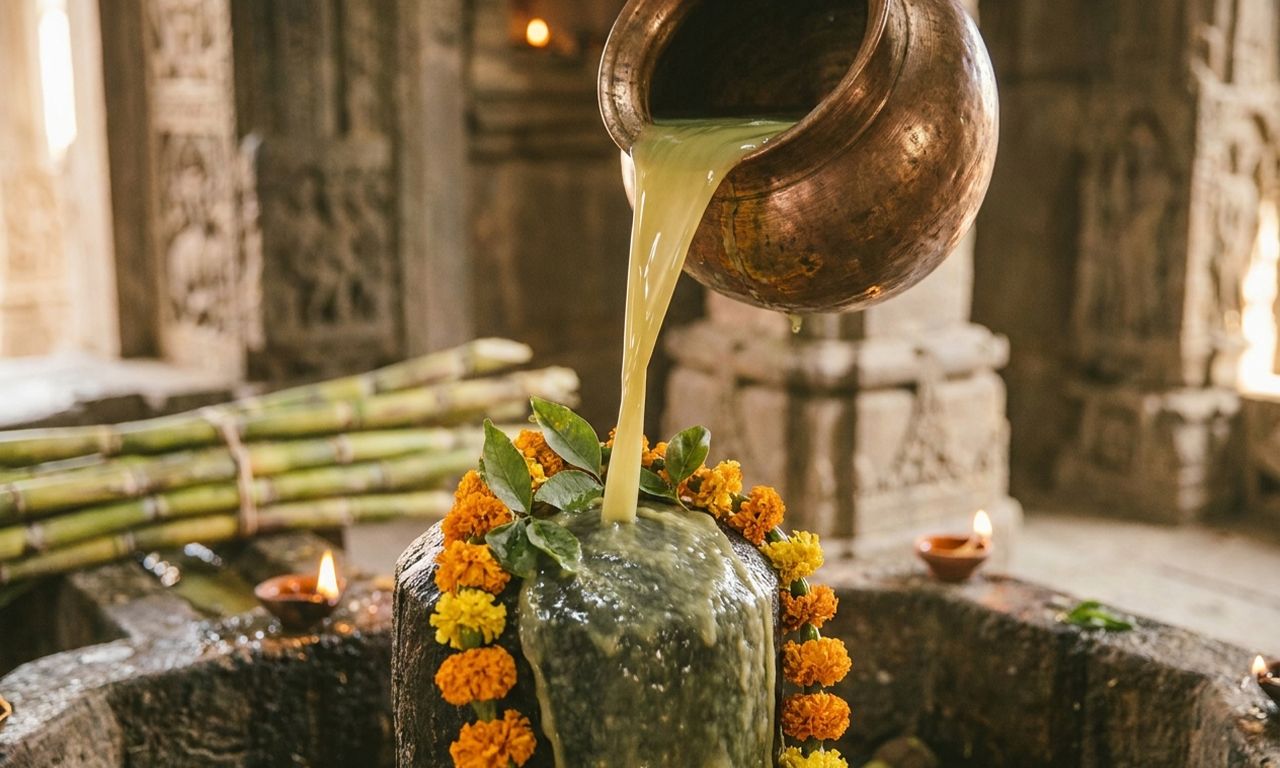
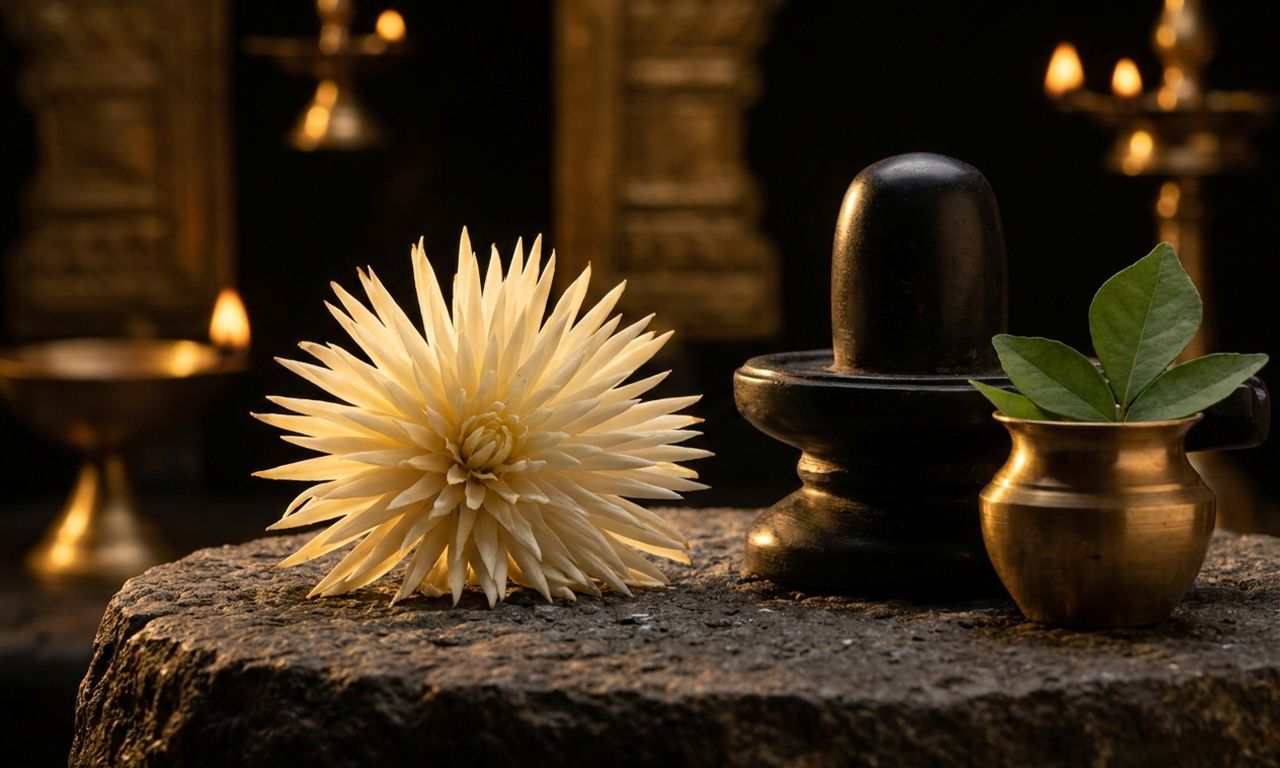
Traditionally, Panchamrit is prepared using five sacred ingredients: Milk, Curd, Ghee, Honey, Sugar. These ingredients are offered together during Abhishek before the Shivling is bathed with clean water.
Guruji reminds devotees that while these five ingredients are traditionally used, the ritual should never become an exercise in extravagance. Simplicity and devotion are always superior to display.
Why Is Panchamrit Offered?
A common misunderstanding is that Panchamrit is offered because Lord Shiva enjoys these substances. Guruji teaches a very different perspective. Mahadev is not dependent upon offerings. The purpose of Panchamrit is to cultivate gratitude within the devotee.
Every ingredient reminds us that everything we possess has ultimately been given by the Divine. When we return even a small portion with humility, we acknowledge that our lives themselves are gifts. This spirit of gratitude is the real offering.
The Spiritual Meaning of the Five Ingredients
Guruji often explains that rituals become meaningful only when they inspire inner reflection. Each ingredient in Panchamrit can remind the devotee of a spiritual quality to cultivate.
Milk
Milk represents purity. Just as milk is naturally nourishing, the devotee should strive to cultivate pure intentions, truthful speech and honest actions.
Curd
Curd is created through transformation. It reminds us that spiritual life is also a journey of transformation. With patience, discipline and devotion, the ordinary mind gradually becomes steady and mature.
Ghee
Ghee is traditionally associated with sacred fire offerings. It reminds us to dedicate our abilities and actions to righteous living. A life lived in service becomes an offering to the Divine.
Honey
Honey is naturally sweet. Guruji teaches that devotion should make our speech sweeter, our behaviour gentler and our relationships more compassionate. True worship should soften the heart.
Sugar
Sugar reminds us that joy should arise from devotion rather than from temporary worldly achievements. The sweetness of remembering Mahadev lasts far longer than the pleasures of the material world.
Does Panchamrit Have Power by Itself?
Some people believe that simply performing Panchamrit Abhishek guarantees blessings. Guruji cautions against this misunderstanding. No ritual produces spiritual transformation automatically. Without devotion, even the most elaborate ceremony becomes mechanical. With devotion, even the simplest offering becomes extraordinary.
The value of Panchamrit lies not in its ingredients but in the intention behind them. When offered with humility, it becomes an expression of surrender.
Panchamrit During Rudrabhishek
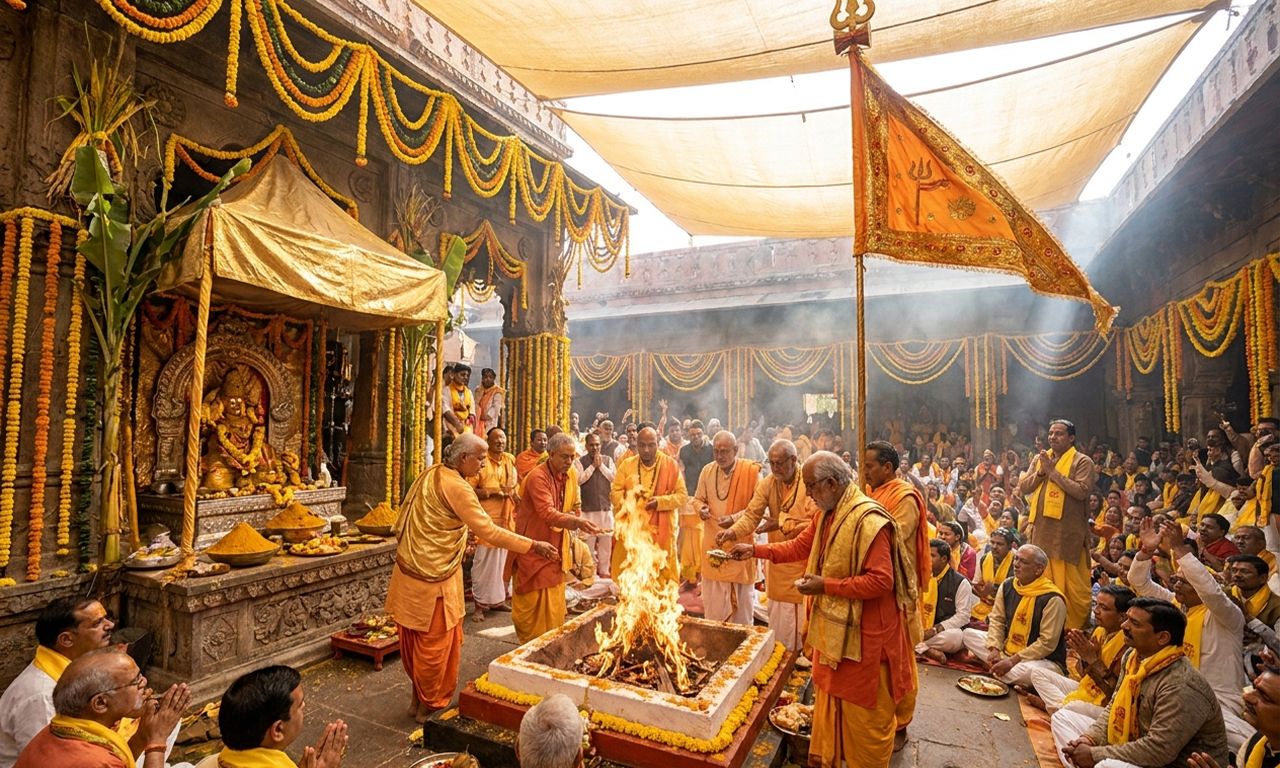
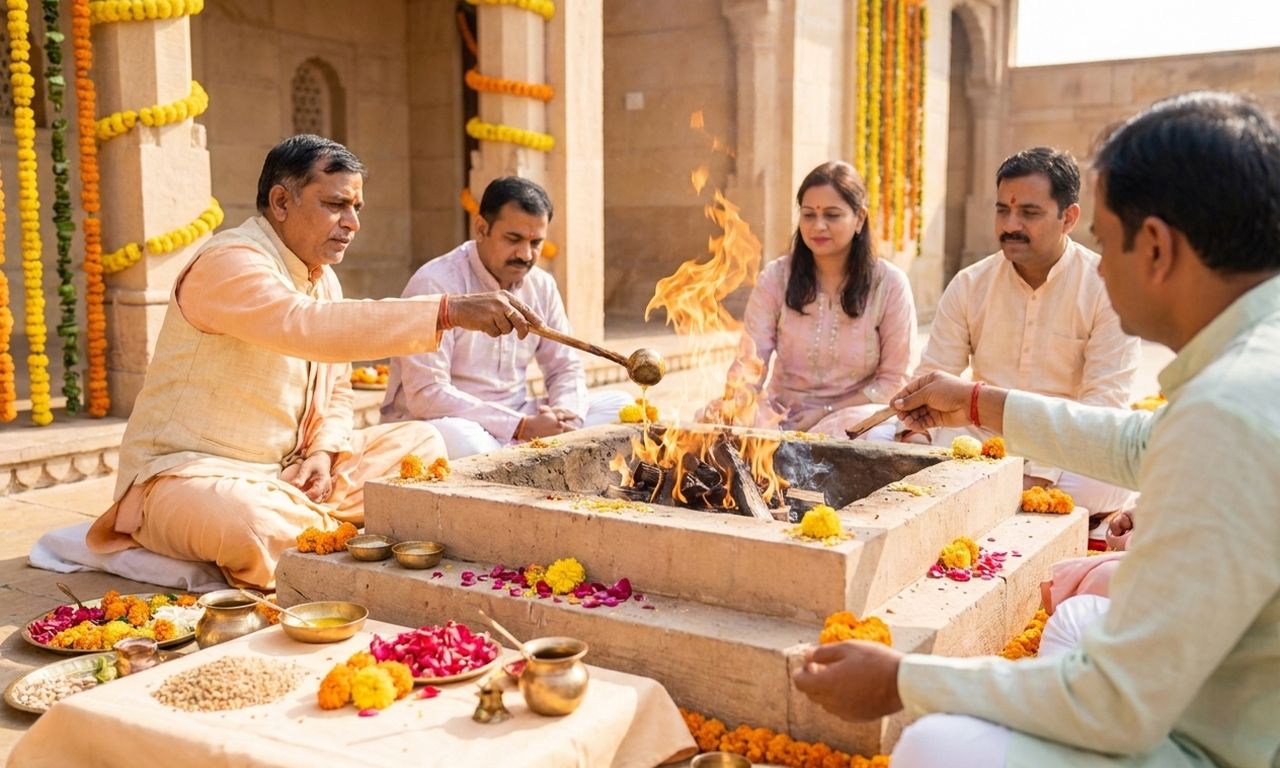
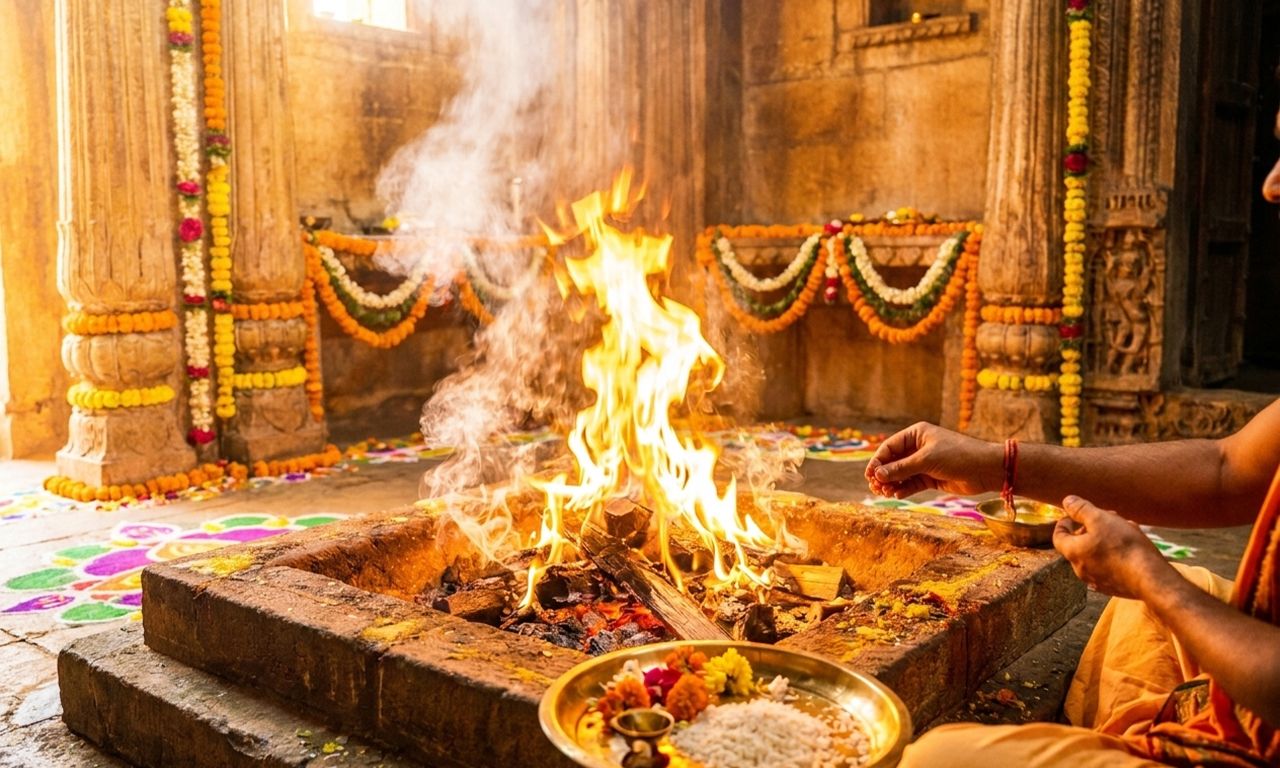
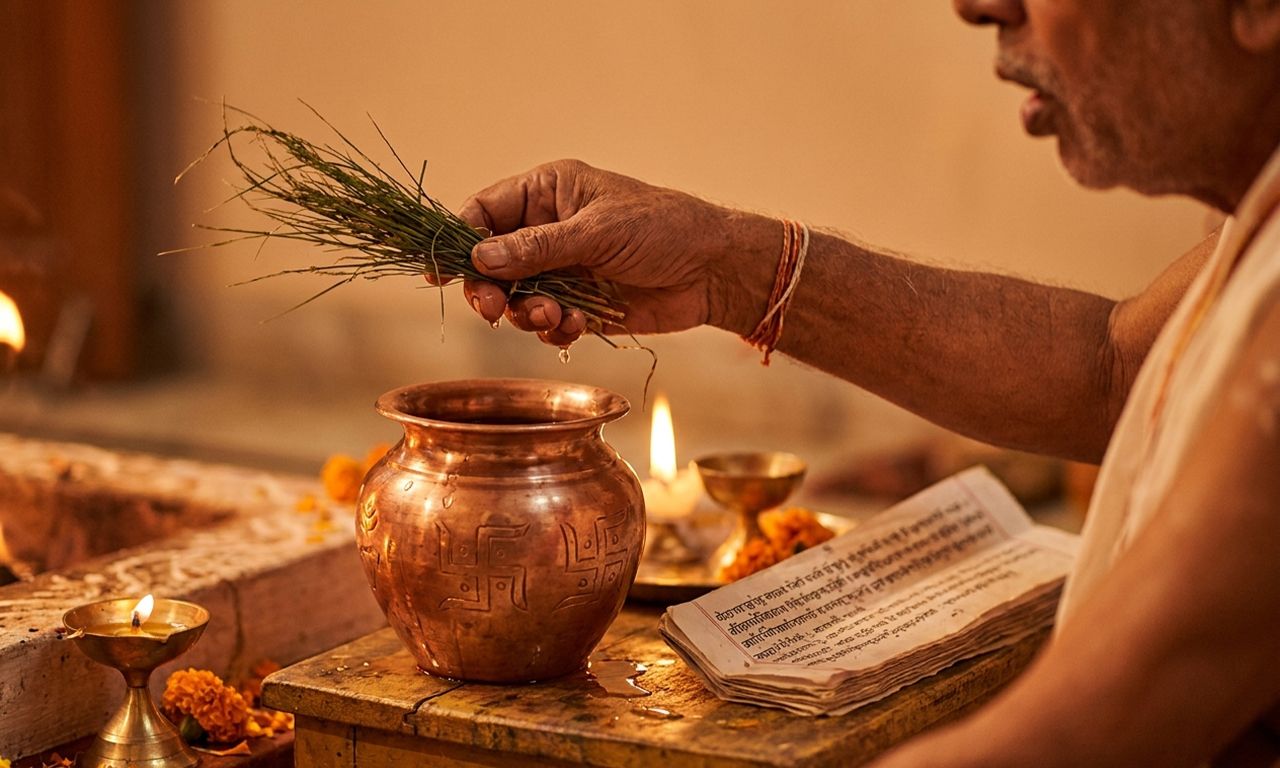
During Rudrabhishek, Panchamrit occupies an important place within the sequence of sacred offerings. As Vedic mantras are chanted, Panchamrit is offered upon the Shivling with reverence and discipline.
Guruji explains that every offering during Rudrabhishek should be accompanied by prayer. While the hands perform the ritual, the mind should remain absorbed in Lord Shiva. The devotee silently offers fears, attachments, desires and ego at Mahadev's feet. This is the deeper meaning of Abhishek.
Can Panchamrit Be Prepared at Home?
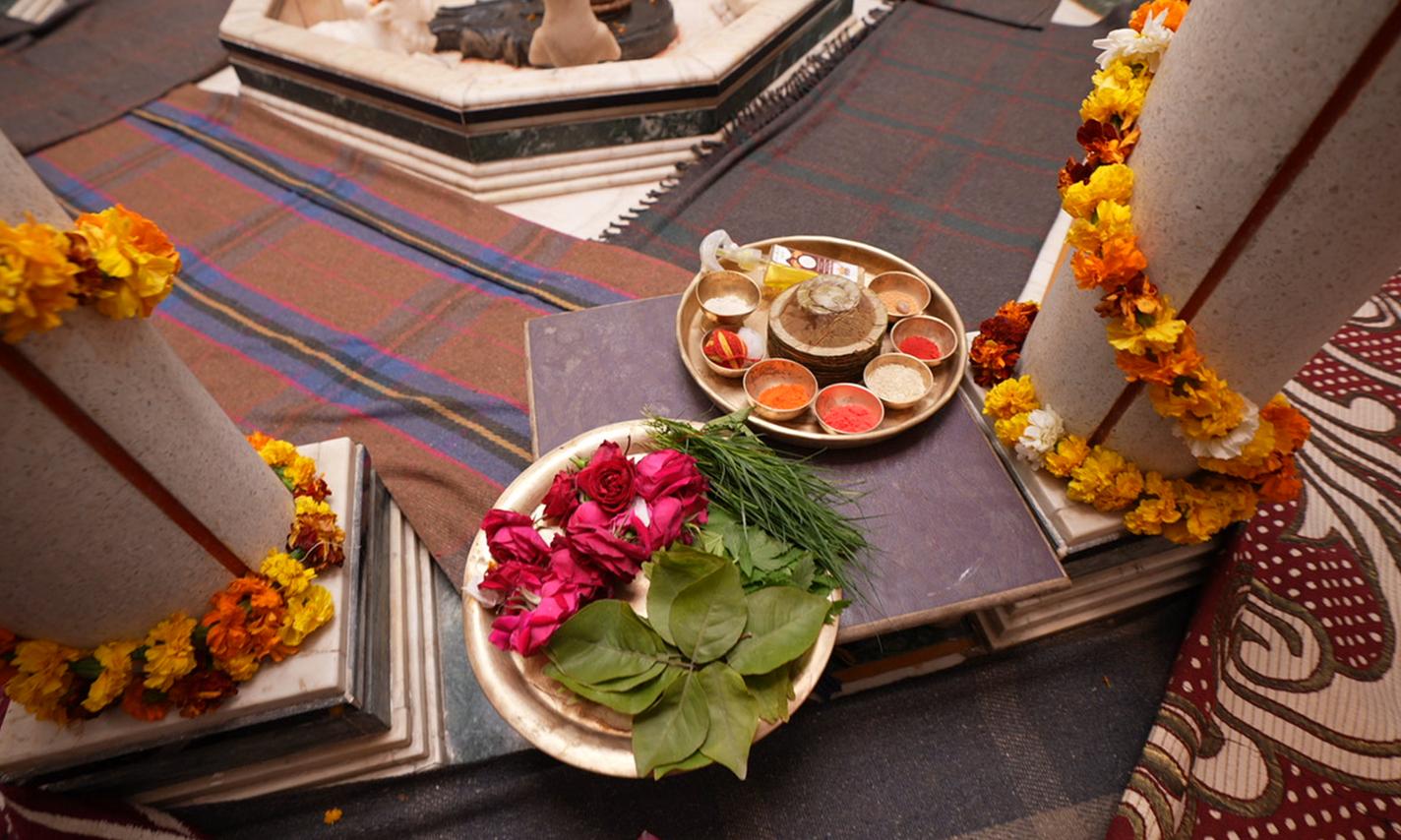
Yes. Guruji encourages devotees to prepare Panchamrit with cleanliness and reverence. The ingredients should be fresh. The place of worship should be clean. The preparation should not be hurried.
While preparing Panchamrit, devotees may chant "Om Namah Shivaya" or remember Lord Shiva with gratitude. Simple devotion makes even the smallest preparation sacred.
Is a Grand Panchamrit Abhishek Necessary?
Many devotees worry that their worship is incomplete if they cannot perform elaborate rituals. Guruji offers reassurance. Lord Shiva never measures devotion by quantity. A devotee who offers a little clean water with complete sincerity may be spiritually closer to Mahadev than someone performing an elaborate ritual without devotion.
Panchamrit is a sacred tradition. It is not a competition. Its purpose is to deepen remembrance, not display prosperity.
Common Mistakes During Panchamrit Abhishek
Guruji advises devotees to avoid reducing worship to routine. Do not perform Abhishek in haste. Do not focus only on completing rituals. Do not become proud because your offerings are expensive. Do not compare your worship with others. Do not forget the prayer while concentrating only on the procedure.
Every ritual should leave the heart more peaceful than before it began. If irritation, pride or impatience increase, the purpose of worship has been lost.
Panchamrit and Inner Purification
Guruji teaches that every external ritual should inspire an internal one. As Panchamrit flows over the Shivling, the devotee should silently pray: May my thoughts become pure like milk. May my character mature like curd. May my actions become sacred like ghee. May my words become sweet like honey. May my heart remain joyful like sugar.
When this reflection accompanies the ritual, Panchamrit Abhishek becomes a powerful practice of self-transformation.
The Narwar Dham Tradition
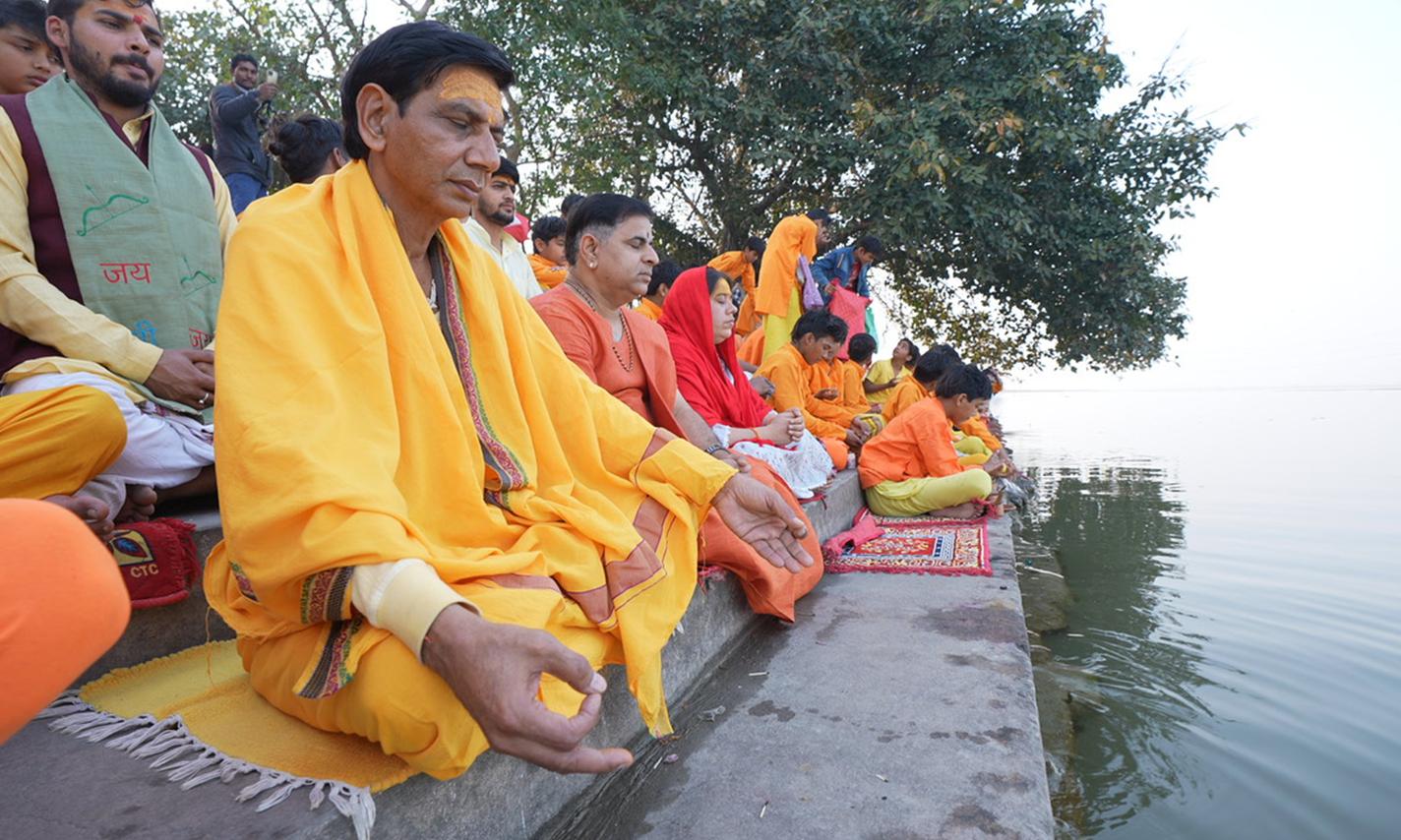
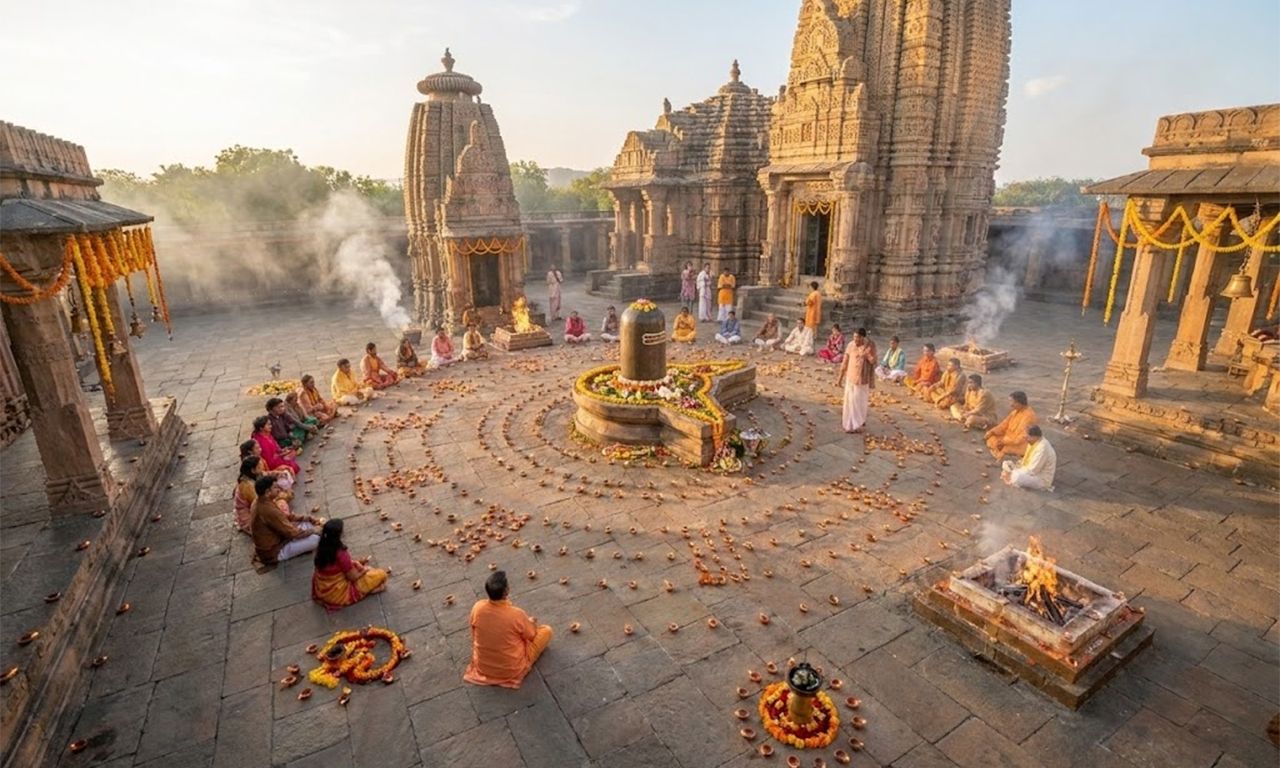
For more than 120 years, the Narwar Dham Guru Parampara has preserved authentic Vedic Shiva worship through disciplined rituals rooted in devotion and understanding. Within this tradition, Panchamrit Abhishek is performed as part of Rudrabhishek with complete adherence to Vedic principles. Every offering is accompanied by mantra, prayer and conscious remembrance of Lord Shiva.
The emphasis is never on grandeur. It is always on sincerity. Devotees are encouraged to understand the spiritual meaning behind every ritual so that worship becomes a lifelong journey rather than a ceremonial obligation.
Frequently Asked Questions
What is Panchamrit?
Panchamrit is a sacred mixture traditionally prepared using milk, curd, ghee, honey and sugar. It is offered during the worship of Lord Shiva and many other Hindu deities as part of Abhishek.
Why is Panchamrit offered to the Shivling?
Panchamrit is offered as an expression of devotion and gratitude. Guruji teaches that the ritual transforms the devotee by cultivating humility and surrender rather than benefiting Lord Shiva.
Can I prepare Panchamrit at home?
Yes. Panchamrit may be prepared at home using fresh ingredients with cleanliness, devotion and prayer.
Is Panchamrit Abhishek compulsory during Shiva Puja?
No. Lord Shiva accepts sincere devotion in every form. Panchamrit Abhishek is a beautiful tradition, but heartfelt worship remains more important than elaborate ritual.
What should I do after Panchamrit Abhishek?
After completing the Abhishek, devotees traditionally bathe the Shivling with clean water, offer prayers, chant Shiva mantras and continue their worship with gratitude and devotion.
From Faith to Sadhana
Every ritual becomes meaningful when it is performed with understanding and devotion.
At Narwar Dham, the 120-year-old Guru Parampara continues the authentic tradition of Rudrabhishek, where Panchamrit Abhishek and other sacred offerings are performed according to Vedic विधि, with your name and gotra included in the Sankalp.
Offer your Sankalp through SiddhiStar and experience Shiva worship as a living tradition, where every mantra, every offering and every prayer becomes a step towards inner transformation.