Om Vishnuve Namah - Why a Shiva Ceremony Closes With Vishnu's Name Three Times
Lineage & Tradition

Om Vishnuve Namah - Why a Shiva Ceremony Closes With Vishnu's Name Three Times

S

By SiddhiStar | Narwar Dham Parampara

15 May 2026 • 5 min read

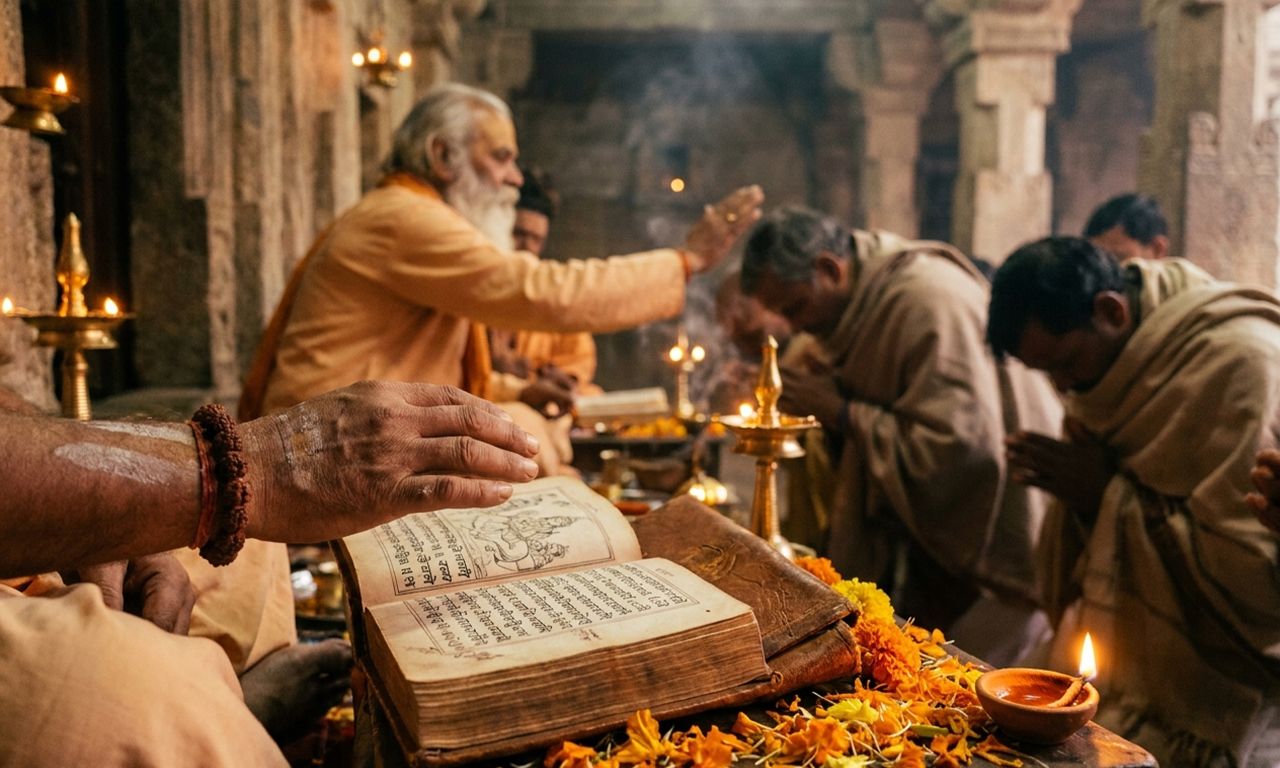
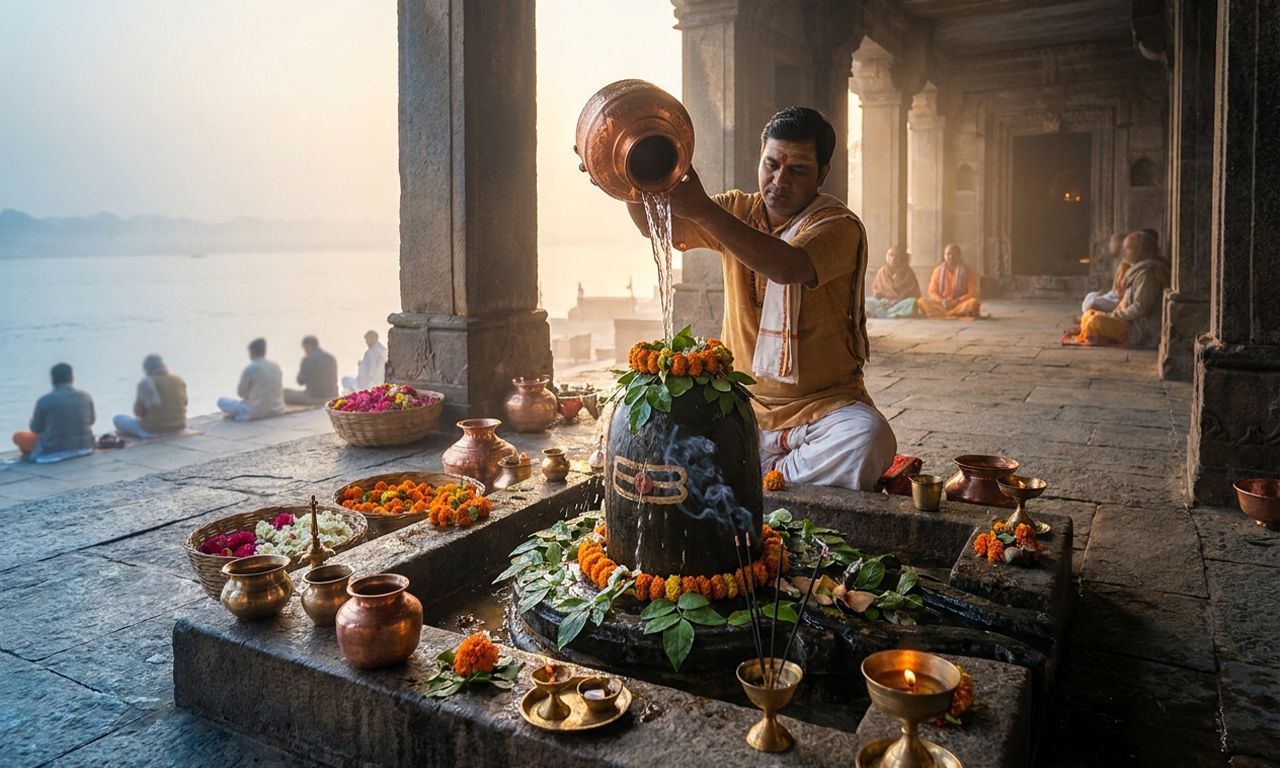
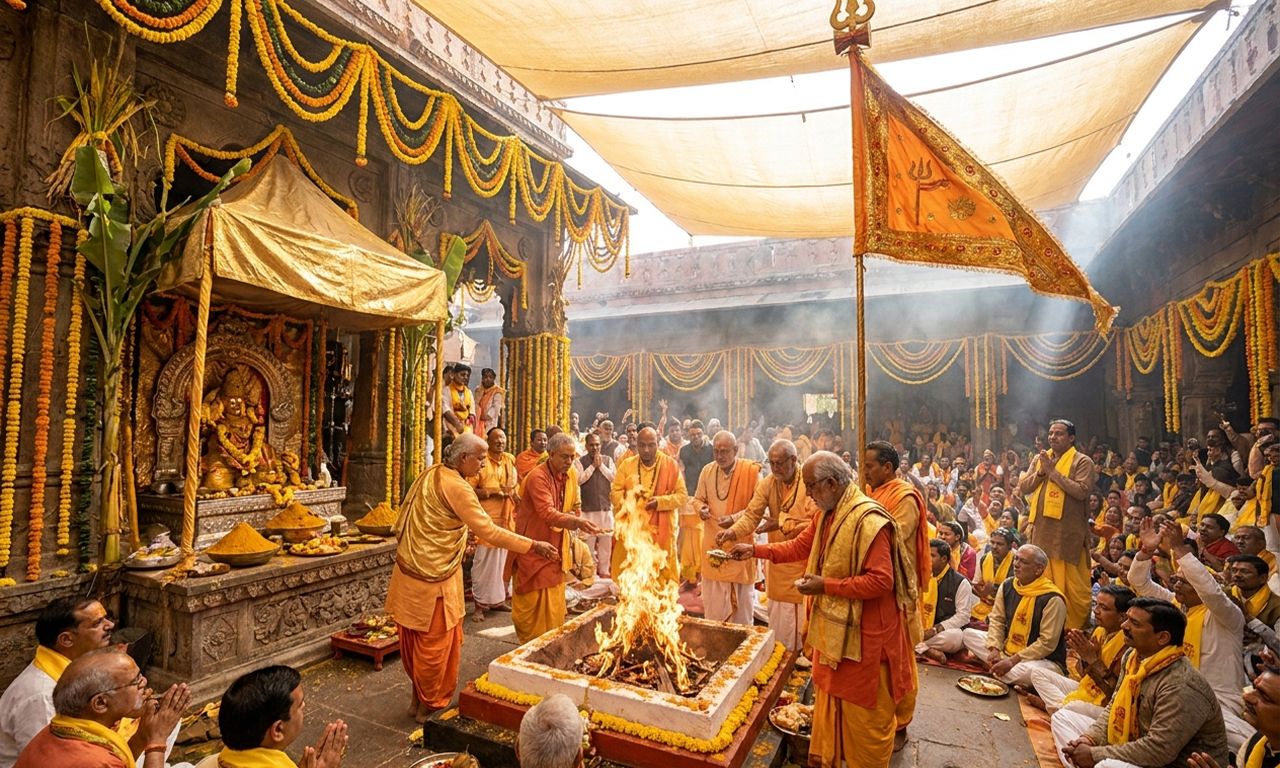
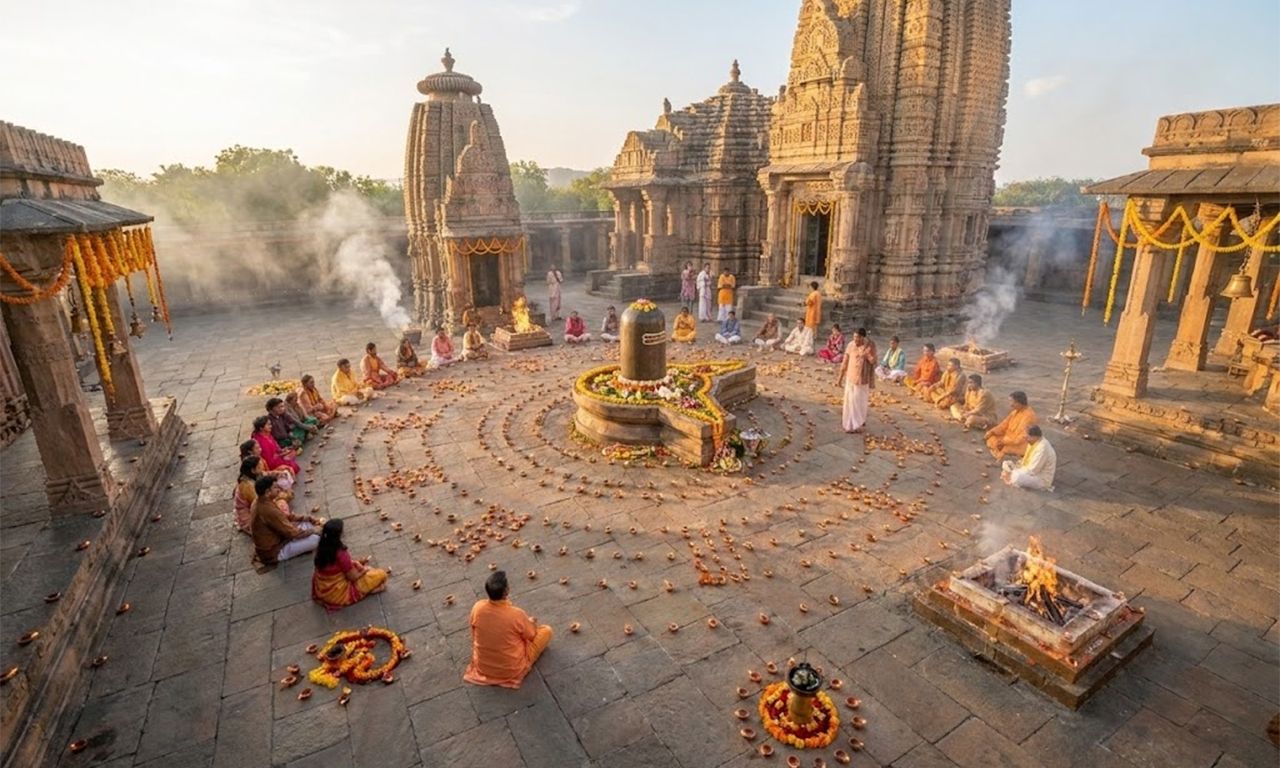
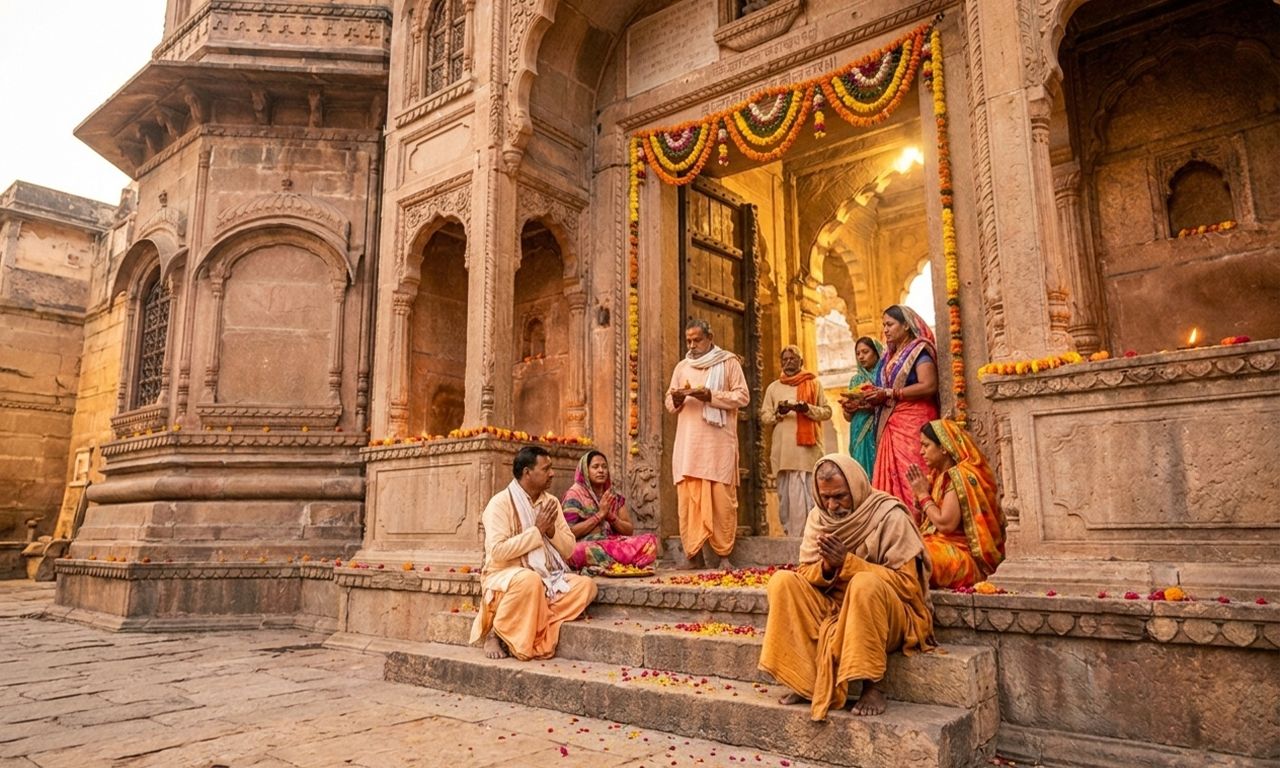
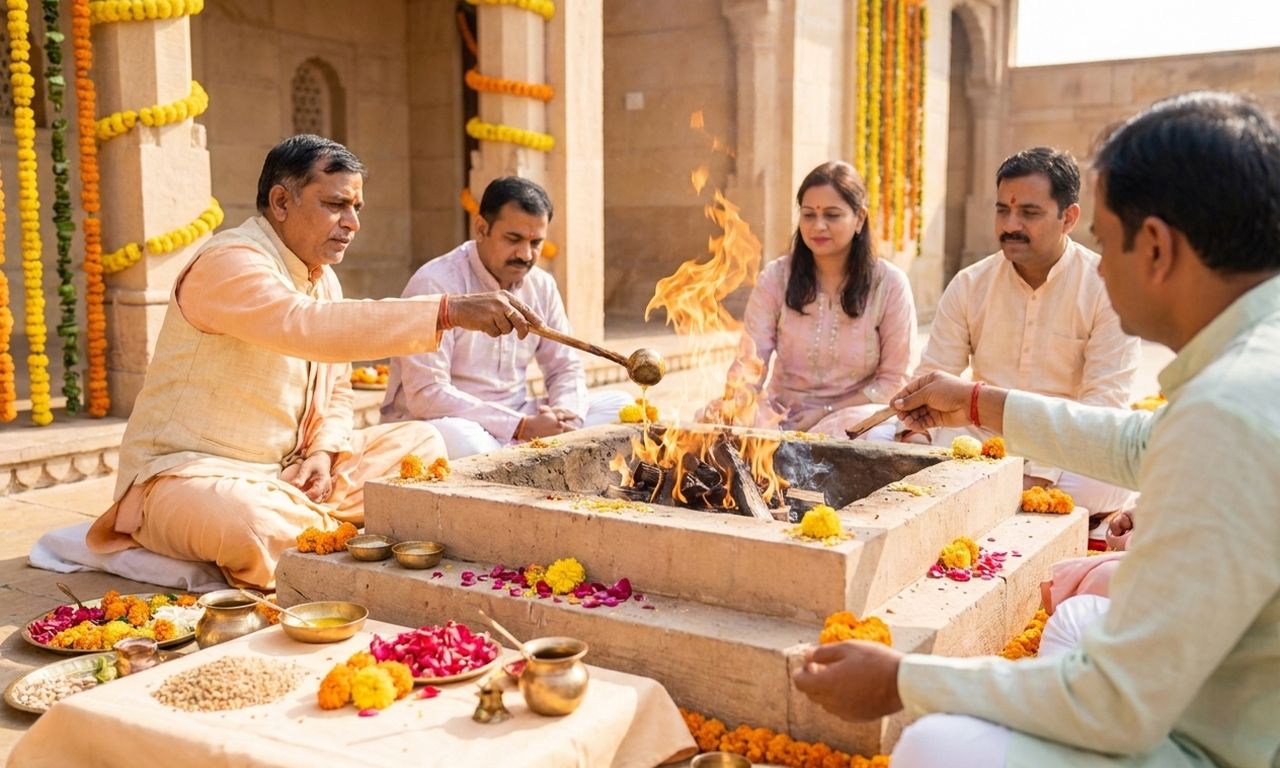
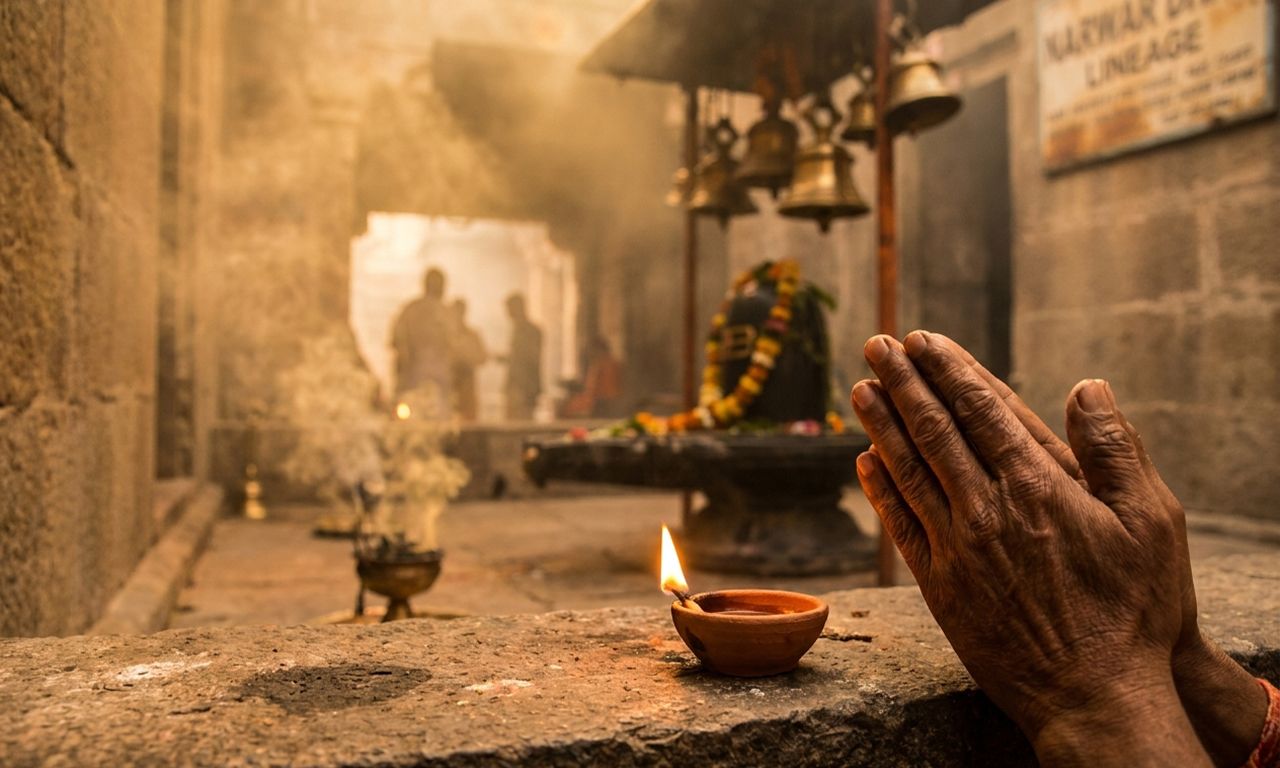
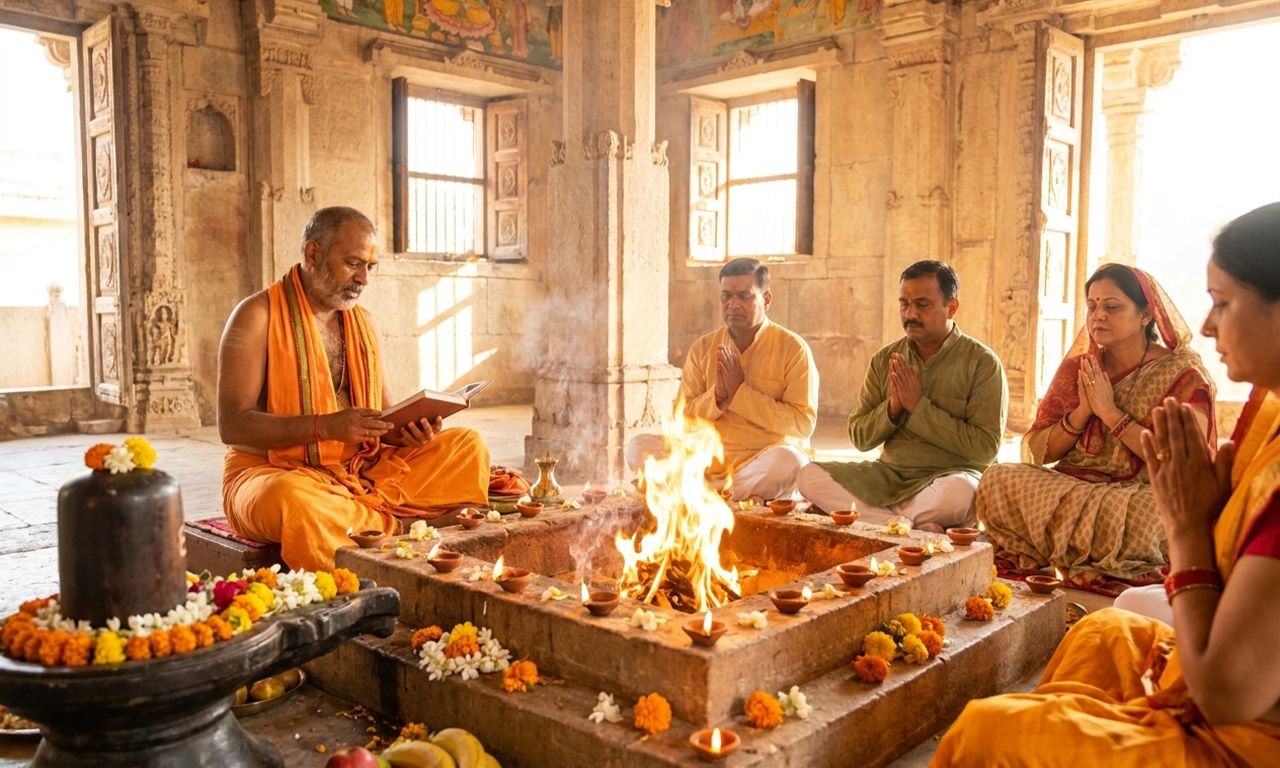
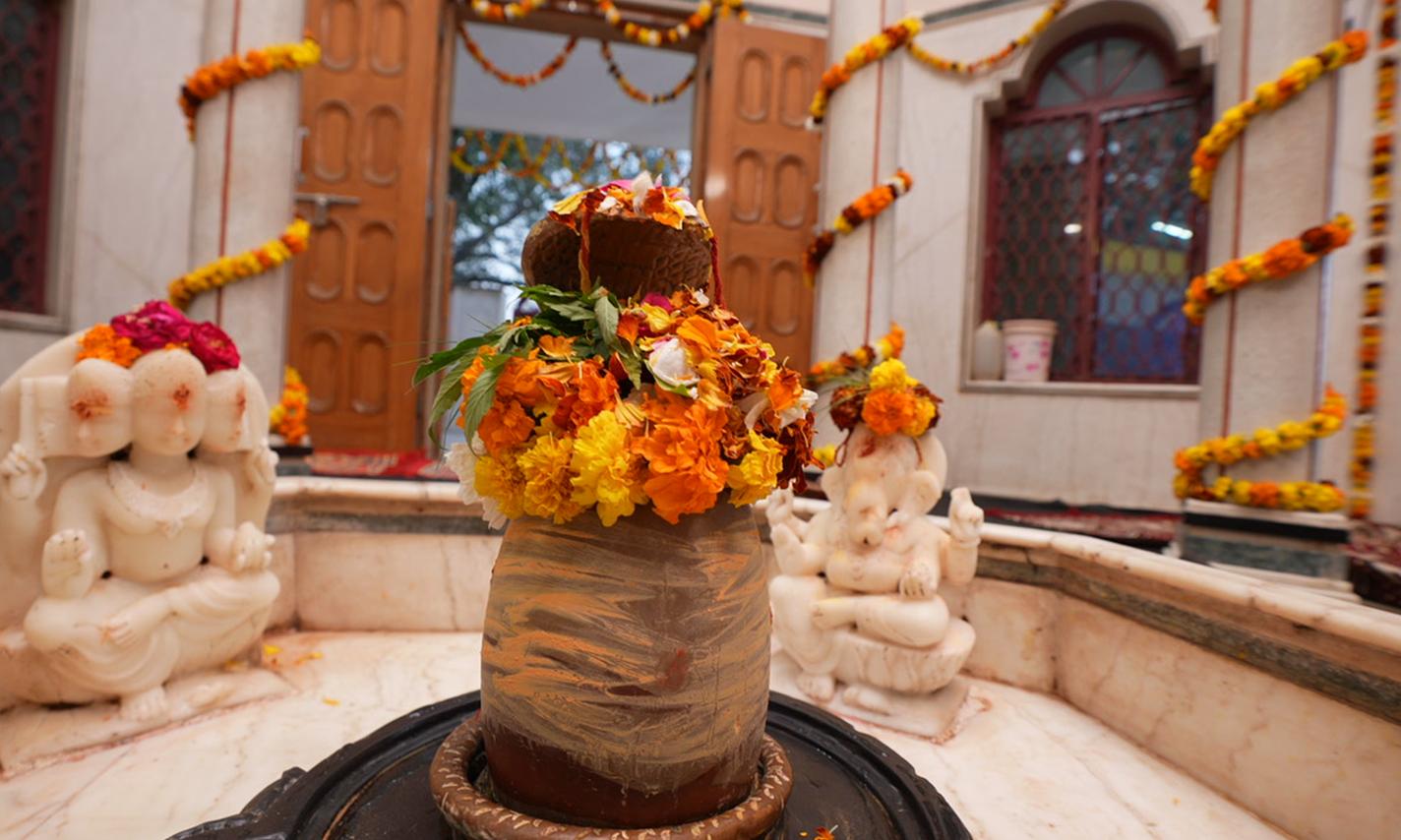
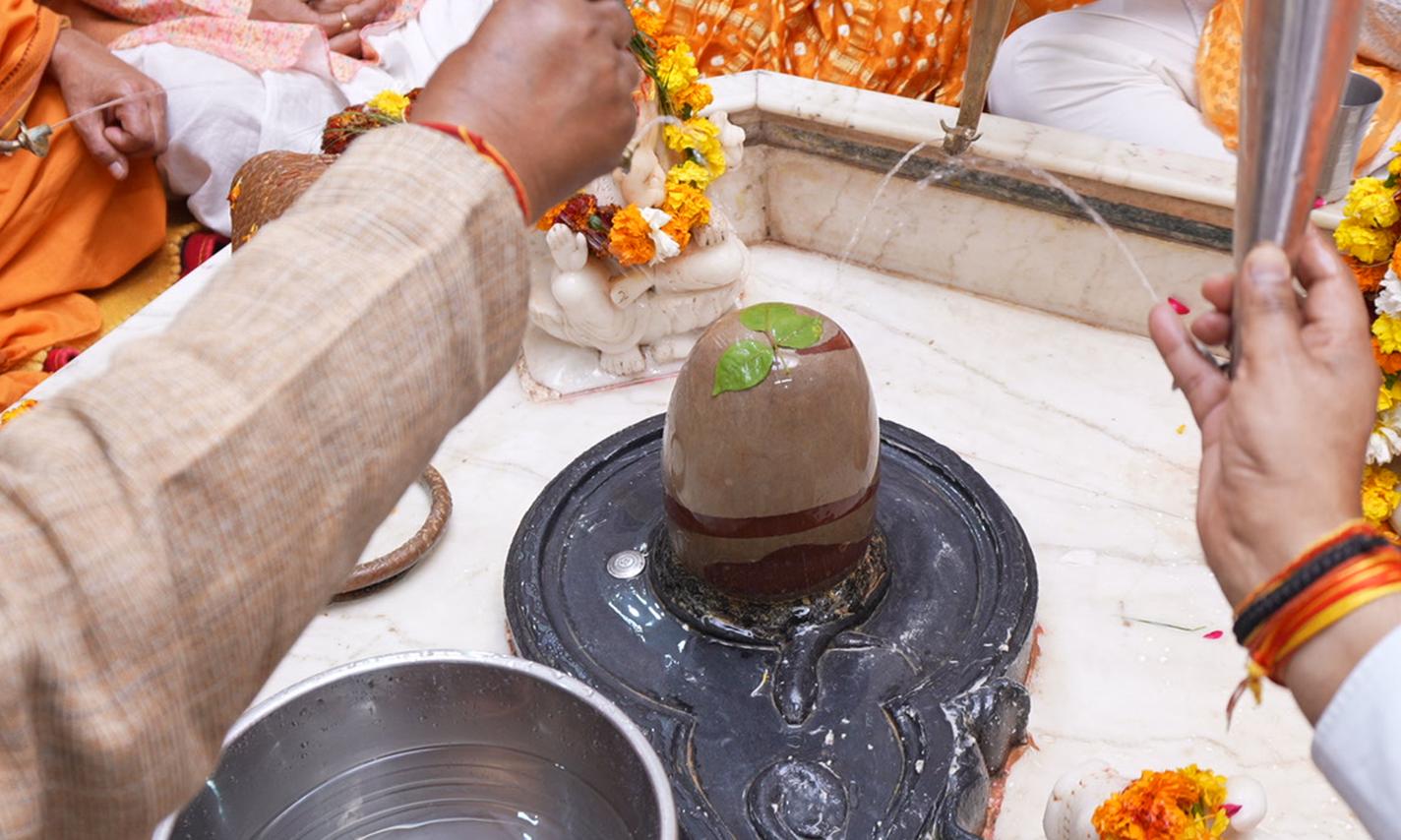
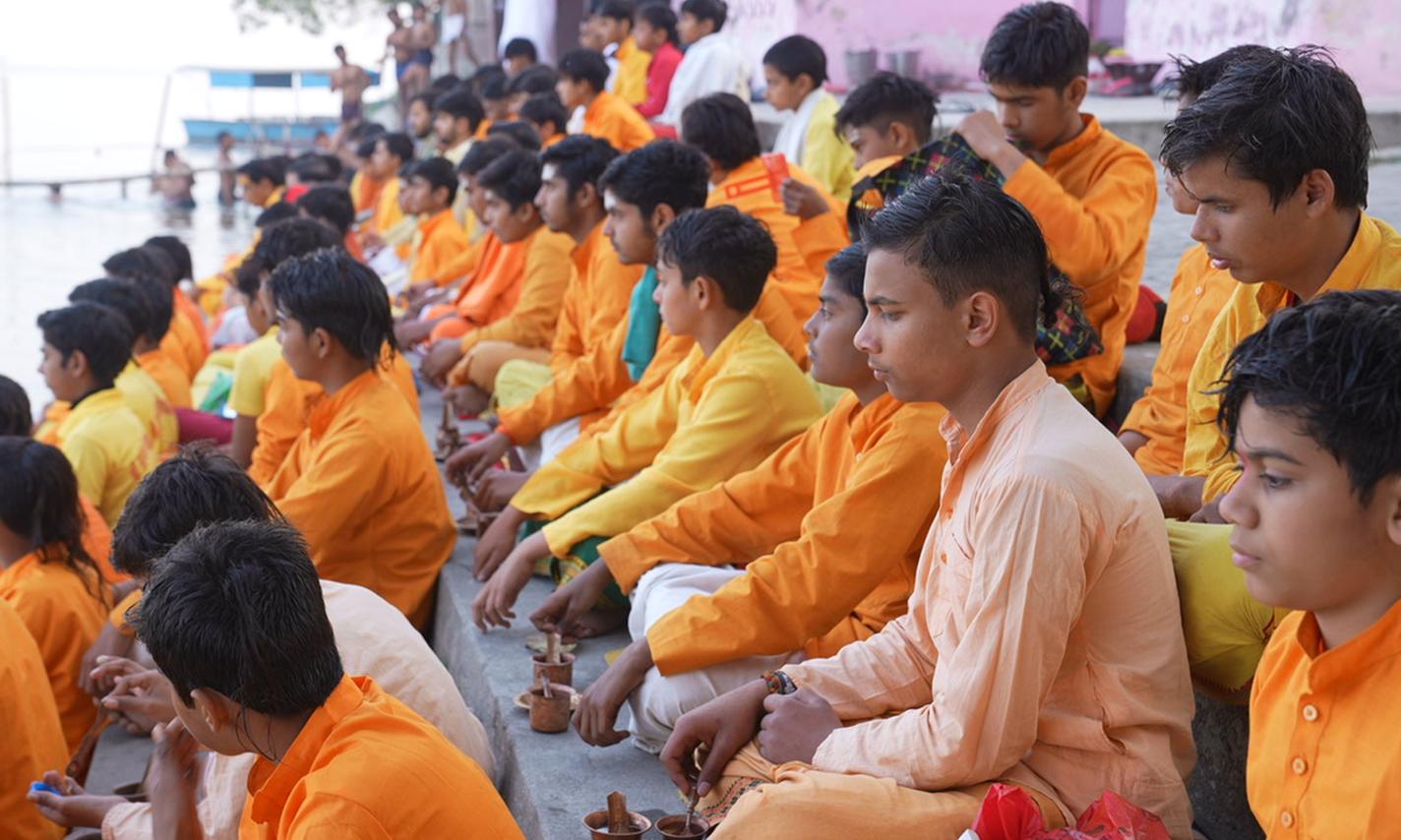
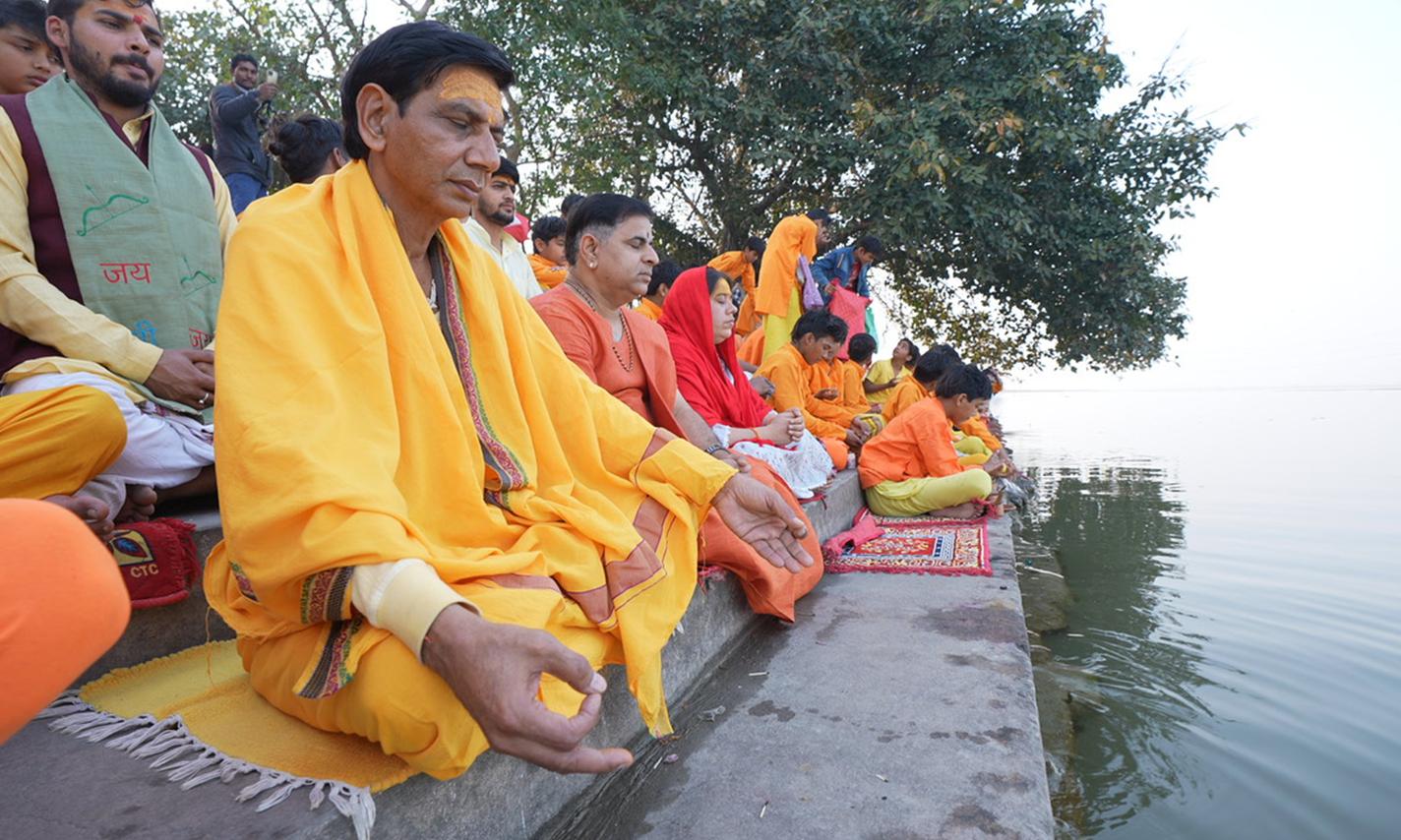
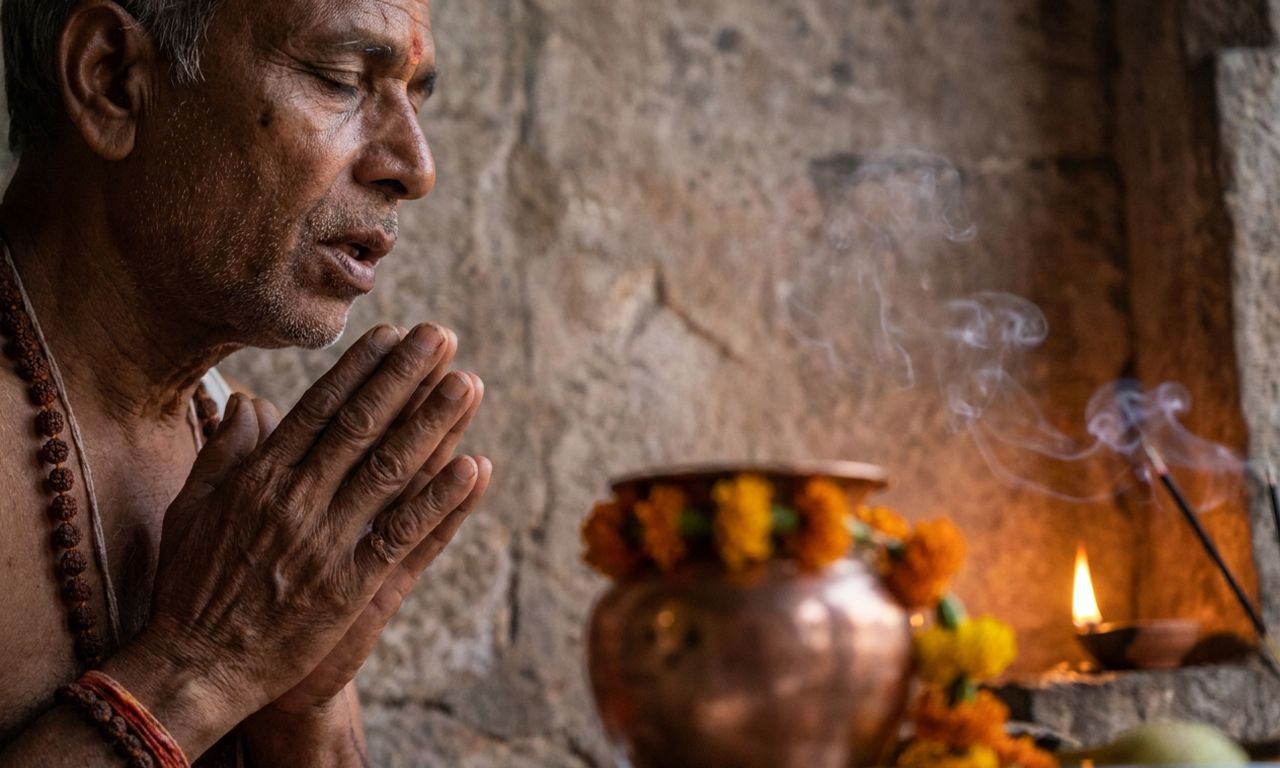
At the close of every mahashivratri puja at Narwar Dham, after the Kshama Prarthana, the pandit speaks one more line: Om Vishnuve Namah, Om Vishnuve Namah, Om Vishnuve Namah. Three times. To Vishnu.

This may seem unusual. The puja was for Shiva. Why does it end with Vishnu's name?

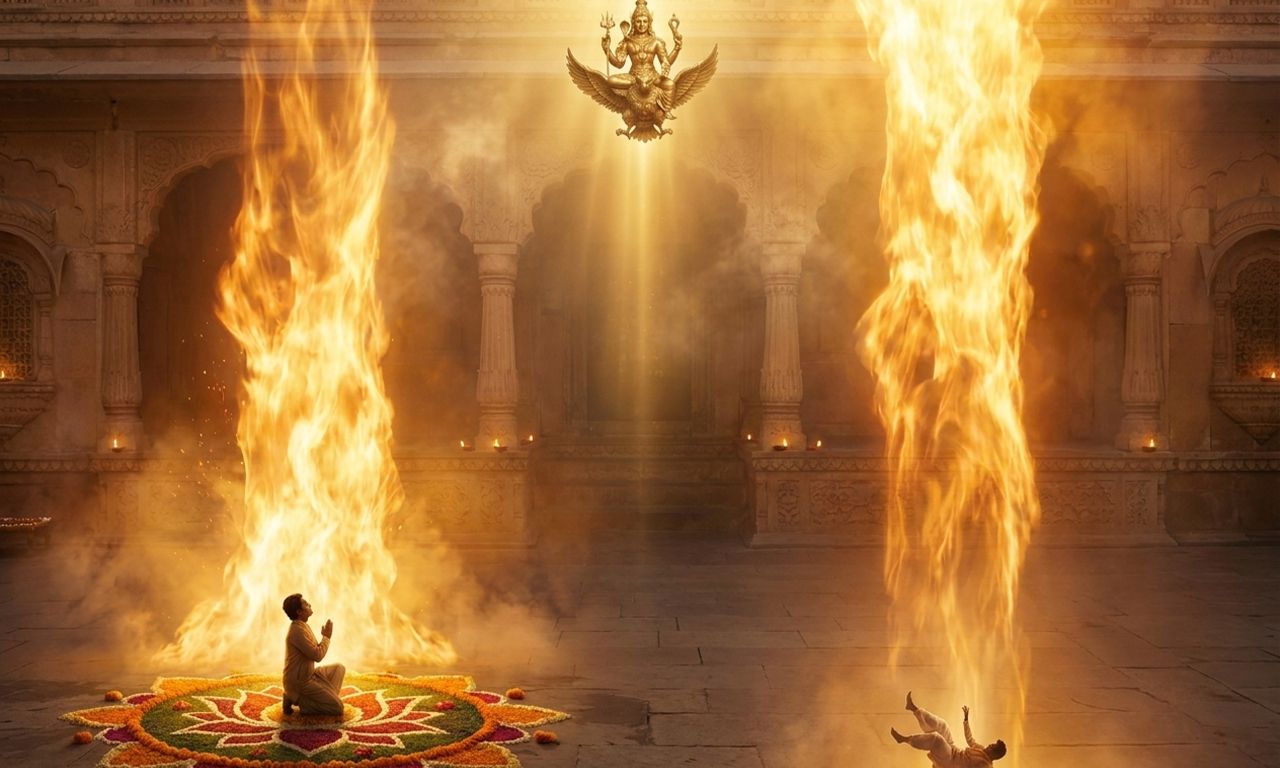
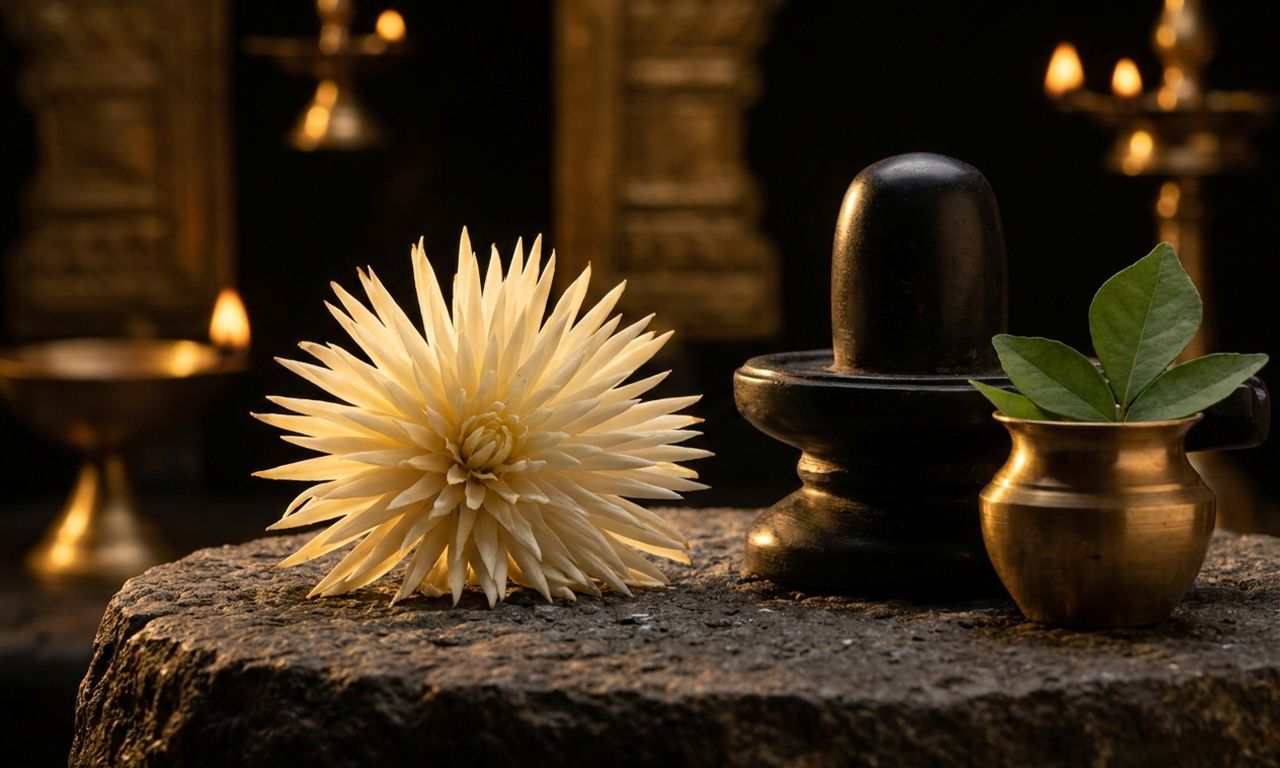
The answer is in the shiv puran itself, in the Agni Stambha story (see Mahashivratri Article 1 in the original series). When Shiva appeared from the column of fire and Brahma was punished for the lie, Vishnu received a specific gift: from that day, at every sacred occasion, Vishnu would be worshipped first.

Across the centuries, the tradition extended this in a particular way. Shiva ceremonies open with Vishnu's name (in the Aachaman - Keshava, Narayana, Madhava). And Shiva ceremonies close with Vishnu's name, again, three times. The puja is for Shiva. But the framing - the opening and closing - honours the gift Vishnu received at the Agni Stambha.

Why Three Times

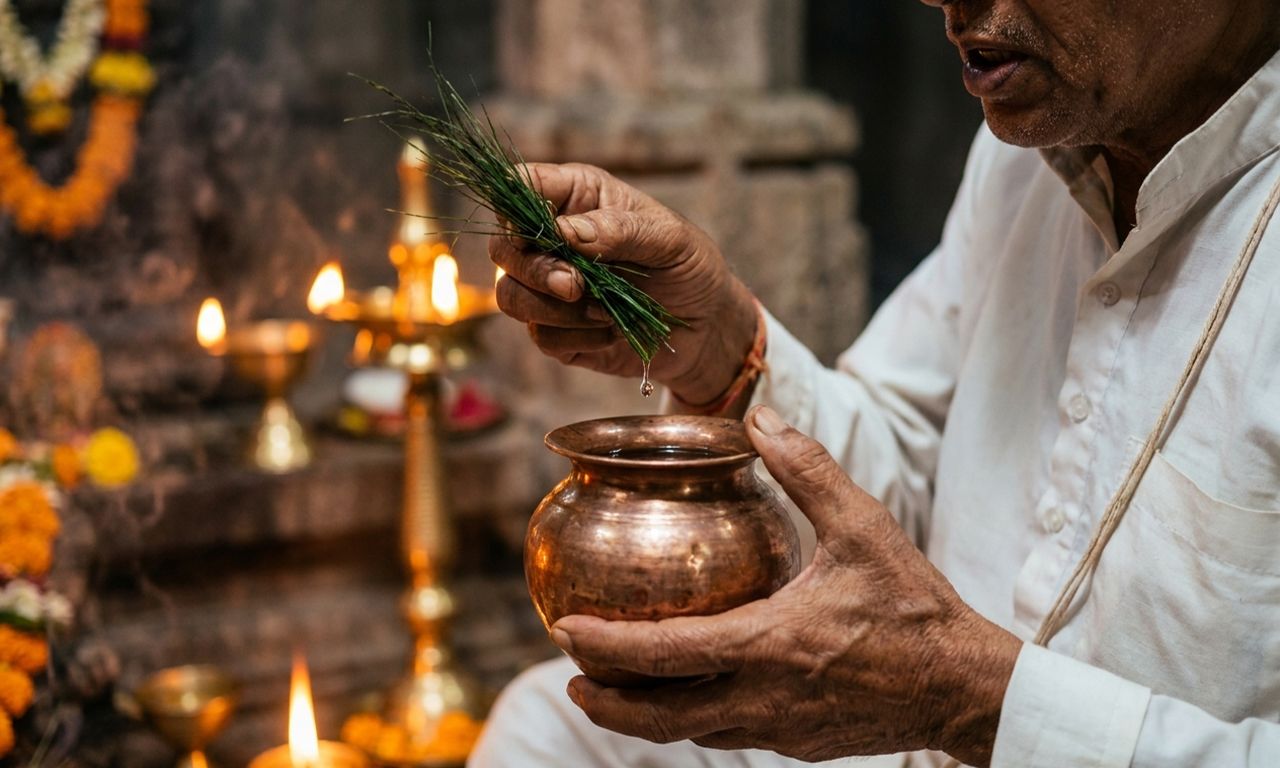
Three is the count for completion in the Vedic tradition. Three sips of Aachaman water. Three pradakshinas around the deity. The Trimurti themselves number three. Speaking the name three times confirms what was said and seals it as complete.

For Om Vishnuve Namah, the three repetitions are: the gift acknowledged once (the past), the gift honoured now (the present), the gift continuing forever (the future).

What This Means About the Puja's Completion

A Shiva ceremony closed with the Om Vishnuve Namah has been completed in the way the shiv puran describes. A Shiva ceremony that does not close this way is shorter - and less complete. The Narwar tradition holds the full closing.

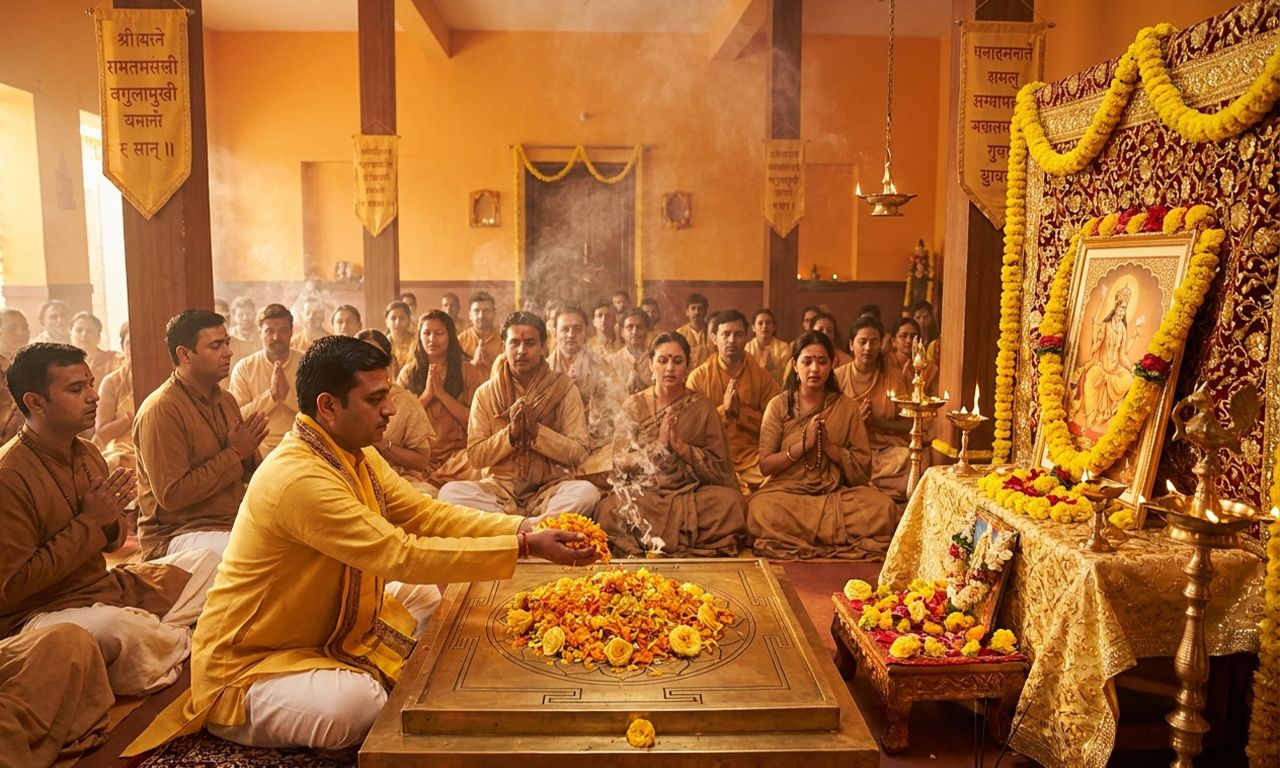
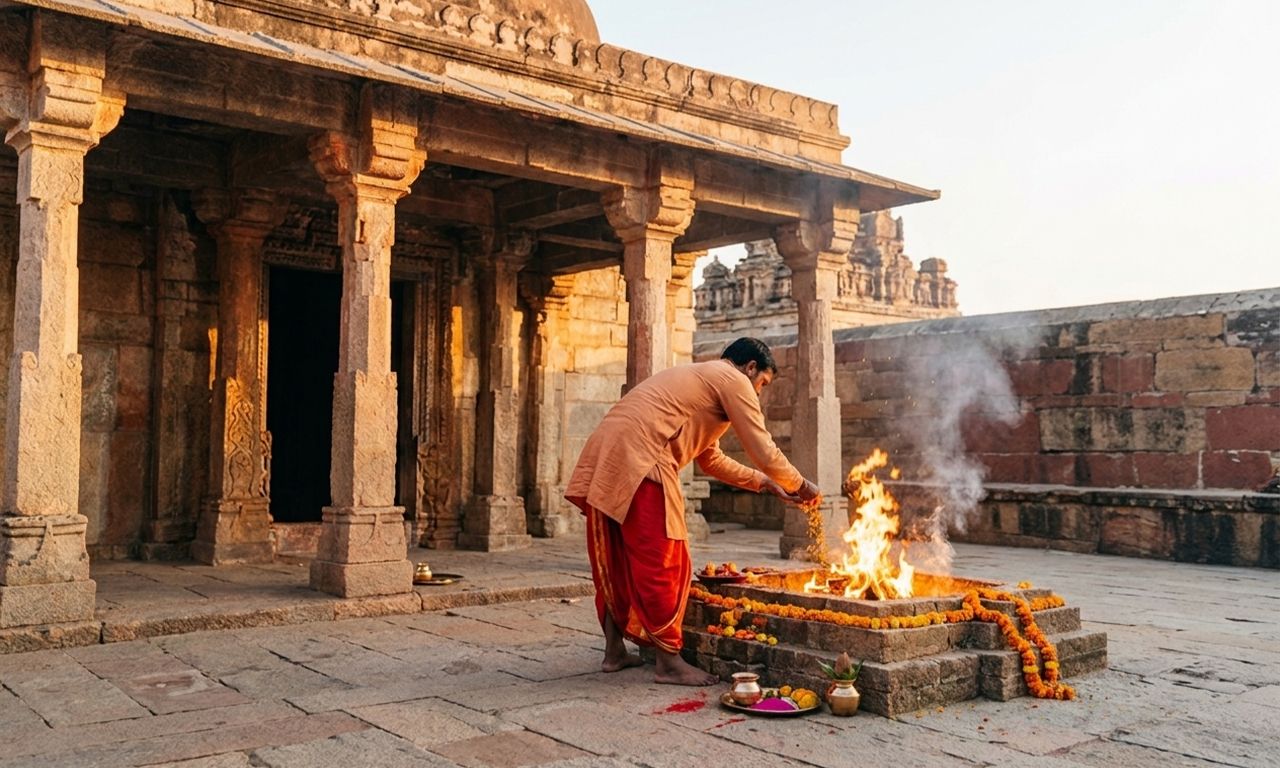
When you join a SiddhiStar rudra abhishek puja, the closing you witness includes this gesture. It is part of why the ceremony lands the way it does - because it ends in the way the tradition designed.

Book a Rudrabhishek with full traditional closing.
Was this article helpful?

More from Gyan

LINEAGE & TRADITION

Lineage & Tradition

Why Narwar Dham Sits on the Banks of the Ganga - What Geography Adds to a Ceremony


5 min readRead More
Lineage & Tradition

The Sadgurudev Benediction - What the Living Lineage Adds to Every Ceremony


5 min readRead More
Lineage & Tradition

Why Sri Siddeshwari Sadhnapith Has Conducted Ceremonies Continuously - The Institutional Weight of the Place


5 min readRead More
Lineage & Tradition

Why Narwar Dham Is Where This Puja Belongs: The Geography of Maa Baglamukhi


5 min readRead More
Lineage & Tradition

Brahma's Punishment - Why the Creator Has Almost No Temples


4 min readRead More
Lineage & Tradition

Why Ketaki Flower Is Never Used in Shiva Puja - The Story and What It Teaches About Truth


4 min readRead More

⁠VEDIC RITUALS

⁠Vedic Rituals

The Abhishek Materials: Rudrabhishek Puja Samagri and What Each One Does


6 min readRead More
⁠Vedic Rituals

Vighnaharta Ganesh: Why Ganesha Is Worshipped Before Shiva in Every SiddhiStar Pooja


5 min readRead More
⁠Vedic Rituals

One Night of Mahashivratri Jagran vs 365 Days of Pooja - What the Shastras Actually Say


5 min readRead More
⁠Vedic Rituals

Madhu Abhishek - What the Shastras Say About Honey and the Healing of the Bitter


5 min readRead More
⁠Vedic Rituals

Ganne Ka Ras Abhishek - The Offering Made When the Prayer Is for Lakshmi


5 min readRead More
⁠Vedic Rituals

Tirth Jal Abhishek - The Offering Whose Purpose Reaches Beyond This Lifetime


5 min readRead More

ALL CATEGORIES

All Categories

Baglamukhi Jayanti Mahapuja at Narwar Dham: What Happened, What Was Said, What It Meant


12 min readRead More
All Categories

A Night at a SiddhiStar Mahashivratri Mahapuja: The Complete Account from Narwar Dham


12 min readRead More

PERSONAL STORIES

Personal Stories

The Devotee Who Has Tried Everything: Why You Have Arrived at the Right Place


5 min readRead More
Personal Stories

What It Feels Like to Chant the 108 Names of Baglamukhi in a Live Ceremony


4 min readRead More
Personal Stories

What Happens in the Room When the Havan Fire Is Lit at Narwar Dham


4 min readRead More

SANKALP & INTENTION

Sankalp & Intention

Sankalp Mantra in Puja: What It Means When Your Name and Gotra Are Spoken


6 min readRead More
Sankalp & Intention

Online Puja Booking from Narwar Dham - The Shastric Basis of SiddhiStar's Live Online Pooja


5 min readRead More
Sankalp & Intention

The Fourth Prahar Sankalp for Shatru Daman - What It Means to Bring This Intention Into Brahma Muhurta


5 min readRead More
Sankalp & Intention

Parajay Ko Jay: When You Have Already Lost and Need It Reversed


4 min readRead More
Sankalp & Intention

How Distance Does Not Diminish Devotion - The Shastric Basis of SiddhiStar's Online Pooja


5 min readRead More
Sankalp & Intention

The Four Coordinates of a Sankalp - Why Kaal, Desh, Naam, and Gotra Are Each Non-Negotiable


6 min readRead More

SHASTRIC STORIES

Shastric Stories

Sri Rudram Namakam and Chamakam - What These Two Hymns Are Asking For


6 min readRead More
Shastric Stories

The Birth of Bhairava - What Shiva's Anger Produced and Why Bhairava Guards the Threshold


5 min readRead More
Shastric Stories

Why Brahma Has No Temples - and the One Exception the Tradition Made


4 min readRead More
Shastric Stories

The Story of Meghnad and Hanuman: When the Brahmastra Bound the Unbound


5 min readRead More
Shastric Stories

Krishna and the Covered Sun: The Full Account of Jayadratha's Killing


5 min readRead More
Shastric Stories

Why Ketaki Pushp Is Banned from Shiva Puja - and What It Teaches About Truth


5 min readRead More