Mahamrityunjaya Mantra: Meaning, Benefits and the Right Way to Chant
By SiddhiStar | Narwar Dham Parampara
21 July 2026 • 8 min read
Among all the mantras dedicated to Lord Shiva, few are as revered as the Mahamrityunjaya Mantra. It is recited daily by saints, householders, Vedic scholars and devotees across the world. It is heard in homes, temples, yajnas and Rudrabhishek ceremonies, often during moments of both celebration and difficulty.
Many people know it as the "mantra for protection" or the "mantra for long life." Some chant it during illness, while others recite it seeking peace, courage or spiritual strength.
But what is the true significance of this sacred mantra? Is it meant only to overcome physical suffering? Does chanting it guarantee freedom from difficulties? Or does it point towards something much deeper?
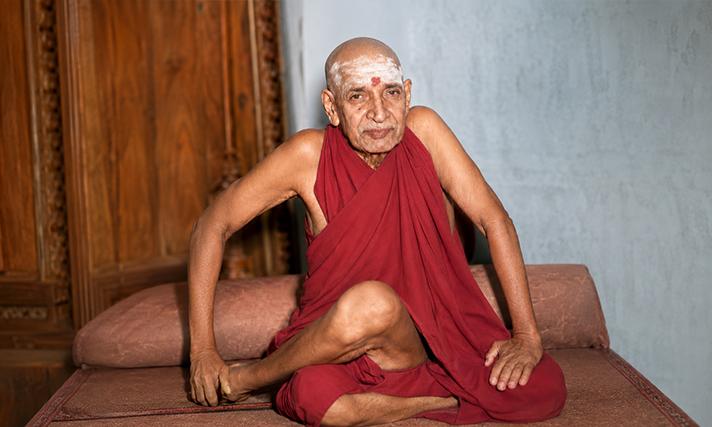
According to Param Pujya Mahesh Prakash Sharma Ji, no mantra should be reduced to a mechanical repetition of words. Every mantra is a bridge between the devotee and the Divine. Its real power is experienced when it is chanted with understanding, faith and purity of intention. The Mahamrityunjaya Mantra is not merely a prayer to escape death. It is a prayer to overcome fear, attachment, ignorance and the limitations that prevent us from living a life rooted in devotion.
Guruji teaches that every human being carries some form of fear. For one person it may be illness. For another, failure. For someone else, the fear of losing loved ones, wealth or peace of mind. The Mahamrityunjaya Mantra does not merely ask Lord Shiva to remove these fears. It teaches the devotee to discover an inner strength that rises above them. When the mind rests in Mahadev, fear gradually gives way to faith.
What Is the Mahamrityunjaya Mantra?
The Mahamrityunjaya Mantra is one of the most ancient and sacred mantras found in the Vedic tradition. It is dedicated to Lord Shiva, who is worshipped as the conqueror of death, the destroyer of ignorance and the eternal source of divine consciousness.
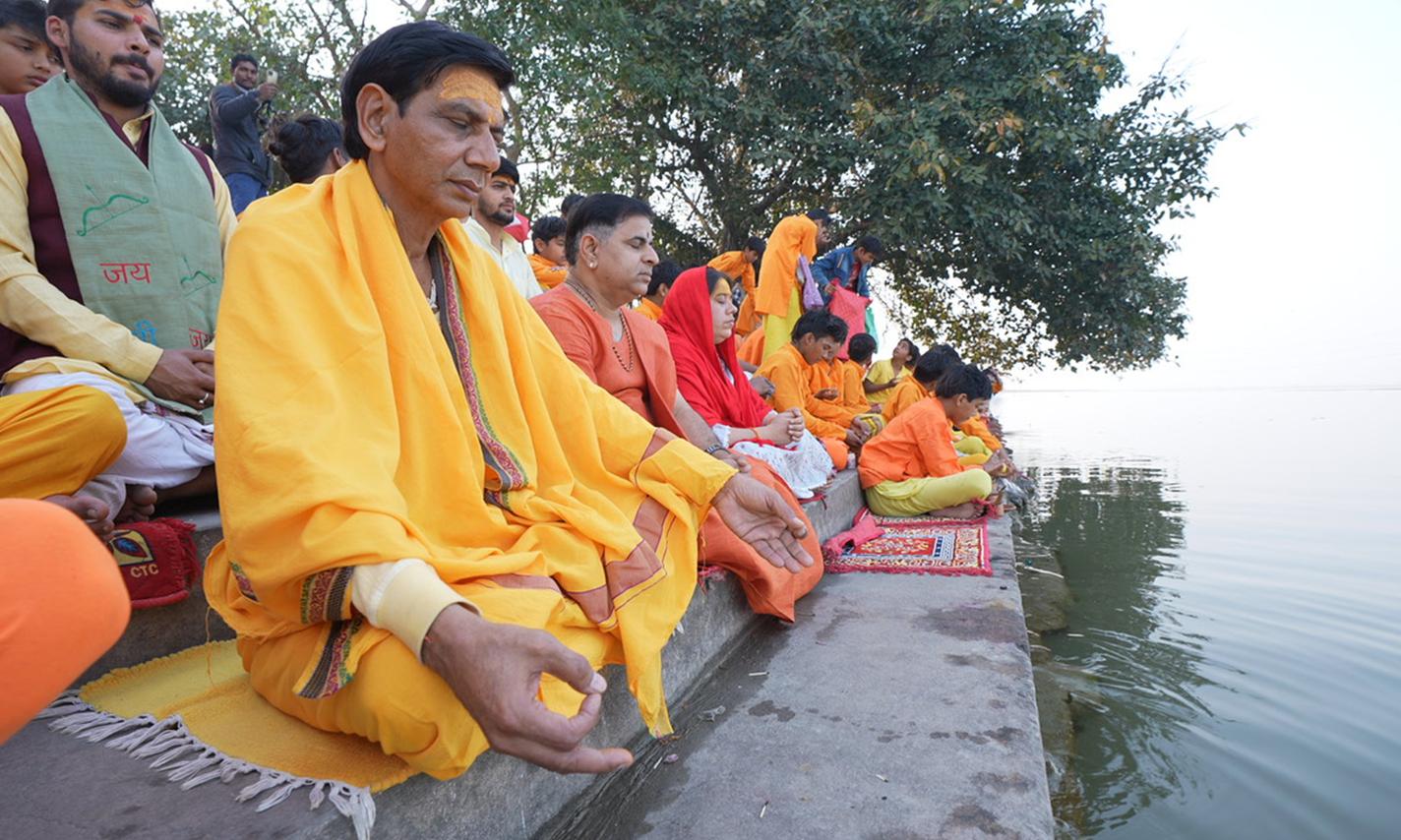
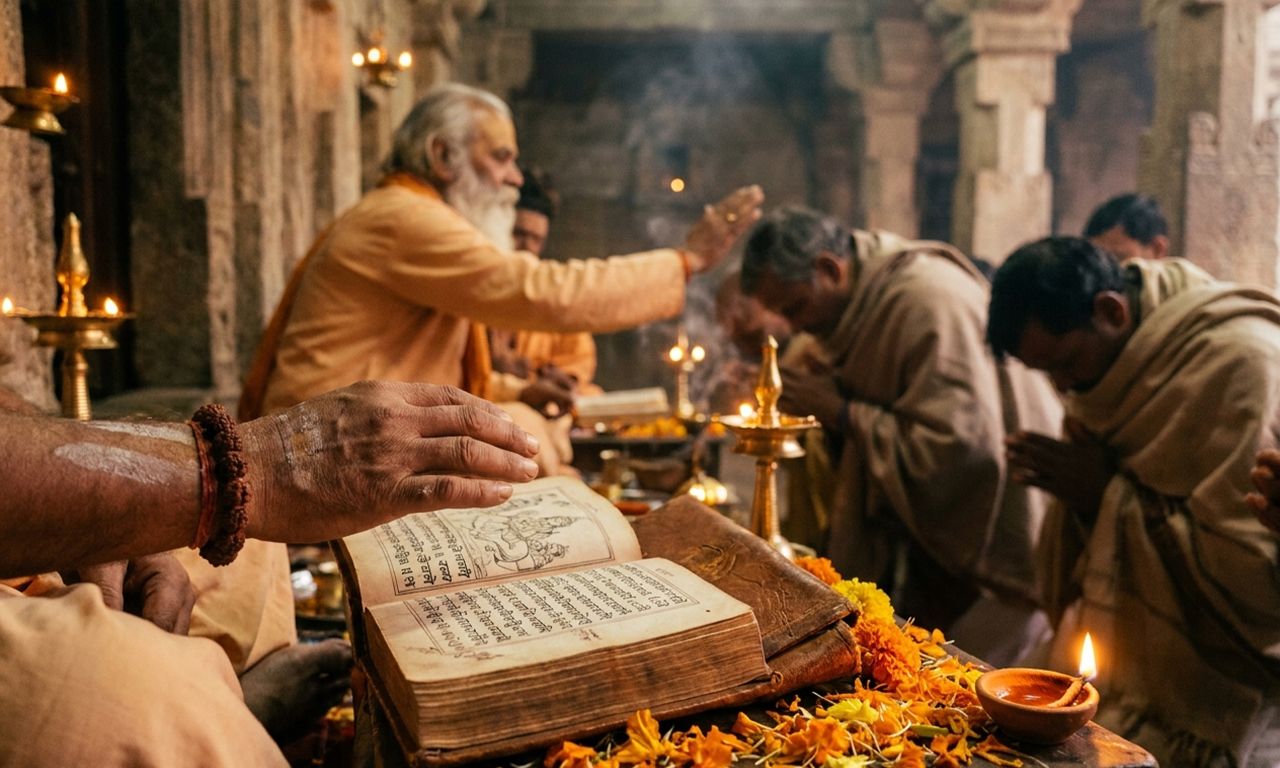
The mantra is traditionally recited during Rudrabhishek, Vedic yajnas, daily worship and personal spiritual practice. It is also chanted by devotees praying for health, inner peace, emotional strength and divine grace. Unlike ordinary prayers that seek material gains, this mantra reminds the devotee that true security comes only through surrender to Lord Shiva.
The Mahamrityunjaya Mantra
ॐ त्र्यम्बकं यजामहे सुगन्धिं पुष्टिवर्धनम्।
उर्वारुकमिव बन्धनान्मृत्योर्मुक्षीय मामृतात्॥
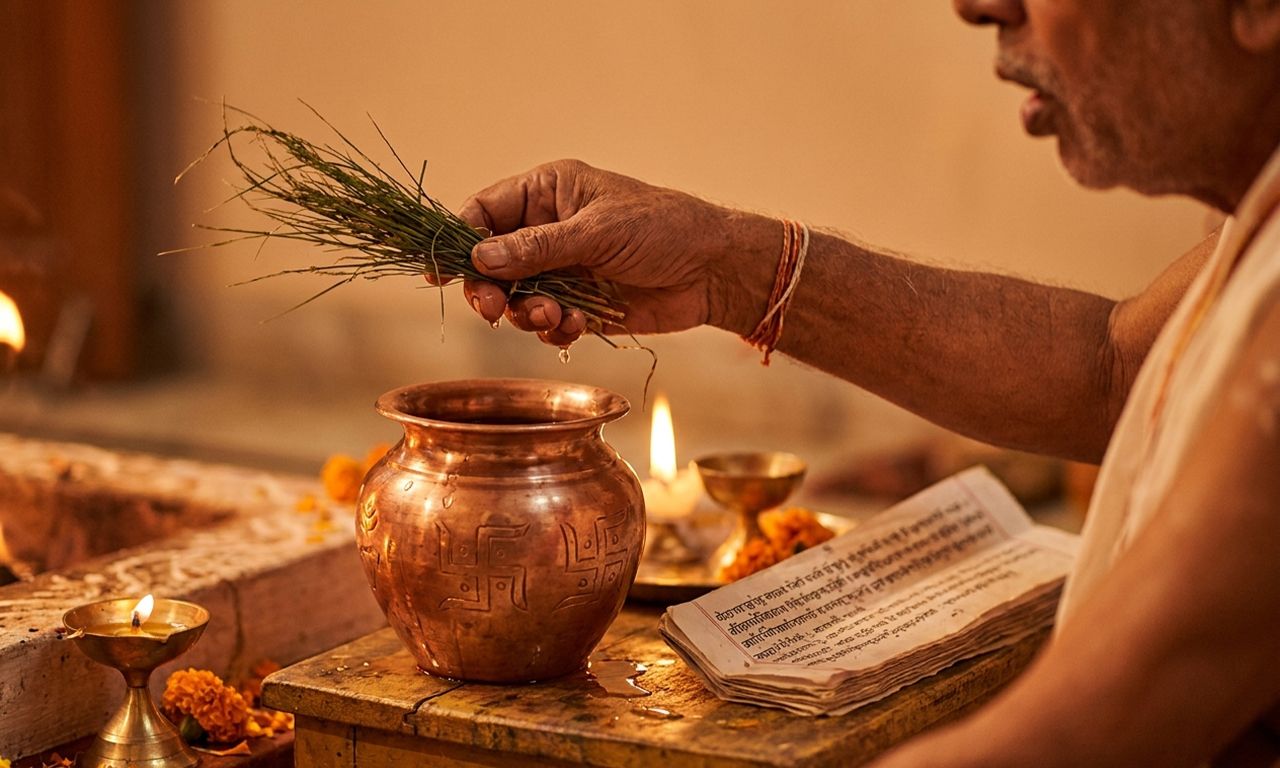
This sacred mantra should always be recited with reverence, attention and correct pronunciation to the best of one's ability.
What Does the Mantra Mean?
Each phrase of the Mahamrityunjaya Mantra carries profound spiritual meaning.
Om
The primordial sound from which all creation emerges.
Tryambakam Yajamahe
"We worship the Three-Eyed Lord." The three eyes of Lord Shiva represent higher wisdom that sees beyond the limitations of ordinary perception.
Sugandhim
Just as fragrance naturally spreads in every direction, divine virtues quietly influence the lives of those around us.
Pushtivardhanam
The One who nourishes and strengthens all forms of life, not only physically but also mentally and spiritually.
Urvarukamiva Bandhanan
Just as a ripe fruit separates effortlessly from its vine, may we also become free from the bonds that keep us attached to fear, ego and ignorance.
Mrityor Mukshiya Maamritat
"O Lord, liberate us from the bondage of death and lead us towards the eternal truth."
Guruji explains that this final prayer is not simply about extending physical life. It is about awakening to the immortal nature of the soul through devotion to Lord Shiva.
Is This Only a Mantra for Illness?
One of the most common misconceptions is that the Mahamrityunjaya Mantra should be chanted only when someone is unwell. Guruji advises against limiting such a sacred mantra to times of crisis.
Just as we do not remember our parents only when we need help, we should not remember Mahadev only during difficult times. Daily chanting strengthens faith, calms the mind and gradually transforms the inner life of the devotee. When difficulties arise, a mind already established in devotion remains more balanced and courageous.
Spiritual Benefits of Chanting the Mahamrityunjaya Mantra
According to Guruji, the greatest benefit of any mantra is not external success but inner transformation.
Regular chanting of the Mahamrityunjaya Mantra helps cultivate patience during uncertainty. It encourages the mind to remain steady instead of becoming overwhelmed by fear. It deepens one's remembrance of Lord Shiva throughout the day. It inspires humility by reminding the devotee that all strength ultimately comes from the Divine. Most importantly, it gradually replaces anxiety with surrender.
The mantra does not promise a life without challenges. It prepares the devotee to face every challenge with faith.
When Should the Mahamrityunjaya Mantra Be Chanted?
There is no restriction that confines this mantra to a particular day. However, many devotees choose to chant it during: Early morning meditation. Monday worship dedicated to Lord Shiva. The sacred month of Sawan. Mahashivratri. During Rudrabhishek. Before beginning important responsibilities. During periods of illness or emotional difficulty. While praying for the well-being of family members.
Guruji reminds devotees that sincerity is more important than timing. A few minutes of heartfelt chanting are more valuable than hurried repetition performed without concentration.
How Many Times Should It Be Chanted?
Many devotees ask whether they should chant the mantra 11, 21, 51 or 108 times. Guruji explains that discipline is beneficial, but numbers should never become the centre of devotion.
If your schedule permits, establish a daily routine that you can sustain with consistency. Even a small amount of sincere chanting performed every day is spiritually more valuable than occasional large recitations done mechanically. Steady practice gradually purifies the mind.
Can Anyone Chant the Mahamrityunjaya Mantra?
Yes. This sacred mantra is meant for every sincere devotee of Lord Shiva. It may be chanted by students, householders, elderly devotees and working professionals alike. What matters most is devotion, humility and the desire to remember Mahadev with a pure heart.
Guruji encourages devotees not to postpone chanting because they fear making mistakes. Begin with sincerity, continue with consistency and improve with guidance.
The Mahamrityunjaya Mantra During Rudrabhishek
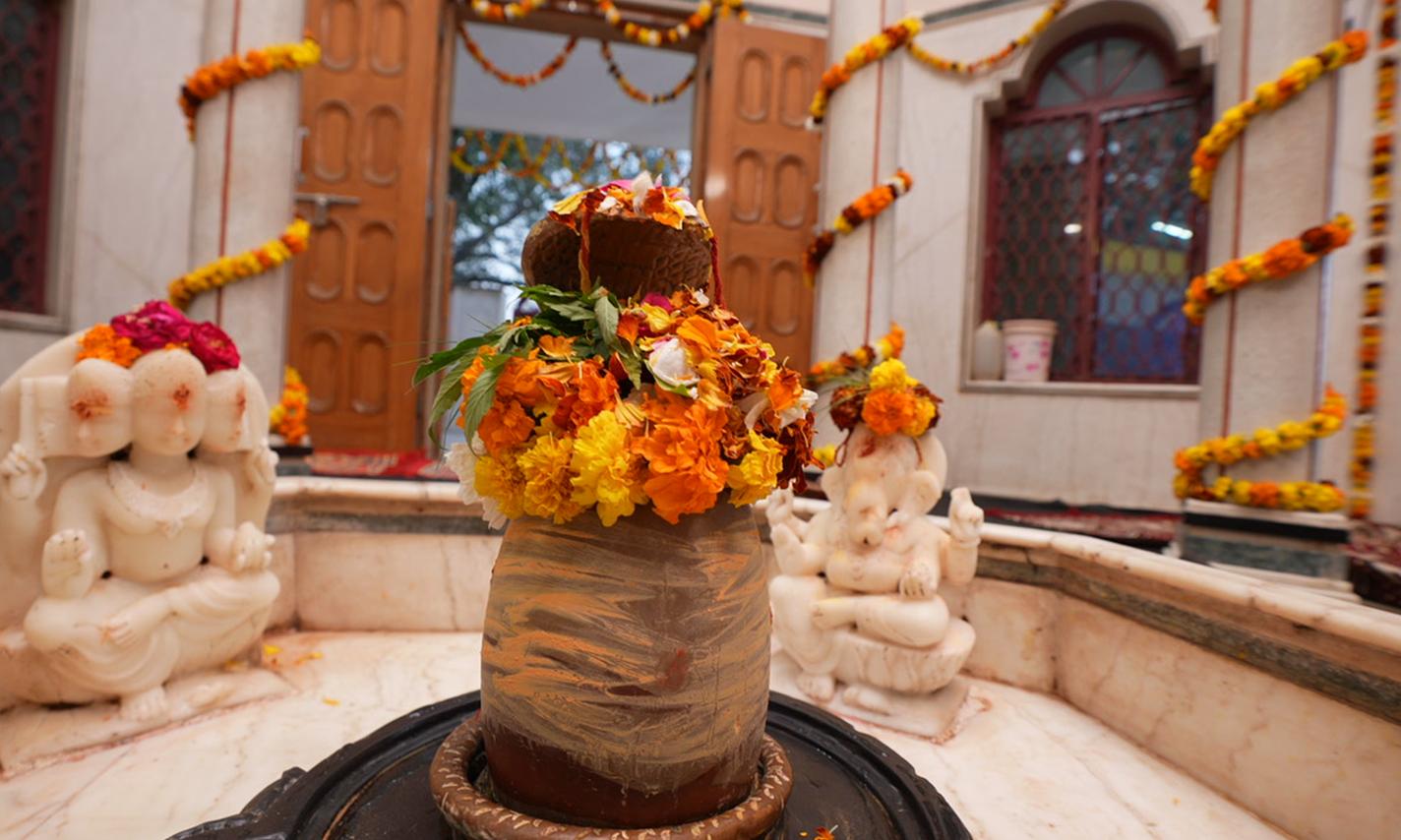
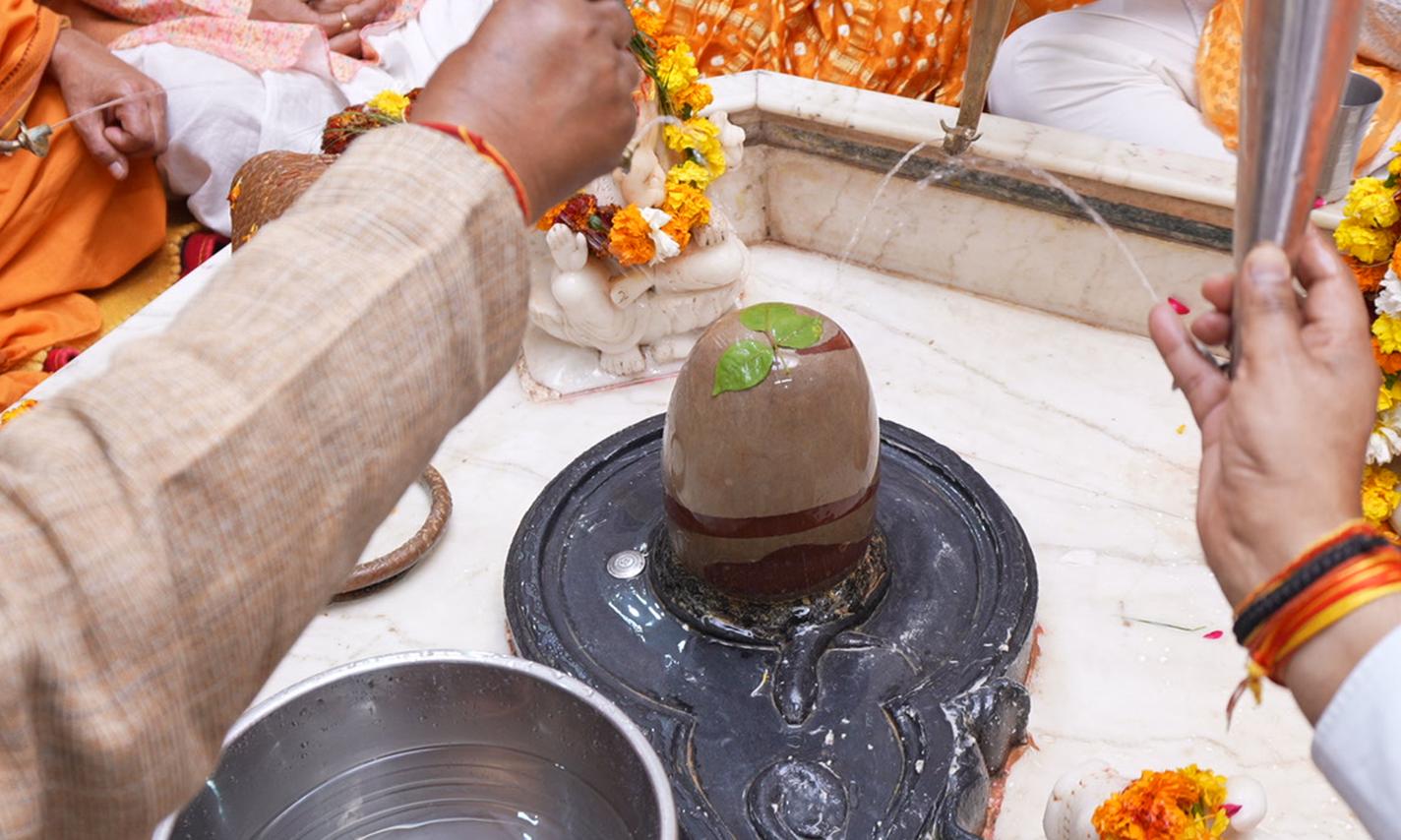
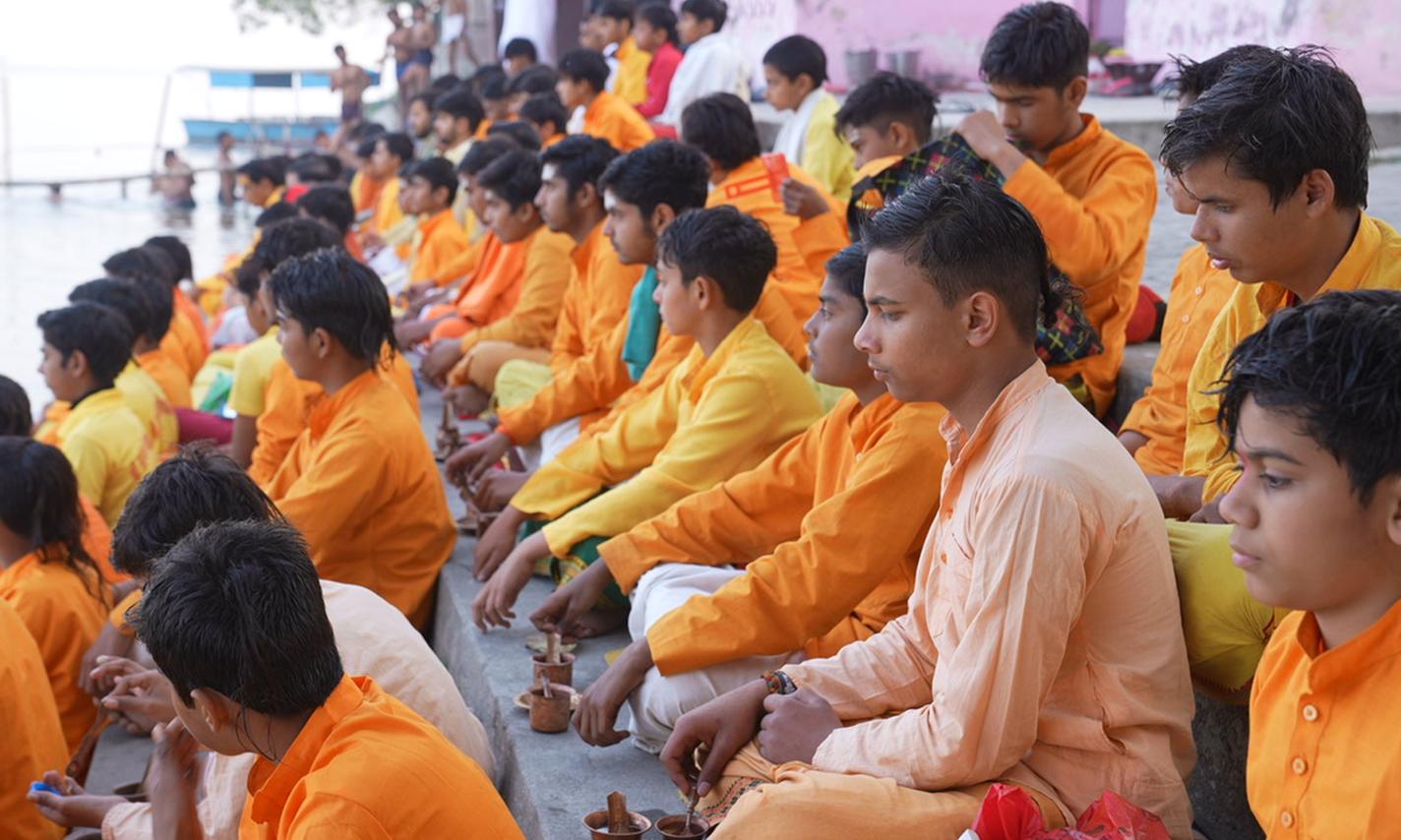
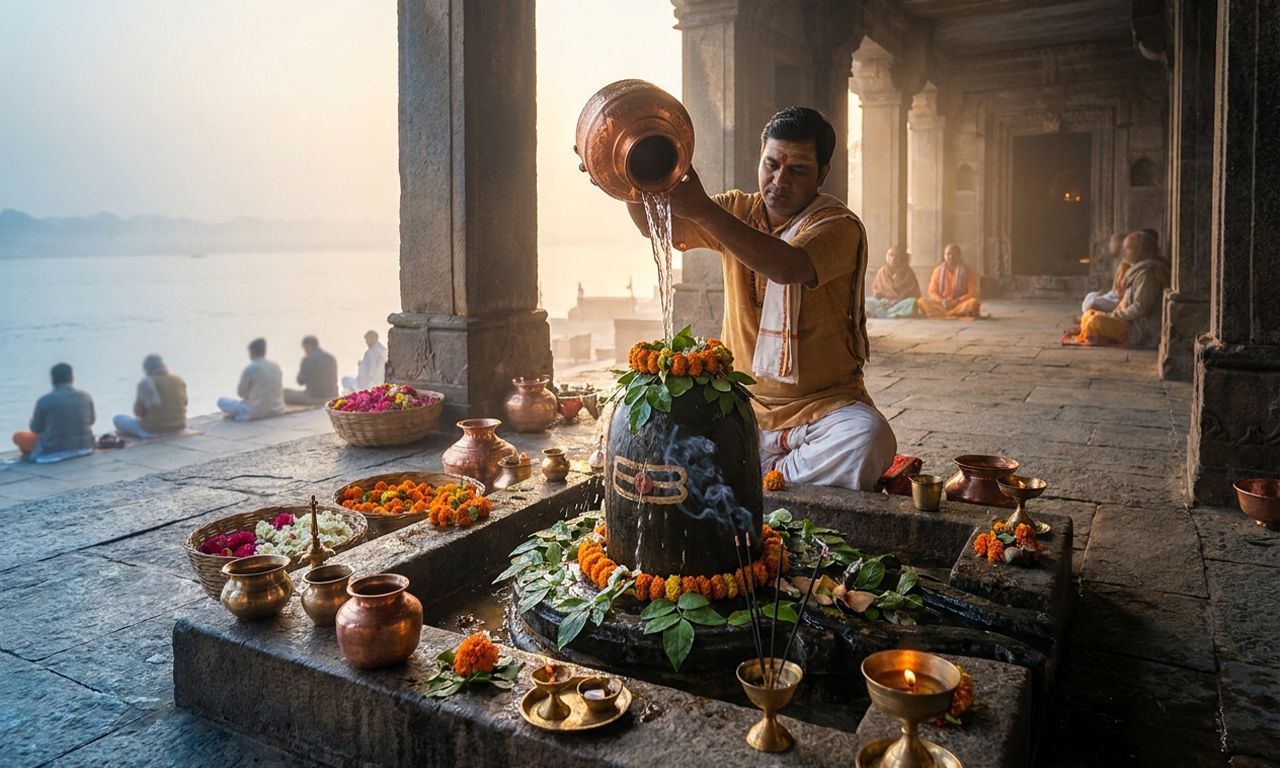
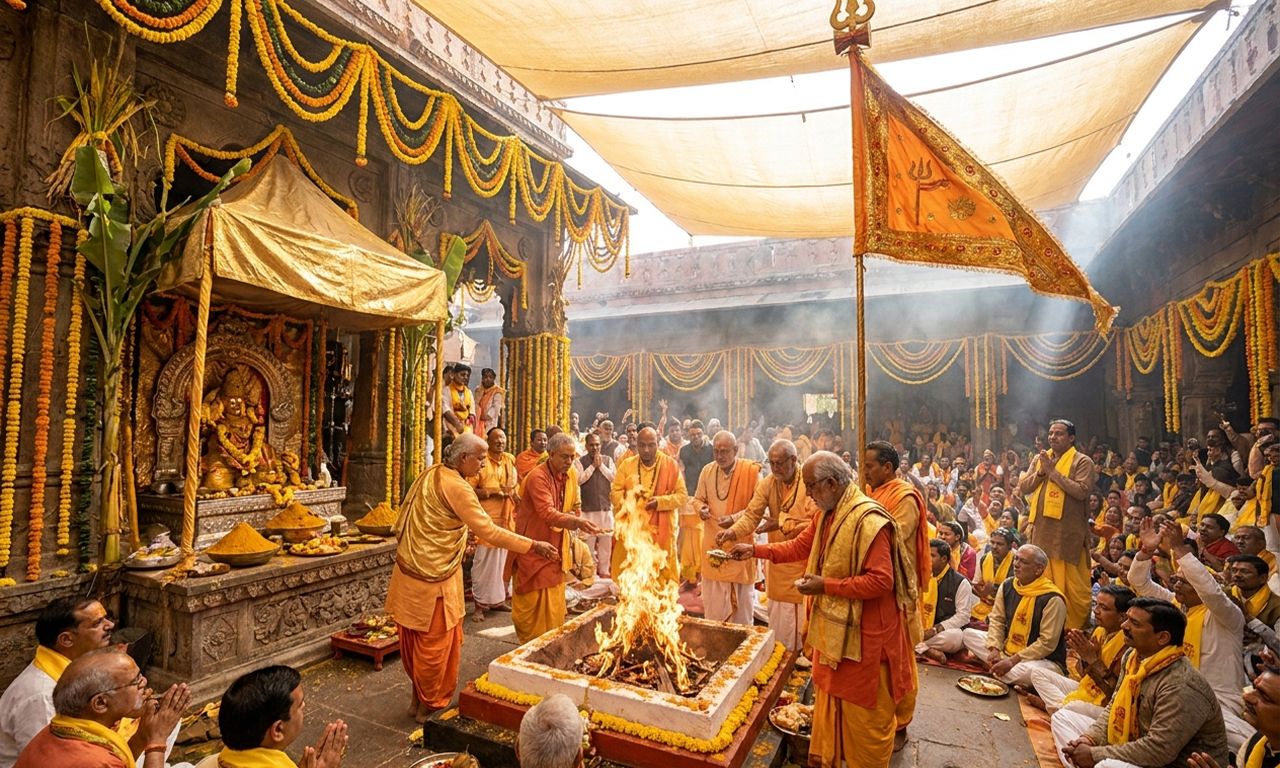
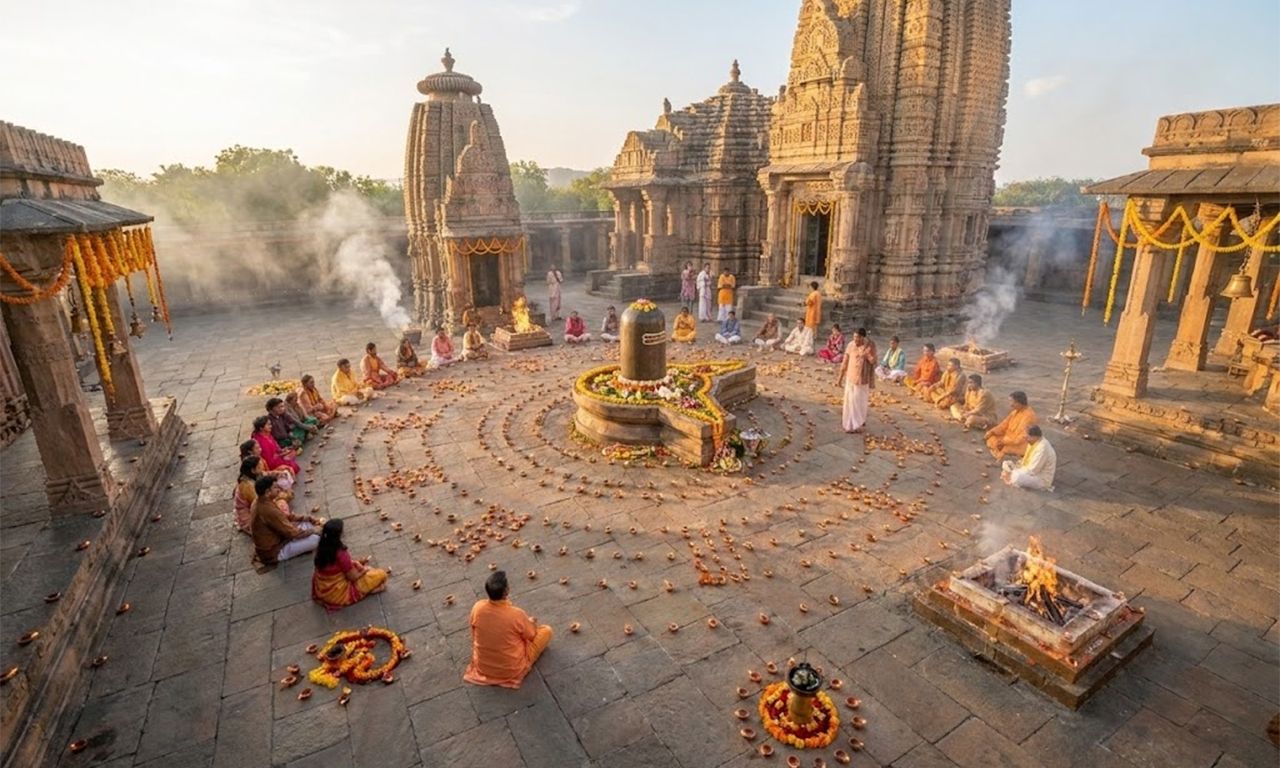
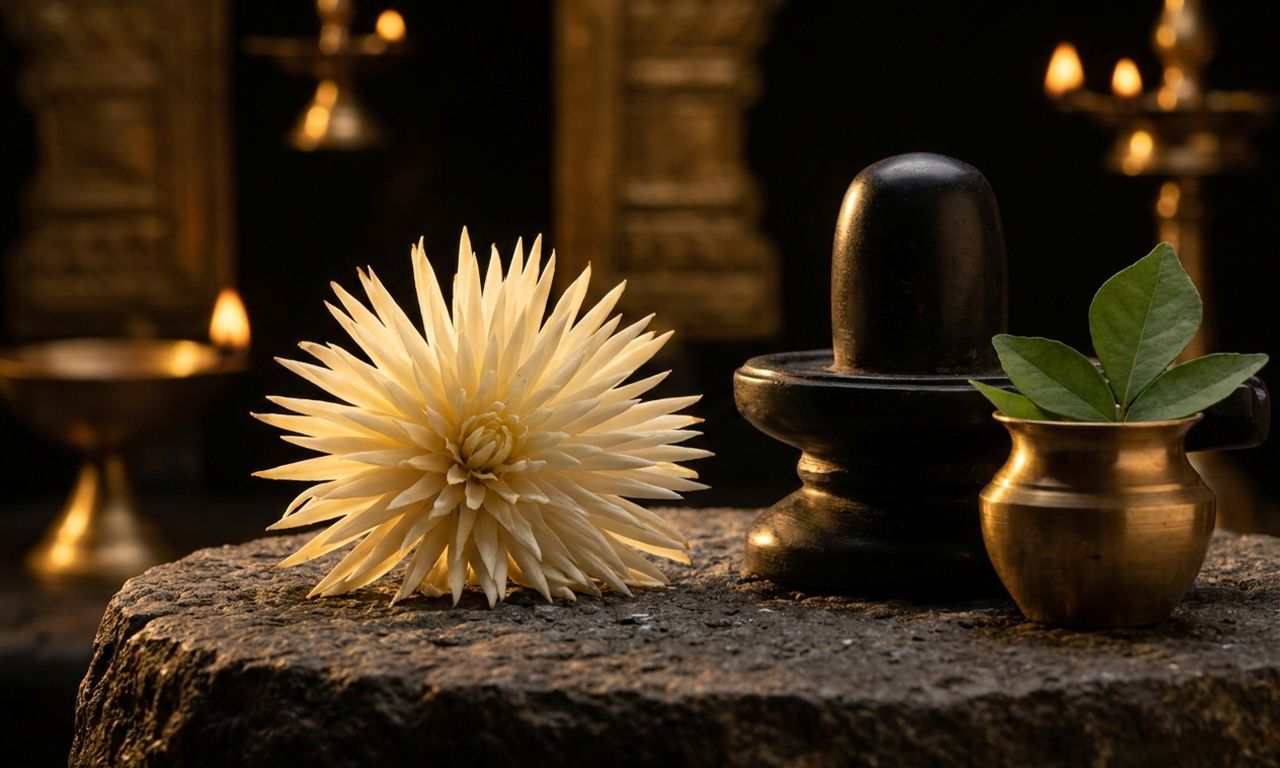
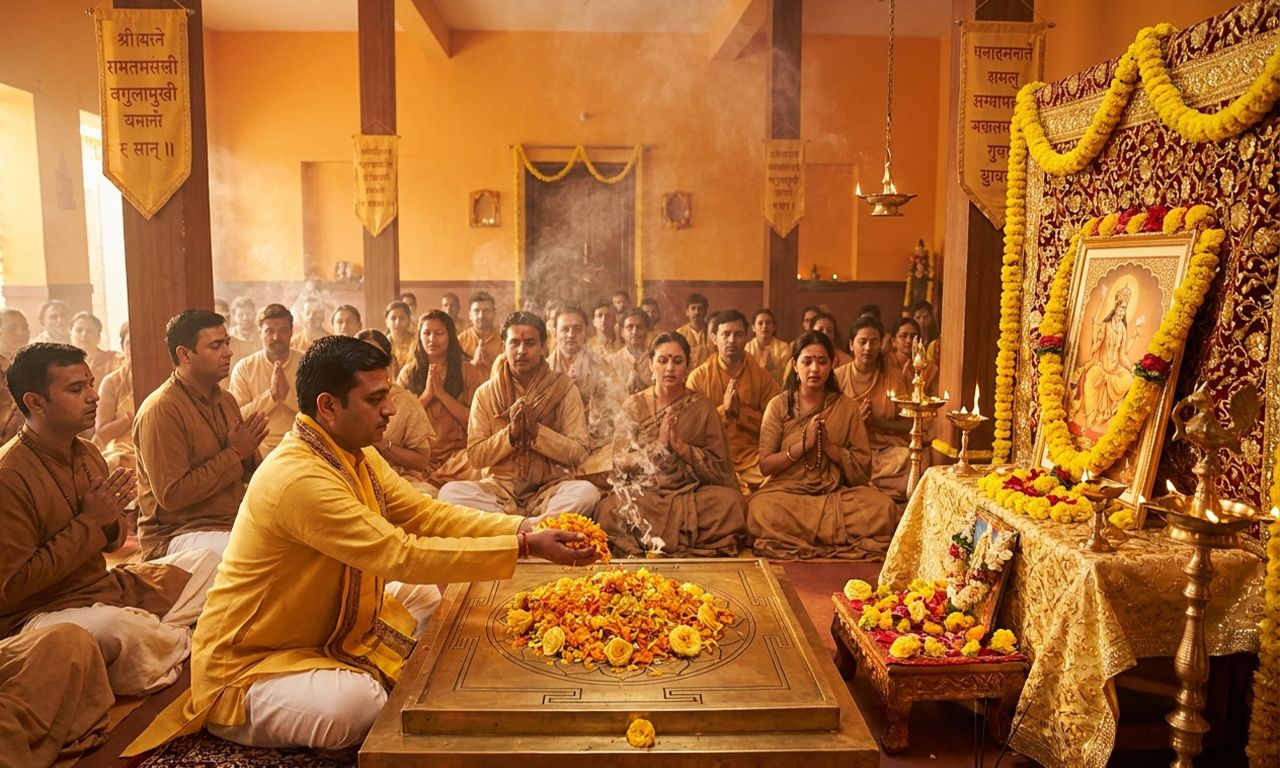
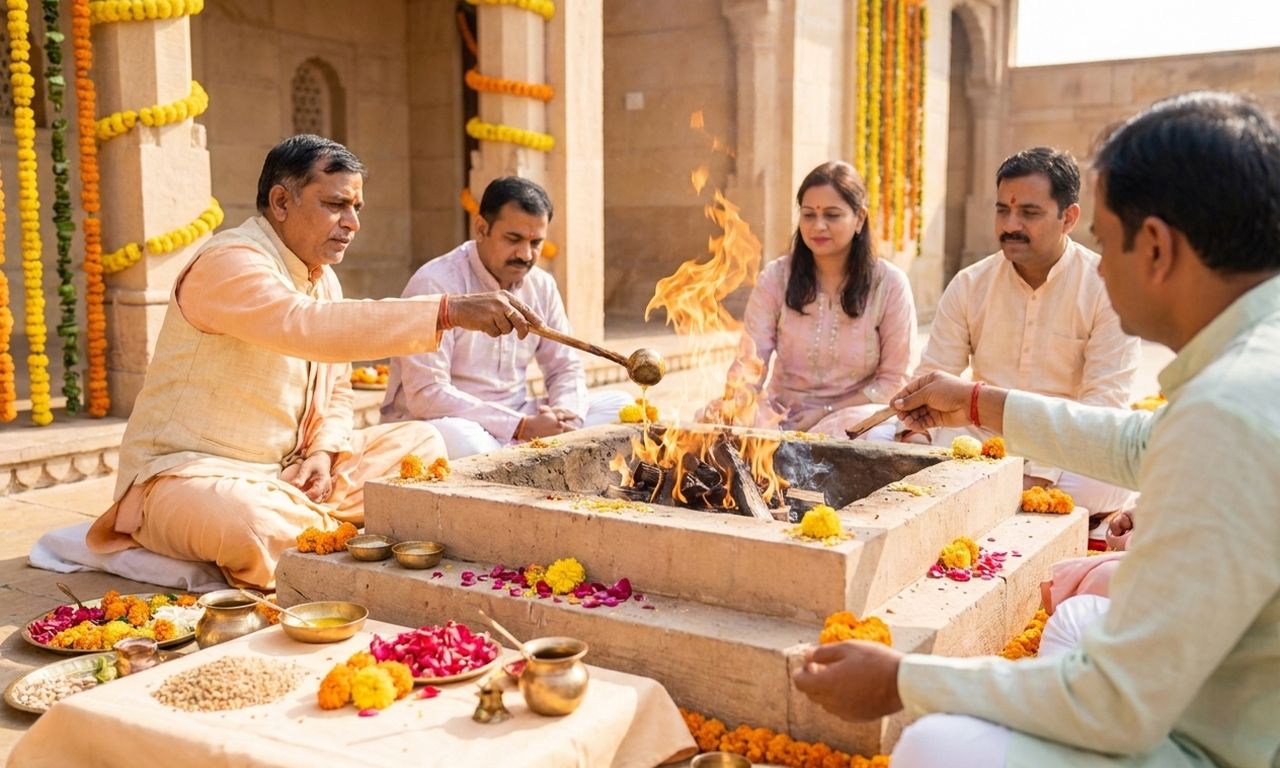
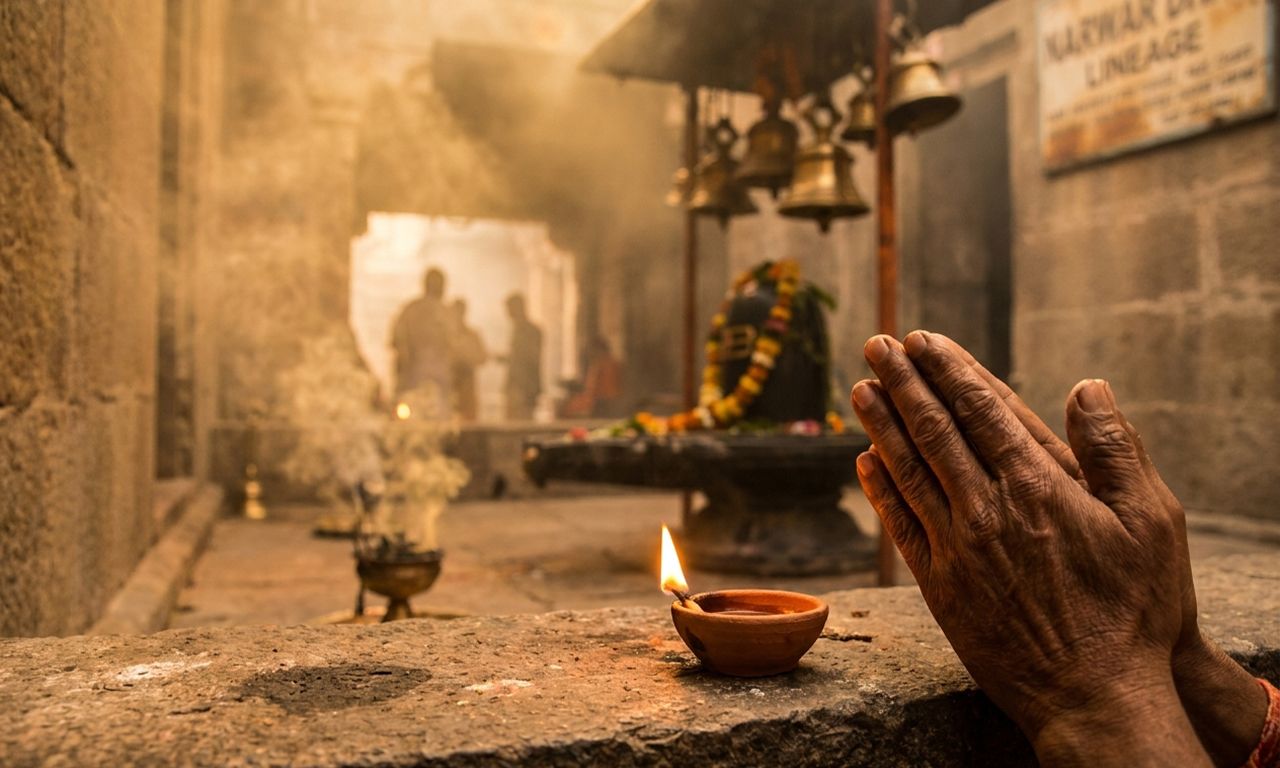
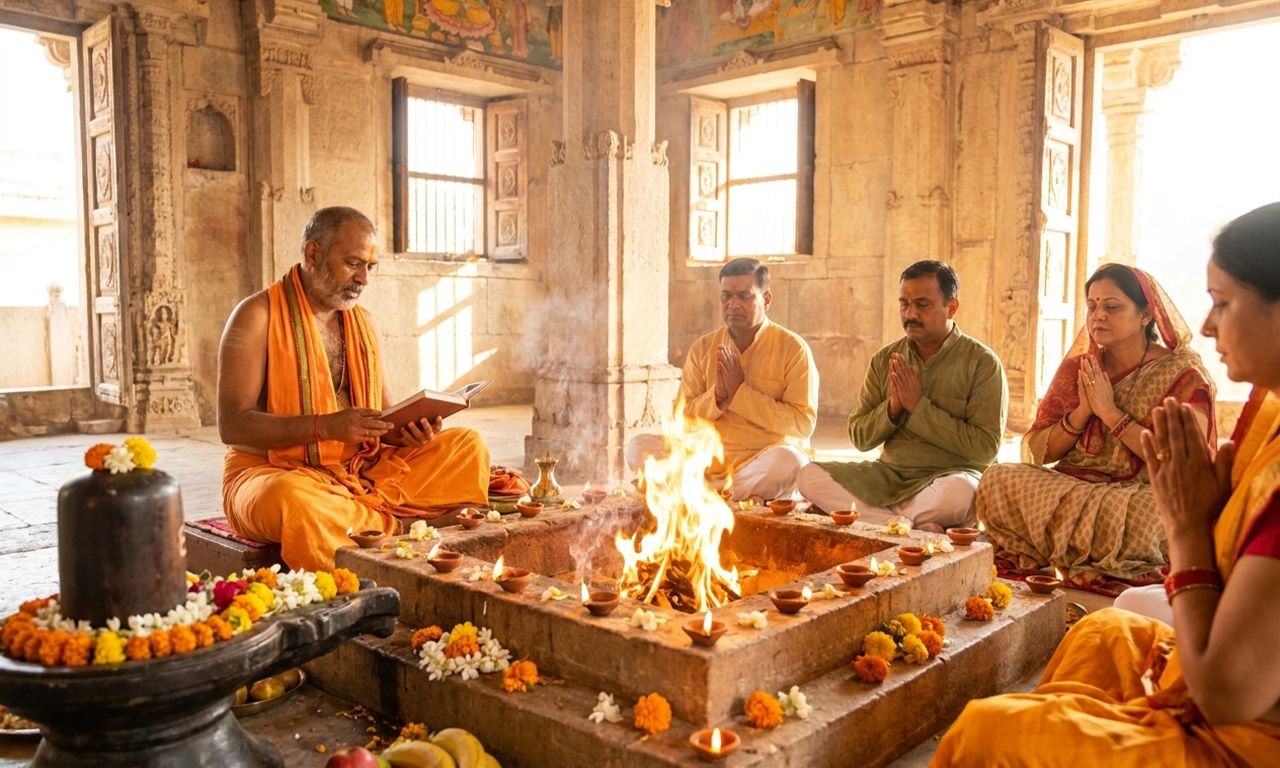
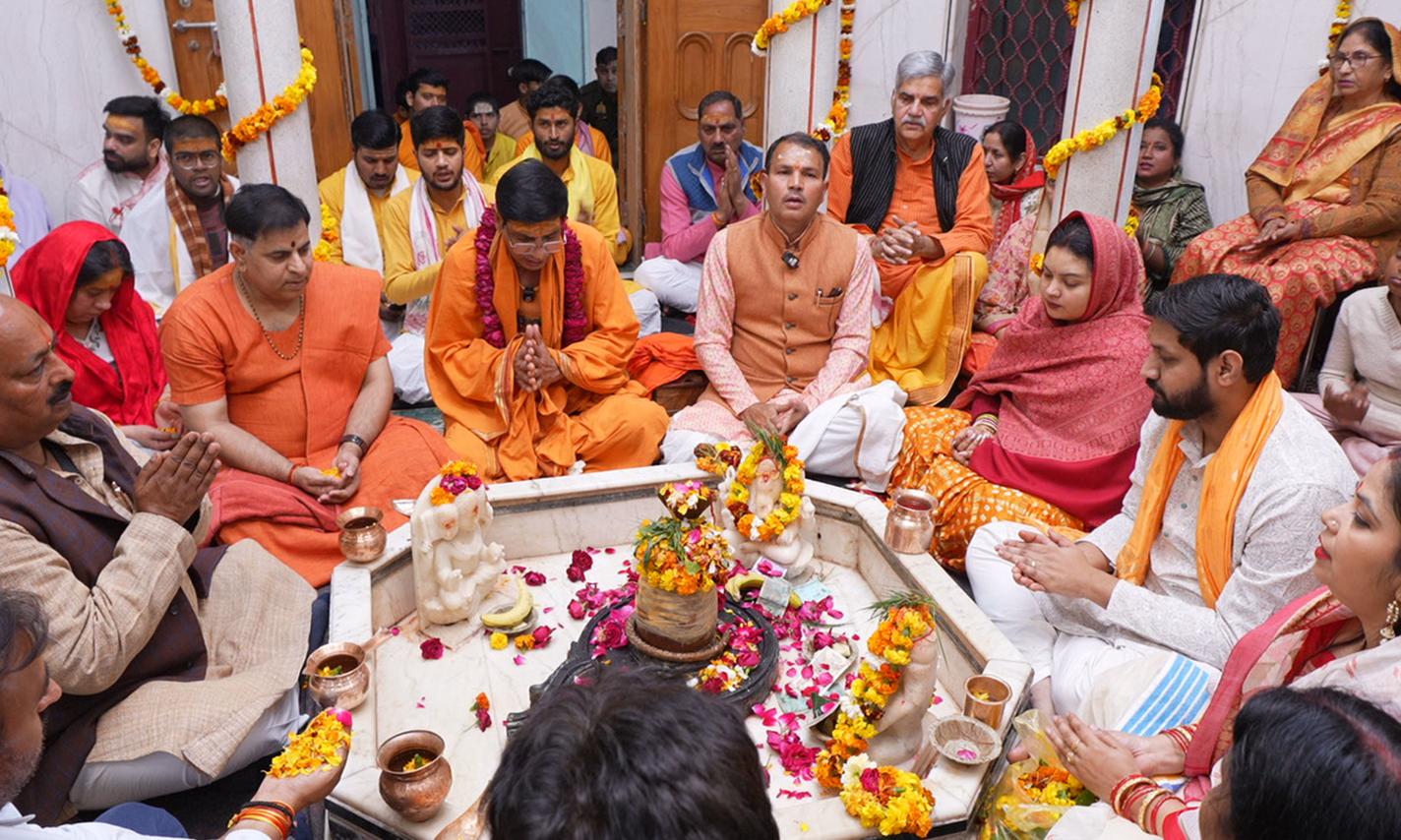
Within the Narwar Dham tradition, the Mahamrityunjaya Mantra occupies an important place during Rudrabhishek. As the sacred offerings are made upon the Shivling, the mantra creates an atmosphere of devotion, surrender and spiritual focus.
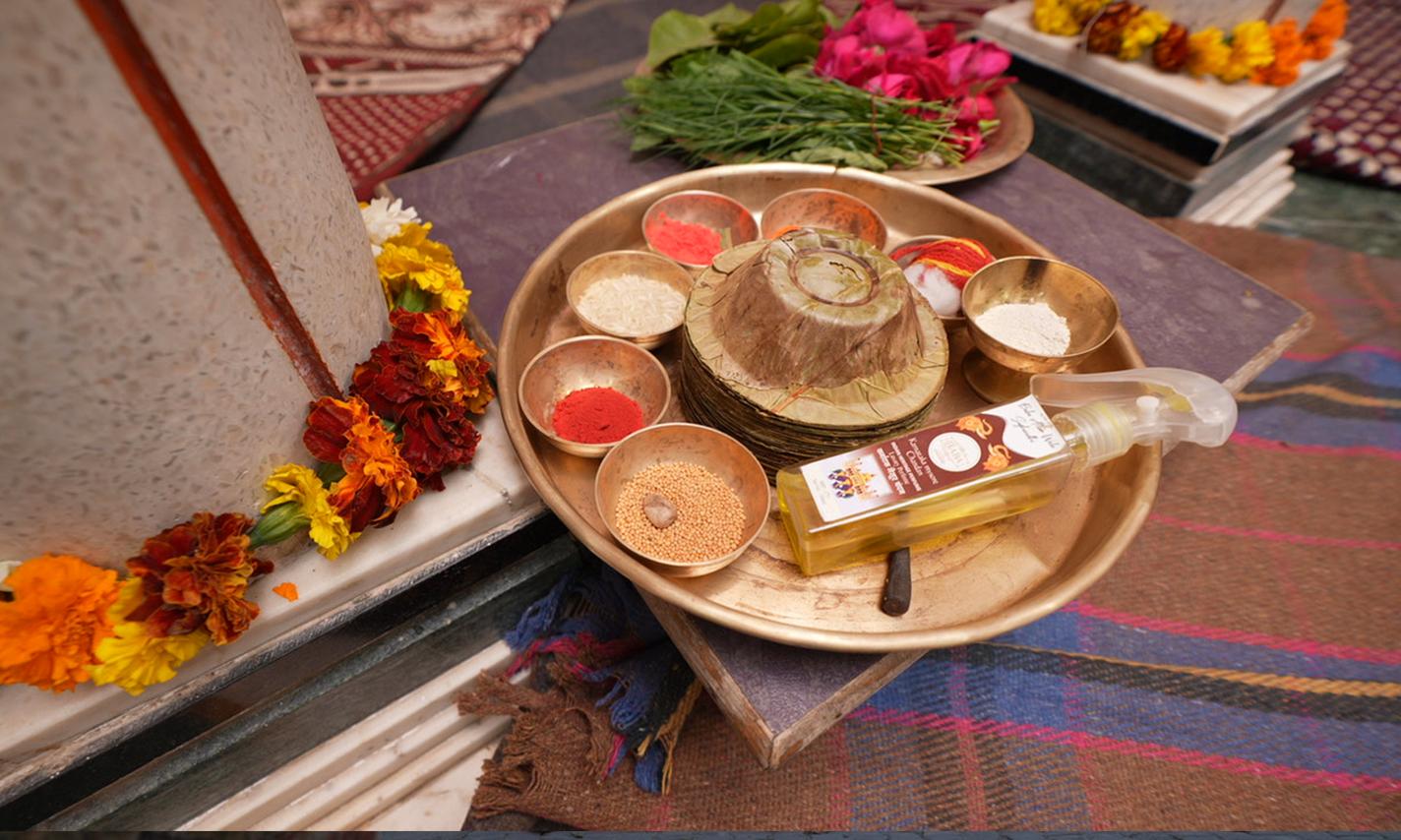
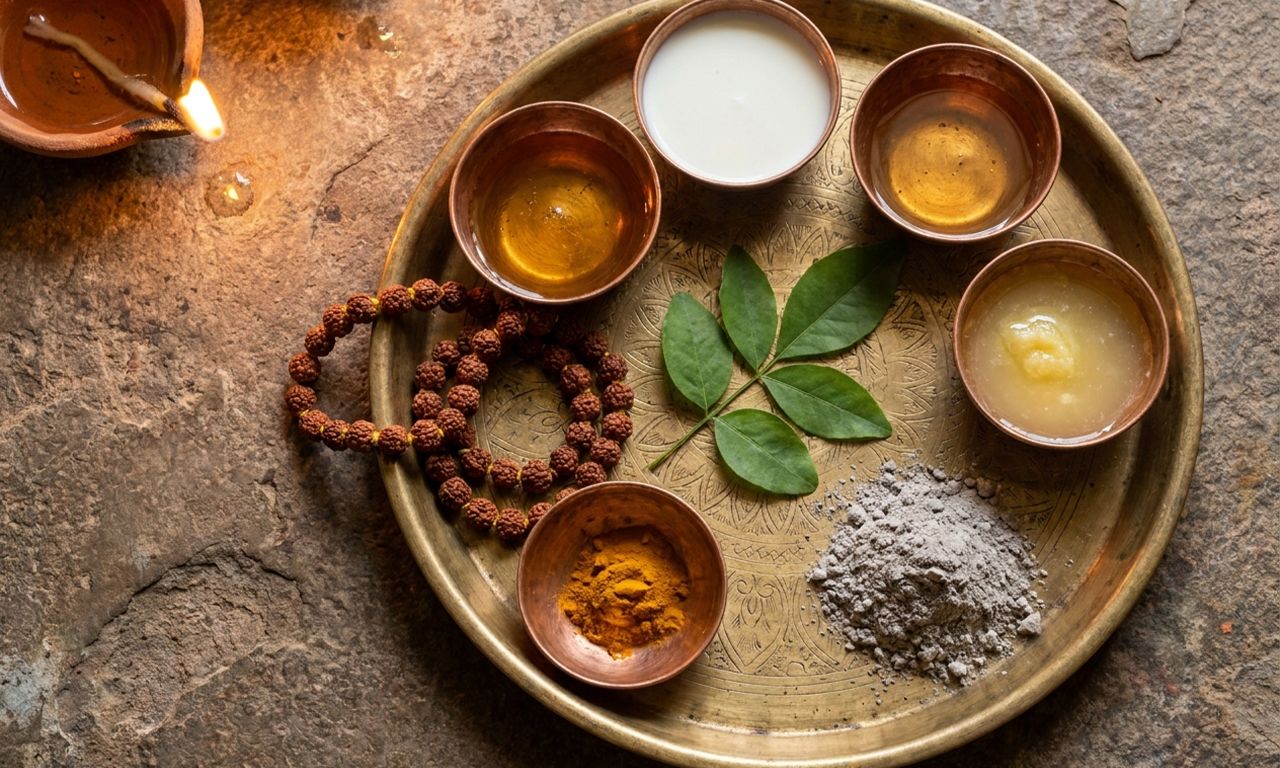
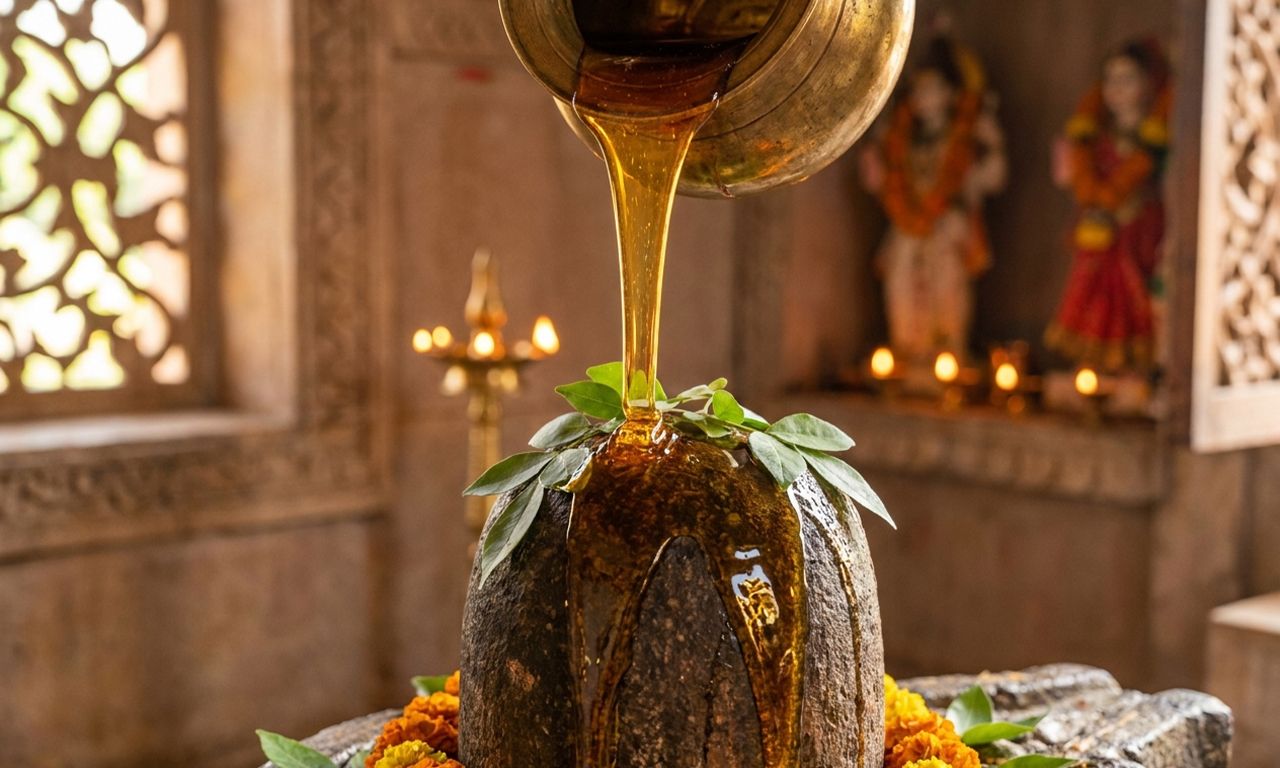
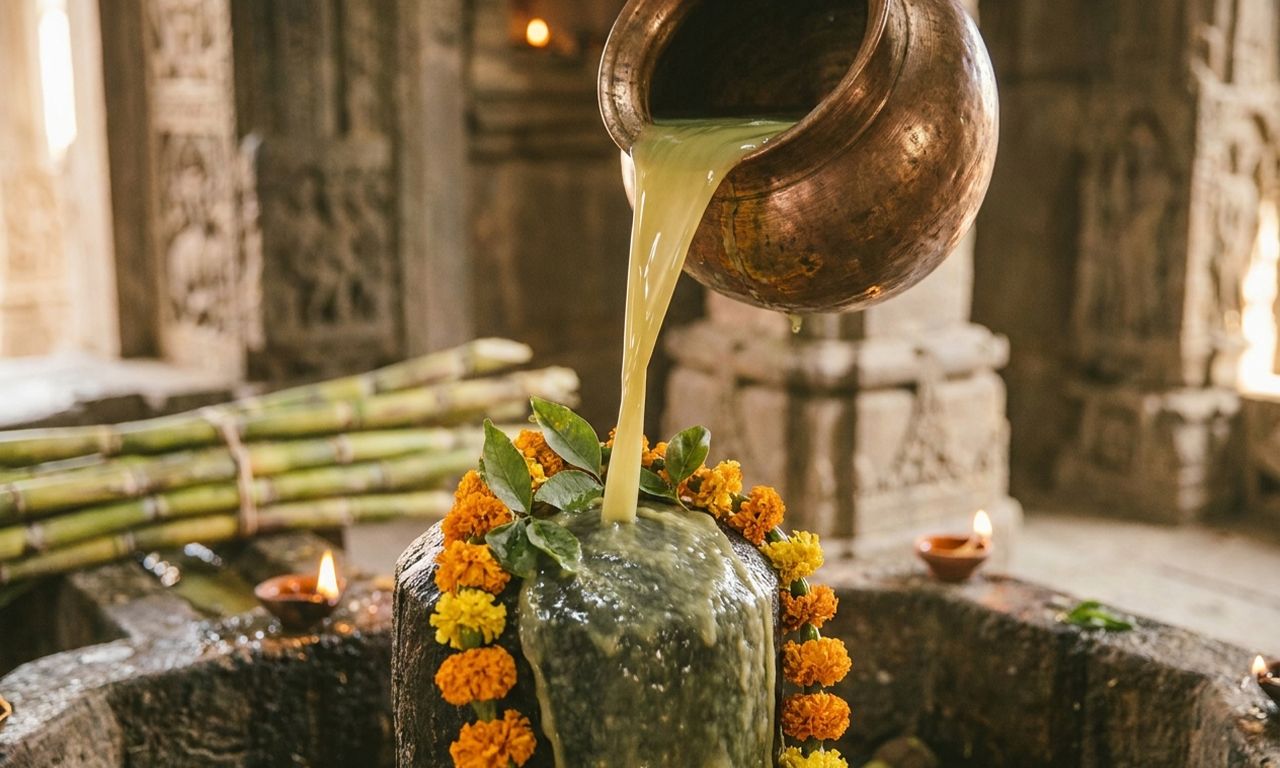
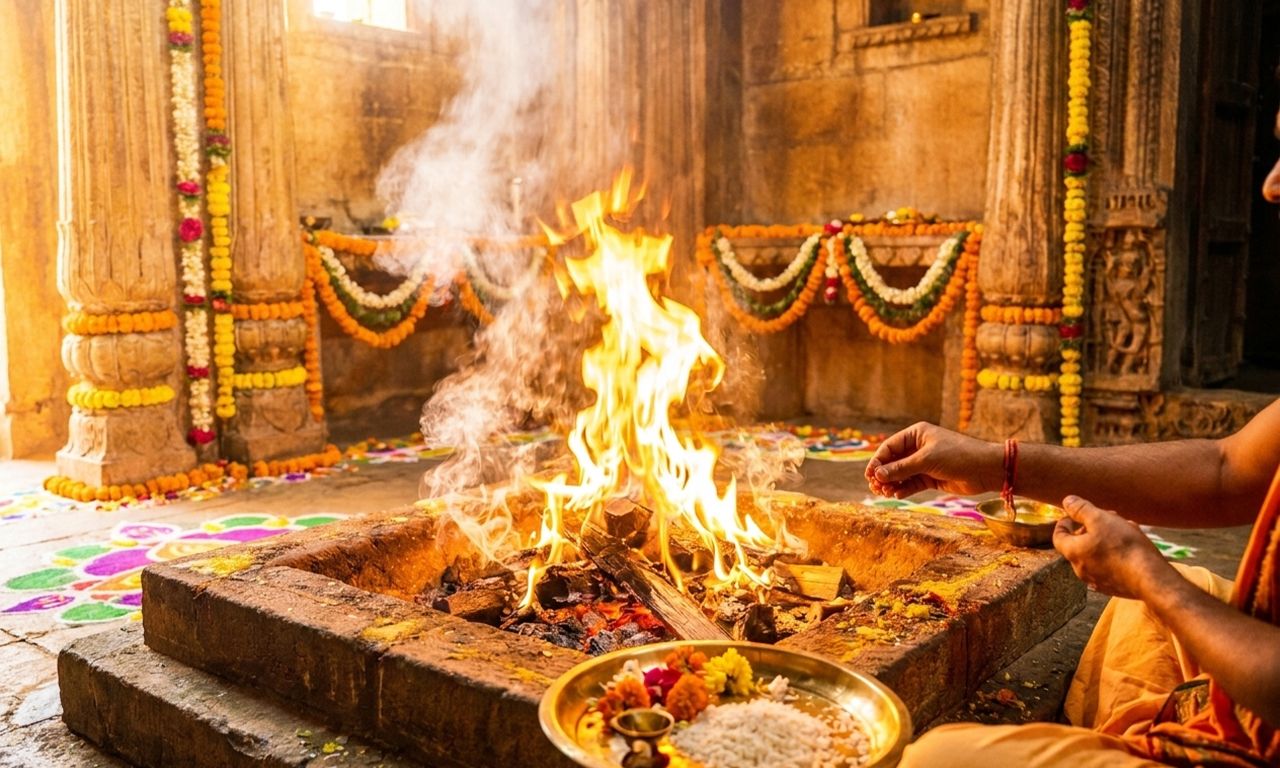
Guruji teaches that Rudrabhishek is not merely a ritual of offering water, milk or Panchamrit. It is the offering of one's own ego at the feet of Lord Shiva. When the Mahamrityunjaya Mantra accompanies this worship, every repetition becomes an expression of complete surrender.
Common Mistakes to Avoid
Many devotees unintentionally reduce the power of the mantra through misunderstanding. Avoid chanting only when fear arises. Avoid treating the mantra as a magical formula for instant results. Avoid rushing through the words. Avoid counting repetitions while allowing the mind to wander elsewhere. Avoid expecting immediate material rewards.
Instead, chant with gratitude. Allow every repetition to become an opportunity to remember Mahadev.
The Narwar Dham Tradition
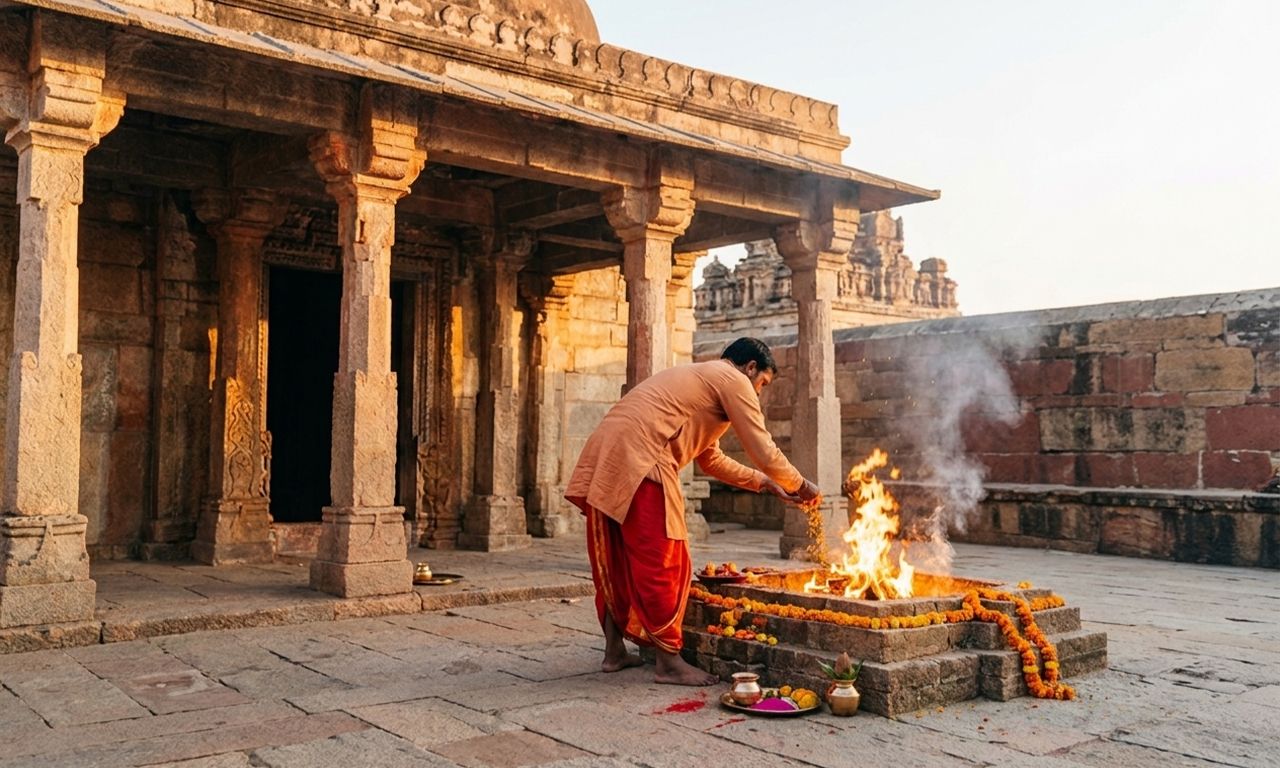
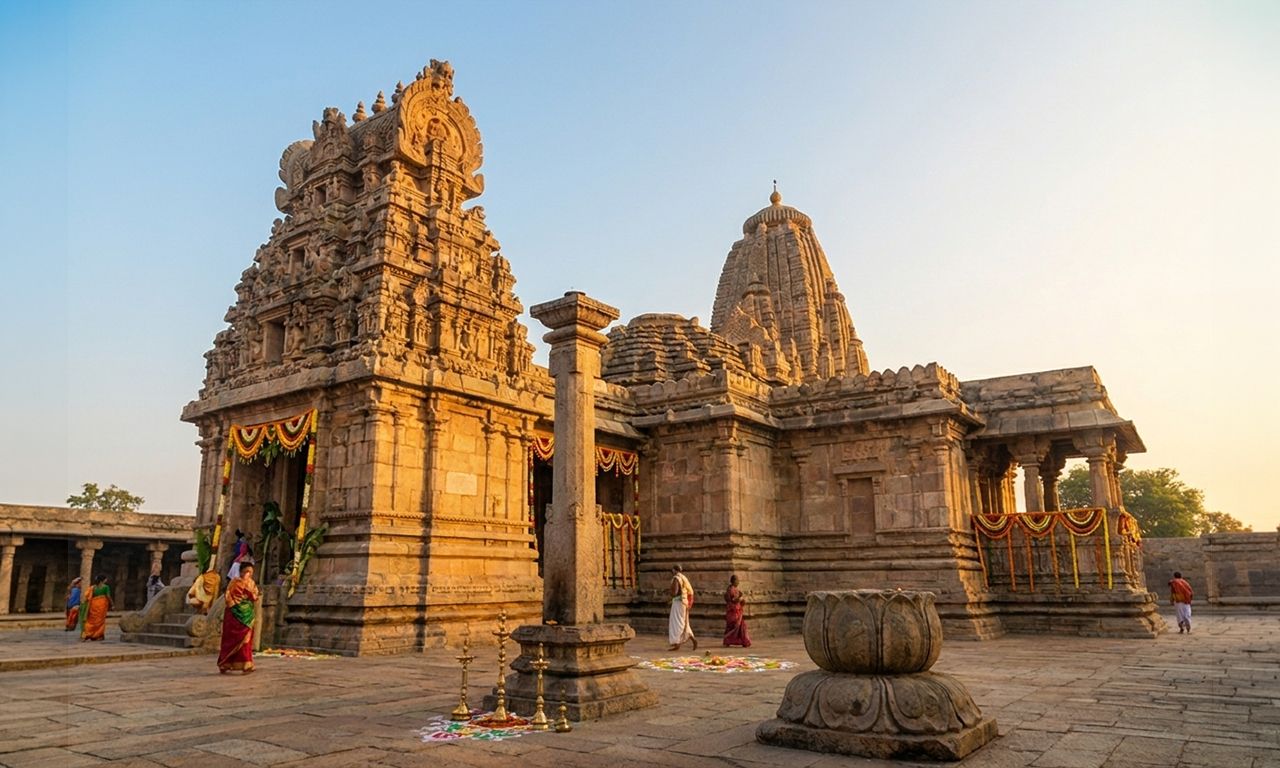
For more than 120 years, the Narwar Dham Guru Parampara has preserved the authentic tradition of Shiva worship through Vedic rituals, Rudrabhishek, mantra chanting and disciplined spiritual practice.
Within this living tradition, the Mahamrityunjaya Mantra is not regarded merely as a collection of sacred syllables. It is treated as a prayer that gradually transforms the devotee from fear towards faith, from restlessness towards peace and from attachment towards surrender. The emphasis has always remained on understanding the mantra while living its message through humility, compassion and devotion to Lord Shiva.
Frequently Asked Questions
What is the Mahamrityunjaya Mantra?
The Mahamrityunjaya Mantra is one of the most sacred Vedic mantras dedicated to Lord Shiva. It is recited for spiritual strength, inner peace, devotion and surrender to the Divine.
Can I chant the Mahamrityunjaya Mantra every day?
Yes. Guruji encourages regular chanting with sincerity and understanding rather than limiting the mantra to times of difficulty.
How many times should I chant it?
There is no compulsory number. Many devotees chant it 11, 21, 51 or 108 times, but consistency and devotion are more important than quantity.
Is the Mahamrityunjaya Mantra only for illness?
No. While it is often recited during illness, its deeper purpose is to free the devotee from fear, attachment and ignorance through remembrance of Lord Shiva.
Can beginners chant this mantra?
Yes. Every sincere devotee may begin chanting with humility. Correct pronunciation can improve gradually through regular practice and proper guidance.
From Faith to Sadhana
The Mahamrityunjaya Mantra becomes even more powerful when it is offered as part of authentic Vedic worship.
At Narwar Dham, learned Acharyas from the 120-year-old Guru Parampara perform Rudrabhishek with your name and gotra, accompanied by the chanting of sacred Shiva mantras according to established Vedic tradition.
Offer your Sankalp through SiddhiStar and allow your prayers to become part of an authentic lineage of Shiva worship rooted in devotion, discipline and faith.