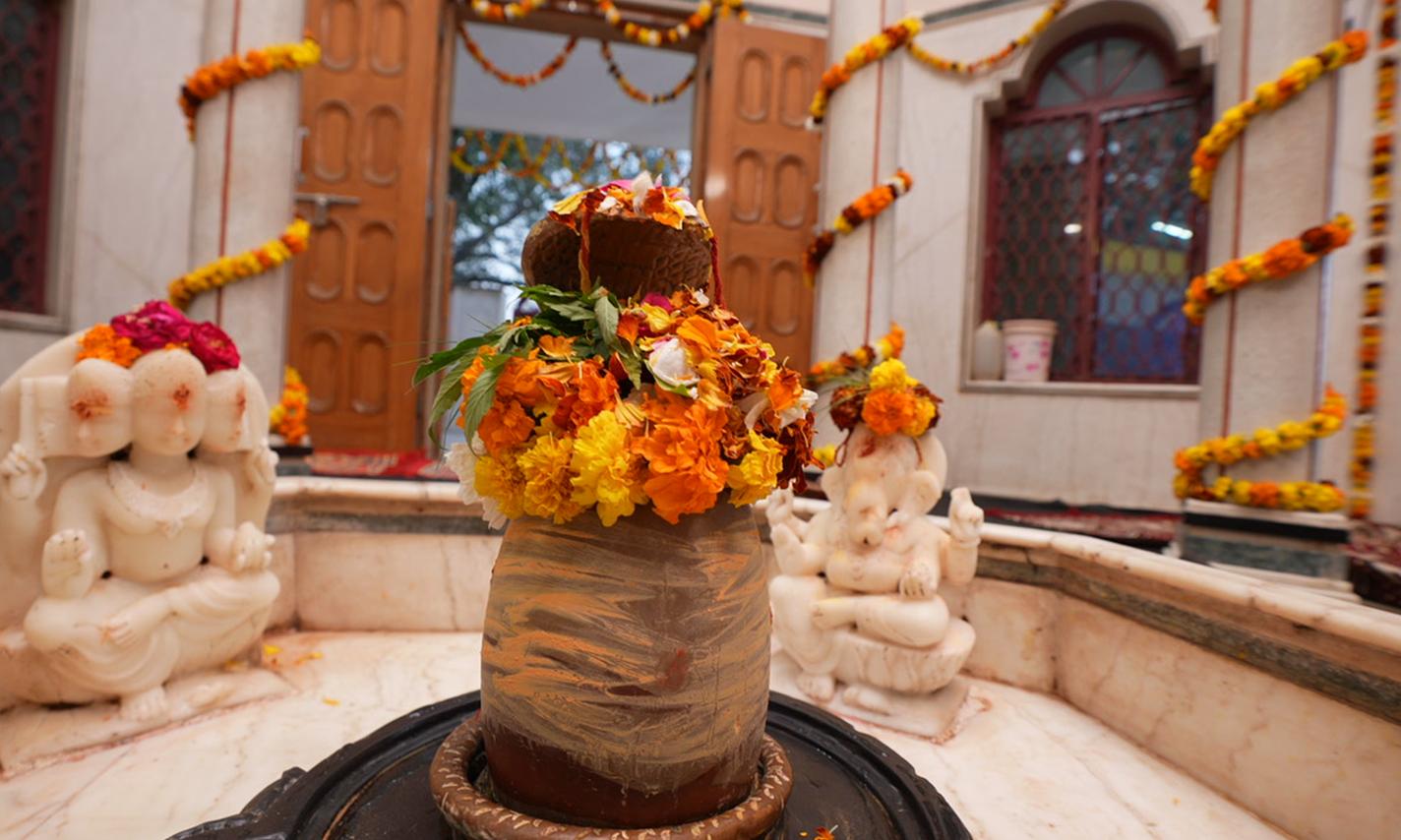
How to Perform Shiv Puja at Home: A Complete Guide to Simple and Meaningful Worship
By SiddhiStar | Narwar Dham Parampara
21 July 2026 • 8 min read
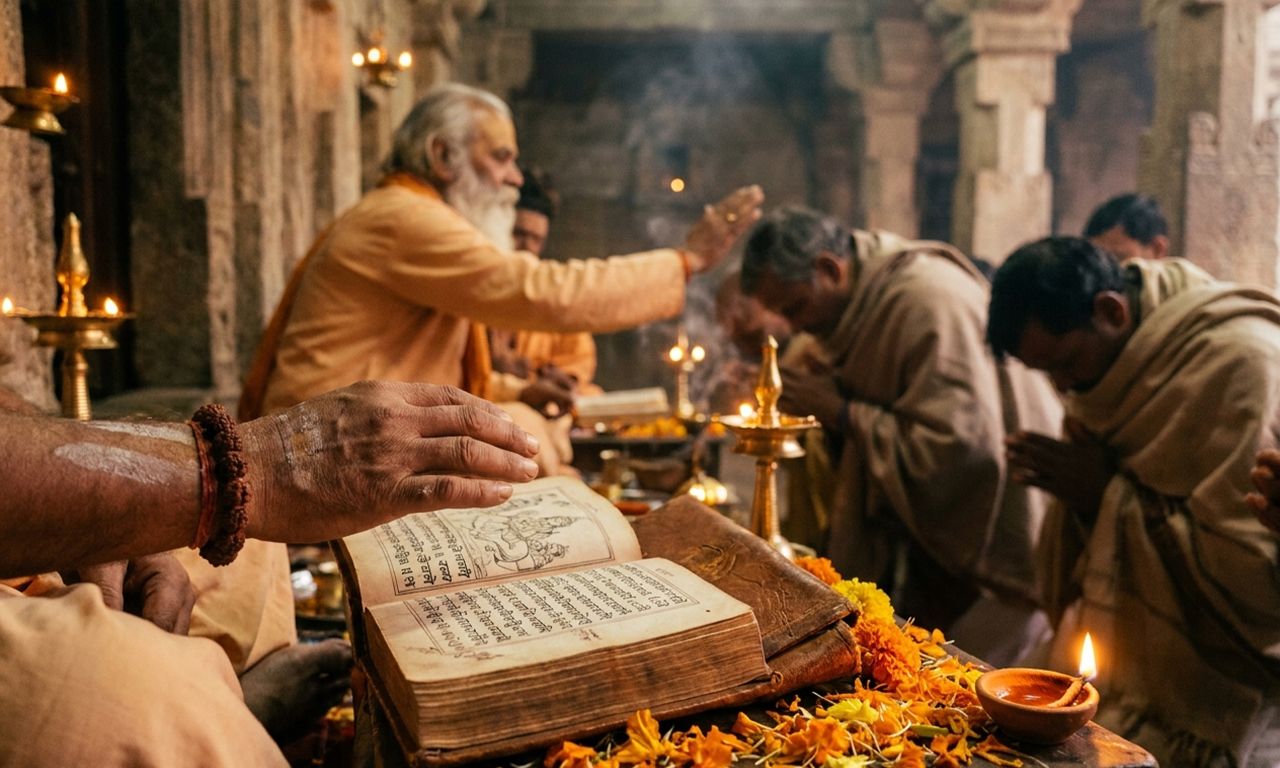
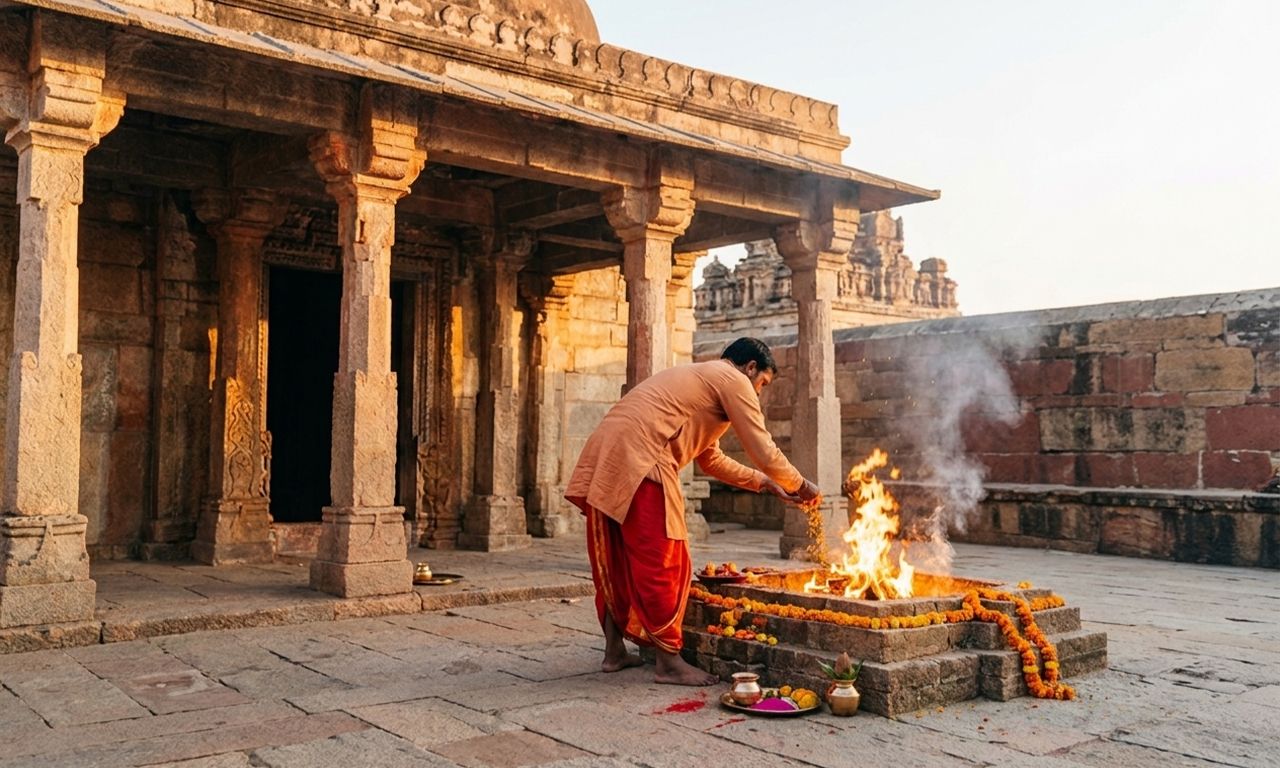
For countless devotees, the day begins by lighting a Diya before Lord Shiva, offering water to the Shivling and chanting "Om Namah Shivaya." Some perform elaborate rituals, while others simply fold their hands in prayer before leaving for work.
This raises a question that many devotees ask. How should Shiv Puja be performed at home? Is there a fixed ritual that everyone must follow? Is an elaborate arrangement necessary? Can worship performed in a few sincere minutes be equally meaningful?
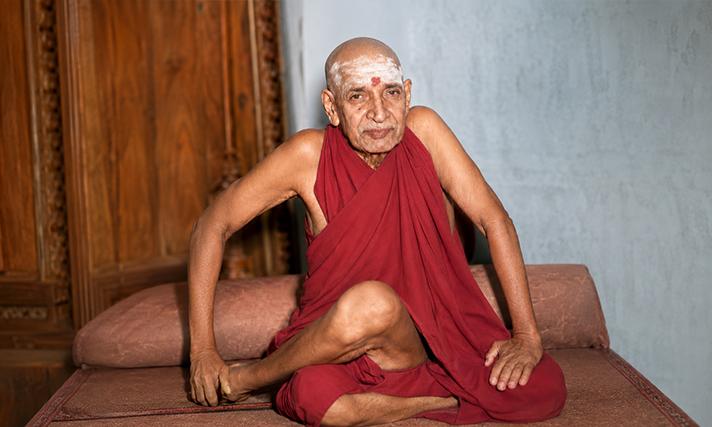
Param Pujya Mahesh Prakash Sharma Ji teaches that Lord Shiva is known as Ashutosh, the One who is easily pleased. Mahadev does not measure devotion by the size of the temple, the cost of the offerings or the length of the ritual. He accepts the worship of every devotee whose heart is filled with sincerity.
A home is not transformed into a sacred place by expensive decorations. It becomes a temple when remembrance of Lord Shiva fills the hearts of those who live there. Shiv Puja at home is therefore not about performing a complicated ceremony. It is about creating a daily relationship with Mahadev through devotion, discipline and gratitude.
Guruji explains that many people perform worship while the hands continue the ritual but the mind remains occupied with work, worries and distractions. The purpose of Puja is to bring the mind back to the Divine. Even a simple offering of water becomes spiritually meaningful when accompanied by complete attention. Without devotion, rituals become routine. With devotion, even silence becomes worship.
Why Perform Shiv Puja at Home?
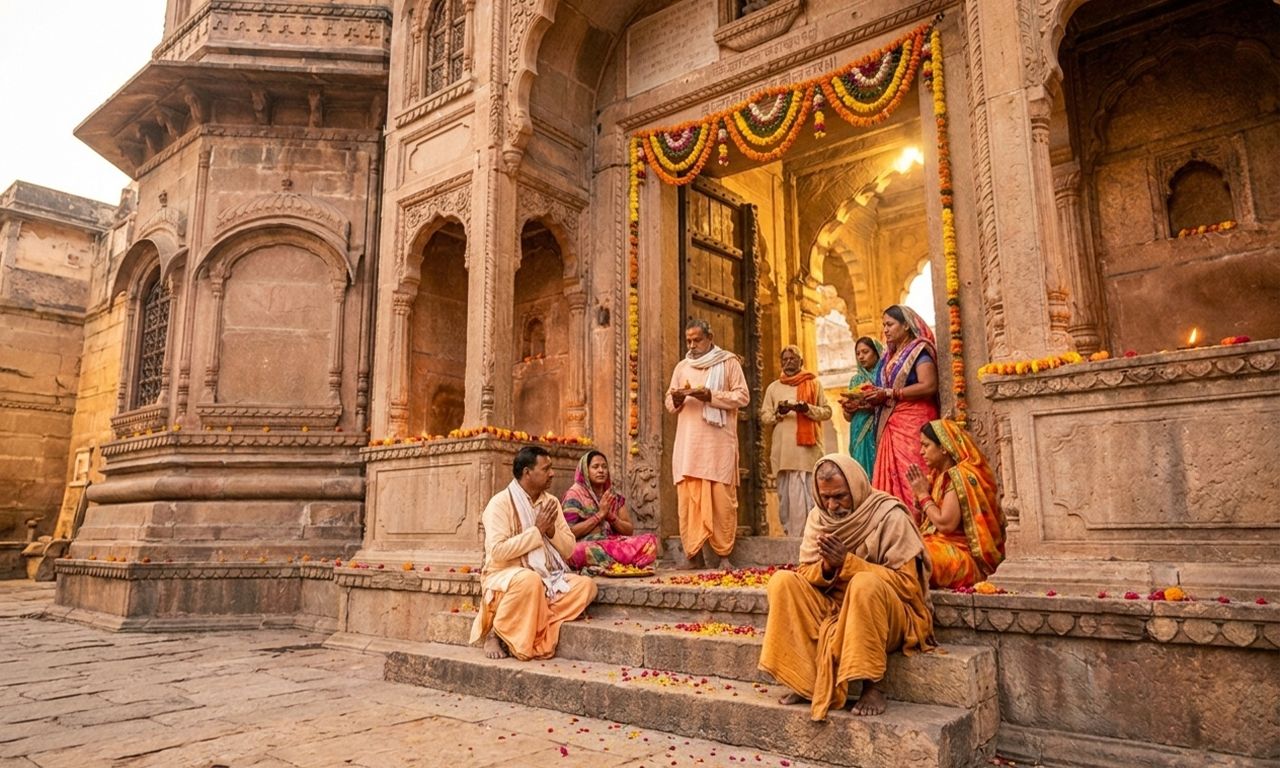
Temples occupy a special place in Sanatan Dharma, but Guruji reminds devotees that daily worship should not depend entirely upon temple visits. A home where Lord Shiva is remembered every day becomes a place of peace.
Children naturally learn devotion. Families begin and end the day with gratitude. Difficulties are faced with greater patience. Success is accepted with humility. Daily Shiv Puja gradually changes the atmosphere of the home because it changes the people who live within it.
Is an Elaborate Mandir Necessary?
Many devotees believe that a beautiful temple or expensive idols are essential for proper worship. Guruji gently removes this misunderstanding. A clean and peaceful corner dedicated to prayer is sufficient.
Whether your home has a large temple or a small shelf for worship, Mahadev looks only at your devotion. Cleanliness. Regularity. Simplicity. Faith. These are the true ornaments of a home temple.
What Is Required for Daily Shiv Puja?
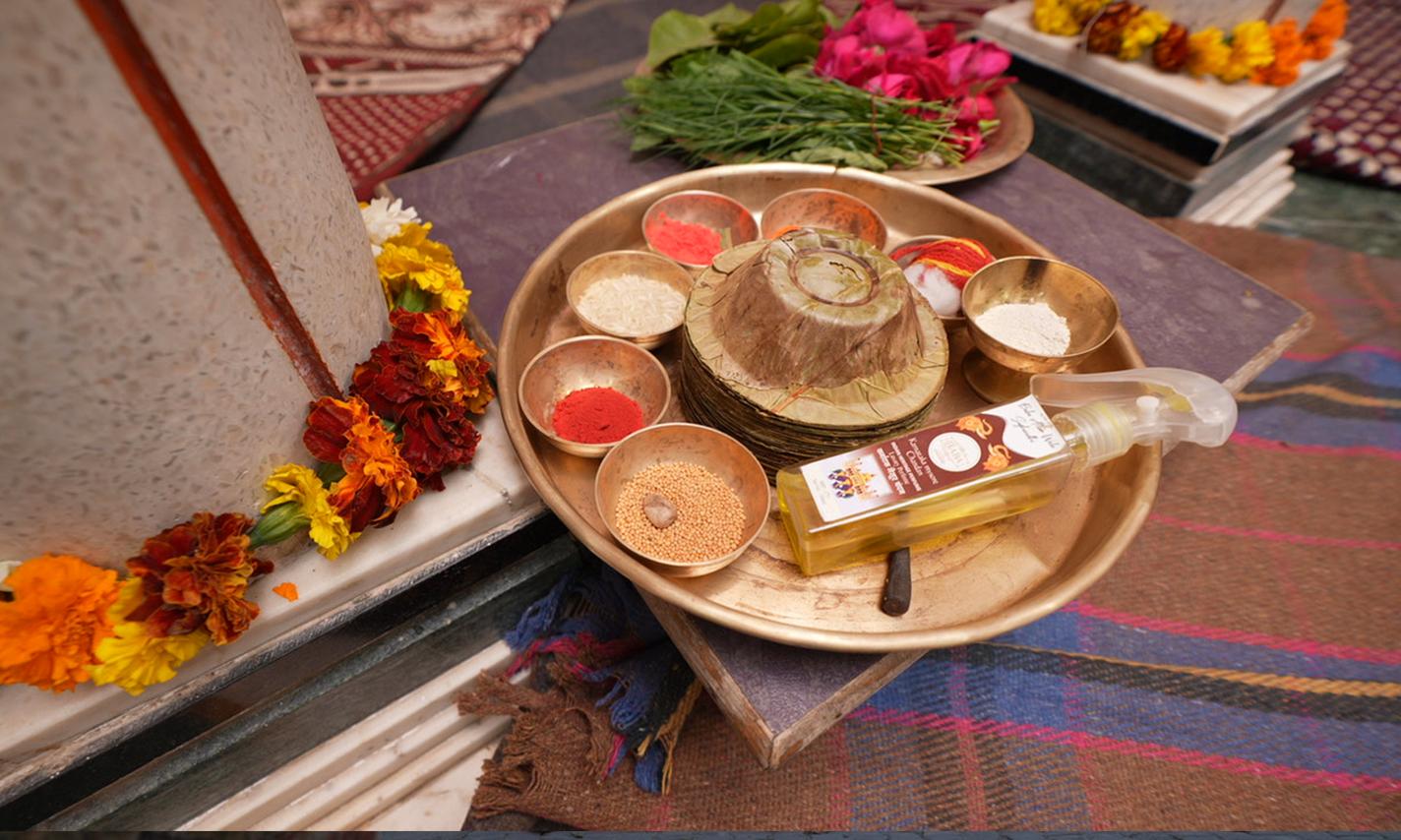
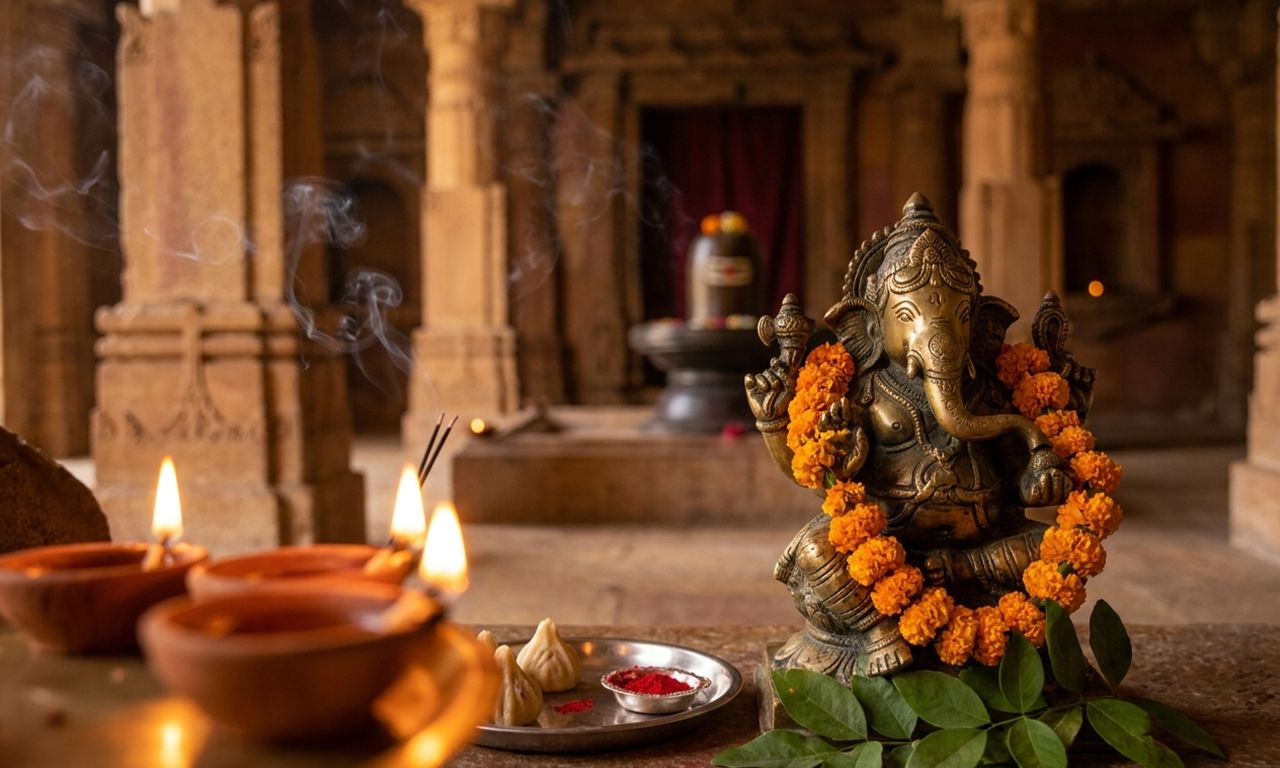
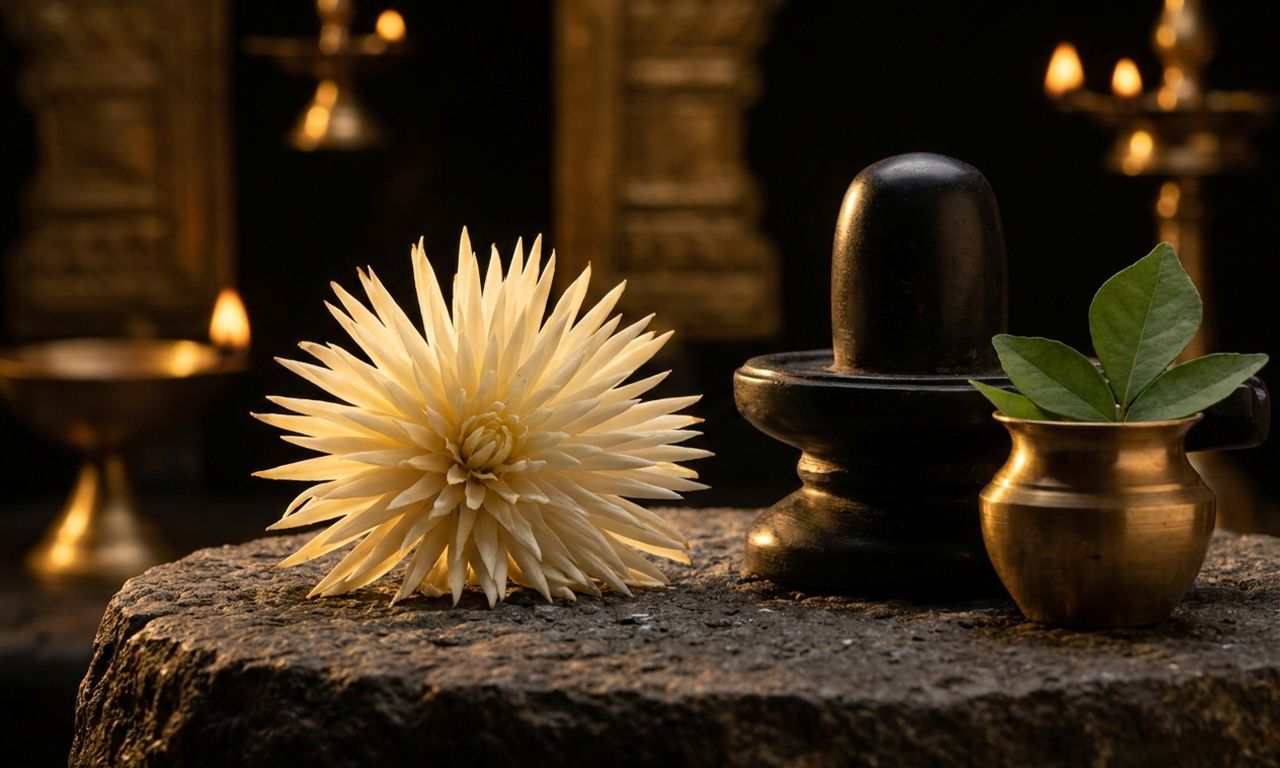
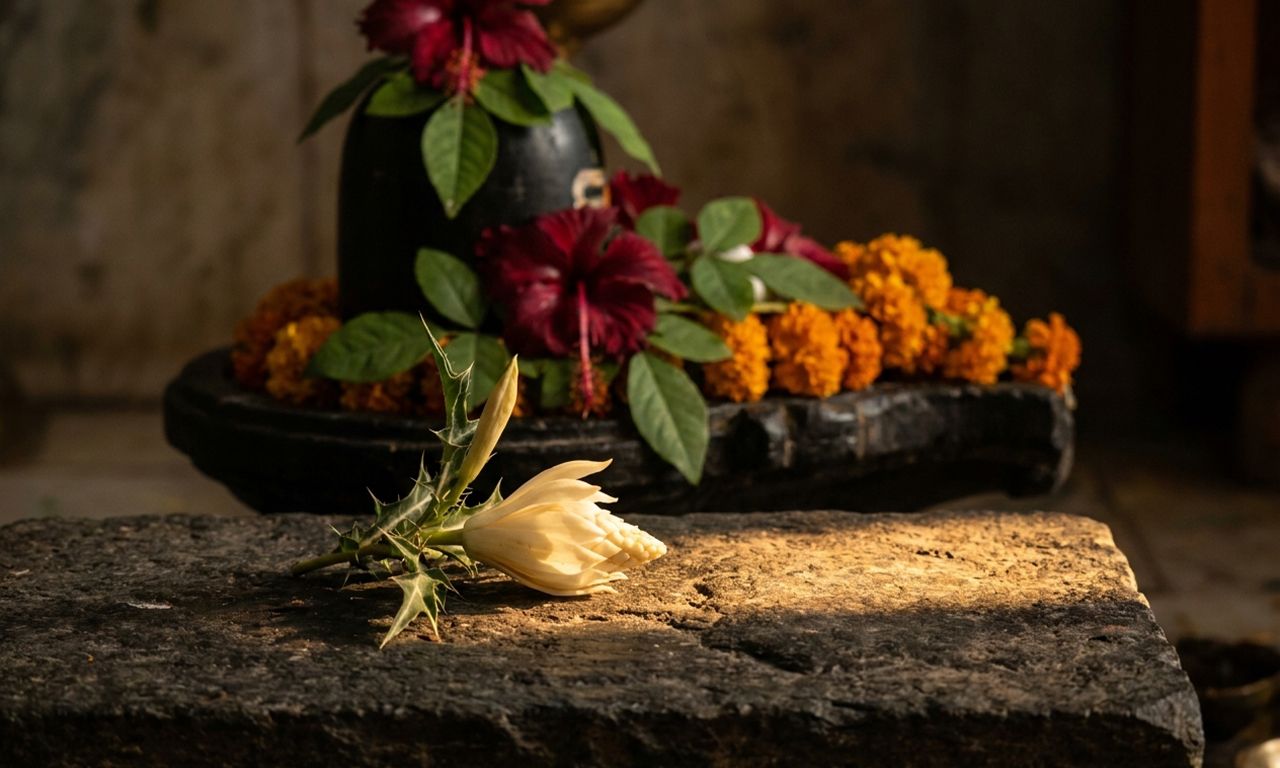
Daily worship need not be complicated. Traditionally, devotees may keep: A Shivling or an image of Lord Shiva. A clean vessel of water. Bilva Patra, when available. Fresh flowers. A Diya. Incense, if preferred. Fruits or simple Naivedya.
Guruji reminds devotees that none of these offerings should become a burden. If only clean water is available, offer it with gratitude. Mahadev values devotion far above abundance.
Step-by-Step Shiv Puja at Home
1. Begin with Cleanliness
Wake up early whenever possible. Take a bath and wear clean clothes before worship. Clean the place of worship with care. External cleanliness prepares the mind for inner purity.
2. Light the Diya
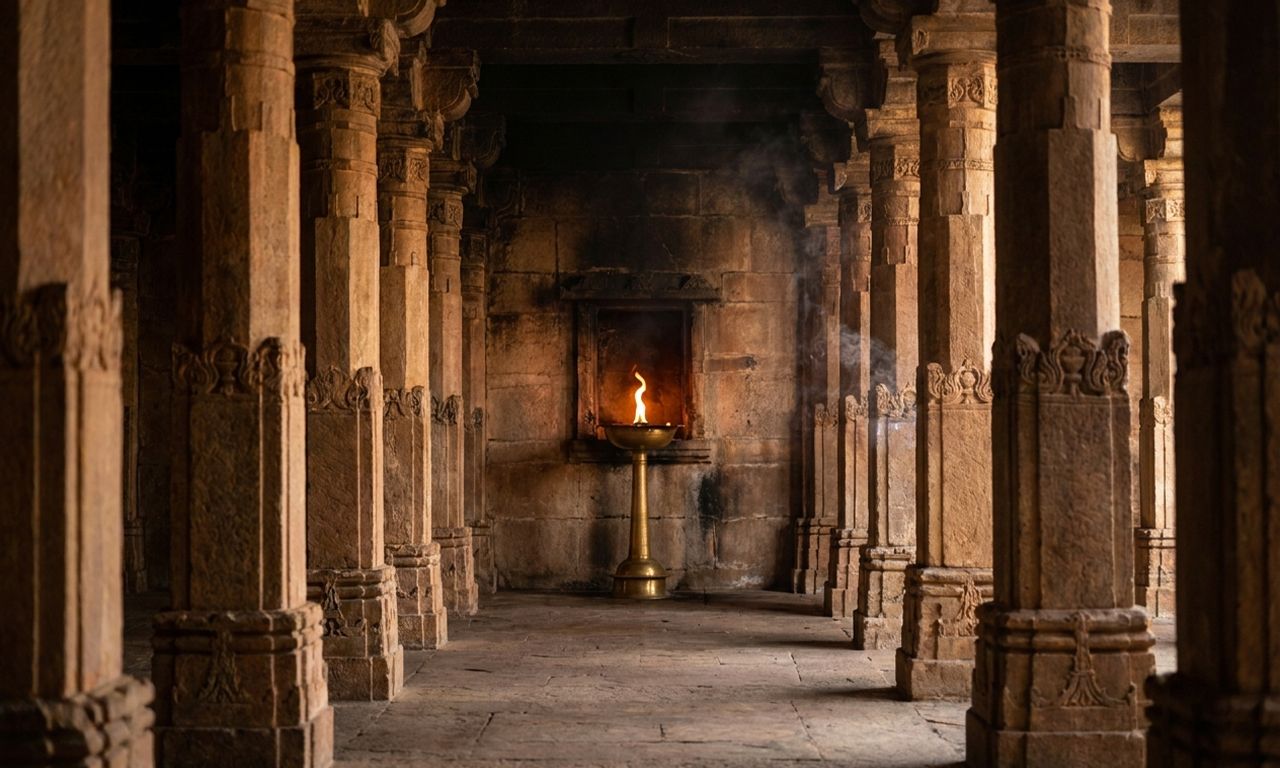
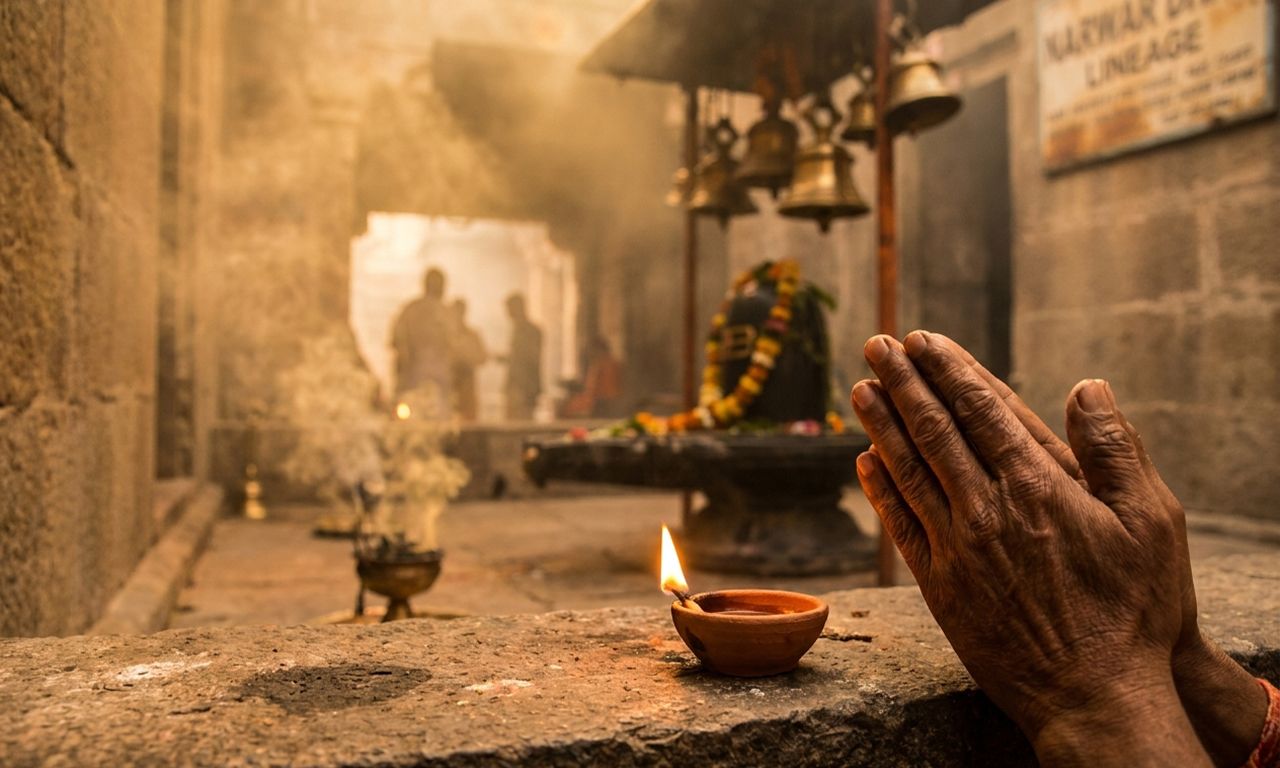
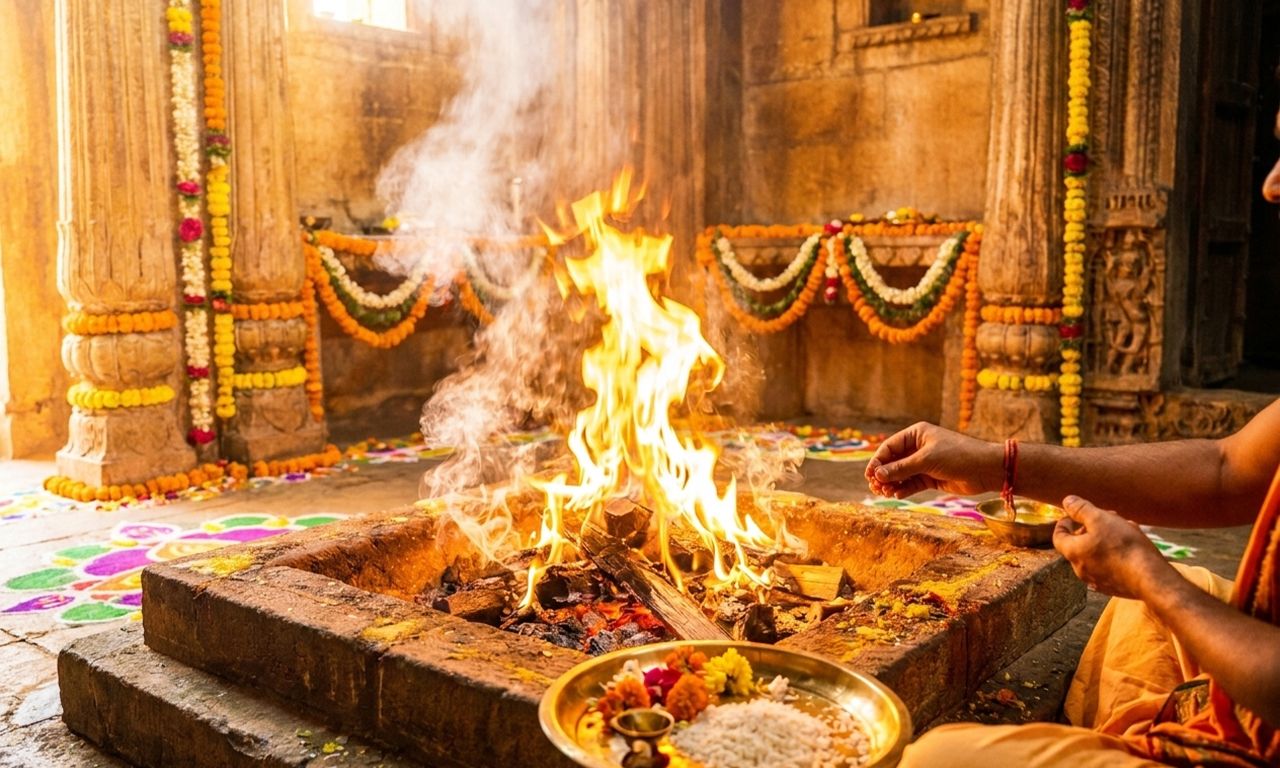
Lighting a Diya represents the removal of ignorance through the light of wisdom. As the flame is lit, silently pray that Lord Shiva may illuminate your thoughts and actions.
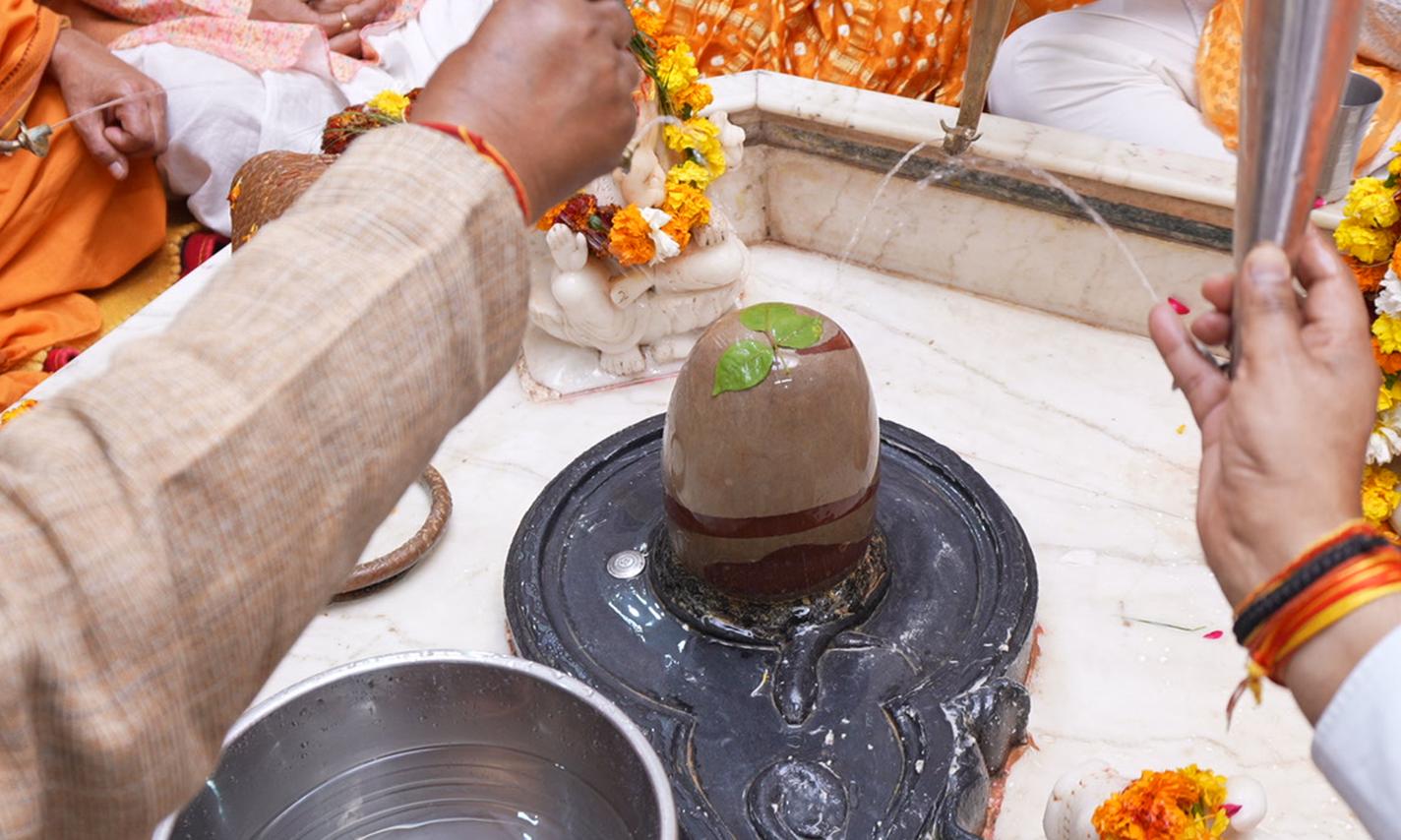
3. Offer Water to the Shivling
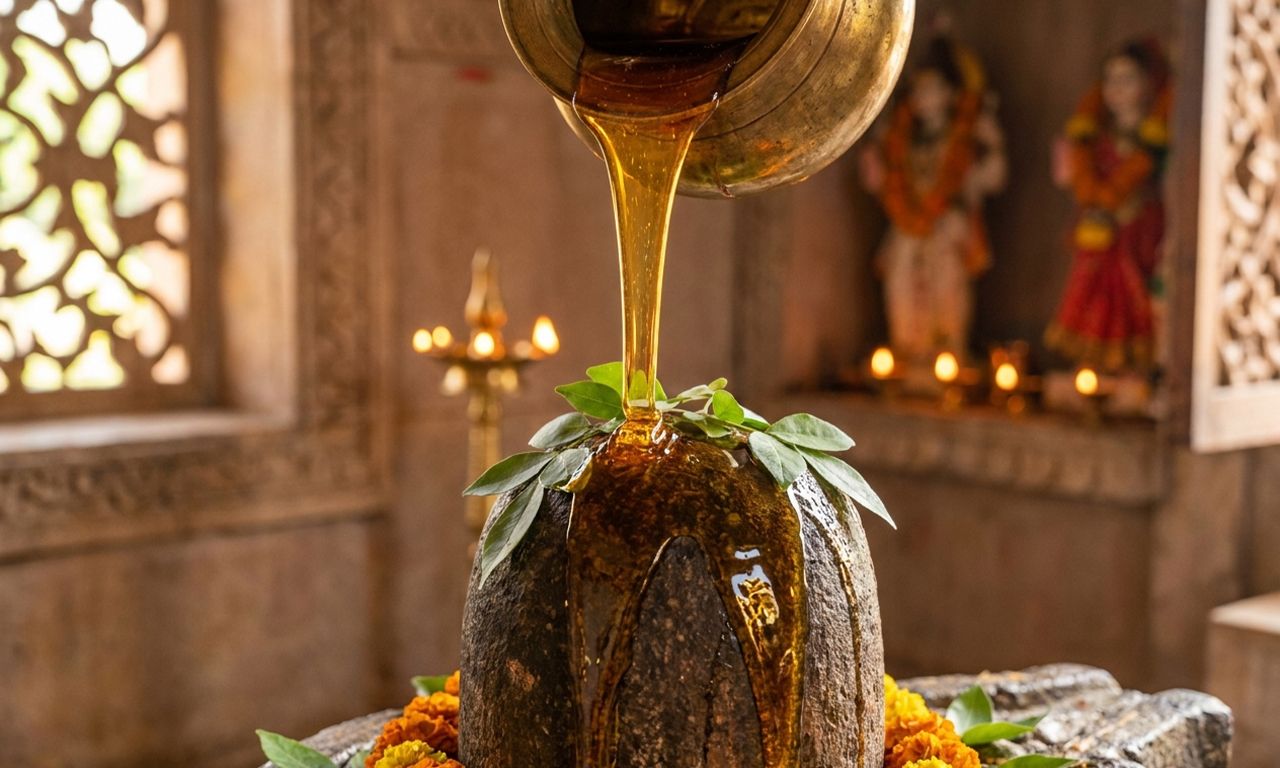
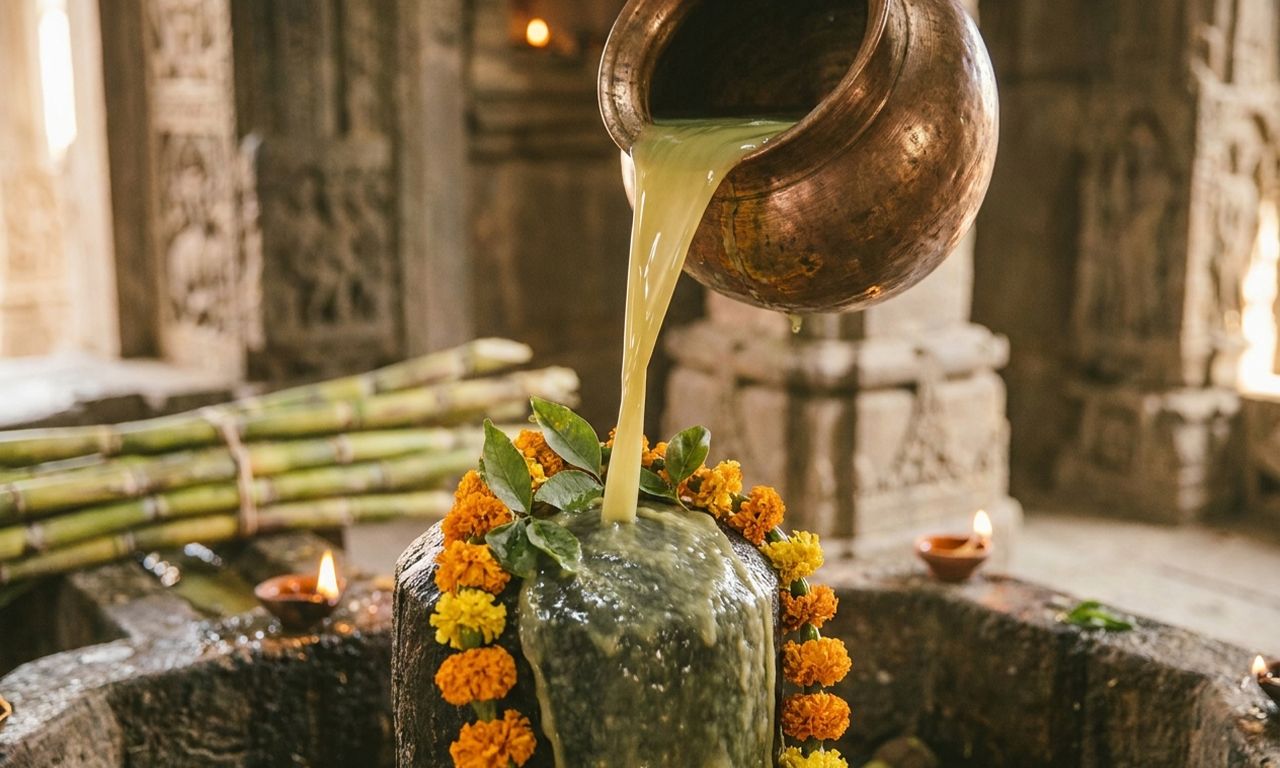
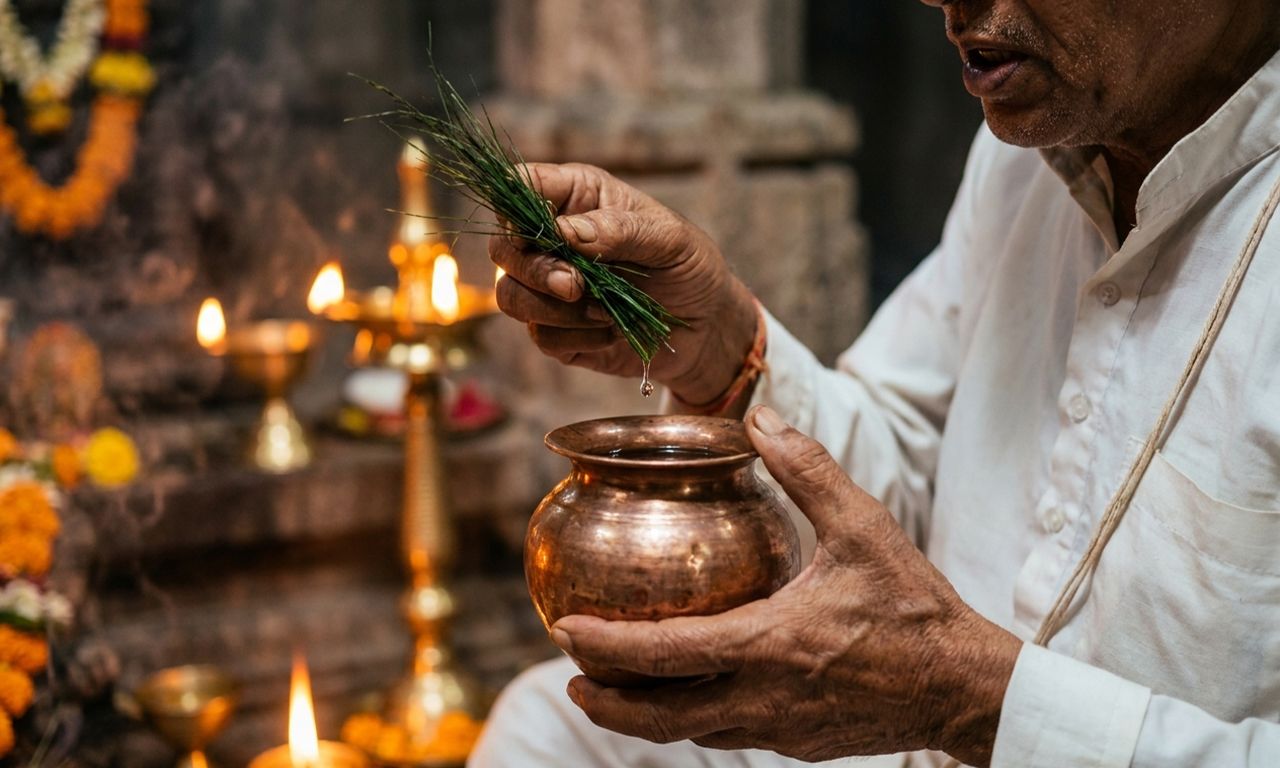
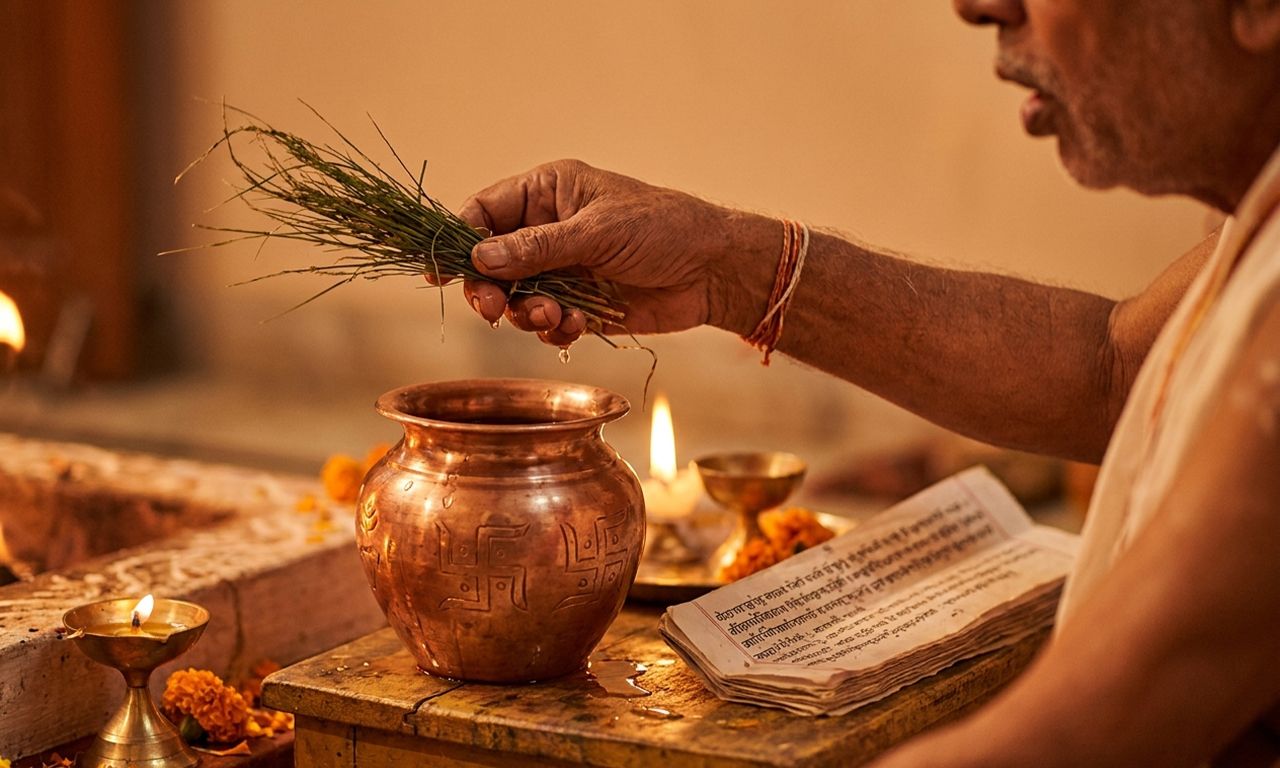
Pour clean water gently upon the Shivling. Do not rush. As the water flows, pray that anger, pride, attachment and negativity may also leave your heart. Guruji explains that the true Abhishek is the purification of the devotee.
4. Offer Bilva Patra and Flowers
If Bilva Patra is available, offer it with reverence. Fresh flowers may also be offered. Every offering should be accompanied by gratitude rather than expectation.
5. Chant Shiva Mantras
Spend a few minutes chanting. The simplest and most widely recited mantra is: Om Namah Shivaya. Many devotees also recite the Mahamrityunjaya Mantra during daily worship. Guruji advises devotees to chant slowly and consciously instead of increasing speed merely to complete a fixed number.
6. Spend Time in Shiv Chintan
After the ritual is complete, remain seated for a few moments. Close your eyes. Remember Lord Shiva. Allow the mind to become quiet. Guruji teaches that these moments of silent remembrance are often more valuable than the ritual itself.
7. Conclude with Prayer
Offer gratitude before leaving the place of worship. Do not ask only for success. Pray for wisdom. Pray for humility. Pray for strength to walk the path of Dharma. These prayers gradually transform daily life.
How Long Should Daily Shiv Puja Take?
Many working professionals hesitate because they believe proper worship requires an hour or more. Guruji reassures devotees. Even fifteen minutes of complete devotion every day are spiritually more beneficial than elaborate worship performed occasionally. Consistency is more important than duration. A small daily practice nourishes the soul throughout life.
Is It Necessary to Perform Abhishek Every Day?
There is no rigid rule. Many devotees offer only water daily. Some perform Panchamrit Abhishek on Mondays, Sawan or special occasions. Some participate in Rudrabhishek at temples. Guruji teaches that devotion should remain natural rather than burdened by anxiety over ritual perfection.
Can Working Professionals Perform Shiv Puja?
Modern responsibilities do not prevent devotion. If time is limited: Light a Diya. Offer water. Chant Om Namah Shivaya eleven times. Spend two minutes remembering Mahadev. Begin your day with gratitude. Even this simple discipline gradually strengthens spiritual awareness.
Common Mistakes During Home Worship
Guruji advises devotees to avoid several common mistakes. Do not perform Puja mechanically. Do not compare your worship with others. Do not become anxious about minor procedural details. Do not rush because of impatience. Do not seek only material rewards.
Instead, approach every Puja as an opportunity to deepen your relationship with Lord Shiva.
The Purpose of Daily Shiv Puja
Daily worship is not performed because Lord Shiva needs offerings. He is complete. The devotee needs worship.
Every morning spent before Mahadev gradually develops patience. Humility. Self-discipline. Gratitude. Faith. These qualities quietly influence every area of life.
Guruji teaches that the greatest blessing of daily Shiv Puja is not the fulfilment of desires. It is the gradual transformation of the devotee.
The Narwar Dham Tradition
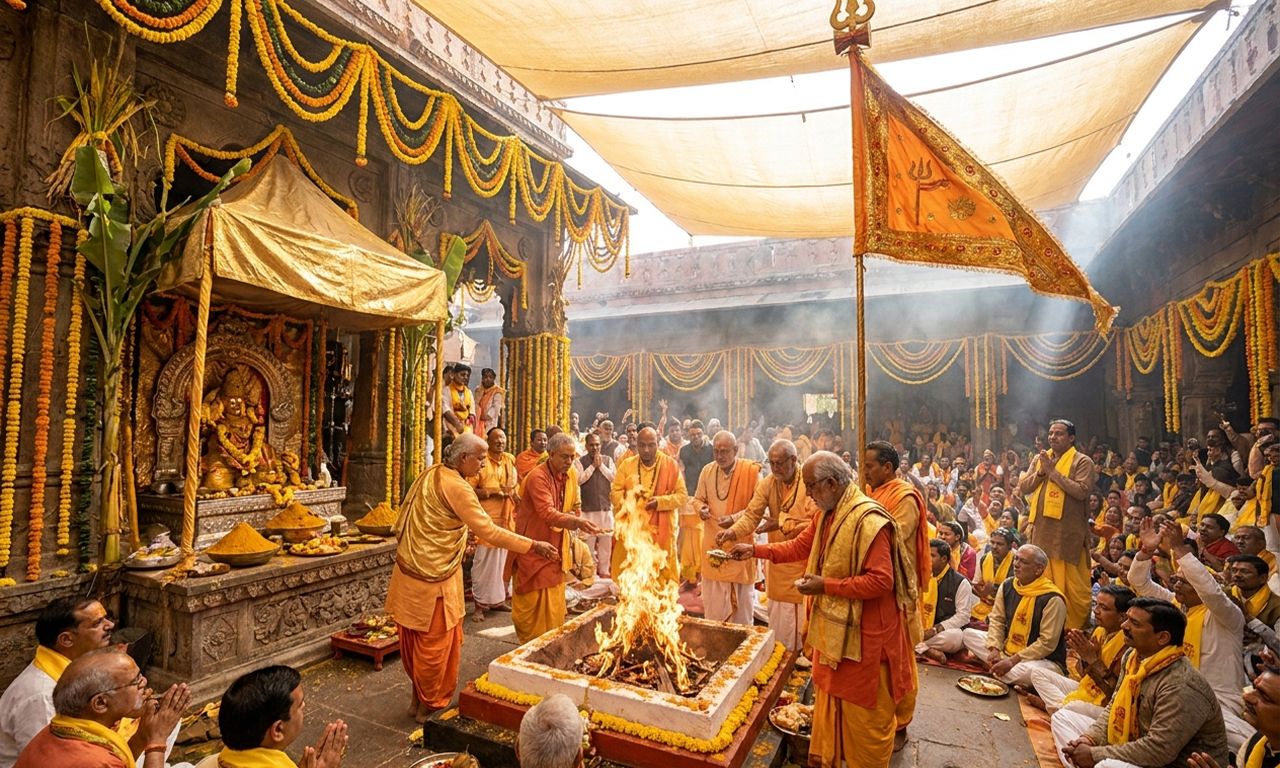
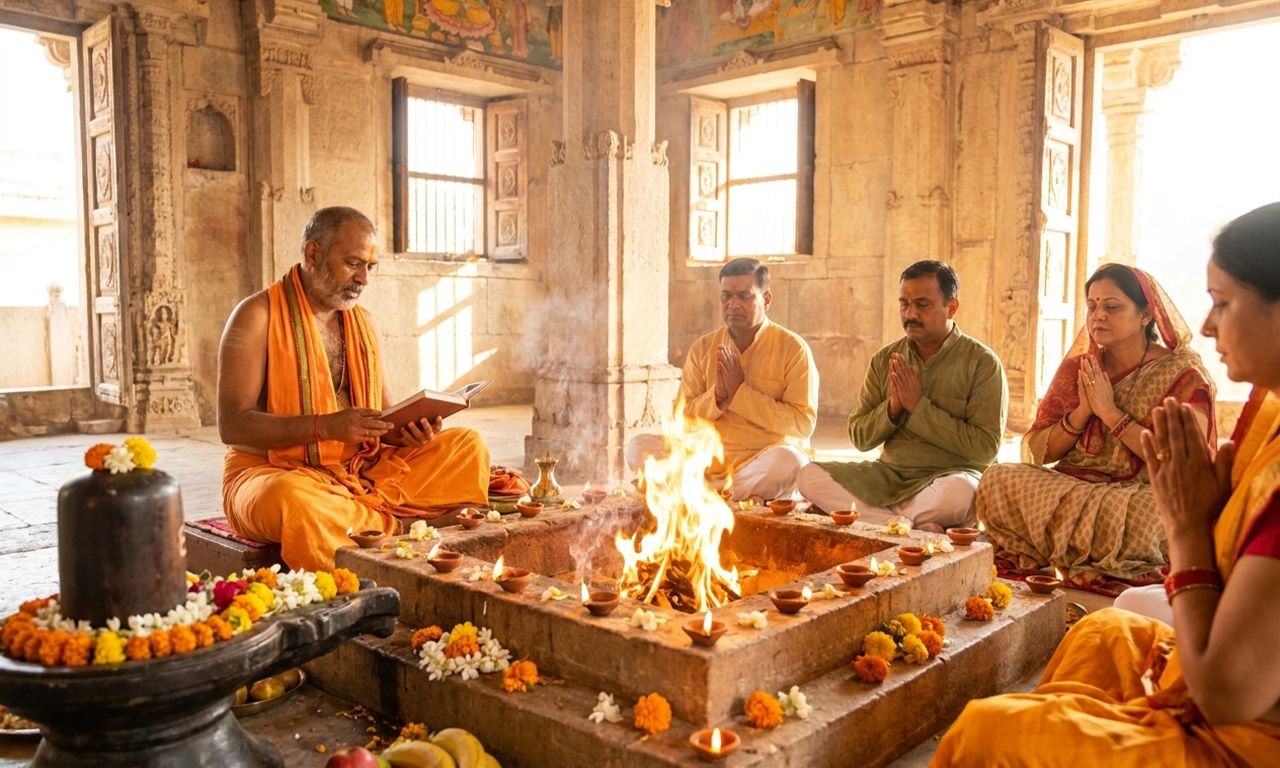
For over 120 years, the Narwar Dham Guru Parampara has guided devotees in performing Shiva worship according to authentic Vedic tradition. Alongside temple worship and Rudrabhishek, devotees are encouraged to establish regular prayer within their homes. The tradition emphasises understanding every ritual rather than merely repeating it.
Whether offering simple Jal Abhishek at home or participating in a complete Vedic Rudrabhishek, the purpose remains the same. To remember Mahadev with sincerity. To purify the mind. To walk the path of Dharma.
Frequently Asked Questions
How do I perform Shiv Puja at home?
Begin by cleaning the place of worship, lighting a Diya, offering water to the Shivling, placing Bilva Patra or flowers if available, chanting Shiva mantras and concluding with sincere prayer.
Can I perform Shiv Puja without a Shivling?
Yes. If a Shivling is not available, devotees may worship before an image of Lord Shiva with the same devotion and reverence.
What is the best time for Shiv Puja?
Early morning, after bathing, is traditionally considered ideal. However, Guruji teaches that sincere devotion offered at any suitable time is accepted by Mahadev.
Is daily Abhishek necessary?
No. Offering clean water daily with devotion is sufficient. More elaborate Abhishek may be performed on Mondays, during Sawan or on special occasions.
What is the most important part of Shiv Puja?
According to Guruji, the most important part of worship is not the ritual itself but the devotion, humility and concentration with which it is performed.
From Faith to Sadhana
Daily Shiv Puja at home nurtures devotion, but there are moments when devotees wish to offer a more complete and traditional form of worship.
Through SiddhiStar, you can participate in an authentic Rudrabhishek performed at Narwar Dham by learned Acharyas from the 120-year-old Guru Parampara. Your name and gotra are included in the Sankalp, and every Vedic mantra is chanted with discipline, devotion and precision.
Bring the blessings of an authentic Rudrabhishek into your spiritual journey and complement your daily Shiv Puja with the timeless traditions of Narwar Dham.