How Distance Does Not Diminish Devotion - The Shastric Basis of SiddhiStar's Online Pooja
By SiddhiStar | Narwar Dham Parampara
15 May 2026 • 5 min read
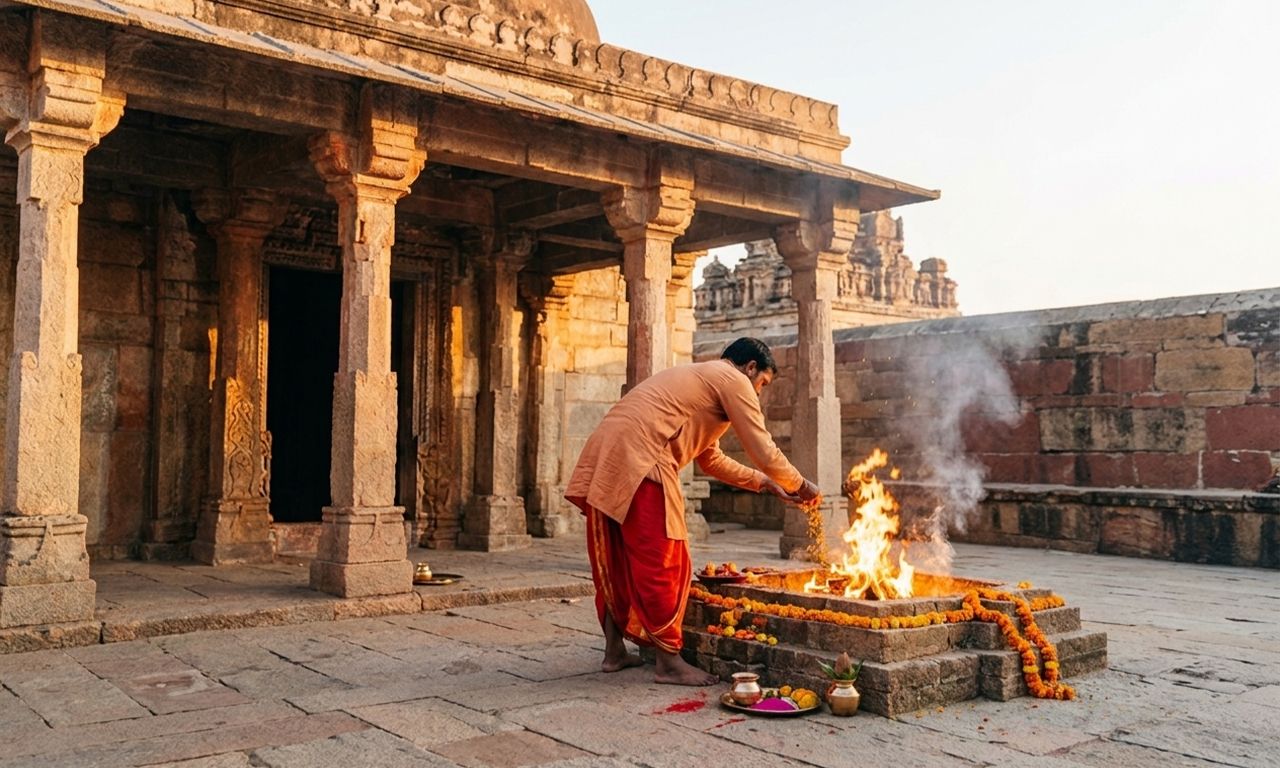
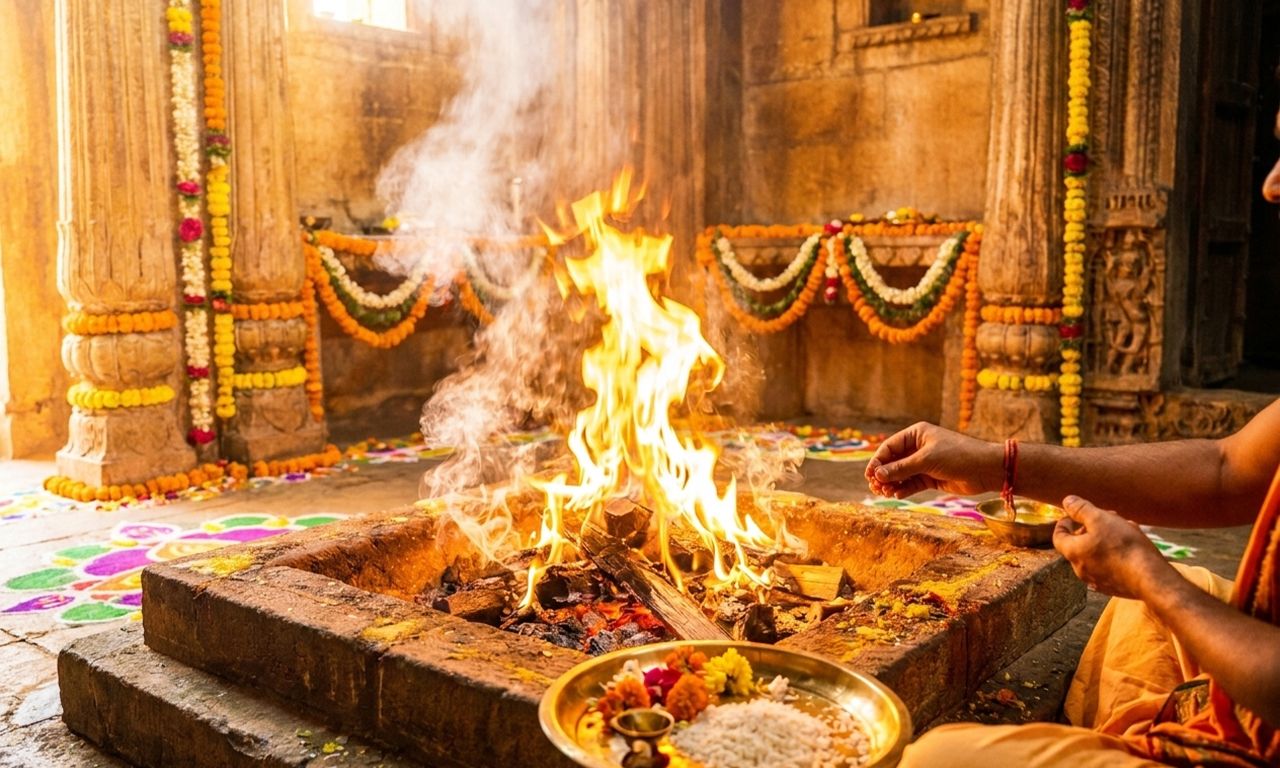
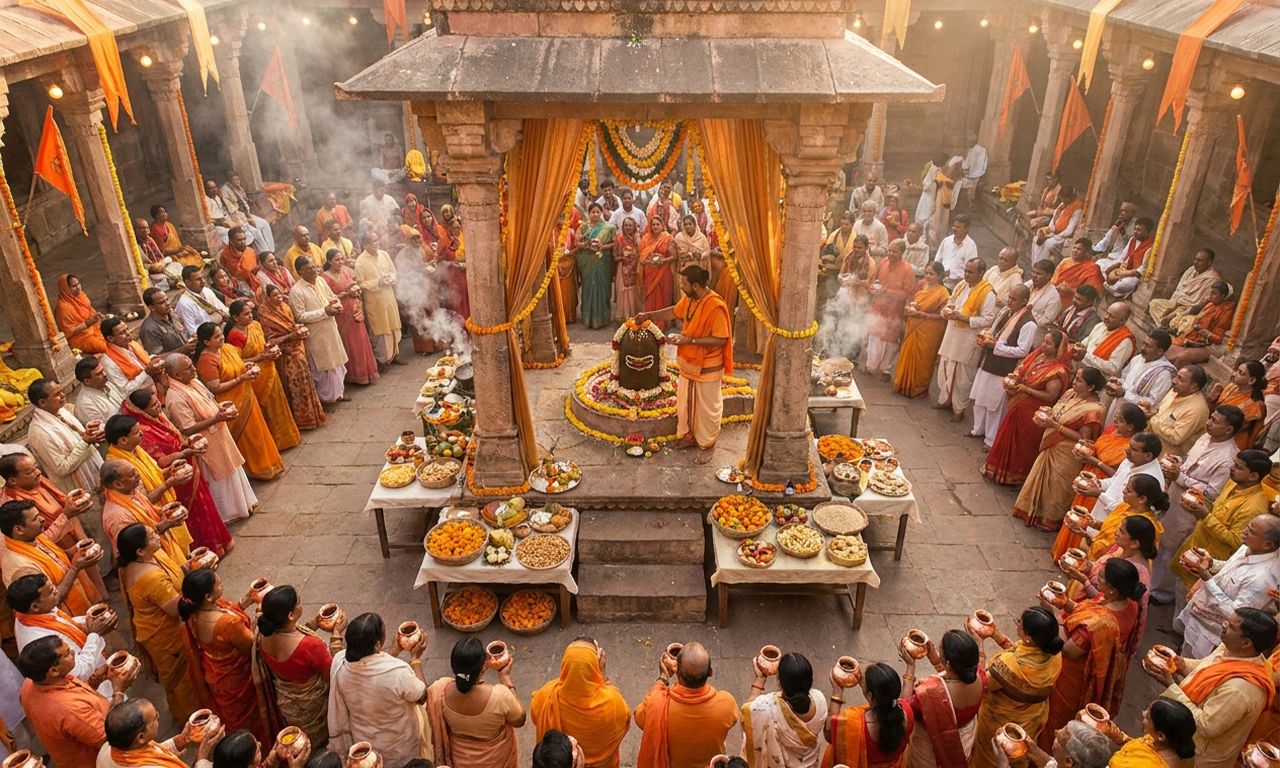
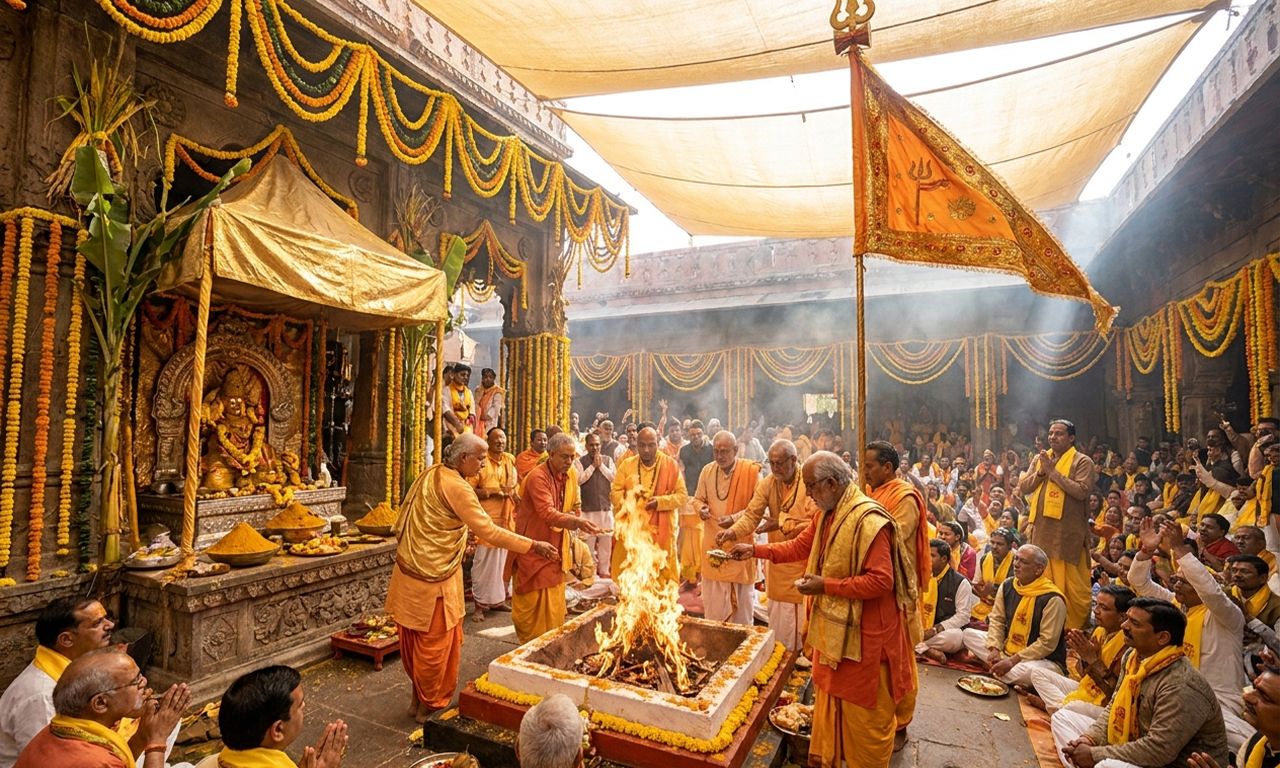
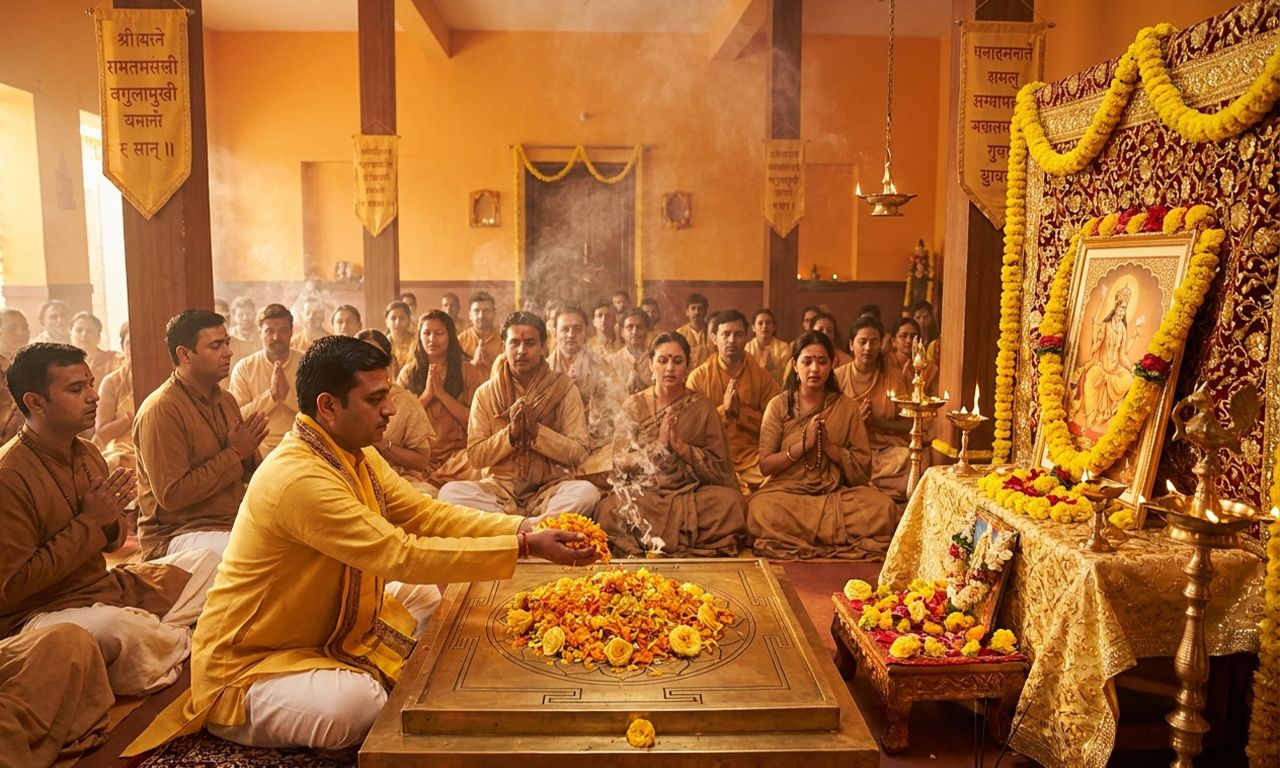
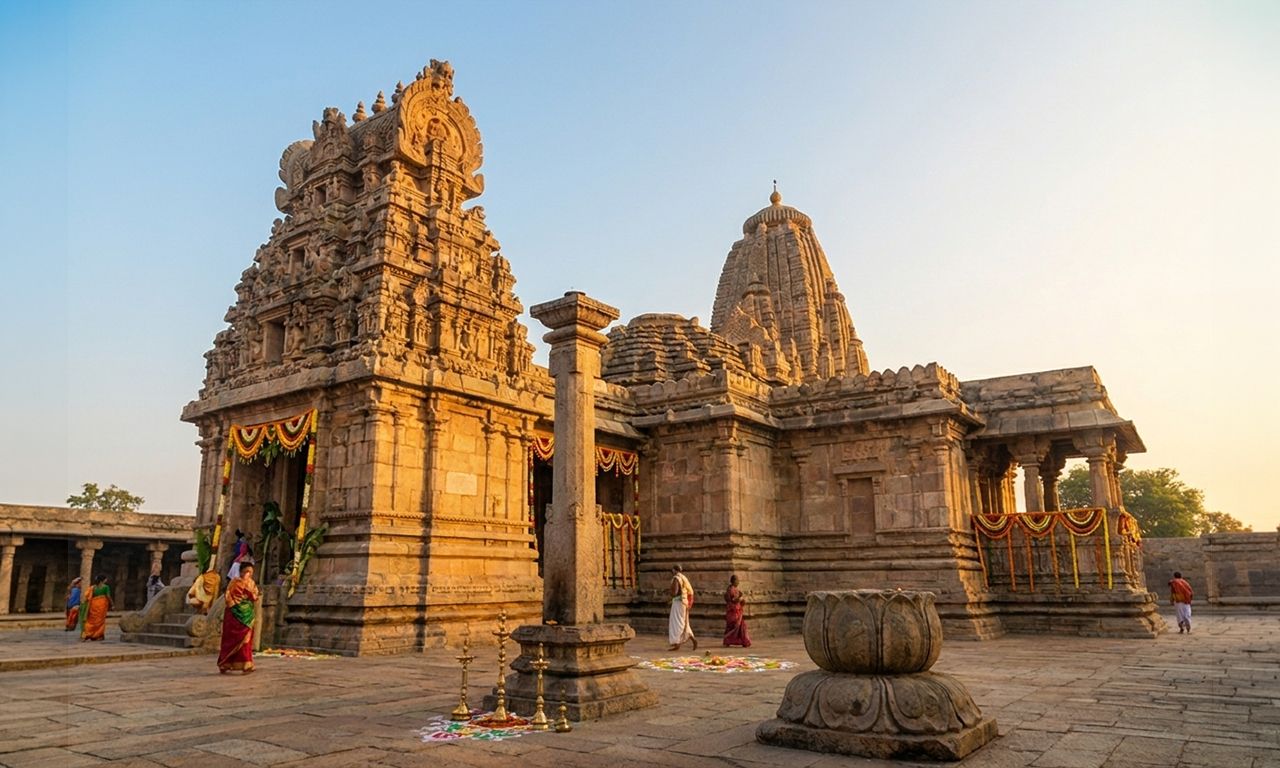
A family in California sat in front of a screen on the night of Mahashivratri. In India, it was the early hours of a February morning. In California, it was afternoon of the day before. The time zones were separated by thirteen and a half hours. The family had registered with SiddhiStar for the Mahapuja at Narwar Dham.
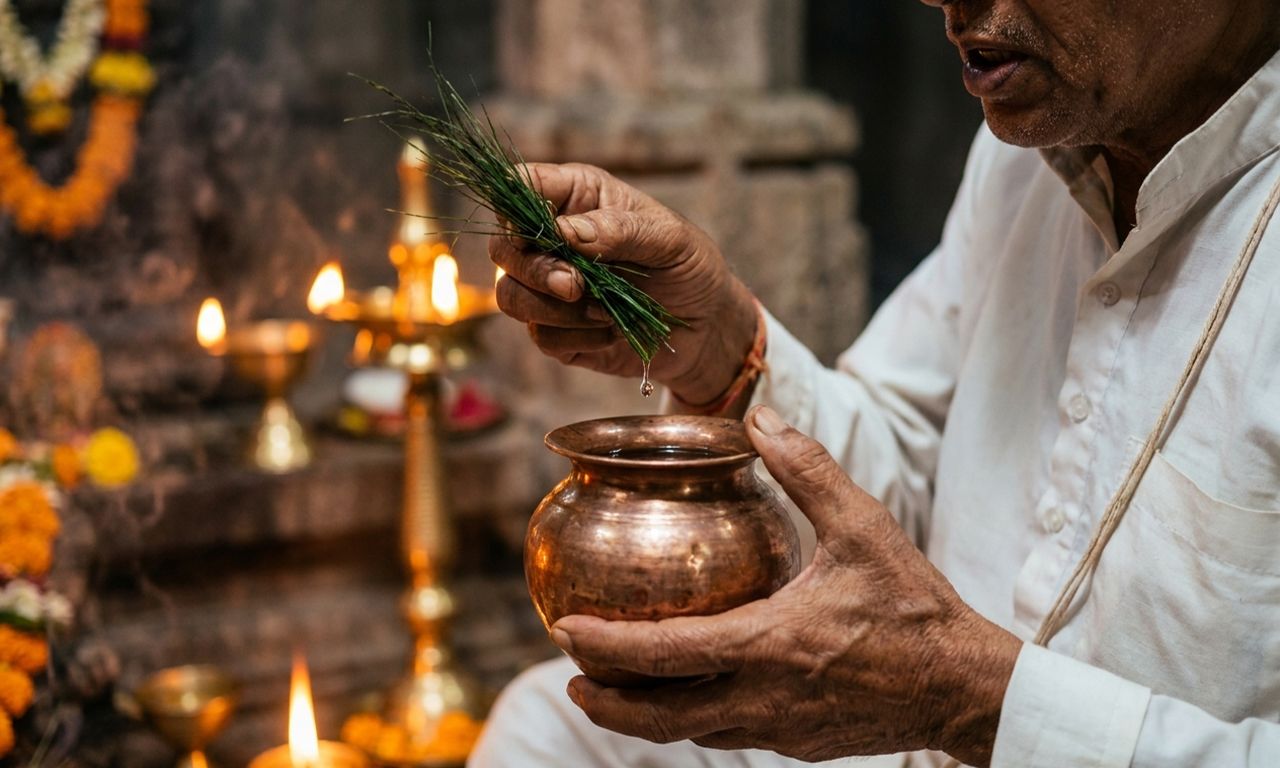
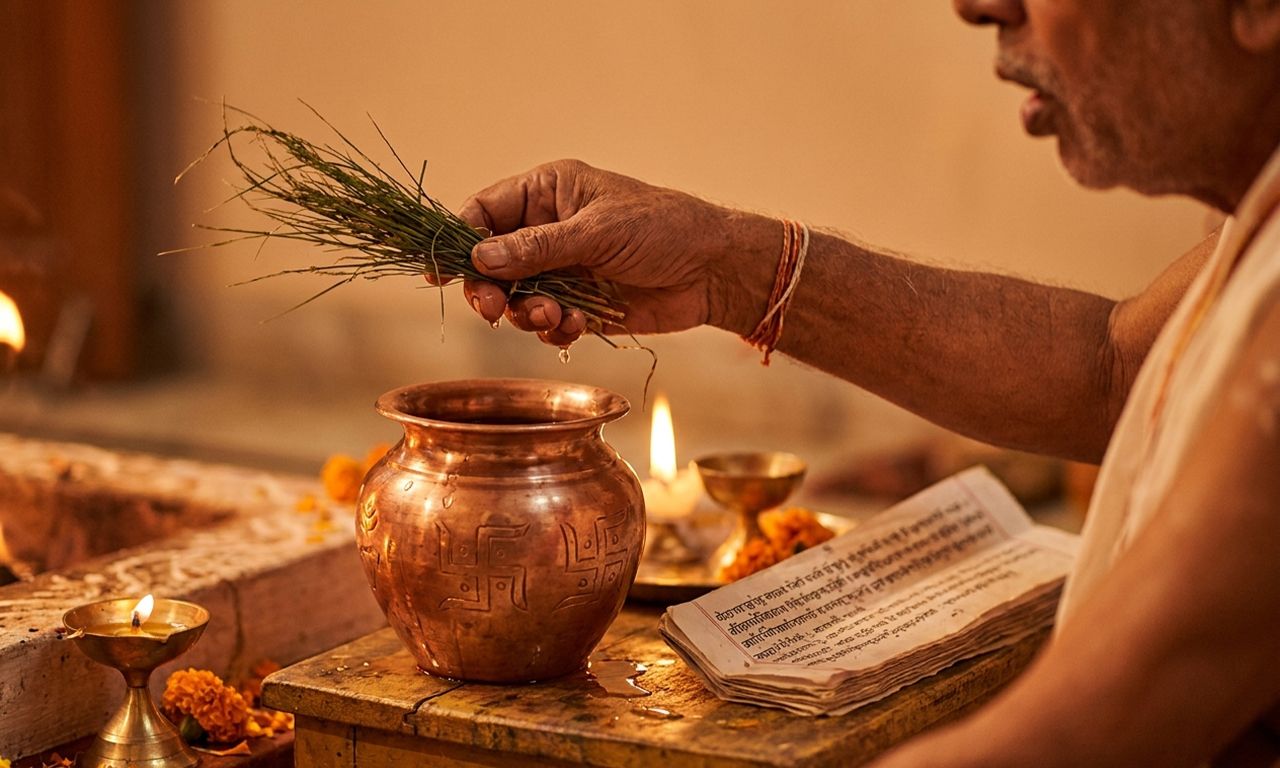
When the Sankalp was spoken in the first Prahar, their name was said. Their gotra was declared. Their location - California - was placed within the Vedic cosmological map of desh. And the pandit said, explicitly, that those watching live and those whose names had been given would all be beneficiaries of the punya of this ceremony.
The question this raises is worth answering directly: how?
The Vedic Understanding of Presence
The Vedic tradition does not define presence the way modern experience defines it. Physical proximity is one form of presence. But the tradition has always held that intention combined with the correct ritual mechanism creates a form of presence that geography cannot interrupt.
The Sankalp contains desh - where you are on this earth. Not where you are relative to the ceremony, but where you are. A family in California has a desh. It is specific. It is named in the Sankalp. The ritual is conducted knowing exactly where this family is on the planet. Distance is accounted for, not ignored.
What Live Means and What It Rules Out
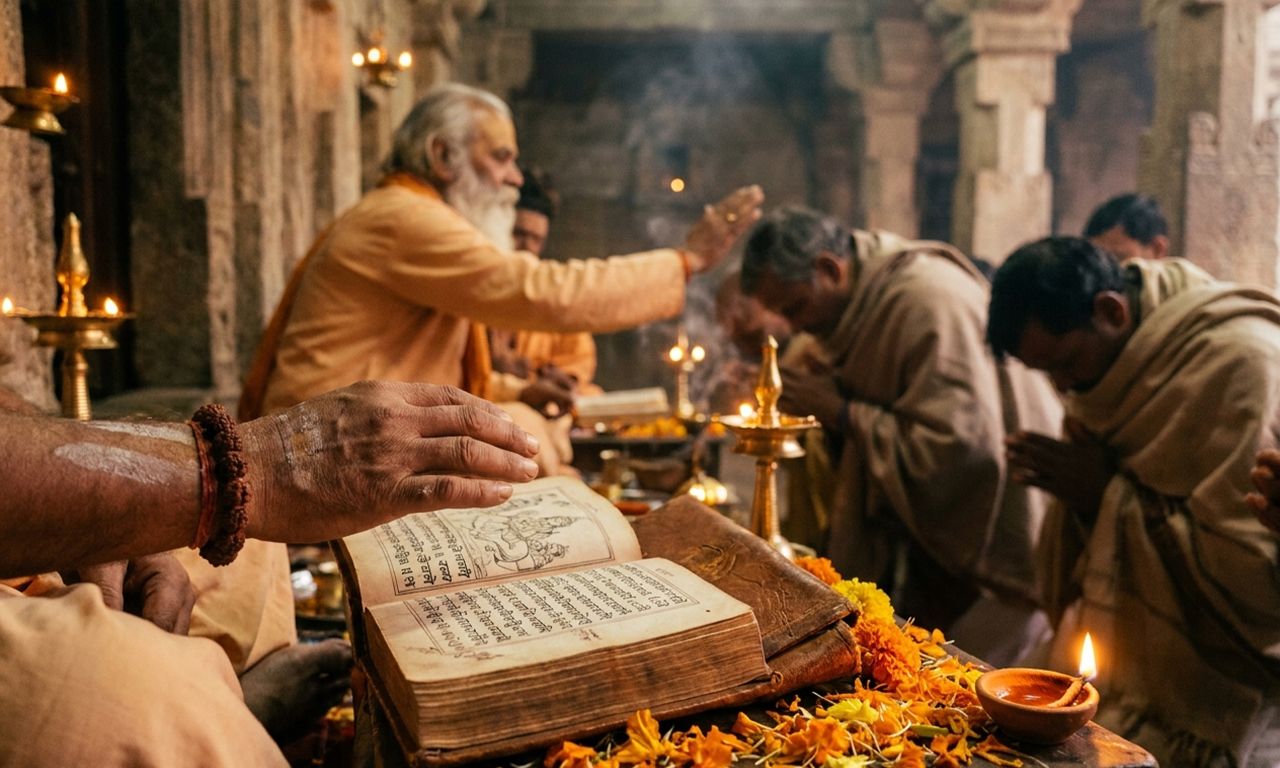
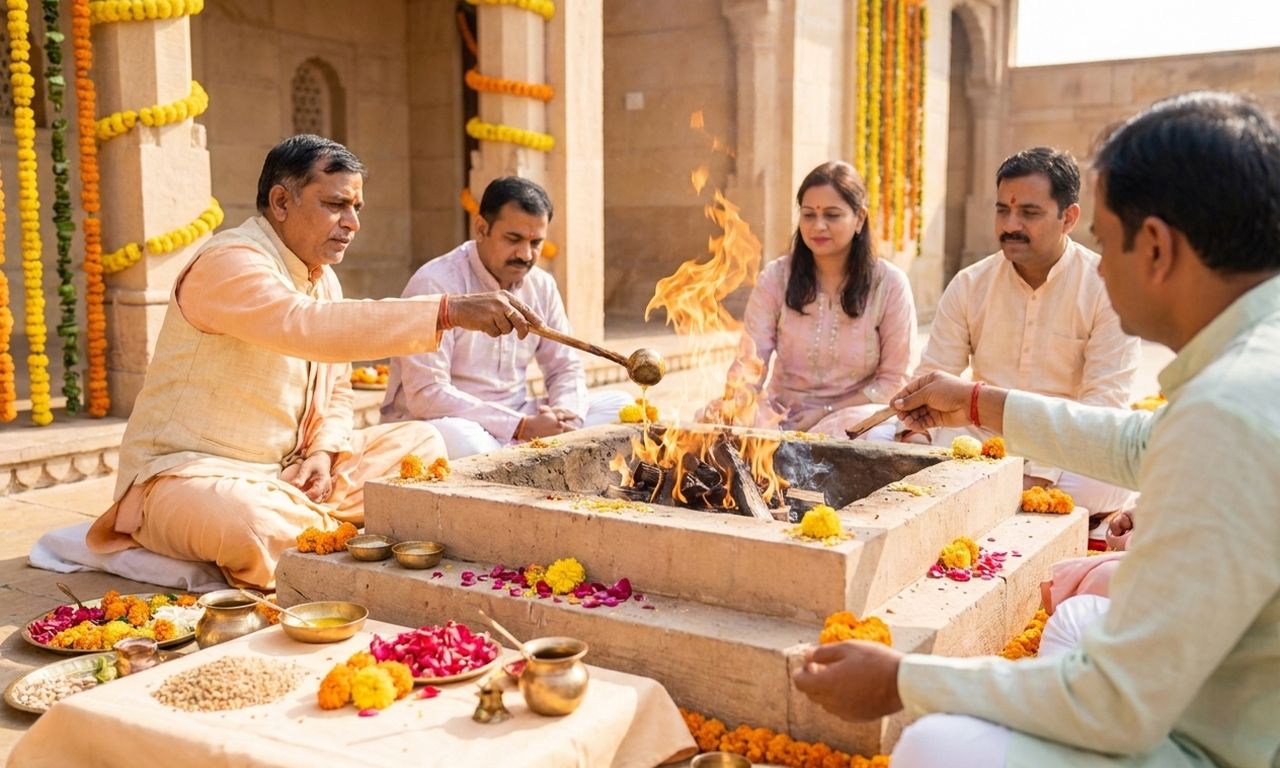
SiddhiStar's Online Pooja is live. The ceremony is happening at the moment you are watching it. The pandit is conducting it at that specific tithi, that specific nakshatra, that specific kaal. Your Sankalp is being spoken in the present tense of that moment. The punya belongs to that moment and to your presence in it, however that presence is constituted.
What the tradition rules out is recorded delivery. A ceremony that was conducted yesterday and is being shown to you today was not conducted at your kaal. The cosmic time has changed. The Sankalp of yesterday's ceremony, however beautifully performed, does not carry your name in today's moment because you were not in it. This is the distinction that SiddhiStar's live format preserves and that most online platforms abandon for the convenience of production and scheduling.
The Mass Sankalp and the Individual Sankalp
In a Mass Online Pooja, your name is one of many spoken in the Sankalp. The ceremony is conducted for all participants together. The punya flows to all. This is the Rs. 101 entry point - collective participation in a ceremony that is genuinely being conducted, not simulated.
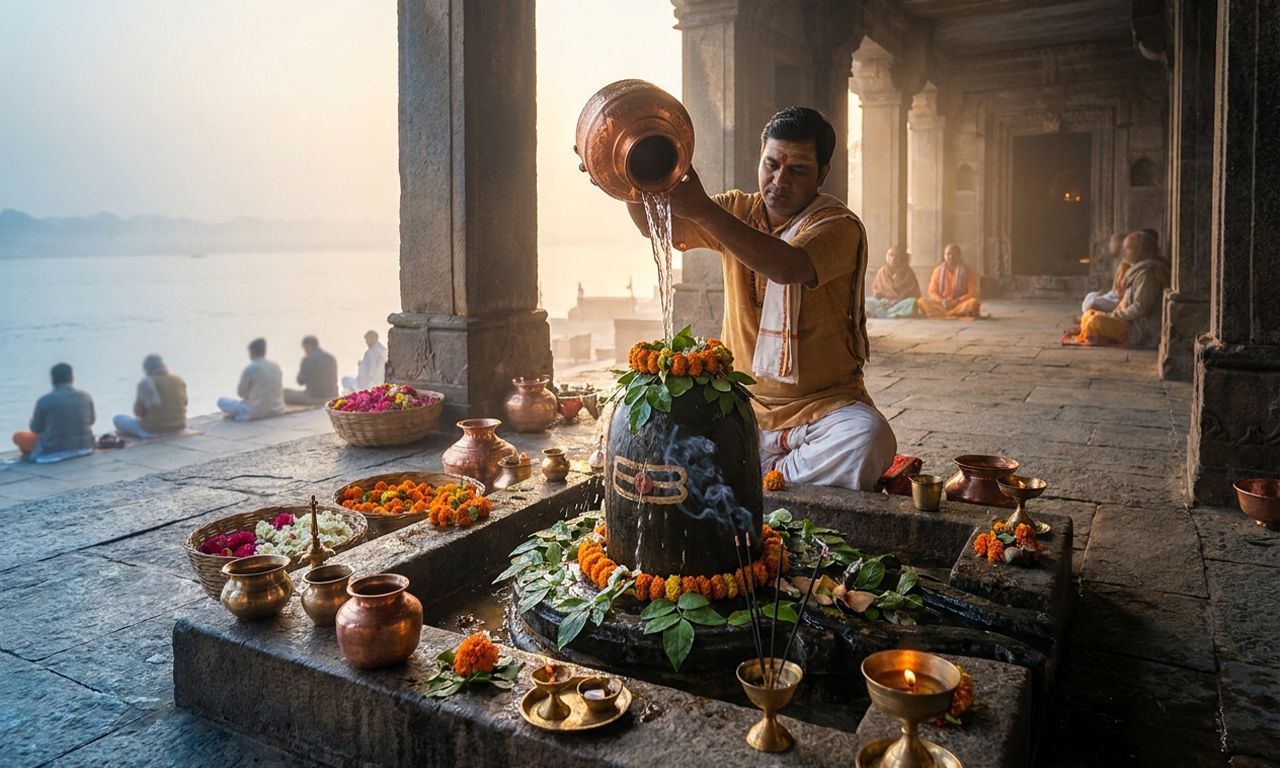
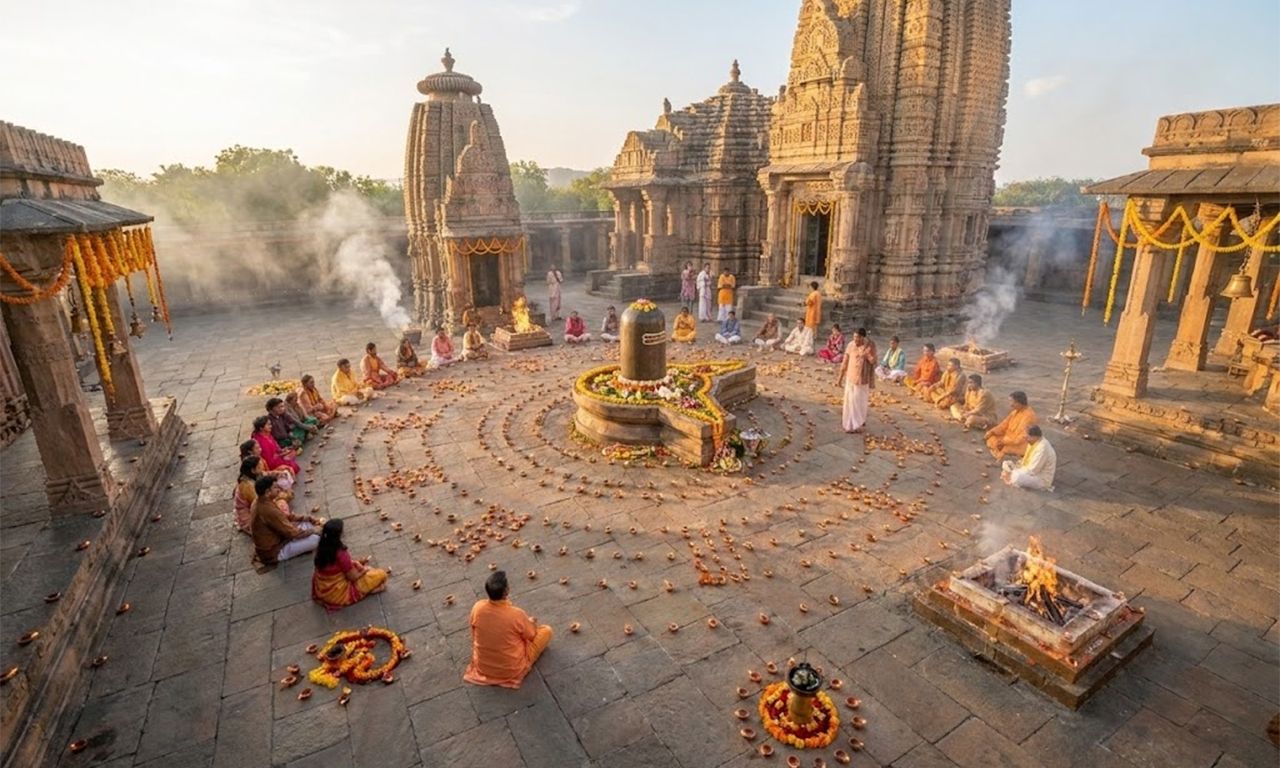
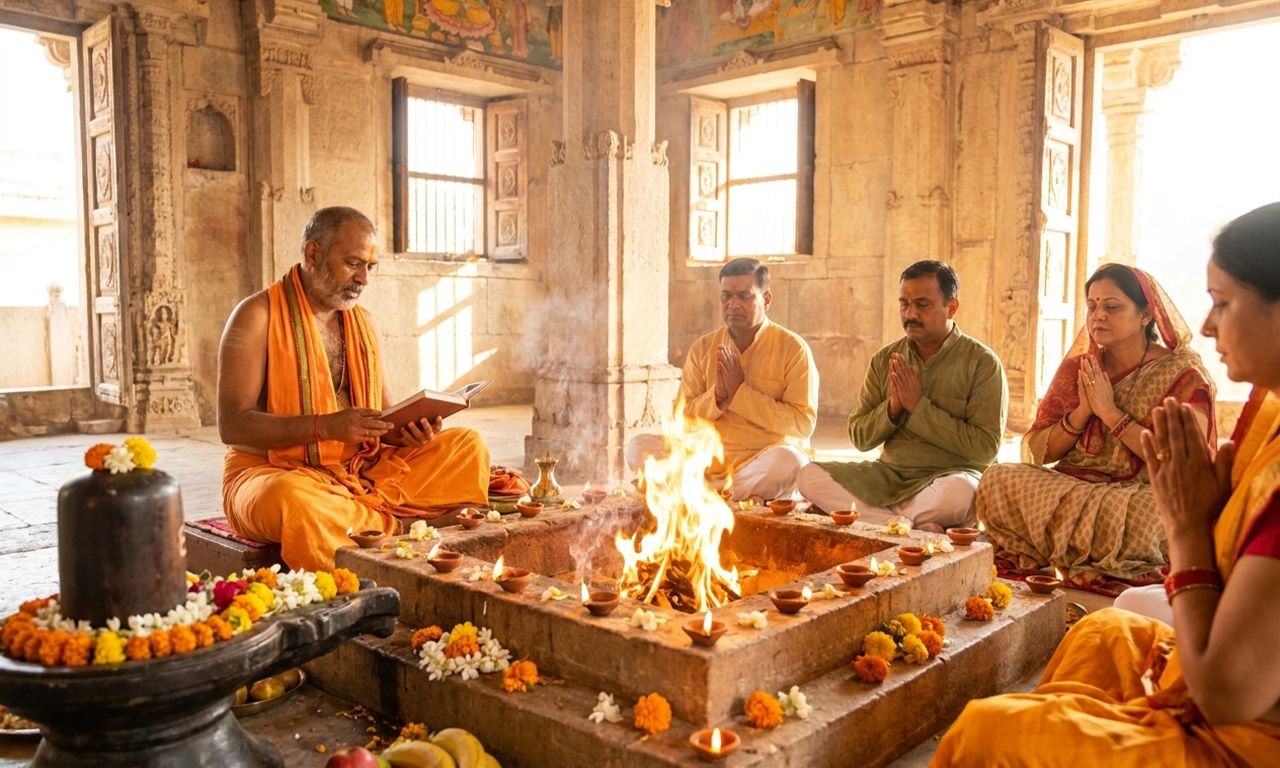
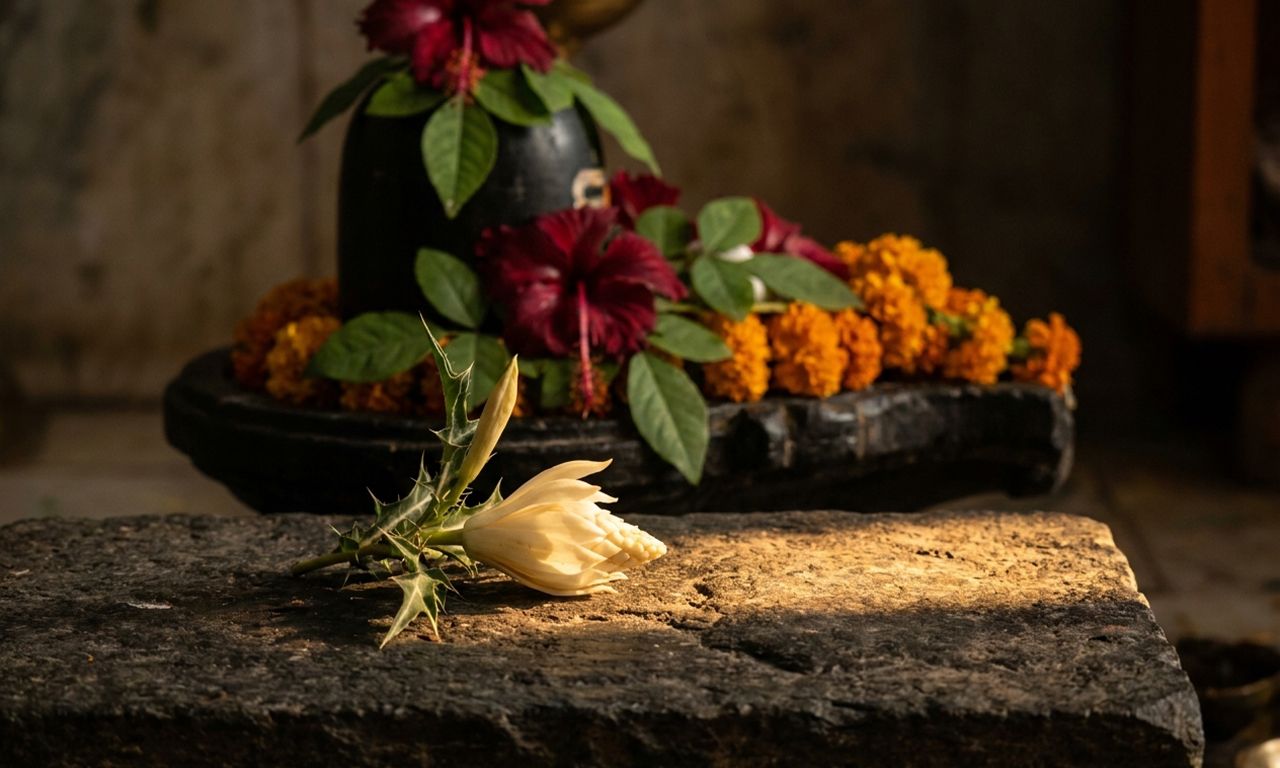
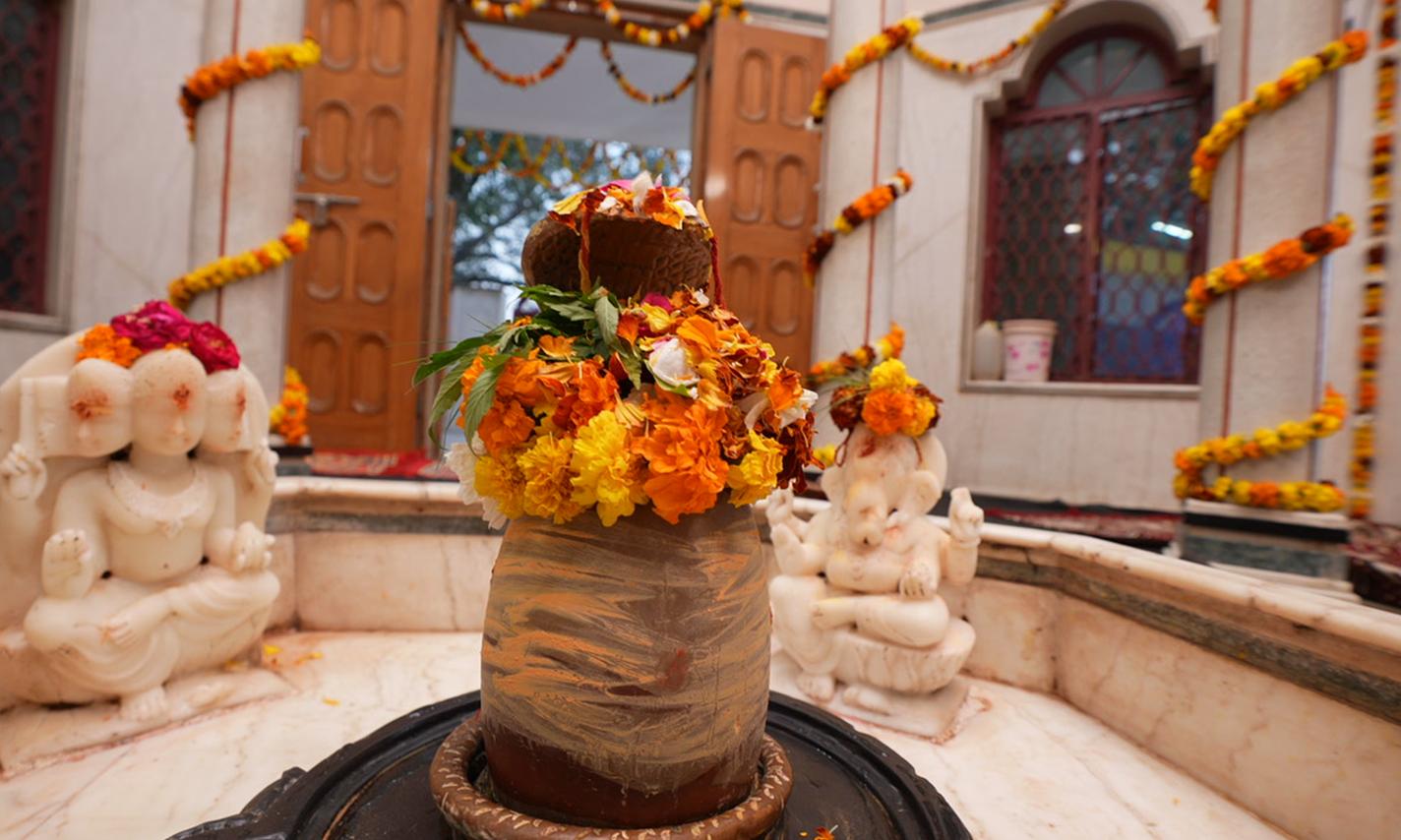
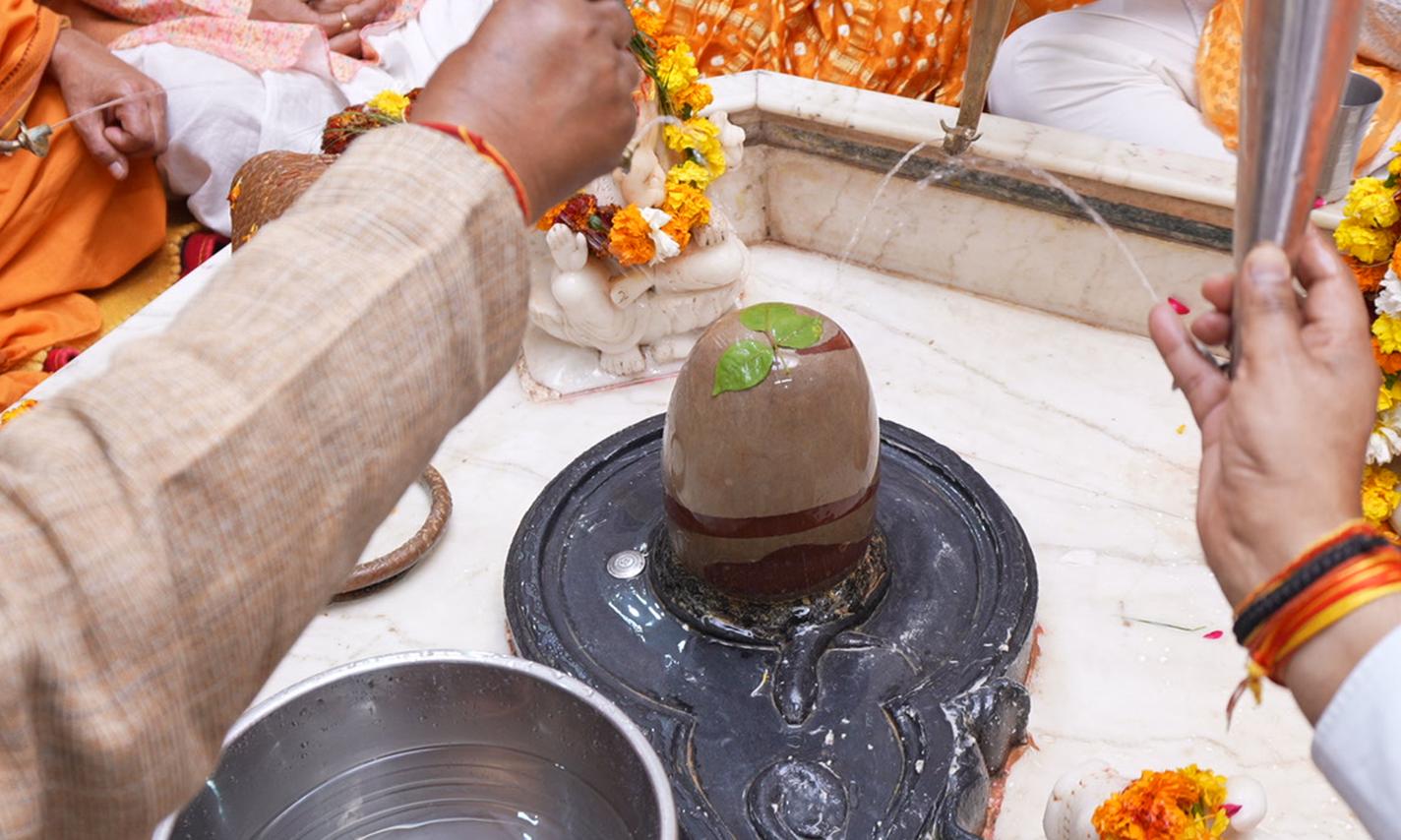
In an Individual Online Pooja from Narwar Dham, the ceremony is conducted for your family alone. One pandit, one Shivalinga, one Sankalp that contains only your family's details. The ceremony is private. It is the online equivalent of the pandit arriving at your home - except the home is Narwar Dham and the Ganga is present outside the window.
Individual Online Pooja from Narwar Dham or Mass Online Pooja from Rs. 101. Live. Personal Sankalp. Your name spoken in the present moment. beta.siddhistar.com/pooja/vishnu-sahasranama-path