Brahma Temple in India: Why the Creator Has No Temples Except Pushkar Brahma
By SiddhiStar | Narwar Dham Parampara
15 May 2026 • 4 min read
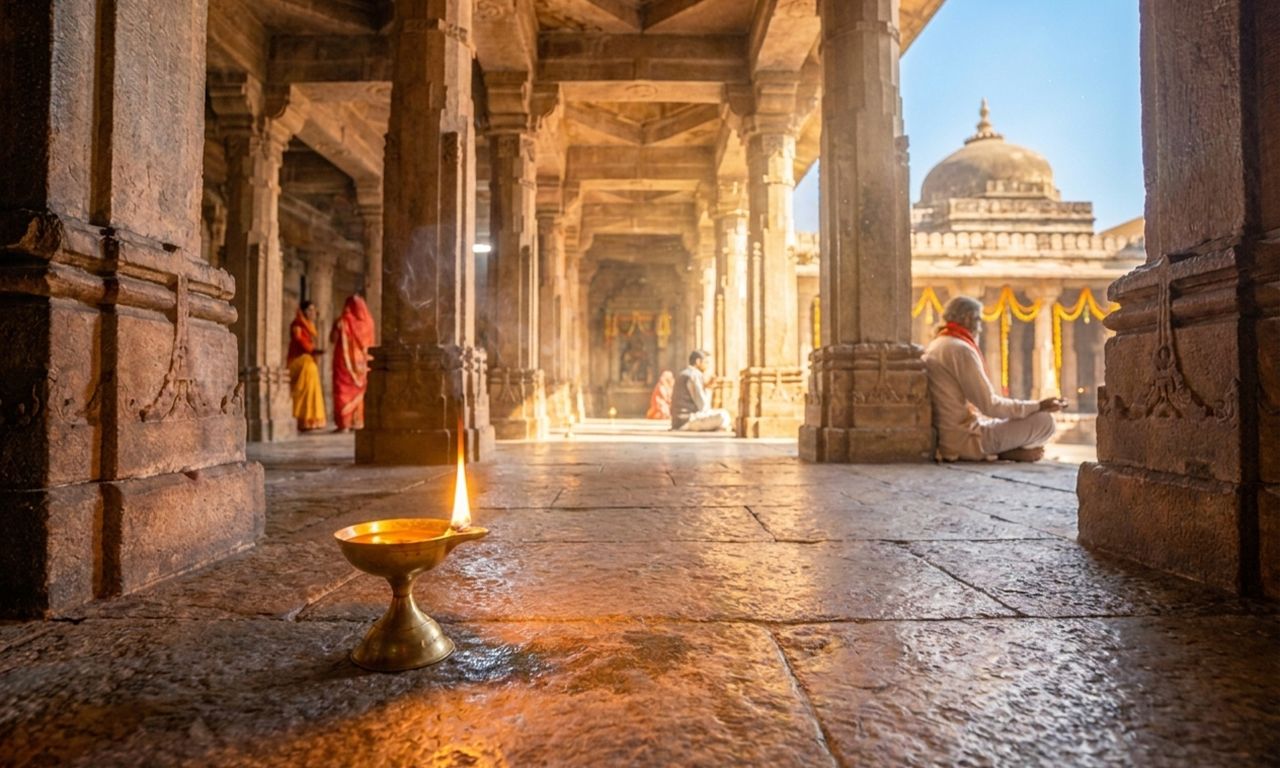
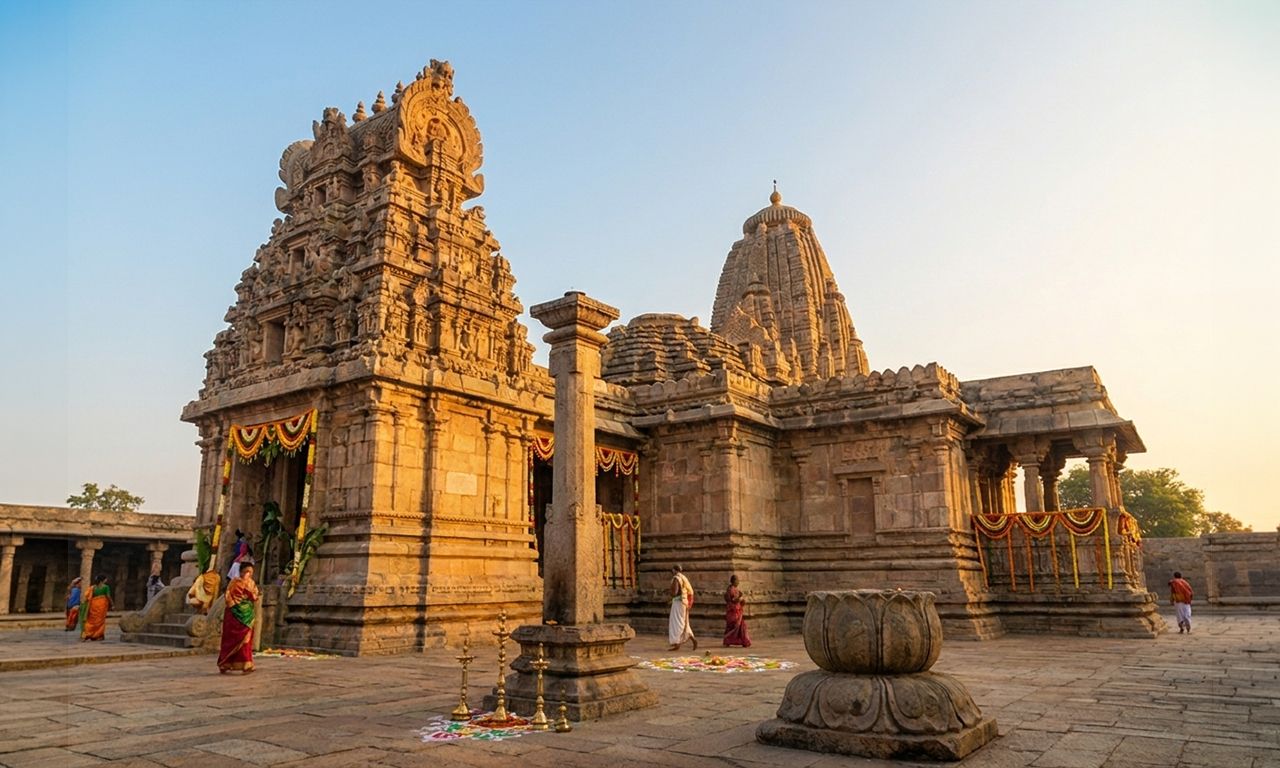
India has temples to Vishnu in their thousands. Temples to Shiva on every corner. Temples to Durga, Hanuman, Ganesha, Lakshmi, Saraswati. But a Brahma temple - to the Creator, the first of the Trimurti - is almost non-existent. The most famous Pushkar Brahma mandir is in Rajasthan. Across the rest of the country, his shrines are rare.
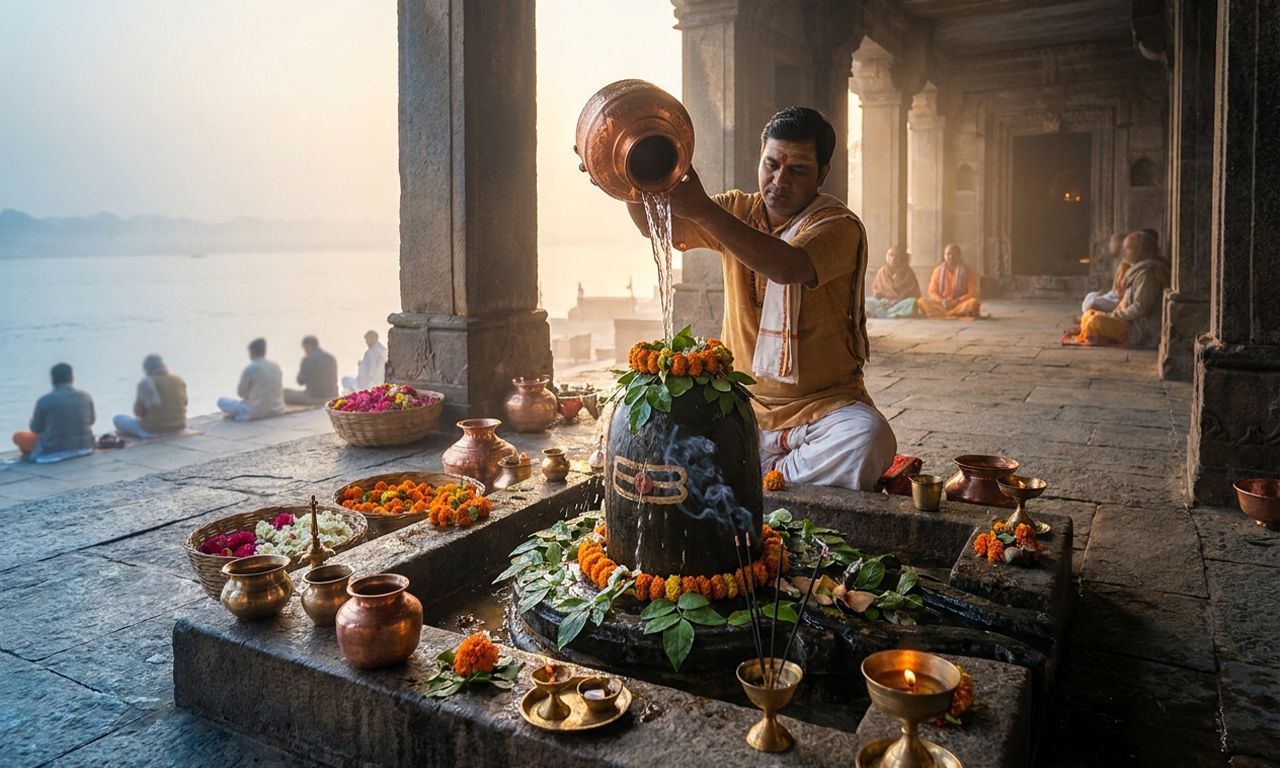
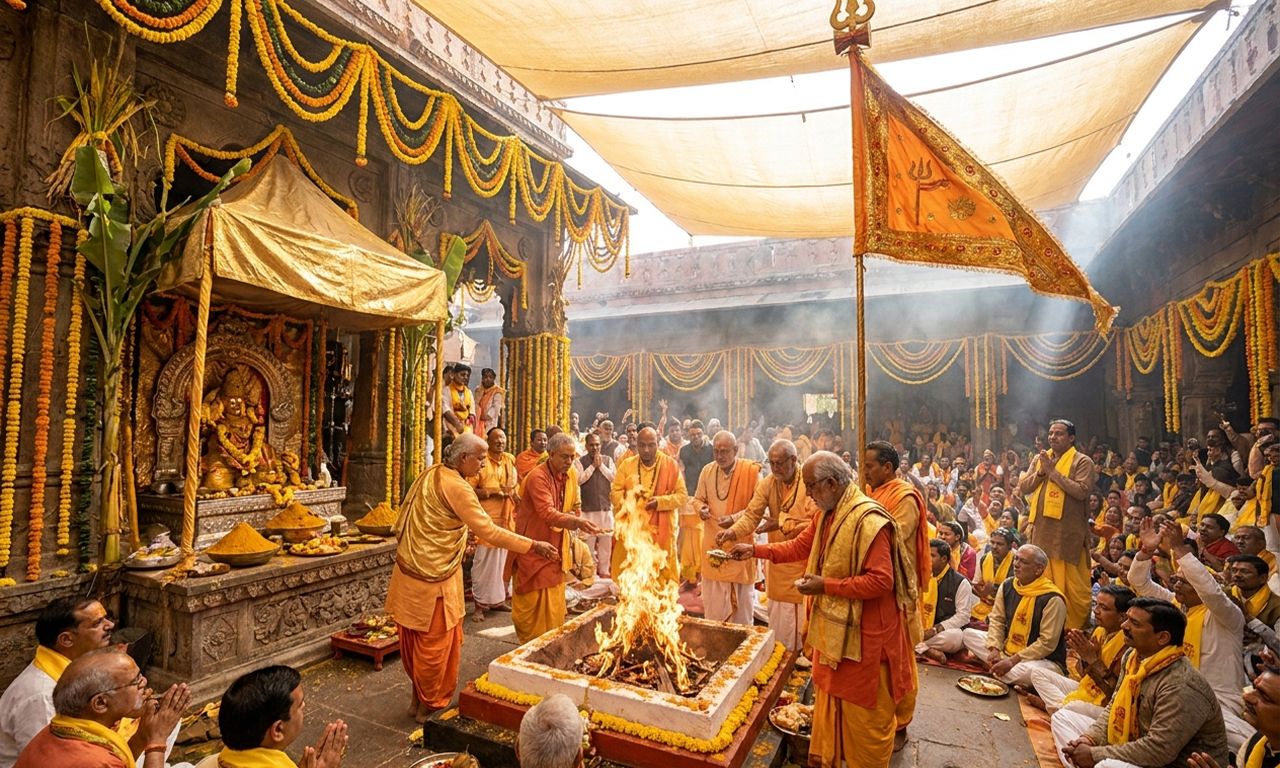
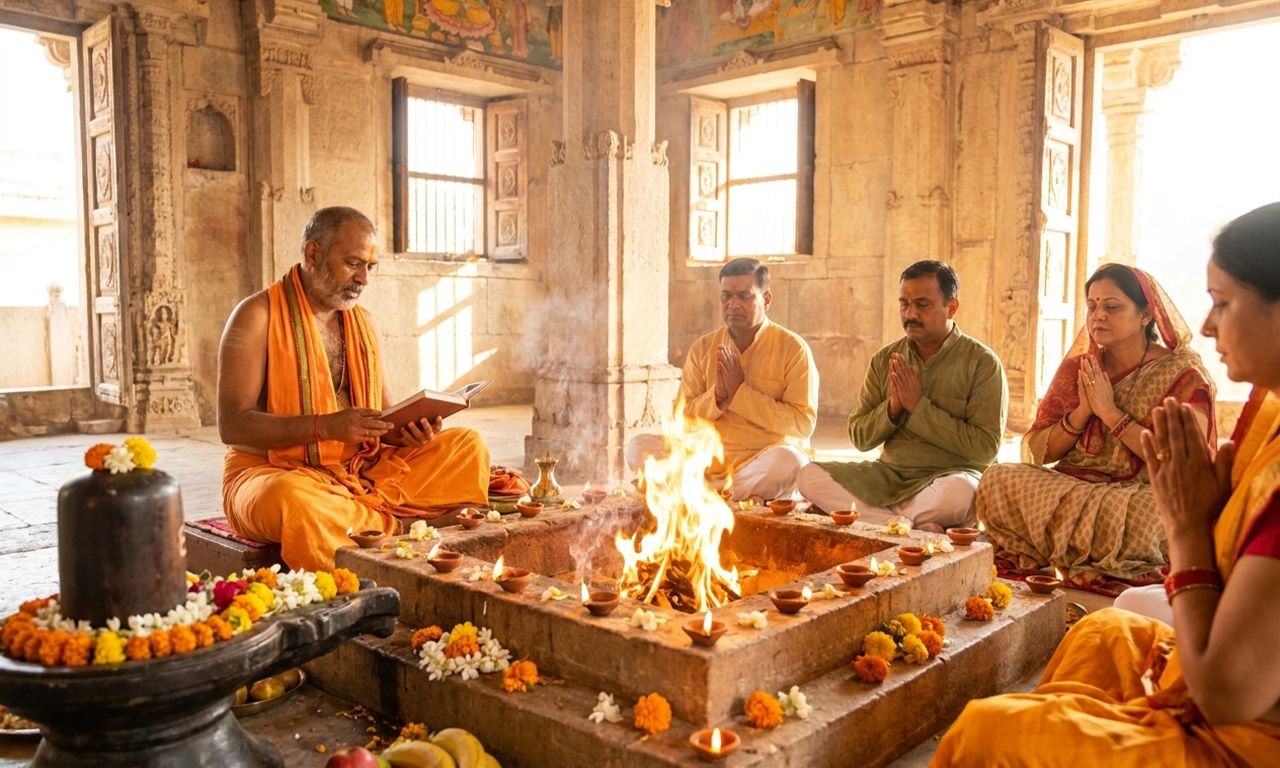
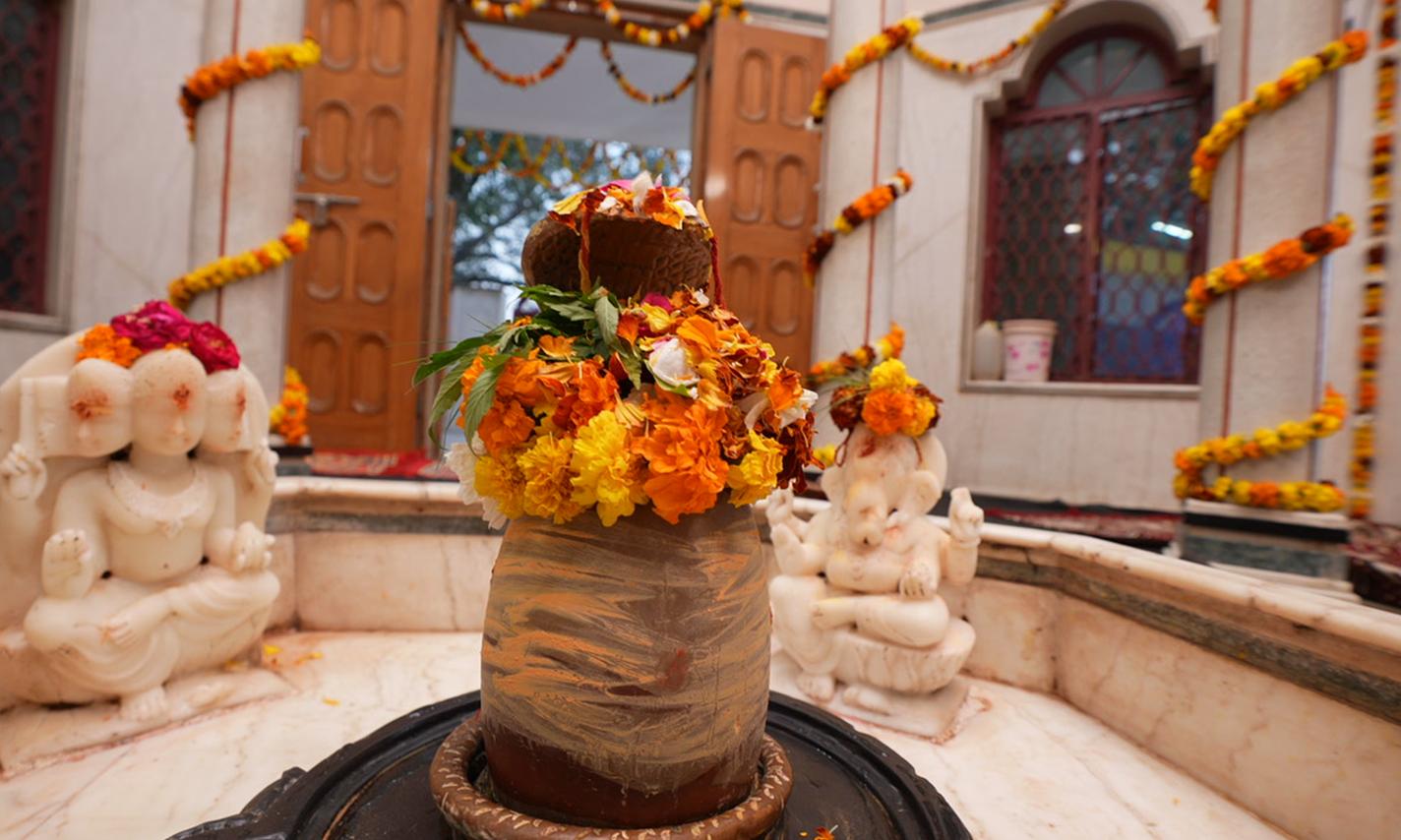
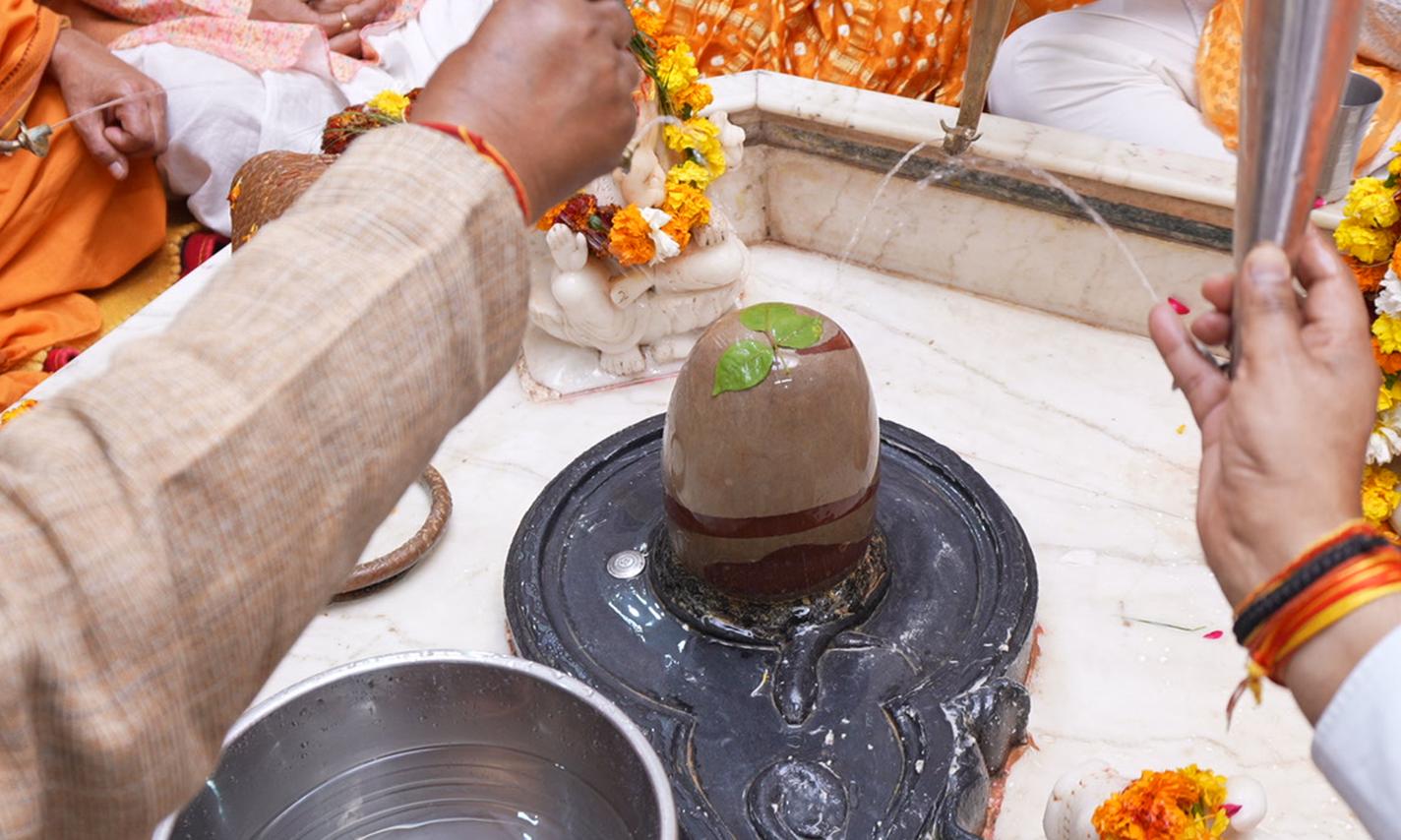
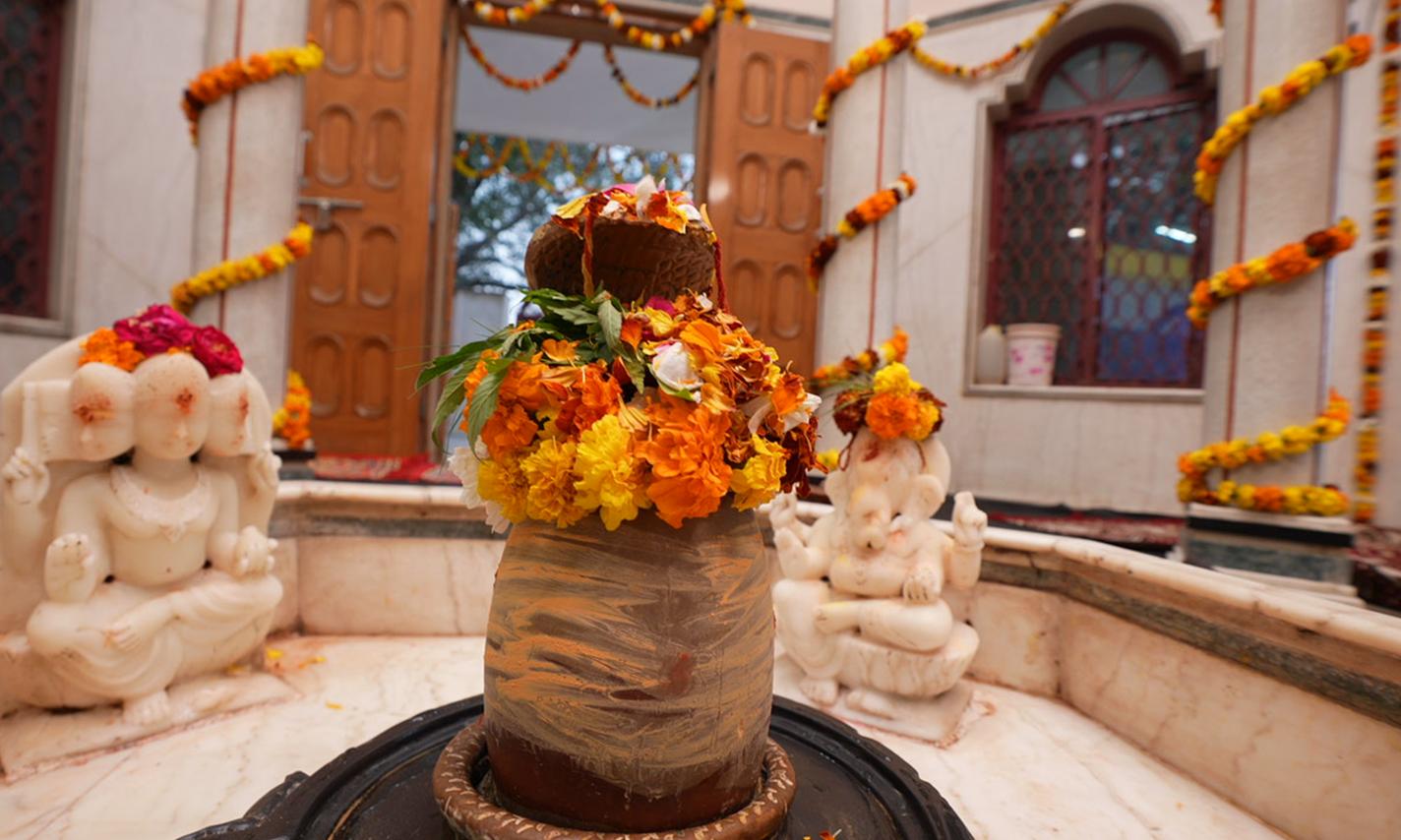
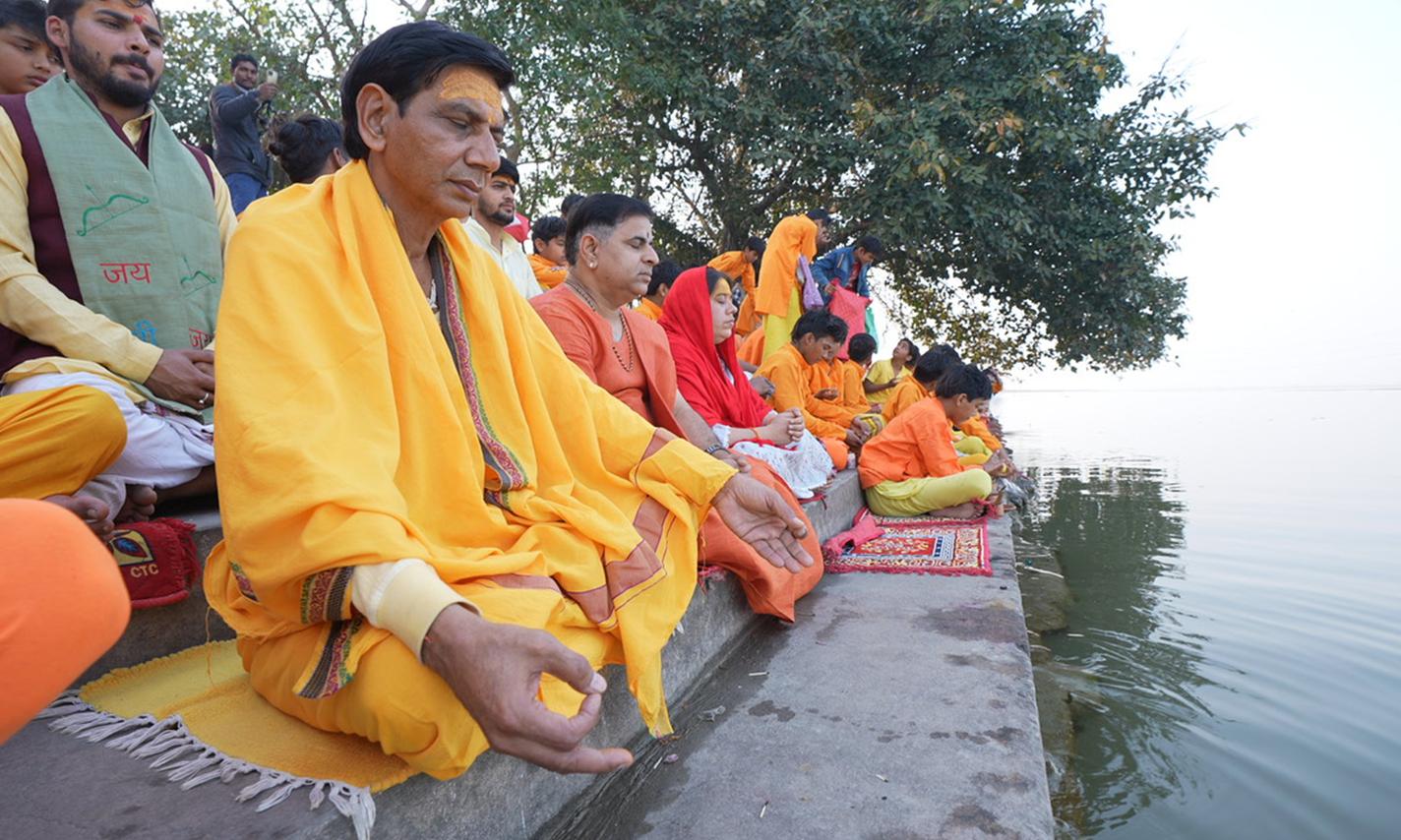
Most people accept this without knowing the reason. The reason was told during the Mahashivratri Mahapuja at Narwar Dham - and it comes directly from the Shiv Puran.
What Brahma Did - The Brahma Curse Story from the Shiv Puran
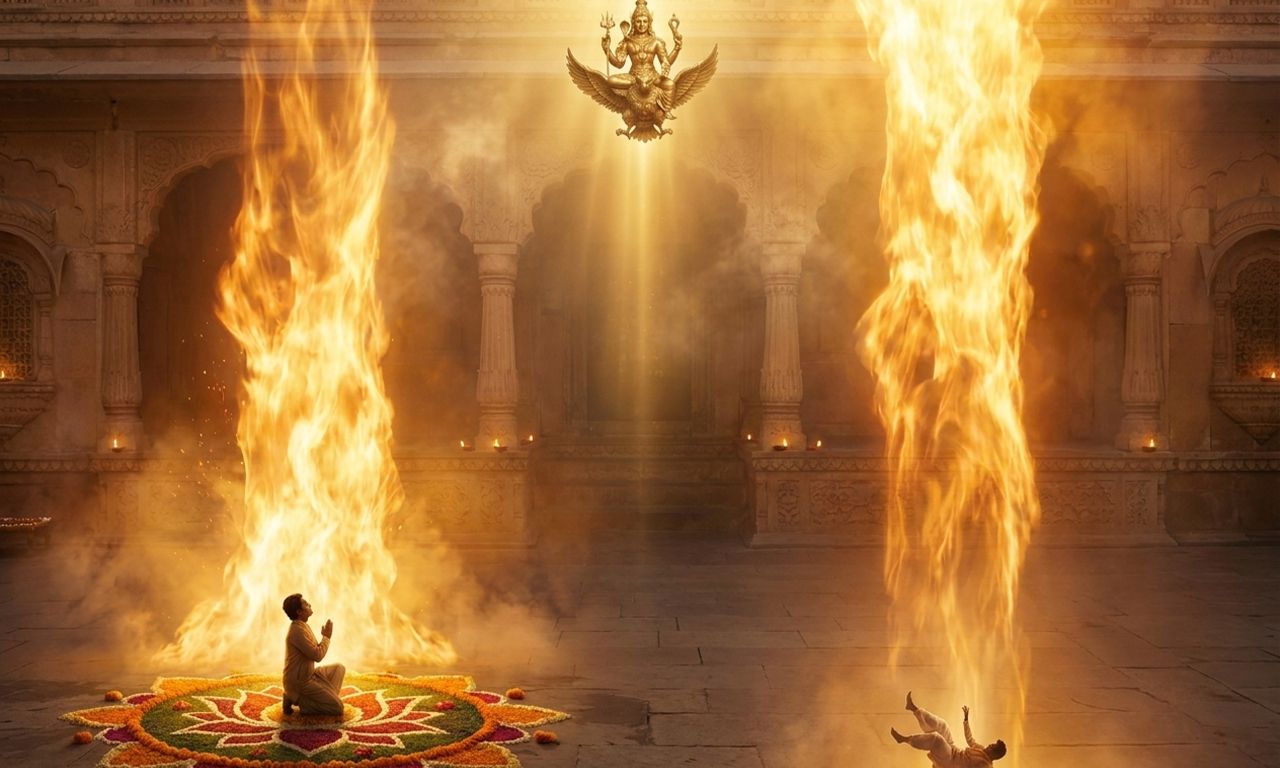
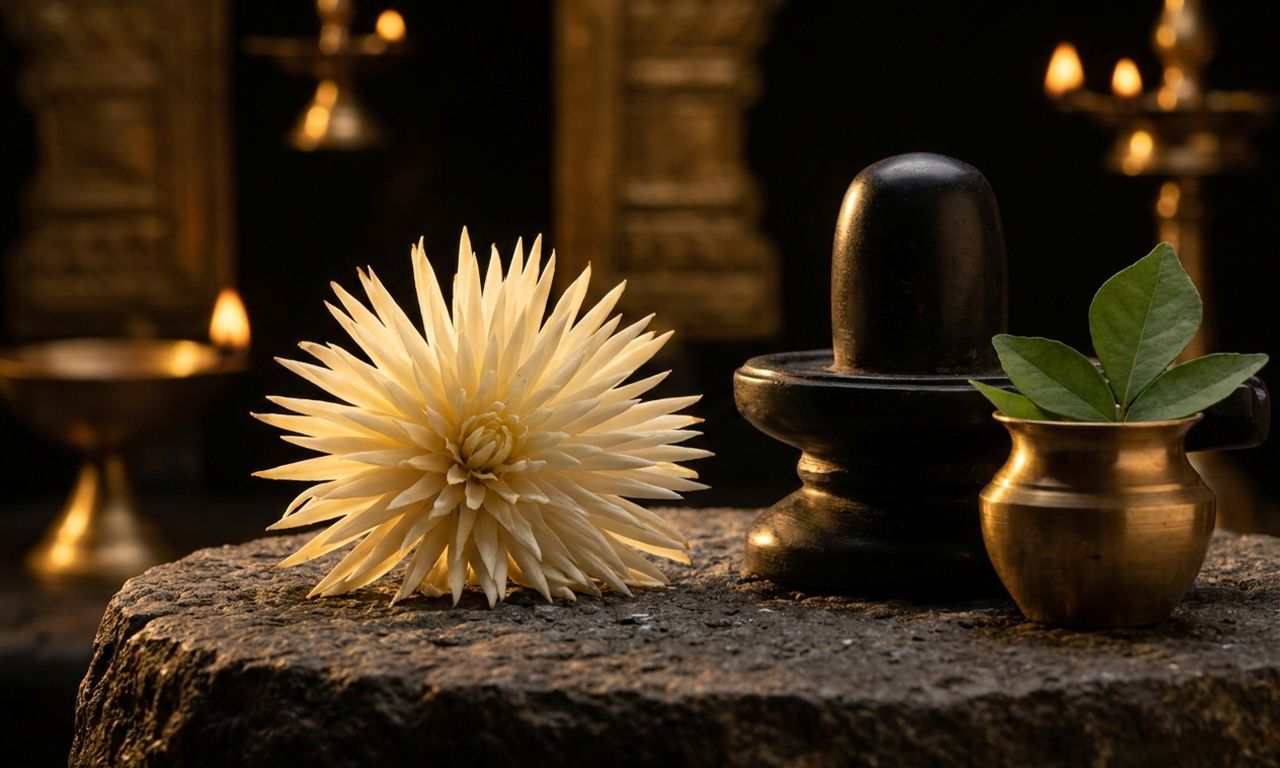
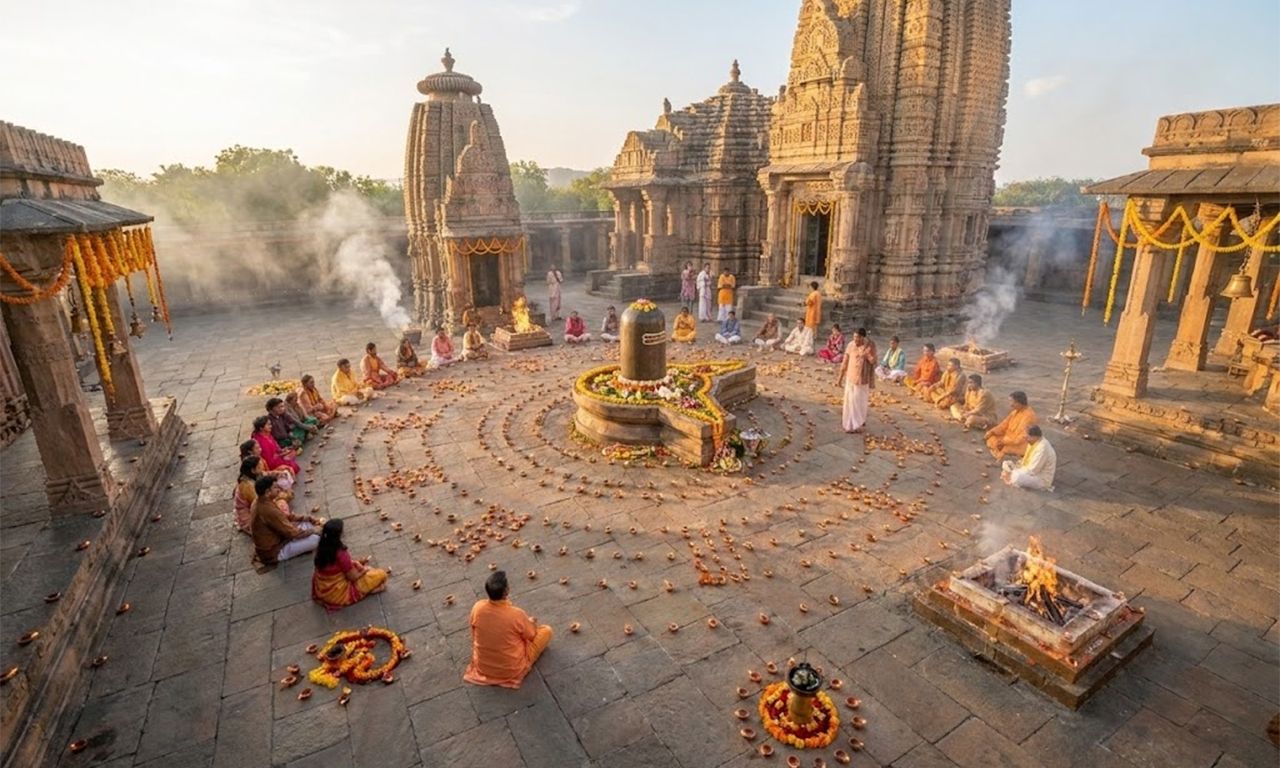
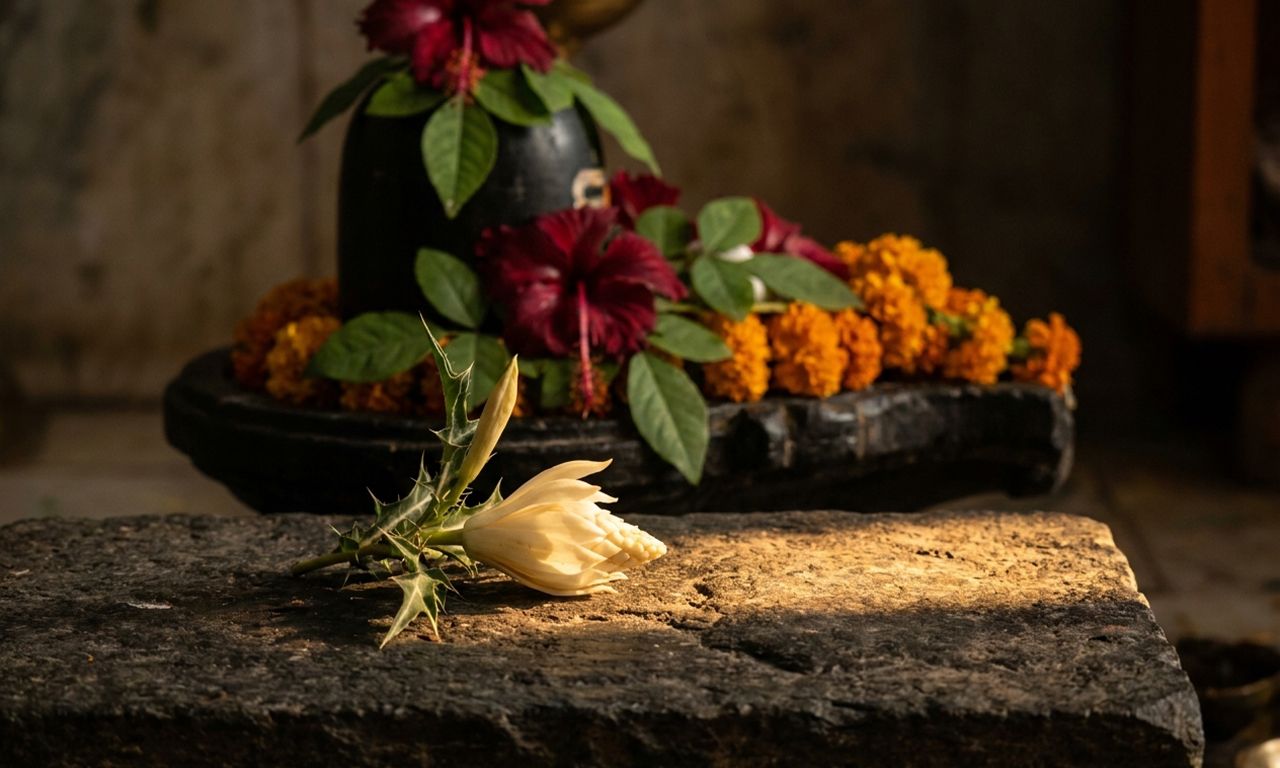
In the story of the Agni Stambha - the central episode of the Shiv Puran that gives Mahashivratri its meaning - Brahma could not find the top of the column of fire. He asked a Ketaki flower to bear false witness. When he stood before Vishnu and claimed to have found what could not be found, he was speaking an untruth to Satyanarayan himself.
When Shiva appeared and the lie was revealed, the consequence was immediate. Brahma would have no temples. His function would continue - but he would not be worshipped directly.
This is the Brahma curse story in its essence: the removal of one specific form of recognition.
The Nuance That the Story Contains
Brahma's punishment is not total destruction. He is still present. Still necessary. Still honoured in the structure of the ceremony. But there is a difference between being necessary and being worshipped.
Shiva's response is not rage - it is proportion. What was taken away corresponds exactly to what Brahma had tried to gain through the lie: primacy, the status of being the greatest. That specific thing was removed. Nothing else.
Why Pushkar Brahma Is the Exception
The Pushkar Brahma mandir exists because of a parallel story in which Brahma performed a yagna at that specific location. A small Adi Brahma temple in Khedbrahma, Gujarat, is the other widely known exception. For most practical purposes, Pushkar is the only Brahma temple in the world that draws regular pilgrimage.
The exception is geographically narrow and historically precise - which is itself part of what confirms the rule.
What This Story Is Doing in a Mahashivratri Ceremony
The story was not told as a rebuke to Brahma. It was told to establish something about the nature of Shiva's justice. It is precise. Proportionate. Permanent - not in anger, but as a natural consequence.
Read: Why Mahashivratri Is Not About Shiva's Wedding