Best Time to Worship Lord Shiva: When and How to Seek the Blessings of Mahadev
By SiddhiStar | Narwar Dham Parampara
21 July 2026 • 8 min read
For every devotee of Lord Shiva, worship is an expression of love, surrender and remembrance. Yet one question is asked repeatedly by devotees across generations. What is the best time to worship Lord Shiva?
Should Shiv Puja always be performed before sunrise? Is Monday more auspicious than other days? Does worship during Brahma Muhurta bring greater blessings? Can working professionals worship Mahadev in the evening? These questions arise because every devotee wishes to offer worship in the most meaningful way.
Param Pujya Mahesh Prakash Sharma Ji teaches that while Sanatan Dharma certainly recognises the spiritual importance of sacred times, no moment spent remembering Lord Shiva is ever wasted. Time becomes sacred when the mind becomes devoted.
A person may stand before the Shivling at Brahma Muhurta while thinking only about worldly worries. Another may remember Mahadev with complete faith after returning home from work in the evening. Guruji reminds us that the second worship may carry far greater spiritual depth. The true purpose of choosing an auspicious time is not merely to follow tradition. It is to create a regular opportunity every day to reconnect with the Divine.
Guruji explains that auspiciousness is not created by the clock alone. It is created by the condition of the heart. A distracted mind cannot experience the peace that worship offers. A devoted mind can discover Mahadev's presence at any hour. This understanding removes unnecessary fear and encourages every devotee to establish a regular spiritual discipline according to their circumstances.
Is There a Fixed Time for Shiv Puja?
Sanatan Dharma provides guidance regarding favourable times for worship, but Guruji cautions against turning these into rigid rules. Lord Shiva is Ashutosh, the One who is easily pleased. He is not waiting to reject the prayers of a devotee who cannot worship at sunrise because of work, illness or family responsibilities. Instead, Mahadev accepts sincere devotion offered with humility.
The important question is therefore not simply: "What time should I worship?" It is: "When can I worship with my full attention?"
Why Is Brahma Muhurta Considered Sacred?
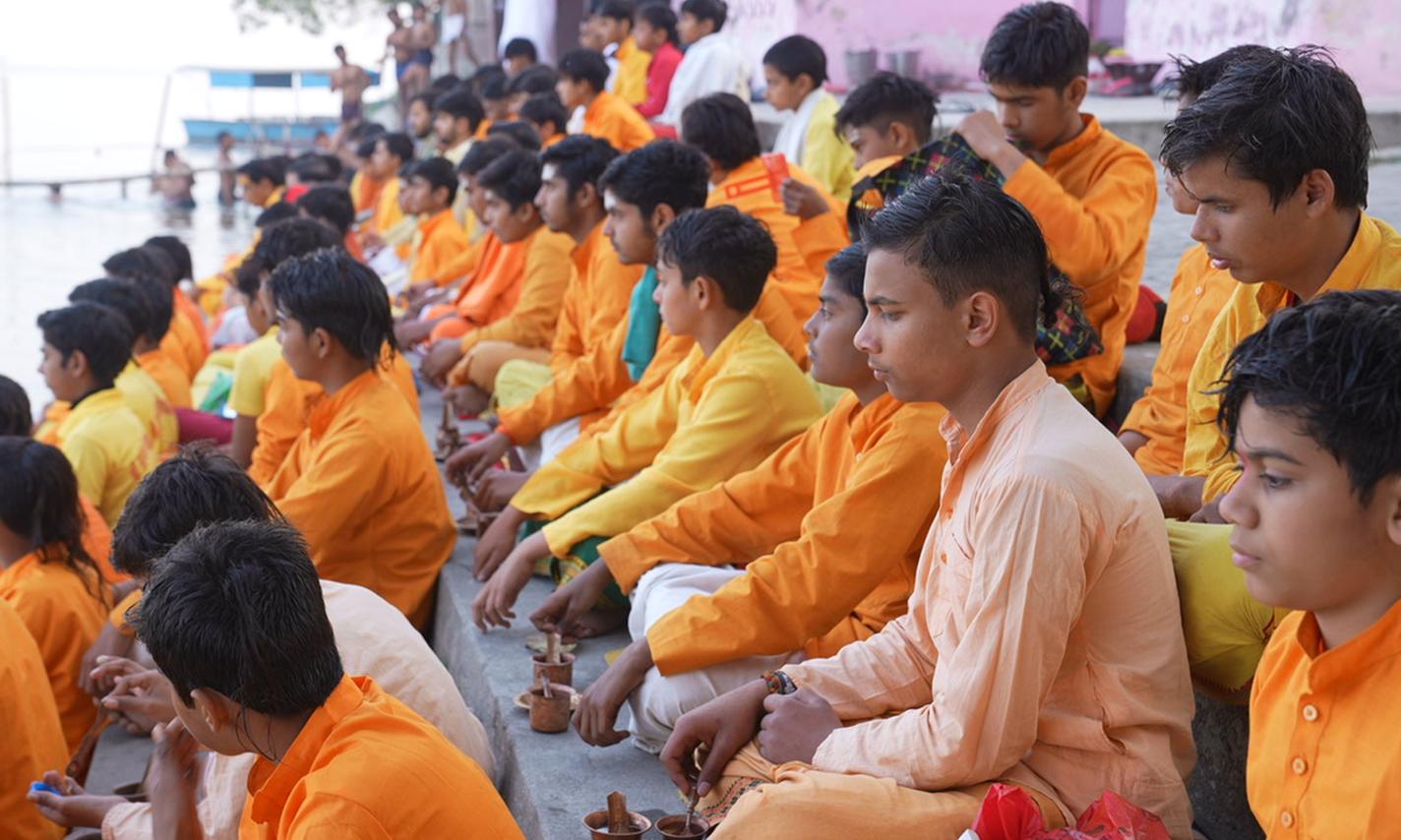
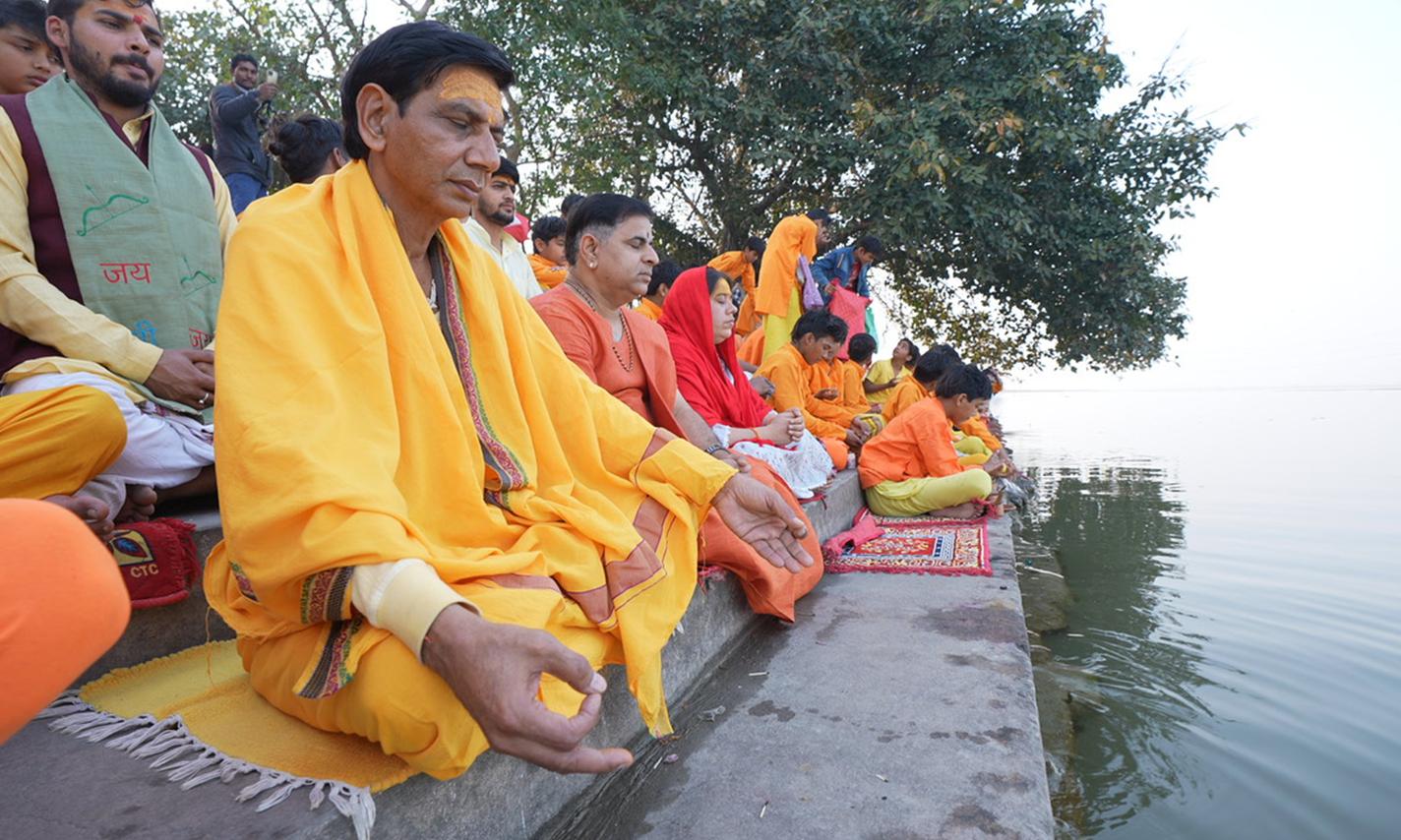
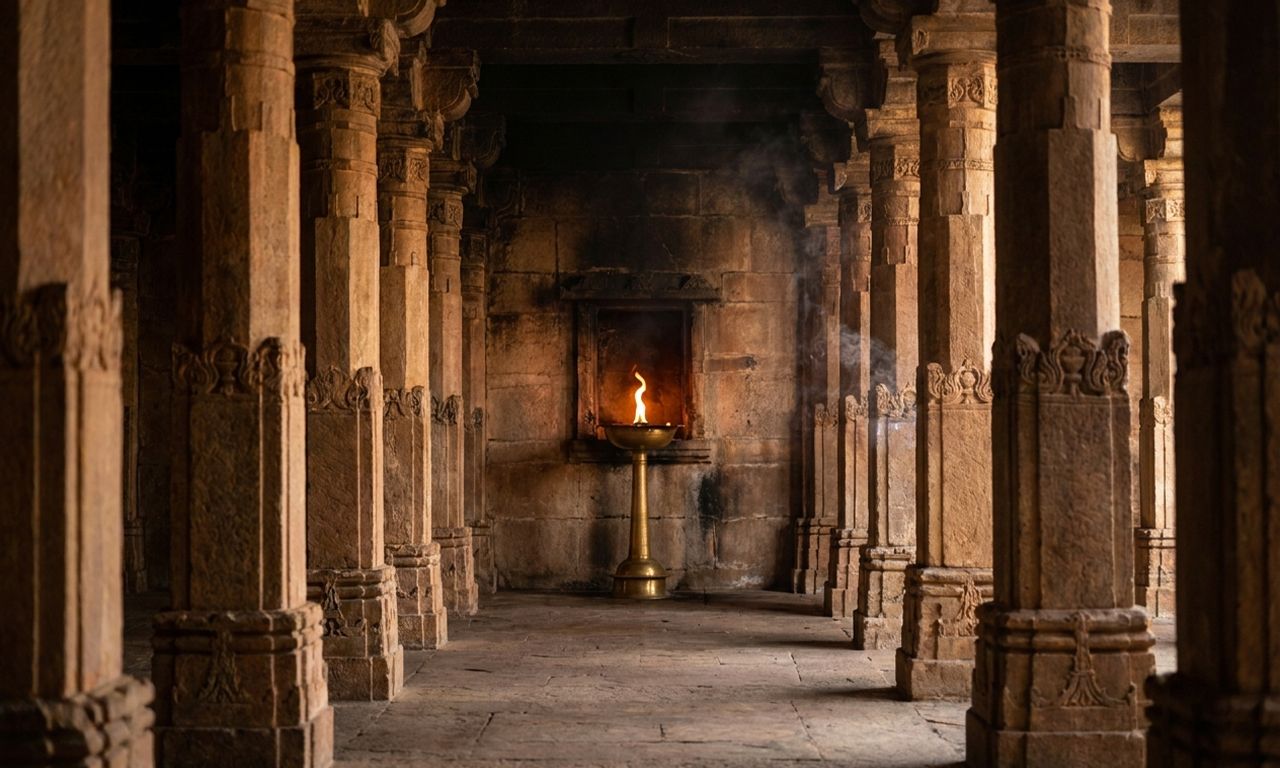
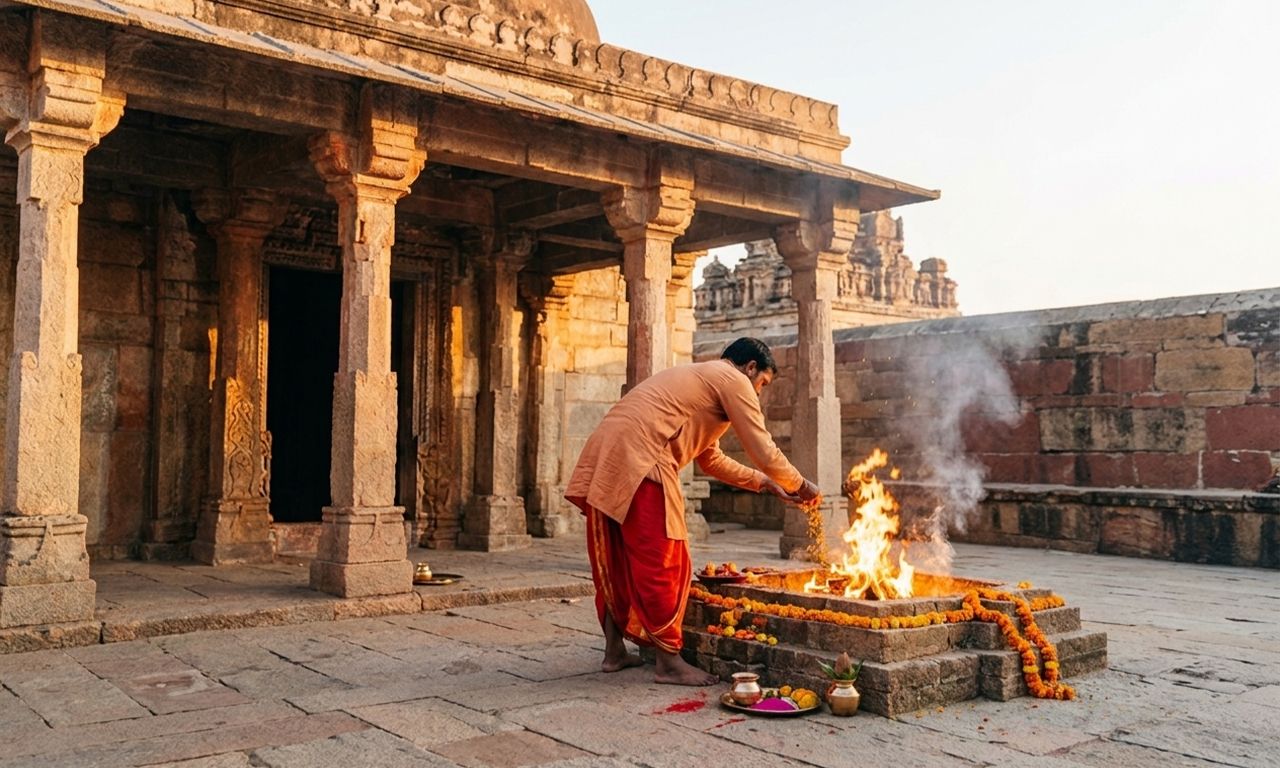
The period before sunrise, known as Brahma Muhurta, has traditionally been regarded as one of the most peaceful times for prayer and meditation. During these early hours: The mind is naturally calmer. The surroundings are quieter. Distractions are fewer. Concentration becomes easier.
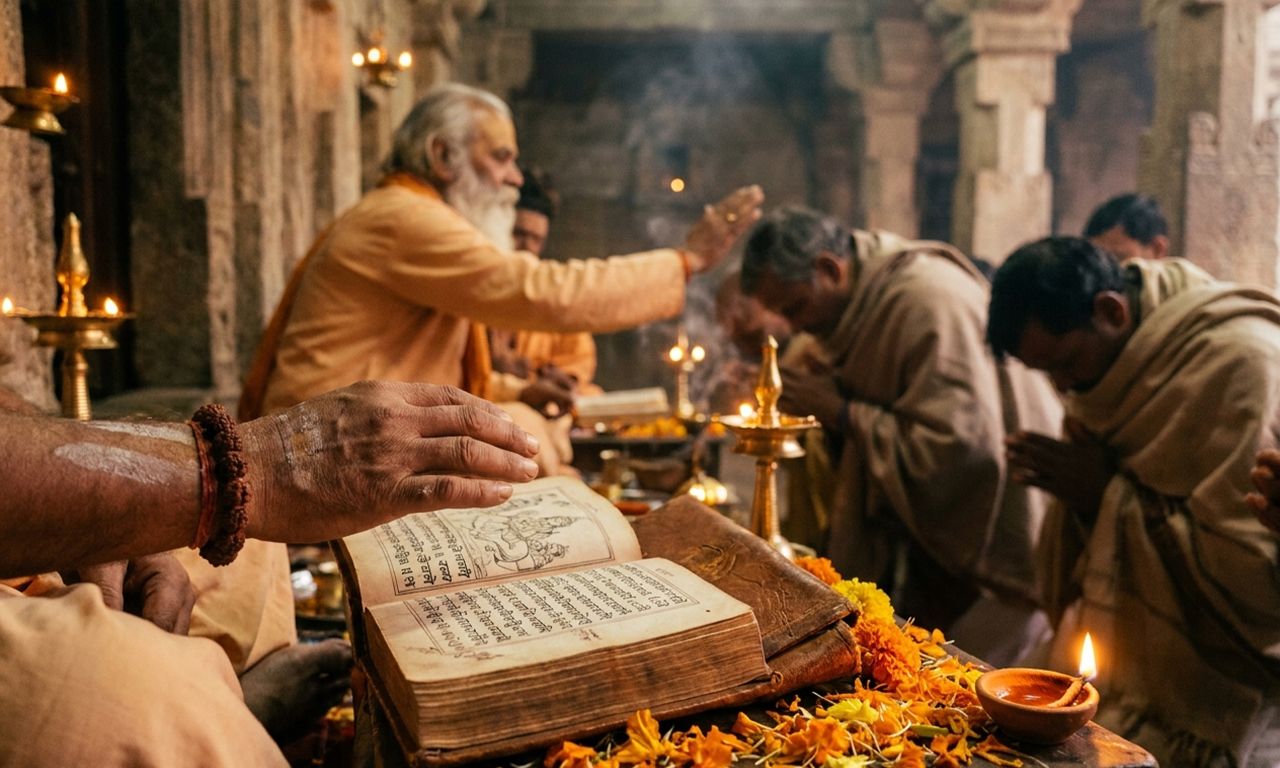
Guruji encourages devotees who are able to wake early to use this time for: Shiv Chintan. Mantra chanting. Meditation. Reading sacred scriptures. Simple Shiv Puja.
However, he also reminds devotees that missing Brahma Muhurta should never become a reason to abandon daily worship altogether.
Morning Worship and Its Importance
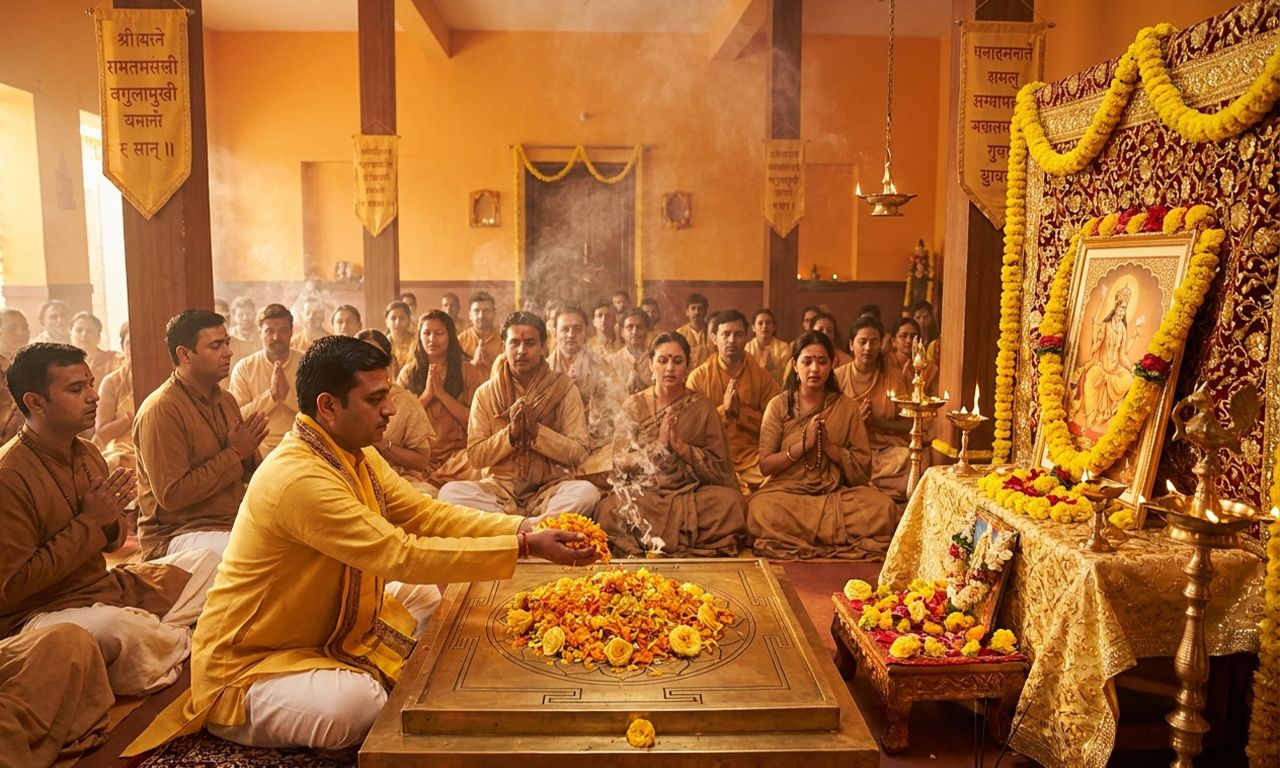
Morning worship allows the devotee to begin the day with gratitude rather than anxiety. Instead of immediately becoming occupied with responsibilities, the mind first bows before Mahadev.
Guruji teaches that this simple habit gradually changes the quality of one's entire day. Challenges are faced more calmly. Success creates less pride. Failure creates less fear. Morning worship becomes the spiritual foundation upon which the rest of the day is built.
Can Lord Shiva Be Worshipped in the Evening?
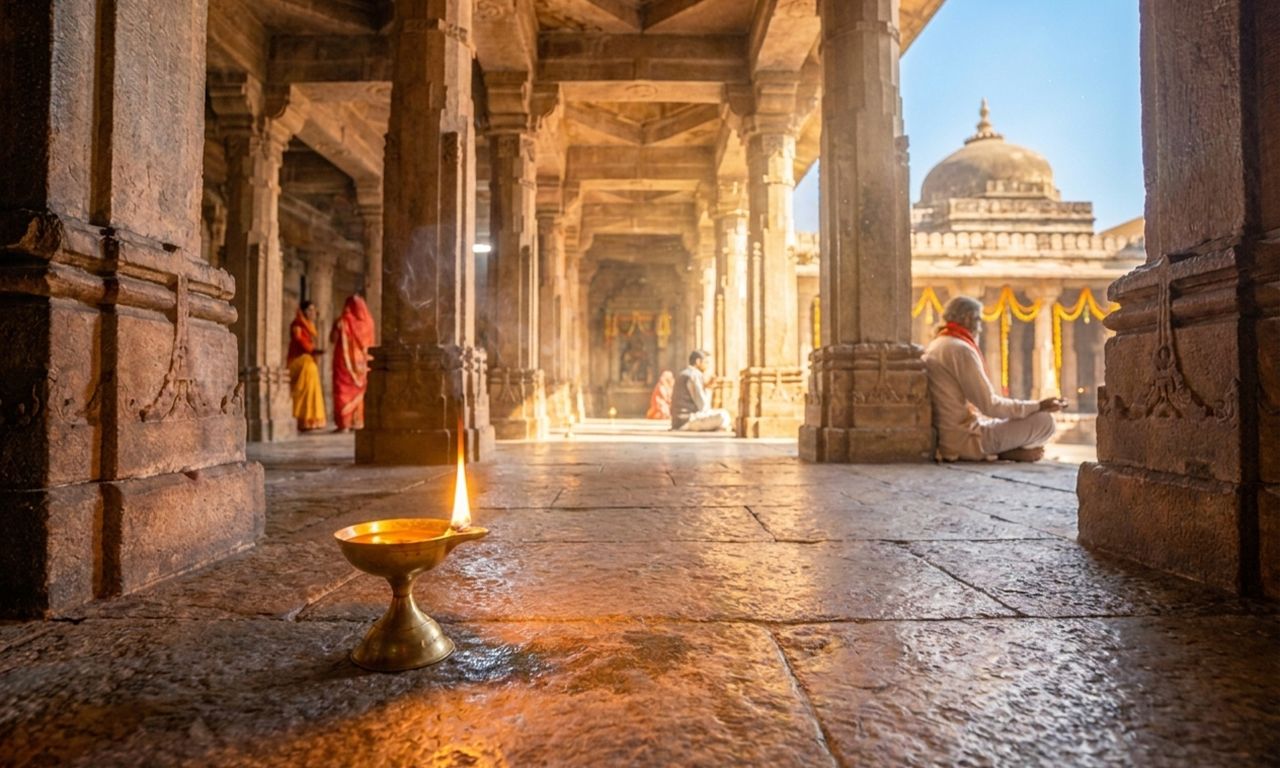
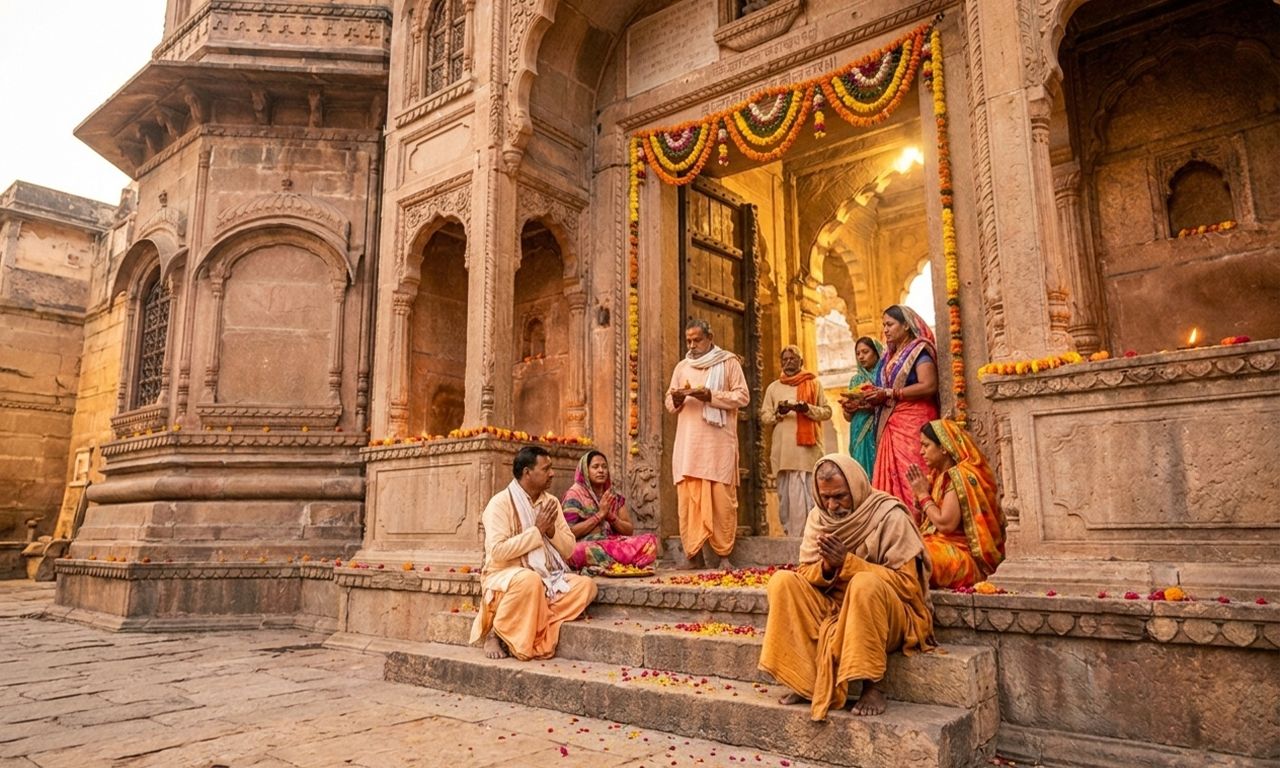
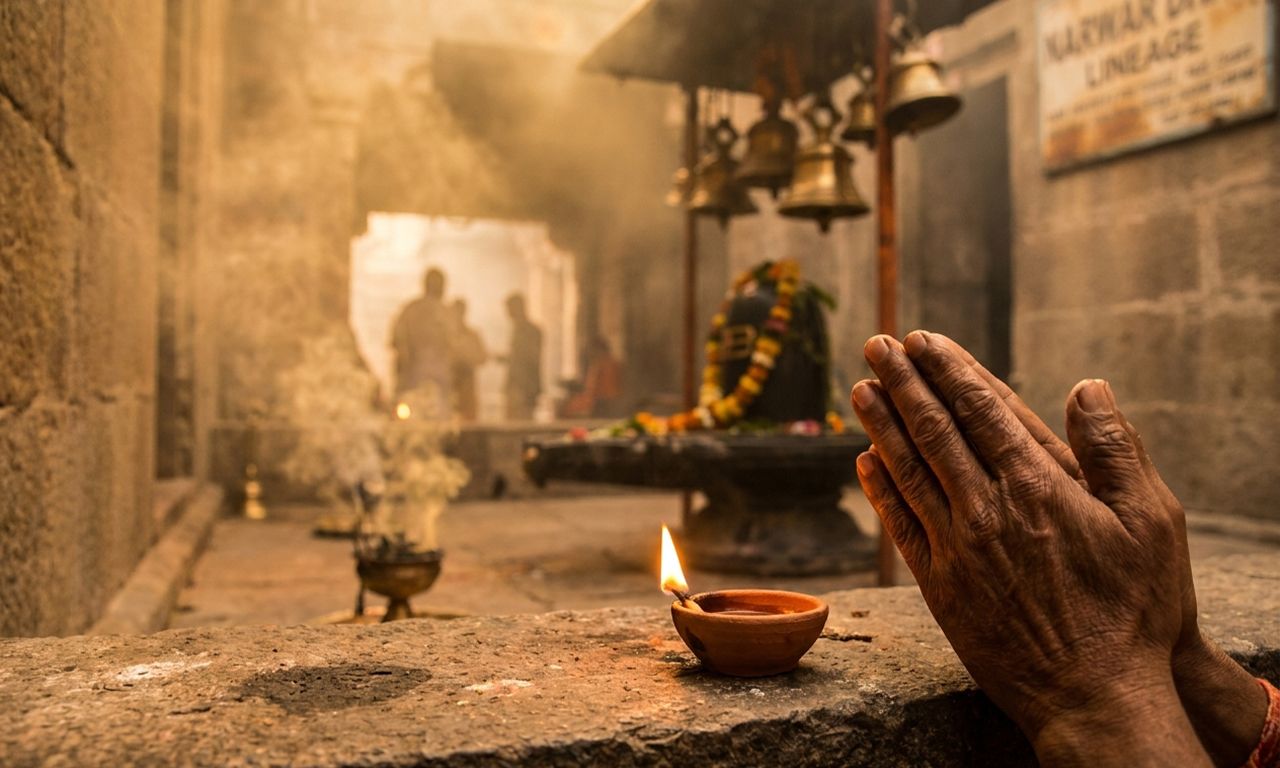
Yes. Many devotees are unable to perform elaborate worship during the morning because of work or travel. Guruji encourages such devotees not to feel discouraged. Returning home, lighting a Diya, offering a sincere prayer and chanting "Om Namah Shivaya" with full attention is far better than postponing worship indefinitely.
Evening worship also provides an opportunity to reflect upon the day. One may silently thank Mahadev for His guidance and seek forgiveness for mistakes committed knowingly or unknowingly. This habit gradually cultivates humility and self-awareness.
Why Is Monday Considered Especially Auspicious?
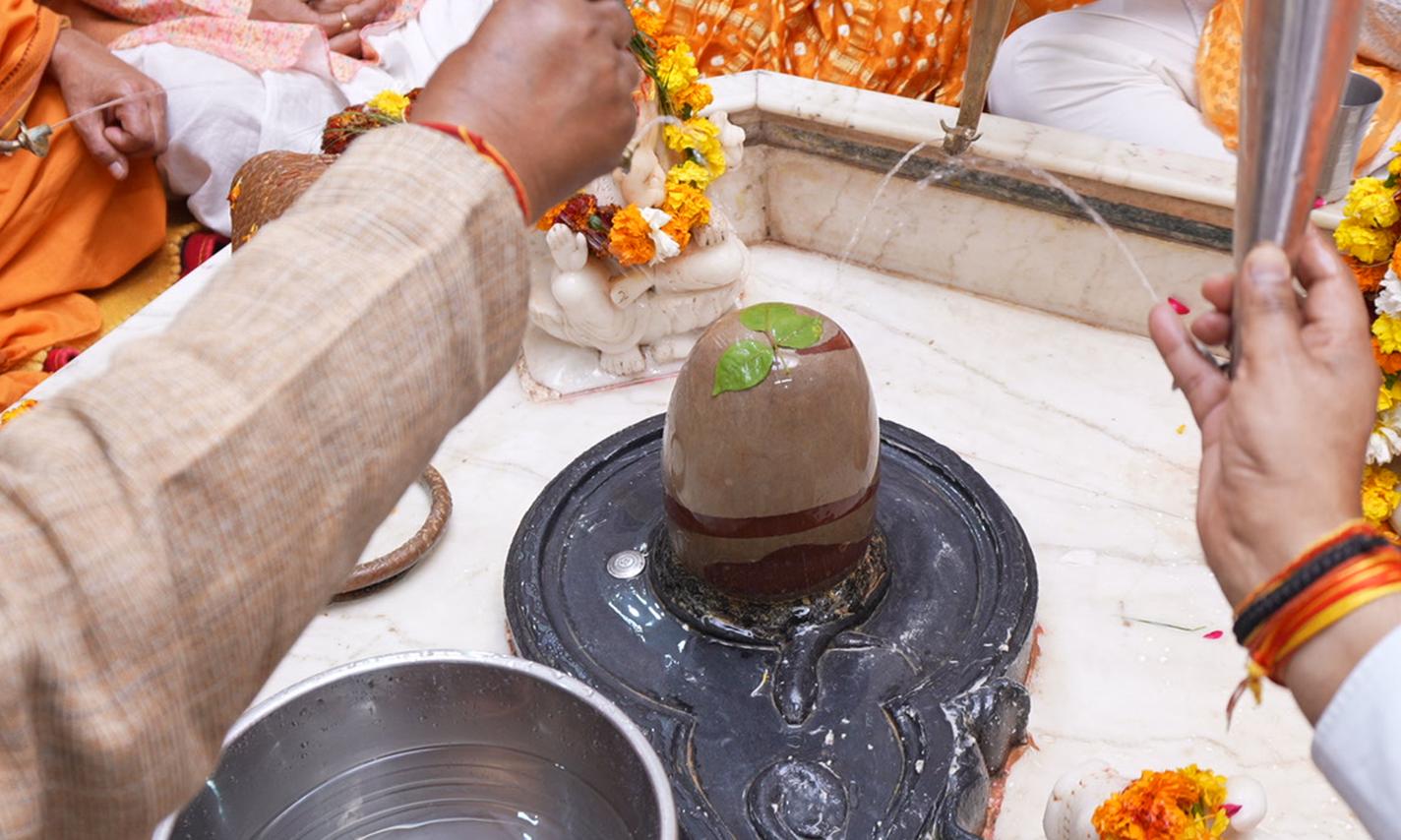
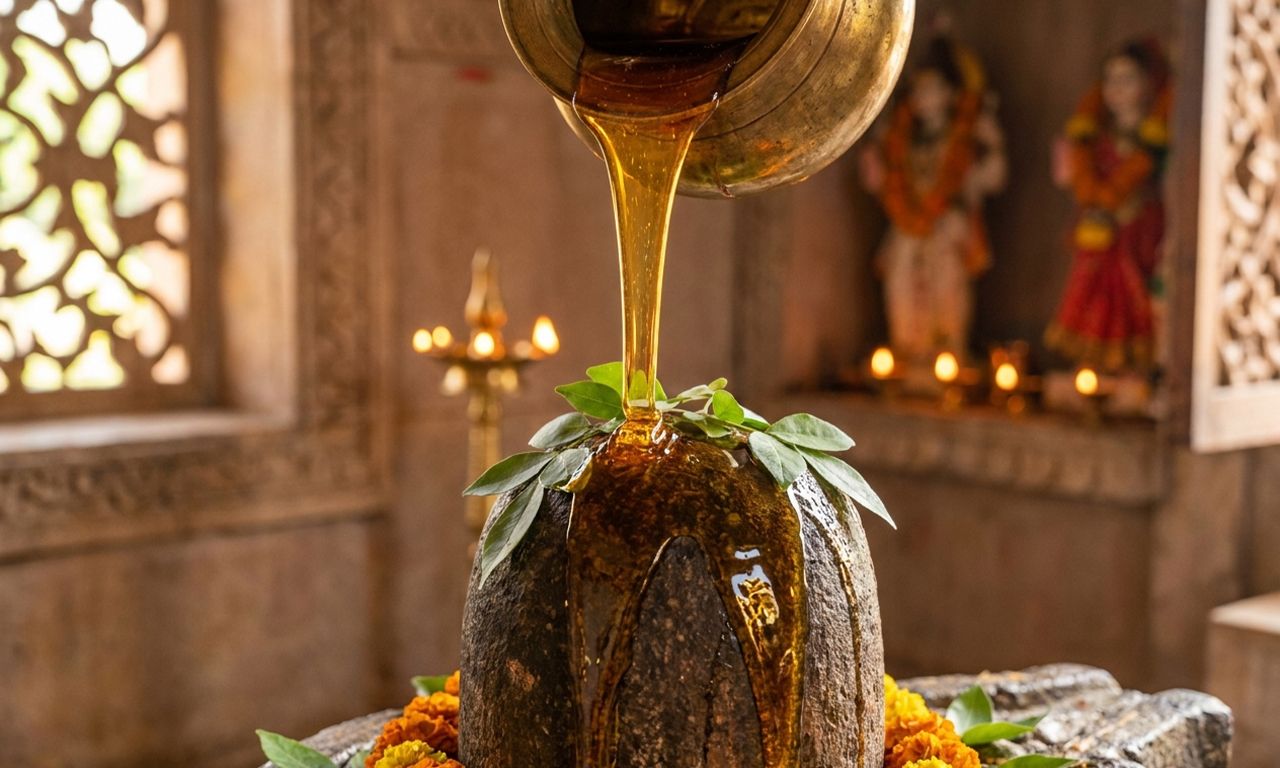
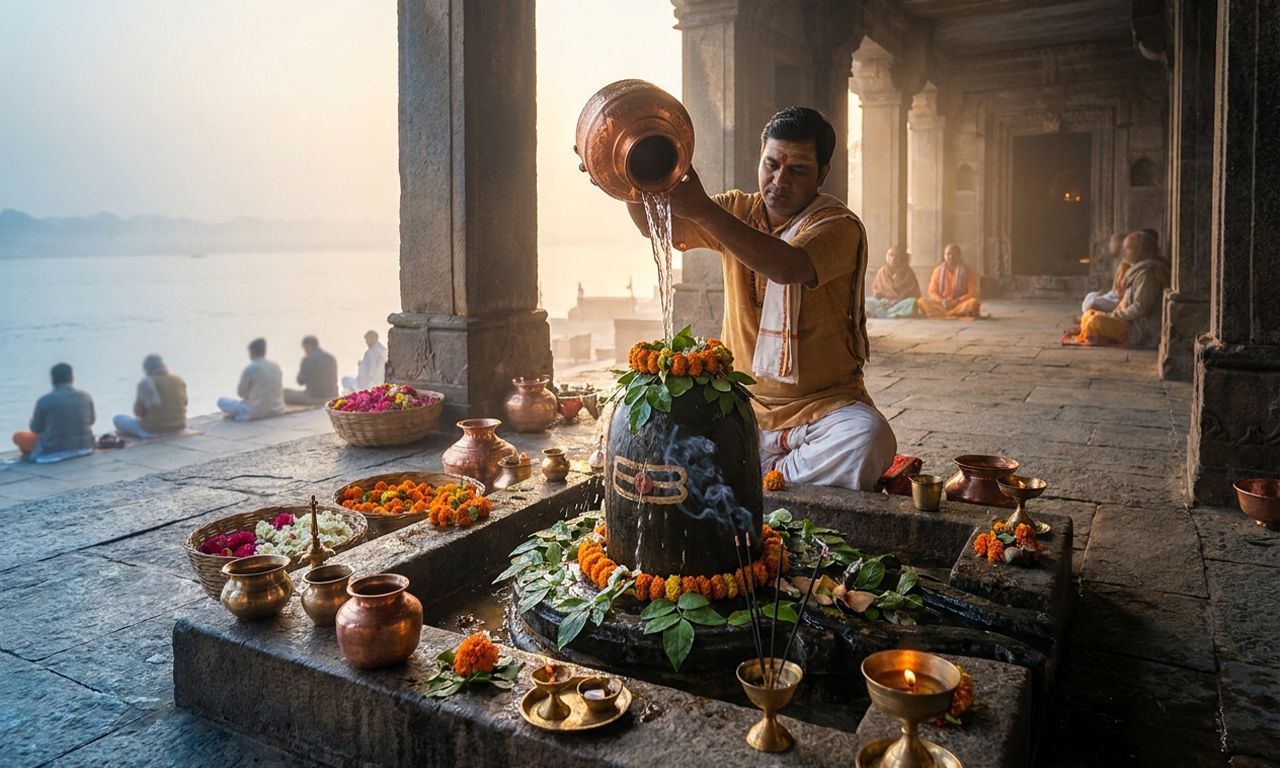
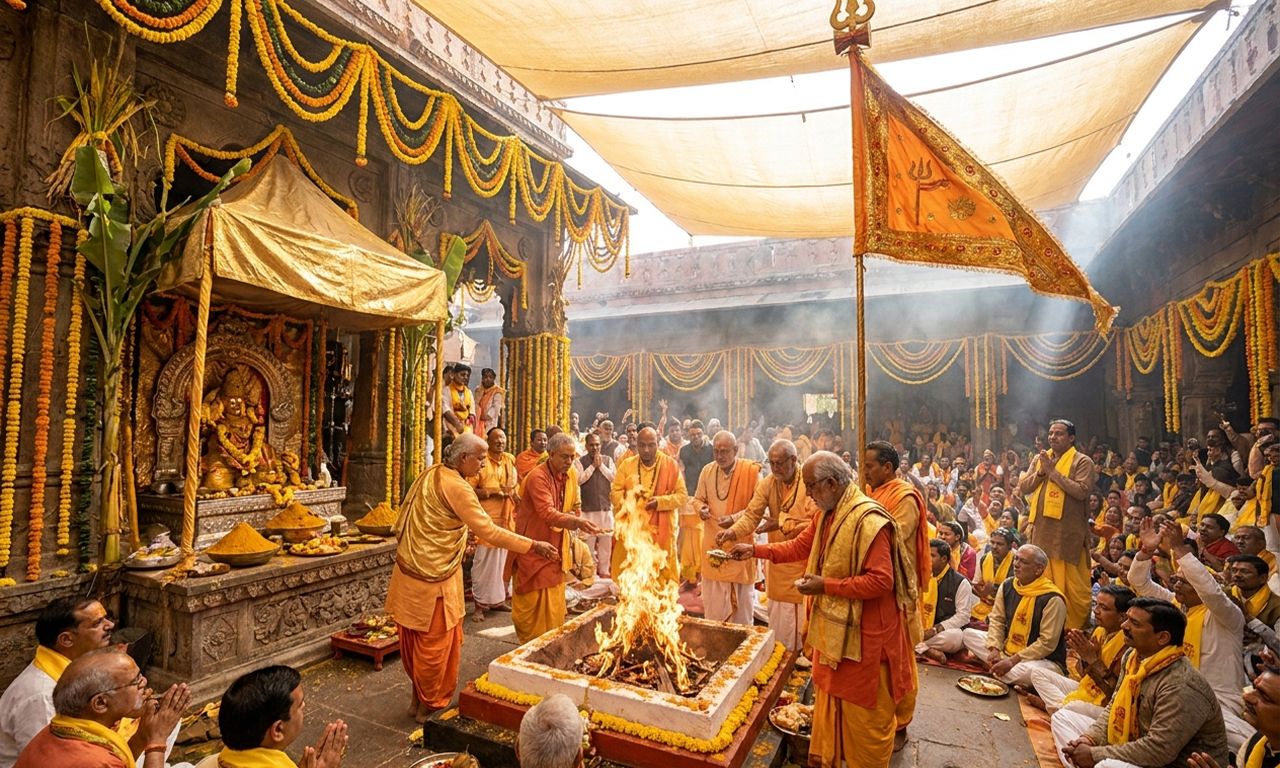
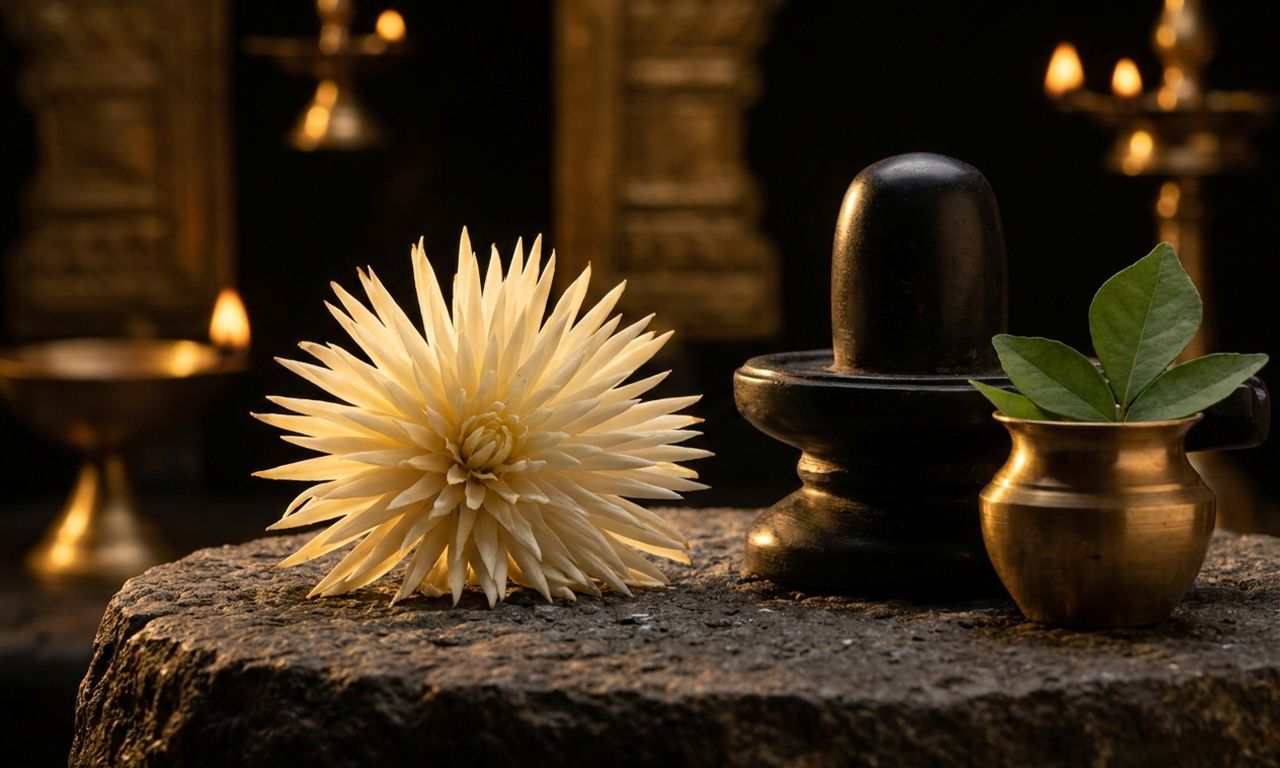
Among the seven days of the week, Monday holds a special place in Shiva worship. Millions of devotees observe Somvar Vrat, visit Shiva temples and perform Jal Abhishek.
Guruji explains that Monday serves as a beautiful reminder to begin each week by remembering Lord Shiva. The spiritual value of Monday lies not in superstition but in discipline. When every Monday begins with devotion, the entire rhythm of life gradually becomes centred upon Mahadev.
Why Does Sawan Hold Special Importance?
The sacred month of Sawan inspires extraordinary devotion towards Lord Shiva. Temples become filled with worshippers. Devotees observe fasts. Kanwar Yatras are undertaken. Rudrabhishek and Jal Abhishek are performed throughout the month.
Guruji teaches that the greatness of Sawan lies not in changing Lord Shiva's compassion. Mahadev's grace remains constant. It is the devotion of the devotee that becomes more intense. Sawan therefore becomes an opportunity to strengthen habits that should ideally continue throughout the year.
Is There a Best Time for Rudrabhishek?
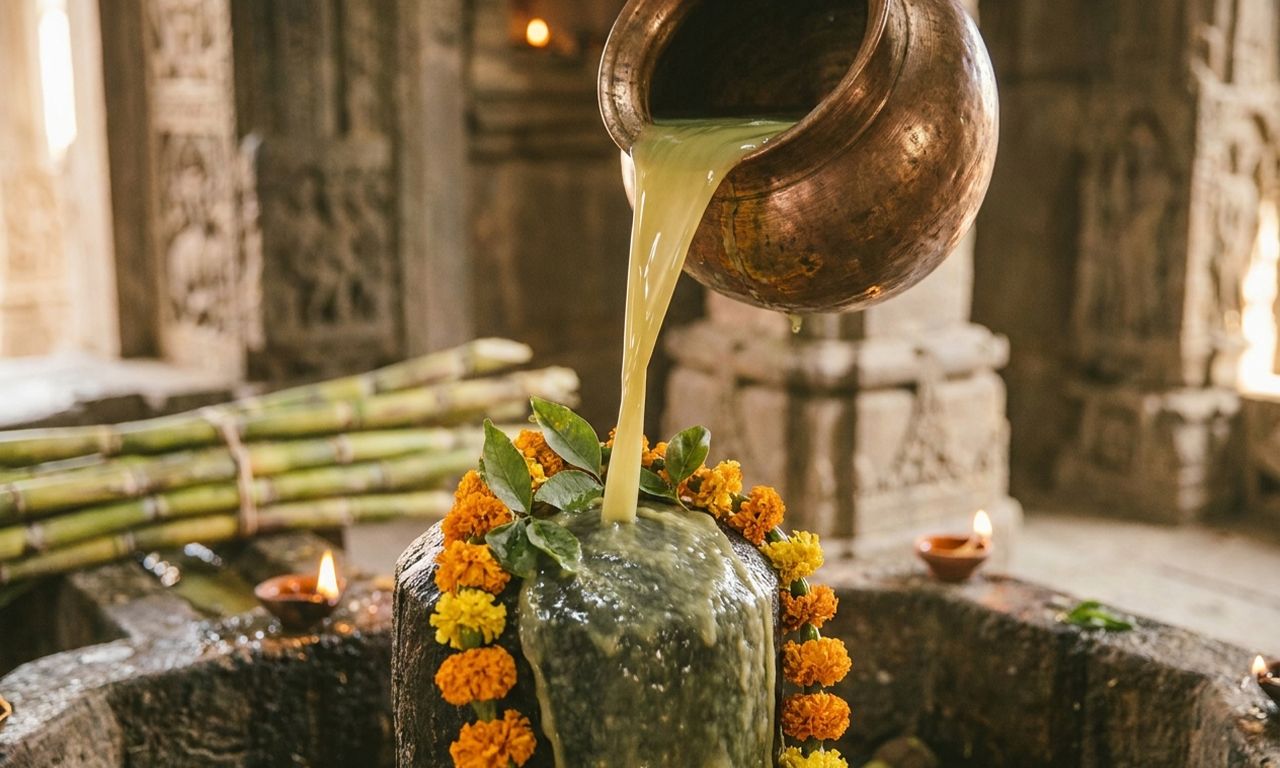
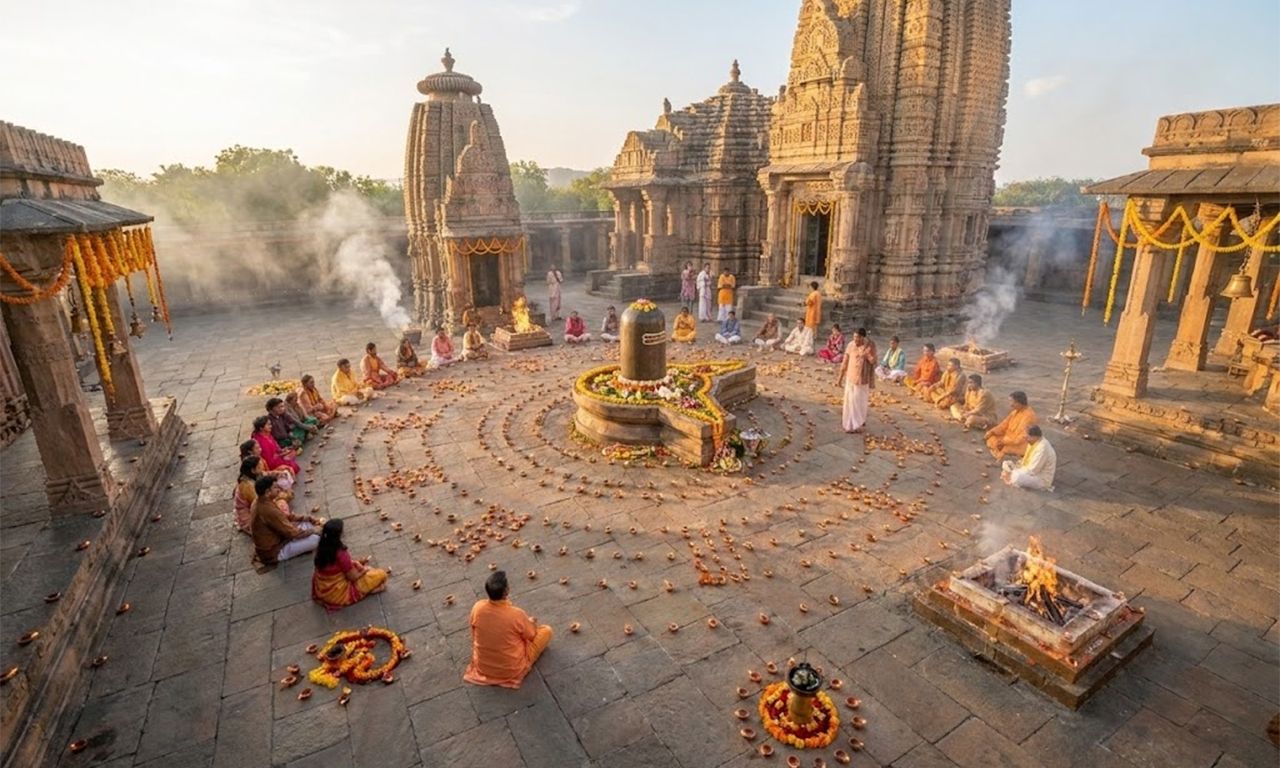
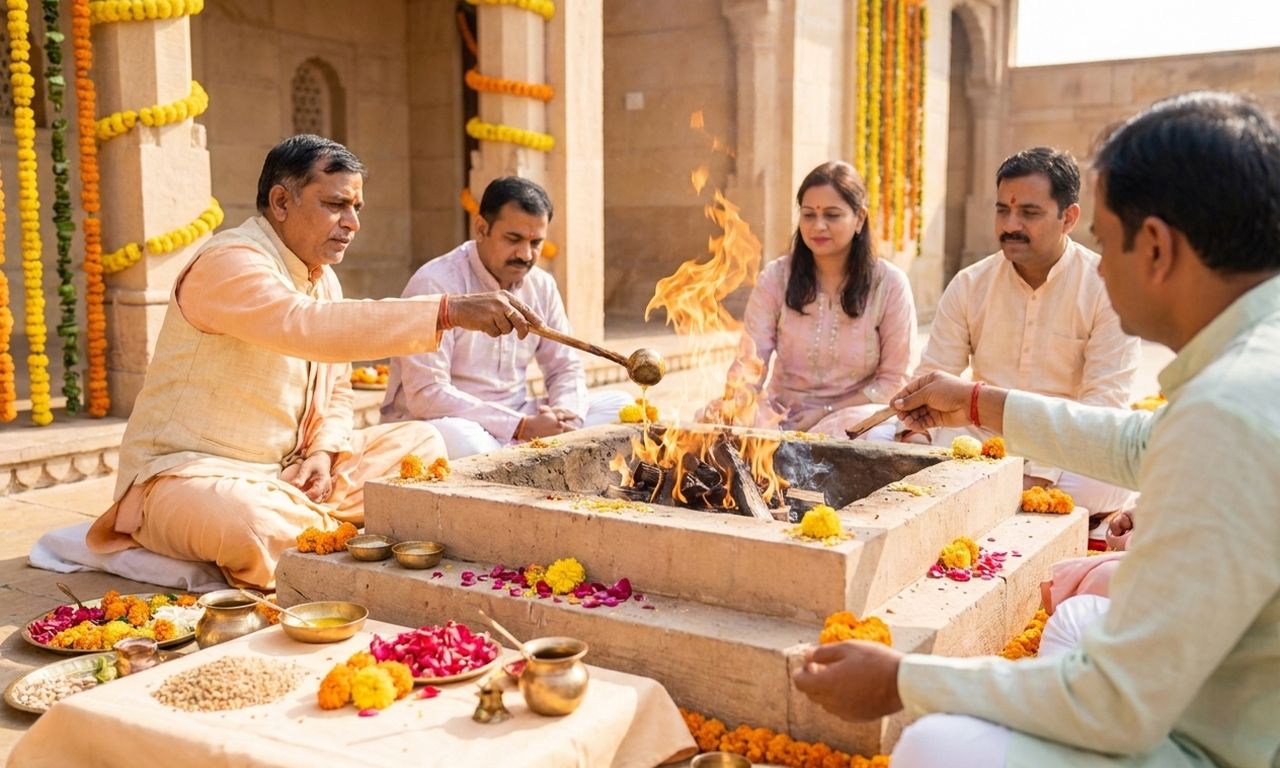
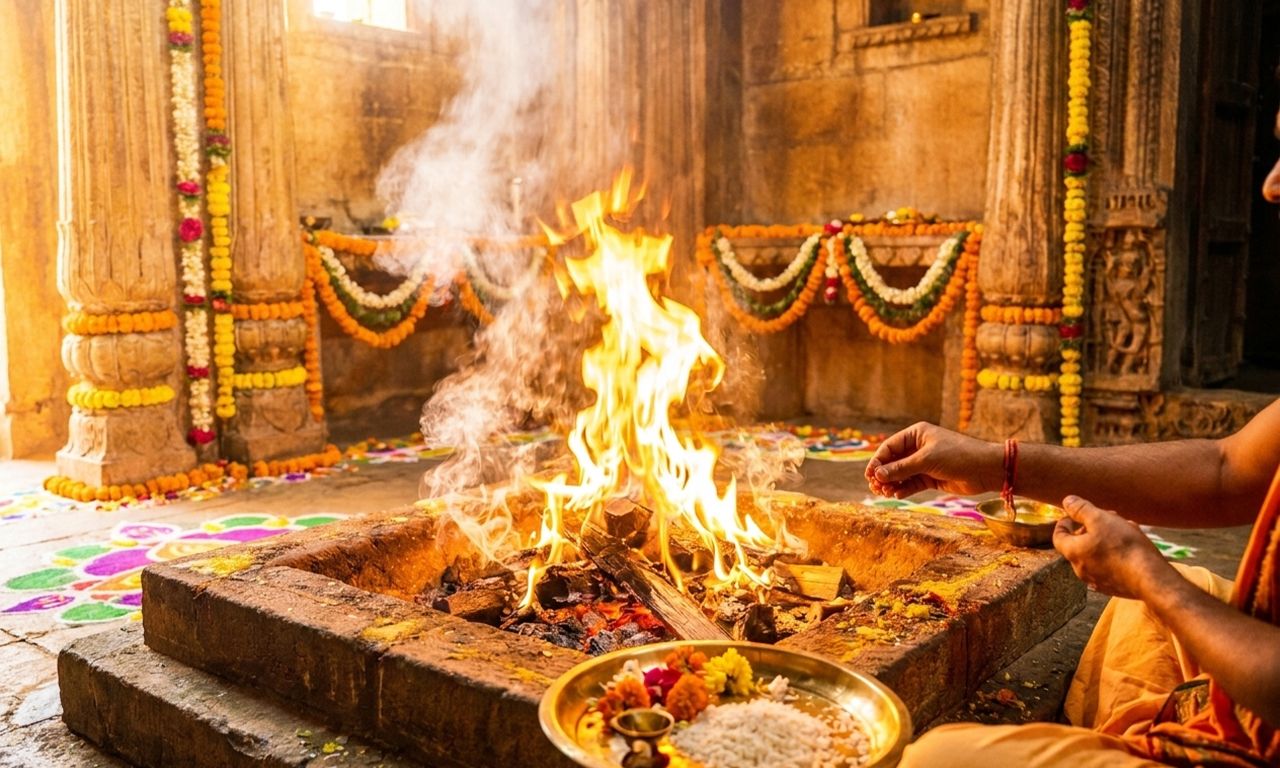
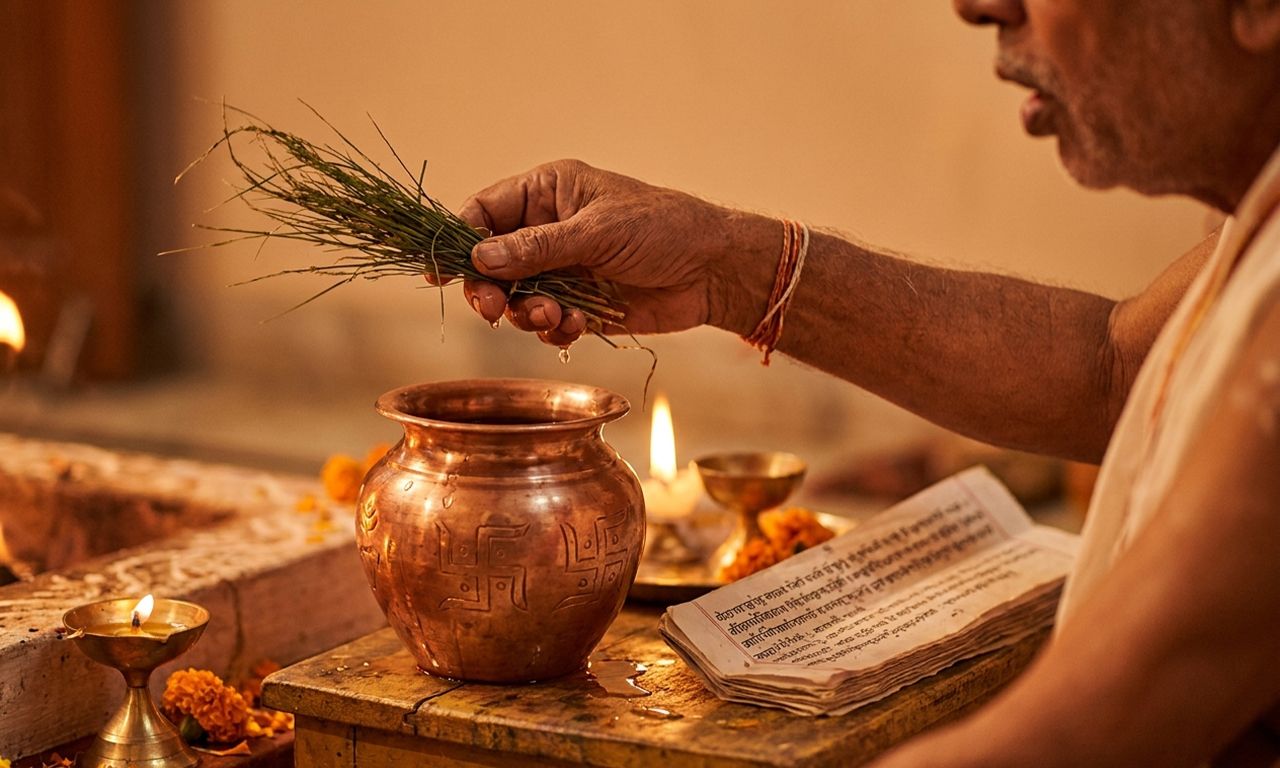
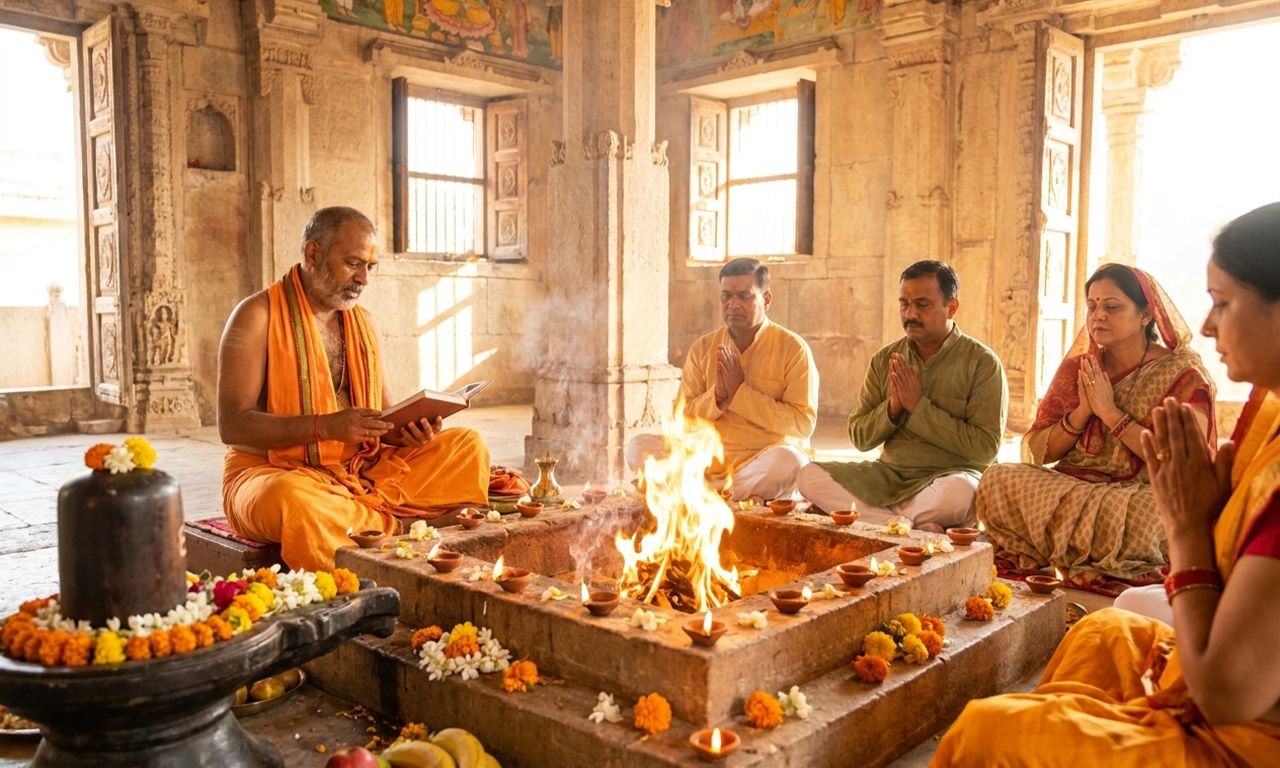
Rudrabhishek is traditionally performed according to Vedic procedures under the guidance of learned Acharyas. The exact timing may vary depending upon the Sankalp, the ritual and traditional practices being followed.
Guruji explains that the spiritual effectiveness of Rudrabhishek depends not merely upon timing but upon: Authentic Vedic chanting. Proper ritual discipline. Purity of intention. The devotion of the Yajman. These elements together make the worship spiritually meaningful.
How Long Should Daily Worship Last?
Some devotees worry that meaningful worship requires an hour or more. Guruji offers a reassuring perspective. Daily worship should be realistic and sustainable. Even ten to fifteen minutes of complete devotion every day can gradually transform the heart.
A small discipline practised consistently is spiritually more valuable than lengthy worship performed only occasionally. Regularity creates spiritual maturity.
When Should Mantras Be Chanted?
The chanting of Shiva mantras may accompany daily worship, meditation or moments of quiet reflection. Guruji recommends chanting with attention rather than speed.
Whether reciting: Om Namah Shivaya. The Mahamrityunjaya Mantra. Or other sacred Shiva mantras. The mind should remain connected to their meaning rather than merely counting repetitions. Every mantra is an opportunity to remember Mahadev.
Common Misunderstandings About Auspicious Time
Guruji encourages devotees to avoid several common misconceptions. Do not believe that Lord Shiva listens only during certain hours. Do not postpone worship because you missed an "ideal" time. Do not become anxious if your schedule differs from others. Do not compare your spiritual practice.
The greatest mistake is not worshipping at the wrong time. The greatest mistake is forgetting Mahadev altogether.
Making Every Day Sacred
Guruji teaches that spiritual life should not be limited to a few special days. Every sunrise is an opportunity to begin again. Every evening is an opportunity to express gratitude. Every difficulty is an opportunity to remember Mahadev. Every success is an opportunity to remain humble.
When this understanding develops, every moment gradually becomes an act of worship.
The Narwar Dham Tradition
For more than 120 years, the Narwar Dham Guru Parampara has guided devotees in establishing disciplined yet practical spiritual lives. Daily worship, Shiv Chintan, Rudrabhishek and mantra chanting are encouraged not as occasional rituals but as lifelong practices.
The emphasis has always been on sincerity over display, consistency over complexity and devotion over mere ritual. Whether worship is performed at dawn, during Sawan or after returning from work, the purpose remains the same. To remember Lord Shiva with a pure heart.
Frequently Asked Questions
What is the best time to worship Lord Shiva?
Traditionally, Brahma Muhurta and the early morning hours are considered especially auspicious. However, Guruji teaches that any time offered with sincere devotion is accepted by Lord Shiva.
Can I worship Lord Shiva in the evening?
Yes. Evening worship performed with faith, gratitude and concentration is spiritually meaningful, especially for those who cannot worship in the morning.
Is Monday the best day for Shiv Puja?
Monday is especially sacred for Lord Shiva and many devotees observe Somvar Vrat or perform Jal Abhishek. However, Mahadev may be worshipped on every day of the week.
Why is Sawan considered the best month for Shiva worship?
Sawan inspires deeper devotion, fasting, Rudrabhishek and temple worship. Guruji teaches that the month encourages devotees to strengthen their spiritual discipline and remembrance of Lord Shiva.
How long should daily Shiv Puja last?
There is no fixed duration. Even ten to fifteen minutes of sincere daily worship can become a powerful lifelong spiritual practice when performed consistently.
From Faith to Sadhana
Choosing the right time for worship is valuable, but the greatest blessing comes from participating in authentic Vedic worship performed with discipline and devotion.
Through SiddhiStar, you can offer your name and gotra in the Sankalp for a traditional Rudrabhishek performed by learned Acharyas of the 120-year-old Narwar Dham Guru Parampara. Every mantra, every offering and every ritual is performed according to established Vedic tradition, allowing your devotion to become part of a living lineage of Shiva worship.
Make time for Mahadev every day, and whenever possible, deepen that devotion through an authentic Rudrabhishek at Narwar Dham.